Cycling Gear
The Oldest Gear Still Used in Pro Road Cycling: Eight Long-Lived Components
Eight proven components that WorldTour riders still race on, from a cotton clincher launched in 2014 to a bottom bracket standard from 2003.
Introduction
It is tempting to assume that professional road racing runs entirely on the newest equipment available. The reality is more nuanced. Between sponsor contracts, regulations, and straightforward performance logic, plenty of older designs remain in the professional peloton long after their launch dates. Some stay because a sponsor has not yet invested in a replacement. Others stay because they still do the job better than anything that has come since.
This guide covers eight components that have outlasted several generations of would-be successors. It looks at what makes each of them still relevant and what that means if you are considering one for your own bike.
How These Components Earned Their Longevity
Every item here shares a common trait: it solved a specific problem well enough that replacing it never became a priority. Long service life at the top of the sport usually comes down to three things. The design still delivers a measurable benefit. Teams and mechanics trust it. And the alternatives have not offered a clear enough step forward to justify a switch.
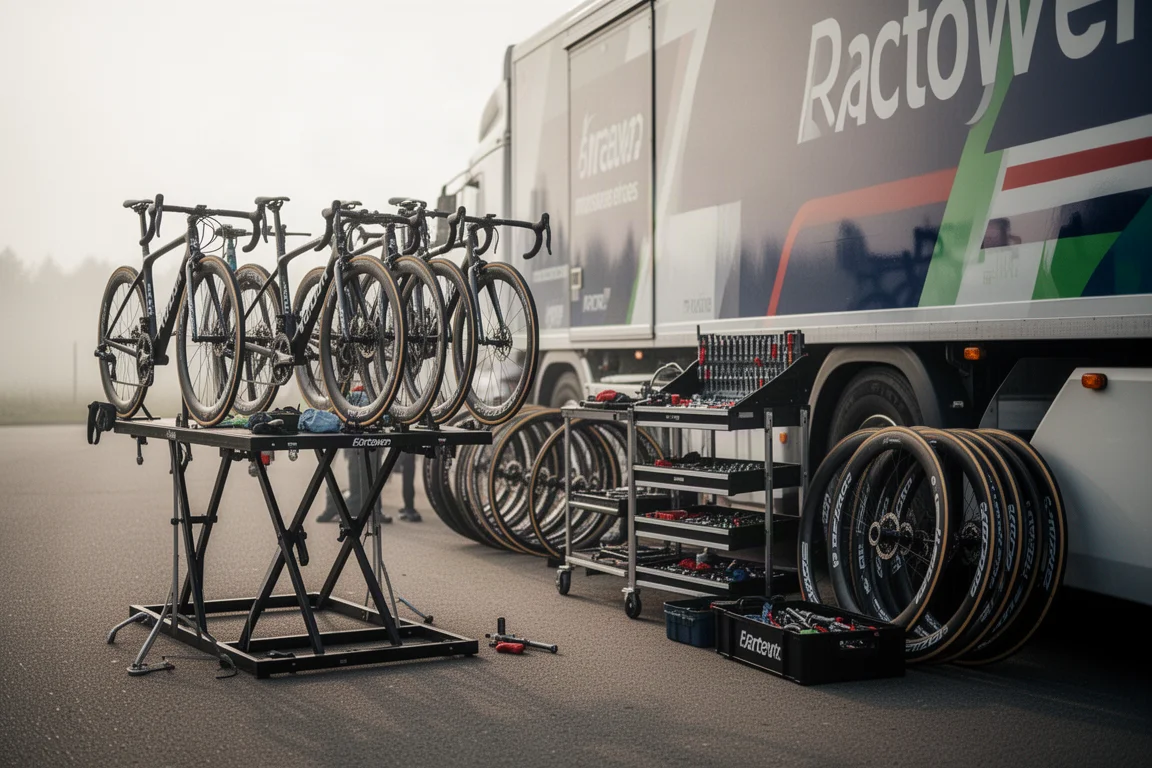
For a buyer, that track record is useful context. Equipment that stays in service for a decade or more has been tested far beyond what most riders will ever put it through. The sections below cover each item in turn, including what it is best suited to and where it may not be the right pick.
S-Works Turbo Cotton: A Cotton Clincher That Refuses to Retire
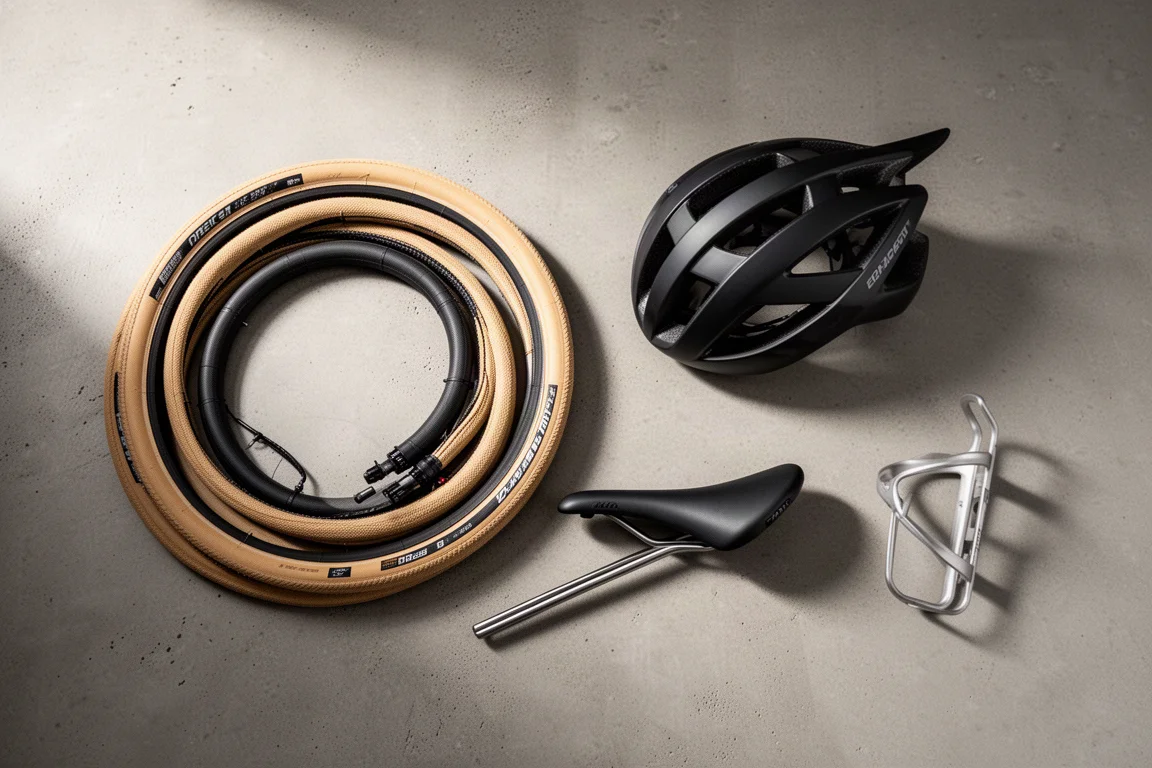
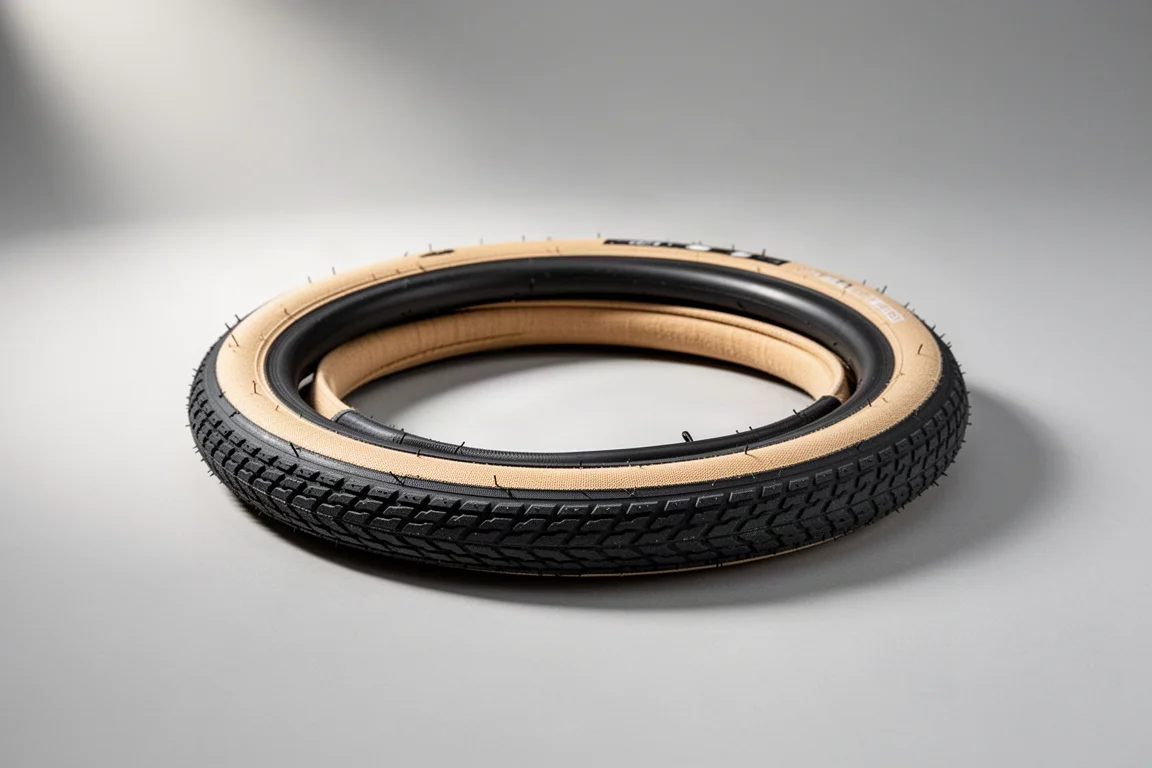
Most of the peloton has moved to tubeless, yet Specialized-sponsored teams have stayed loyal to the S-Works Turbo Cotton clincher since its 2014 launch. The tire uses an open tubular construction: a lightweight, high thread count cotton casing with the rubber tread glued on top, normally paired with a latex inner tube. On clincher rims, that combination can deliver a fast setup with excellent ride quality, and the golden sidewalls are a distinctive bonus.
More than a decade on, the Turbo Cotton is still competitive, with a long list of high-profile wins on the bikes of riders such as Remco Evenepoel, Mark Cavendish, Primoz Roglic and Demi Vollering. It has seen off internal competition from several tubeless options within the Specialized range. That run may be nearing its end, as a new S-Works Turbo tubeless tire appears to be in development, but for now the cotton clincher remains a fixture.
For riders who value ride feel and are comfortable running tubes, this is a proven choice with an unusually long competitive record.
Giro Aerohead: A Time Trial Helmet With a Second Career
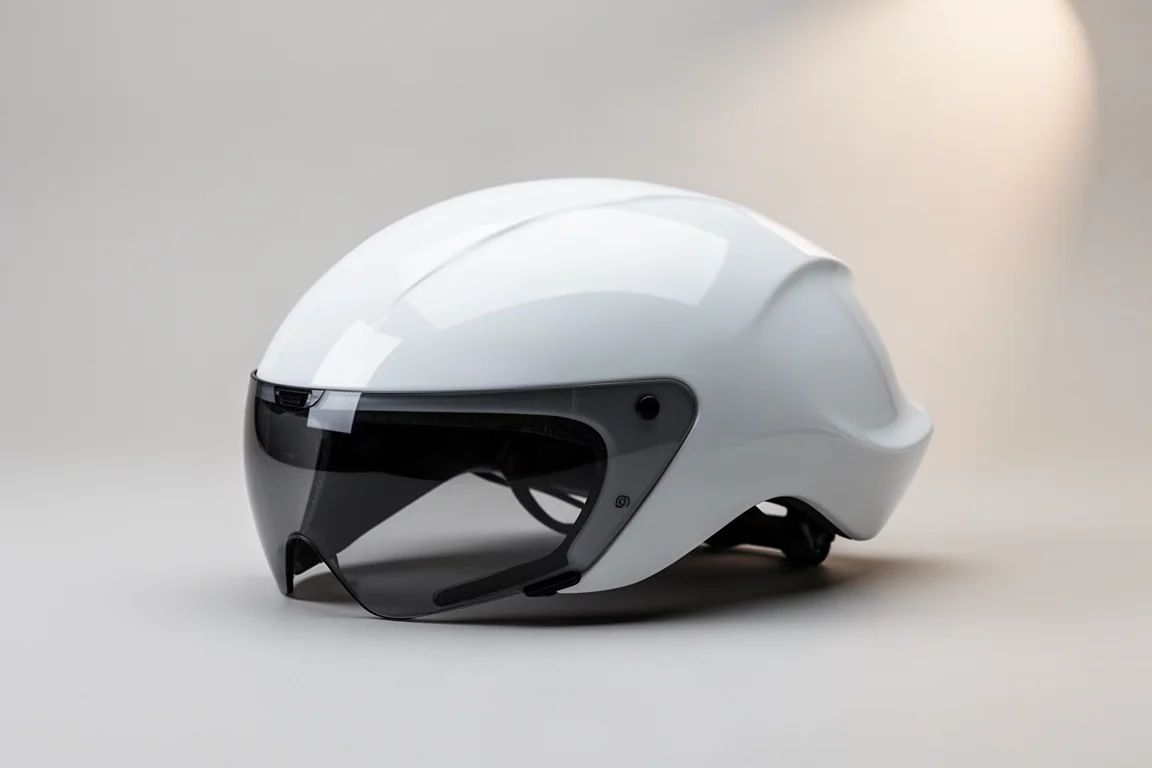
The original Giro Aerohead arrived in the mid-2010s into a market dominated by short-tail time trial helmets. It was later superseded by the more radical Aerohead 2, and it looked as though its racing days were over. Instead, it has found a second career. Time trial helmets have become one of the biggest equipment trends in road racing, and as the newest designs have grown larger and more outlandish, the original Aerohead has started to look almost restrained.
Giro-sponsored riders have used it as an aero road helmet in bunch racing. That may be a stopgap until a new model arrives, but the helmet has retained its place at the top of the sport on merit rather than nostalgia. The governing body has also announced an in-depth analysis of the current generation of time trial helmets, which adds another reason teams may prefer a more conservative shape.
If you want aerodynamic performance without a full time trial silhouette, this is a well-established option.
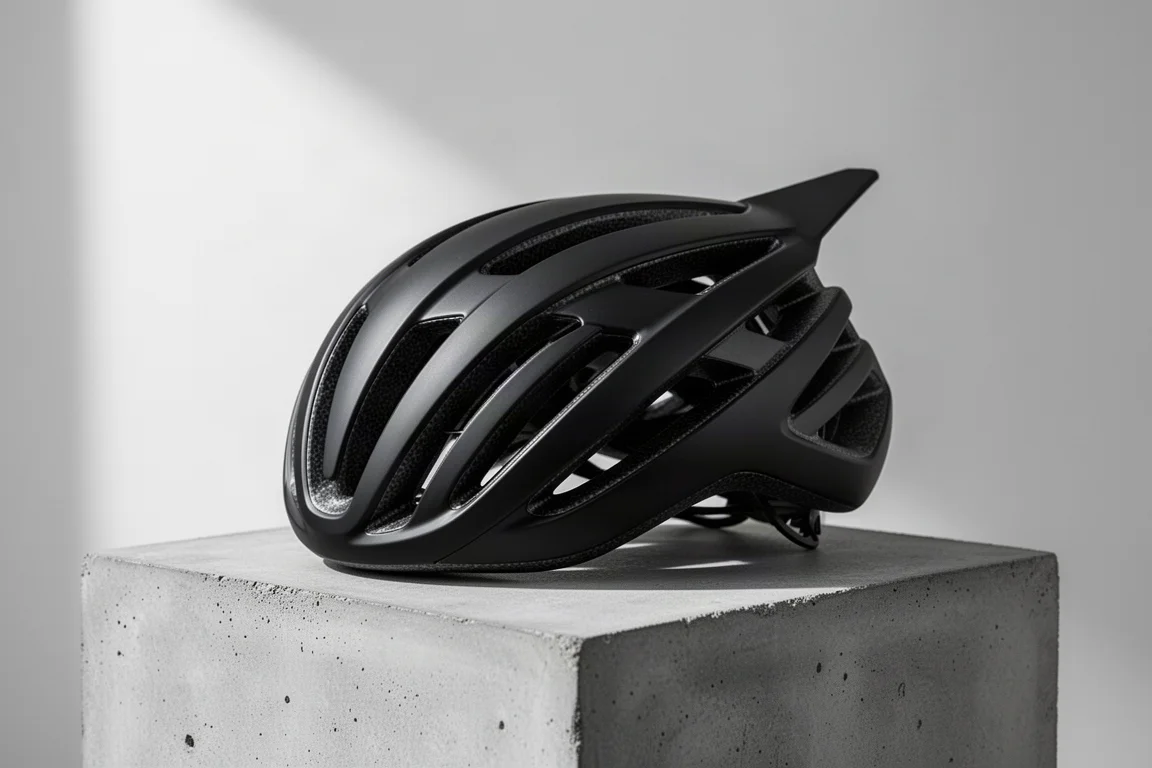
Giant Pursuit: An Aero Road Helmet Still Earning Its Place
Giant’s Pursuit aero road helmet is also long in the tooth, having first been used at the 2016 Tour de France. It followed early aero road helmets such as the Giro Air Attack and set out to balance aerodynamic efficiency, ventilation and weight, a combination that remains just as relevant today.
Its racing record is solid. It was worn by Tom Dumoulin on the way to overall victory at the 2017 Giro d’Italia, and by Michael Matthews, who took the green jersey at the Tour de France the same year. Giant has continued to update other areas of its kit range and still encourages its pro teams to promote the Pursuit, so the model has not been abandoned.
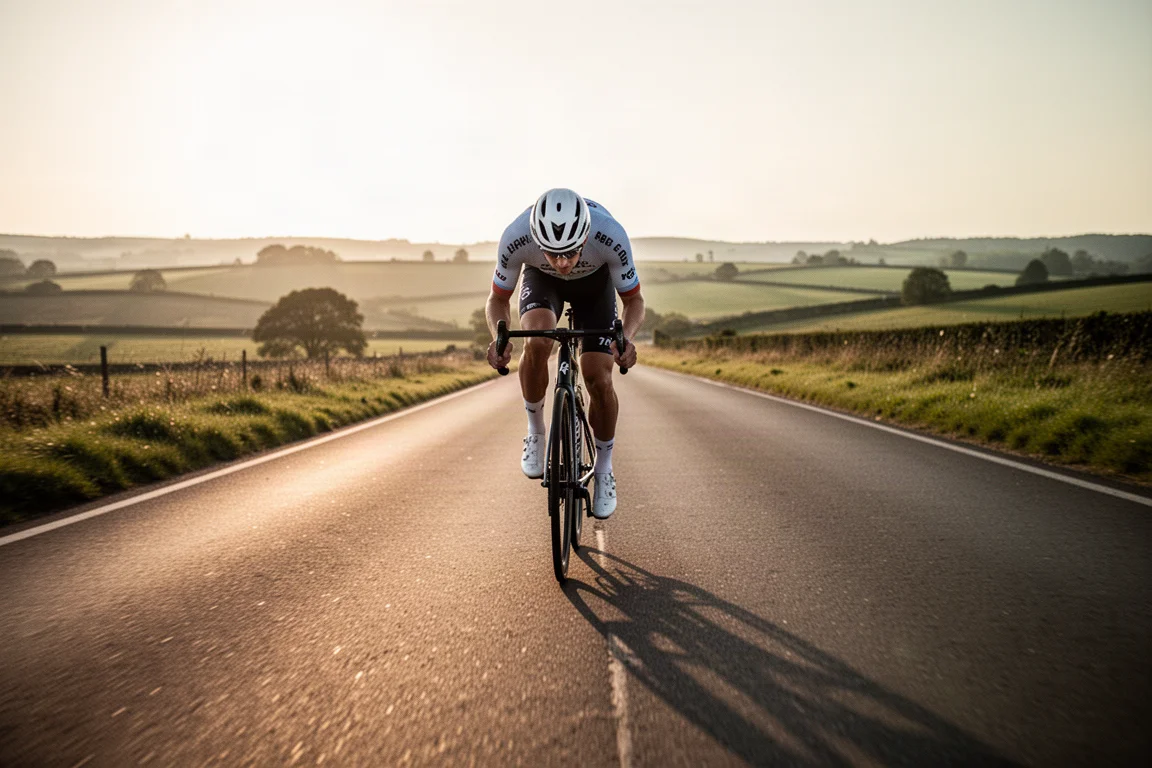
For riders who want aero gains without sacrificing everyday usability, the Pursuit is a sensible, well-proven shape.
Fizik Ares: The Short-Nose Saddle With Staying Power
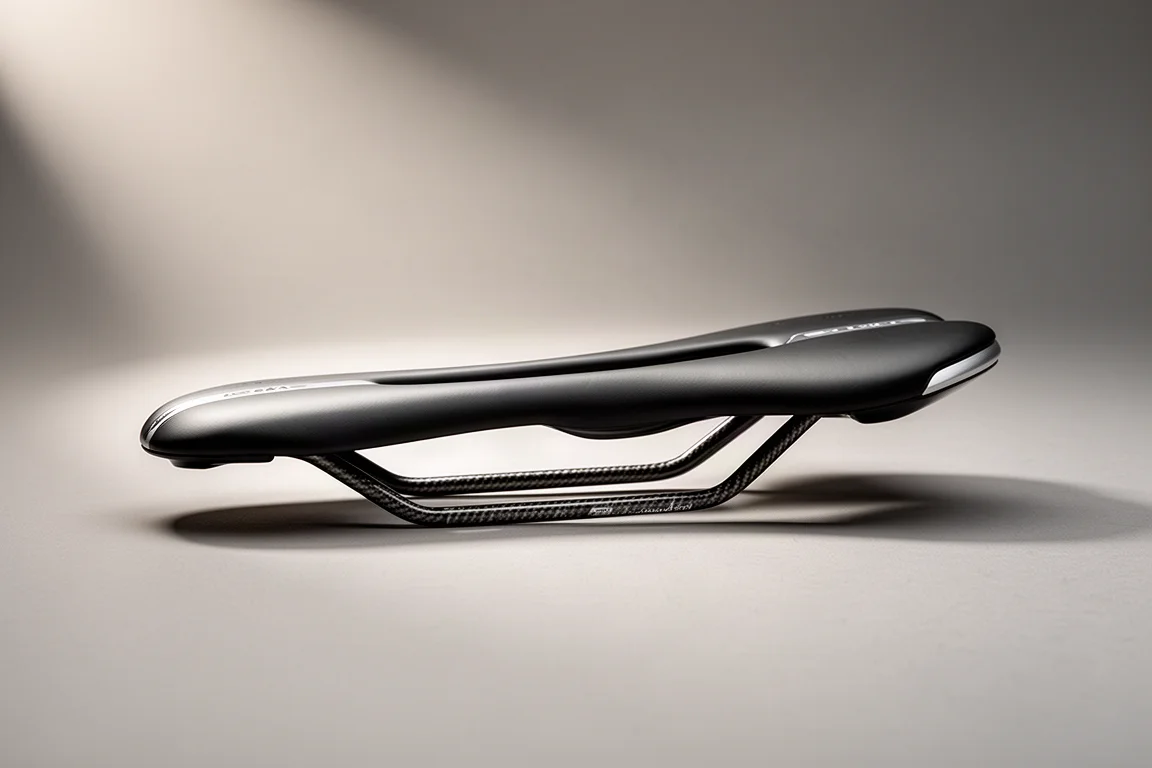
Launched back in 2009, the Fizik Ares is one of the longest-serving saddles in the sport. It remains the preferred choice of British road and track star Ethan Hayter, at least when it comes to track racing. It was originally prototyped in partnership with the Garmin-Slipstream team, which continues today as EF Education-EasyPost.
The Ares is essentially a short-nosed version of Fizik’s popular Antares saddle. The shorter length helps reduce soft tissue pressure, and it also lets riders push the saddle further forward toward the bottom bracket for a more aggressive time trial position. Hayter has moved to Soudal Quick-Step for this year and next, so it will be interesting to see whether he keeps the Ares across all disciplines.
Riders who prefer a short-nose saddle for aggressive positions will find the Ares a well-established starting point.
Power2Max NG Road: A Decade-Old Spider Still Counting Watts
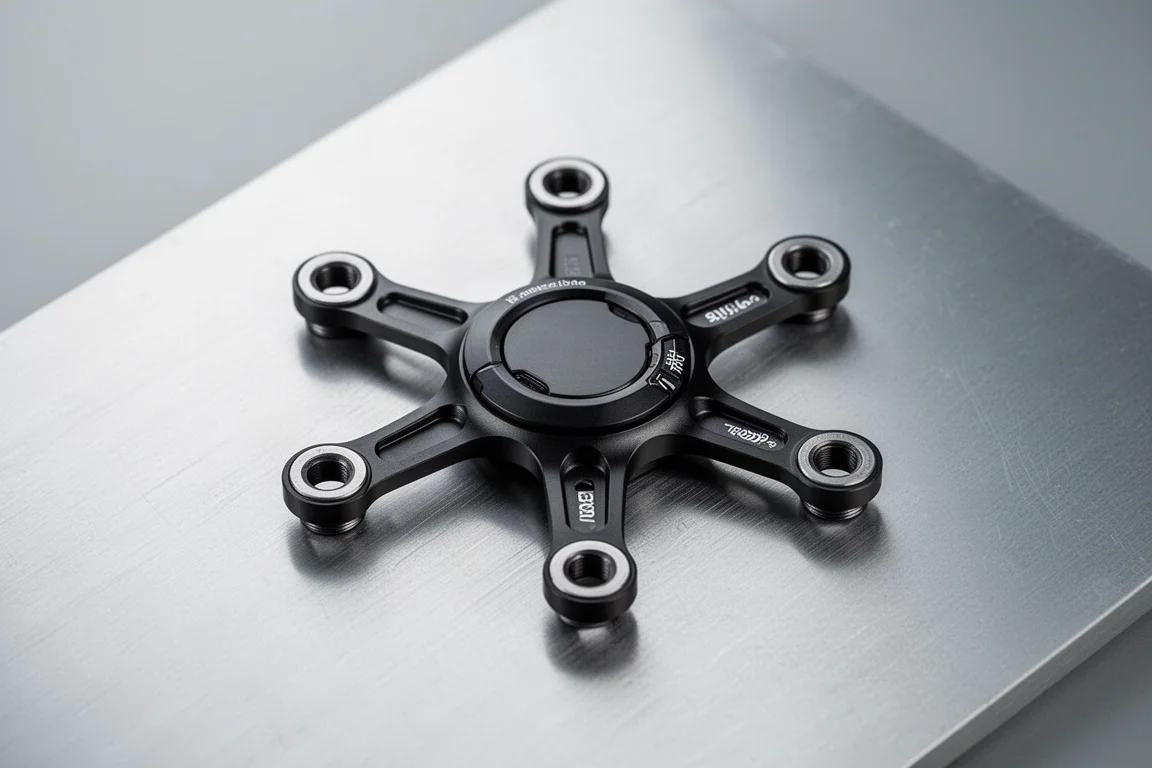
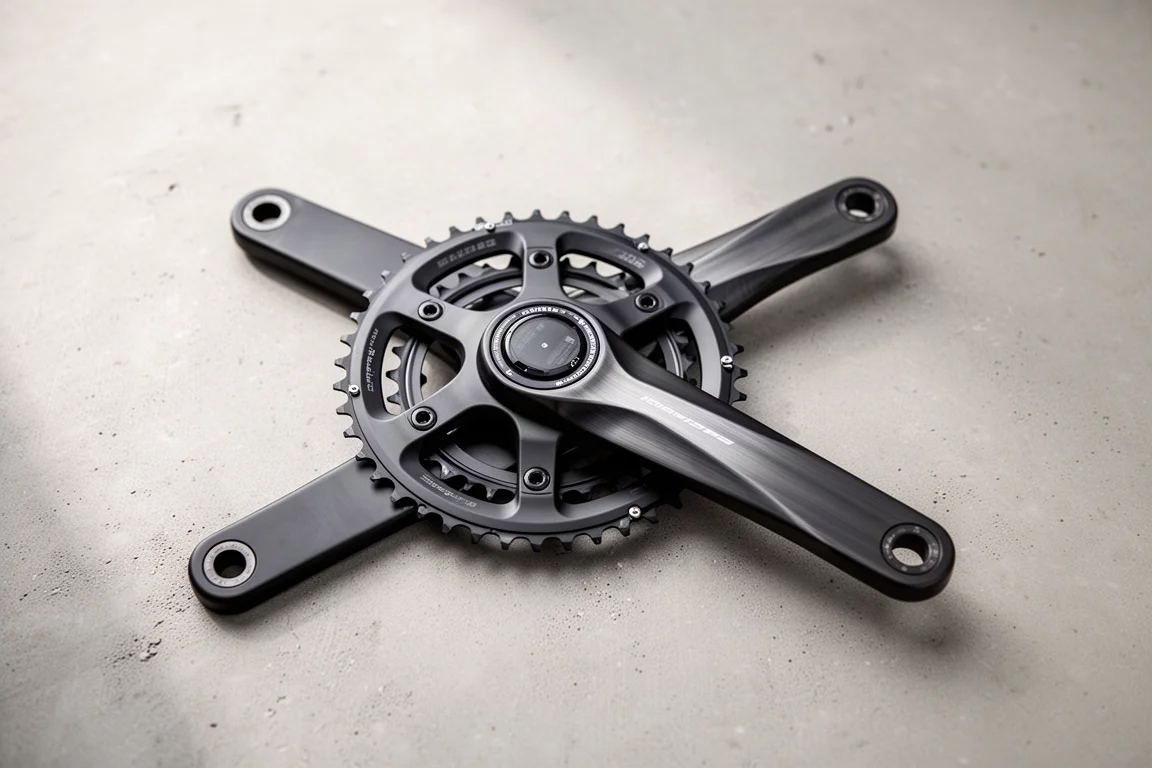
Power meters are now a fixture on practically every top-level road bike, and the underlying technology has been fairly settled for around a decade. Power2Max’s long-standing NG Road spider has been recording professional watts since 2016 and is still going. Power2Max does not sponsor top-tier teams directly, but the unit appears in the peloton under the FSA PowerBox Team Edition name.
It is a case of not fixing what is not broken. The NG Road offers accuracy to within plus or minus one percent, across a power range of 10 to 2,999 watts and a cadence range of 20 to 250 RPM. For the vast majority of riders, that covers everything they could realistically need.
If you want a power meter with a long track record and a wide measurement range, the NG Road is a mature, dependable option.
FSA PowerBox Team Edition: Proven Power in a Team Package
The FSA PowerBox Team Edition is the route by which the Power2Max NG Road reaches professional racing. FSA supplies it to three men’s teams and two women’s teams through its sponsorship agreements, which keeps a proven design in front of the sport’s biggest audiences.
For buyers, the appeal is straightforward. The PowerBox Team Edition carries the same measurement platform under an FSA badge, so you get the established accuracy and range of the NG Road together with the finish and presentation of a mainstream component brand.
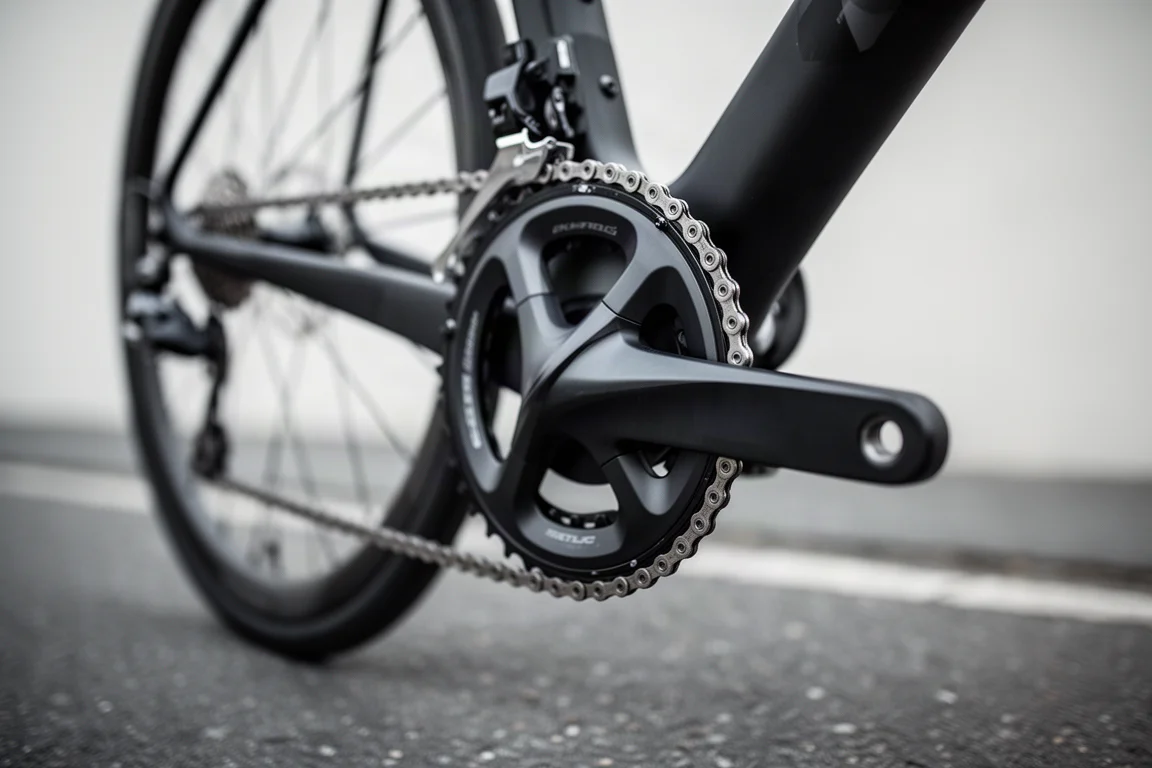
It is a sensible pick for riders who want proven power measurement from a widely used component brand.
Elite Ciussi: A Bottle Cage From 1992
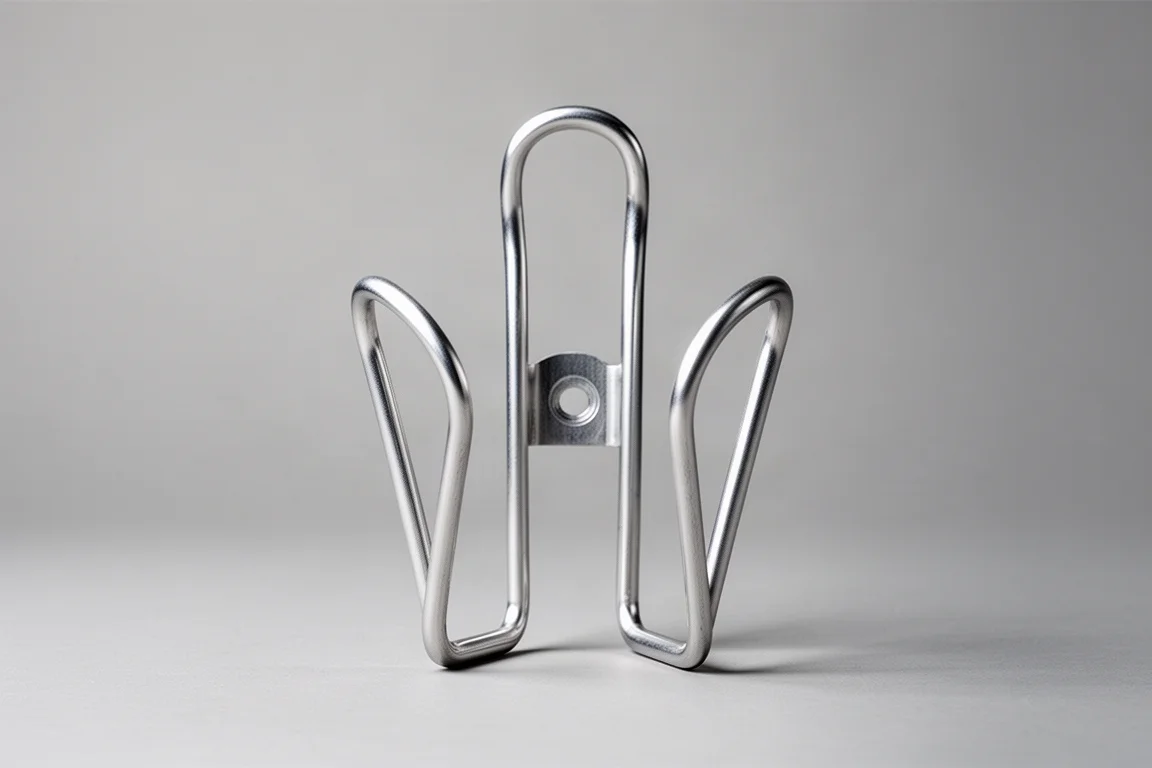
The Elite Ciussi is a bottle cage so old that it is effectively technology from the previous century. The Italian brand launched the first version back in 1992, and it is generally reserved for one race: Paris-Roubaix. It is a rarer sight than it once was, but it still turns up on the cobbles, including on the bike of a British national road race champion during a recent edition of the classic.
Why persist with such an old design when so many modern materials exist? Nostalgia may play a part, but the aluminium arms can be bent inward for an even tighter hold. With riders consuming large amounts of fluid and carbohydrates during races, not losing a bottle matters enormously, and a cage you can tune by hand is genuinely useful on rough terrain.
If you ride rough surfaces and want a cage that grips firmly, this is a proven, no-nonsense answer.
Shimano Hollowtech II: The Bottom Bracket Standard That Came Full Circle
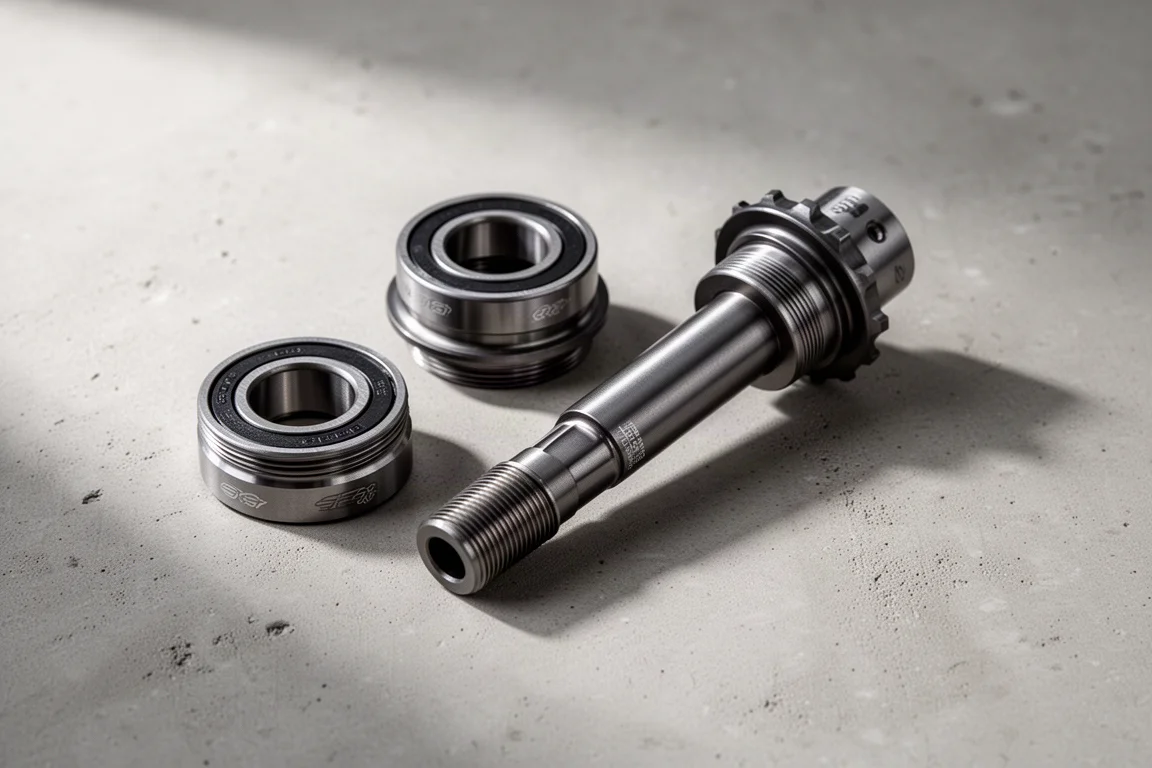
Road bikes have come full circle on bottom brackets. After the bottom bracket wars of the late 2000s and early 2010s, many bikes have settled back on a standard Shimano introduced in 2003. Hollowtech II was innovative at the time because it moved the bearings outside the frame, allowing larger bearings and a wider, stiffer bottom bracket area.
It shone brightly for a few years until press-fit designs took hold and brands began innovating freely. More than twenty years on, though, Hollowtech II is still found on some of the most advanced race bikes in the peloton, including the Specialized Tarmac SL8, the Cannondale SuperSix Evo and the Pinarello Dogma F.
That longevity says a lot. If you are buying a road bike today, a threaded Hollowtech II bottom bracket is a practical, well-supported standard rather than a compromise.
Buying Advice: When Older Tech Still Makes Sense
Longevity is not automatically a recommendation, but it is a useful signal. A component that stays in professional use for ten or twenty years has usually survived a level of scrutiny that recreational equipment never sees.
When weighing up any of the items above, start with the problem you are trying to solve. If you want a fast-rolling clincher with excellent ride quality and you are happy to run tubes, a cotton casing tire remains a legitimate choice. If aerodynamics matter more than having the newest shape, an established aero helmet can still deliver. Saddles and bottle cages come down to fit and grip. Power meters and bottom brackets are best judged on accuracy, compatibility and long-term support.
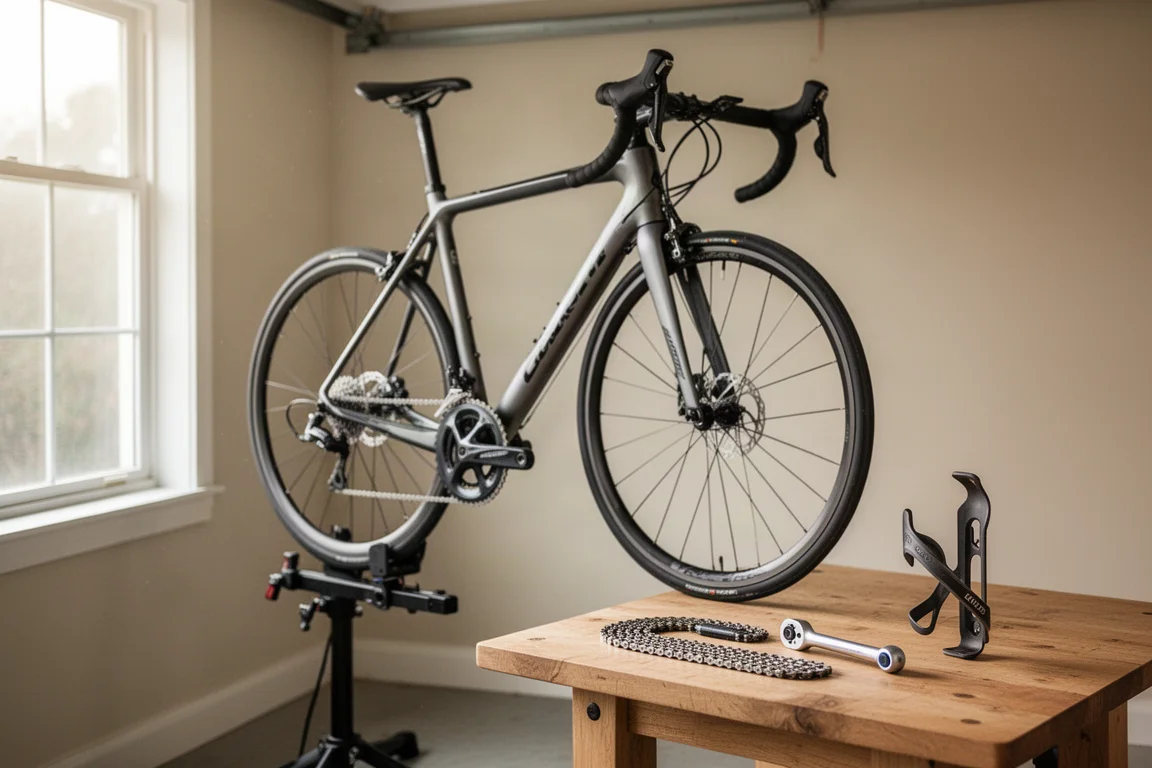
It also helps to check what your frame and groupset will accept. Several of these designs are old enough that surrounding standards have moved on, so confirm fitment before you buy. Where a product is still being raced at the highest level, replacement parts and community knowledge tend to be plentiful, which makes ownership easier over the long term.
Conclusion
The oldest equipment in professional road racing is not there by accident. Each of these eight components earned its place, whether through ride quality, aerodynamic performance, fit, accuracy or simple reliability, and each has outlasted multiple attempts to replace it. That does not make them the right choice for every rider, but it does make them worth a serious look when your own priorities line up with what they do best.
Further reading
Related Reviews
Cycling Gear
8 Cycling Products Riders Keep Coming Back To
Eight cycling components and accessories with clear strengths, honest trade-offs and long-standing reputations among riders and mechanics.
Cycling Gear
Aero Helmets and Bottle Setups Tested: Six Options Ranked by Measured Watt Savings
Wind tunnel data on six aero helmets and bottle setups, with real watt savings, practical trade-offs, and guidance on what is worth buying first.
Cycling Gear
Aero Road Bikes and Fast Tires Worth Watching in 2026
Four aero road bikes and one fast road tire, with the real strengths, the open questions, and what to check before you buy.