Road Bikes
Old vs New Road Bikes: What Ten Years of Design Really Changed
A ten-year-old rim-brake race bike, a modern aero flagship and a classic mechanical groupset compared on feel, speed and serviceability.
Introduction
Ten years is a long time in road bike design. Tube profiles, braking systems, gearing and cable routing have all moved on, and every new model arrives with a promise of meaningful speed. The more useful question is not whether modern bikes are different, but how much of that difference a rider can actually feel on a familiar climb or a flat training loop.
This comparison works through three pieces of equipment: a race frame from the rim-brake, mechanical-shifting era, a current aero flagship, and the groupset that sat at the heart of the older build. Together they show what a decade of development changed, what it left alone, and where the practical trade-offs now sit.
What a Decade of Road Bike Design Actually Changed
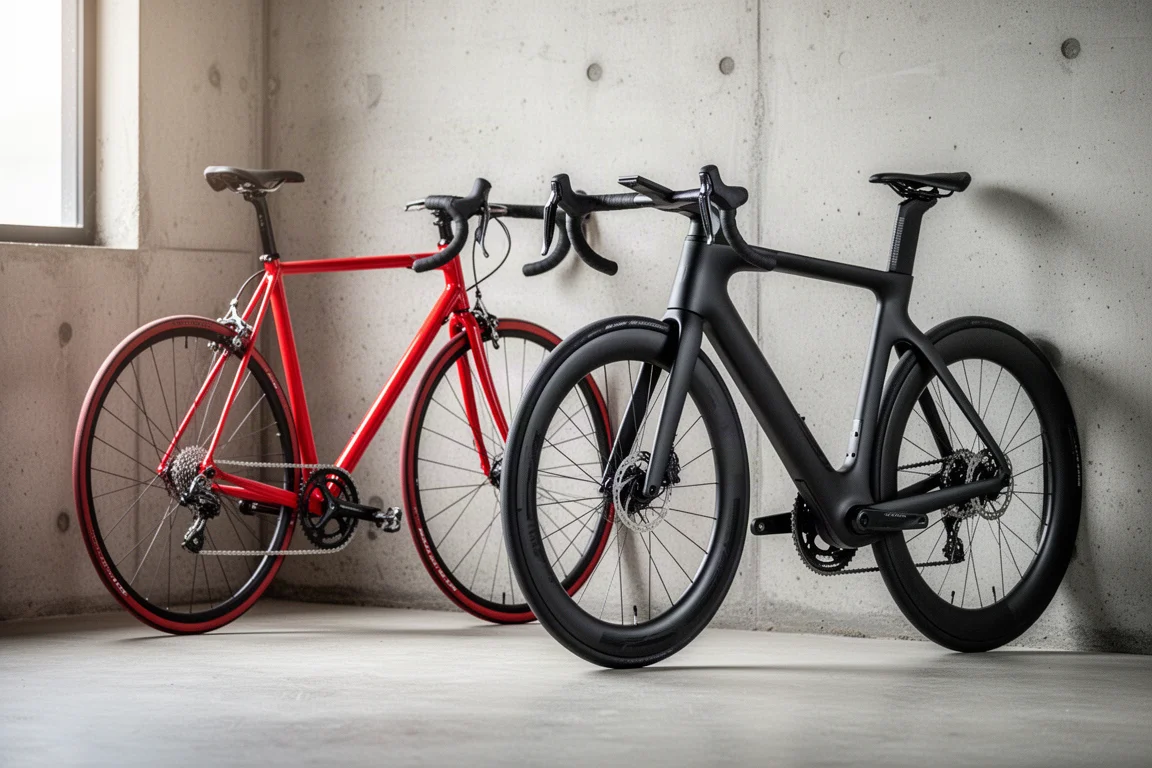
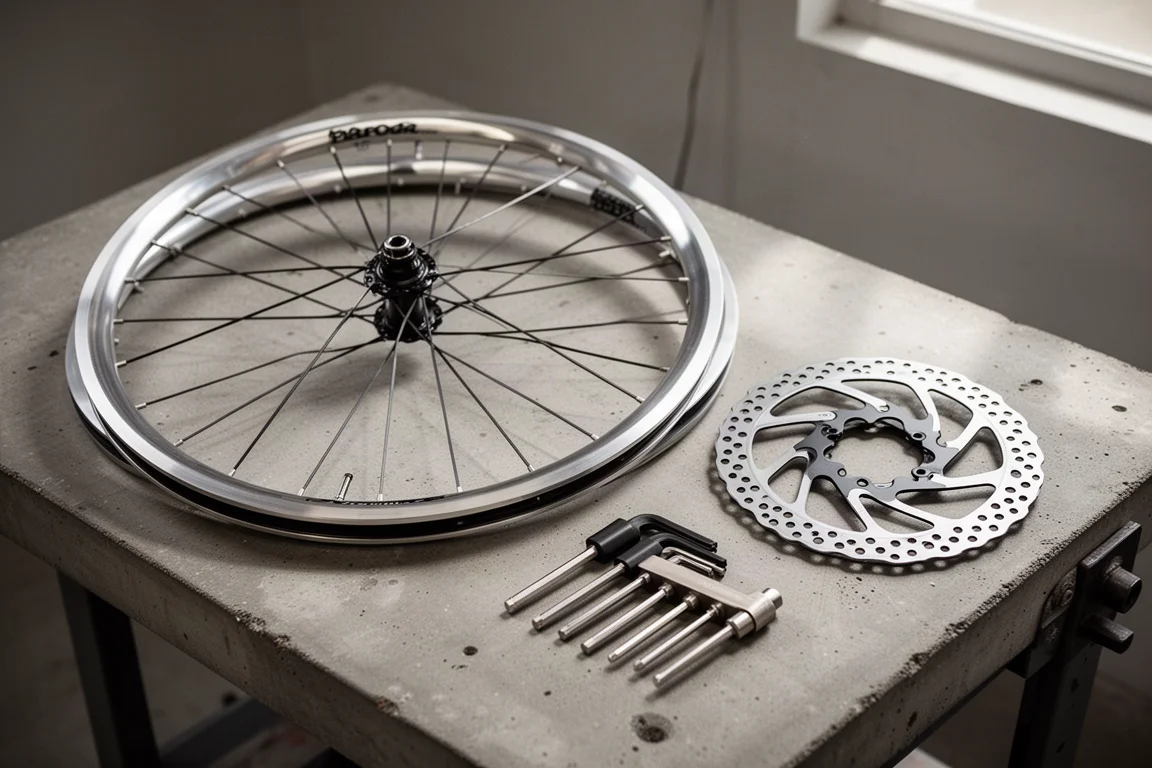
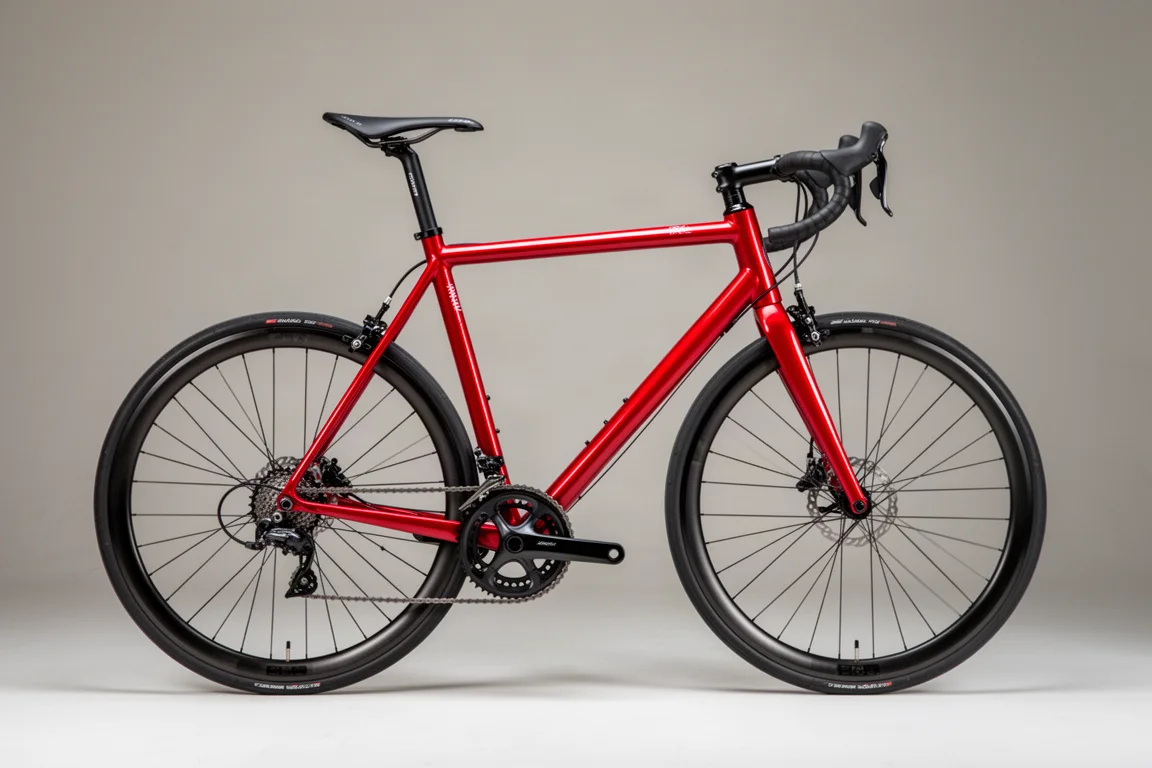
The older bike is a Specialized S-Works Tarmac SL3 in red, built with 11-speed Campagnolo Chorus. Its frame uses thin round tubes with no aero shaping at all, the gear and brake cables run externally along the frame, the bar and stem are two separate pieces, and the bottom bracket is threaded. Braking comes from rim calipers, tire clearance stops at 25 mm, the wheels are aluminium and the cranks are 175 mm.
The modern counterpart is a Canyon Aeroad CFR, and the contrast is immediate. The frame is aero-shaped, the cables and hoses run entirely inside the frame and bar, the cockpit is a single integrated unit, the bottom bracket is press-fit, braking is hydraulic disc, and there is room for 32 mm tires. Shifting is 12-speed and wireless electronic, and the cranks are 172.5 mm.
Weight has moved less than the shapes suggest. The older frame sits at around 875 g and the modern aero frame at around 915 g, so the newer bike accepts a small weight penalty in exchange for its aerodynamic profile.
Specialized S-Works Tarmac SL3: The Ten-Year-Old Benchmark
This particular frame was raced hard before it was retired, and its one failure point was the bottom bracket shell, which cracked. Threaded shells are not immune to fatigue, and the frame was replaced under warranty and resprayed before spending most of the following decade in storage.
What stands out after all that time is how familiar it still feels. The riding position has barely changed, and a direct geometry comparison against current race bikes shows very little movement apart from a lower front end on the newer frames. Reach, wheelbase and handling character have stayed close enough that the bike still feels nimble and responsive in the way a race bike should.
Where it falls behind is stiffness. It remains a good frame under power, but it is not as sharp as a current one, and a decade in storage has not helped.
Canyon Aeroad CFR: The Modern Benchmark
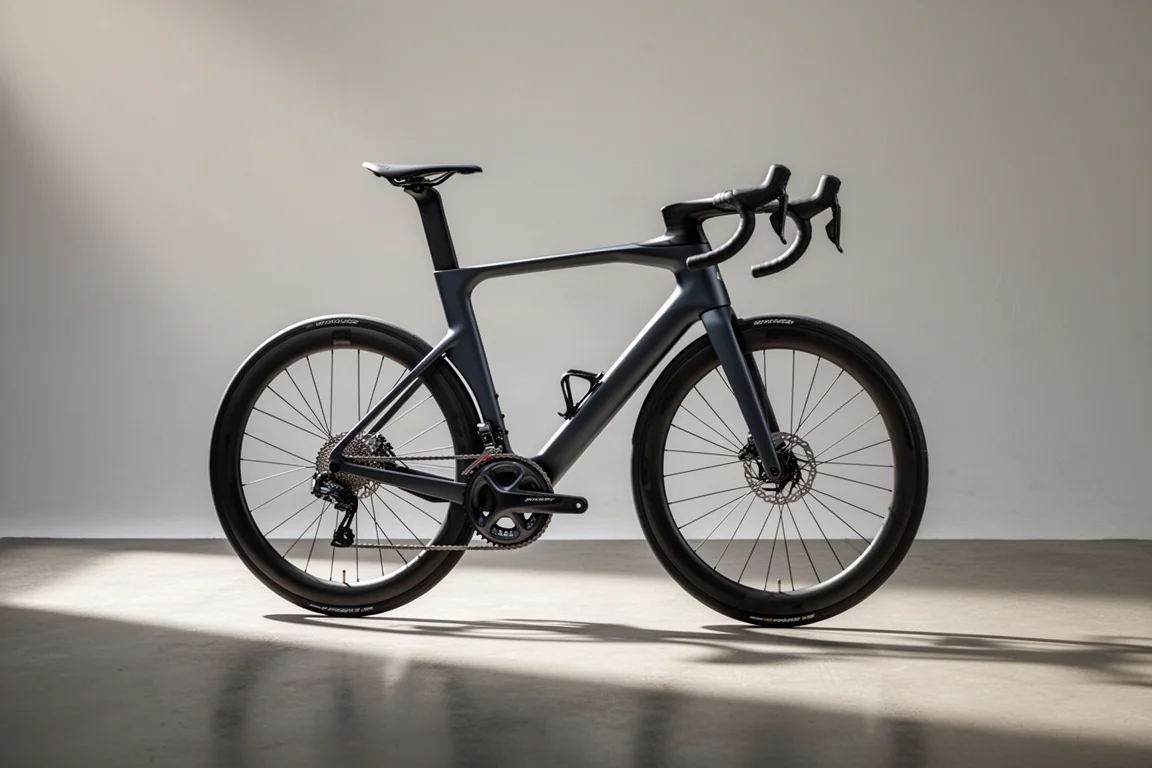
The Aeroad CFR represents the other end of the decade. Everything that can be hidden is hidden: cables, hoses and junctions all run inside the frame, and the one-piece cockpit removes the bolts and clamps of a traditional bar and stem. The result is a clean silhouette that looks closer to a stealth aircraft than a bicycle.
On the road the gap is obvious. The modern bike feels as though it has an engine, and that sensation comes from many small contributions rather than one large one: an aero frame, aero wheels, aero handlebars, internal routing that reduces turbulence, modern tires and electronic gearing.
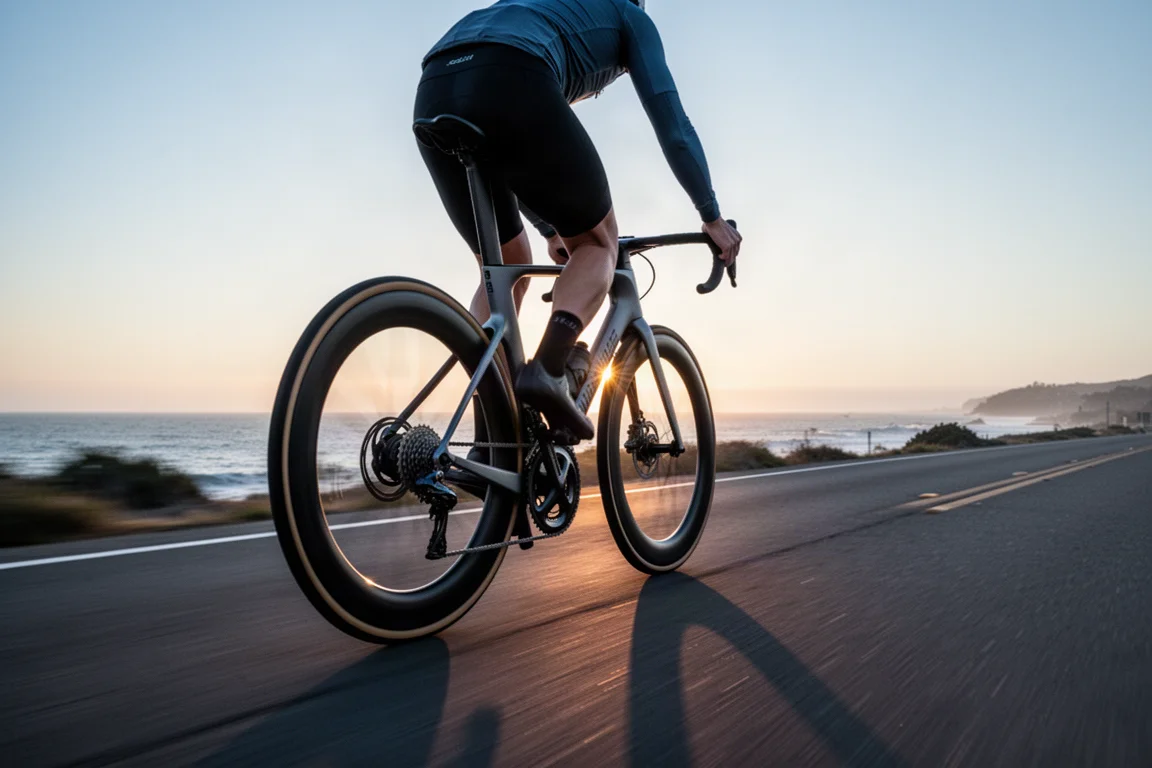
It is also noticeably stiffer and more pin-sharp under hard efforts, which matters most when you are standing on the pedals out of a corner or pushing over the crest of a climb.
Campagnolo Chorus 11-Speed: Mechanical Shifting at Its Best
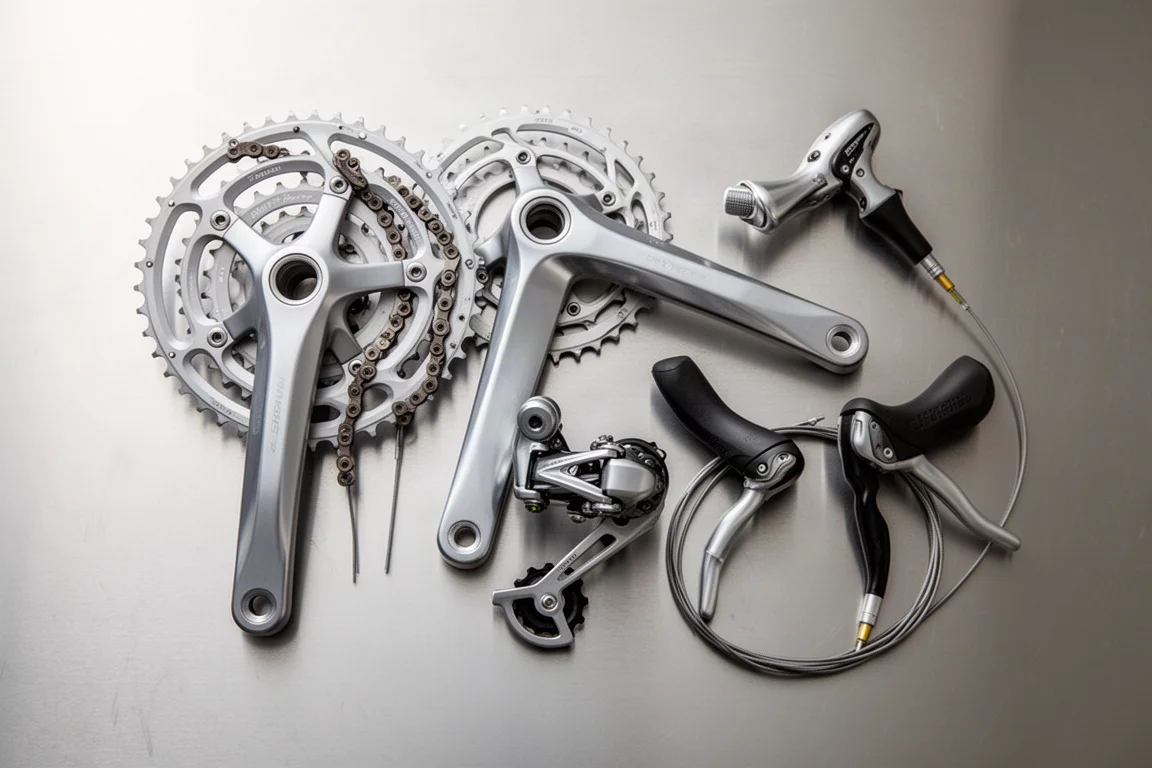
The groupset on the older bike is an 11-speed Campagnolo Chorus from the mechanical era, and it is a genuinely handsome piece of kit with a finish that has aged well. The shift action is the memorable part: loud, with an unmistakable click that announces every gear change.
Mechanical groupsets have practical advantages that are easy to forget. There is nothing to charge, nothing to bleed and no sealant to top up. After a decade in storage, a wiped-down chain and cassette were enough to get the bike rolling again, although the shifting would benefit from a proper tune-up.
How Much Faster Is a Modern Bike?
Two timed efforts give the clearest answer. On the climb, the modern bike recorded 5 minutes 41 seconds against 6 minutes 1 second for the older bike, a gap of 20 seconds. On the flat, the pattern repeated: 6 minutes 17 seconds against 6 minutes 41 seconds, a difference of 23 seconds.
Neither gap sounds enormous on paper, but over the same distance at the same effort it works out at roughly 3 km/h, which is a meaningful margin when you are chasing a personal best or holding a wheel.
The fair reading of those numbers is that the older bike is not slow. It is a fast machine, and plenty of riders are on bikes of that generation right now. The modern bike is simply faster, and it makes that speed easier to reach.
Where the Old Bike Still Wins
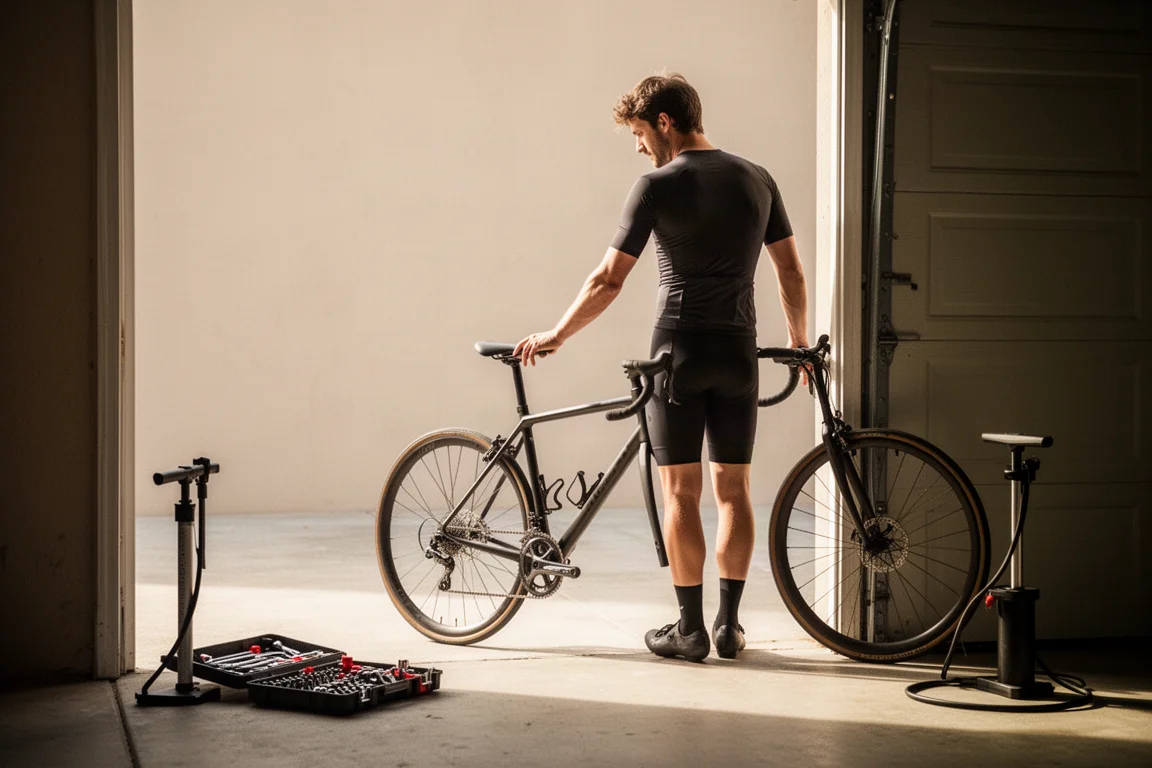
Simplicity is the older bike’s strongest card. Every part of it can be serviced at home with basic tools: external cables, a threaded bottom bracket, a two-piece cockpit and rim calipers that need no bleeding. In dry conditions with aluminium rims, the rim brakes feel excellent.
The mechanical shifting also has a character that electronic systems cannot replicate, and the handling remains close enough to a modern race bike that the older frame never feels out of place on a fast group ride.
Modern bikes have traded a degree of ease of ownership for performance and aesthetics, and that trade is worth weighing carefully before you buy.
Buying Advice: Which Bike Makes Sense for You
If your priority is speed, a current aero frame with disc brakes, electronic shifting and wider tire clearance delivers a measurable gain. In the timed comparisons here, that added up to roughly 3 km/h for the same effort, and the difference in stiffness and front-end sharpness is just as noticeable.
If your priority is simplicity, a well-kept rim-brake race bike is still an excellent machine. It will feel nimble, it will be straightforward to maintain, and a groupset like Campagnolo Chorus adds a level of mechanical satisfaction that is hard to argue with.
There is also a middle path worth considering. Many riders do not need the fastest bike available, they need the bike that suits the riding they actually do, whether that is a weekly club run, a summer of climbing or a daily commute with a few hard efforts thrown in.
Conclusion
A decade of development has not changed what cycling is. It has changed how polished each individual moment of a ride feels. A modern bike makes every shift, every braking point, every sprint and every climb feel a little sharper, in the same way a well-made kitchen knife makes cooking more enjoyable without changing the meal.
That is the honest summary of the comparison. The older bike remains genuinely good, the modern bike is genuinely faster, and neither of them makes the sport any less enjoyable than it was ten years ago.
Further reading
Related Reviews

Road Bikes
10 New Road Bikes Worth Watching: Aero, Titanium, Steel and Endurance Standouts
A practical roundup of 10 new road bikes, from aero flagships chasing single-watt gains to titanium, steel and endurance platforms built for real roads.
Road Bikes
2026 Tour de France Road Bikes: Six Race Machines Worth a Closer Look
Six race bikes from the 2026 Tour de France grid, reviewed for paint, silhouette, wheels and the specification details that matter to buyers.
Road Bikes
3T Strada Italia Review: A Radical Aero Road Bike That Rides Smooth
A made in Italy carbon aero road bike with a deep head tube, wide tire clearance and a genuinely comfortable ride. Here is what to know before buying.