Stationery
OHTO 3-Color Ballpoint Pen Standard vs Mini: Same Price, Two Very Different Pens
OHTO's new vintage-style 3-color ballpoint comes in two lengths at the same 770 yen price. Here is how the Standard and the Mini actually differ.
Introduction
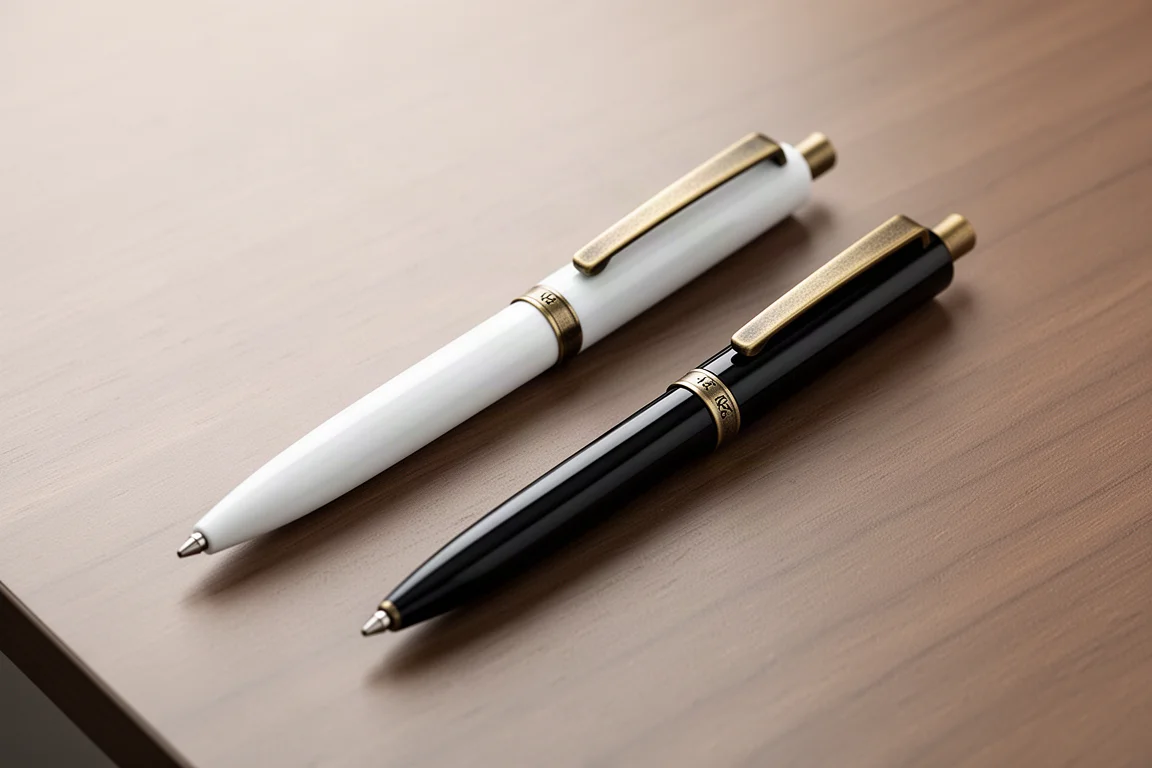
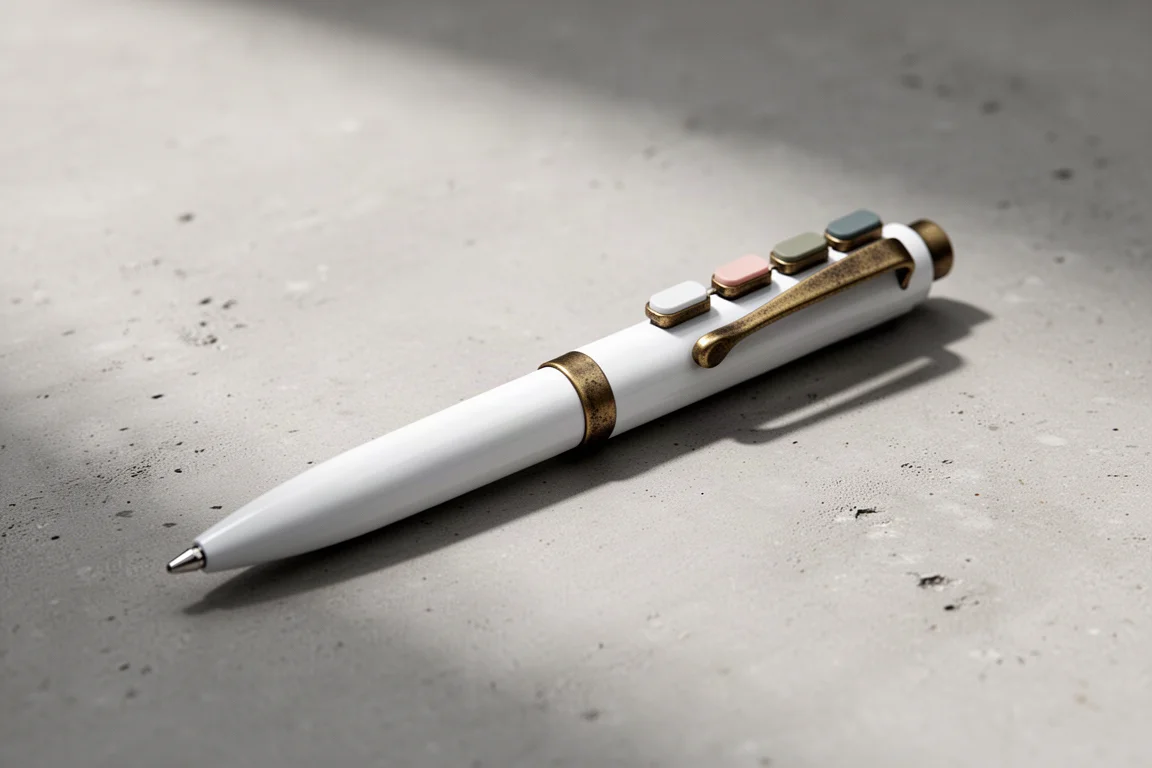
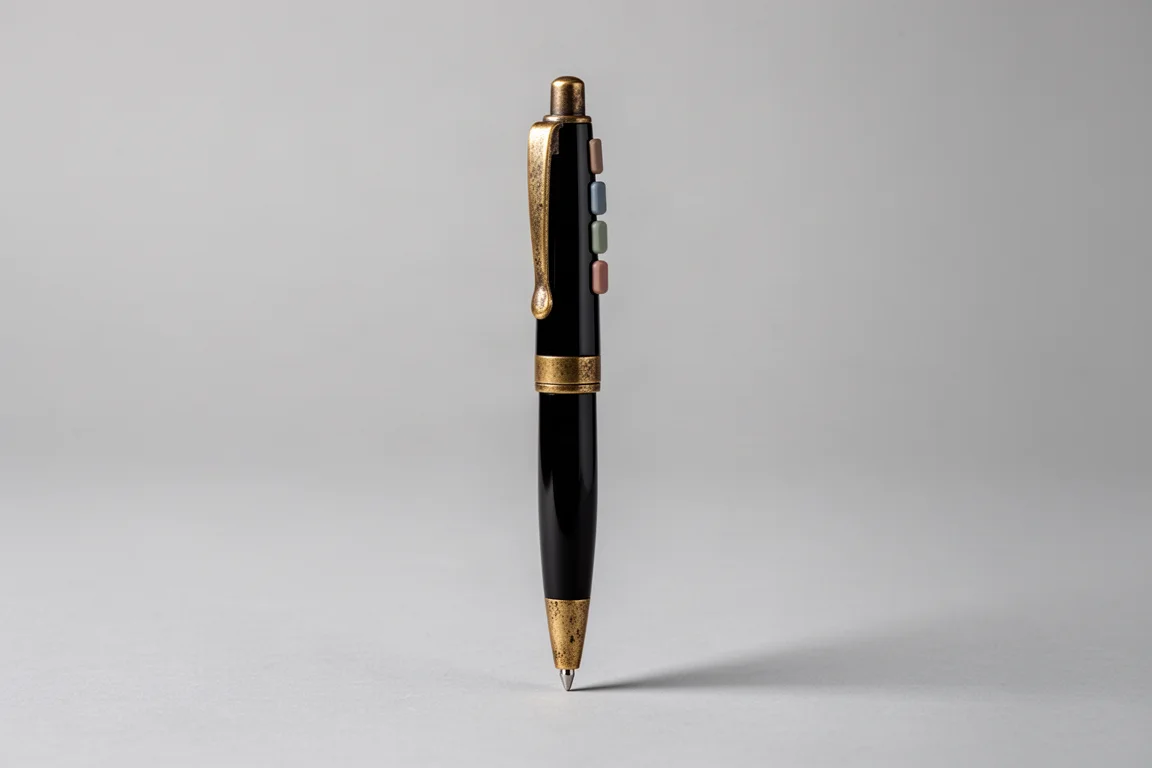
OHTO’s new 3-color ballpoint pen arrives in two versions that are almost identical except for one thing: length. The Standard is a slender pen with a barrel diameter about the size of a single-color pen. The Mini, at just 110mm long, is genuinely palm-sized, yet it keeps the same 11mm barrel diameter, the same three colors, and the same 770 yen price. That raises an obvious question. Is the Standard pointless, and did the Mini sacrifice anything to get so short?
To answer that, it helps to look at what is actually inside each pen, because the two models hide a genuinely unconventional design decision.
Design and First Impressions
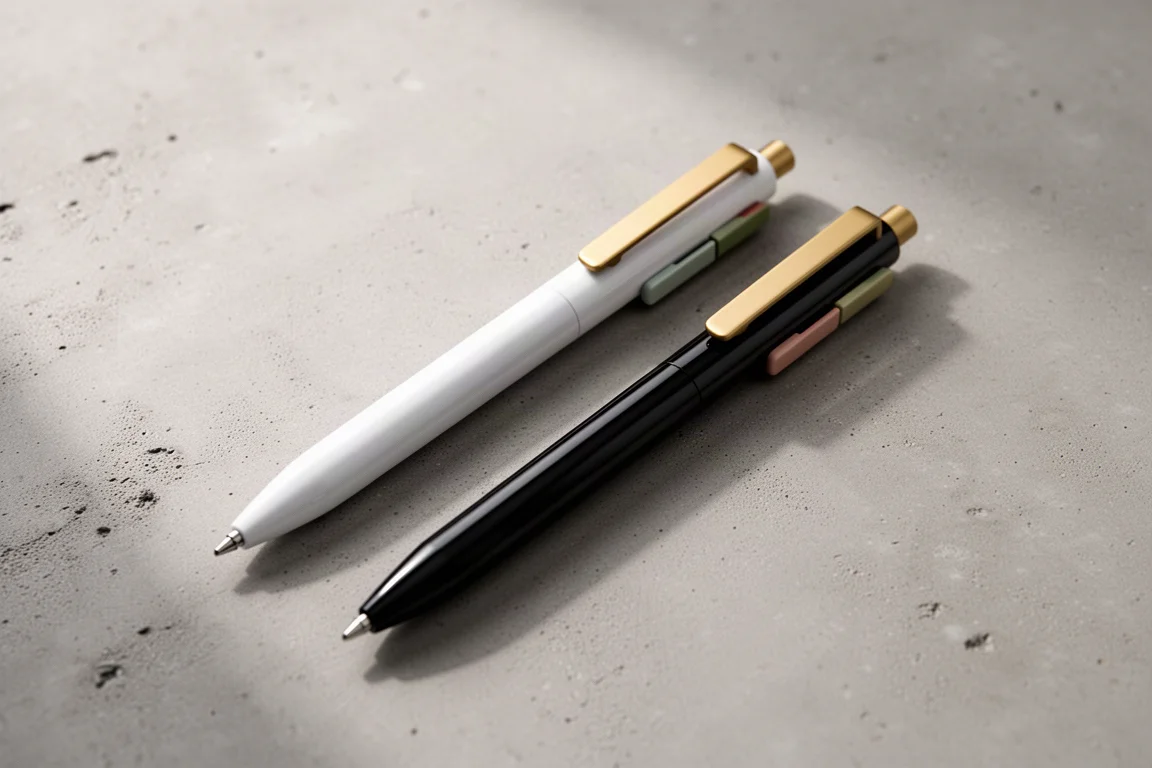
OHTO is the brand of OHTO Stationers Inc., founded in 2019 and headquartered in Hyogo Prefecture. Its products combine a vintage 1960s American design aesthetic with modern writing performance, and this pen captures that identity well. It reads more like a vintage office pen than a modern multi-pen.
Both versions come in five colors: Snow White, Hazy Pink, Brick Red, Vermeer Blue, and Pitch Black. Neither model ships in packaging; both are sold as-is. The clip and center ring are finished in an aged, faded gold rather than a bright yellow tone, with the logo engraved. The barrels are plastic, but the matte texture and restrained color choices mean neither pen feels cheap. They are quite light, though, so some buyers may find the weight a bit lacking.
Inside the Pen: Refills and Ink Capacity
The Standard is equipped with 0.5mm black, red, and blue ballpoint refills. Given that Anterique-style products are known for ultra-low viscosity Mach Ball ink and spring-loaded tip flow control, these refills appear to be standard types instead.
The Mini uses the same refills, simply shortened to fit the barrel. Shortening them sacrifices a fair amount of ink capacity, and that is presumably how the price was balanced so both models could sell for the same 770 yen. Both refills are sold separately at 110 yen each, so they are replaceable when the ink runs out. In running costs, the Mini is slightly less economical, but for most users of this pen that trade-off is unlikely to matter much.
The Knock Mechanism and How It Feels
The knock mechanism is exactly the same on both pens, because only the tip side of the body has been shortened. Where many multi-pens use a push mechanism, the Anterique 3-color ballpoint uses a slide lever mechanism, and the color of the knock identifies the ink color. The indicators intentionally use muted colors instead of the primary colors typical of standard multi-pens, which suits the vintage aesthetic.
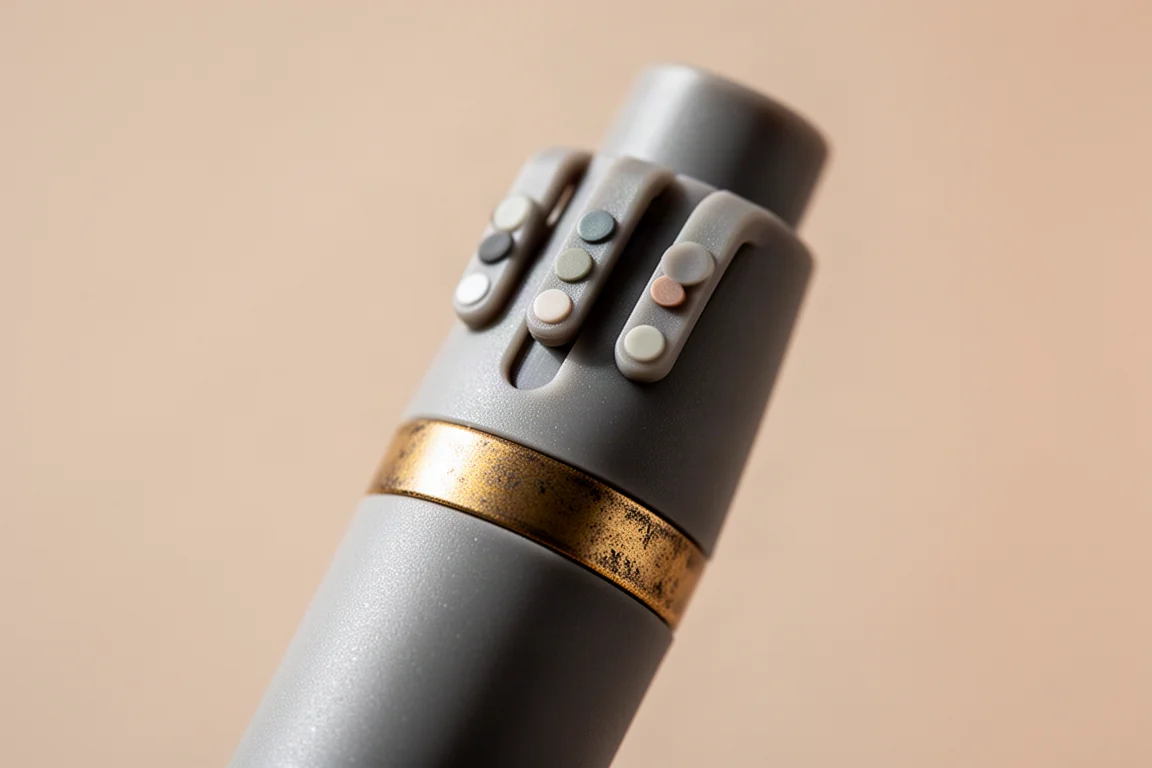
The levers are quite small and sit slightly deep when slid, so they take a little care to operate. The click sound is on the quieter side, though not completely silent. The most surprising detail is tip wobble: it is almost non-existent, which is impressive at this price. Both pens also have a high center of gravity, which affects how they feel in hand.
Writing Performance
On a single sheet of paper, the Standard is not bad at all. It writes very lightly and smoothly, though the ink color can read slightly light, and the plastic refill produces a faint scratchiness at the tip. The Mini writes similarly but feels a little less stable, since it is essentially a shortened version of the Standard.
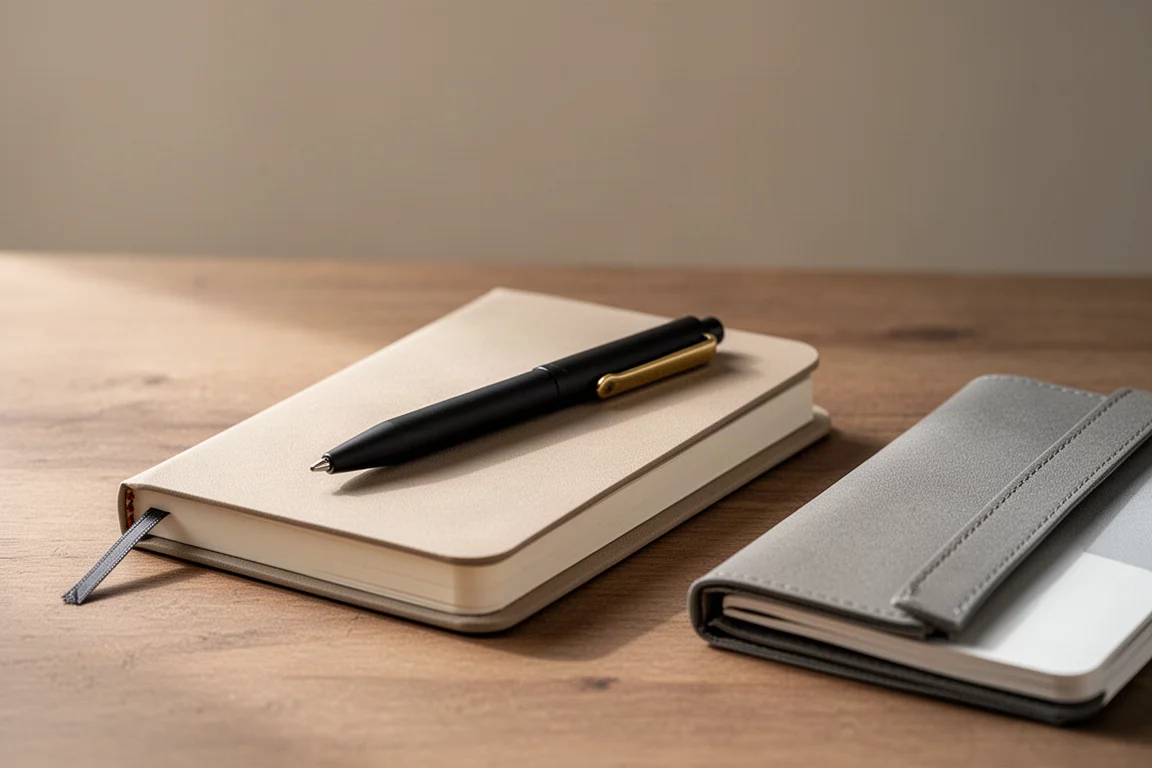
Writing in a notebook reduces that scratchy feeling. For pens with this soft a touch, a thick, cushioned notebook is clearly the better surface. In a notebook, the Mini becomes very easy to use: the hand does not tire easily, and it pairs naturally with small planners.
Which One Should You Buy?
The Standard suits anyone who wants a lightweight, resin-based, slender pen that feels like a single-color pen but still offers one-handed operation. The Mini is best for buyers who want an affordable, lightweight, compact, stylish 3-color pen that pairs well with small planners. It is especially appealing for people who use Traveler’s Notebooks or pocket-sized M5 planners, where its scale makes it the best option for carrying alongside a diary.
On price, 770 yen is not dirt cheap for a 3-color ballpoint. Comparable 3-color pens, such as 3-color Jetstream models, are available for as low as 440 yen. What you are paying extra for is the brand’s consistent aesthetic, the design quality, and the writing comfort. For anyone who does not want a pen that looks like generic office stationery, or who wants a pen that will not ruin the look of a planner setup, the price is easy to justify.
Conclusion
The OHTO 3-Color Ballpoint Pen Standard and Mini are charming, unusual pens with build quality that punches above their price. The Standard offers a more stable, conventional feel, while the Mini trades ink capacity for compactness and portability without costing anything extra. If either caught your eye, the choice comes down to a simple question: do you write more, or carry more?
Further reading
Related Reviews
Stationery
Musgrave Pencils Review: Four Classic Pencils from Tennessee's Last Pencil Factory
We put four Musgrave pencils to paper, from the classic Harvest to the Unigraph 1200 drawing pencil, to see what a century-old Tennessee workshop can still do.
Stationery
Fountain Pen Tiers Explained: From Starter Pens to Luxury Grails
A practical overview of the different levels of fountain pens and inks, from a sub-$20 starter setup to Italian piston fillers and retractable gold-nib everyday carries.
Stationery
HP Premium 32 lb Copy Paper Review: A Fountain Pen Friendly Everyday Printer Paper
A heavy, smooth 120 GSM copy paper that handles fountain pens far better than standard printer stock, with only minor trade-offs in shading and sheen.