Aquarium Equipment
OCTO VarioS Calcium Reactors Compared: CR140, CR200, and CR220
A practical look at the OCTO VarioS CR140, CR200, and CR220 calcium reactors, covering build quality, media volume, pump sizing, and tank ratings.
Introduction
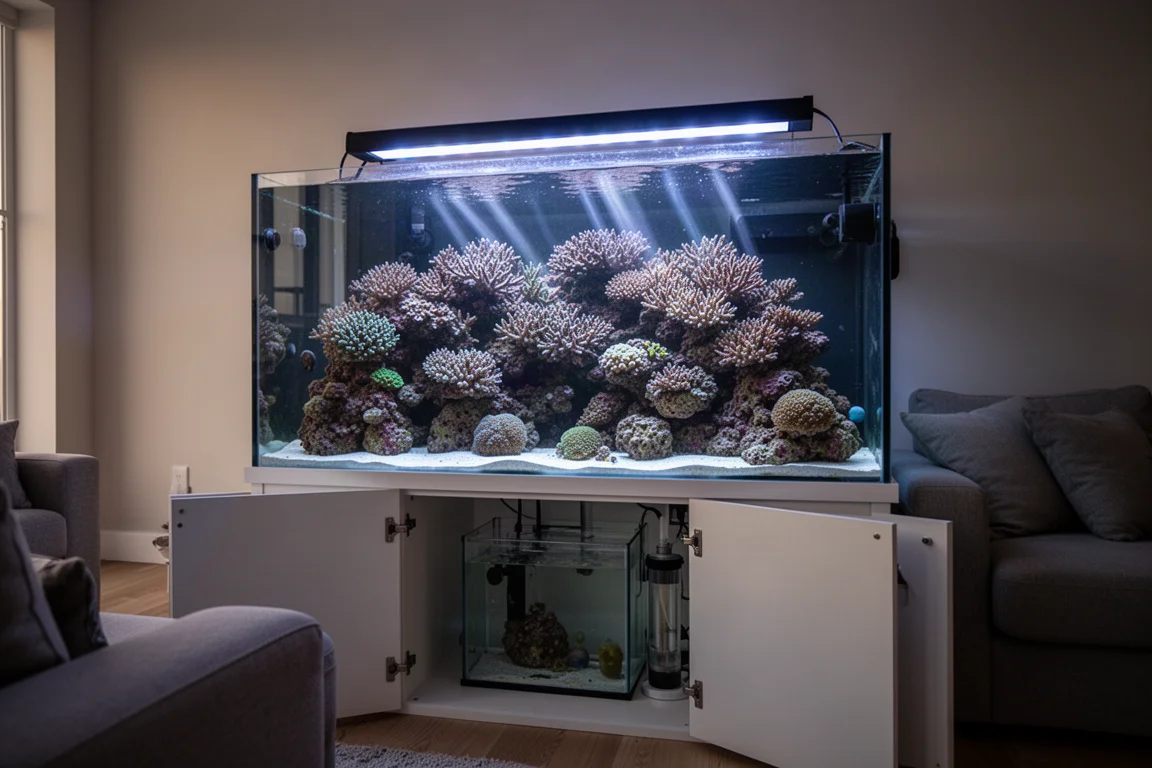
Calcium reactors have been part of reef keeping for decades, and they are enjoying a steady comeback as more hobbyists discover how simple they can be to run. The easy approach is to hold the pH inside the reactor at a set point and let a continuous duty dosing pump deliver the effluent, which supplies the major three elements with far less routine maintenance than traditional dosing. A reactor usually costs more upfront, but depending on the size and demand of the tank, it can work out as affordable, or more affordable, over the long term.
The reactor itself is the component that decides how pleasant that routine becomes. A solid unit with plenty of media volume and a wide opening makes refills and the yearly cleanup much less of a chore, and standard fittings mean no hunting for adapters when something needs replacing.
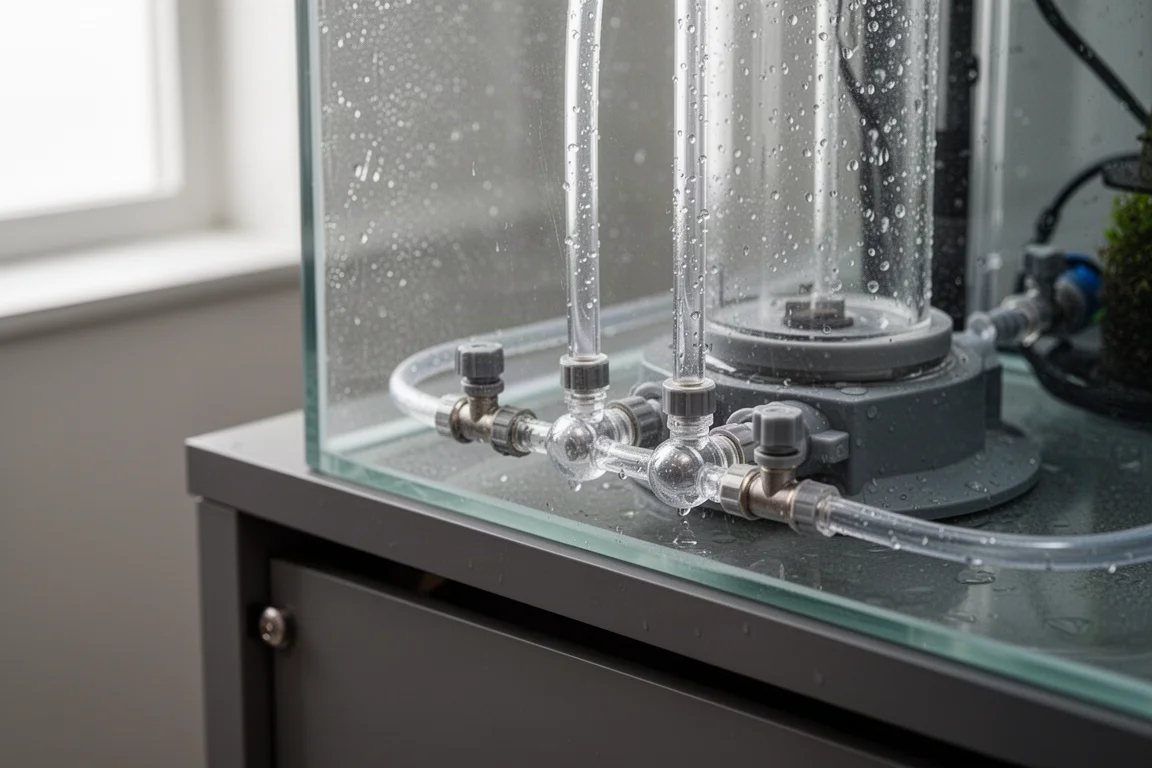
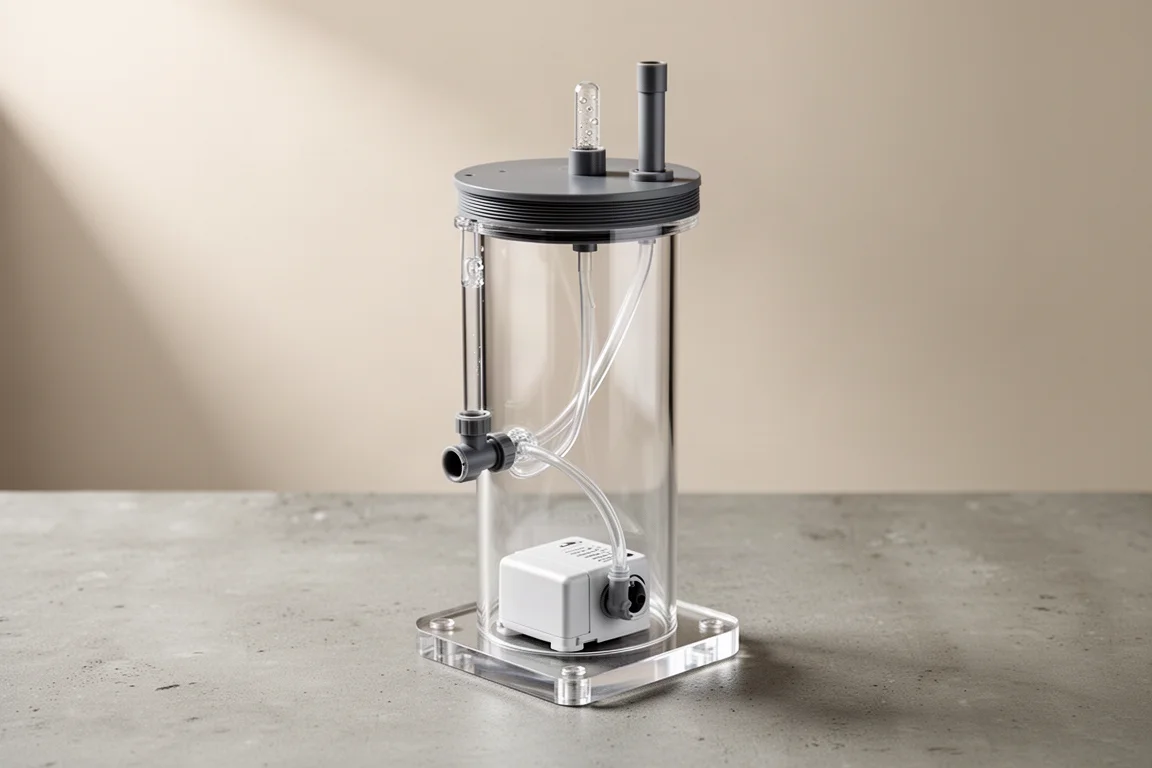
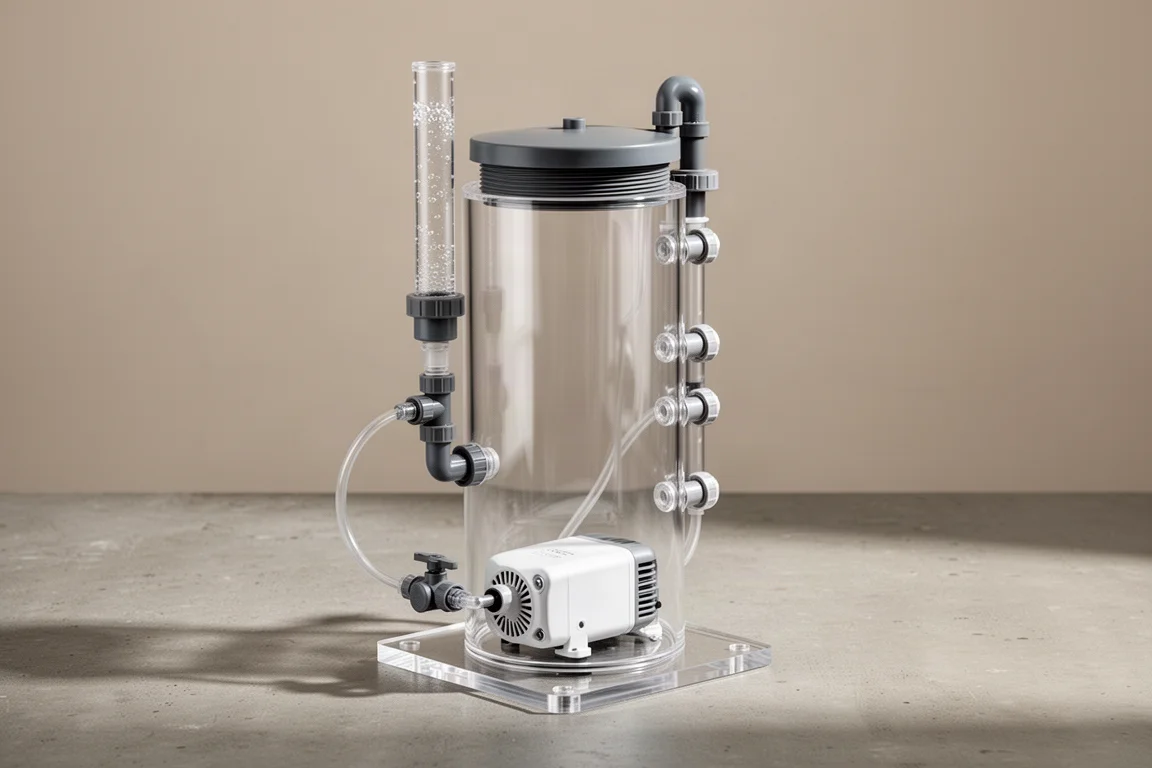
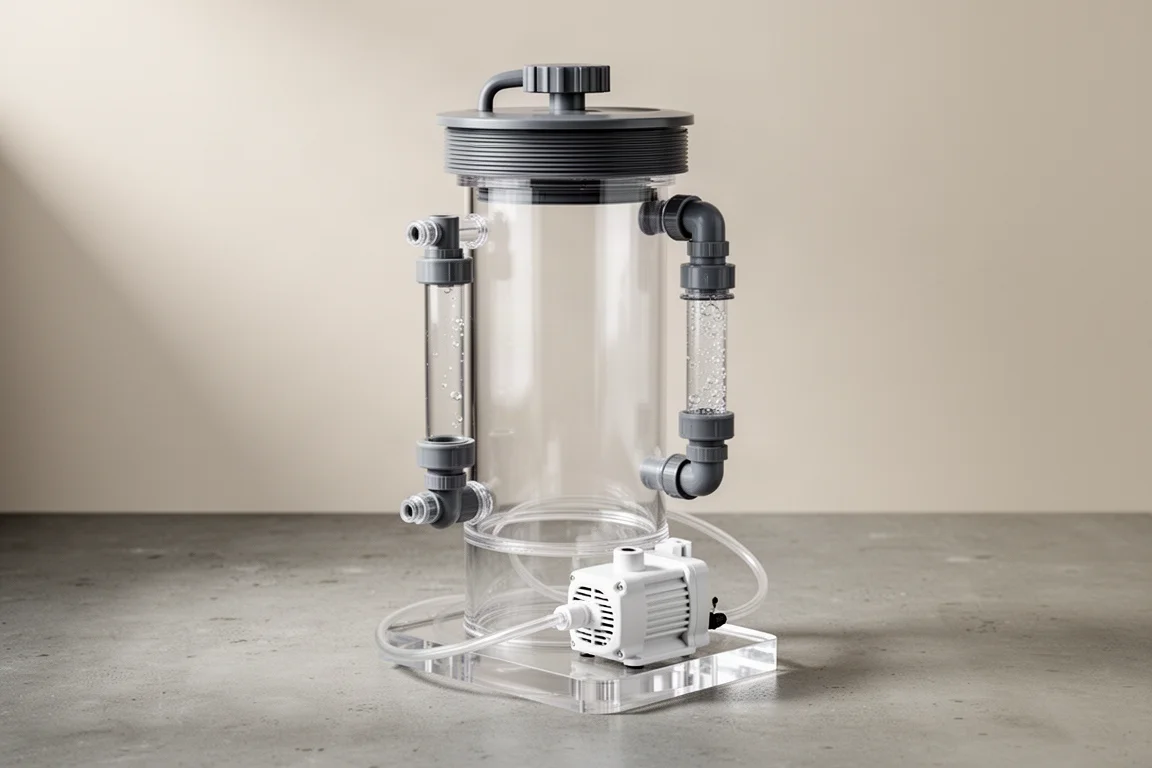
OCTO’s VarioS calcium reactors are built around that idea. The body and base are thick acrylic, the plumbing is PVC, and water and CO2 recirculate through a reverse or up flow design. Quarter inch John Guest push fittings are used throughout, including on the inline valves, alongside a large easy to read PVC bubble counter, PVC unions for simple assembly and disassembly, a threaded pro port, and a lid that turns by hand without thumbscrews. Each model ships with a VarioS circulation pump.
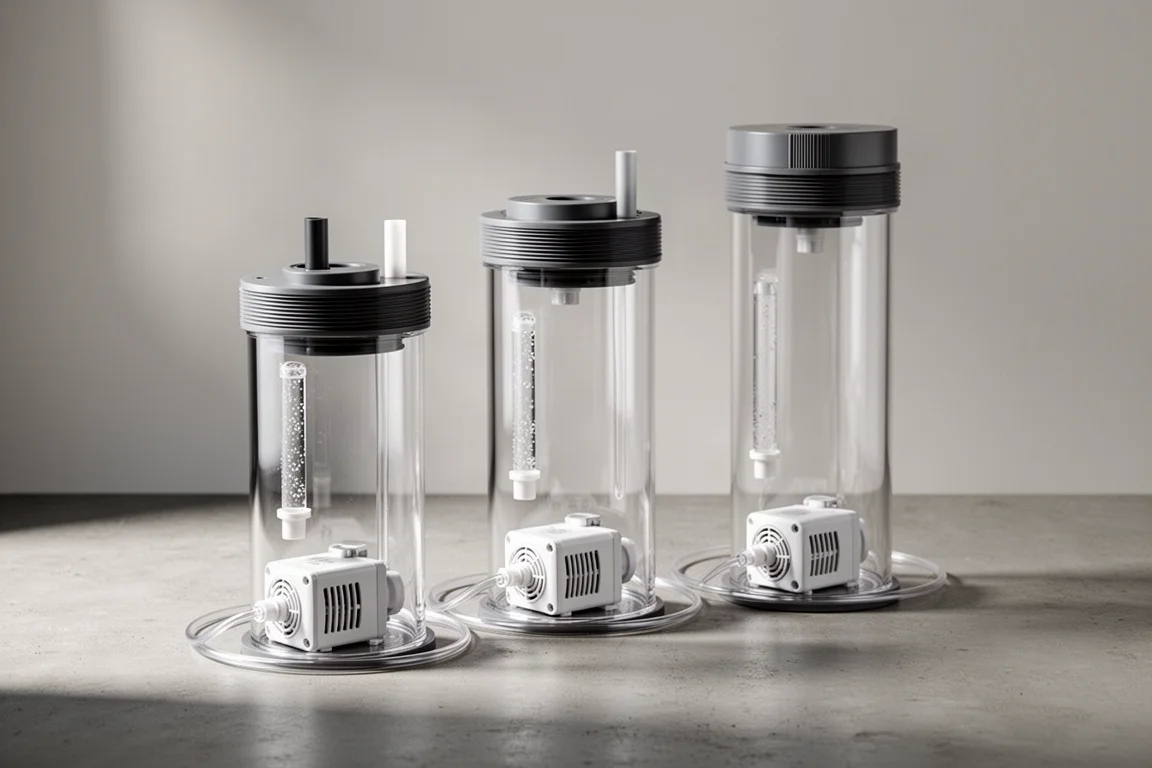
The range covers three sizes: the CR140, the CR200, and the CR220, with 5.5 inch, 8 inch, and 9 inch cylinders. Tank ratings run from 125 to 250 gallons, 200 to 400 gallons, and 300 to 500 gallons respectively, depending on livestock demand.
What to Look For in a Calcium Reactor
Media volume and the size of the opening shape day to day ownership more than anything else. A larger chamber holds more media, so it needs topping up less often, and a wide mouth lets you get a hand or a sponge inside for that yearly cleanup instead of working through a narrow neck.
The circulation pump is the other long term consideration. It runs continuously, so efficiency, noise, and reliability matter more here than on a pump that only runs occasionally, and a controllable pump adds a useful tuning point for dialing in recirculation.
Fittings and tubing decide how easy the plumbing is to live with. Quarter inch push fittings and standard RODI tubing let you replace or reroute a line quickly, and inline valves turn the adjustments a reactor needs into a straightforward job rather than a plumbing project. Build quality matters too: thick acrylic, a threaded lid, and sturdy PVC plumbing add up to a unit that stays rock solid on the shelf.
OCTO VarioS CR140: The Compact Option
The CR140 is the smallest of the three, with a 5.5 inch cylinder rated for tanks between 125 and 250 gallons depending on demand. It holds up to one gallon of calcium reactor media and is driven by a VarioS 2 circulation pump.
The VarioS pump is one of the strongest arguments for this range. It is efficient, quiet, and controllable, and its controller offers five levels of speed control for dialing in recirculation, 15 minute and 60 minute feed modes for maintenance inside the reactor, float switch compatibility, and zero to 10 volt control through an external controller.
For smaller systems, or for anyone who wants a reactor that stays easy to lift and handle during maintenance, the compact cylinder keeps the footprint modest without giving up the fittings, unions, and hand-tight lid shared across the lineup.
OCTO VarioS CR200: The Mid-Size Choice
The CR200 steps up to an 8 inch cylinder, a rating of 200 to 400 gallons, and capacity for up to two gallons of media. It runs a VarioS 4 pump.
That middle position is what makes it flexible: enough volume to go longer between refills on a moderately stocked tank, without the bulk of the largest model. For a reef that has grown into its system but is not demanding effluent at the highest rate, it is often the sensible landing point.
OCTO VarioS CR220: The Largest of the Three
The CR220 is the biggest in the range, pairing a 9 inch cylinder with a 300 to 500 gallon rating, up to two and a half gallons of media, and a VarioS 6 pump.
Filling any of the three follows the same routine: unscrew the lid, lift out the separator and top foam pad, add media a handful at a time, then put the foam pad and separator back and screw the lid on. Rinsing media in RODI beforehand is a common step to remove dust, though some media is sold as no-rinse.
On a large system with high alkalinity and calcium demand, the extra media volume and the larger pump are the two reasons to look here rather than at the smaller models. The wider chamber also makes the annual cleanup quicker, since there is more room to work inside the body.
What Else You Need to Get Started
Out of the box, each reactor includes coarse foam pads and a separator, pre-glued plumbing with unions, the VarioS pump and its accessories, a pair of inline John Guest push connect ball valves, an inline check valve already attached to tubing, suction cups, the threaded pro port, and O-rings. Assembly is quick and the instructions include diagrams, though the tubing and fittings can be set aside until the reactor is ready to go onto the tank. The pH probe port is a rugged piece of hardware and even ships with a plug for anyone not intending to use it.
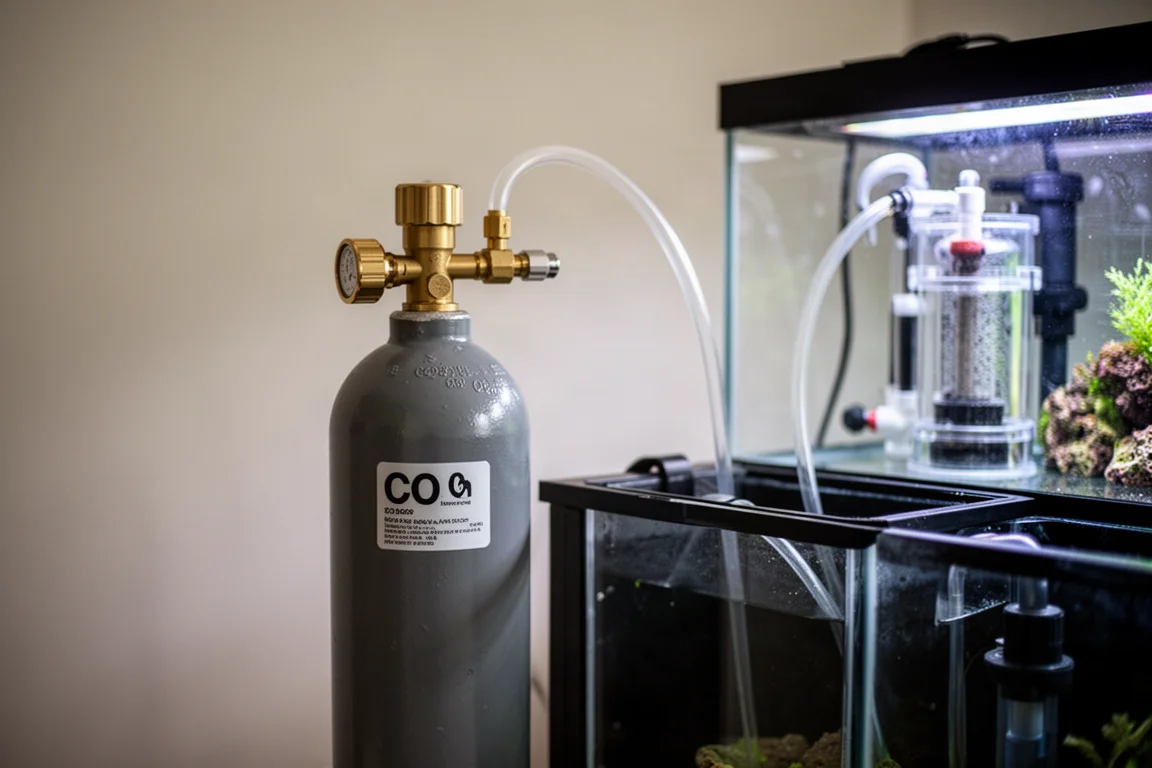
To run a reactor, you will also need a CO2 tank, and 5 to 10 pounds is a practical size that fits inside a stand while still lasting months. Add a reliable CO2 regulator and a solenoid valve, plus a pH controller or a spare pH probe for an existing aquarium controller so the pH inside the reactor can be pegged for consistent effluent alkalinity. A continuous duty dosing pump, such as the Kamoer FX-STP, keeps the dose to the tank simple and consistent, and a high quality, preferably phosphate-free reactor media completes the setup.
Overall Buying Advice
Choose by tank size and livestock demand first. The CR140 suits 125 to 250 gallon systems, the CR200 covers 200 to 400 gallons, and the CR220 is rated for 300 to 500 gallons, with the stocking level deciding where in each range you land. If two models look plausible, the larger chamber is the one that needs refilling less often.
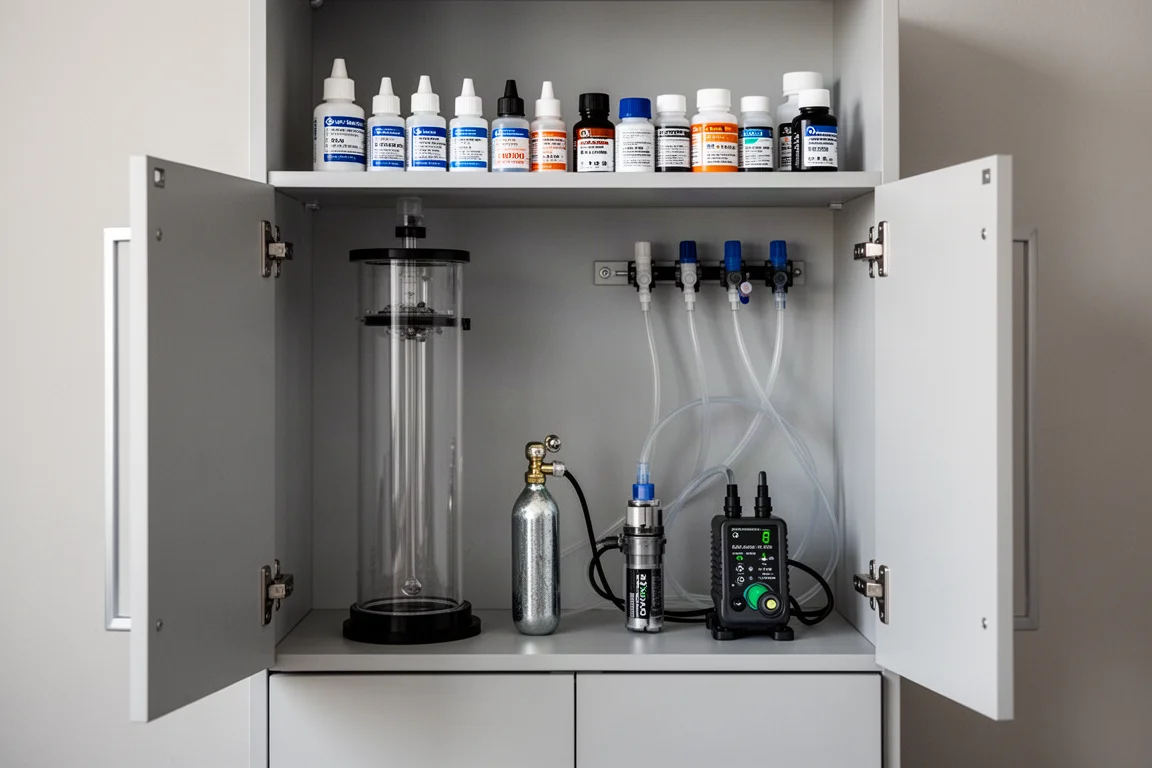
Beyond size, the three share the same construction, fittings, and control features, so the decision comes down to media volume and pump size rather than build quality. If this is a first reactor, budget for the CO2 tank, regulator, solenoid, pH control, and dosing pump alongside the reactor itself, since those are the parts that turn it into a genuinely hands-off system.
Conclusion
The OCTO VarioS range gives reefers three sizes of the same well-built design: thick acrylic and PVC construction, push-fit plumbing, a hand-tight lid, and a controllable VarioS circulation pump. Match the cylinder to your tank volume and livestock demand, add the supporting CO2 and dosing gear, and a calcium reactor becomes one of the lowest maintenance ways to keep alkalinity and calcium stable.
Further reading
Related Reviews
Aquarium Equipment
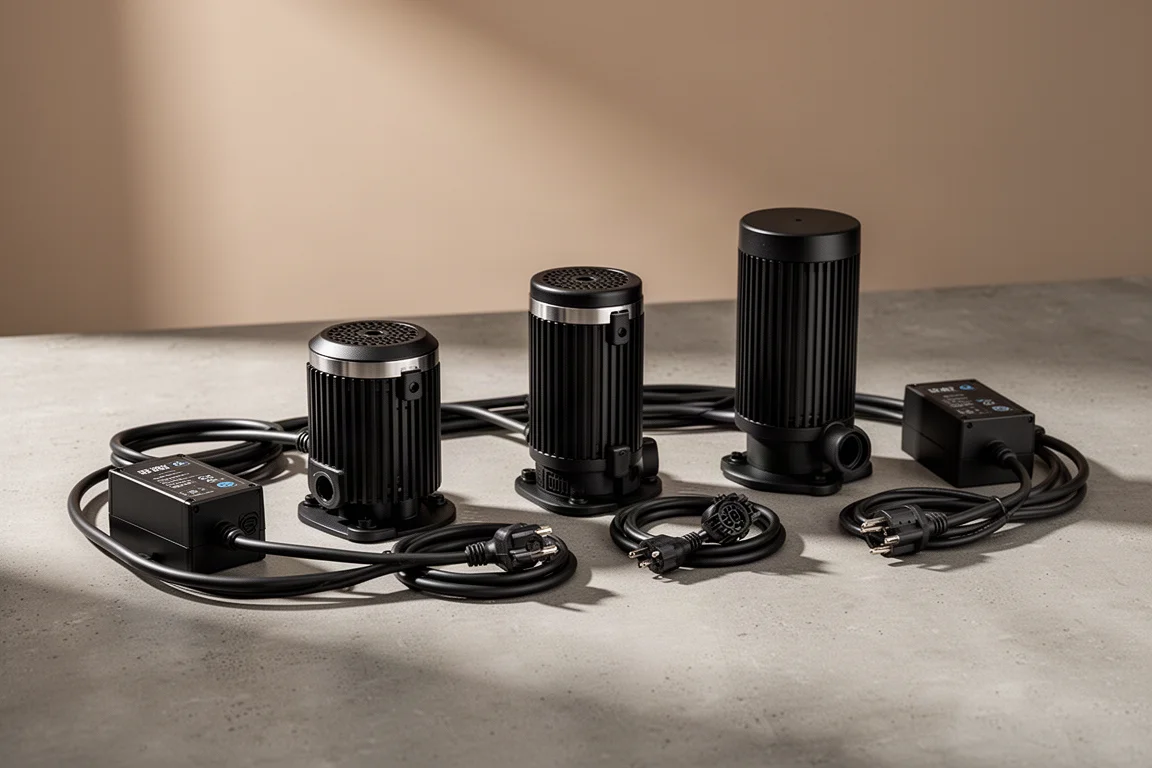
Abyzz Professional DC Pumps: A100, A200, and A400 Reviewed
A closer look at three German-made DC return pumps built for large reef systems, with titanium internals, fine flow control, and a 10-year warranty.
Aquarium Equipment
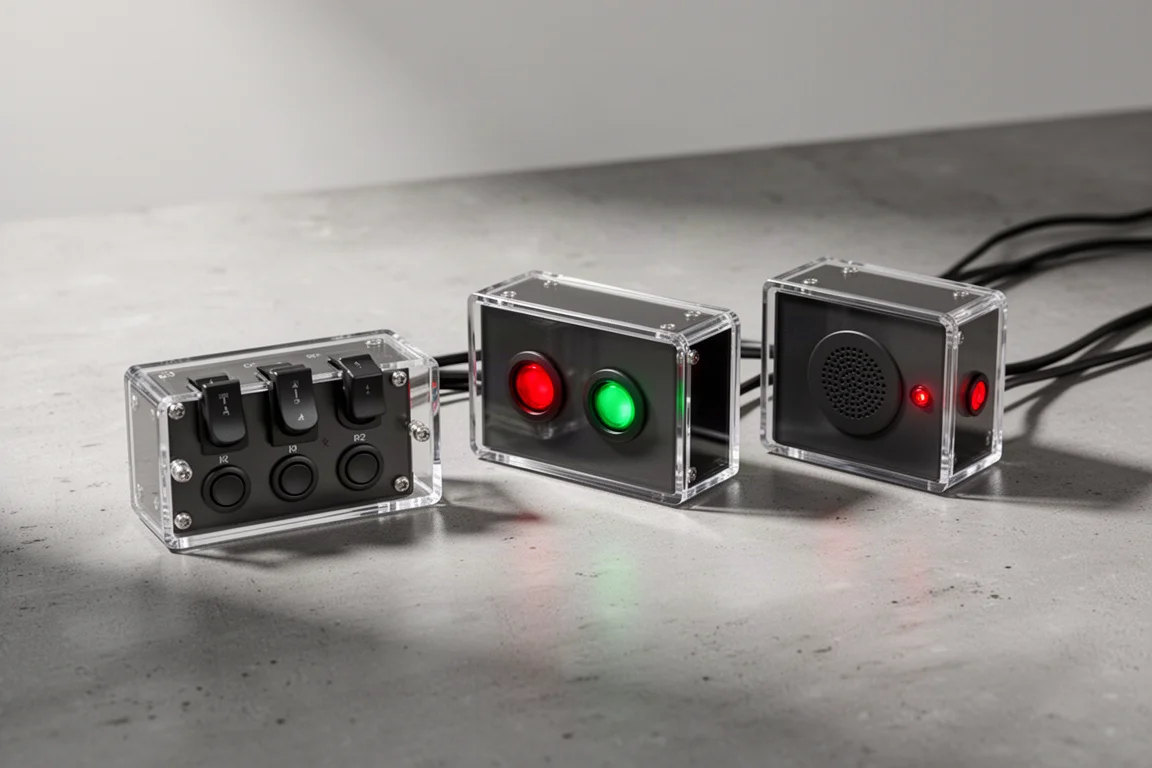
AdaptiveReef Controller Accessories: Three Tactile Upgrades for Your Reef Controller
A practical look at three AdaptiveReef add-ons that put physical switches, at-a-glance status lights, and a loud alarm within arm's reach of your reef tank.
Aquarium Equipment
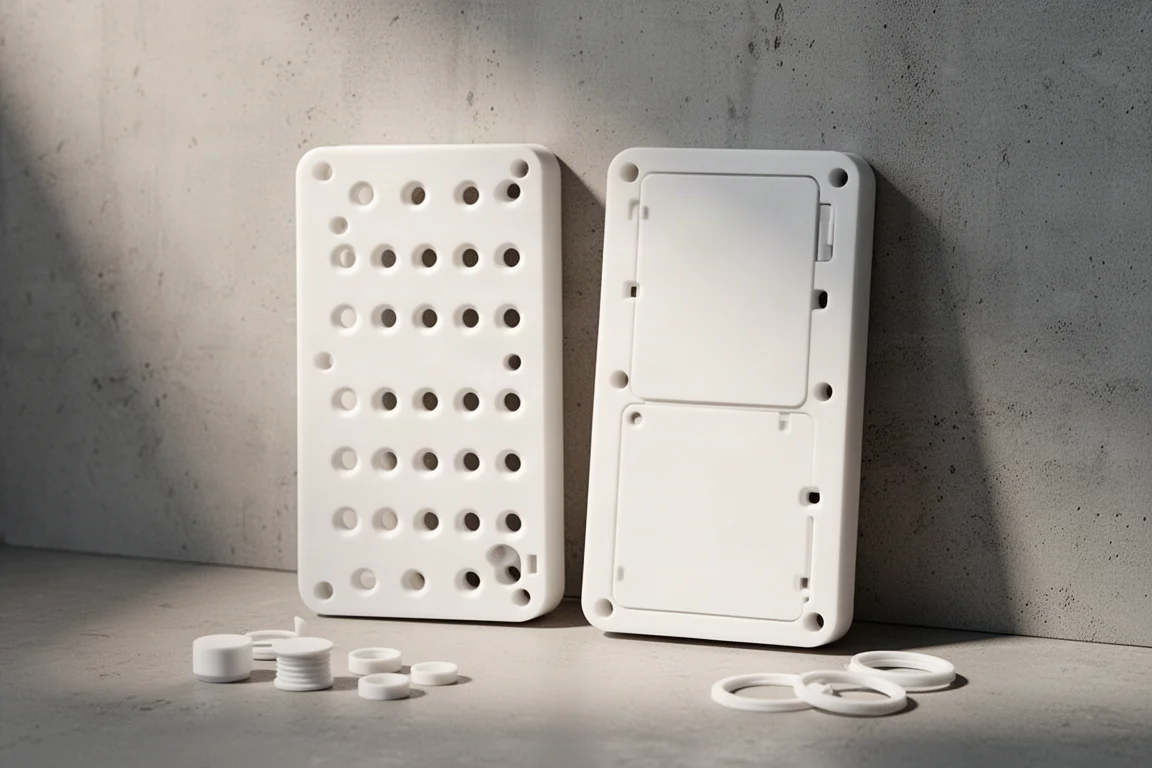
Adaptive Reef Controller Boards: Basic vs Deluxe for Cleaner Aquarium Gear
A practical look at the Adaptive Reef Basic and Deluxe controller boards, what each one includes, and how to choose the right size for your tank gear.