Smartphones
Nothing Phone 4A and 4A Pro Review: Smart Mid-Range Design Over Flagship Specs
Two thoughtfully designed mid-range phones that prioritize distinctive software and build quality over raw performance. The 4A at €349 offers excellent value; the 4A Pro adds premium materials and a customizable glyph matrix for $499.
Introduction
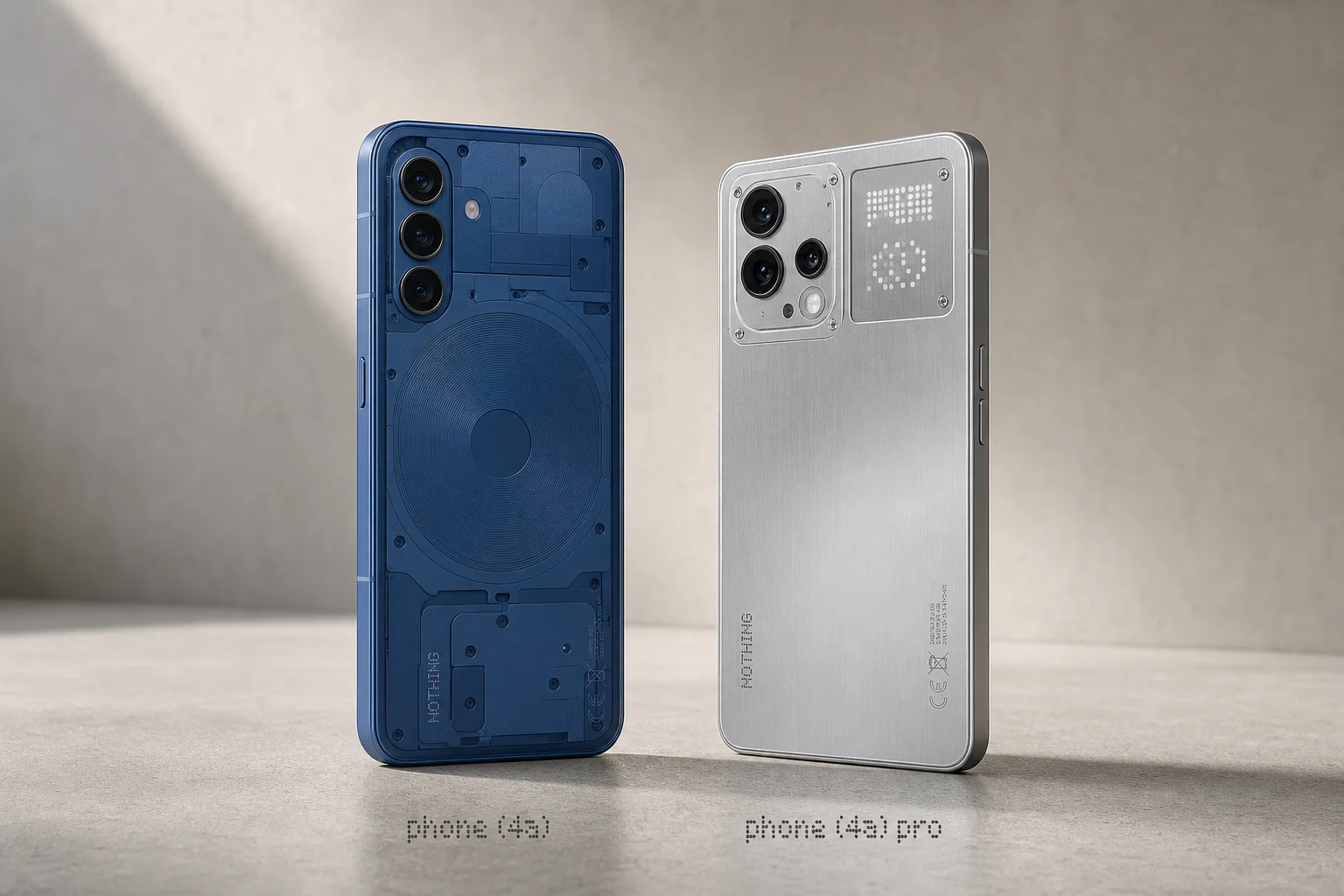
Nothing has released two new phones that challenge the conventional flagship race. The Nothing Phone 4A and 4A Pro arrive at a moment when budget and mid-range phones are becoming more thoughtfully designed than ever. At €349 for the 4A and $499 for the 4A Pro, these devices sit in a competitive space occupied by the Pixel 10a and iPhone 17. Rather than chase the highest specifications, Nothing has chosen to refine what made earlier models distinctive: software character, visual design, and a clear understanding of what mid-range buyers actually need.
The 4A: Value and Visual Identity
The Nothing Phone 4A is the more compelling value proposition of the two. Running the Snapdragon 7S Gen 4 processor with 12GB of RAM, it delivers responsive performance for everyday tasks. The 6.7-inch LTPS OLED display refreshes up to 120Hz and reaches 4,500 nits peak brightness, making it bright enough for outdoor use. The 5,000mAh battery provides solid endurance, and the triple camera system includes an 8-megapixel ultrawide, 50-megapixel main sensor, and 3.5x telephoto.
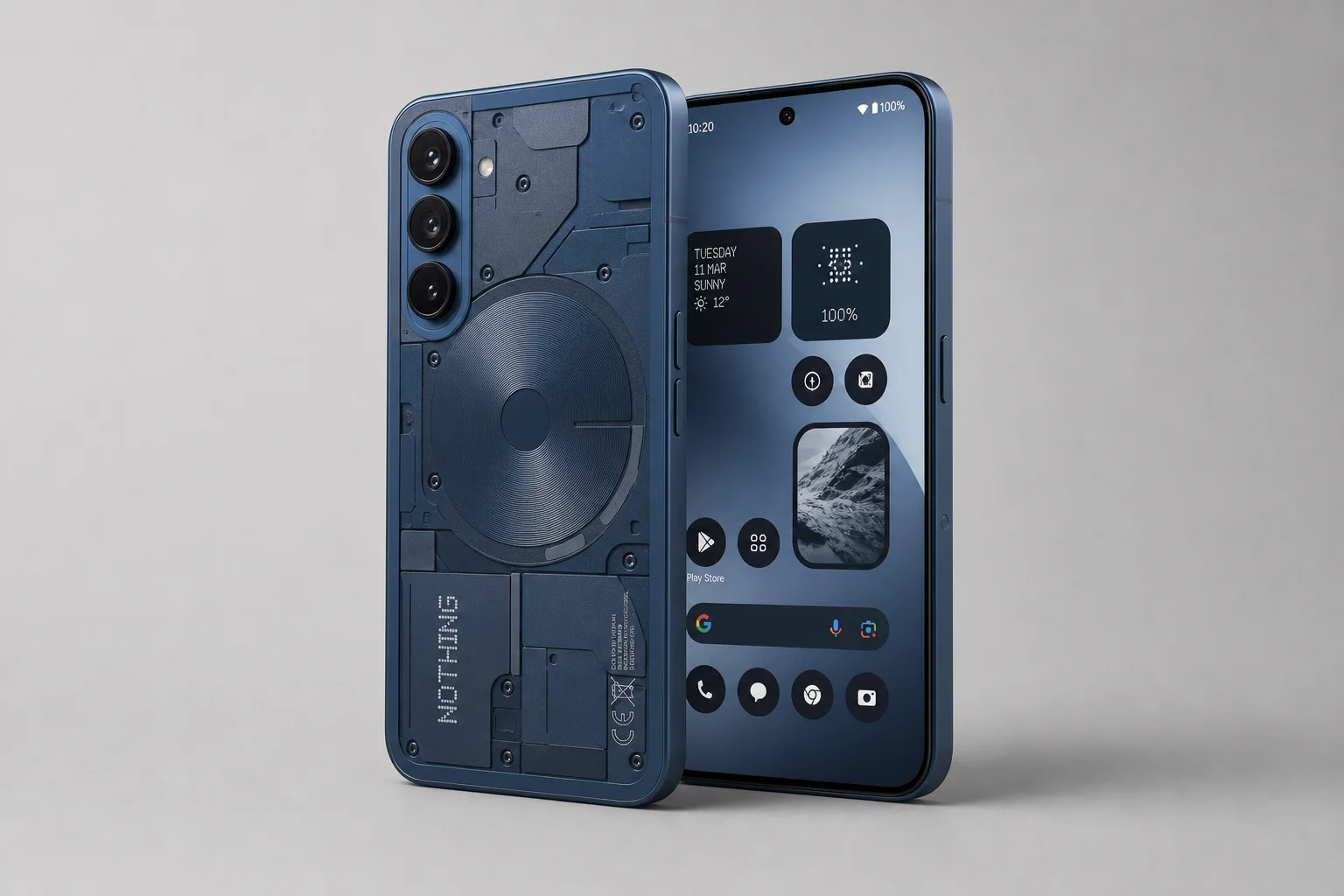
The design is where the 4A truly stands out. The matte blue finish with semi-transparent back panel reveals internal textures, components, and the distinctive Nothing dotted text. This visual transparency has become Nothing’s signature, and it remains one of the most distinctive phone designs available at any price. The back features a simple bar of seven LED dots that serve as notification indicators, volume meters during music playback, and timer countdowns. The red dot at the bottom also blinks when recording video, a practical feature more phones should adopt.
The 128GB starting storage is modest by modern standards, but acceptable at this price. Gorilla Glass 7i protects the front, and the IP64 rating handles splashes and light dust. The phone is constructed from plastic and recycled materials, which keeps weight down and cost reasonable.
Software and User Experience
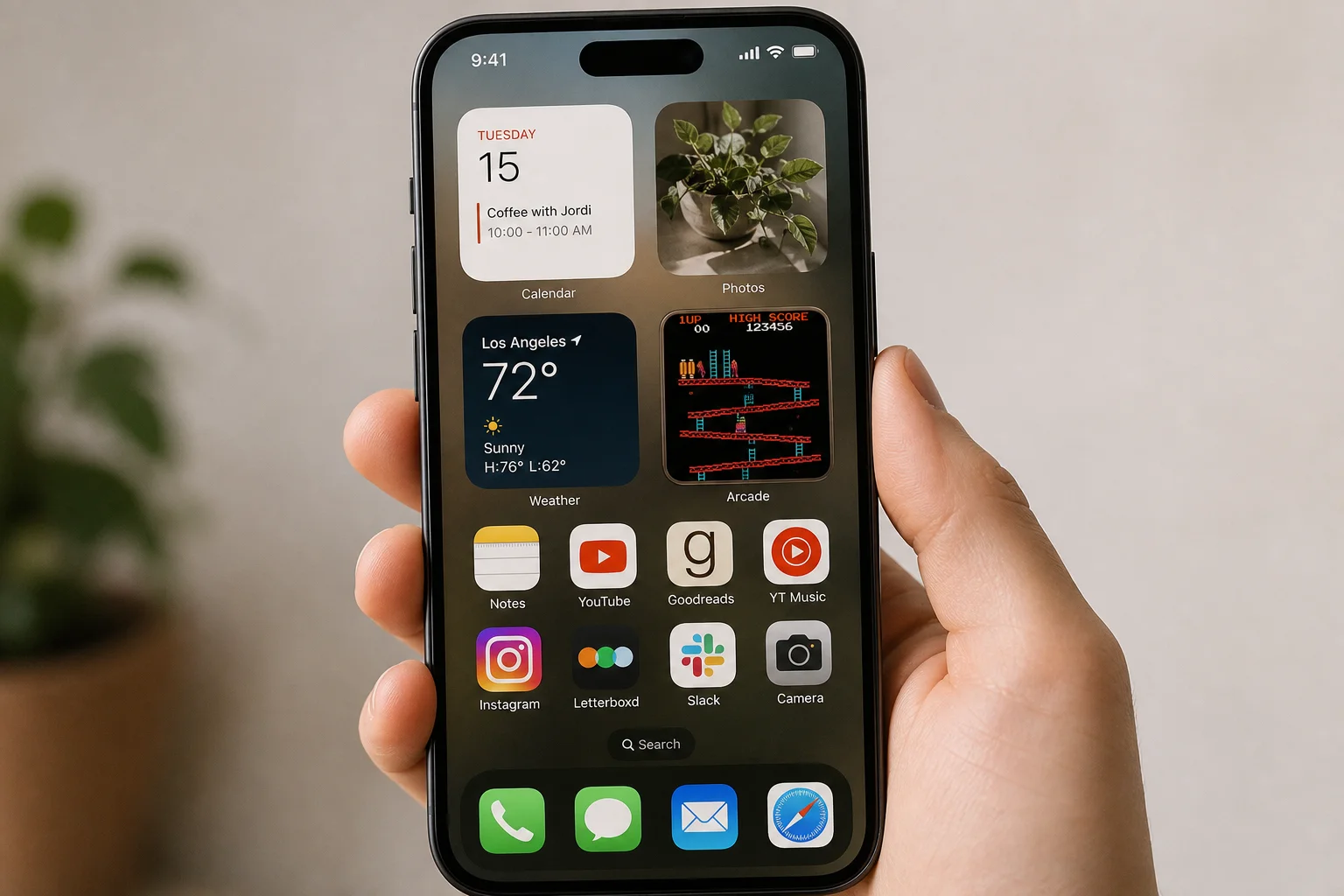
Nothing OS 4.1 running on Android 16 is where these phones earn their appeal. The software feels noticeably snappier than competitors at this price, thanks to refined animations and the upgrade to UFS 3.1 storage, which speeds up app launches and file operations. Home screen customization has expanded significantly, with more granular control over folder appearance and layout.
The Playground is Nothing’s community-driven widget store, where users can install custom widgets ranging from arcade games to countdown timers. These widgets add personality and functionality without requiring a flagship processor. The software encourages a philosophy of keeping the phone face-down most of the time, engaging with notifications only when necessary.
The Intelligence Toolkit represents Nothing’s minimal approach to AI features. Rather than flooding the OS with generative tools, they’ve included an AI wallpaper generator and ChatGPT widgets. The Essential Space, accessible via a side button, remains available for quick access to frequently used apps. This restraint feels refreshing in an era of AI saturation.
The 4A Pro: Premium Build and Glyph Matrix
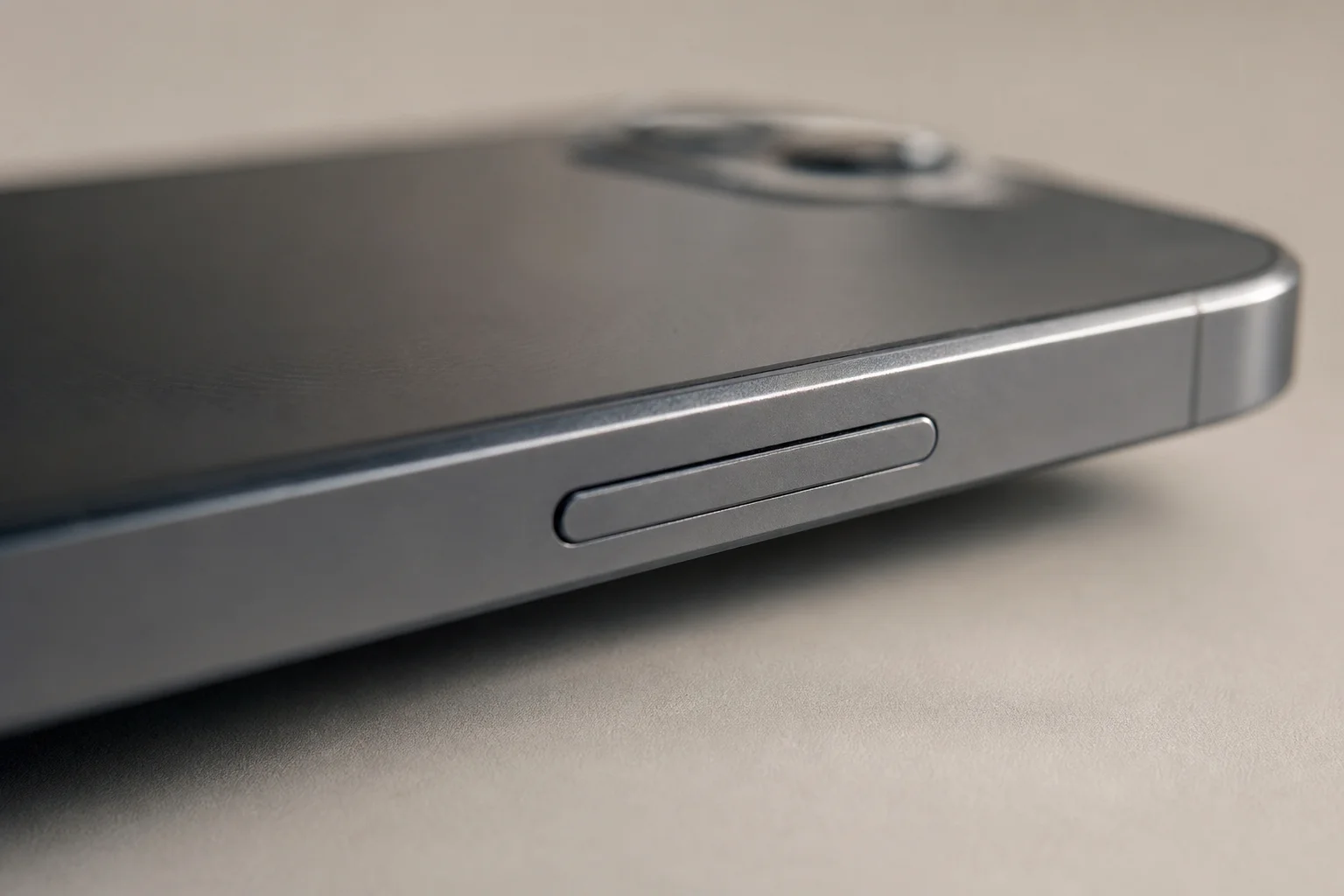
The Nothing Phone 4A Pro steps up the experience with a unibody aluminium frame that feels noticeably more premium in hand. The metal is cold and solid, though it is extremely prone to fingerprints and requires frequent cleaning. The bezels are thinner, allowing a slightly larger 6.8-inch display in a smaller footprint.
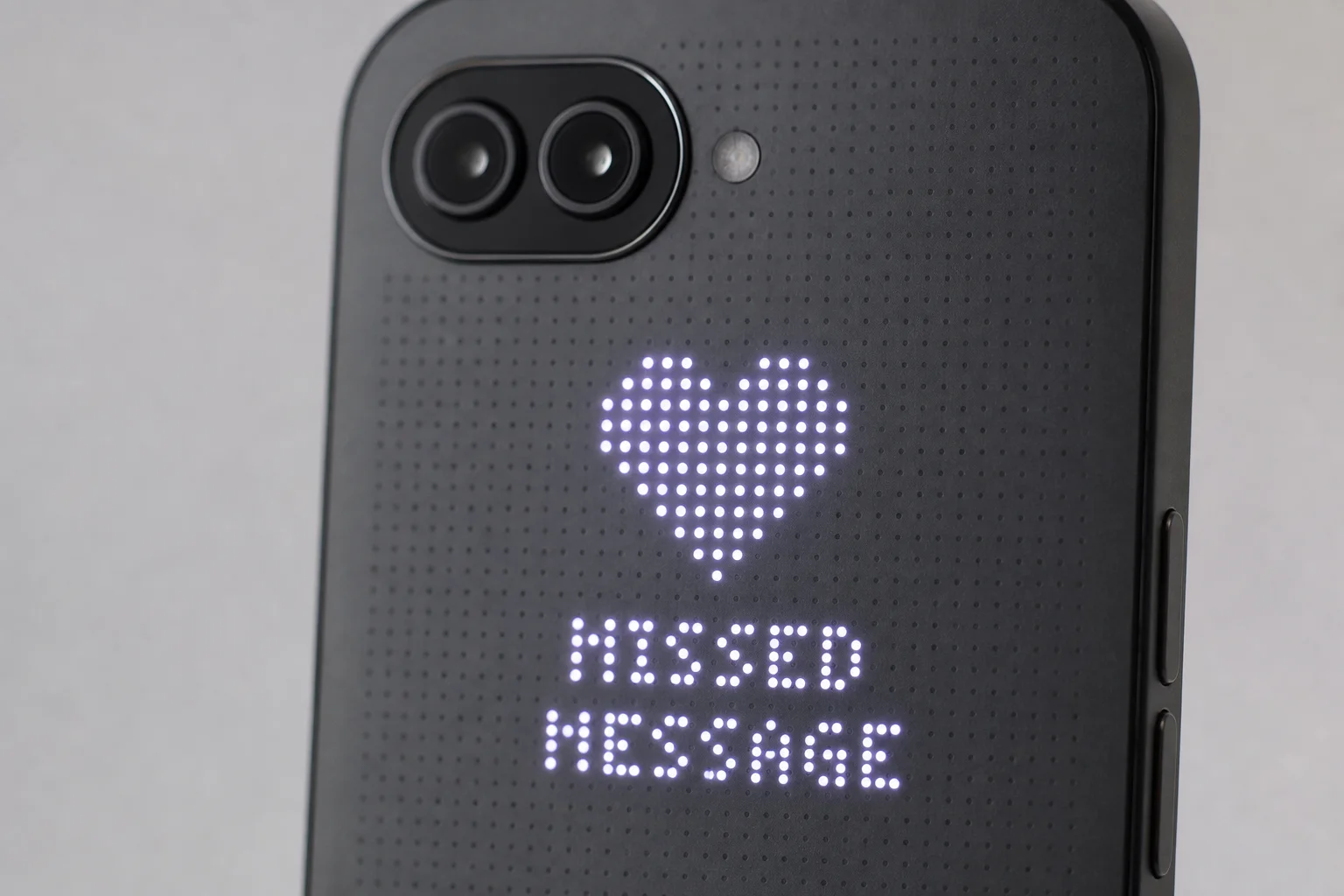
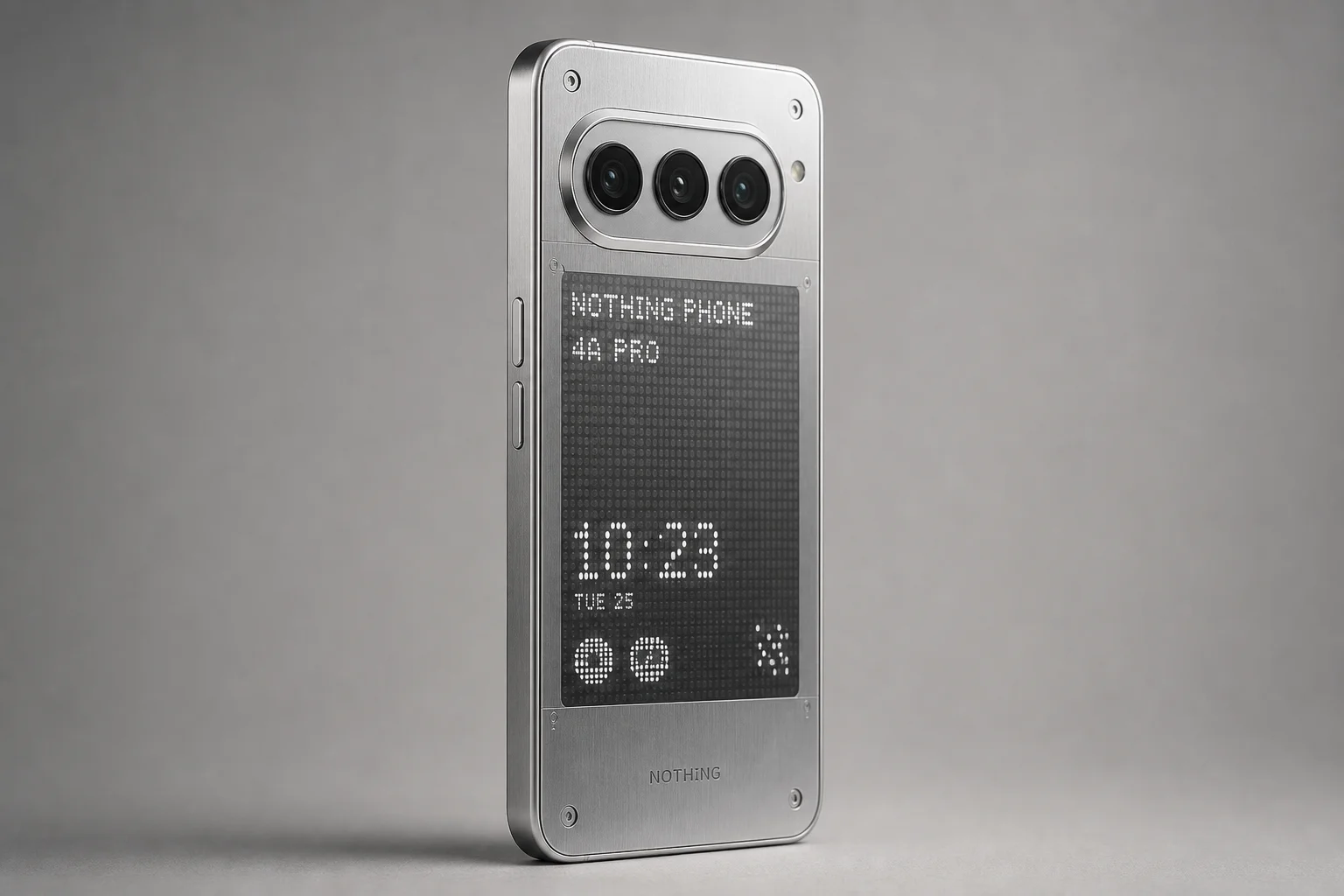
The standout feature is the new glyph matrix at the top of the back. Unlike the 4A’s simple LED bar, this is a full pixel-dot style display capable of showing custom icons, images, and animations. You can assign specific notification icons to contacts or apps, so a missed Slack message triggers a unique icon, or a message from a specific person displays a heart. The customization extends to uploading custom images, though the ability to freehand draw on the matrix would be a welcome addition.
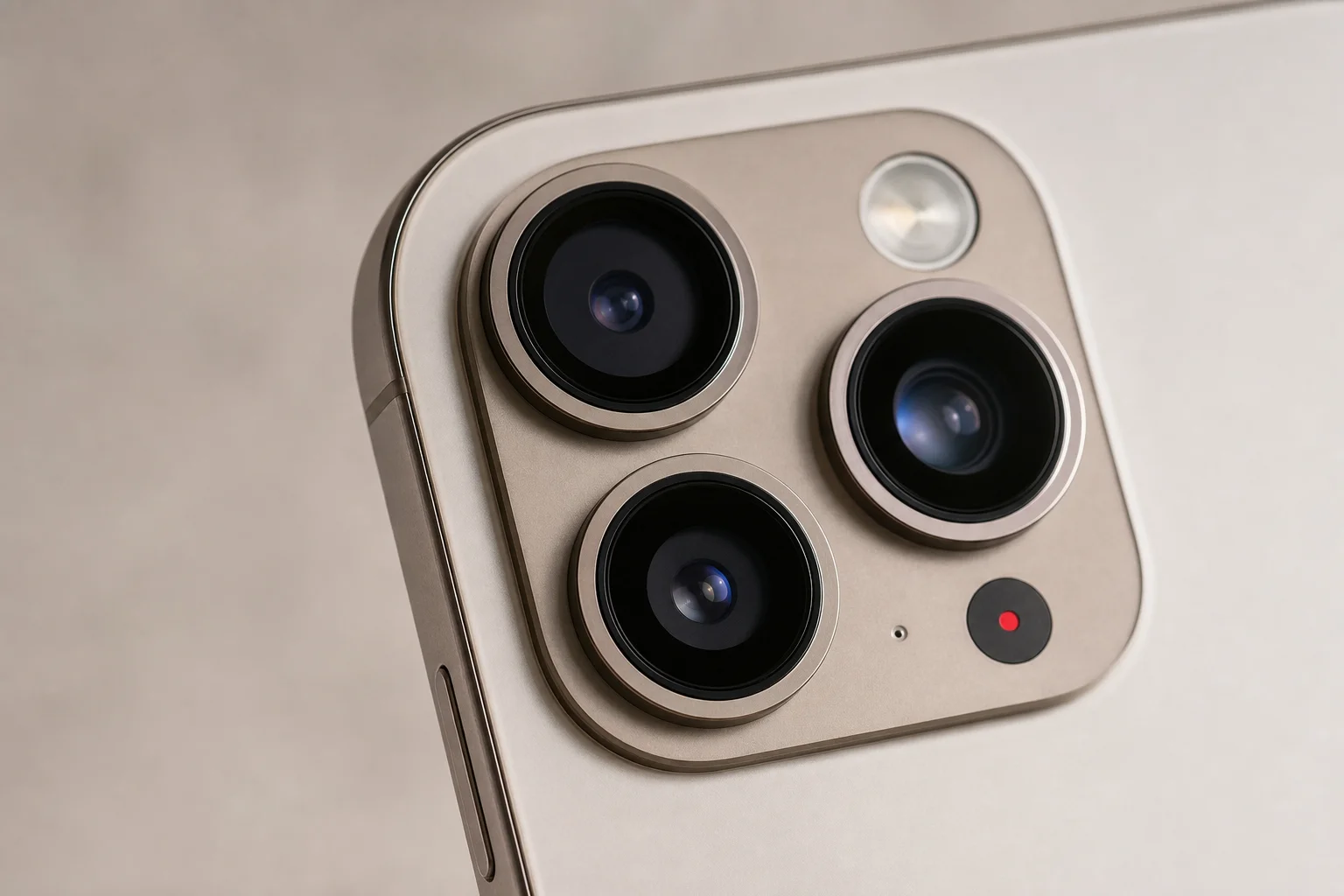
The Snapdragon 7 Gen 4 processor (versus the 7S Gen 4 in the 4A) offers marginal real-world improvement. The peak brightness reaches 5,000 nits compared to the 4A’s 4,500 nits, a difference barely noticeable in side-by-side comparison. The IP65 rating theoretically offers better water resistance than the 4A’s IP64, though both phones handle splashes adequately. Notably, neither phone includes wireless charging, despite the 4A Pro’s premium positioning.
The display spec sheet lists 144Hz maximum refresh rate, but in practice, the phone caps out at 120Hz in nearly all scenarios. Only a handful of games support the higher refresh rate, making the 144Hz specification more marketing than substance.
Camera Performance and Limitations
Both phones feature triple camera systems, which is genuinely more than the iPhone 17e or Pixel 10a offer. However, the cameras are competent rather than exceptional. Photos are serviceable but often exhibit slightly aggressive HDR processing and more noise than expected. The focal lengths remain identical: 8-megapixel ultrawide, 50-megapixel main, and 3.5x telephoto.
A notable limitation is that neither phone can shoot 4K video from the ultrawide, since 4K requires 12-megapixel sensors and these ultrawides are only 8 megapixels. The 4A Pro’s headline feature is a 140x digital zoom, which is purely a crop and offers no practical advantage over the 4A’s 70x zoom. The extreme zoom numbers are marketing flourishes rather than functional improvements.
For buyers prioritizing photography, these phones deliver average results. The triple setup is useful for composition variety, but the image quality does not justify choosing these phones specifically for camera performance.
Design Philosophy and Market Position
Nothing’s decision to skip a flagship phone this year is strategically sound. The company’s CEO publicly stated they will not release a new flagship annually just to keep pace with competitors. This philosophy reflects both pragmatism and honesty about Nothing’s position in the market.
As a smaller smartphone manufacturer, Nothing pays more for the same components as Samsung, Apple, or Xiaomi due to smaller order volumes. Rising RAM prices compound this disadvantage. A flagship phone with a Snapdragon 8 Elite Gen 5, 16GB RAM, and a 7,000mAh silicon-carbon battery would be prohibitively expensive for Nothing to produce competitively.
More importantly, Nothing understands that buyers choose their phones for design character and software experience, not just raw specifications. The 4A and 4A Pro deliver on those priorities. The 4A Pro emulates flagship design language with its unibody aluminium frame and camera plateau without committing to flagship-tier components. This approach avoids the pricing trap that caught the Nothing Phone 3, which cost $800 and failed to justify its price against true flagships.
Buying Advice
The Nothing Phone 4A is the stronger recommendation. At €349, it offers excellent value with a distinctive design, responsive software, and practical features like the LED notification bar. The processor is sufficient for everyday use, and the display is bright and smooth. The semi-transparent back remains visually striking compared to any competitor at this price.
The 4A Pro makes sense only if you value the premium aluminium build, thinner bezels, and the glyph matrix customization. The performance gains are marginal, and the $150 price premium is steep for the incremental improvements. The glyph matrix is genuinely useful for notification management, but it is not transformative enough to justify the cost for most buyers.
Both phones represent a refreshing alternative to the flagship treadmill. They prioritize thoughtful design and software refinement over chasing the highest specifications. In a market saturated with 200-megapixel cameras and 8-core processors, Nothing’s restraint feels increasingly valuable.
Conclusion
The Nothing Phone 4A and 4A Pro demonstrate that compelling phones do not require flagship specifications. The 4A delivers excellent value with distinctive design and responsive software at a competitive price. The 4A Pro adds premium materials and a customizable glyph matrix for those who want a more refined experience. Neither phone excels at photography or gaming, but both excel at being thoughtfully designed, visually distinctive devices that prioritize user experience over raw power. For buyers in markets where these phones are available, they represent some of the most interesting mid-range options available today.
Further reading
Related Reviews
Smartphones
Best Smartphones for Vlogging 2025: Five Budget-Friendly Options for Content Creators
Five affordable smartphones with strong cameras, long battery life, and powerful processors designed for smooth 4K video recording and content creation, ranging from $290 to $700.
Smartphones
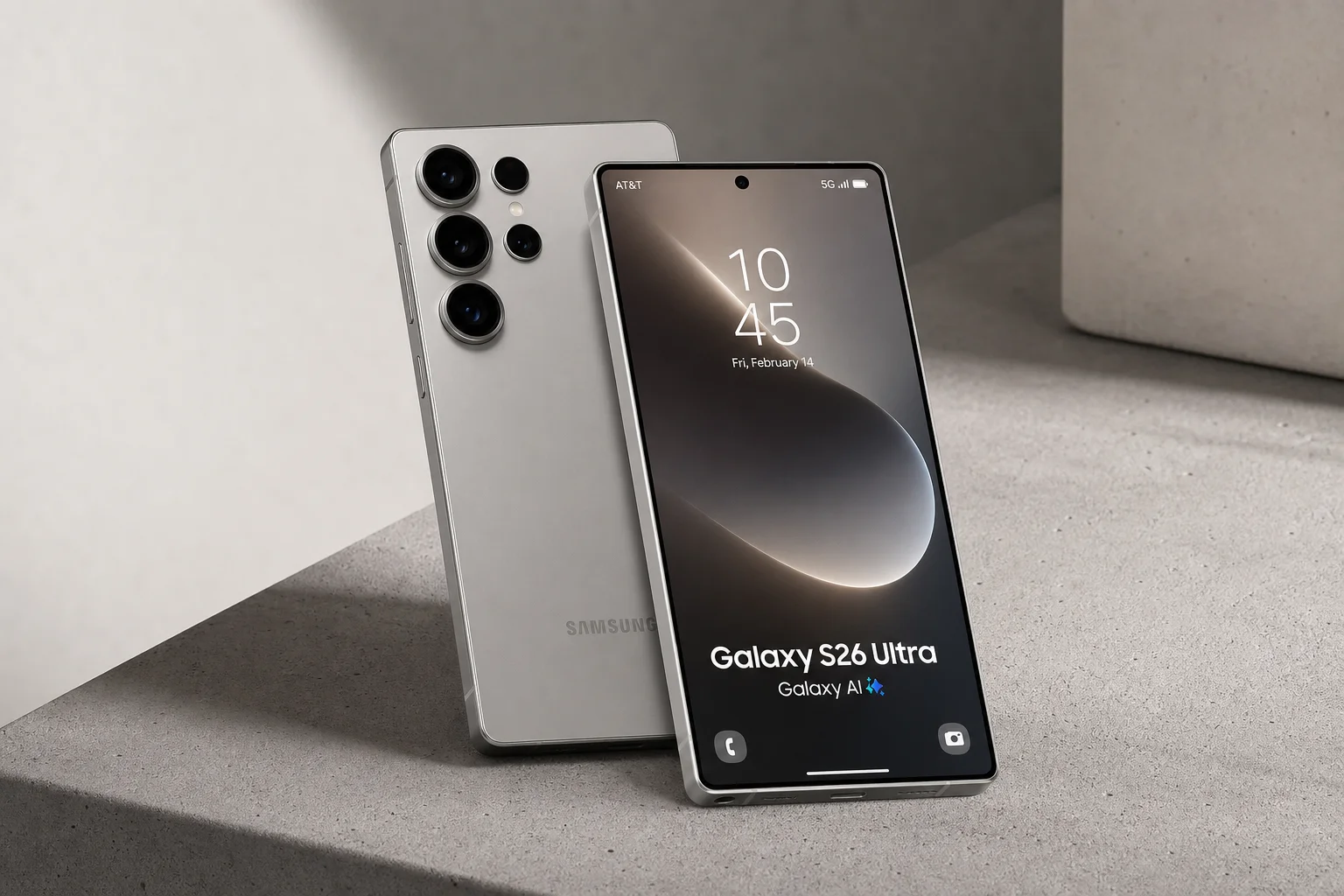
Samsung Galaxy S26 Ultra Review: Privacy Display Innovation Comes With Real Trade-offs
The S26 Ultra introduces a genuinely novel privacy display feature, but achieving it requires accepting compromises in resolution, brightness, and viewing angles. A detailed look at what's new, what's been refined, and what Samsung left on the table.
Smartphones
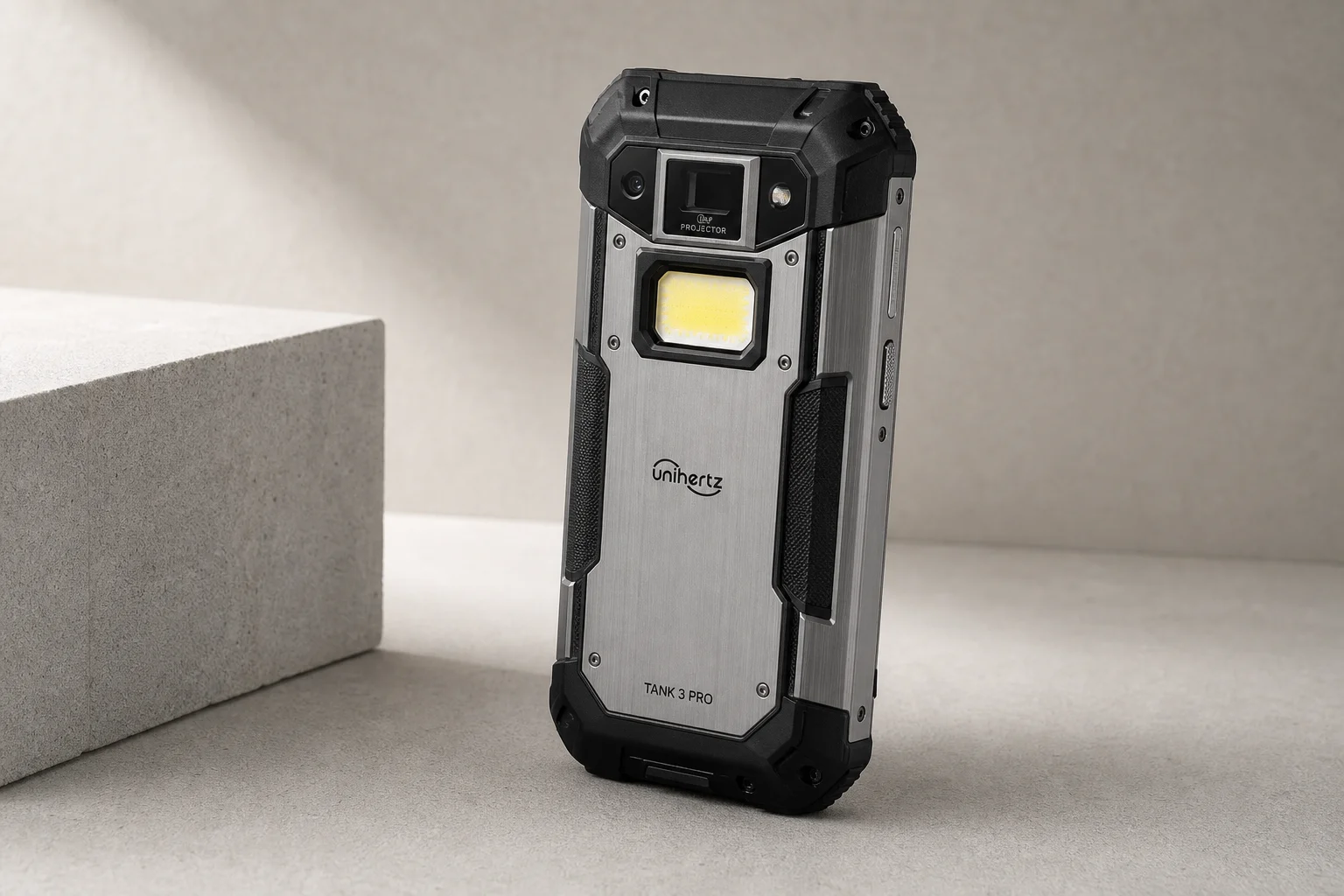
UniHertz Tank 3 Pro Review: A Rugged Phone With a Built-In Projector
The Tank 3 Pro combines extreme durability with a 40-inch DLP projector, 23,000 mAh battery, and a suite of survival-focused features. A detailed look at what makes this $700 ultra-rugged phone different.