Stationery
Note-Taking Supplies That Make You Look Professional at Work
A practical mix of note-taking systems and office-appropriate stationery, from multi pens and notebooks to memo pads and whiteboard journals.
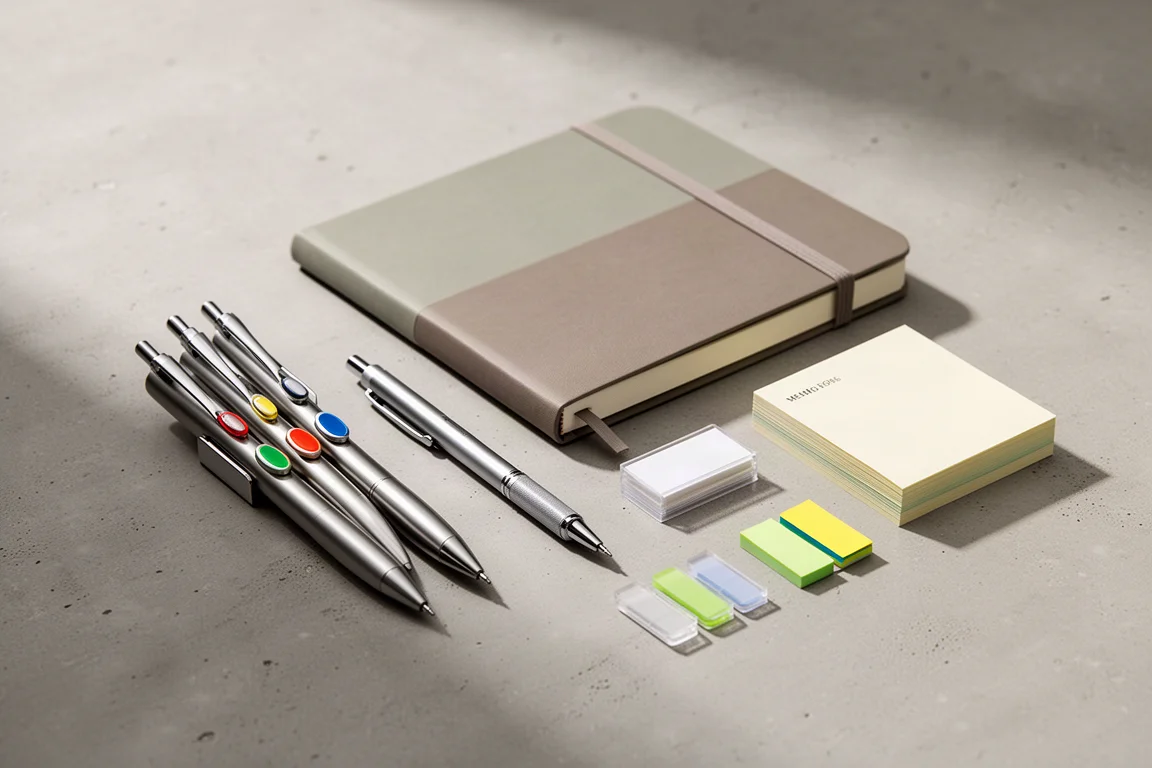
Introduction
Note-taking is not just for students. The way you took notes in school, focused on retention, rarely fits a working professional whose notes are action-oriented. Establishing a consistent system built around goals and tasks makes meetings easier to review and follow up on.
Reliable, office-appropriate supplies matter just as much. Whether you are a new hire or part of the C-suite, you want to be taken seriously, and the tools on your desk play a part. Once you know your office culture, you can decide how much personality your stationery is allowed to have. The systems and supplies below can be mixed and matched to fit your needs.
Color-Coding
Color-coding is a simple way to draw attention to important tasks and deadlines. Designate brighter colors to due dates and urgent questions, and more subtle colors to action items or key takeaways. This works in virtually any notebook, which makes it one of the easiest systems to adopt.
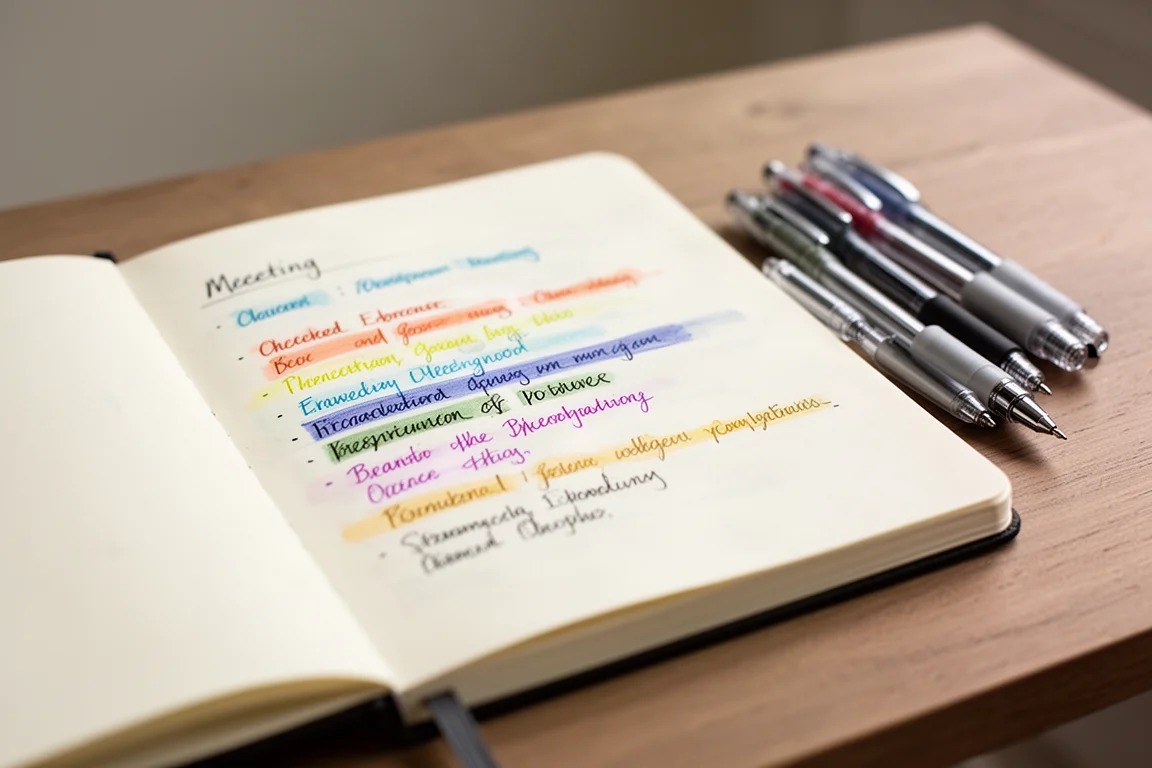
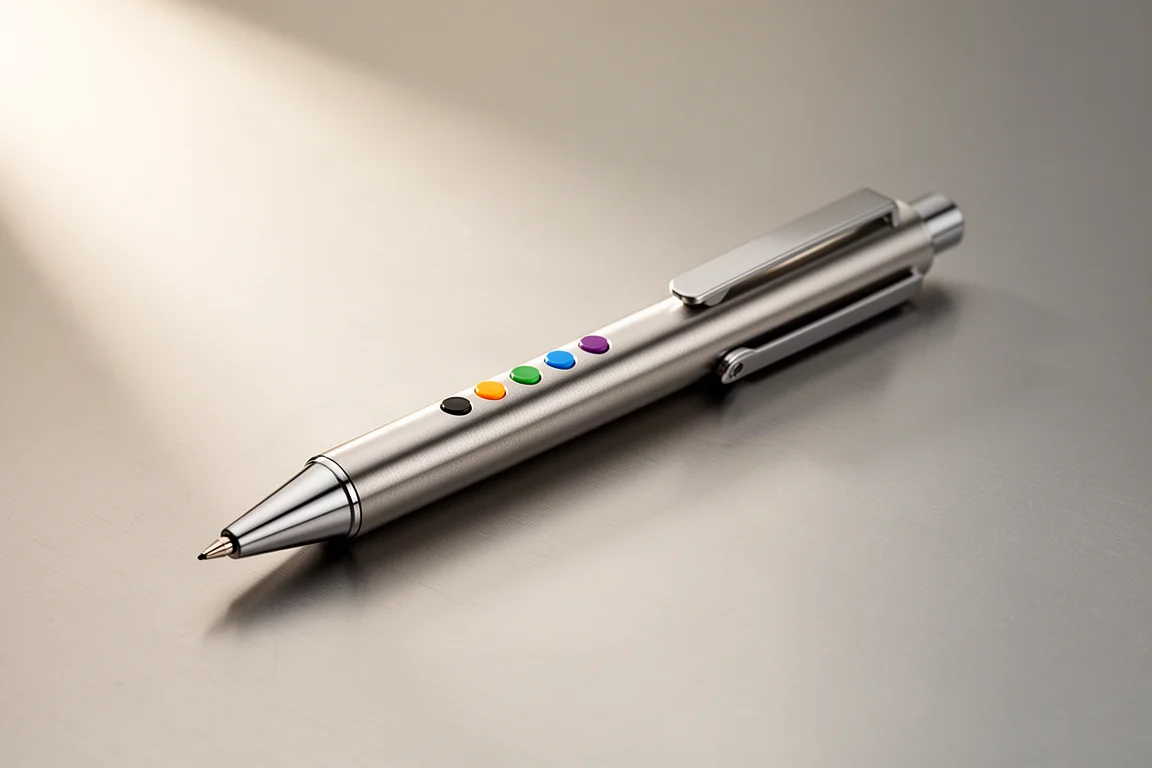
For the pen itself, the Uni Jetstream 4&1 Metal Multi Pen covers the whole palette in one tool. It features four ink colors plus a mechanical pencil component, and its low-viscosity ink writes smoothly and dries quickly. It has long been a favorite for good reason.
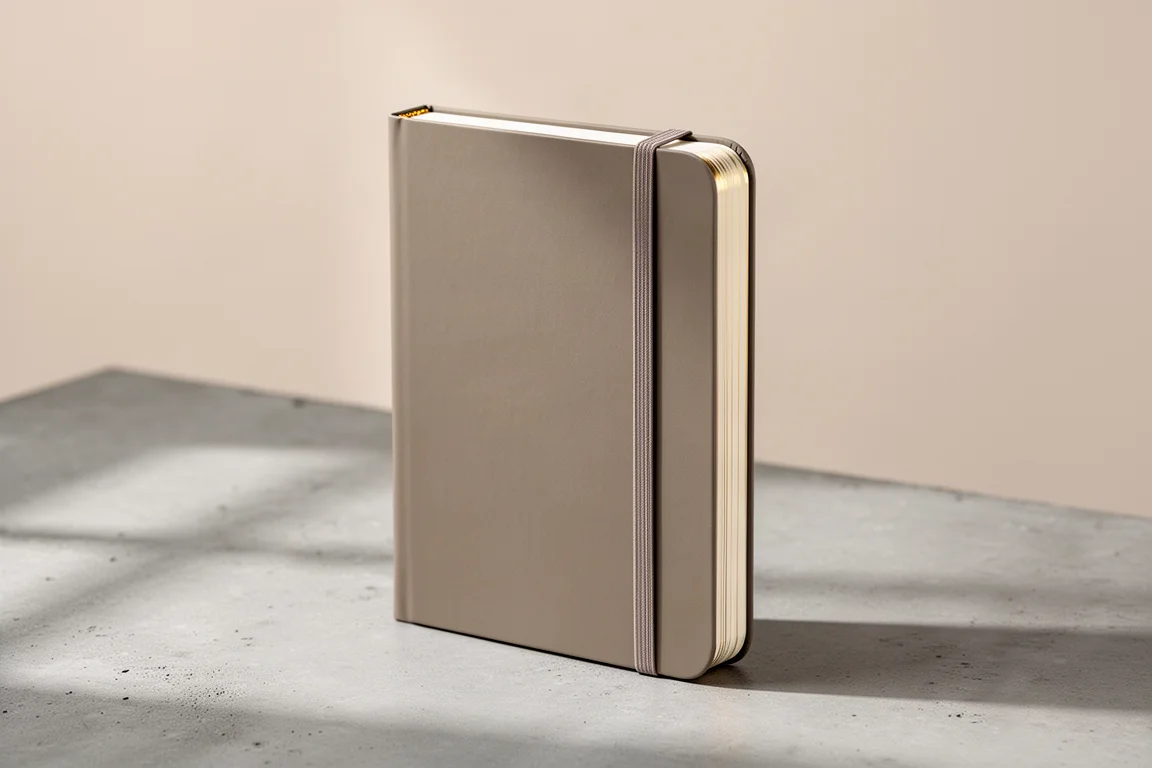
While any notebook can host a color-coding system, the Leuchtturm1917 Hardcover Notebook is a natural partner. It includes an index for logging your meetings and notes, and the graph and line versions have a dedicated space at the top of each page for writing in the date.
Diagramming
If you are a visual thinker, diagramming lets you map out tasks, brainstorm concepts, and draw out ideas instead of seeing everything outlined in a linear way. The Midori MD Frame Notebook Journal offers plenty of space for mind mapping and regular notes alike. It comes with stickers for labeling the spine, small numbered index tabs for flagging different projects or important meetings, and a ribbon marker for keeping your place.


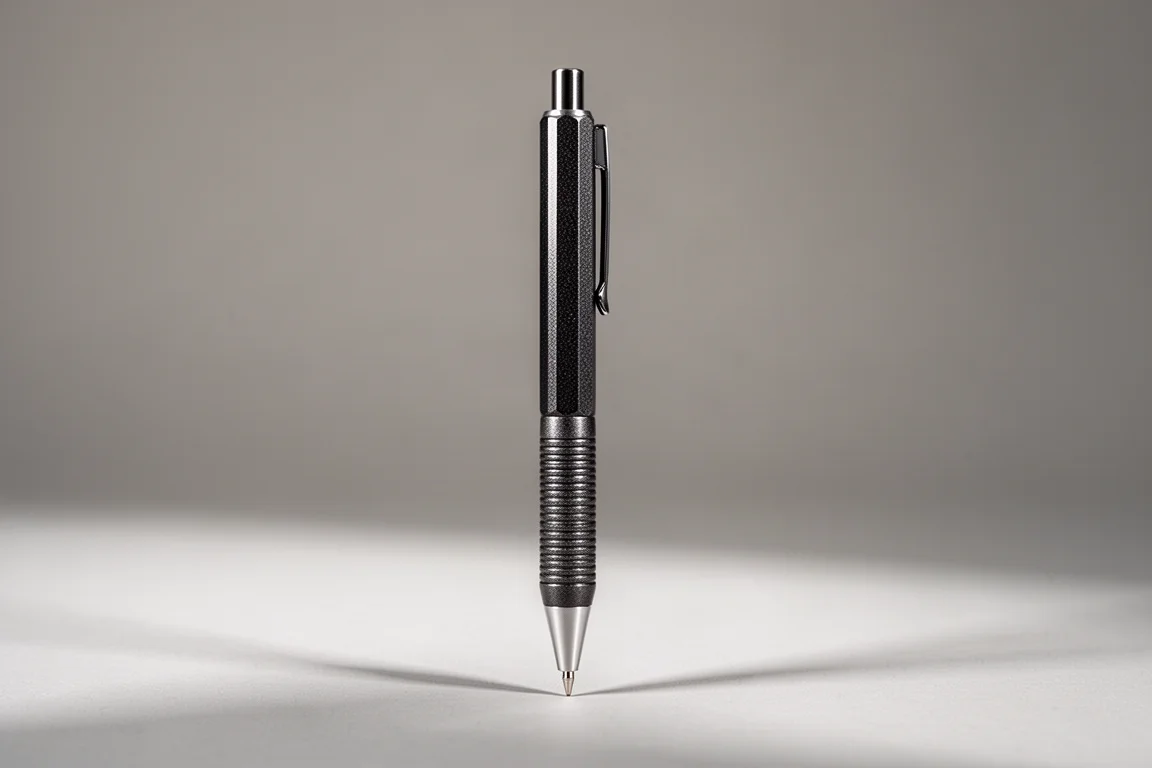
Pair the notebook with the Pentel Orenz Nero Mechanical Pencil. Its automatic lead advancement system extends the lead every time you lift the pencil from the page, and its protective lead sleeve minimizes breakage. Because the barrel and grip section are one seamless piece, there is no rattle to distract others during a meeting.
Shorthand and Templating
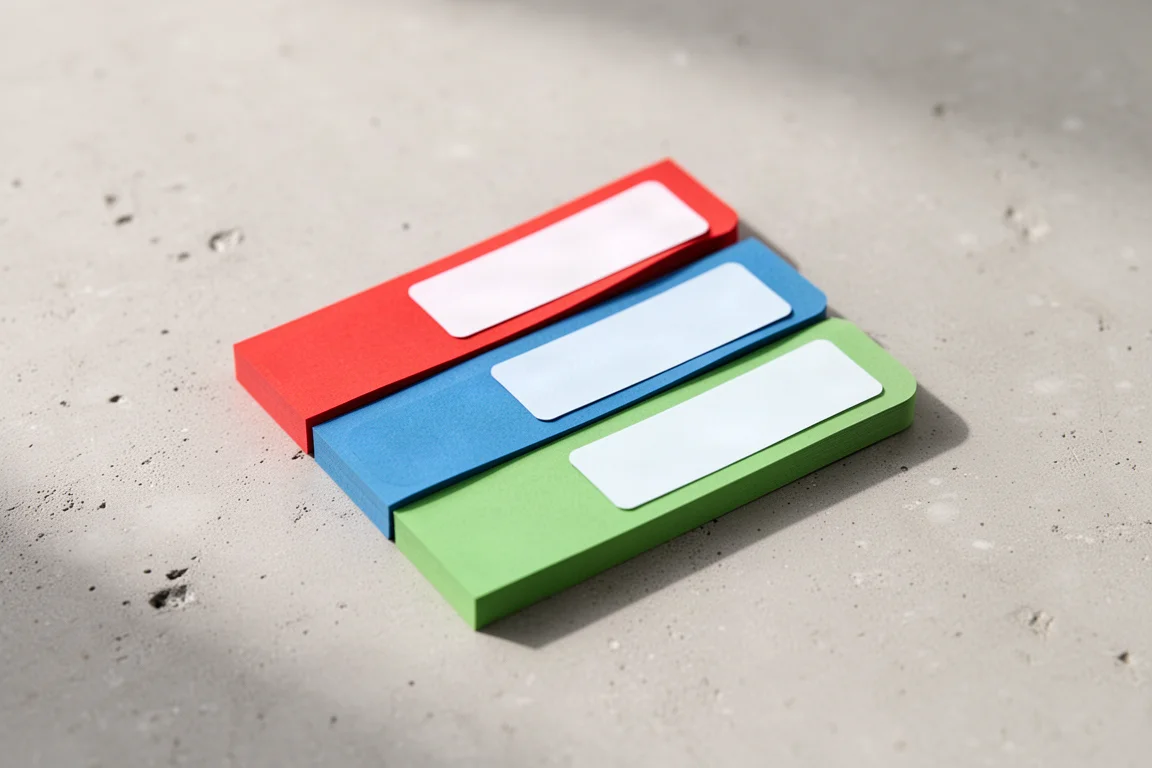
To save time, create your own shorthand for commonly used words or phrases, and keep it handy in your notebook or on Hightide Sticky Tabs. These repositionable sticky notes can move from one meeting to the next without damaging the paper underneath, and they double as page flags for current notes or older ones you need to reference.
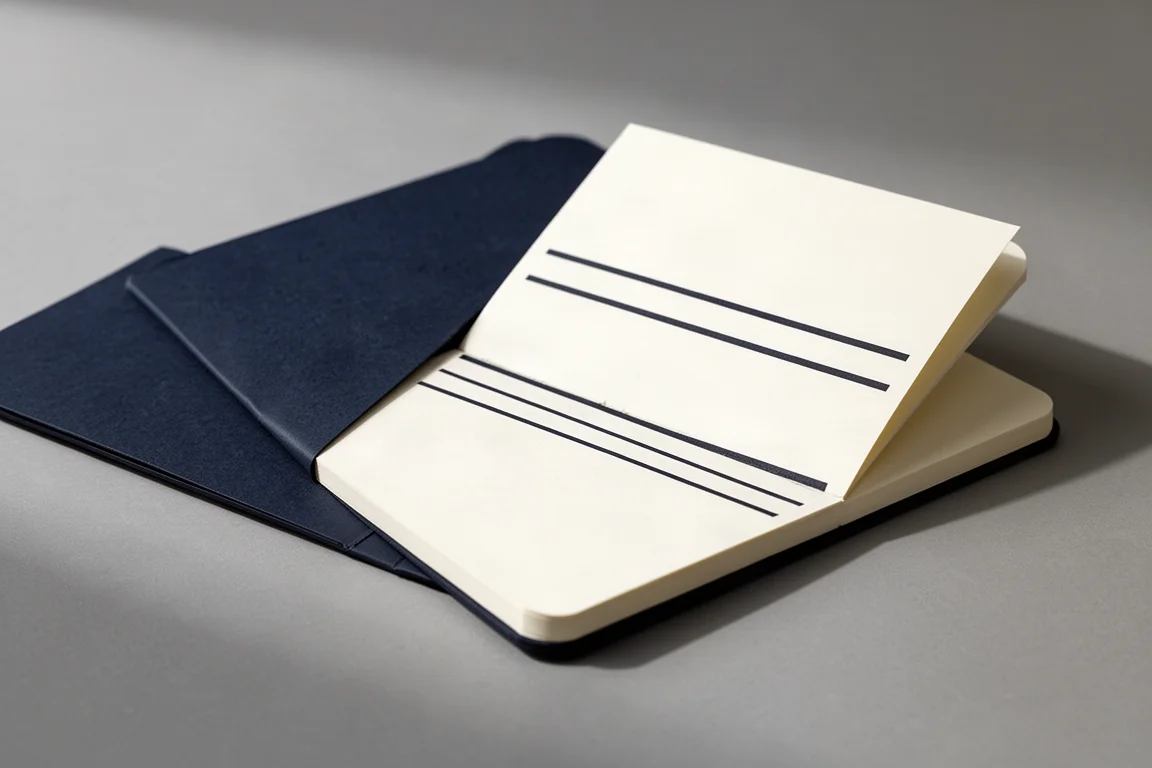
A general template keeps your notes easy to scan. The A5 Special Memo Maruman Mnemosyne Notebook uses two bold lines that divide each page into three main sections. At the top, fill in the date and meeting title, then note the participants’ names in case you have questions later. Use the first section for the agenda, open items, or questions you want addressed, the second for key points, and the third for next steps and to-dos for yourself or your team.
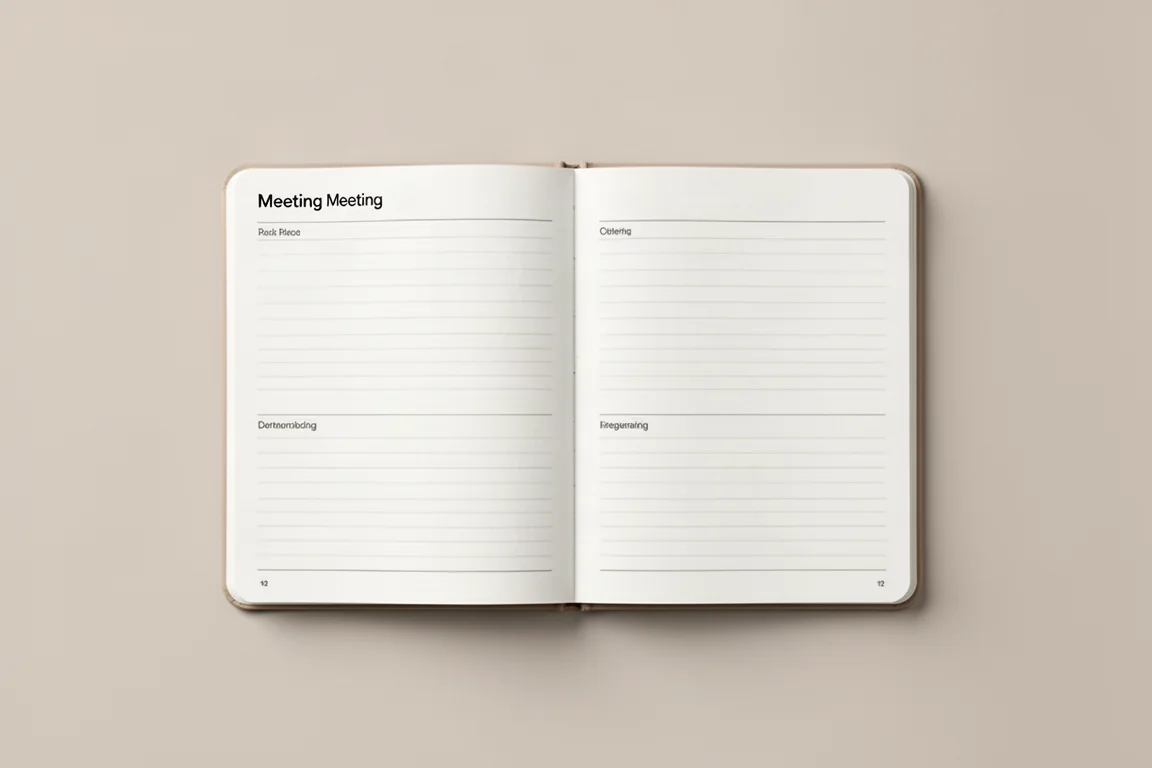
If you prefer a pre-made format, the Laconic Style Notebook covers 30 meetings, each with a two-page spread, so the structure is already there when you walk into the room.
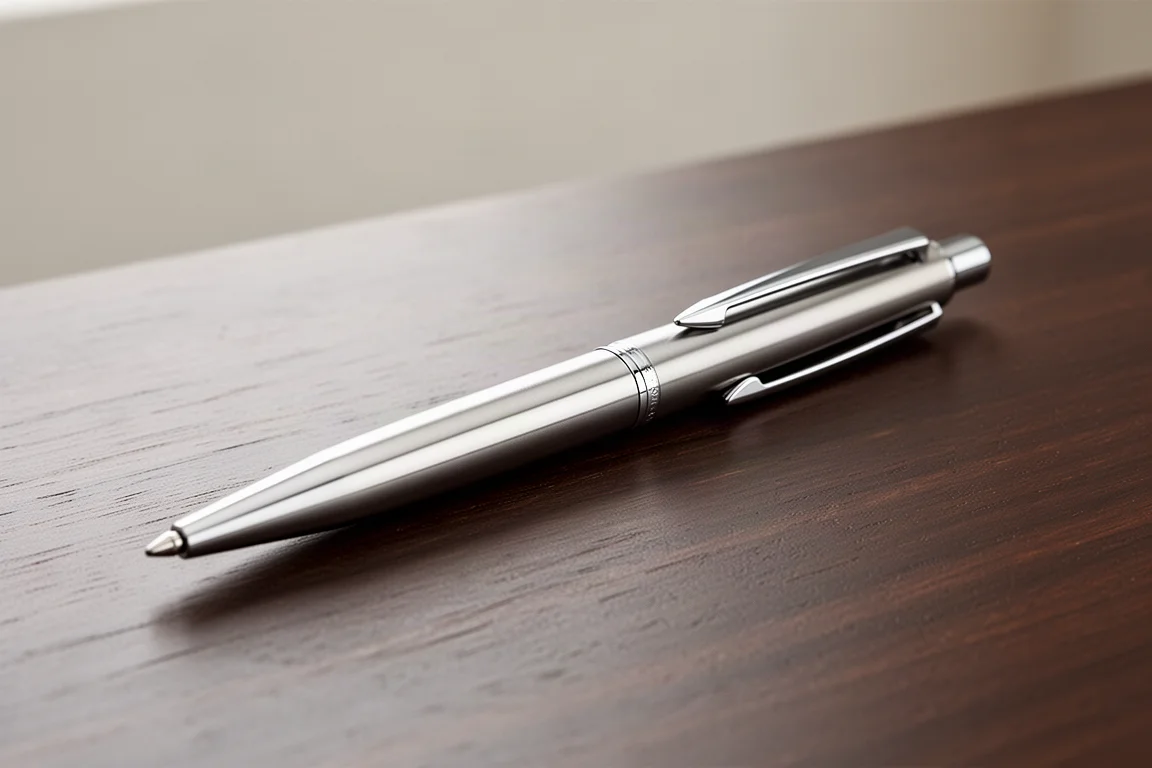
For writing, the Parker Jotter Ballpoint Pen brings a streamlined body and a smooth, consistent Quinkflow ink. Ballpoint is not for everyone, though. If you prefer gel, the Pentel Energel Philography uses the same bold, quick-drying ink found in the standard Energel line.
Make Your Notes Actionable
After a meeting, review your notes and start planning next steps. If a question or unclear talking point comes up during the meeting, make a note and raise it when discussion time arrives. If you cannot ask in the moment, speak to the relevant team member as soon as possible while everything is fresh. At the end of the meeting, take time to confirm action items so everyone is on the same page. Asking questions may feel bothersome, but having the information you need before starting helps you and everyone you work with.
Prioritize Your Action Items
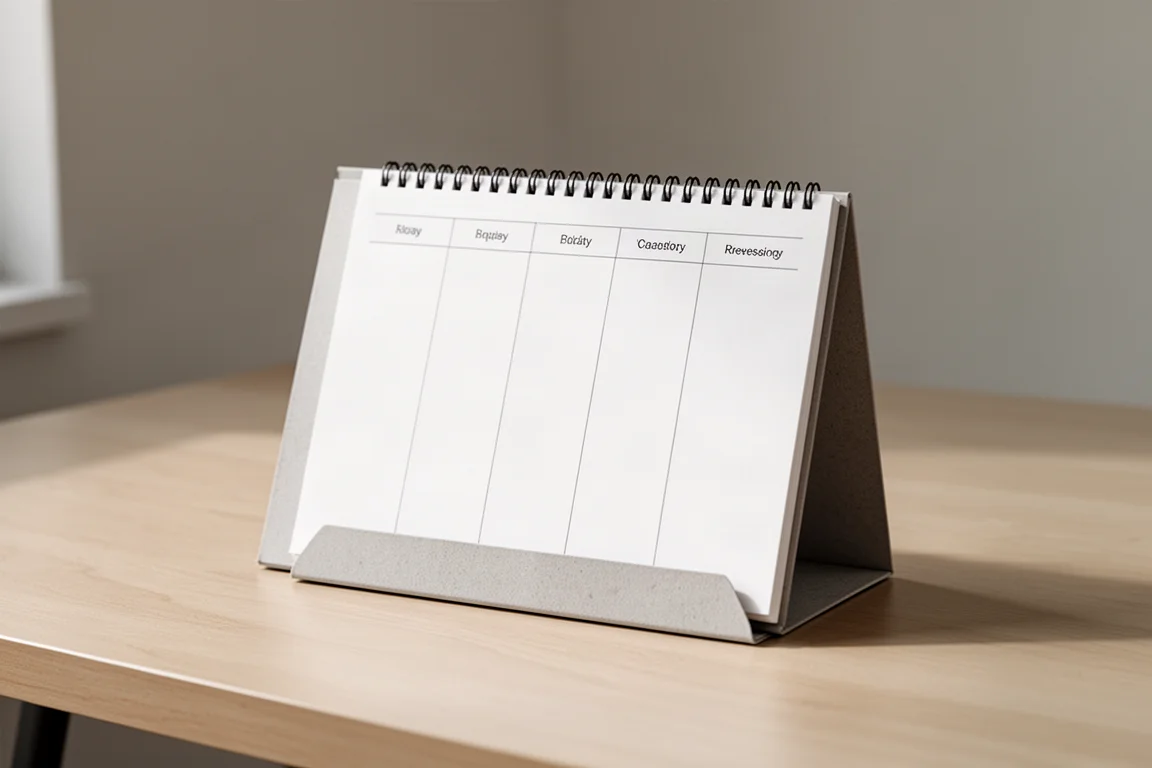
Right after a meeting, transfer your action items to a Midori Stand Memo Pad. Notes buried in a notebook until the next meeting are easy to forget, so a visual reminder on your desk keeps you focused. These memo pads come in different formats such as to-do lists, weekly schedules, and hourly schedules, and they look good doing it.
Set Mini Goals
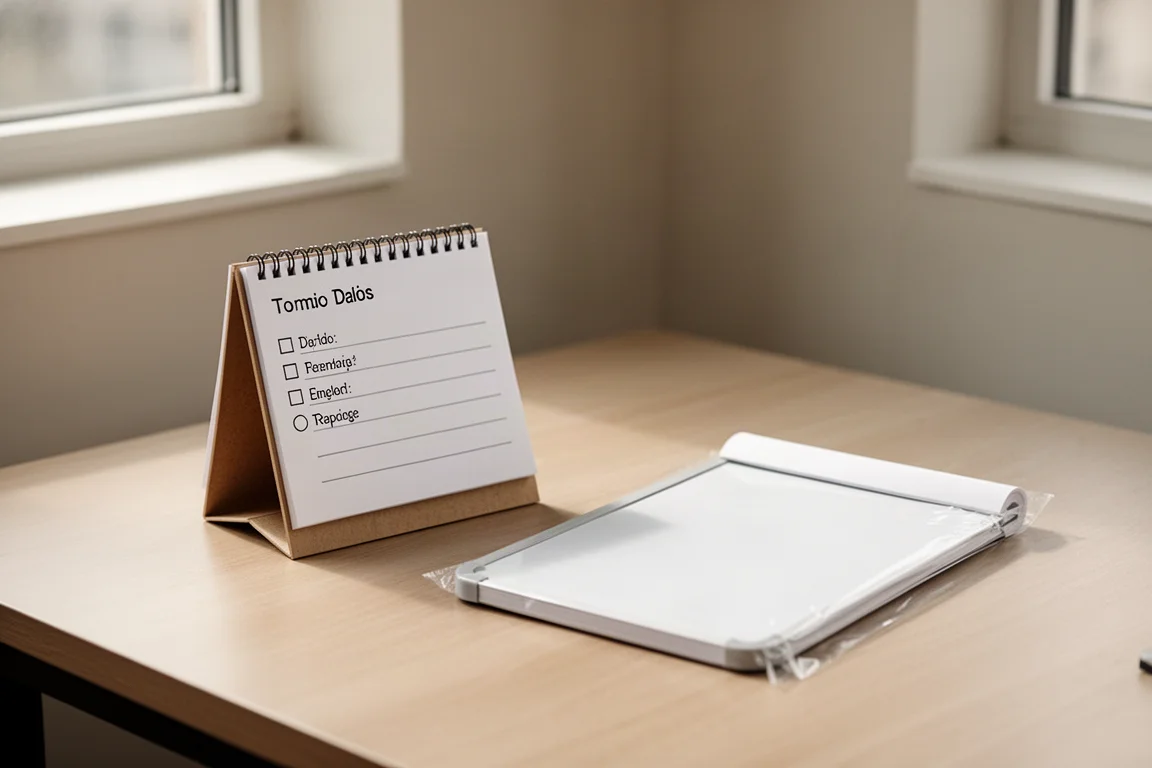
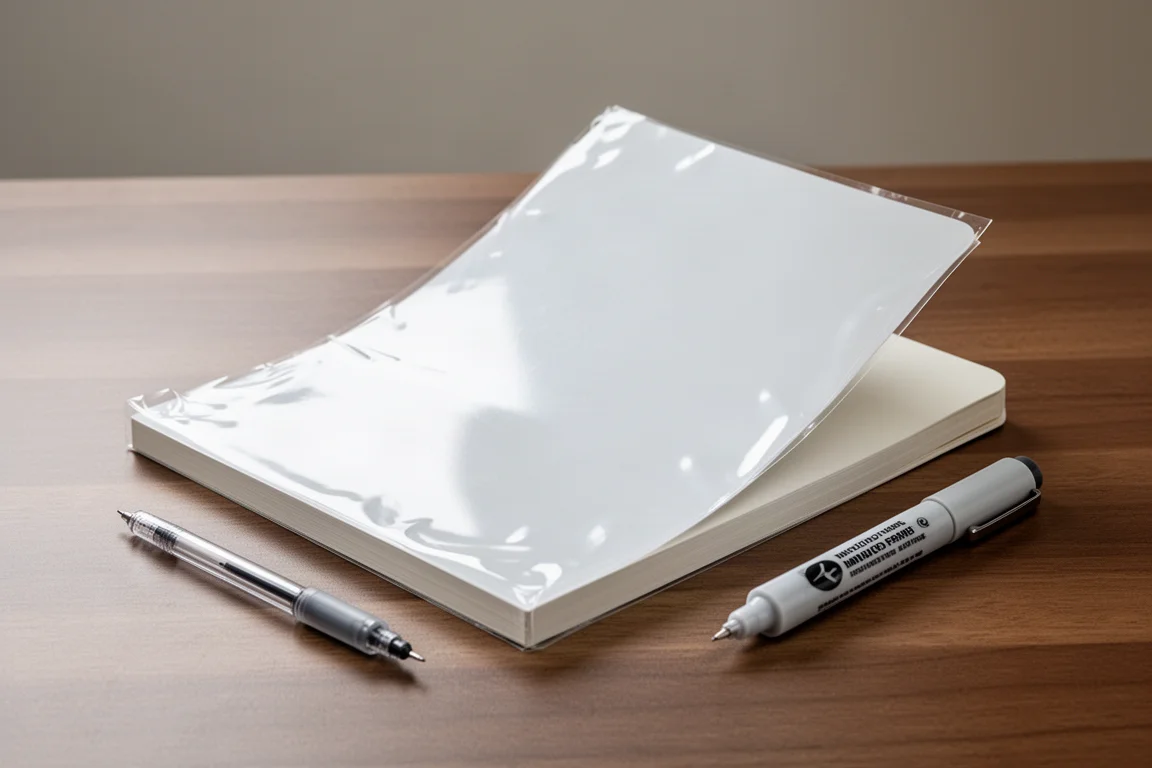
Completing small, achievable goals builds momentum for bigger ones later. Track your progress with the Gakken Write White+ Whiteboard Notebook. Its plastic sheets protect your writing and act as an additional writing surface, so you can erase and adjust as your goals change. It includes two blank pages, three graph pages, and one to-do page with lines for 36 tasks.
Conclusion
A good work note-taking setup comes down to two things: a system focused on actions and goals, and supplies you can rely on in a professional setting. Pick the combination that matches how you think, whether that is color-coded multi pen notes, pencil diagrams, or templated meeting pages, and let the tools quietly do their job.
Further reading
Related Reviews
Stationery
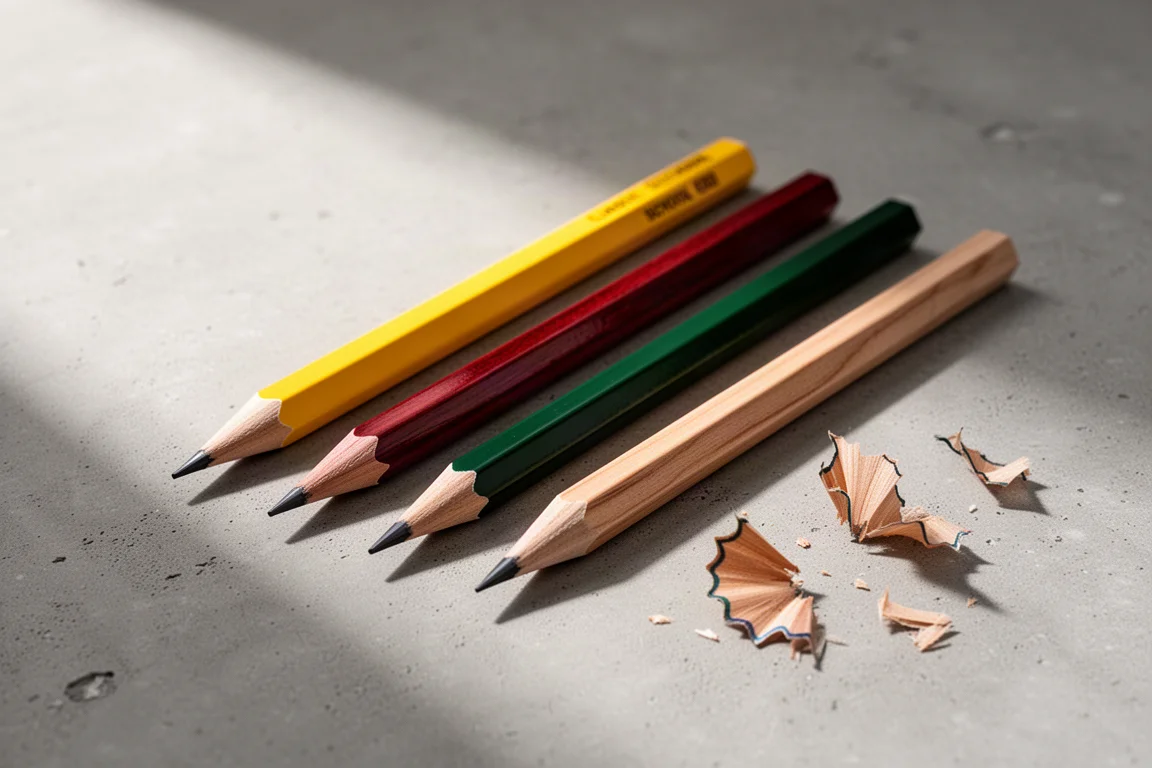
Musgrave Pencils Review: Four Classic Pencils from Tennessee's Last Pencil Factory
We put four Musgrave pencils to paper, from the classic Harvest to the Unigraph 1200 drawing pencil, to see what a century-old Tennessee workshop can still do.
Stationery
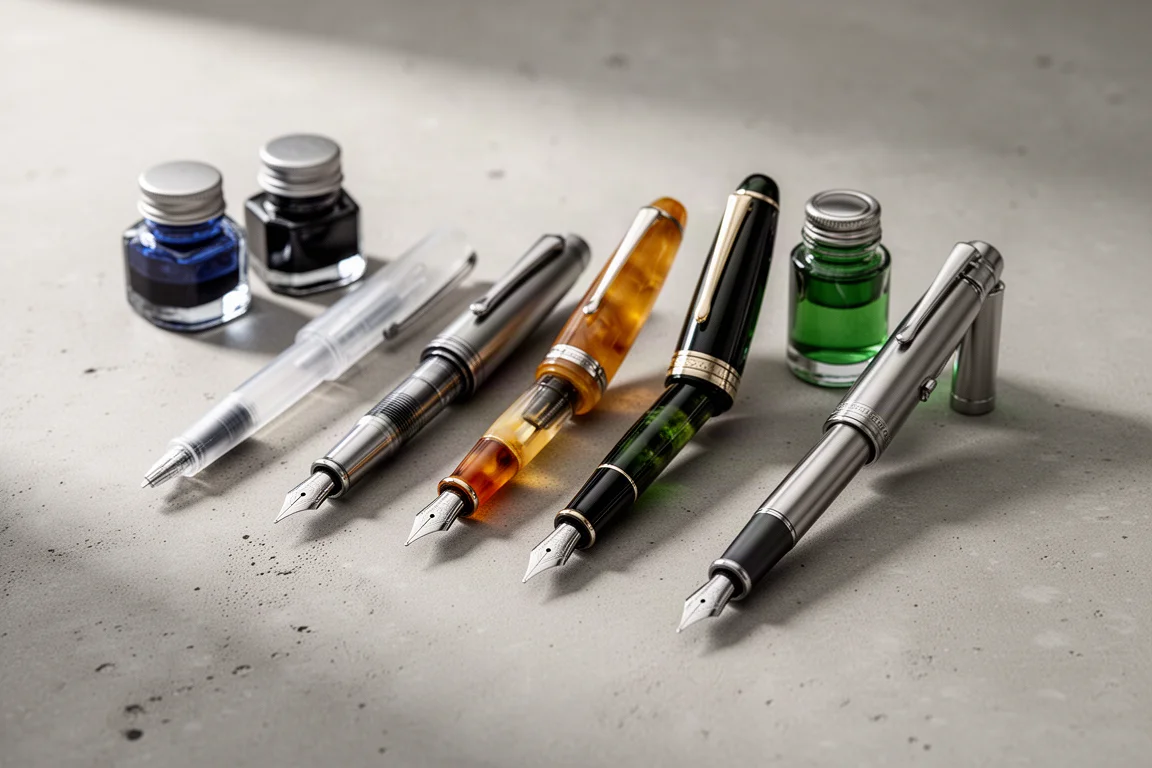
Fountain Pen Tiers Explained: From Starter Pens to Luxury Grails
A practical overview of the different levels of fountain pens and inks, from a sub-$20 starter setup to Italian piston fillers and retractable gold-nib everyday carries.
Stationery
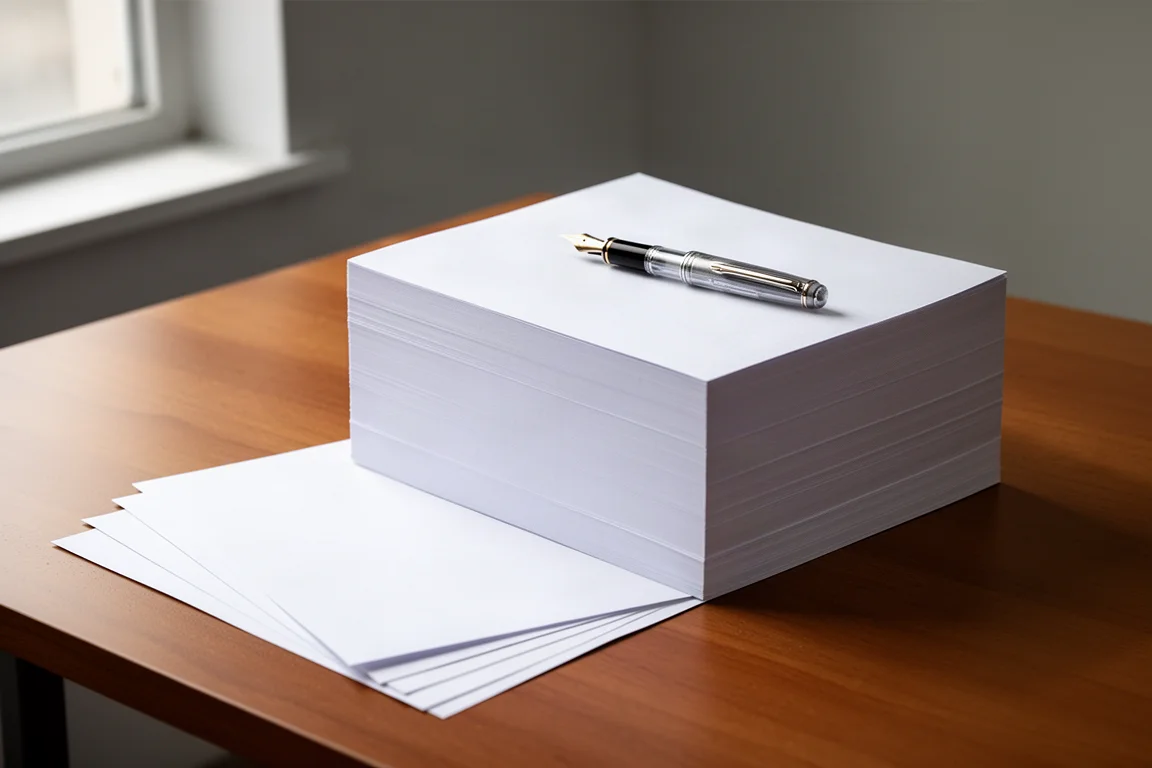
HP Premium 32 lb Copy Paper Review: A Fountain Pen Friendly Everyday Printer Paper
A heavy, smooth 120 GSM copy paper that handles fountain pens far better than standard printer stock, with only minor trade-offs in shading and sheen.