Freeride Skis
Nordica Unleashed 106CA Review: A Mid-100s Freeride Ski That Still Carves
A closer look at the Nordica Unleashed 106CA, a directional freeride ski with a poplar core, carbon stringers, and a lower, smoother rocker profile than the model it succeeds.
Introduction
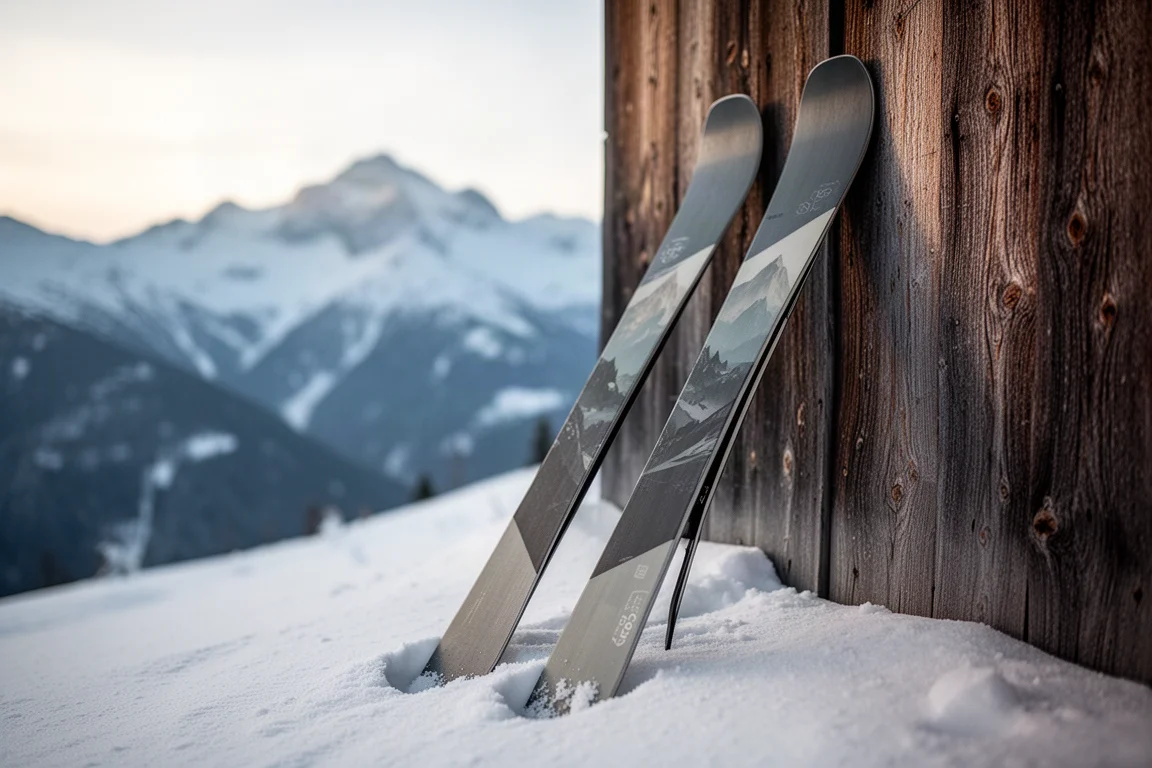
The Nordica Unleashed 106CA is the lighter, metal-free member of the Unleashed 106 family. It shares its footprint and overall construction with the 106Ti, and the only structural difference between the two is the absence of a metal laminate. That single change shapes everything about how this ski behaves.
The wider context matters here. The arrival of the Unleashed 120 introduced a new shape and a new construction direction for the line, and the 106CA carries those ideas into a narrower, more versatile platform. Instead of leaning on metal for damping, it relies on a light performance wood core and carbon stringers to produce a rounder flex and a livelier feel.
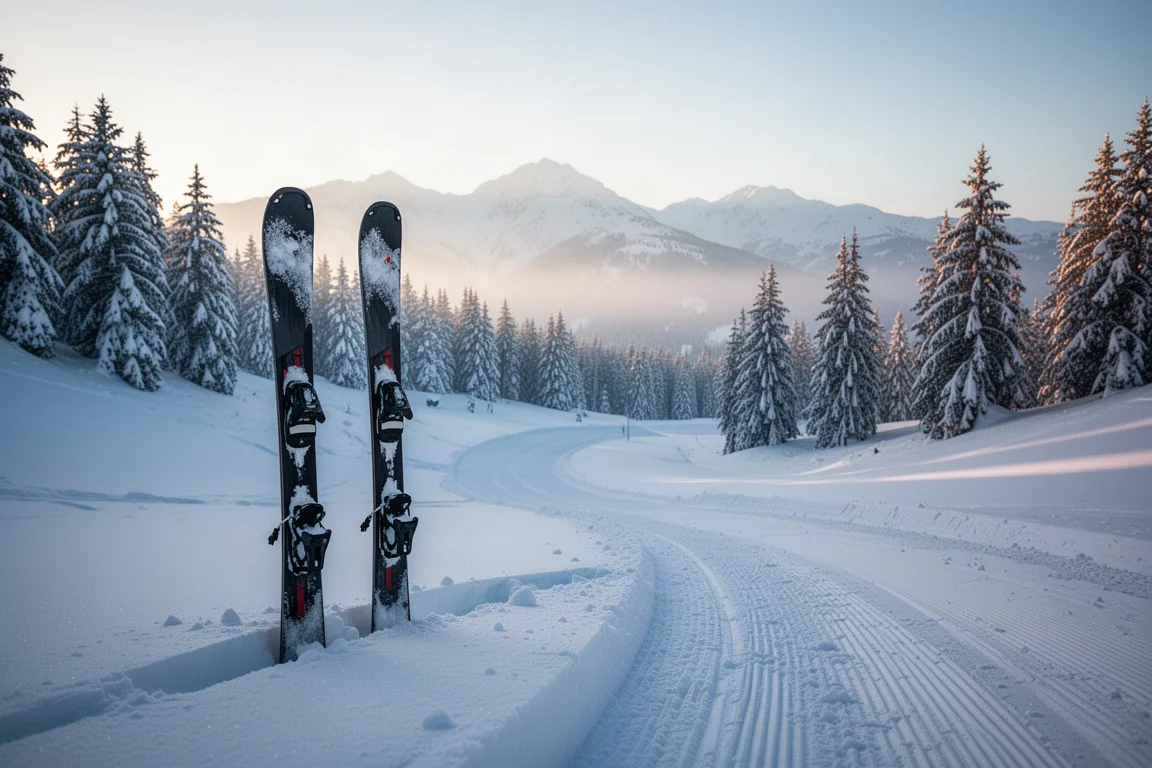
On paper, the 106CA is a directional freeride ski with a mid-100s waist, a hint of twin tip in the tail, and a stated goal of working well on trail. In practice it is a ski built to mix soft snow and hard snow, on-trail and off-trail, rather than to specialise in one of those jobs. Much of the on-trail carving quality associated with the Unleashed 108 carries over, and the newer shape adds more soft snow mobility for off-trail use.
Who the Nordica Unleashed 106CA Is For
This ski suits riders who want a mid-100s freeride shape that still functions well on groomed terrain. If your days involve a genuine mix of conditions and terrain, the 106CA is designed around exactly that pattern.
It is also a good match for skiers who prefer a slightly slower or medium pace. Without the metal laminate, the ski does not need to be pushed against damping in the way the Ti version does, and the rounder flex is more forgiving at moderate speeds. Riders who want maximum energy and a firm tail release should be ready for it, because the CA has a higher energy level than its metal-equipped sibling.
One thing to keep in mind: the underfoot zone is still sturdy, and you have to push past the camber to reach the looser, driftier side of the ski. That makes it a little more advanced in feel than the naming might suggest, and it rewards a fairly forward stance off-trail.
Main Strengths
The 106CA stands out less for raw numbers than for how cohesively its parts work together: a stable front half, an energetic tail, and a rocker profile that has been smoothed out to encourage a more flowing, drifty style.
On-Trail Carving and Stability
Carving is where this ski feels most confident. The mount point sits 8.5 cm behind centre, which is more directional than something like the Enforcer 104, and that positioning gives the ski a composed, planted feel through the front portion. Stability and smoothness come from the shovel and mid-body, while the tail delivers a satisfying amount of energy at the end of the turn.
Turn radius is tied to length: 16.7 m at 171 cm, 17.7 m at 178 cm, and 18.5 m at 185 cm. It is a reasonable radius that is easy to stretch into longer arcs. At speed the ski feels stable and smooth, and if you want to turn tighter than the stated radius there will be some skidding involved, which is simply the nature of a ski this shape. Shorter, more Z-shaped turns on the side of the trail feel energetic and responsive.
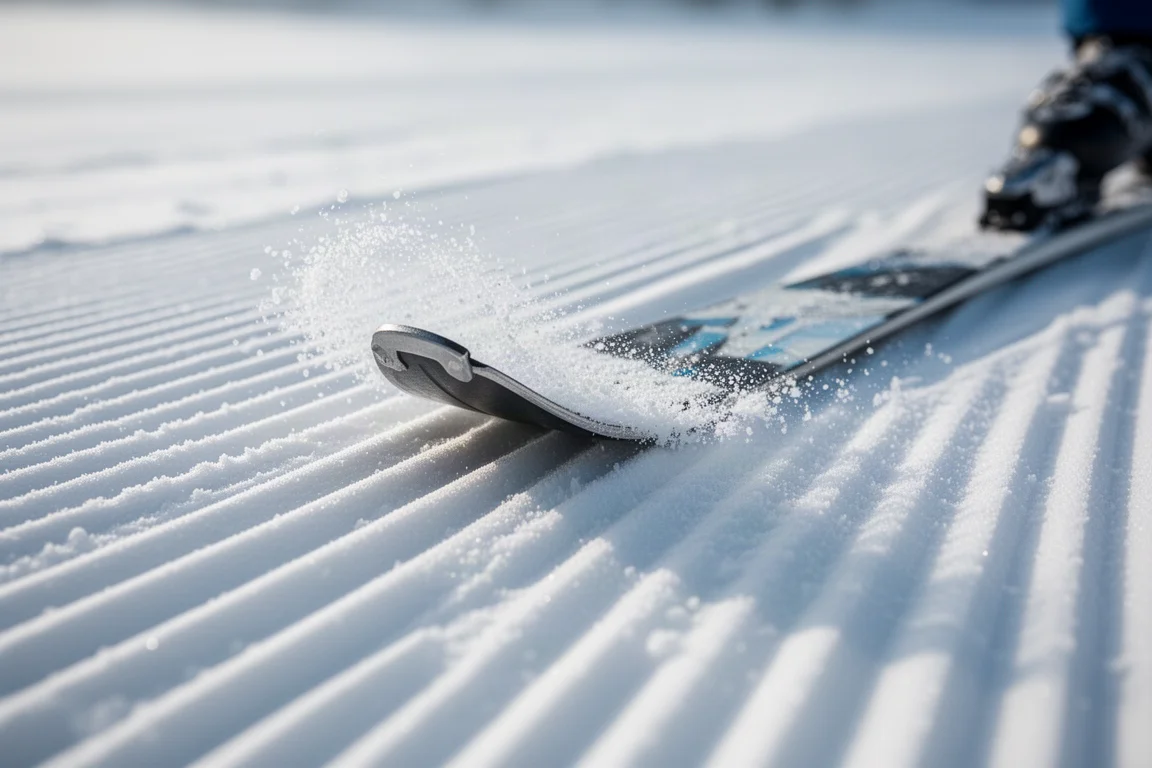
That combination of a calm front half and a lively tail is what gives the 106CA its range. You can ride a long, clean arc and let the ski run, or work it through quicker turns when the terrain narrows and the pitch changes.
Soft Snow Float and Off-Trail Mobility
The biggest departure from the outgoing 108 is in the rocker profile, which is lower, smoother and flatter overall. The shovel uses a more gradual curve, the tip taper is spoony, and the tail rocker is longer and lower with a more pintailed shape rather than a rounder twin tip. Together these changes keep the ski up and on plane in soft snow and increase flotation.
The payoff off-trail is easier steering in softer conditions and a more drifty, smeary character. The ski is still directional, but it flows rather than fights. To access that smeariness you need to stay fairly centred on the ski and forward in your boots, especially when you want it to feel quick through bumps and trees. The tip taper and overall taper are what make it easier to use off-trail than the shape alone would suggest.
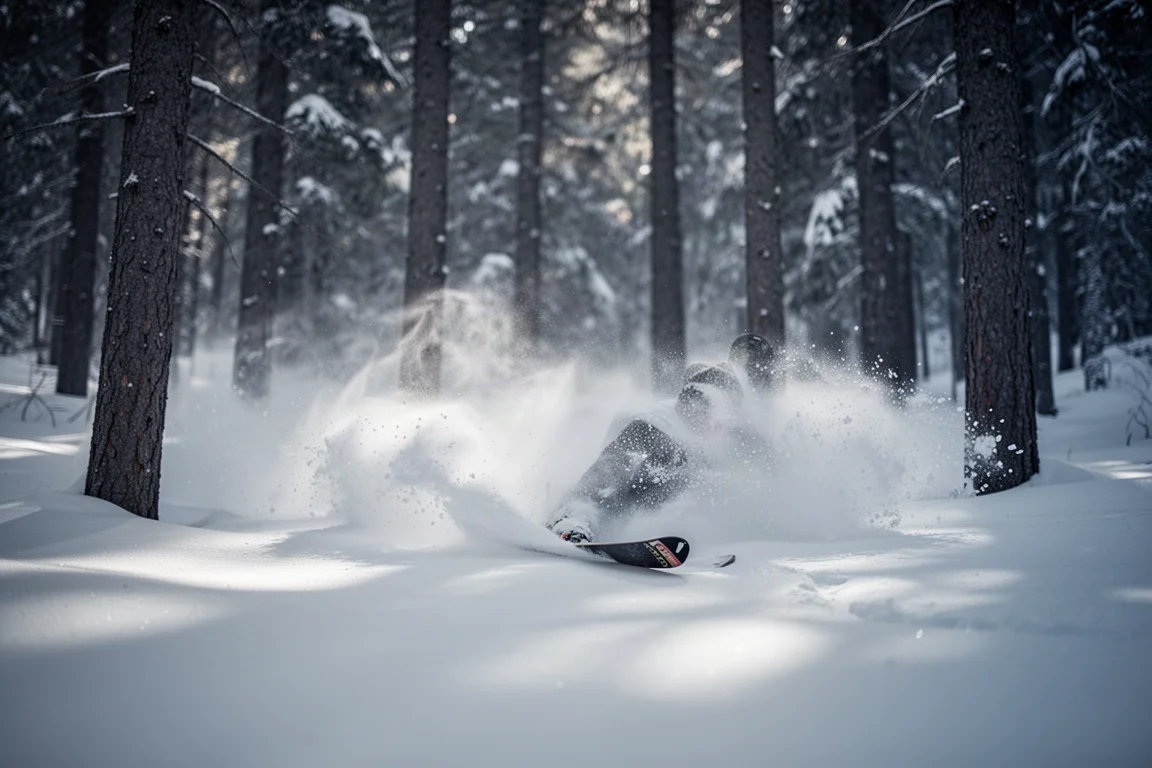
Think of it as a directional freeride ski that has been tuned toward flow. It is not a pure powder shape, and it is not a pure frontside carver, but it handles the transition between the two more gracefully than the numbers imply.
Build, Weight, and Flex
The construction is straightforward and effective: a light performance wood core in poplar with carbon stringers running throughout, and no metal laminate. That gives the ski a rounder flex. It remains sturdy underfoot, with slightly softer tips and tails thanks to differences in core thickness, and a touch more stiffness in the tail than in the tip.
Weight is reasonable rather than remarkable. The 171 cm sample came in at 1,750 g. Because the missing metal is only a narrow band, the CA is not dramatically lighter than the Ti, but it is light enough to feel agile when you are mixing terrain and conditions across a day.
Where the CA separates itself from the Ti is character rather than ceiling. The two share a very similar performance level and a similar level of demand, but the CA brings a higher energy level, more rebound, and a firmer tail release. That makes it feel more poppy and responsive, and it also means the skier needs to be ready for that energy coming back out of the turn.
Things to Consider Before Buying
The 106CA is playful for a Nordica, but it is not the most playful or smeary ski in the mid-100s category. In a direct comparison with a more playful mid-100s model, the alternative was easier to steer through trees while the 106CA asked for more input. If maximum smear and effortless tree skiing are your priorities, there are better-matched options.
Expect an adjustment period. The new shape takes a couple of days to feel natural, and riders coming from a more traditional freeride ski may need that time to find the balance point.
Off-trail, the ski rewards a fairly forward stance and a centred position. If you tend to sit back, the looser side of the ski stays out of reach and it can feel like more work than it should.
Tighter turns than the stated radius will involve skidding, which is a natural trade-off for this shape. Length availability is also worth checking: the CA tops out at 185 cm, while the Ti version is offered up to 190 cm. Finally, the higher energy level and firmer tail release mean you should be comfortable with a ski that gives something back at the end of the turn.
Buying Advice: Sizing and the CA vs Ti Question
The clearest decision is between the CA and the Ti. Both share the same footprint and the same construction apart from the metal laminate, and they perform at a very similar level. The difference is in feel: the CA is slightly lighter with more pep and energy, and it is more amenable to slower or medium-paced skiing. The Ti brings the damping and stability that aggressive or faster skiing tends to demand. If you want a livelier, more energetic ride without losing capability, the CA is the more engaging choice.
Sizing follows the turn radius. The 171 cm carries a 16.7 m radius, the 178 cm a 17.7 m radius, and the 185 cm an 18.5 m radius. Longer lengths suit bigger, faster skiers and wider terrain, while the shorter options make the ski easier to work through tighter features. Remember that the mount point is 8.5 cm behind centre, so this is a directional ski and should be sized and mounted accordingly.
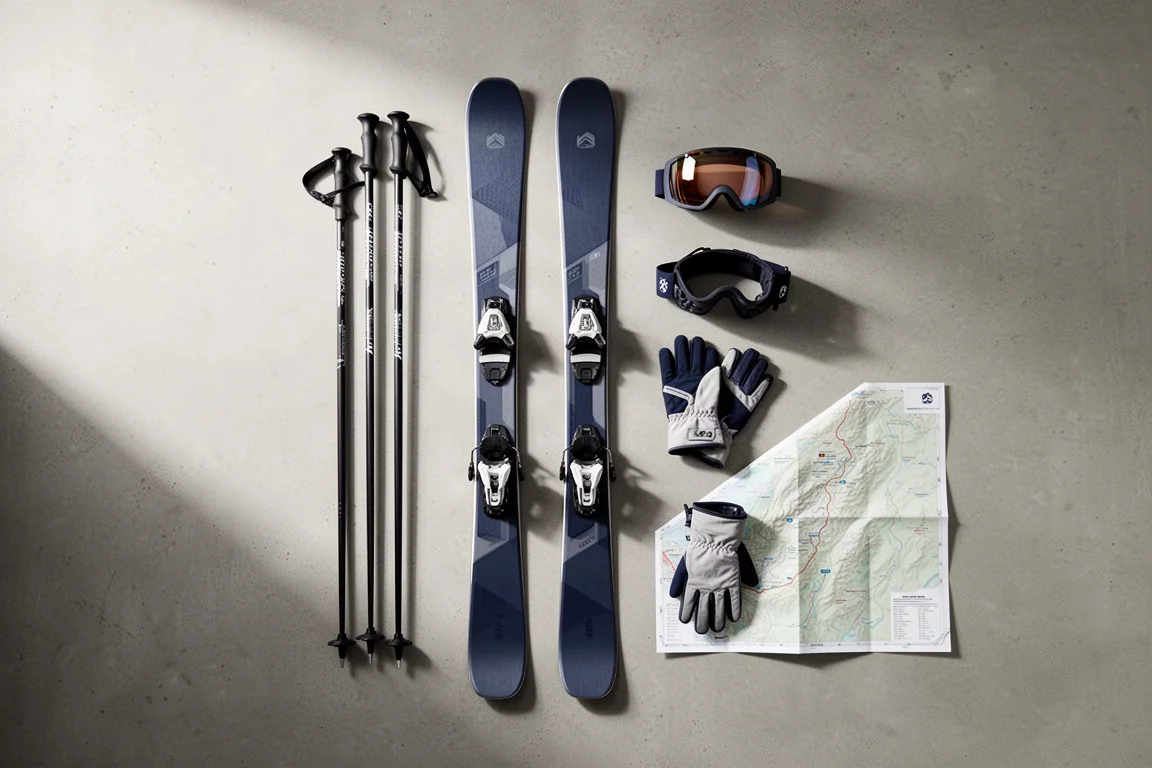
Practically speaking, the 106CA makes the most sense as a one-ski answer for riders who split their time between groomed runs and softer off-trail snow. If your days are mostly on-piste with occasional soft snow, the carving side of this ski will keep you satisfied. If you want a single pair that stays composed on trail, floats reasonably well off-trail, and feels energetic rather than dead underfoot, this is a well-rounded place to land.
Conclusion
The Nordica Unleashed 106CA takes the newer Unleashed shape and adapts it into a mid-100s directional freeride ski with a poplar core, carbon stringers, and a smoother, lower rocker profile. It carves cleanly and stays stable at speed, floats and steers more easily in soft snow than the model it effectively follows, and brings a livelier energy level than its metal-equipped sibling. The trade-offs are honest ones: it is not the most playful ski in its class, it asks for a forward stance off-trail, and tighter turns involve some skidding. For skiers who want one versatile ski for mixed terrain and conditions, that balance is exactly the point.
Product link
View more details for Nordica Unleashed 106CA
This product is mentioned in the review. Check the specifications, options, and compatibility before buying.
View more details for Nordica Unleashed 106CAFurther reading
Related Reviews
Freeride Skis
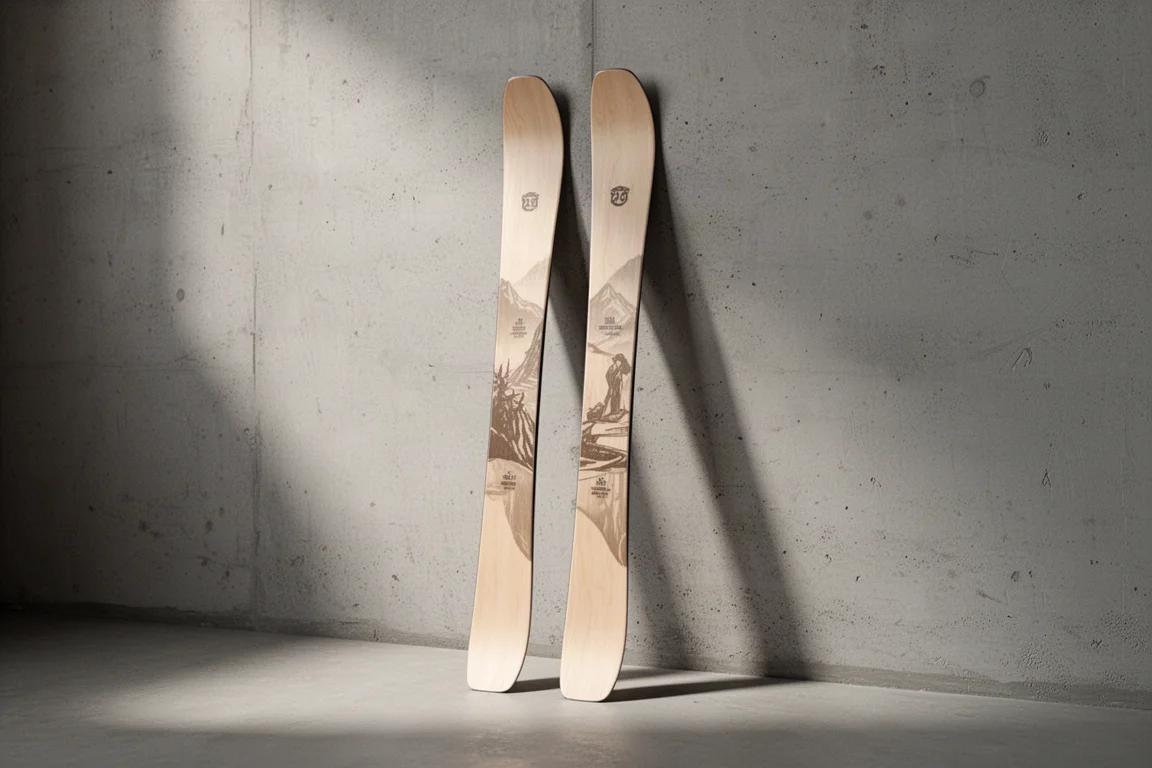
Armada Playmaker 101 Review: A Light, Lively Freeride Ski Built to Play
A closer look at the Armada Playmaker 101, a lightweight freeride twin tip with a poplar and paulownia core, carbon rods through the mid-body, and a deliberately playful character.
Freeride Skis
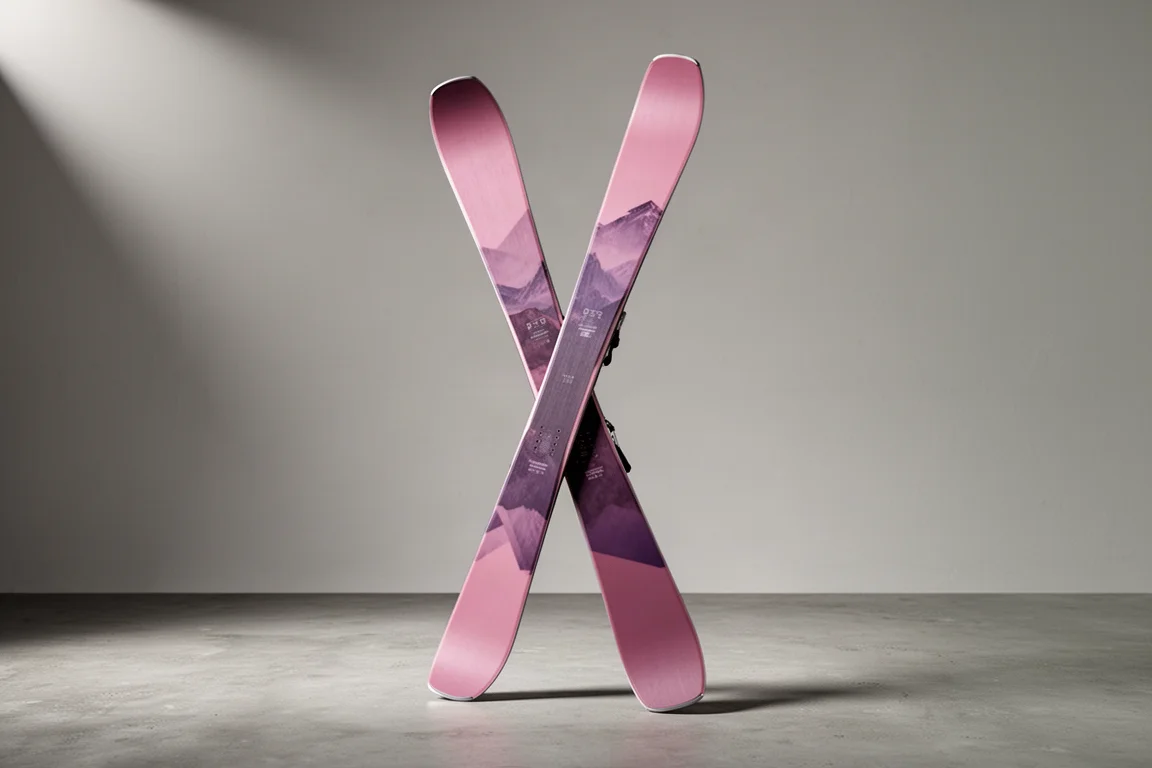
Armada Playmaker 111 Review: A Lightweight Freeride Ski Built for Soft Snow
A close look at the Armada Playmaker 111, a 111 mm freeride twin tip built around float, playfulness, and a drifty feel in fresh and soft snow.
Freeride Skis
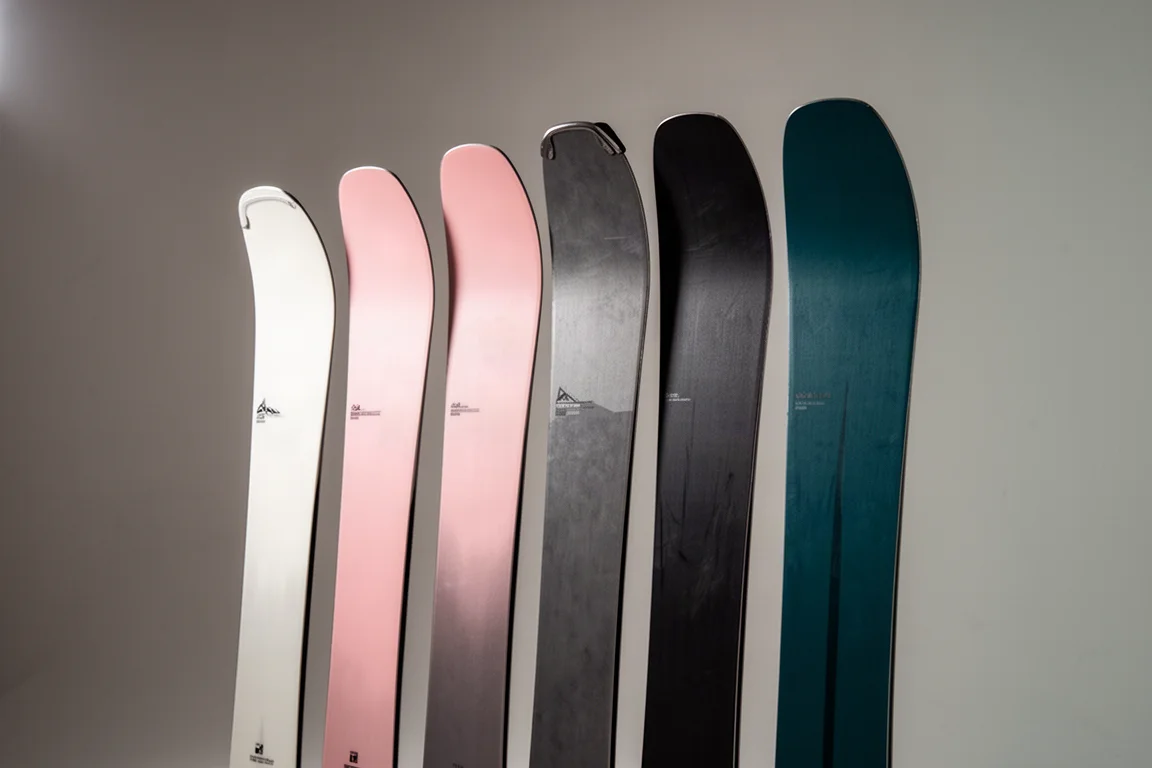
Best Women's Freeride and Powder Skis 2026
A 104 mm to 118 mm comparison of sixteen women's freeride and powder skis, covering weight, rocker, metal placement and the terrain each model suits best.