Freeride Skis
Nordica Unleashed 106 CA vs Salomon QST 106: Two Freeride 106s, Two Different Styles
A close look at how the Nordica Unleashed 106 CA and the Salomon QST 106 differ in construction, feel, and terrain strengths, and which one suits your skiing.
Introduction
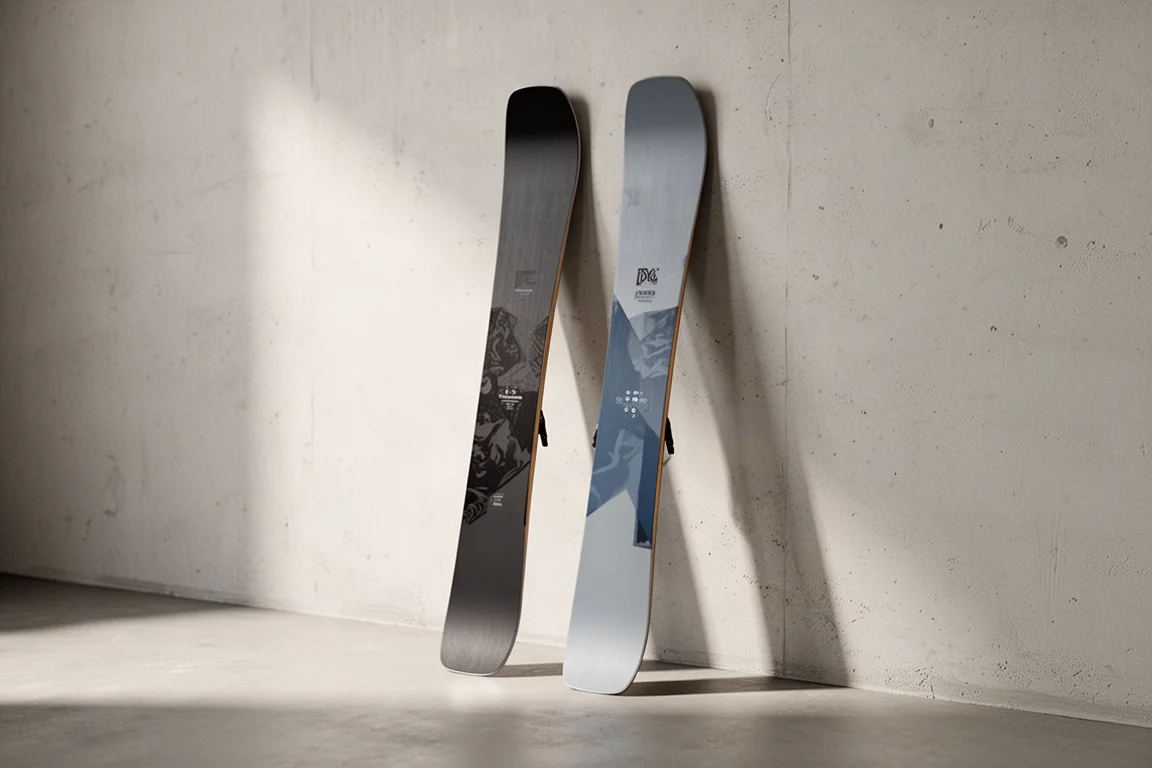
Skis in the 106mm waist range sit in a useful place for soft snow and mixed terrain, and two of the options most often weighed against each other are the Nordica Unleashed 106 CA and the Salomon QST 106. The Unleashed 106 CA is a new addition for 2027. The QST 106 returns structurally unchanged for a second year in this generation and is one of the least changed QST models from the previous generation, which makes it the more familiar quantity of the two.
They share a waist width and a broadly similar use case, but they ask for different things from the person skiing them. One is lighter and quicker, the other is smoother and more playful, and the gap between them becomes obvious the moment you switch from one to the other on the same run.
What Sets These Two 106s Apart
Both skis use a wood core, and neither of the constructions discussed here includes metal. The difference is in the stringers. The Unleashed 106 CA pairs its wood core with carbon stringers, which gives it a light and energetic character. The QST 106 uses basalt stringers alongside cork and basalt, a build that leans toward damping and smoothness rather than snap.
Size matters here too. This comparison involved the Unleashed 106 CA in a 185 and the QST 106 in a 189. That 4cm gap contributes roughly 200g of extra weight and about 2m of additional turn radius on the Salomon side, and those numbers explain much of what follows.
The practical takeaway is simple. The Unleashed 106 CA feels light and eager underfoot, while the QST 106 feels composed and planted. Neither approach is better on its own terms. They simply point toward different skiing styles and different terrain priorities.
Nordica Unleashed 106 CA: Quick, Precise, and Energetic
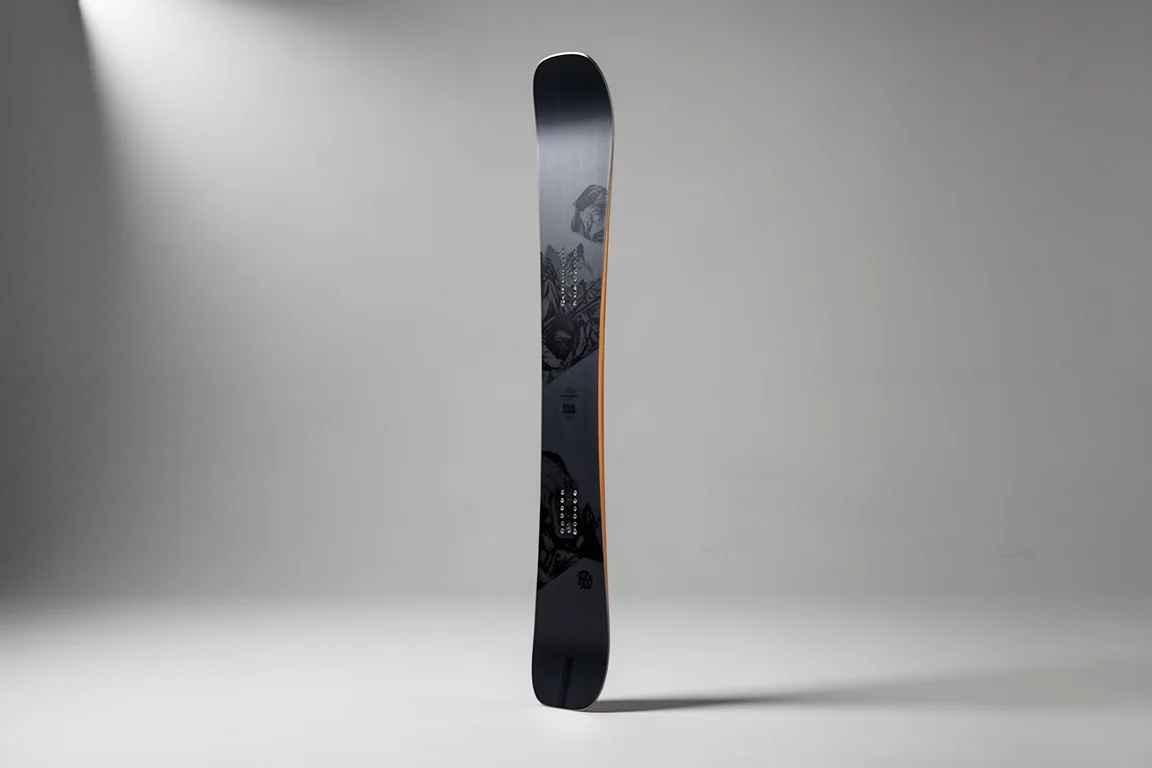
The Unleashed 106 CA is the shiftier of the two. It moves from edge to edge quickly, changes direction on demand, and feels lighter and more energetic than the metal-equipped TI version in the same family. In bumps and tight spaces, the tip engages and pulls the ski around, so the ski feels like it is steering from the front rather than drifting through the turn.
That front-driven feel comes with a request. The CA rewards a proactive style, with a direction, a plan, and an intent behind each turn. It asks you to pick your eyes up and look farther down the hill, and to drive the ski rather than ride it. Skied reactively off the tails, it is less forgiving than the QST 106, and it is not as easy to ski flat.
What you get in return is precision. The CA has more bite underfoot, a strong connection from tip to tail, and the torsional stiffness to hold an arc when the snow firms up. For a 106mm ski with no metal in it, that carving performance is the standout quality.
Salomon QST 106: Surfy, Smooth, and Naturally Maneuverable
The QST 106 is the surfier and more playful ski. Its tapered shape gives it a rudder-like quality: the tail releases easily, the tip stays composed instead of deflecting, and the ski slithers through chopped snow rather than fighting it. It floats, and it wants to float, whether you are carving, riding groomers, or working through the trees.
It is also remarkably smooth. The QST 106 has the ability to turn a choppy groomer into something that feels far cleaner, and it stays stable while doing it. When you do put it on edge and push into it, it hooks up happily, which makes the ski a genuine balance of surfy and capable rather than one-note.
In the trees it is the quicker ski, despite being longer, heavier, and carrying a longer turn radius. It feels lighter on the feet than its weight suggests, and it can be skied both proactively over the shovel and reactively off the tails. The moves happen almost without thinking, which is exactly what people tend to mean when they describe a ski as natural.
The trade-off is grip on firm snow. The QST 106 will not chatter, but it will lose traction when you push it hard on a harder surface, and it does not have the same stiffness underfoot and in the tip to keep an arc running.
Carving and Firm Snow Performance
This is the clearest dividing line between the two skis. On softer packed powder, both are excellent and neither feels out of place. Push them onto firmer snow and the difference shows up immediately.
The Unleashed 106 CA keeps a more connected and precise feel from the start of the turn to the finish. It has the bite you want underfoot and enough stiffness in the tip to continue arcing a turn when the surface gets harder, and its shorter turn radius encourages you to push into it harder.
The QST 106 takes a different route. It does not chatter or feel unstable, but it gives up traction rather than holding the arc when the snow firms up. For a 106mm ski with no metal, carving well is not something to take for granted, and the CA is simply the more convincing of the two in these conditions. If you regularly ski firm groomers on a wider ski, that distinction is worth weighing carefully.
Trees, Bumps, and Soft Snow
In soft snow and tight terrain, the QST 106 is the more immediately capable ski. It is quicker in the woods even though it is longer, heavier, and has a longer turn radius, and it is more maneuverable than the numbers suggest. It makes moves through the trees that you only have to think about, and it handles bumps both proactively over the shovel and reactively off the tails.
The Unleashed 106 CA can do the same work, but it wants to be driven. Its tip initiates the turn and swings you around in tighter spaces, which is effective when you are on top of the ski and less effective when you are late. It is not a difficult ski, but it is more demanding than the QST 106 when you want to ski reactively and let the ski do the thinking.
That difference is the heart of the decision. The QST 106 is happy to go along with the plan, or with no plan at all. The Unleashed 106 CA wants a plan.
Length, Turn Radius, and Weight: What Changes Between Sizes
The comparison involved a 185 Unleashed 106 CA against a 189 QST 106, and those 4cm carry more consequence than they sound like they should. The longer QST 106 carries about 2m of extra turn radius and roughly 200g of extra weight, and both show up in how the ski behaves.
On trail, the longer QST 106 feels less quick edge to edge, but it also feels smoother and more stable, with the ability to smooth out choppy snow very effectively. If you plan to pair either ski with a hybrid binding and use it for uphill travel, the weight difference is worth factoring in, because an extra couple hundred grams matters more on the way up than it does on the way down.
Turn radius is the other number to think about. A shorter radius makes a ski feel quicker and more willing to change direction, while a longer radius suits a more patient, consistent turn shape. Neither is a flaw, but they reward different habits.
Matching the Ski to Your Terrain Mix
The simplest way to choose is to look honestly at where you spend your time. If the majority of your days are in the trees and in soft snow, and on-trail performance is not a priority for you, the QST 106 is the straightforward pick. It is a standout tree ski, and its float, damping, and maneuverability are exactly what that kind of terrain rewards.
If you split your time roughly evenly between on-trail and off-trail skiing, or if carving performance genuinely matters to you, the Unleashed 106 CA is the stronger fit. It gives up a little in the trees in exchange for a more precise, more connected ride on groomers and firmer snow.
There are other 106mm freeride skis in this space worth cross-shopping, so it is worth being clear about your own priorities before committing to either shape.
Who Should Pick Which Ski
Pick the Nordica Unleashed 106 CA if you want a light, energetic freeride ski that changes direction quickly, rewards an active and intentional style, and delivers carving performance that is unusual for a 106mm waist without metal in the build. It suits skiers who are happy to drive the ski and who value precision on firmer snow.
Pick the Salomon QST 106 if you want float, smoothness, and natural maneuverability, and if your days lean toward trees, bumps, and soft snow rather than firm groomers. It is the more forgiving of the two when you want to ski reactively, and its damping makes rough snow feel calmer.
Either way, size selection matters as much as model selection. A longer length adds weight and turn radius, which changes the feel of the ski you thought you were buying.
Conclusion
These two skis share a waist width and a broad use case, but they are built around different priorities. The Nordica Unleashed 106 CA is the lighter, quicker, more precise option, with a clear preference for proactive skiing and a real advantage on firmer snow. The Salomon QST 106 is the surfier, smoother, more naturally maneuverable option, and it remains one of the most capable tree skis in this class.
Match the ski to the way you actually ski and to the terrain you actually ride, and either one will serve you well for years.
Further reading
Related Reviews
Freeride Skis
Armada Playmaker 101 Review: A Light, Lively Freeride Ski Built to Play
A closer look at the Armada Playmaker 101, a lightweight freeride twin tip with a poplar and paulownia core, carbon rods through the mid-body, and a deliberately playful character.
Freeride Skis
Armada Playmaker 111 Review: A Lightweight Freeride Ski Built for Soft Snow
A close look at the Armada Playmaker 111, a 111 mm freeride twin tip built around float, playfulness, and a drifty feel in fresh and soft snow.
Freeride Skis
Best Women's Freeride and Powder Skis 2026
A 104 mm to 118 mm comparison of sixteen women's freeride and powder skis, covering weight, rocker, metal placement and the terrain each model suits best.