Ski Boots
Nordica Strider 120 Review: One Hybrid Ski Boot for Resort and Backcountry
A 120-flex hybrid ski boot with a 100mm last, walk mode, tech inserts, and GripWalk soles, built to cover both lift-served laps and uphill travel.
Introduction
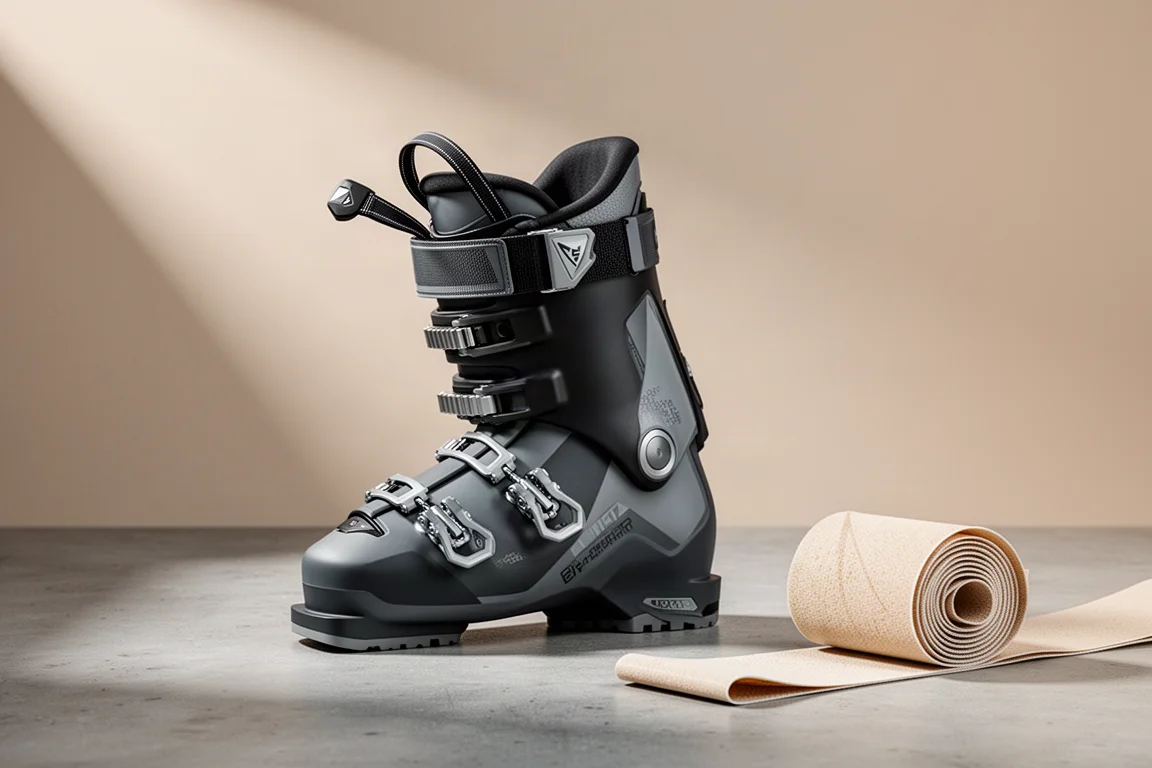
The Nordica Strider 120 sits in a category that has quietly reshaped how a lot of skiers think about footwear. It is a hybrid boot, built to work on the resort and on the skin track, and it pairs a 120 flex with a 100mm forefoot last for a medium volume, medium width fit.
That blend is the entire point. Instead of optimizing hard in one direction, the Strider 120 is designed so you can point it downhill, head uphill, or simply move along a ridge or a mountaintop without swapping boots in the parking lot. It takes tech bindings, alpine bindings, and everything in between, which makes it a genuinely flexible piece of a quiver.

The appeal is easy to understand for anyone whose season moves between groomers, sidecountry, and longer tours. One boot that handles all of it removes a decision from every ski day, and it removes a second pair of boots from the car.
Who the Strider 120 Is For
The fit is the first thing to sort out. With a 100mm forefoot last and a medium volume, medium width shape, the Strider 120 targets skiers who fall in the middle of the bell curve rather than those who need a very narrow race fit or a wide, high-volume shell.
The 120 flex puts it firmly in high performance territory, so it suits strong intermediate through advanced skiers who want real downhill support. Because the boot is genuinely user dependent, it can serve a resort-only skier who simply wants an easier walk from the car and a more comfortable stride, or a backcountry-focused skier who wants downhill capability in a shell that can still tour.
The honest way to judge it is by your own split between lift-served days and uphill days. The more that split sits somewhere in the middle, the more sense this boot makes.
Main Strengths
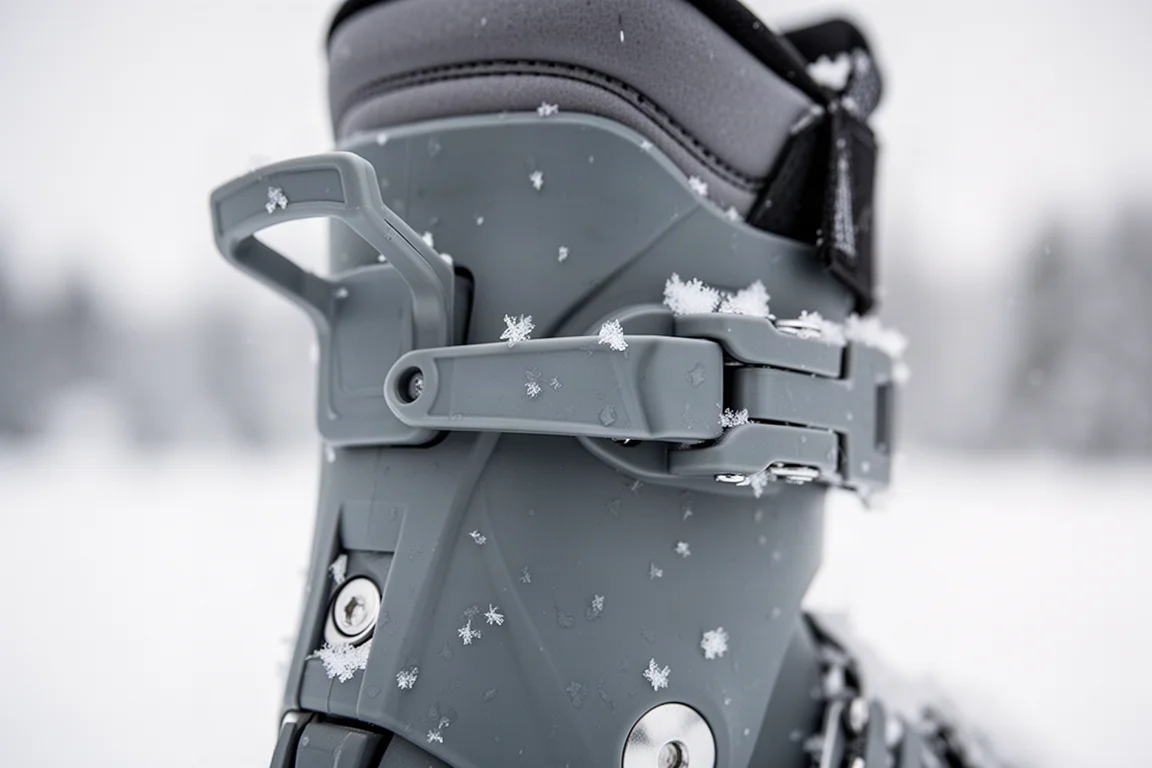
The walk mode is the headline feature, and it is deliberately simple. A single up or down lever lets the cuff hinge into a walk position and then lock down again, and the articulation at the back of the boot adds range of motion for striding uphill. Flip it back and the boot is locked in for the descent.
Touring hardware is complete rather than token. Dynafit tech inserts sit in both the heel and the toe, and combined with the GripWalk sole, that lets the boot click into the binding systems you are most likely to use across a mixed season. The tech fittings are described as essentially friction free, which keeps the uphill stride efficient.
Weight has been managed carefully. Lightweight buckles and a slightly lighter power strap save roughly 100 grams per boot compared with a comparable Speedmachine 120, and on a long ascent that difference is felt.
The liner is a cork, heat-moldable design, so any boot shop can shape it to your foot. A plastic tongue over the instep is there specifically to protect downhill performance, which is what keeps this from being a touring boot that gives up on the way down.
Things to Consider Before Buying
A 120 flex is on the stiffer end for a boot you plan to tour in. It delivers the downhill performance the hybrid concept promises, but skiers whose days are almost entirely uphill should think honestly about whether they want that much shell.
The weight savings over a comparable Speedmachine 120 are real but modest at roughly 100 grams per boot. This is a boot that trades a small amount of touring lightness for a meaningful amount of downhill capability, not one that chases the lightest possible build.
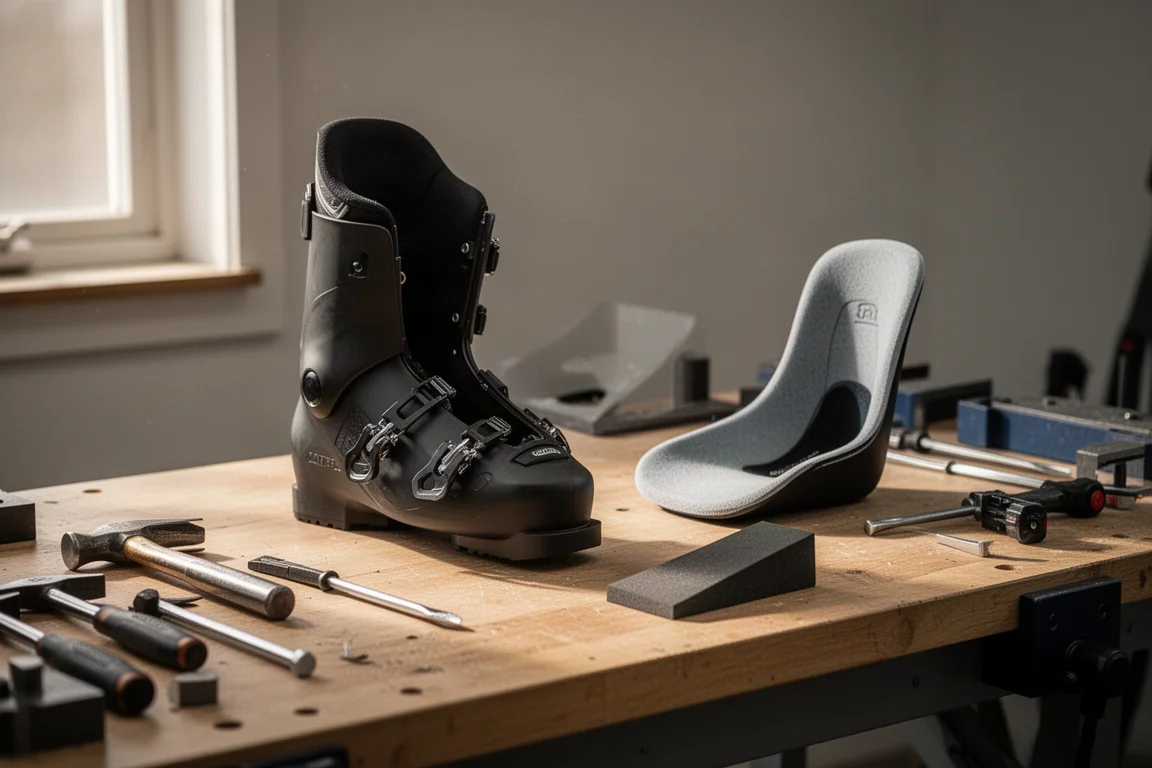
Because the liner is heat moldable, plan on having it fitted properly at a boot shop rather than skiing it straight out of the box. That step is what turns a good shell into a boot that actually fits your foot.
Finally, accept that this is a quiver-of-one kind of product. It is designed to do a lot of things well rather than one thing perfectly, and that is a feature, not a compromise, as long as it matches how you actually ski.
Buying Advice
Before you commit, confirm that the boot works with the bindings you already own or plan to buy. The combination of Dynafit tech inserts in the heel and toe plus a GripWalk sole covers tech bindings, alpine bindings, and mixed setups, which is exactly why this boot is so adaptable.
Then treat fit as the deciding factor. Get the cork liner heat molded by a boot shop, and be realistic about your volume and width needs against the 100mm last. A 120 flex boot that fits your foot will feel supportive and controlled, while the same boot in the wrong shell size will fight you all season.
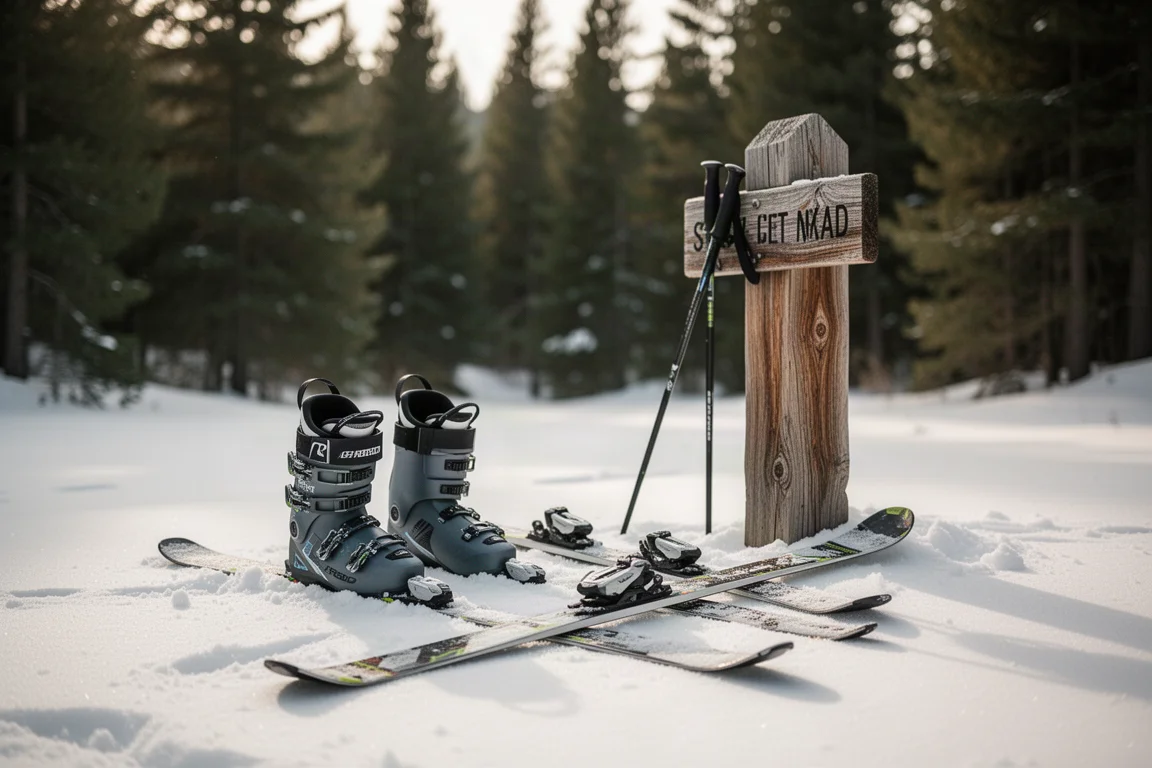
If your skiing genuinely spans resort laps, sidecountry laps, and touring days, the Strider 120 is a sensible single-boot answer. If you ski one style almost exclusively, a dedicated boot will still suit you better.
Conclusion
The Nordica Strider 120 earns its place as a one-boot quiver for skiers who refuse to pick a single lane. The 120 flex and 100mm last give it a high performance, medium volume foundation, while walk mode, Dynafit tech inserts, and a GripWalk sole make it capable of going uphill as comfortably as it comes down.
The trade-offs are the ones you would expect from a hybrid: a stiff flex for touring purists, and a modest weight saving rather than an extreme one. For skiers who want one pair of boots to cover the resort, the ridge, and everything between, that is a very reasonable set of compromises.
Product link
View more details for Nordica Strider 120
This product is mentioned in the review. Check the specifications, options, and compatibility before buying.
View more details for Nordica Strider 120Further reading
Related Reviews

Ski Boots
2027 Ski Boot Roundup: Six 130-Flex Boots Worth Knowing
Six 130-flex ski boots for 2027, plus a low-volume liner upgrade, compared on weight, fit, flex feel, and ease of use.

Ski Boots
Armada AR One Ski Boot Review: A Three-Piece Cabrio That Finally Gets It Right
Armada's first ski boot blends three-piece Cabrio design with Atomic engineering, a heat-moldable shell, and a 100mm last that fits better than any Cabrio before it.

Ski Boots
Armada AR1 Ski Boot Review: A Cabrio and Overlap Hybrid for Park and Freeride Skiers
Armada's first ski boot pairs a three-piece cabrio shell with overlap-style buckles and a cable-driven slingshot buckle. Here is where it shines, and what to weigh before buying.