Ski Boots
Nordica Sportmachine 90 Review: A Wide, High-Volume Ski Boot for Progressing Skiers
A practical look at the Nordica Sportmachine 90, a 102 mm high-volume ski boot with a 90 flex, an adjustable cuff profile, and a comfort-first build aimed at intermediate skiers.
Introduction
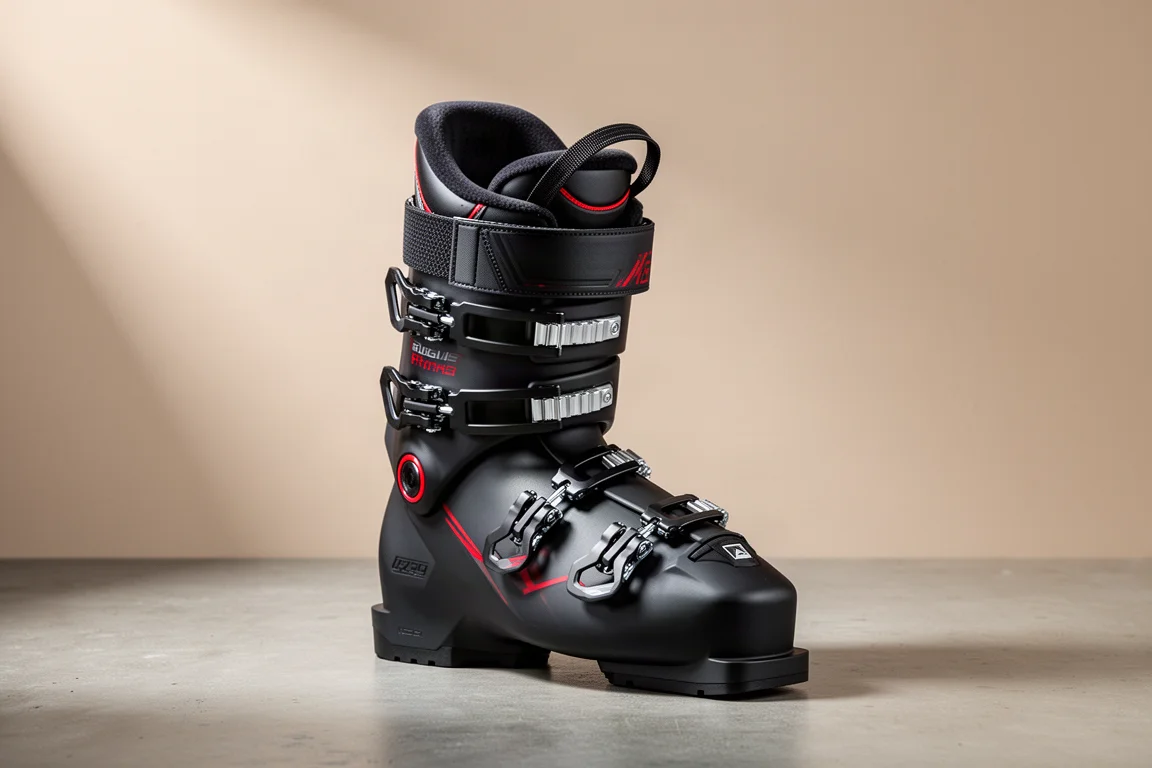
The Nordica Sportmachine 90 occupies a specific and often underserved corner of the ski boot market: wide, high-volume boots that do not ask you to accept a lower standard of build quality. At a 90 flex, it is aimed squarely at intermediate skiers and anyone steadily progressing, and Nordica has carried a good deal of its upper-tier construction down into this model. The result is a boot built around fit, warmth, and ease of use without sacrificing the performance a developing skier needs.
This review covers who the boot suits, where it performs best, and what is worth weighing before you commit.
Who This Boot Is For
The Sportmachine 90 is built for higher-volume feet. A 102 mm forefoot last gives a generous fit across the front of the foot, the instep area is roomy, and the cuff offers a voluminous fit around the calf. Skiers who have struggled to find a boot that does not pinch across the top of the foot or squeeze the lower leg are the core audience here.
In terms of ability, a 90 flex sits solidly in the intermediate range. That makes it a strong match for skiers who are still building technique, and for anyone moving up from a rental-level boot into something with more support and a more consistent feel.
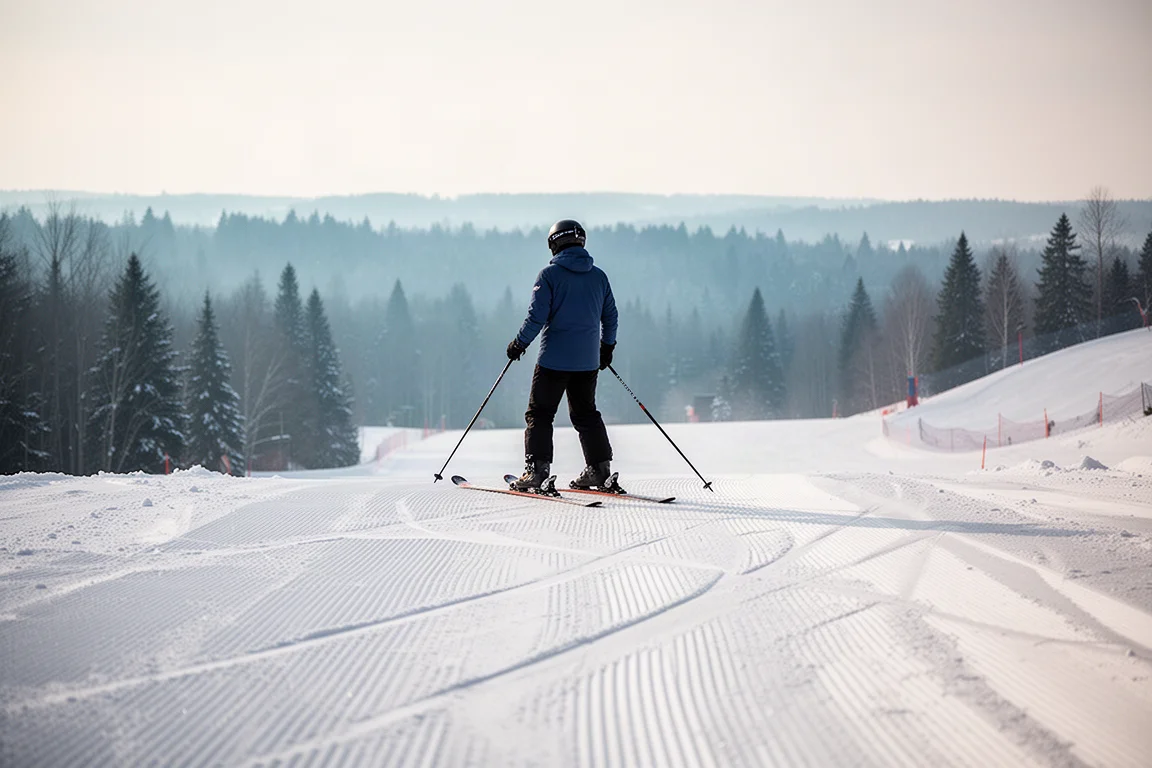
The intended terrain is mostly groomed runs. This is a boot for learning to carve turns, building confidence at speed, and occasionally venturing off the piste when conditions invite it. It is not positioned as an aggressive freeride or racing shell, and it does not pretend to be.
Fit and Volume: What a 102 mm Last Delivers
A 102 mm last is the headline number. In practice, that width combined with the roomy instep and the voluminous cuff creates a fit that feels accommodating rather than tight from the first buckle closure. For skiers with wider feet or a fuller calf, this is the difference between a boot that has to be forced on and one that simply fits.
That volume also affects warmth. A roomier shell leaves more space for insulation and circulation, which is a meaningful advantage on cold days when a tight, low-volume boot turns into a liability by mid-morning.
Flex, Buckles, and Liner Details
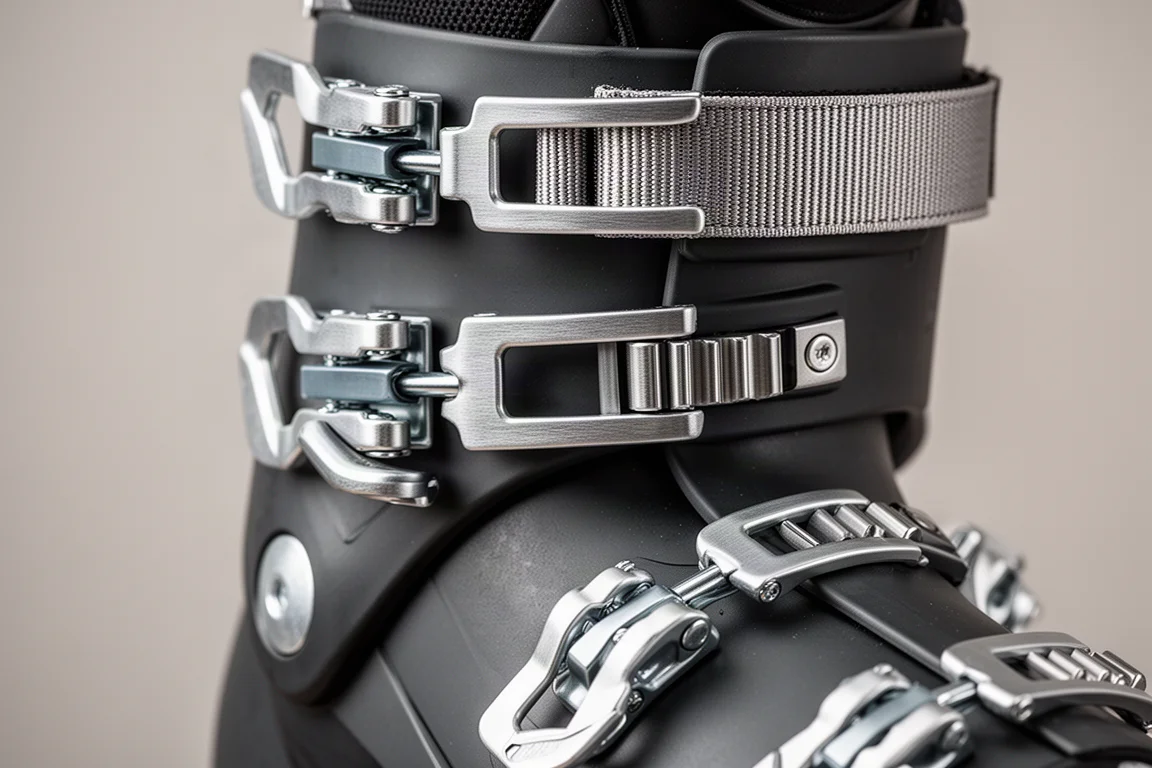
Four micro-adjustable buckles handle the main closure, and two macro-adjustable buckles let you fine-tune the fit through the power strap. Together they give enough adjustment range to dial in the shell without tools, which matters for skiers who want a consistent fit every time they step in.
The liner uses two pull loops to make entry easier. It is not the heat-moldable cork liner found on the Sportmachine 120, but it is a comfortable liner that will mold to the foot over time, with body heat alone doing most of the work. A stiff plastic tongue adds performance by transferring input more directly, which helps when you want to ski with a bit more intent.
Nordica also fits production versions of this boot with grip soles pre-installed. Some sample pairs were shown with alpine soles instead, so it is worth confirming which sole configuration ships with the pair you buy if that detail matters to you.
The Adjustable Cuff Profile
One of the more useful features on this boot is the adjustable cuff profile. Loosening two screws on the rear of the cuff allows a red section of the shell to move backward, opening up space for a larger lower leg.
For skiers who have dealt with calf cramping or pressure at the back of the boot, this is Nordica’s direct answer. It is a fit adjustment that can be made without changing the liner or adding padding, and it addresses one of the most common complaints among higher-volume skiers.
Warmth, Comfort, and Ease of Use
Comfort is clearly a design priority throughout. Softer plastic in key areas makes the boot easier to get on and off, and a softer section over the instep reduces pressure across the top of the foot. That pressure point is a frequent cause of reduced circulation, so easing it helps keep feet warmer and more comfortable through a full day.
The boot is described as warm and comfortable overall, which is consistent with the roomier shell and the softer instep construction. For skiers who put in long days and would rather not think about their feet, that combination is a genuine benefit rather than a marketing line.
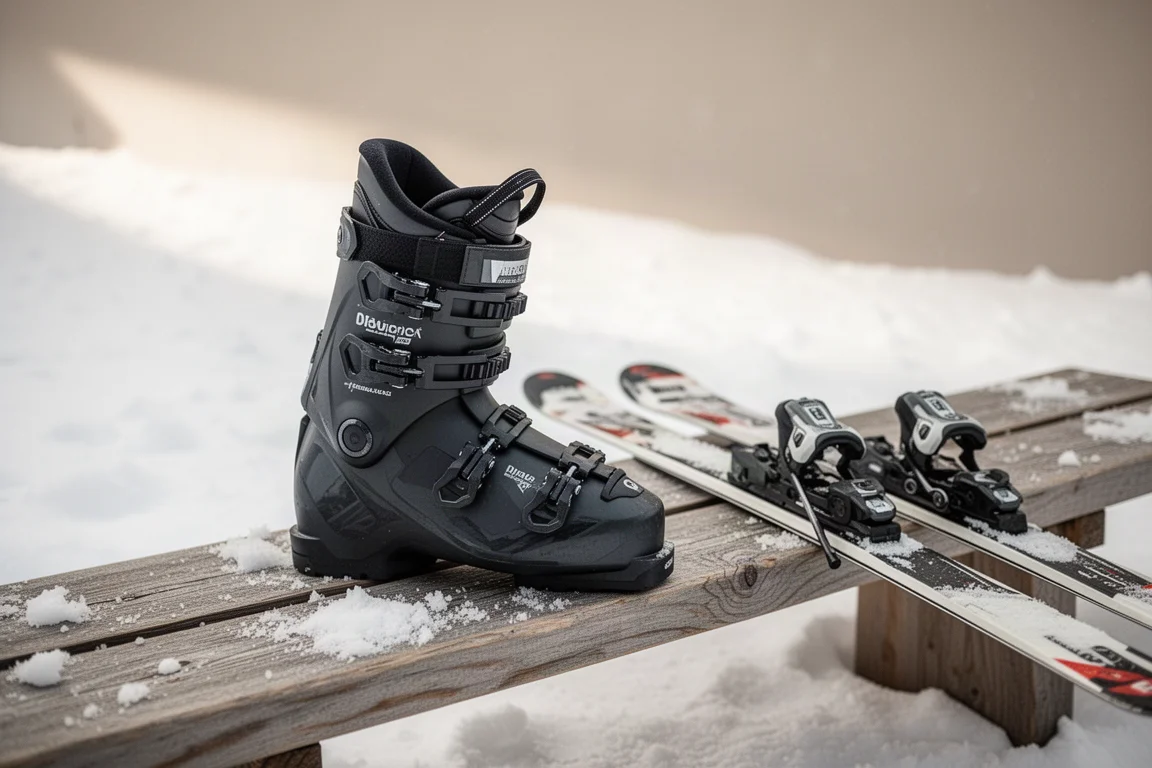
Ease of use extends to the whole routine: getting the boot on in a cold parking lot, buckling up with gloves on, and stepping out at the end of the day. Those small friction points add up over a season.
Things to Consider Before Buying
The first consideration is flex. A 90 flex is an intermediate rating, and strong advanced or expert skiers who want a firm, highly responsive shell will likely find it too soft. This boot is designed to support progression, not to be the final boot for an aggressive skier.
The second is volume. The generous 102 mm last, roomy instep, and voluminous cuff are exactly right for higher-volume feet, but skiers with narrow, low-volume feet may find the fit too spacious. If your previous boots have always felt tight in a good way, this is not the model to start with.
The third is the liner. The liner molds with body heat, but it is not the heat-moldable cork liner used higher up the Sportmachine range. Skiers who want a custom-molded liner out of the box should factor that into the decision.
Buying Advice
The strongest case for the Sportmachine 90 is value. Nordica has filtered a substantial amount of its fit and finish technology down into a boot at this flex level, and the result is a product that punches above what its flex rating might suggest. If you assumed a 90 flex meant a stripped-back beginner boot, this is a good example of why that assumption does not hold.
Match the boot to your foot first and your ability second. If you have wide feet, a full calf, or a history of pressure and cramping, the fit features here are the reason to buy. If you are a lighter or less aggressive intermediate who spends most days on groomed terrain and wants a warm, comfortable boot that still lets you push when you feel like it, this is a sensible place to land. Confirm the sole configuration on the pair you order, then have the fit checked by a shop so the shell and liner can be adjusted to your foot.
Conclusion
The Nordica Sportmachine 90 is a well-rounded option for intermediate and progressing skiers with higher-volume feet. Its 102 mm last, adjustable cuff profile, and comfort-focused construction make it easy to live with, while the stiff tongue and 90 flex keep enough performance on tap for confident groomed-terrain skiing and the occasional off-piste detour. Buy it for the fit and the value, and it will reward you across a full season.
Product link
View more details for Nordica Sportmachine 90
This product is mentioned in the review. Check the specifications, options, and compatibility before buying.
View more details for Nordica Sportmachine 90Further reading
Related Reviews

Ski Boots
2027 Ski Boot Roundup: Six 130-Flex Boots Worth Knowing
Six 130-flex ski boots for 2027, plus a low-volume liner upgrade, compared on weight, fit, flex feel, and ease of use.

Ski Boots
Armada AR One Ski Boot Review: A Three-Piece Cabrio That Finally Gets It Right
Armada's first ski boot blends three-piece Cabrio design with Atomic engineering, a heat-moldable shell, and a 100mm last that fits better than any Cabrio before it.

Ski Boots
Armada AR1 Ski Boot Review: A Cabrio and Overlap Hybrid for Park and Freeride Skiers
Armada's first ski boot pairs a three-piece cabrio shell with overlap-style buckles and a cable-driven slingshot buckle. Here is where it shines, and what to weigh before buying.