Ski Boots
Nordica Sportmachine 100 Review: A Wider, Higher-Volume Boot for Advancing Skiers
A practical look at the Nordica Sportmachine 100, a 102 mm higher-volume ski boot with a 100 flex, adjustable cuff, and comfort-focused liner.
Introduction
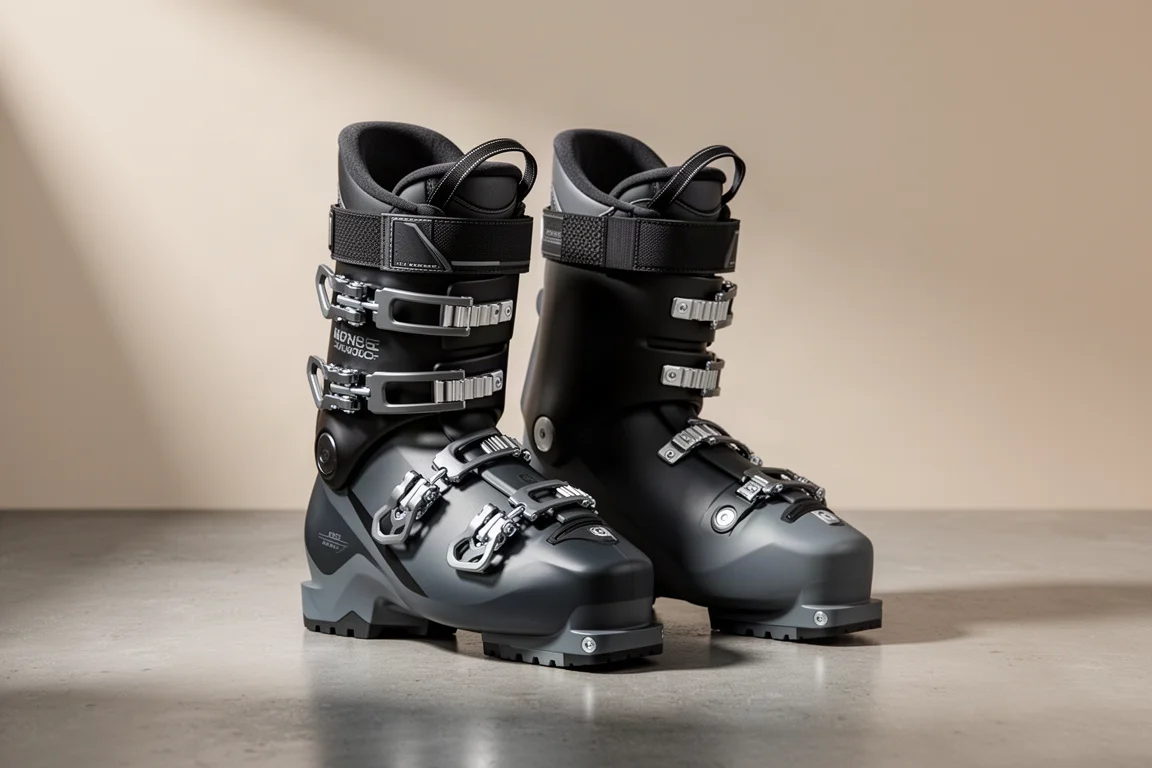
The Nordica Sportmachine 100 is a new build in the Sportmachine line, and it takes a clear position in the market. It pairs a 102 mm forefoot last with a 100 flex, which places it on the wider, roomier end of the performance segment without drifting into the very roomy territory of a 104 to 105 mm package or rental boot.
That middle ground is where a lot of skiers get stuck. Their feet and calves want more volume than a narrow race-derived shell allows, but they are not looking for a soft, forgiving recreational fit either. The Sportmachine 100 is built to sit exactly in that gap, and it borrows real technology from the brand’s higher-performance Speedmachine boots to do it.
This review covers who the boot suits, where it performs well, and what is worth checking before you buy.
Who This Product Is For
The 100 flex is a genuinely useful place to be for intermediate and advanced skiers. If you are learning to carve turns, starting to explore off-piste terrain, or generally advancing through your skiing, this is a flex that gives you support without feeling like a wall you have to fight.
The 102 mm forefoot last and a slightly roomier cuff also make it a strong candidate for skiers with higher-volume feet, thicker legs, or calves that tend to feel pinched in narrower performance boots. The intent is not to trade away performance for space. It is to combine a wider fit with the build quality, precision, and comfort you would expect from a higher-end boot.
If you are shopping for a first pair after rentals, or replacing an older boot that always felt a little tight across the forefoot, this is the kind of fit profile worth putting on your shortlist.
Fit and Comfort Details
A few design choices shape how this boot feels on the foot.
The 102 mm forefoot last is the headline. It is wider than a standard performance last, though not as wide as the 104 to 105 mm lasts used in package and rental boots. The cuff is also a touch roomier than usual, which matters if your lower leg has never felt fully settled in a narrower shell.
The instep uses a softer plastic. That does two things: it adds volume in a spot where many skiers feel pressure, and it helps maintain circulation, which is a meaningful part of staying comfortable through a long, cold day on the hill.
The liner is moldable, but it is not a full cork liner. That step up comes with the 120 model in the range. What you get here is a liner that is comfortable straight out of the box and will mold to your foot through your own body heat over time, so heavy customization is often unnecessary. If you do need more room, the shell can be stretched with infrared or other heating methods, though at 102 mm the forefoot is already on the wide side, so there is frequently little need for it.
Main Strengths
The most compelling thing about the Sportmachine 100 is how deliberately it balances fit and performance. A wider last usually means giving something up. Here, the boot leans on a three-quarters frame and chassis technique carried over from the Speedmachine line, which is what keeps the precision and top-end feel intact despite the roomier shape.
Flex is the second strength. At 100, the boot is versatile enough to grow with a progressing skier rather than hold them back. It is a flex that works while you are building technique and still works once your turns get more committed.
Hardware is practical and complete. The boot comes pre-installed with grip soles, which are useful when you are walking across a lodge floor or a parking lot, and it uses four micro-adjustable buckles so you can dial in the closure across the whole shell rather than settling for an approximate fit.
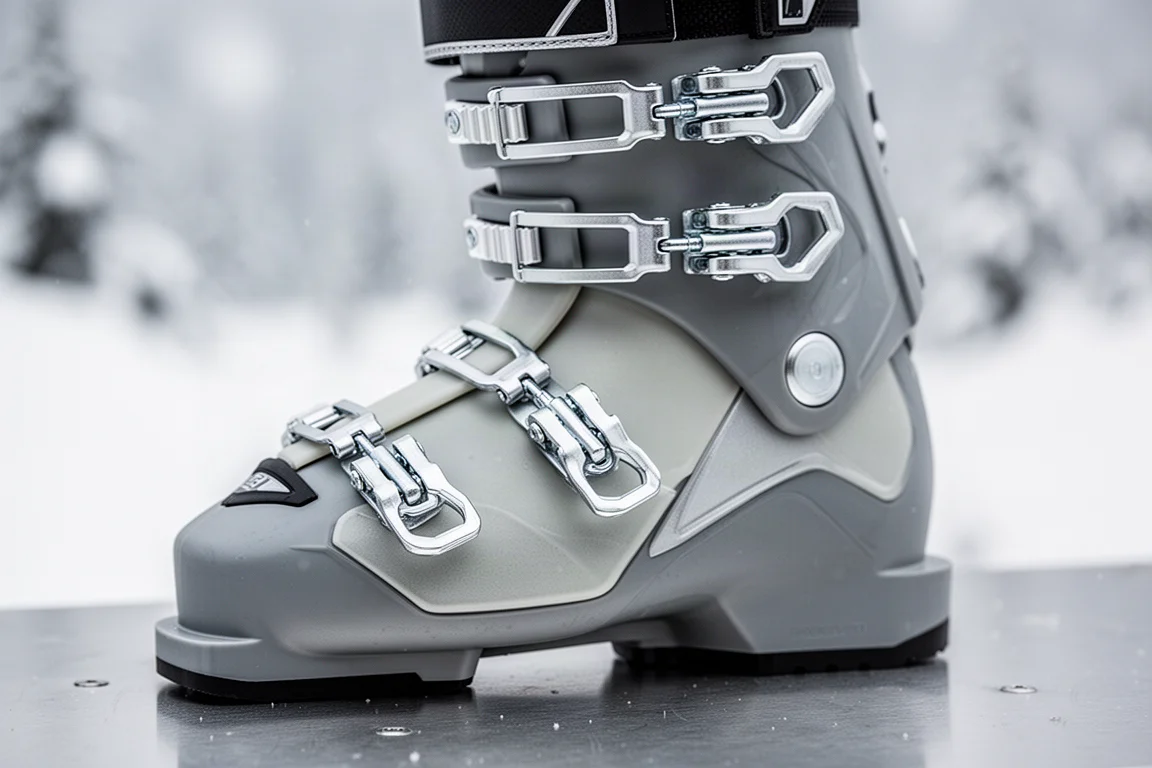
For skiers who want one boot that covers groomers, some off-piste exploration, and general all-mountain days without a long break-in period, that combination is the real selling point.
Things to Consider Before Buying
The liner is the clearest trade-off. It is moldable and comfortable, but it is not as heat-moldable as the liners on the brand’s upper-end models, and it does not use cork. If you want the cork liner, that sits one step up in the range.
The last is wide, but it is not the widest option available. At 102 mm it stops short of the 104 to 105 mm shells used in package and rental boots. If maximum room is your only priority, this is a deliberate step narrower, and it is worth confirming that the fit still suits your foot shape before committing.
Flex is positioned for intermediate and advanced skiers. That is a broad and useful band, but if your skiing sits well outside it, this is not the flex point you are shopping for.
Finally, as with any ski boot, the fit you get in the shop matters more than any specification on a page. The softer instep plastic and moldable liner make the boot forgiving, but they do not replace trying it on.
Cuff Adjustment and Shell Customization
One of the newer features in the Sportmachine range is an adjustable cuff profile. Small screws at the top of the cuff let the cuff move back slightly, which opens up space for a wider calf.
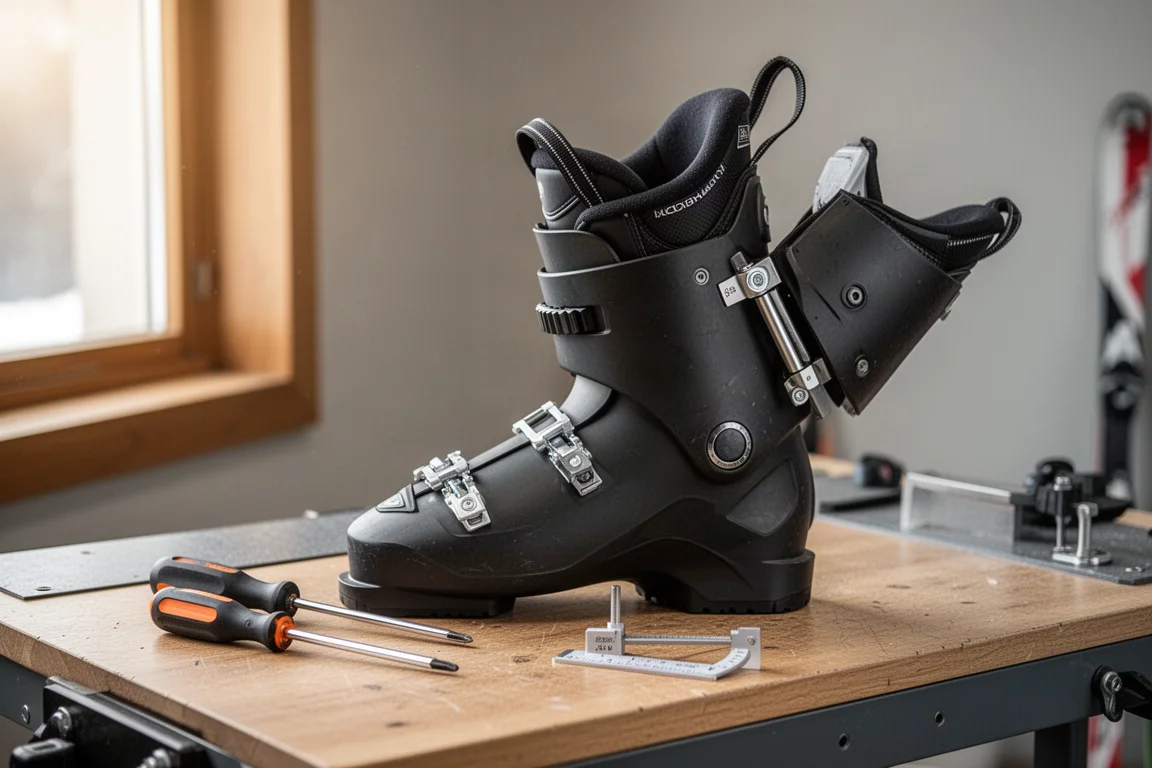
That is a genuinely useful piece of adjustability. Calf volume is one of the most common reasons a boot that fits well in the forefoot still feels wrong higher up, and being able to reposition the cuff addresses that without changing the rest of the fit.
Combined with the softer instep plastic and the shell’s ability to be stretched with infrared or other heating methods, the boot offers a reasonable amount of room to work with if your fit needs a little refinement. For most skiers with higher-volume feet, though, the stock shape is already in the right territory.
Getting the Right Fit at the Shop
Start with the shell fit, not the buckle settings. Step in, stand naturally, and check that your toes are not pressed against the front and that your heel stays settled when you flex forward. The 102 mm forefoot should feel snug but not tight across the widest part of your foot.
Expect the liner to change. Body heat will mold it over the first several days of skiing, so a boot that feels slightly firm in the shop is usually closer to correct than one that feels immediately plush. If you are between sizes, or if you have an unusual foot shape, a bootfitter can stretch the shell and fine-tune the cuff position.
The grip soles come pre-installed, so there is nothing to add before your first day, and the four micro-adjustable buckles give you enough range to tune the closure as the liner packs out.
Buying Advice
Buy this boot if your feet or calves have always felt crowded in narrow performance shells and you want a 100 flex that supports progression rather than limiting it. It is a sensible choice for an intermediate skier moving up, or an advanced skier who values comfort and circulation alongside precision.
Think twice if you specifically want a full cork liner or the most heat-moldable liner available, since both sit one model higher in the range. Also reconsider if you need maximum interior volume, because the 102 mm last is intentionally narrower than a package or rental shell.
Above all, treat the last width and the flex rating as starting points. The right boot is the one that matches your foot volume, your lower leg shape, and the terrain you actually ski most often. If those line up with what the Sportmachine 100 offers, it is a well-rounded choice that should serve you for several seasons of progression.
Conclusion
The Nordica Sportmachine 100 makes a clear case for itself. A 102 mm higher-volume last, a roomy cuff, an adjustable cuff profile, and a softer instep panel all work toward comfort for skiers who usually feel squeezed. Meanwhile, the 100 flex and the frame and chassis technology carried over from the Speedmachine line keep the performance side honest.
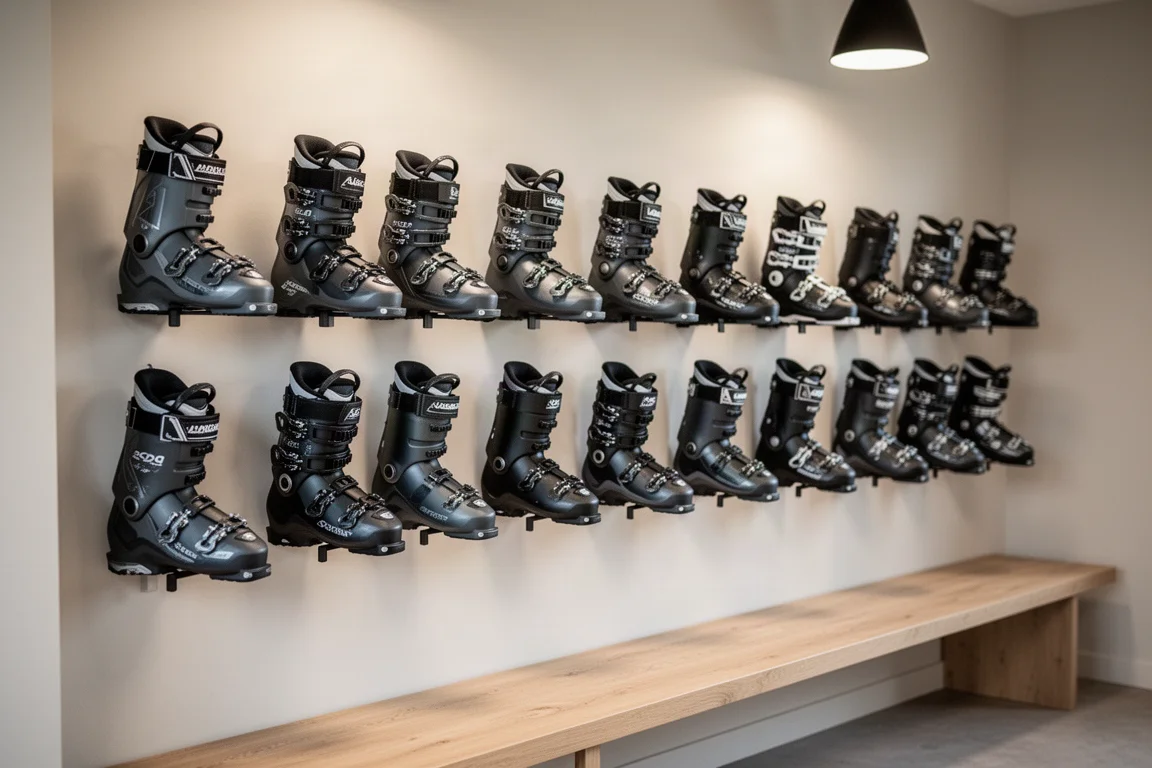
It is not the widest boot on the wall, and its liner sits a step below the cork option in the range. Those are fair trade-offs for a boot that blends a wider fit with genuine precision. If you are an intermediate or advanced skier with higher-volume feet, this is a boot worth trying on before you decide.
Product link
View more details for Nordica Sportmachine 100
This product is mentioned in the review. Check the specifications, options, and compatibility before buying.
View more details for Nordica Sportmachine 100Further reading
Related Reviews

Ski Boots
2027 Ski Boot Roundup: Six 130-Flex Boots Worth Knowing
Six 130-flex ski boots for 2027, plus a low-volume liner upgrade, compared on weight, fit, flex feel, and ease of use.

Ski Boots
Armada AR One Ski Boot Review: A Three-Piece Cabrio That Finally Gets It Right
Armada's first ski boot blends three-piece Cabrio design with Atomic engineering, a heat-moldable shell, and a 100mm last that fits better than any Cabrio before it.

Ski Boots
Armada AR1 Ski Boot Review: A Cabrio and Overlap Hybrid for Park and Freeride Skiers
Armada's first ski boot pairs a three-piece cabrio shell with overlap-style buckles and a cable-driven slingshot buckle. Here is where it shines, and what to weigh before buying.