Ski Boots
Nordica Speedmachine 95W Review: A Soft-Flex Boot Without the Compromises
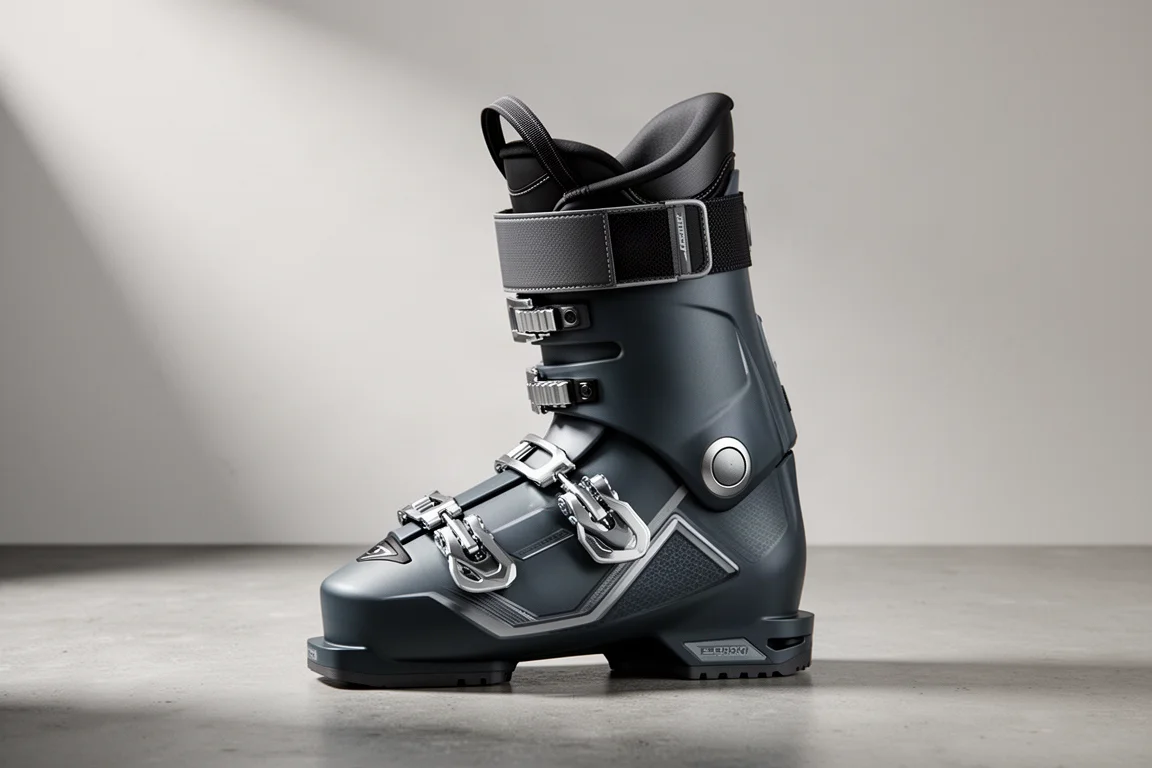
The Nordica Speedmachine 95W pairs a 95 flex rating and a 100 mm forefoot last with the chassis and fit features of Nordica's stiffer Speedmachine models.
Introduction
Nordica’s Speedmachine 95W sits in the sub-100 flex range, a corner of the market that usually signals a lower-end build and a short list of features. This boot takes a different route. It carries the same upgrades found on Nordica’s stiffer Speedmachine models, the 105 and the 115, and simply dials the flex down to 95.
The result is a boot with a 100 mm forefoot last and a 95 flex rating, which is a genuinely useful combination for skiers who want a responsive shell without fighting it all day. Intermediate skiers stepping up, lighter advanced skiers, and anyone who has struggled to find a boot that is both comfortable and precise have a real reason to look here.
Who the Nordica Speedmachine 95W Is For
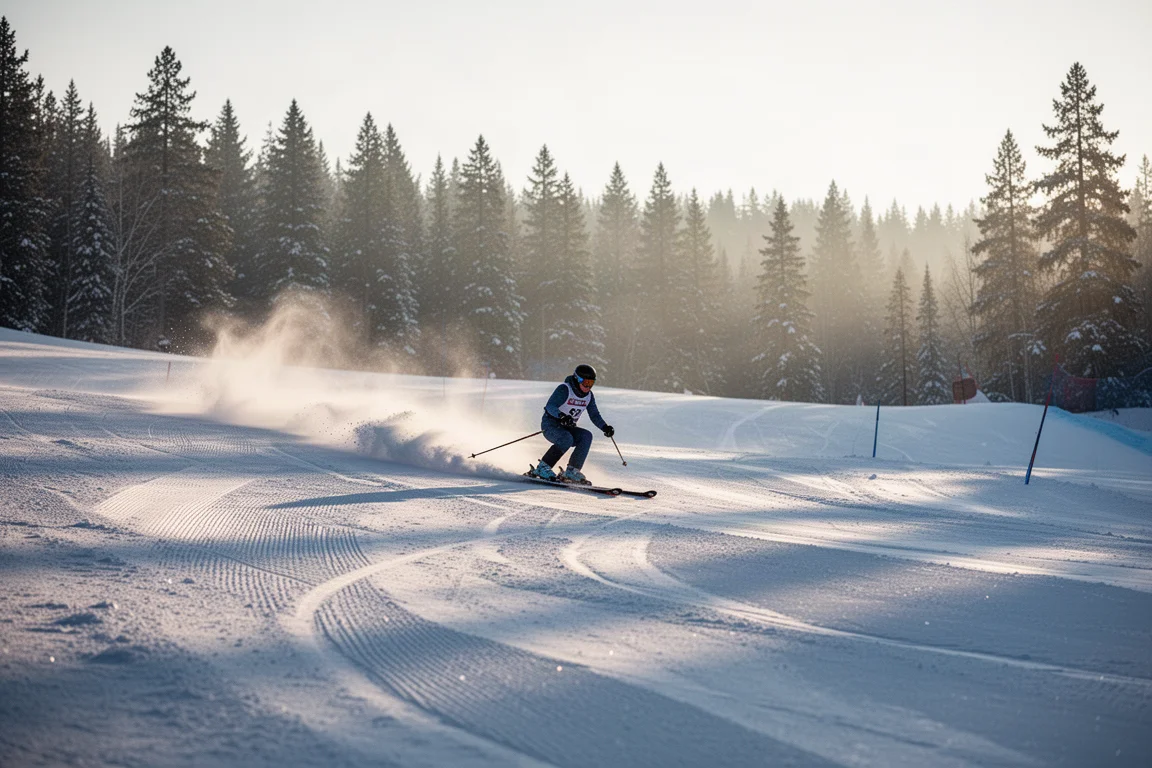
The 95W is built for a fairly specific skier. The clearest match is the intermediate skier moving toward advanced terrain who wants a boot that responds to input without demanding maximum force. Lightweight advanced skiers are the second obvious fit: solid technique, less body weight, and no need for the stiffest shell in the lineup.
Early experts who simply prefer a softer, more forgiving flex will also sit well with this boot. The 100 mm forefoot last gives the shell a moderate footprint, and the overall blend of fit and performance is described as suiting a wide variety of skiers rather than one narrow profile.
Foot shape matters as much as skiing style here. The 100 mm forefoot is a middle-of-the-road width, and the adjustable cuff adds room at the top of the boot, so skiers who normally deal with calf pressure have a way to tune it rather than tolerate it.
Main Strengths: A Lightweight Chassis With Real Energy Transfer
What separates this boot from typical sub-100 flex options is the construction beneath the flex rating. The plastic chassis follows the same approach as the higher-end Speedmachine models, using a lightweight frame with material cut away. Removing material usually costs performance, but the frame is designed to keep the boot’s energy and response at a high level while bringing the weight down.
That shows up on the hill. A lighter boot is easier to manage through turn transitions, and the response is still there when you drive forward into the shell. Pair a 95 flex with a 100 mm forefoot and you get something forgiving at rest and still direct under pressure, which is exactly the gap this boot fills.
Comfort and Liner: Heat Moldable and Easy to Live With
Comfort is where the 95W leans hard into its position in the range. The liner is heat moldable, so any boot shop can bake it and mold it to the shape of your foot, improving fit and performance rather than just adding padding. The liner also uses a soft, fleecy material that contributes to the overall comfort of the boot.
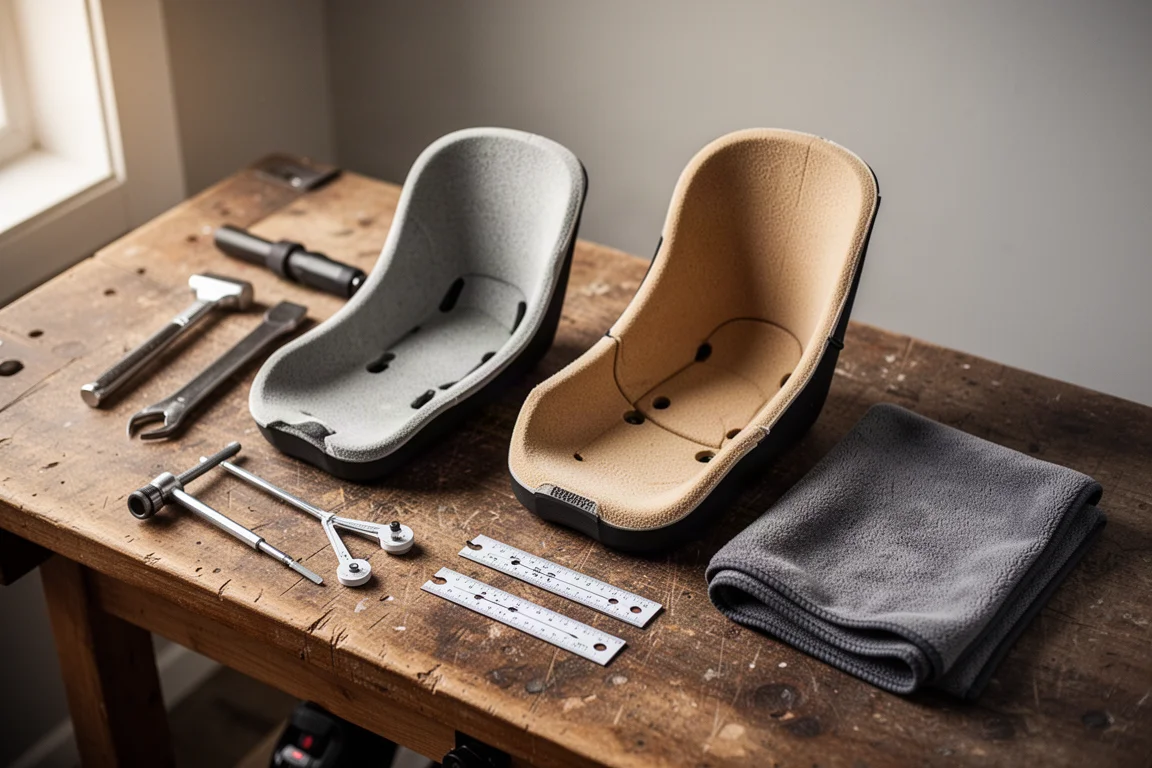
A third plastic piece sits across the instep, and its purpose is practical. It makes the boot easier to get in and out of, which is a small detail that becomes very noticeable on a cold morning in the parking lot. For a boot at this flex level, that kind of user-friendly design is a genuine bonus.
Things to Consider Before Buying
The 95 flex is the main thing to weigh before committing. Skiers who are heavy, very aggressive, or who spend most of their time at speed will likely be better served by the stiffer 105 or 115 versions of the same shell, since those flex ratings exist for exactly that kind of input. The 95W is designed around lighter weight and less forceful skiing.
Heat molding is the other consideration. It requires a boot shop with the right equipment and an experienced fitter, so the best results come from buying through a shop that offers the service rather than ordering without a fitting. A boot with this much adjustability rewards a proper setup session, and skipping it leaves performance on the table.
Buckles, Power Strap, and Cuff Adjustability
Four micro-adjustable buckles control how the shell closes across the foot, and a power strap across the top cinches the upper cuff down. Together they take slop out of the fit and keep energy transfer direct: when you push forward into the boot, that movement reaches the ski instead of disappearing into a loose shell.
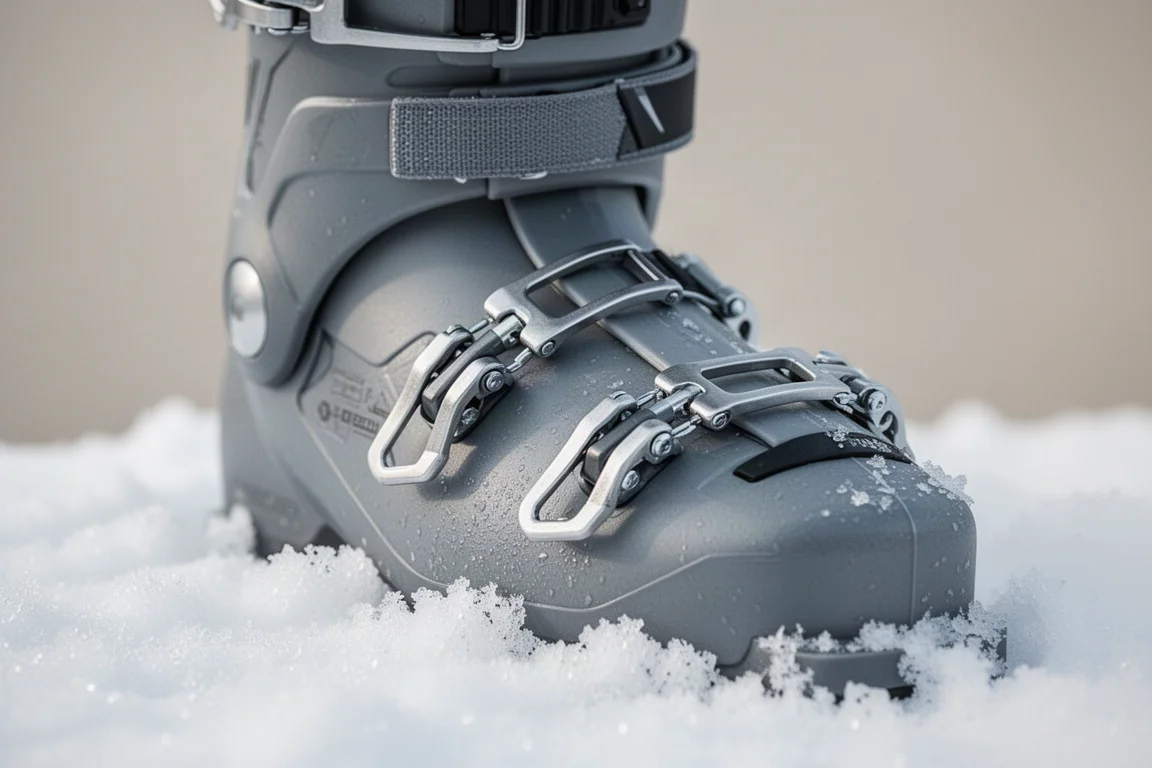
The cuff profile is adjustable as well, using a softer plastic at the top of the boot. That detail is aimed at skiers with larger calves who have run into fit problems in the past, and it is not something you normally find at this flex level. Pre-installed grip lock soles complete the package.
How the 95 Flex Fits Into the Range
Nordica builds the Speedmachine shell across several flex ratings, and the 95W is the softest of the versions described here. Rather than stripping features to reach a lower flex, this boot carries the same upgrades as the 105 and 115, which is what makes it a legitimate choice for skiers who simply do not want or need a stiffer boot.
That distinction matters when you are comparing boots on a shop wall. A lower flex number usually means a different, cheaper build. Here it means the same platform with a more forgiving feel, so the decision comes down to your weight, your technique, and how much resistance you actually want underfoot.
Buying Advice
If you are an intermediate skier moving into advanced terrain, or an advanced skier with a lighter build who has found stiffer boots exhausting, the Speedmachine 95W belongs on your shortlist. The two numbers worth checking against your own skiing are the 95 flex and the 100 mm forefoot, since those define who the boot is built for.
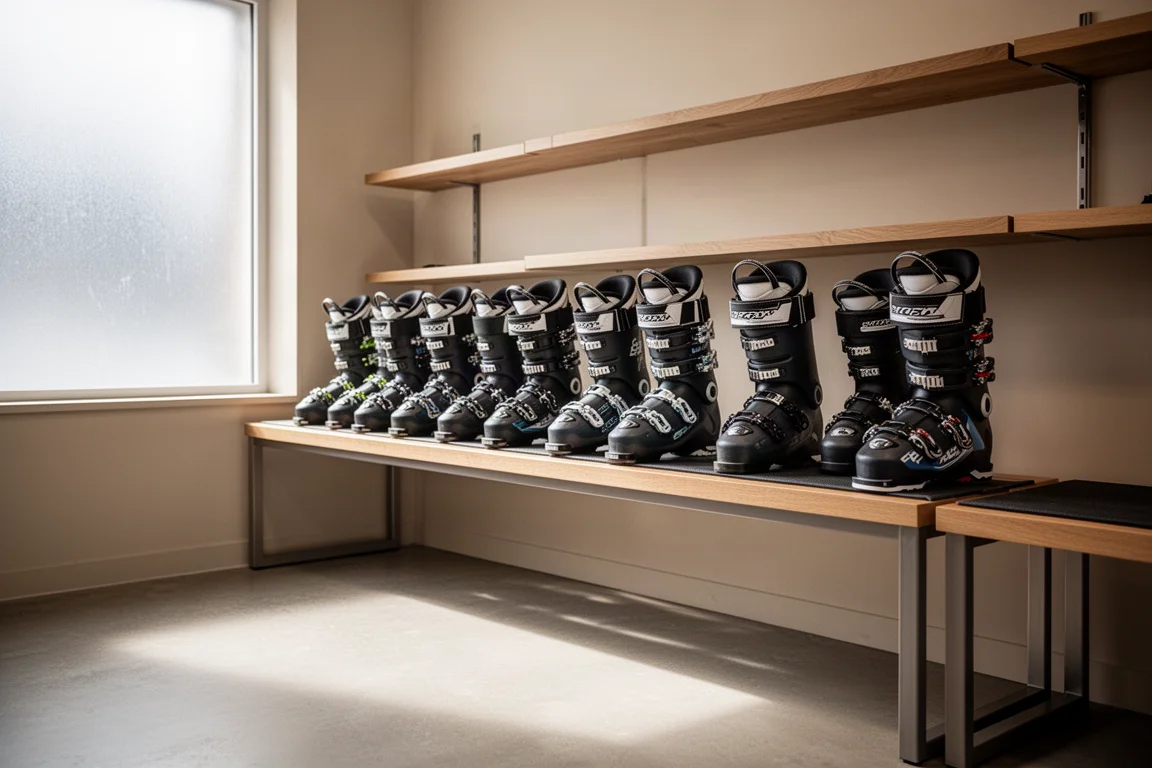
Buy it through a shop that can heat mold the liner and adjust the buckles, the power strap, and the cuff profile to your leg. Those adjustments are what turn a good shell into a boot that feels made for you, and they are the reason this model stands out in a category that usually asks skiers to accept less.
Conclusion
The Nordica Speedmachine 95W makes a convincing case that a lower flex rating does not have to mean a lower-quality boot. It inherits the lightweight chassis, direct energy transfer, and fit features of Nordica’s stiffer Speedmachine models, then softens the flex for skiers who want control without a fight.
For intermediate skiers stepping up and lighter advanced skiers, that is a combination worth trying on before the season starts.
Product link
View more details for Nordica Speedmachine 95W
This product is mentioned in the review. Check the specifications, options, and compatibility before buying.
View more details for Nordica Speedmachine 95WFurther reading
Related Reviews

Ski Boots
2027 Ski Boot Roundup: Six 130-Flex Boots Worth Knowing
Six 130-flex ski boots for 2027, plus a low-volume liner upgrade, compared on weight, fit, flex feel, and ease of use.

Ski Boots
Armada AR One Ski Boot Review: A Three-Piece Cabrio That Finally Gets It Right
Armada's first ski boot blends three-piece Cabrio design with Atomic engineering, a heat-moldable shell, and a 100mm last that fits better than any Cabrio before it.

Ski Boots
Armada AR1 Ski Boot Review: A Cabrio and Overlap Hybrid for Park and Freeride Skiers
Armada's first ski boot pairs a three-piece cabrio shell with overlap-style buckles and a cable-driven slingshot buckle. Here is where it shines, and what to weigh before buying.