Ski Boots
Nordica Speedmachine 130 DD Review: A Dual Boa Expert Boot That Splits Opinion
A first-hand look at Nordica's 2026 Speedmachine 130 DD, a mid-volume 130-flex boot that swaps buckles for a dual Boa system, with real strengths and honest trade-offs.
Introduction
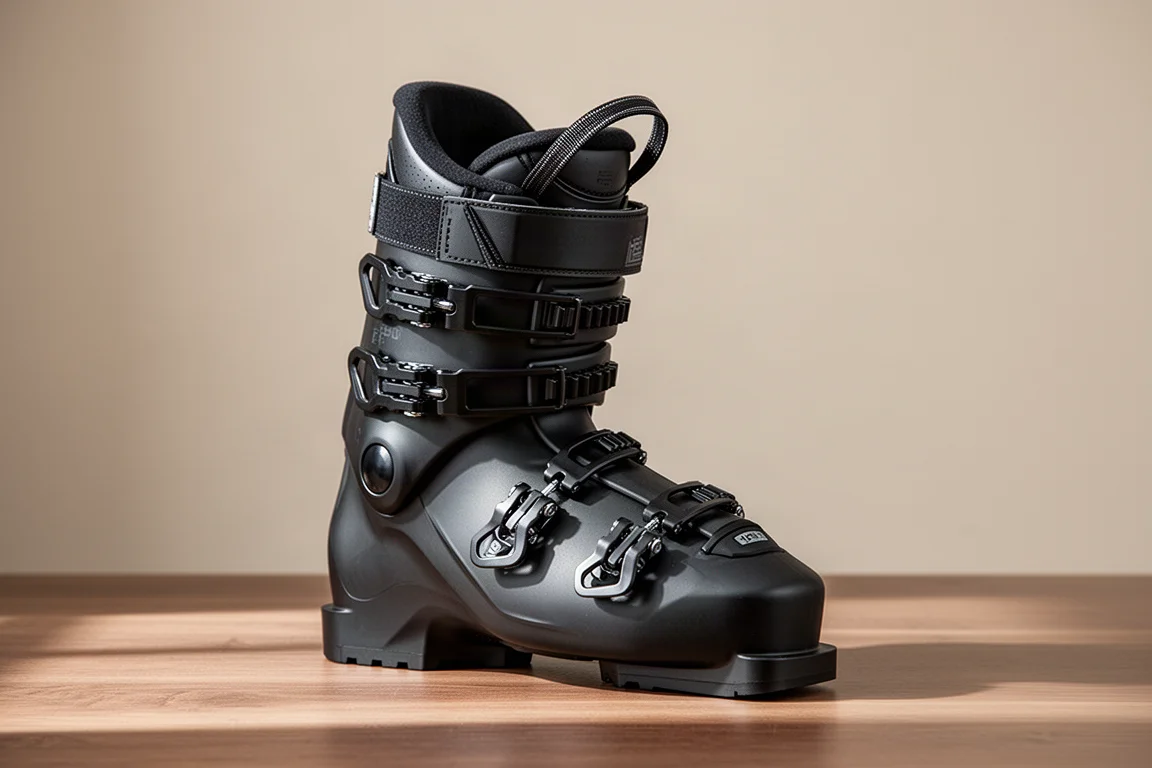
The Speedmachine 130 DD marks a real shift for one of the most trusted expert-level ski boots on the market. For 2026, Nordica has replaced the familiar four-buckle layout with a dual Boa setup: one dial for the lower shell, one for the upper cuff. That makes it part of a wider industry move toward cable closures, and it is a change that genuinely divides opinion.
After a full day on snow, including a long coaching session, the overall picture is encouraging. The boot is comfortable, precise, and strong, and for one tester it became what they described as the best ski boot experience they have ever had. But the dual Boa layout also comes with a learning curve and some genuine usability quirks that buyers should understand before committing.
Who This Boot Is For
This is a mid-volume, 130-flex boot aimed at strong, aggressive skiers. Anyone who has historically been happy in this flex and fit class should be able to step into it without drama, and first impressions of the fit were positive: nothing too tight, nothing too loose, straight out of the box with a custom footbed and no liner molding required.
It is worth being clear about the audience. This is not a boot for skiers who want an easy, forgiving package. It is an expert-level, aggressive boot that happens to ski very well, with a closure system that rewards patience.
Fit and the New Upper Cuff Boa
The headline feature is the upper cuff Boa, and it changes how the boot behaves around the shin. Instead of an upper buckle pulling the heel back into the heel pocket, the entire cuff flap tightens at once when you turn the dial. Some skiers report feeling more pressure on the top of the shin than they are used to. Others report the opposite, with better shin wrapping and more consistent pressure than a conventional buckle.
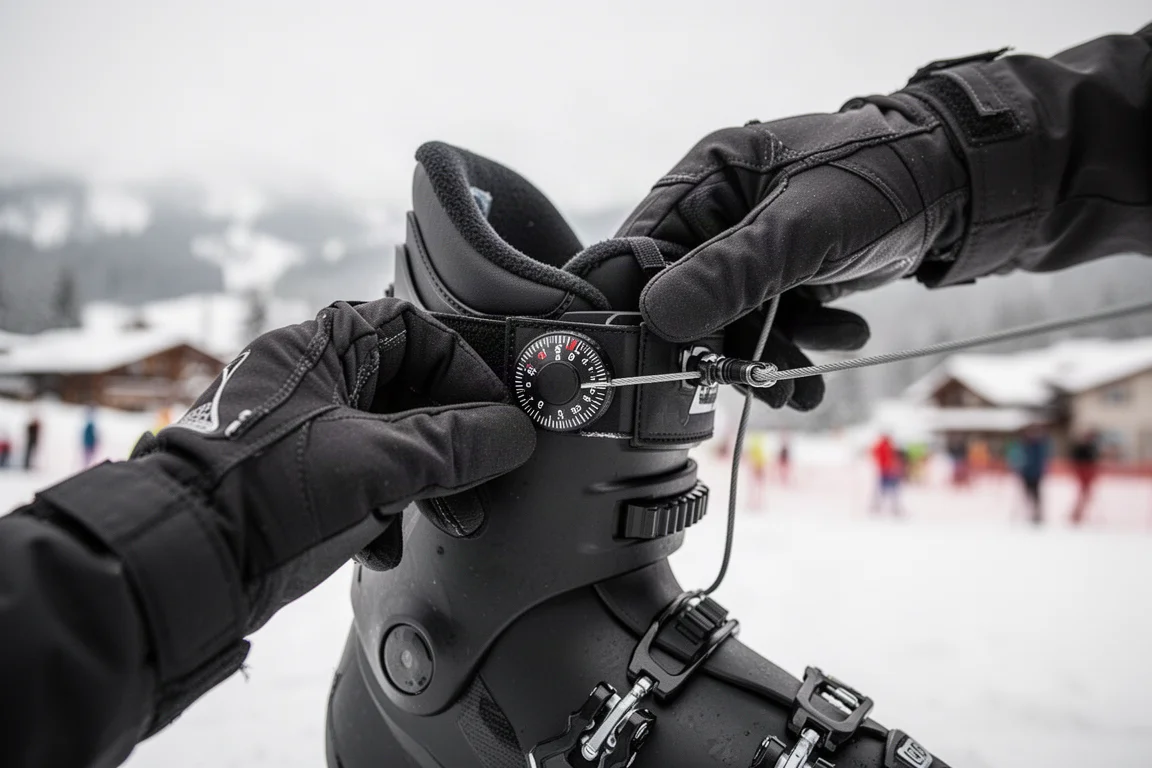
Variables like lower leg shape, liner choice, and boot size all affect how the cuff closes, so the experience is genuinely individual. One tester skied it with a Zipfit liner and found the fit excellent, though that thick liner combined with the Boa shell made getting into the boot noticeably harder. The stock liner also skied well and just needs some heat molding to dial in.
Performance on Snow
On snow, the verdict is simple: performance is not the problem. The boot is precise, strong, and capable, and it holds up in terrain parks and mixed conditions without complaint. Compared to a personal benchmark boot with an aggressive stance, this one sits in a more neutral position with slightly less rearward support, though the difference is small enough that testers described it as “pretty close.”
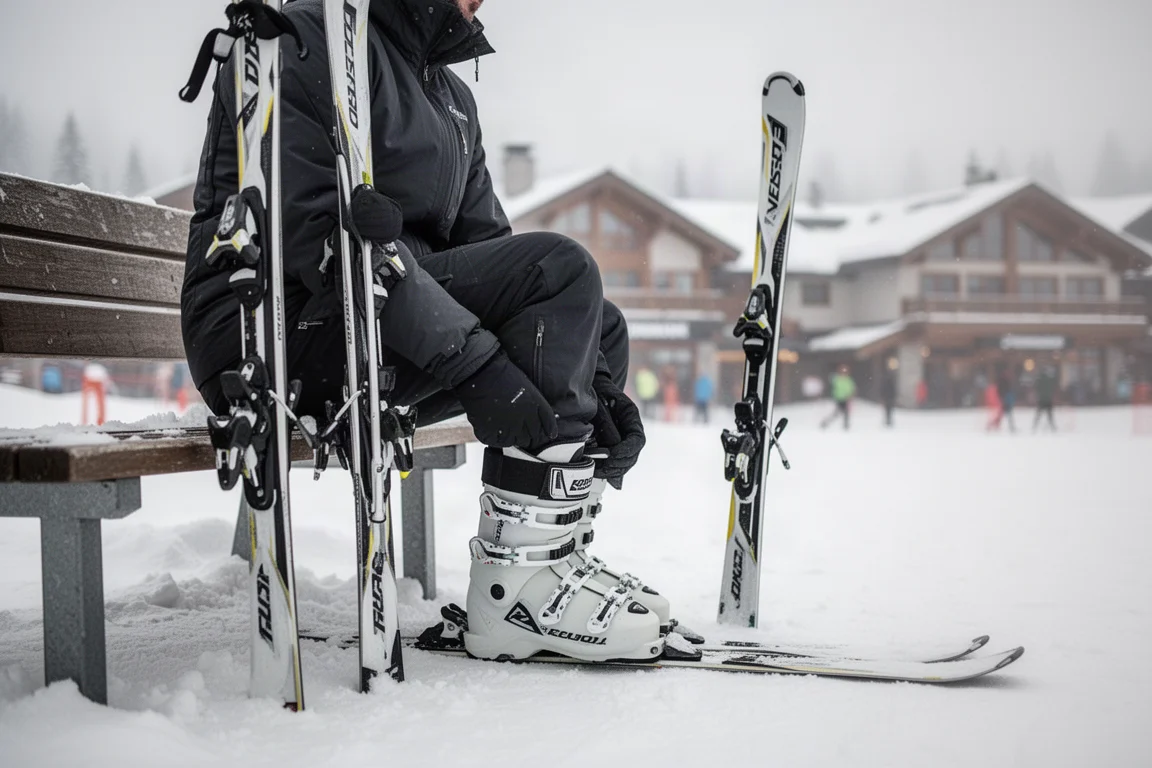
Interestingly, one tester who mostly skied a different benchmark last season felt this boot offered more support than their usual baseline. That contrast underlines how personal boot feel is, and how much cable tension, dial position, and individual leg shape influence the result.
Getting used to dialing in the right tension is part of the experience. With buckles, you know exactly where you are: second buckle, done. With Boa, there is no index, no reference point, so you are learning the resistance you want by feel. One tester skied seven and a half hours of coaching in a brand-new boot without taking it off once, which is remarkable for a first day in any boot.
Moguls, Precision and Stance
In moguls, the boot performs as expected. The tester found no noticeable performance difference from buckles up or down, just the normal adjustment period that comes with anything new. Underneath the Boa conversation, this is still fundamentally a very precise, strong, expert-level boot.

There is a fair argument that cable closure introduces a marginal difference in raw precision or power compared to the four-buckle Speedmachine 130, and that the dual Boa is not quite as easy to use. But judged on its own terms rather than against a benchmark you have skied for years, it holds up very well.
Things to Consider Before Buying
The trade-offs here are mostly about usability rather than performance. Getting the boot on, especially with a thick aftermarket liner and a tight lower shell, can be a genuine struggle. One tester went from the fastest person in their group to get ready to the slowest, yet kept choosing the boot because of how it skied once on.
There is also the adjustment question. Boa dials have no reference position, so if you loosen them on the lift to let your feet breathe, you are relying on feel to get back to your known setting. Skiers who like to micro-adjust a quarter click will notice the difference.
A few practical points worth knowing:
- The Boa system used here is not the same hardware found on bike shoes or snowboard boots; it is built considerably stronger for ski applications.
- The upper cuff dial can pop off if knocked against a wall or stair, but it pops straight back on and the design handles this well.
- A hybrid layout with a buckle lower and Boa upper exists in the lineup if you prefer the wrapping feel of the cuff cable but want an easier entry.
- Many low-volume options in the market are still buckle-based, so skiers needing a low-volume dual Boa boot have fewer choices right now.
Durability and Adjustability
Durability questions come up constantly with Boa closures, and the key point is that ski-specific Boa is a different class of hardware from what skiers may know from other gear. It is built for the forces of a 130-flex expert boot.
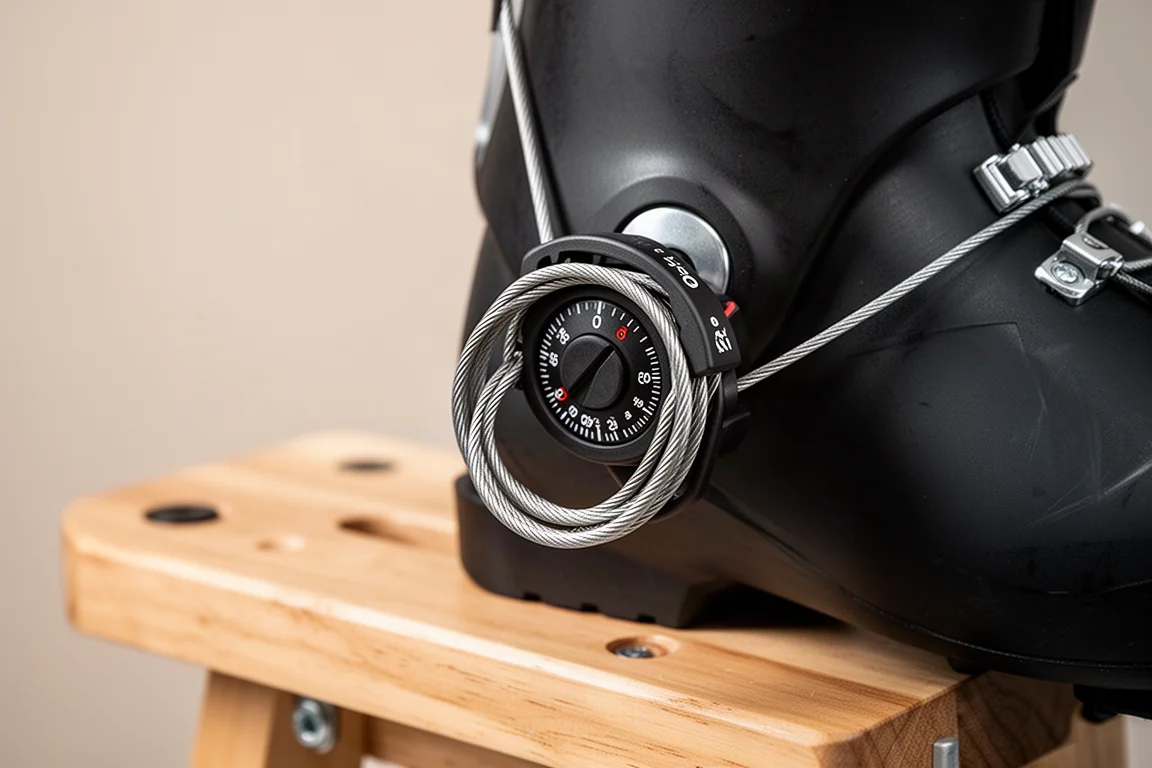
On the fix-it-on-the-fly front, the design impresses: a knocked-off dial reattaches in seconds and skiing continues. As for adjustability, riders can experiment with different liners, and the combination of a heat-molded stock liner or a performance aftermarket liner both work well here.
Buying Advice
If you are a good skier who has been unhappy in traditional boots, the dual Boa Speedmachine 130 DD is an easy entry point into a new boot experience. The fit, comfort, and all-day wearability are genuinely impressive, and the performance penalty, if there is one, is marginal.
If you are deeply dialed into a specific four-buckle boot and know your exact buckle positions by heart, treat this as a fresh start rather than a drop-in replacement. Ski boots are among the most subjective pieces of athletic gear you can buy, and this one works best for skiers willing to learn its quirks. It is not for everybody, but for those it suits, it clearly delivers something special.
Conclusion
The Speedmachine 130 DD is a strong, precise expert boot with an all-day comfort level that surprised even experienced testers. The dual Boa system wraps the shin well and skis at a level very close to the buckle-based original, with the trade-offs concentrated in entry difficulty and the lack of a fixed reference for tension. If the mid-volume fit matches your foot and you are open to a different closure philosophy, this is one of the most interesting expert boots of the season.
Product link
View more details for Nordica Speedmachine 130 DD
This product is mentioned in the review. Check the specifications, options, and compatibility before buying.
View more details for Nordica Speedmachine 130 DDFurther reading
Related Reviews

Ski Boots
2027 Ski Boot Roundup: Six 130-Flex Boots Worth Knowing
Six 130-flex ski boots for 2027, plus a low-volume liner upgrade, compared on weight, fit, flex feel, and ease of use.

Ski Boots
Armada AR One Ski Boot Review: A Three-Piece Cabrio That Finally Gets It Right
Armada's first ski boot blends three-piece Cabrio design with Atomic engineering, a heat-moldable shell, and a 100mm last that fits better than any Cabrio before it.

Ski Boots
Armada AR1 Ski Boot Review: A Cabrio and Overlap Hybrid for Park and Freeride Skiers
Armada's first ski boot pairs a three-piece cabrio shell with overlap-style buckles and a cable-driven slingshot buckle. Here is where it shines, and what to weigh before buying.