Freeride Skis
Nordica Santa Ana Free 110 Review: A Maneuverable Powder Ski for Intermediate and Advanced Skiers
The Nordica Santa Ana Free 110 is the widest model in the Santa Ana series, pairing a full wood core and carbon stringers with a heavily rockered, tapered shape. Here is what it does well, and who it suits.
Introduction
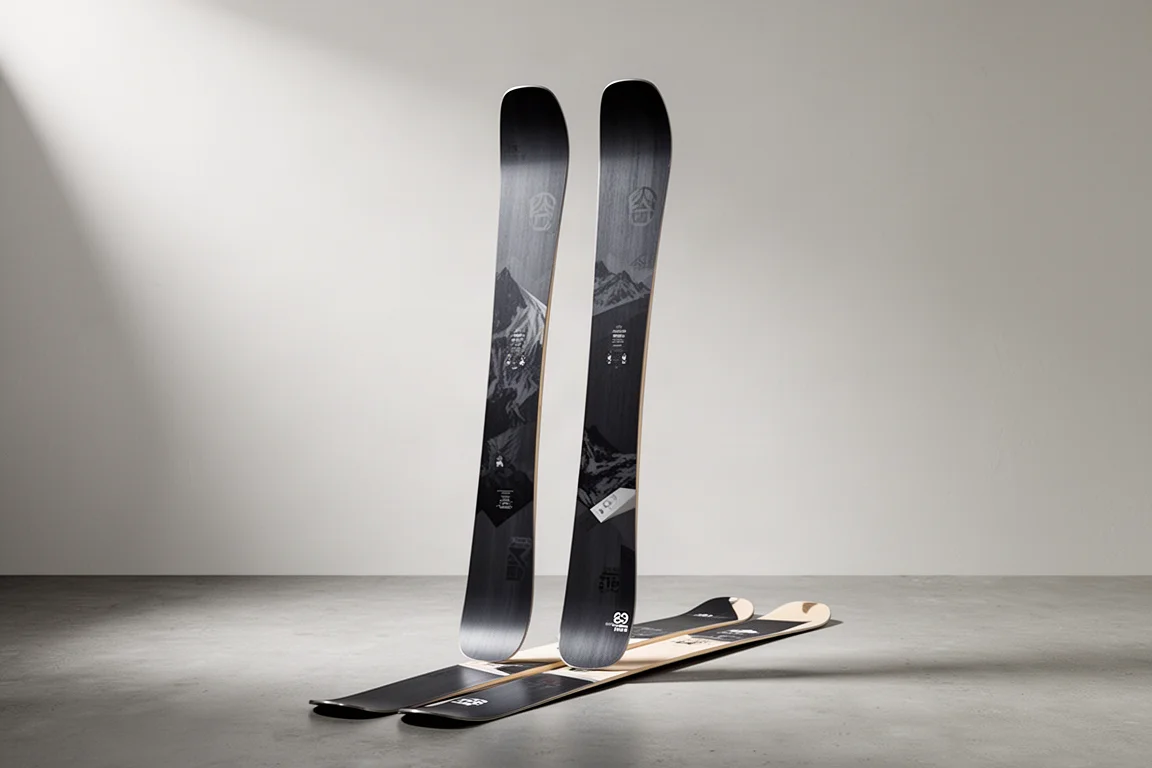
The Nordica Santa Ana Free 110 is the widest model in the Santa Ana series: a freeride ski with a 110 mm waist and a generous amount of tip and tail rocker. It is aimed squarely at soft snow, and the construction choices back that up. Compared with its sister Santa Ana models, this one carries the least metal, a decision that makes sense given the conditions it is built for.
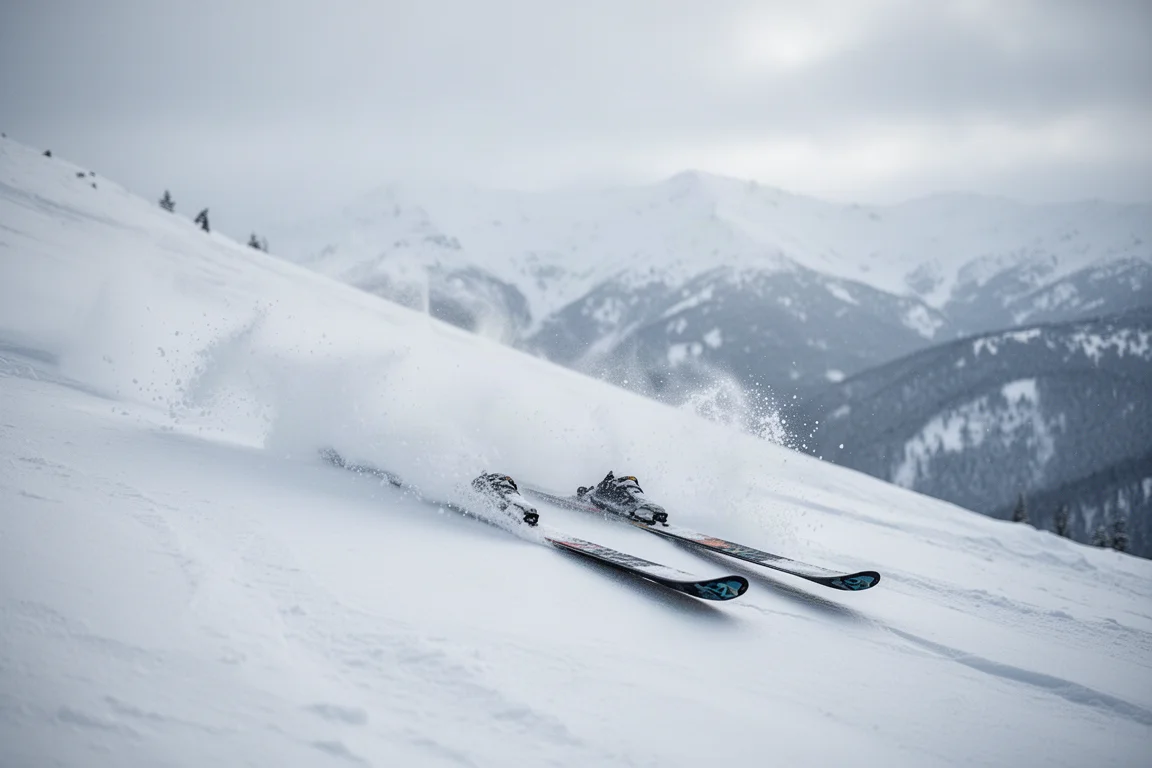
What emerges is a ski that stays remarkably maneuverable for its width and size, which makes it a realistic option for all-mountain exploration with a powder focus rather than a narrow, deep-day-only tool.
Who This Product Is For
The Santa Ana Free 110 is geared toward intermediate to advanced women skiers who want a maneuverable powder ski. Two rider profiles fit it especially well.
The first is the skier who plans the season around storms and soft snow, wants maximum flotation, and still values a ski that can be snapped from turn to turn instead of only smeared through long arcs. The second is the skier who wants one ski to cover a lot of ground. Depending on where you live, this model could work as a go-to one-ski quiver with a clear powder bias.
It is less obviously aimed at skiers whose days are mostly firm, groomed snow, because the design leans so heavily toward soft conditions.
Design and Construction
Under the topsheet sits a full wood core, which is the foundation of the ski’s highly maneuverable, nimble feel in soft snow. Nordica adds two laminates of carbon stringers. The purpose is twofold: they reduce weight while still providing plenty of strength and stability. That matters when you leave powder, head back onto firmer on-trail conditions, and want to keep your confidence.
There is also one sheet of terrain-specific metal. That is considerably less metal than the other Santa Ana models carry, but it is not absent. The sheet is there to keep performance at a high level and to add stability, edge grip, and power.
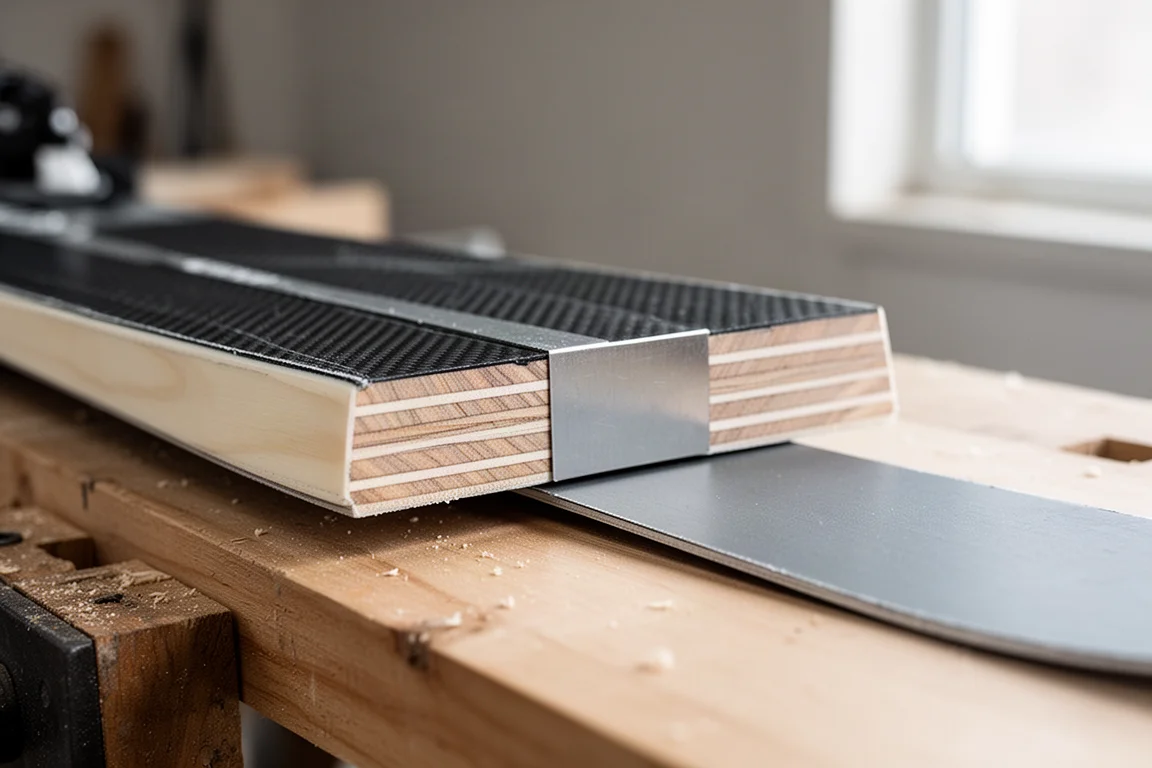
Taken together, these layers explain the balance the ski strikes: light and nimble in soft snow, with enough substance underfoot to stay composed once conditions firm up.
Shape, Rocker, and Turn Radius
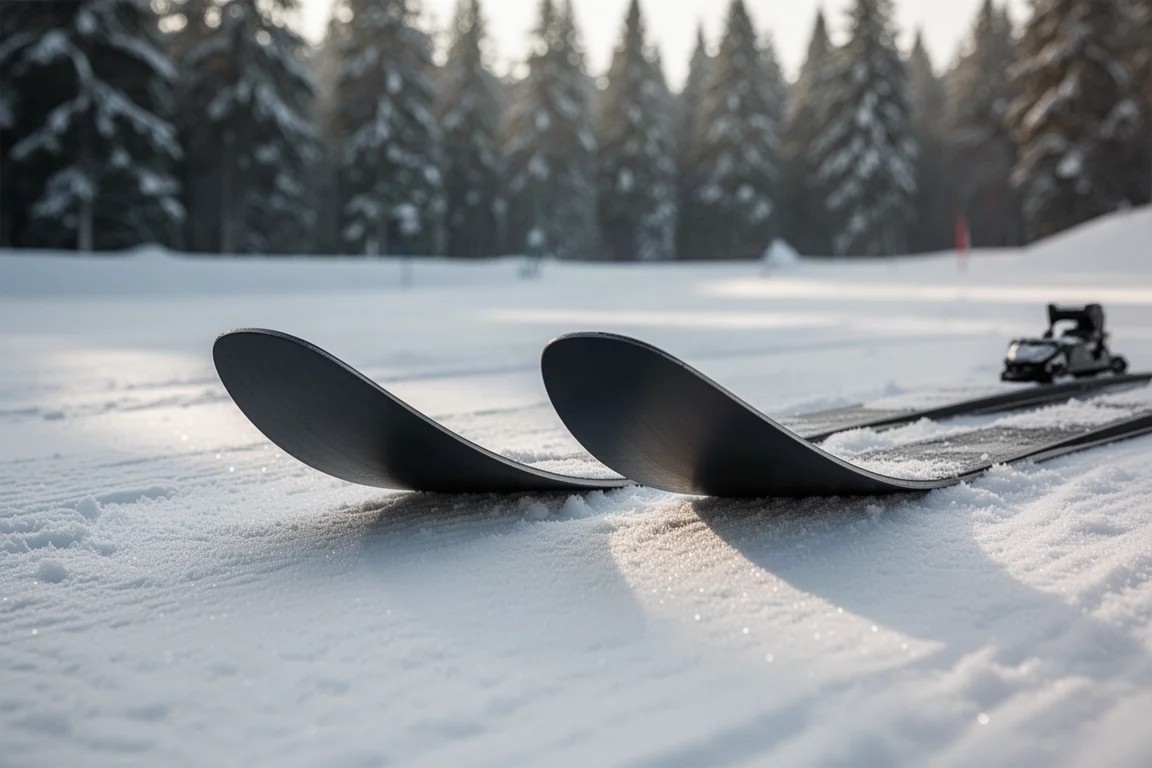
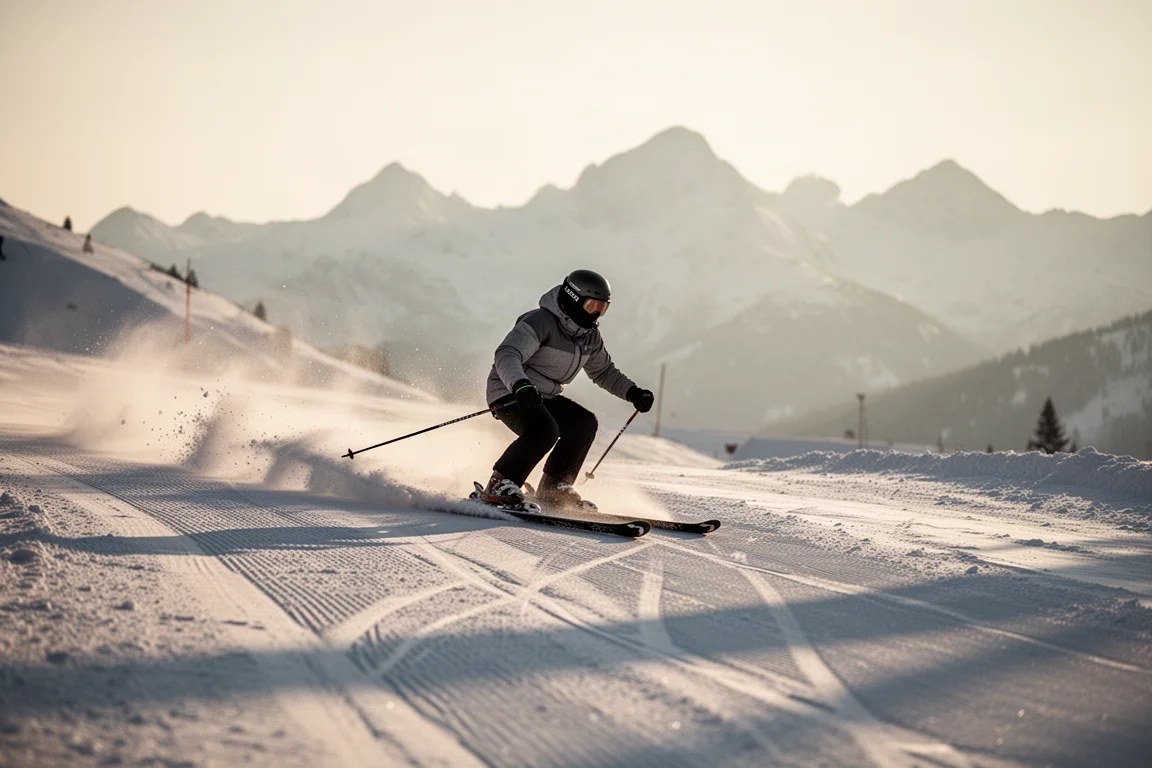
The shape is where the powder intent becomes obvious. Tip and tail rocker are dramatic, and both ends are tapered, which is what drives the ski’s maximum flotation and its soft-snow feel. Along the edge, the effective edge runs only part of the way before rocker takes over at the tip. The same is true at the tail, where the splay is pronounced. Camber sits underfoot.
The 169 length comes with a 15.5 meter turning radius. For a ski this wide, that is a short radius, and for a powder ski it sits on the shorter side. In practice that opens up a genuine range of turn shapes and turn sizes: you are not limited to long, smeary, surfy turns, and the ski can be snapped back and forth more than its width might suggest.
Main Strengths
Maneuverability is the headline. Despite the width, the ski turns easily and feels nimble in soft snow, which is exactly what a full wood core with a light carbon layup is meant to deliver.
Flotation is the second strength, and it comes straight from the profile. The dramatic tip and tail rocker and the taper at both ends are what let the ski plane and surf in deeper snow, while the effective edge stays where you need it and camber underfoot keeps the middle of the ski engaged.
Stability and strength underfoot round out the picture. The single sheet of terrain-specific metal adds edge grip and power without loading the ski down with metal the way its narrower siblings do. Combined with the carbon stringers, that leaves a ski that is fun and floaty in powder yet still confident when you transition back to firmer, on-trail snow.
Things to Consider Before Buying
The reduced metal content relative to the rest of the Santa Ana family is the clearest trade-off to understand. It fits the ski’s powder focus, and the carbon stringers plus the metal sheet keep the ride strong and stable, but this is a design that is happiest in soft snow. Skiers who spend most of their time on firm groomed terrain are looking at a different set of priorities than this ski was shaped around.
The other detail worth weighing is the turn radius. A 15.5 meter radius in the 169 is short for a ski of this width, which is a plus for versatility and quick direction changes, but skiers who expect a wide powder ski to draw out long arcs should know what they are getting.
Buying Advice
The most useful question is what you want this ski to be. As a powder-focused addition to a quiver, its flotation and maneuverability are the entire point, and the light, nimble feel in soft snow is the payoff.
As a one-ski quiver, it makes the most sense for skiers whose home mountain delivers soft snow often enough to justify the powder bias, and who want the stability, edge grip, and strength underfoot to handle the days in between. That combination is what separates it from a dedicated deep-day ski.
Length choice matters as well. The 169 with its 15.5 meter radius gives a broad spread of turn shapes for a wide ski, which suits skiers who like to mix arcs rather than commit to a single style. Intermediate to advanced women skiers are the intended audience, and the ski’s mix of a light, maneuverable feel and dependable underfoot stability lines up well with that level.
Conclusion
The Nordica Santa Ana Free 110 does one thing clearly and does it with more versatility than its width suggests. A full wood core, two carbon stringer laminates, and a single sheet of terrain-specific metal keep it light and nimble without giving up strength and edge grip, while the dramatic tip and tail rocker and taper deliver the flotation the shape promises.
For intermediate to advanced women skiers who want a maneuverable powder ski, it is a coherent, well-resolved package that can serve as a powder-day favorite or, depending on where you live, a powder-biased one-ski quiver. Go in knowing it is built for soft snow first, and that its shorter-than-expected turn radius is a feature rather than a compromise.
Product link
View more details for Nordica Santa Ana Free 110
This product is mentioned in the review. Check the specifications, options, and compatibility before buying.
View more details for Nordica Santa Ana Free 110Further reading
Related Reviews
Freeride Skis
Armada Playmaker 101 Review: A Light, Lively Freeride Ski Built to Play
A closer look at the Armada Playmaker 101, a lightweight freeride twin tip with a poplar and paulownia core, carbon rods through the mid-body, and a deliberately playful character.
Freeride Skis
Armada Playmaker 111 Review: A Lightweight Freeride Ski Built for Soft Snow
A close look at the Armada Playmaker 111, a 111 mm freeride twin tip built around float, playfulness, and a drifty feel in fresh and soft snow.
Freeride Skis
Best Women's Freeride and Powder Skis 2026
A 104 mm to 118 mm comparison of sixteen women's freeride and powder skis, covering weight, rocker, metal placement and the terrain each model suits best.