Ski Boots
Nordica Promachine 3 130S Review: A Low-Volume 130 Flex Boot Rebuilt for 2027
A closer look at the Nordica Promachine 3 130S, a snug 98 mm low-volume ski boot with a Tri-Force chassis, a heat-moldable cork liner, and a speed lace closure.
Introduction
The Nordica Promachine has been a reference point for skiers who want a low-volume, four-buckle overlap boot with a firm and direct feel. The Promachine 3 130S is the newest version of that formula, rebuilt from the ground up for 2027. Nordica kept the snug 98 mm last and the 130 flex rating, then borrowed several construction ideas from the mid-volume Speedmachine.
The result is a boot that looks and feels traditional in the best sense, with a stiffer internal frame, a softer panel over the instep, and a heat-moldable cork liner with a speed lace closure. Early on-snow impressions point to strong lateral quickness and noticeable energy out of the turn.
Who This Boot Is For
This is a low-volume performance boot, and that shapes everything about who should consider it. Skiers with narrow feet, a low instep, or a history of moving around inside mid-volume shells are the natural audience. It also suits anyone who liked the direct, close-fitting character of earlier Promachine models but wanted a little more room over the top of the foot. Nordica positions the Promachine 3 130S as a four-buckle performance boot for low to mid volume feet, so it should work for more skiers in the shop than the previous generation did.
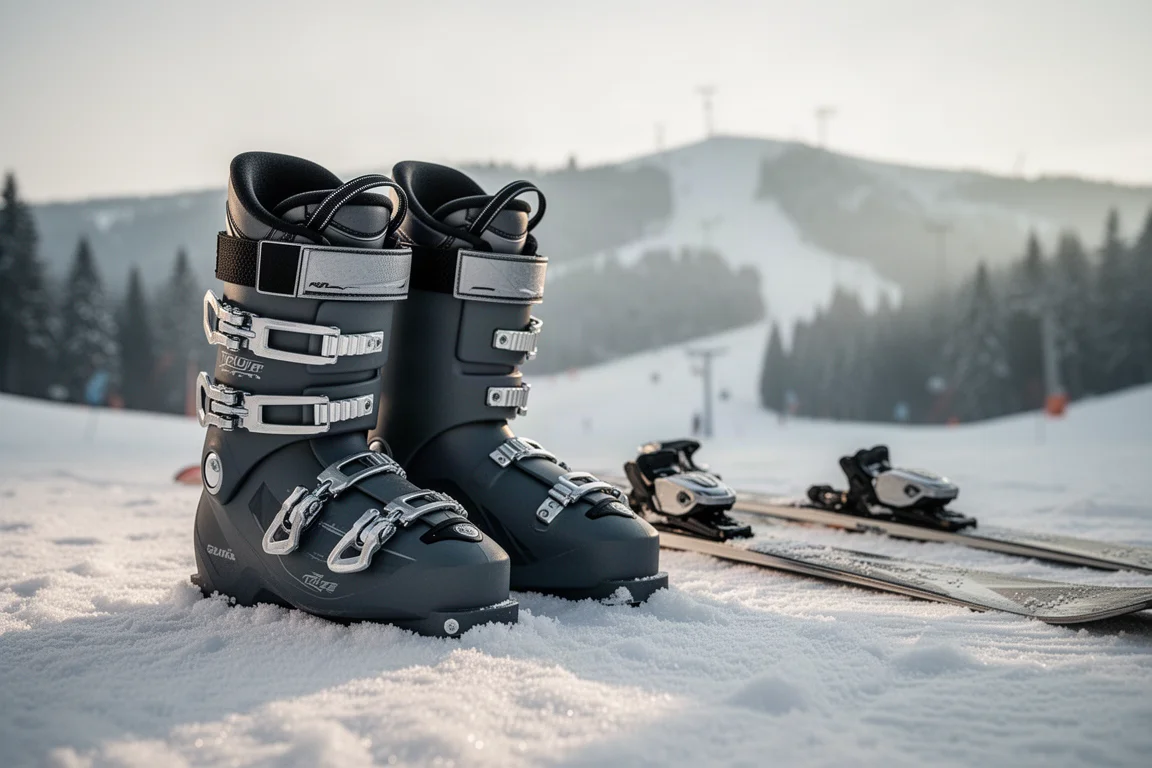
Skiers who spend most of their days on groomers and want a firm, precise connection to the ski are the core fit here. The 130 flex is aimed at strong, experienced riders rather than beginners, and the boot rewards a confident, forward stance.
Shell Construction and Fit
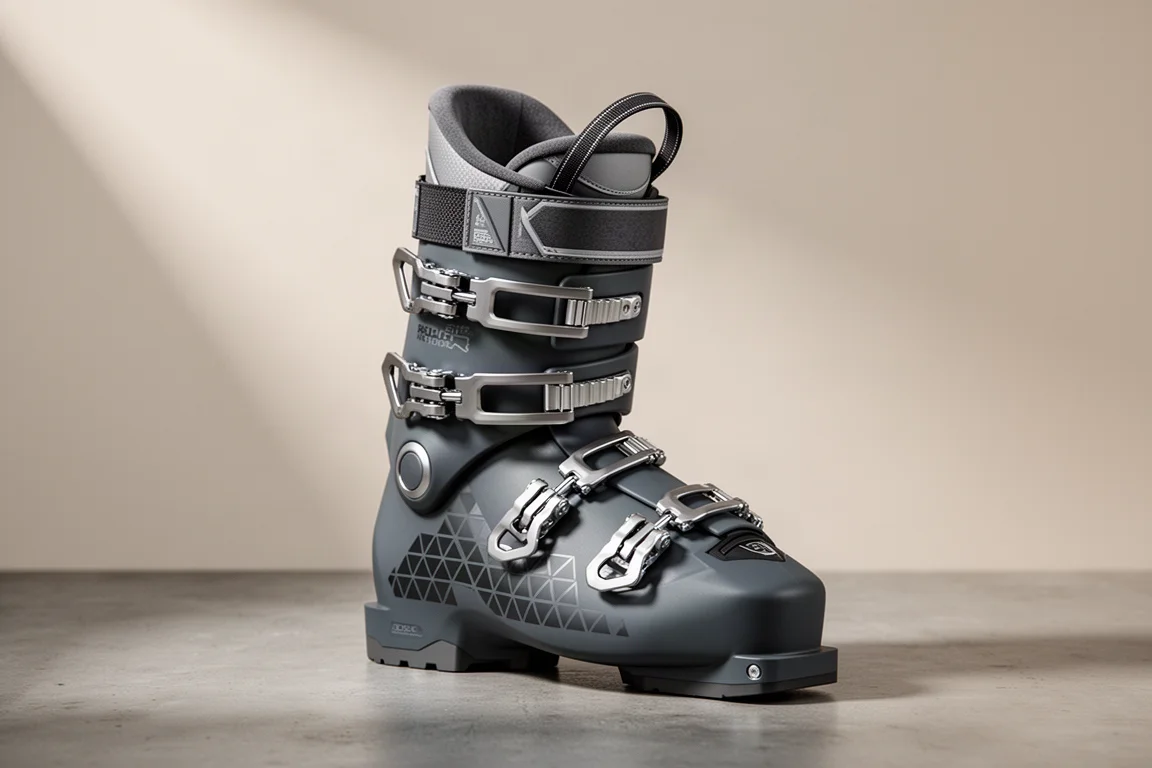
The shell is a bi-material polyurethane construction, stiff and thick, and it uses the Tri-Force two-piece chassis design that Nordica introduced on the Speedmachine. A stiffer plastic frame ties the upper shell, the upper cuff, and the lower shell together, with two bolts at the back creating a very direct connection between the cuff and the shell. That frame lets the rest of the shell use slightly more flexible plastic without giving up lateral stiffness.
A second injection puts softer plastic over the instep. It is a small change with a big practical effect: getting the boot on and off is easier, and the top of the foot is no longer raked by a hard edge at the end of the day.
The numbers are straightforward. The last measures 98 mm, the instep sits lower than the Speedmachine and slightly higher than the older Promachine, and the boot runs 13.5 degrees of forward lean with a 5 degree ramp angle. GripWalk soles and a firm boot board round out a setup built for direct power transfer. Heel and ankle hold is solid, and the shell offers dual cuff adjustment plus two rear rivets.
Liner and Speed Lace System
The liner is a cork design, heat moldable, with EVA material inlaid under the cork around the ankle to add support and hold the heel in the pocket. Out of the box it is firm and close, which is typical for this style of liner, and it is built to be molded.
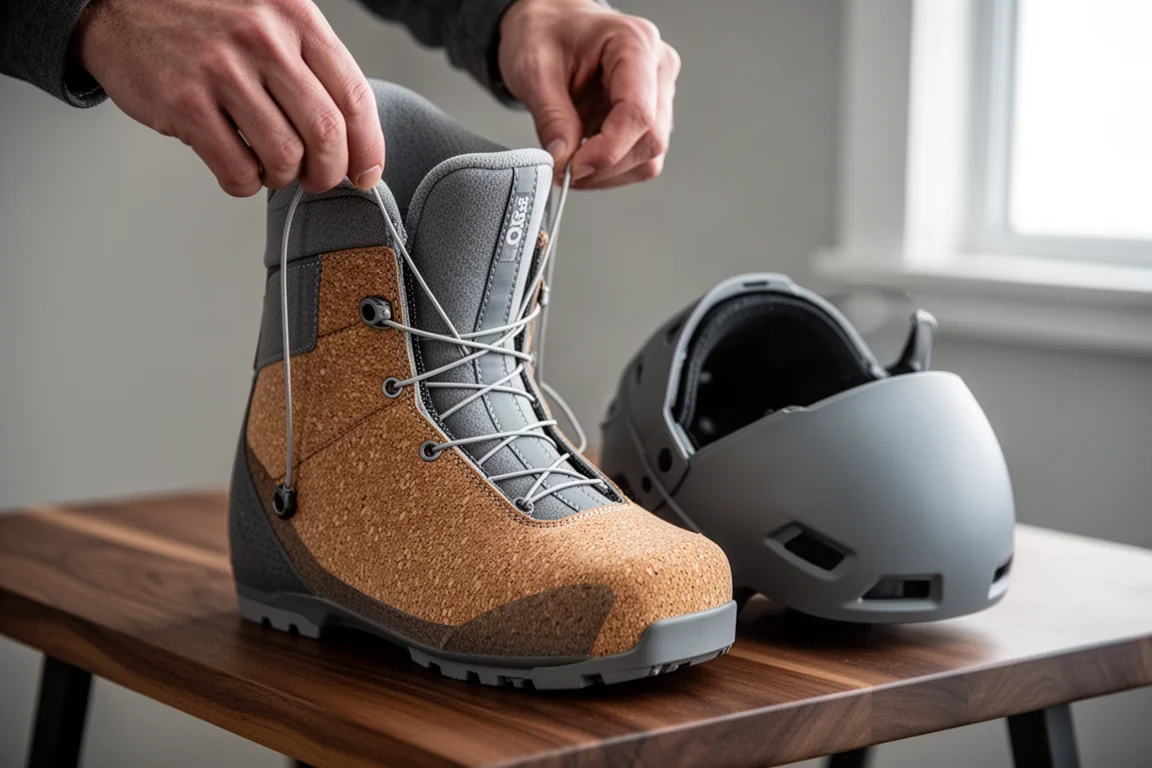
The speed lace system is the standout detail. The lace runs through a simple closure that is easy to cinch, the tail tucks into a small pocket so it stays out of the way, and pulling on one side of the lace releases it instantly. Dual pull loops at the front and rear help with entry and exit, and there is an adjustable tongue for instep comfort plus a removable, adjustable spoiler.
Main Strengths
The defining trait is lateral stiffness. Turns initiate quickly and the boot feels planted edge to edge, which is exactly what skiers who liked the previous Promachine will want to feel again. Fore-aft flex sits in line with other 130 flex boots rather than being noticeably stiffer, so the extra rigidity shows up mostly side to side.
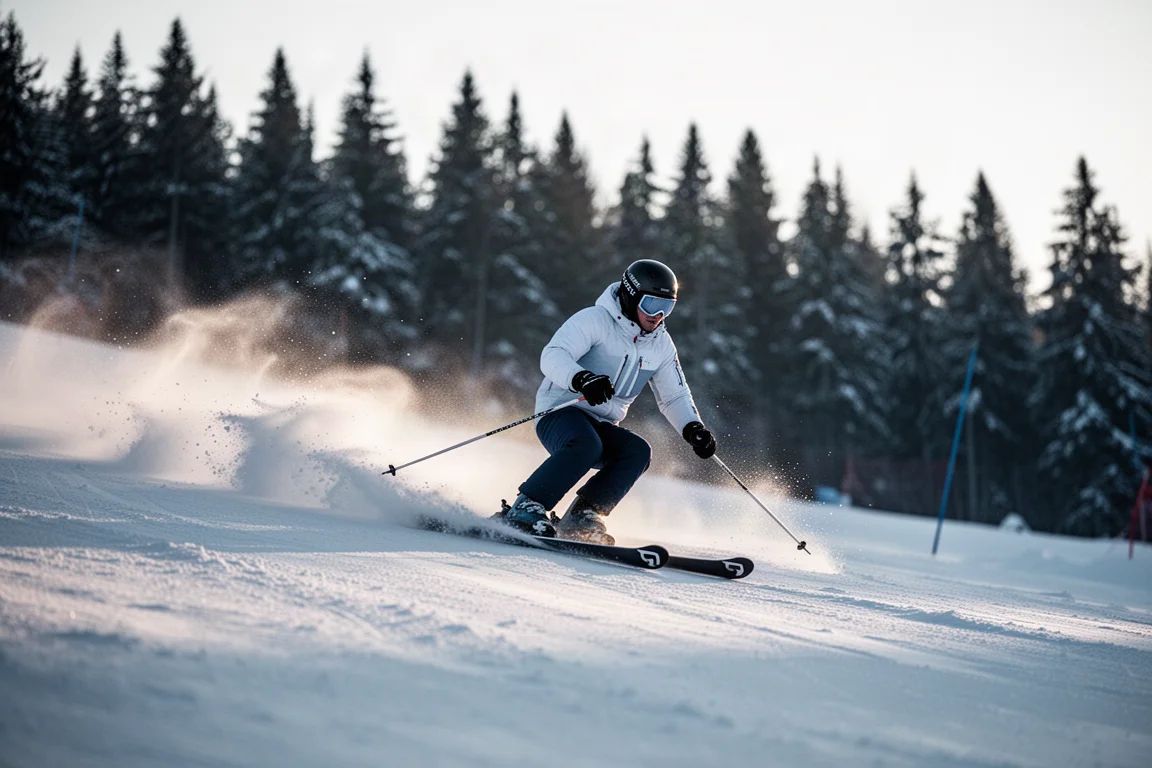
Energy is the second theme. The boot rebounds out of the turn and carries momentum into the next one, and that character holds up in technical terrain, bumps, and drops as well as on smoother snow. Four micro-adjustable aluminum buckles, with the top two using a servo-style lever for extra leverage, keep the fit locked down. The rubber power strap with a metal cam attachment grips the front of the boot and stays where it is put instead of sliding around.
Fit, Break-In, and Molding Notes
A snug first fit is normal here. Pressure across the forefoot and a pinched feeling at the Achilles are the usual early complaints with a new low-volume liner, and both tend to ease as the liner packs out and molds. Because the liner is tight, the shell is not always the limiting factor in the first few days of skiing.
Heat molding is the recommended path, and cork liners respond well to it. Molding compresses the cork and relieves pressure points, which is especially useful if the toes feel crowded at first. Skiers who need shell work usually need only a small amount, with the liner following.
Things to Consider Before Buying
Availability will be limited. Nordica plans to offer the Promachine 3 130S in restricted quantities in shops and online, with stock arriving around the start of February. Anyone who wants a pair should not count on a deep inventory to choose from later in the season.
The fit is also unapologetically snug. Skiers who want a roomier feel, or who have a wider forefoot, should look at the Speedmachine or another mid-volume option instead. Because the boot is new, the on-snow picture is still early: the lateral power and rebound are clear, but how the liner settles over a full season is still an open question.
Buying Advice
Buy this boot through a boot fitter if at all possible. A low-volume 98 mm shell only performs as intended when the shell fit is correct, and a fitter can confirm that before any money changes hands.
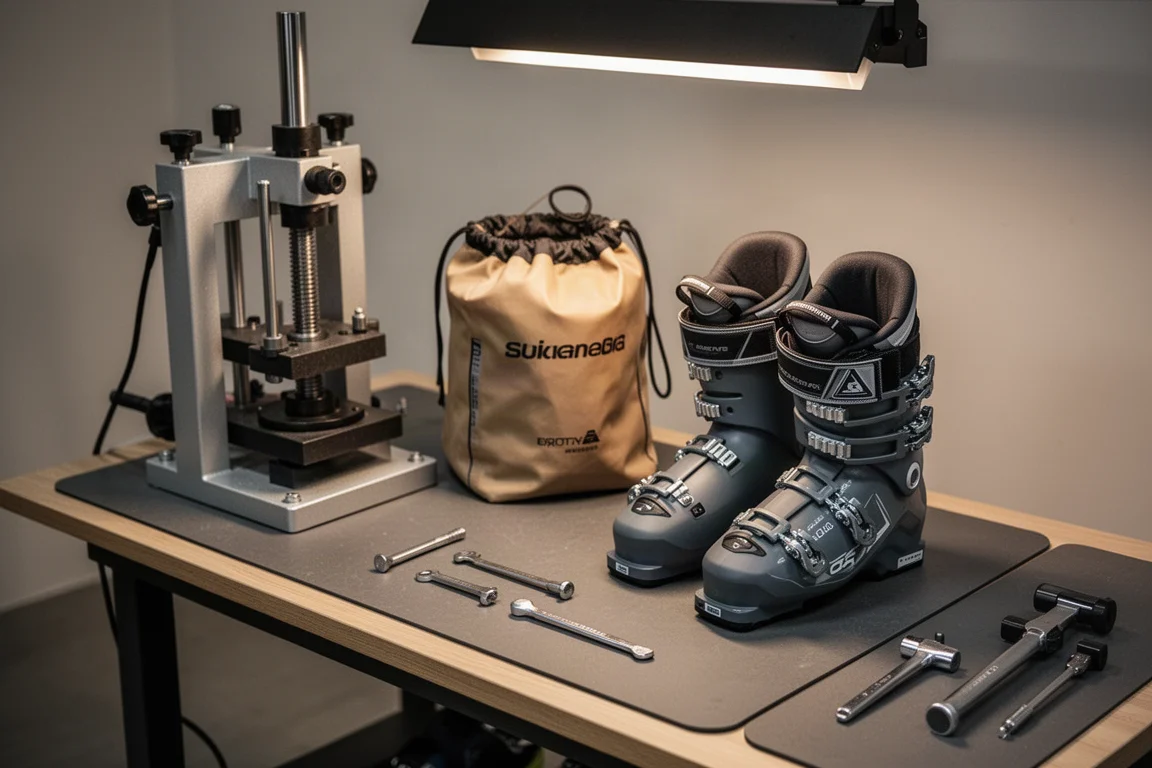
Plan on a heat mold session for the liner, budget for a break-in period of a few days, and expect the first outing to feel tight rather than comfortable. Matching the boot with a ski you already know and trust makes it far easier to judge what the new shell is actually doing, since the boot becomes the only variable. If a 130 flex sounds like too much, a softer flex in the same family is the more sensible starting point.
Conclusion
The Nordica Promachine 3 130S is a thoughtful update to a familiar shape. It keeps the snug low-volume fit, the four-buckle overlap layout, and the direct feel that made the Promachine line popular, then adds a stiffer Tri-Force chassis, a friendlier instep, and a well-executed speed lace liner. For narrow-footed, strong skiers who want quick lateral response and real rebound, it is a compelling option, provided the fit is right and you are ready to go through a proper molding process.
Product link
View more details for Nordica Promachine 3 130S
This product is mentioned in the review. Check the specifications, options, and compatibility before buying.
View more details for Nordica Promachine 3 130SFurther reading
Related Reviews

Ski Boots
2027 Ski Boot Roundup: Six 130-Flex Boots Worth Knowing
Six 130-flex ski boots for 2027, plus a low-volume liner upgrade, compared on weight, fit, flex feel, and ease of use.

Ski Boots
Armada AR One Ski Boot Review: A Three-Piece Cabrio That Finally Gets It Right
Armada's first ski boot blends three-piece Cabrio design with Atomic engineering, a heat-moldable shell, and a 100mm last that fits better than any Cabrio before it.

Ski Boots
Armada AR1 Ski Boot Review: A Cabrio and Overlap Hybrid for Park and Freeride Skiers
Armada's first ski boot pairs a three-piece cabrio shell with overlap-style buckles and a cable-driven slingshot buckle. Here is where it shines, and what to weigh before buying.