Ski Boots
Nordica Pro Machine 110 Review: A Low-Volume Boot for Lighter Advanced and Expert Skiers
A close look at the Nordica Pro Machine 110, a narrow 98 mm ski boot with a heat-moldable liner, aimed at lighter advanced and expert skiers.
Introduction
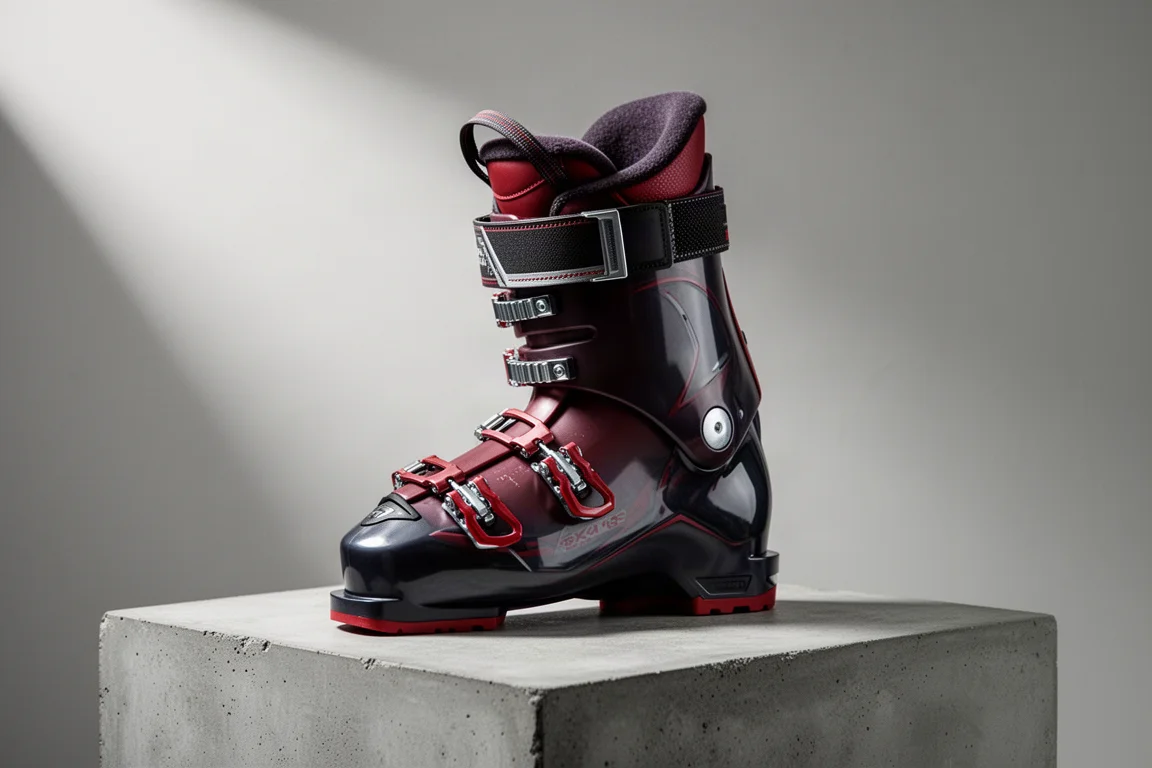
The Nordica Pro Machine 110 occupies a specific corner of the ski boot market: a narrow, low-volume shell paired with a moderate 110 flex. That combination is not for everyone, and it is clearly not designed to be. It is aimed at advanced and expert skiers who want a precise connection between foot and ski, and who are light enough to get real support from a 110 flex.
This review covers what the boot does well, who it genuinely fits, and the details worth checking before you commit to a pair.
Who This Boot Is Built For
The Pro Machine 110 is a strong option for advanced and expert skiers, and it is especially well suited to lighter experts, roughly 160 pounds (around 73 kg) and below. At that weight, a 110 flex still delivers plenty of support while staying manageable through the turn.
The other half of the equation is foot shape. This boot uses a 98 mm forefoot last with a lower instep height, which means it is built for narrow, low-volume feet. If your foot is wide or high-volume, the shell will feel restrictive rather than precise. When a foot does match this shape, the plastic wraps close around it and the fit becomes genuinely snug and secure.
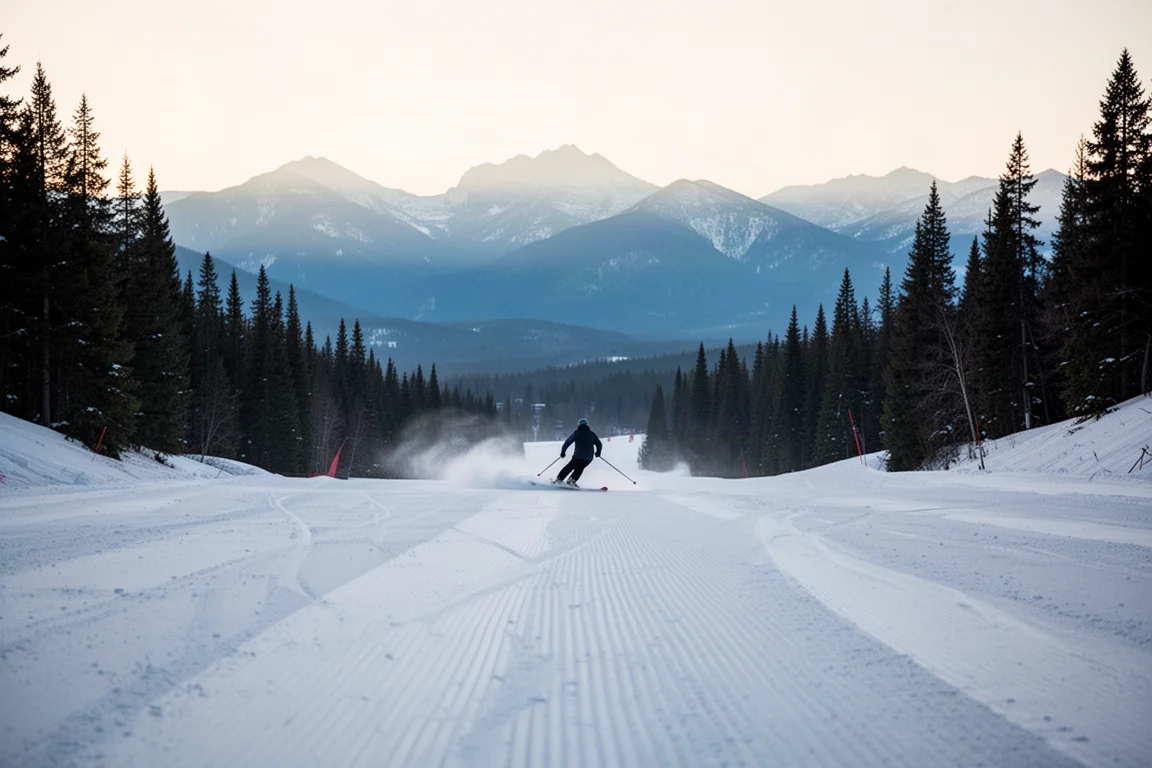
Skiers who have spent seasons in softer, roomier boots notice the difference quickly. There is less dead space around the foot and less movement before the ski reacts.
Main Strengths
Precision is the headline. Because the shell sits close to the foot, energy from your movements transfers more directly to the edges of the ski, and from there to the snow. That is the practical benefit of the 98 mm last and lower instep: not a number on a spec sheet, but a quicker, more predictable response underfoot.
The boot also ships with a heat-moldable liner matched to the low-volume fit of the shell. Taken to a boot shop and heated in an oven, the liner molds to the shape of your foot, improving both performance and comfort. That pairing of a tight shell and a moldable liner is what allows a narrow boot to remain comfortable over a full day.
Four micro-adjustable buckles, a power strap at the cuff, and flex adjustment at the rear give you a useful amount of tuning without adding complexity.
Fit, Liner, and Heat Molding
Heat molding deserves its own section here, because it is not a marketing extra. A low-volume boot only works if the liner can be shaped around the foot inside it, and the stock liner is designed to be heat molded properly by a boot shop.
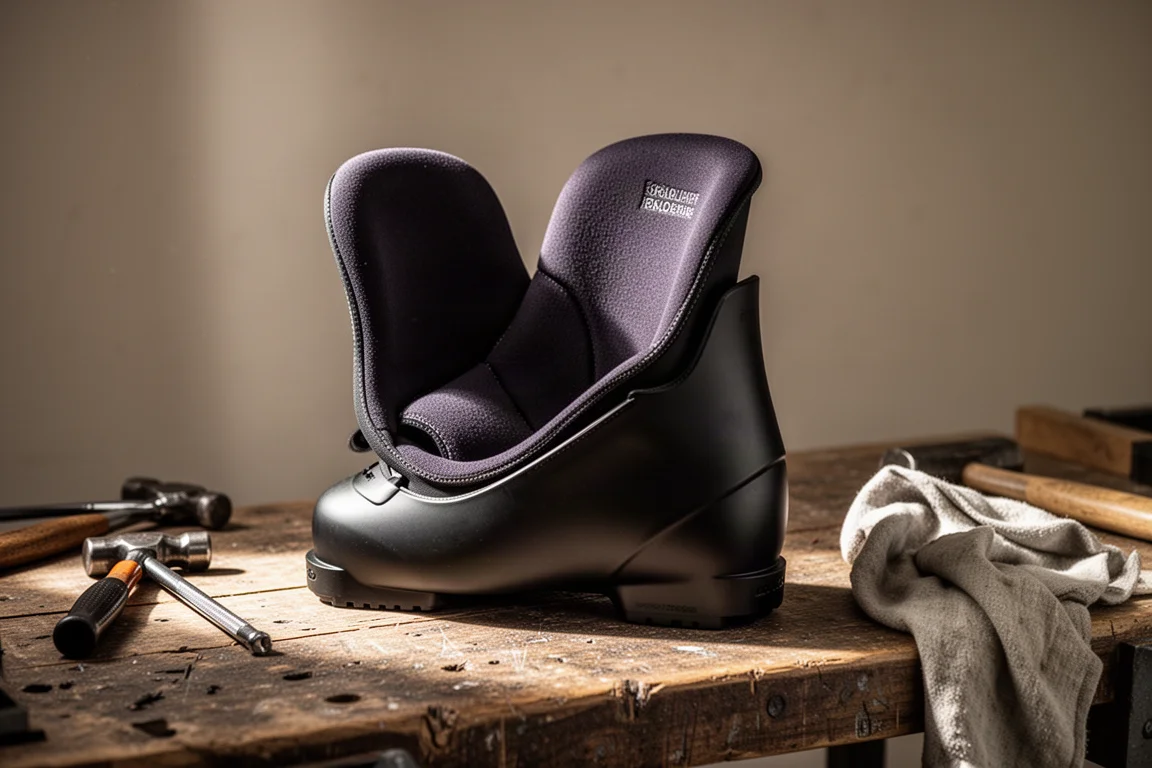
Once molded, the liner fills the small gaps that would otherwise become pressure points, while the shell keeps the overall fit tight and responsive. The result is a boot that can be skied hard without the long, uncomfortable break-in period that low-volume shells are known for.
Buckles, Power Strap, and Soles
The hardware is straightforward and effective. Four micro-adjustable buckles close the shell, and once they are open, two macro adjustments on the side of the boot accommodate larger lower legs. That is a useful detail for skiers who need more room around the calf without giving up the low-volume fit through the midfoot.
A power strap at the top of the cuff adds support and helps hold the shin in place. Flex adjustment at the rear lets you fine-tune how the boot responds, which is helpful when you are dialing in a 110 flex for your weight and skiing style.
Soles come pre-installed with grip-lock tread, which makes walking to and from the lift easier. A version with an alpine sole also exists, so check which configuration you are buying if that matters to you.
Things to Consider Before Buying
The most important consideration is your foot. This is a 98 mm last with a low instep, and it will not suit a wide or high-volume foot. If you have consistently found boots too tight across the forefoot, this is probably not the model to start with.
Flex is the second consideration. At 110, this boot suits lighter experts and progressing advanced skiers. Heavier or particularly aggressive skiers may find they want more resistance, especially in variable snow or at high speed.
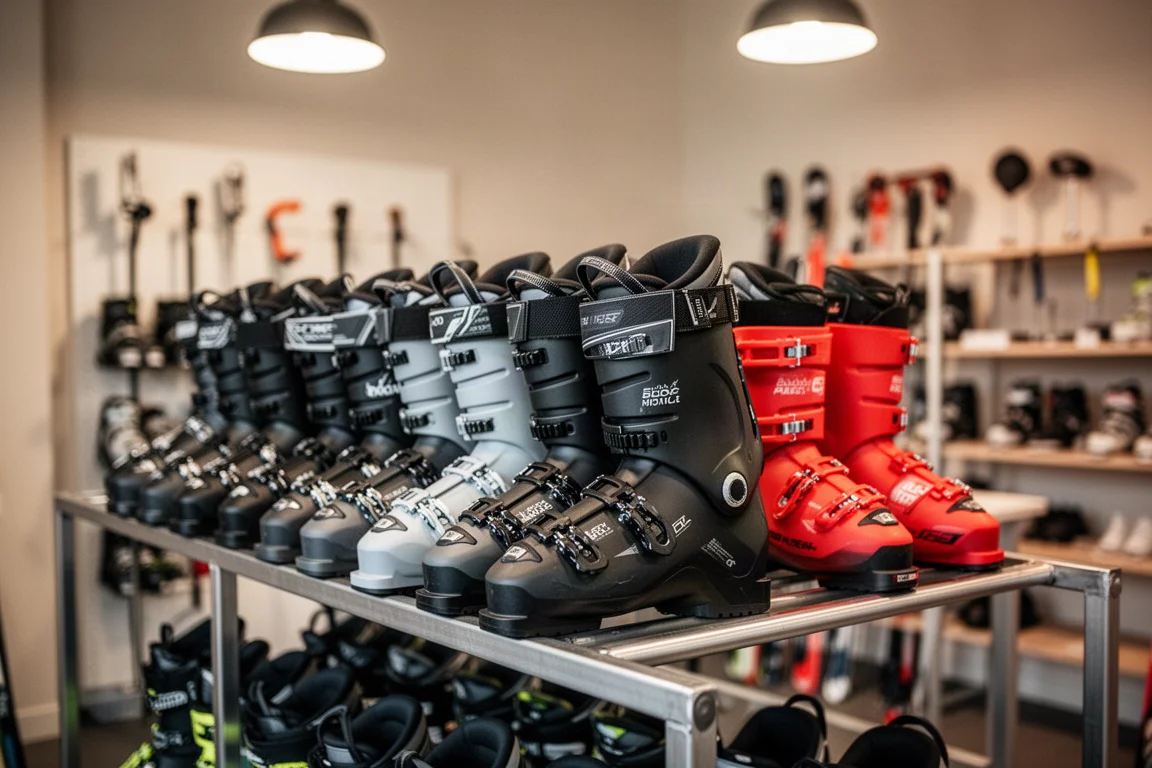
Finally, plan for the molding step. Buying a low-volume heat-moldable boot and skipping the oven is a common way to end up with a fit that never quite settles.
Matching the Boot to Your Skiing and Foot Shape
Think about where you actually ski. A precise, low-volume boot rewards a skier who is working the ski through the turn, and it feels best on groomed terrain and in conditions where responsiveness matters most.
It also helps to be honest about your weight and strength. The 110 flex is suited to lighter experts, roughly 160 pounds and below, and to progressing advanced skiers. If you sit at the upper end of that range or push hard in demanding terrain, consider whether a stiffer shell in the same family would serve you better.
None of this makes the Pro Machine 110 a niche oddity. It simply means the boot performs best when the shell shape, the flex, and the skier all line up.
Buying Advice
If you have a narrow, low-volume foot and you weigh around 160 pounds or less, the Nordica Pro Machine 110 is a sensible choice. You get a close-fitting shell, a heat-moldable liner that can be shaped to your foot, and a flex that stays supportive without feeling like a wall.
Budget for a proper boot fitting and heat molding session as part of the purchase. That step is what turns a tight shell into an all-day boot, and it is the difference between a precise fit and a painful one.
If your foot is wide, your instep is high, or you are a heavier expert chasing maximum resistance, look at a higher-volume or stiffer option instead. This boot is excellent at what it is designed to do, and the fit is the deciding factor.
Conclusion
The Nordica Pro Machine 110 is a focused boot for a specific skier: advanced or expert, relatively light, and working with a narrow, low-volume foot. Its 98 mm last, low instep, heat-moldable liner, and 110 flex combine to deliver precise energy transfer and a snug, responsive feel.
Match it to the right foot and the right weight, complete the heat molding properly, and it is a boot that will reward you on every turn.
Product link
View more details for Nordica Pro Machine 110
This product is mentioned in the review. Check the specifications, options, and compatibility before buying.
View more details for Nordica Pro Machine 110Further reading
Related Reviews

Ski Boots
2027 Ski Boot Roundup: Six 130-Flex Boots Worth Knowing
Six 130-flex ski boots for 2027, plus a low-volume liner upgrade, compared on weight, fit, flex feel, and ease of use.

Ski Boots
Armada AR One Ski Boot Review: A Three-Piece Cabrio That Finally Gets It Right
Armada's first ski boot blends three-piece Cabrio design with Atomic engineering, a heat-moldable shell, and a 100mm last that fits better than any Cabrio before it.

Ski Boots
Armada AR1 Ski Boot Review: A Cabrio and Overlap Hybrid for Park and Freeride Skiers
Armada's first ski boot pairs a three-piece cabrio shell with overlap-style buckles and a cable-driven slingshot buckle. Here is where it shines, and what to weigh before buying.