Ski Boots
Nordica Cruise 65 W Review: A Comfortable First Ski Boot
The Nordica Cruise 65 W pairs a roomy 100 mm forefoot and a warm liner with four micro-adjustable buckles, making it a sensible first boot for recreational skiers.
Introduction
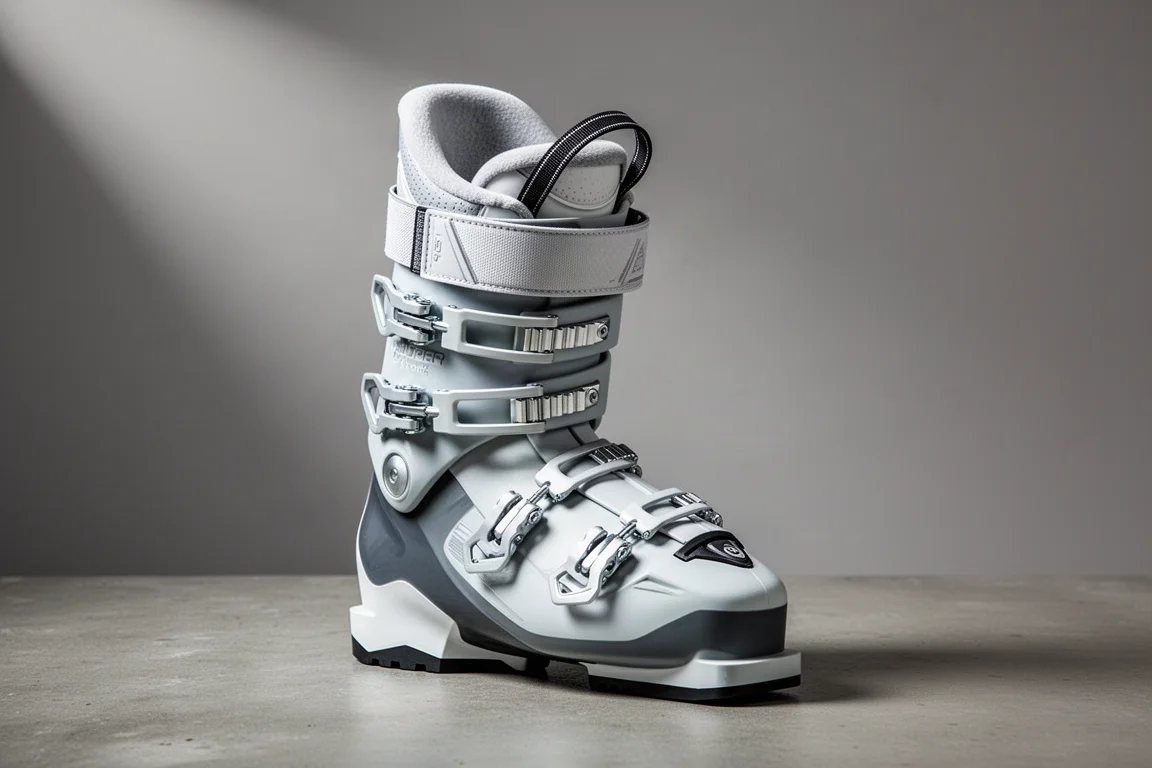
Buying a first pair of ski boots is a different exercise from buying skis. Boots have to feel right on the foot before anything else matters, and the Nordica Cruise 65 W is built around exactly that priority. It sits at the entry level of Nordica’s range, with a soft 65 flex, a 100 mm forefoot, and a roomy liner, which makes it a natural step up from rental boots for skiers who are still finding their feet on the mountain.
The interesting part is what Nordica carried down from its higher-end boots: the buckles, the power strap, and the overall fit and finish all feel more considered than the price bracket suggests.
Who This Boot Is For
This is a beginner to intermediate boot. It suits skiers getting into their first pair after renting, and it is a common sight in package and lease setups precisely because it works as a first boot. If your previous seasons were spent in rental boots and you want something that fits your own foot, this is the category to shop in.
It also makes sense for skiers who have struggled with fit before. The 100 mm forefoot is generous, there is plenty of space over the instep, and the cuff is wide, so pressure points around the calf are less likely to be an issue.

The boot is not aimed at skiers chasing hard-charging performance. It is aimed at the recreational skier who wants to spend more time on the hill and less time fiddling with their equipment.
Main Strengths
The defining strength here is comfort without a feeling of cheapness. Nordica’s higher-end boots inform the fit and finish, so the Cruise 65 W reads as a wider, softer, more forgiving version of a well-made boot rather than a stripped-back rental substitute.
Roomy Fit and Warmth
The liner is comfortable and roomy, with soft fleece material around the top of the cuff, and it is designed to stay warm through a full day of recreational skiing. The softer plastic shell does more than one job: it makes the boot easier to get on and off, and it stays soft over the top of the foot, so the shell is not clamping down and cutting off circulation.
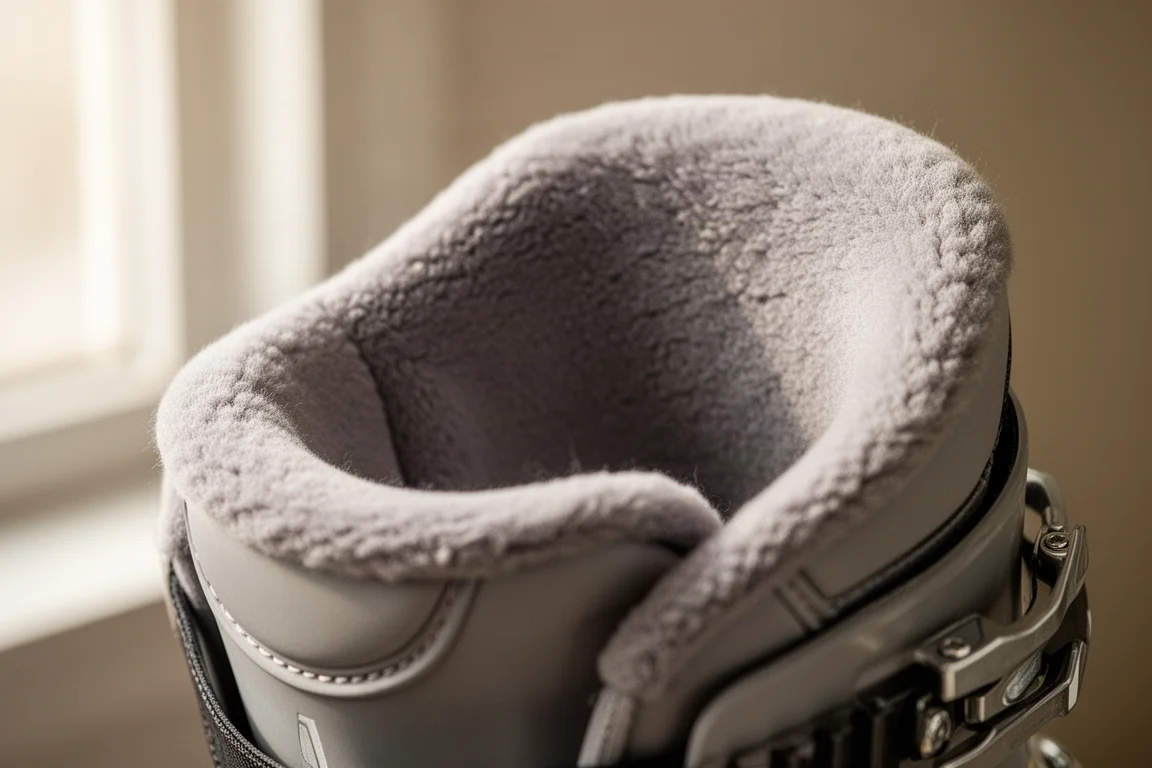
That combination of a roomy instep and softer plastic is what makes the boot feel easy rather than restrictive, which matters a great deal for skiers who are still building confidence.
Buckle Adjustability and Fit Tuning
Four micro-adjustable buckles are a clear step up from a rental boot, and the top buckle uses a tool-free adjustment that can be pushed in or out to set how tight the top of the boot feels. The power strap works the same way, cinching down to dial in the cuff.
Together, those adjustments let a 65 flex boot feel considerably more refined than its position in the range suggests. Small changes to buckle tension and strap tightness change how the boot holds the foot, and having that control on a comfort-focused boot is a genuine advantage.
Things to Consider Before Buying
The main consideration is the flex. At 65, this boot sits at the softer, beginner end of the performance spectrum, which is exactly what makes it comfortable and easy to manage, but it also means it will not deliver the kind of firm, immediate response that a stronger skier looks for.
Flex Rating and Intended Use
If your priority is cruising groomed runs at a relaxed pace, the softer flex is an asset. If you are skiing aggressively or spending time in demanding terrain, the flex will feel like a limitation rather than a feature.

Matching the boot to the way you actually ski is the single most useful decision you can make here. A boot that is too stiff for your ability will fight you, and a boot that matches your pace will let you ski longer and more comfortably.
Comfort Over Long Days
The Cruise 65 W is tuned for warmth and easy circulation rather than a race-tight hold. That trade-off is deliberate, and it is the reason the boot works so well for recreational skiers who want to stay out on the hill rather than stop and adjust their boots. Keeping the liner dry and letting the boots air out between ski days helps preserve that soft, warm feel over a season.
Buying Advice
If you are buying your first pair of boots, the features worth checking on this model are the ones that address common fit complaints. A 100 mm forefoot gives more room across the ball of the foot, a generous instep keeps circulation flowing, and a wide cuff helps if you have had trouble with pressure around the calf in the past.
Try the boot on before committing, and use the adjustments while you are doing it. Push the top buckle in or out, tighten the power strap, and work through the micro-adjustable buckles until the fit feels even across the foot. That process is what turns a comfortable boot into one that fits your foot specifically.
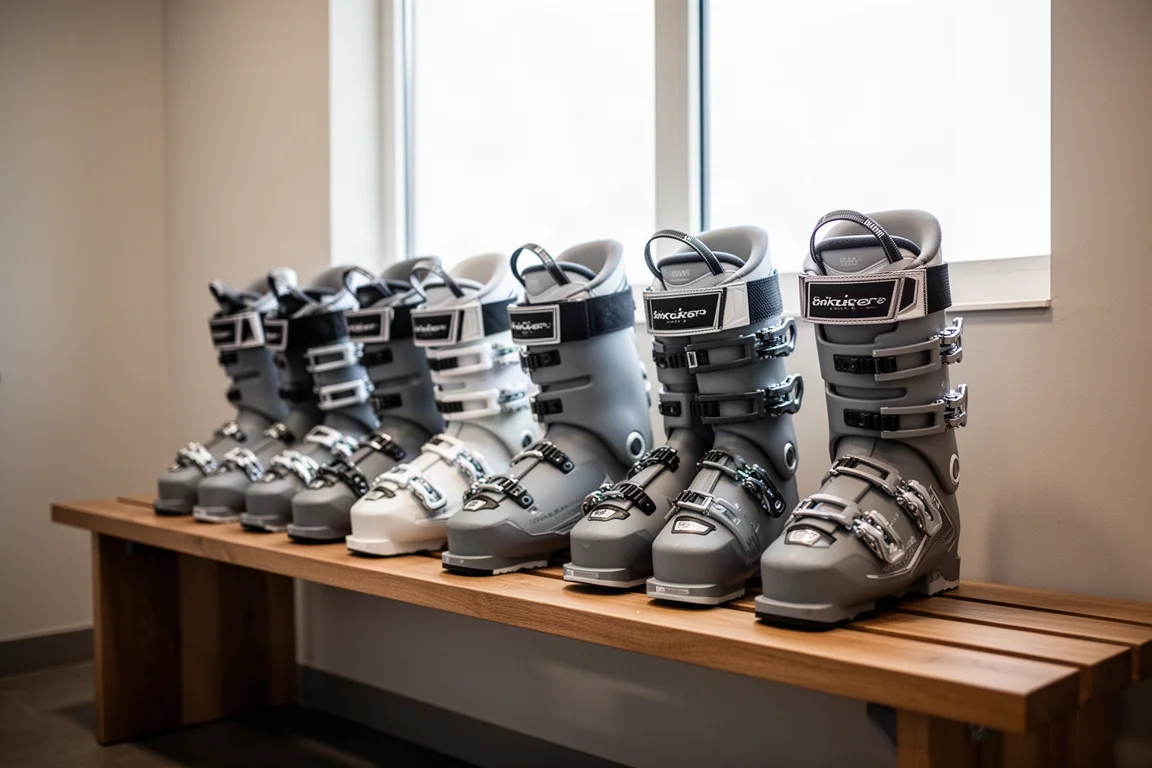
The other thing to weigh is how much boot you actually need. This is an entry-level model, and for a skier who is still progressing, that is the right amount of boot. Buying more stiffness than your skiing calls for rarely improves the experience.
Conclusion
The Nordica Cruise 65 W makes a strong case for itself as a first pair of ski boots. It borrows the fit and finish of Nordica’s higher-end models, adds a wide 100 mm forefoot, a roomy instep, a wide cuff, and a warm fleecy liner, and then wraps it all in a soft 65 flex that is easy to get on, easy to ski, and easy to live with. Four micro-adjustable buckles and a tool-free top buckle mean you can fine-tune the fit well beyond what an entry-level boot usually allows.
The honest caveat is the flex. Skiers who want a firm, aggressive platform should look further up the range. For everyone else, particularly those stepping out of rentals into their first own pair, this is a comfortable, well-finished place to start.
Product link
View more details for Nordica Cruise 65 W
This product is mentioned in the review. Check the specifications, options, and compatibility before buying.
View more details for Nordica Cruise 65 WFurther reading
Related Reviews

Ski Boots
2027 Ski Boot Roundup: Six 130-Flex Boots Worth Knowing
Six 130-flex ski boots for 2027, plus a low-volume liner upgrade, compared on weight, fit, flex feel, and ease of use.

Ski Boots
Armada AR One Ski Boot Review: A Three-Piece Cabrio That Finally Gets It Right
Armada's first ski boot blends three-piece Cabrio design with Atomic engineering, a heat-moldable shell, and a 100mm last that fits better than any Cabrio before it.

Ski Boots
Armada AR1 Ski Boot Review: A Cabrio and Overlap Hybrid for Park and Freeride Skiers
Armada's first ski boot pairs a three-piece cabrio shell with overlap-style buckles and a cable-driven slingshot buckle. Here is where it shines, and what to weigh before buying.