Stationery
Nolty 2026 April Start Planner: A Japanese Planner Worth Watching
A Japanese daily planner with thin fountain pen friendly paper, a flexible layout, and extras that make it easy to live with.
Introduction
Planners usually demand that you adapt to them. Rigid grids, fixed bullet formats, and pages filled with sections you never touch are the reason many people give up on a system by February. The Nolty 2026 April Start Planner takes the opposite approach: it gives you a structured framework and then leaves most of the page open for whatever your own planning style turns out to be.
Nolty is a Japanese brand that has been making planners and notebooks for a long time, and it is only recently starting to appear in the US market. The April-start format runs through the Japanese fiscal year, but the core appeal here is universal: thin, fountain pen friendly paper and a layout flexible enough to survive real-world use.
Who This Product Is For
This planner suits people who have bounced off rigid planner systems. If your current method is scratch paper, half-used notebooks, or a string of abandoned apps, the Nolty format works with loose, visual planning rather than against it. It is also an obvious option for anyone hunting for an alternative to Hobonichi-style planners, especially since changes to Hobonichi’s paper have pushed many writers to look elsewhere.
What Comes in the Package
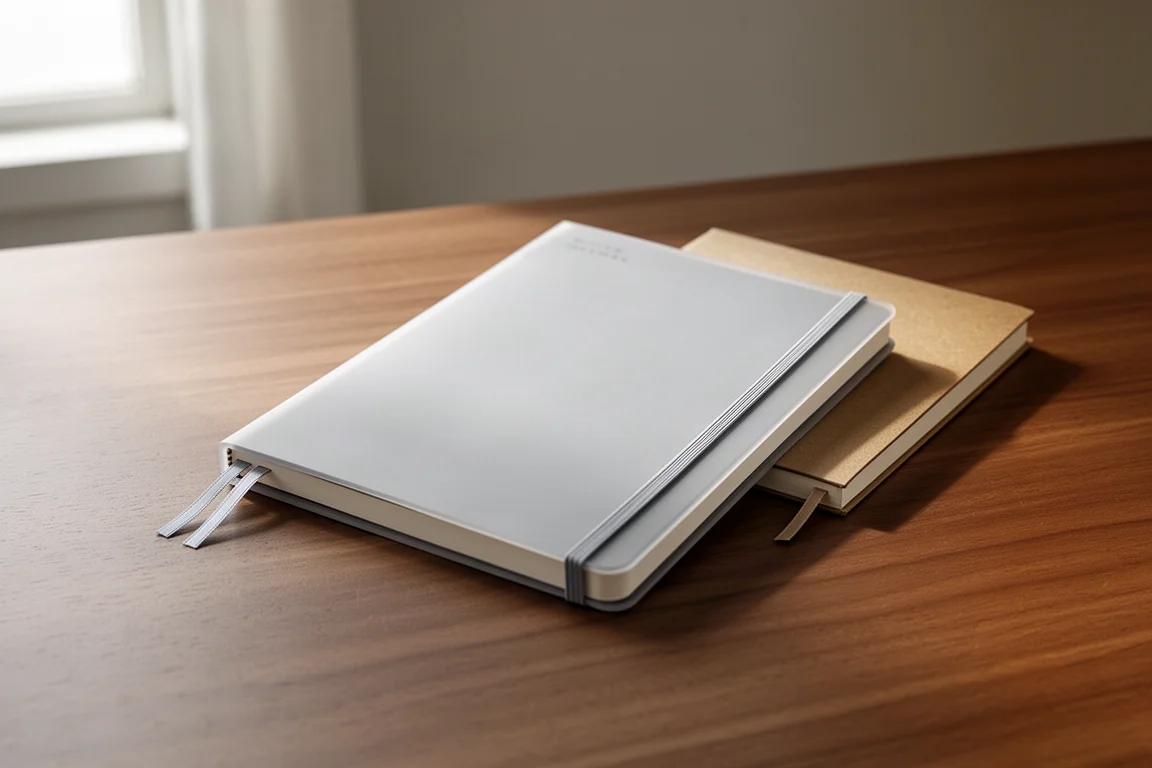
There is a lot bundled into this package beyond the planner itself. It arrives with a soft plastic protective cover, two ribbon bookmarks, and a separate craft-paper notebook bound in a kraft card stock style. The planner also reserves roughly a fifth of its own page count for note pages, so between those and the bundled notebook you get plenty of overflow space for longer notes.
The extras are quirky in a charming way. A small thank you card, an advertisement insert, and a detailed front-and-back map of the Tokyo train lines all come tucked inside. The map is unlikely to earn its keep for most buyers, but it is a nice touch to hold onto.
The Daily Layout
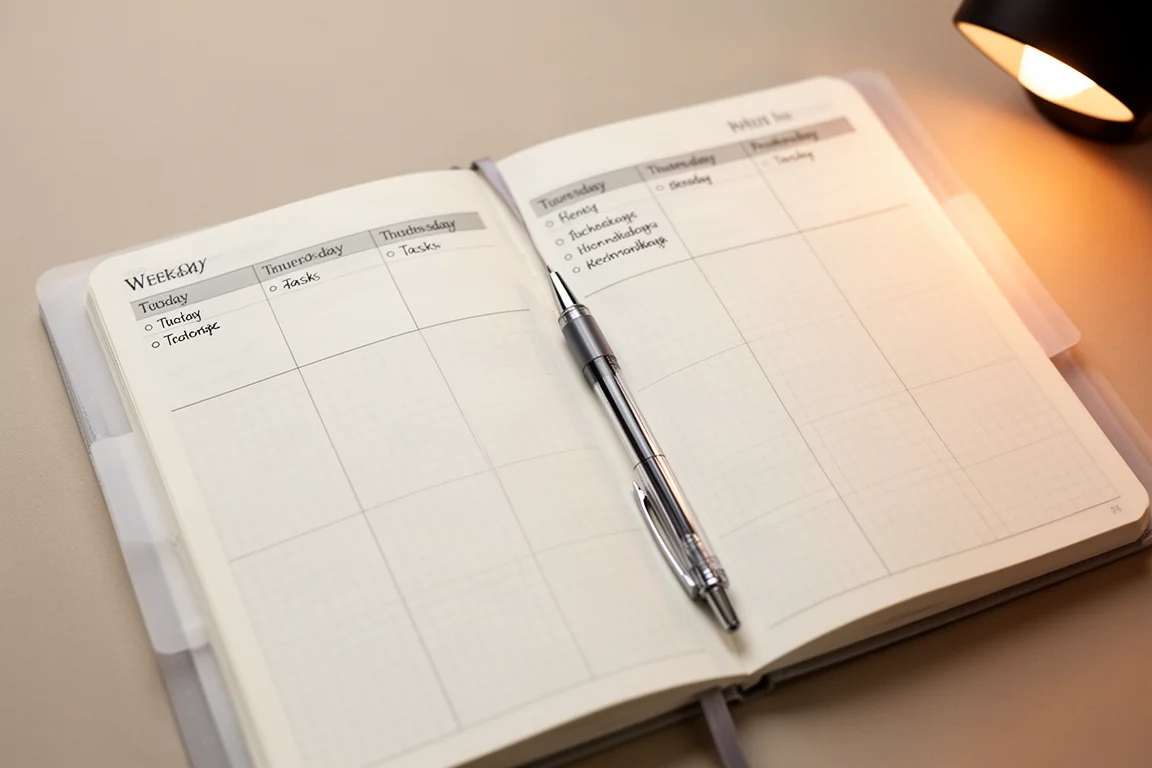
The main planning spread is where this planner earns its keep. Each day is divided into two sections, which the brand intends for whatever you like; a natural way to use them is morning and afternoon priorities, checking off or carrying over tasks as the week moves. It is a glance-level view of what must happen before lunch and after.
The rest of the page is blank grid paper, and that is the smart part. Details, meetings, and small items that pop up midweek all live below your two main priorities, where you can work them into the current or next week without fighting a pre-printed format.
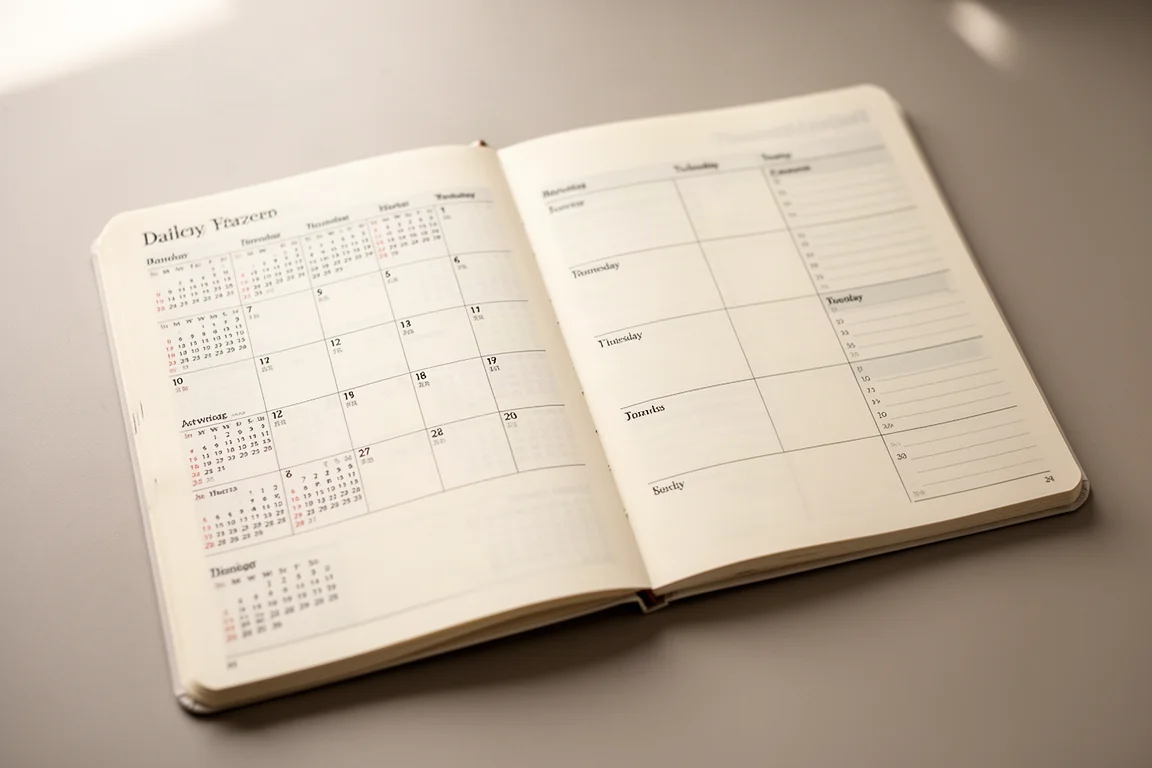
A few details shape the experience. The week starts on Monday rather than Sunday, which takes some getting used to if your habits run the other way. A small monthly calendar in the corner of each spread highlights the current week, making it easy to see where you stand in the month at a glance. The weekly spreads actually begin at the end of February, giving you about a month of lead time before the official April start.
Beyond the daily pages, the planner includes full-year views for the current, upcoming, and previous year, a yearly plan grid that works well for habit tracking, monthly plan pages for bigger goals, a general checklist section, and traditional monthly calendar views with moon phases through the following March.
Paper Performance
The paper is the highlight. It is a thin stock in the ballpark of 52 to 60 GSM, reminiscent of other thin Japanese papers, and it is genuinely fountain pen friendly. Testing with a range of nibs, from fine to stub, produced smooth, clean, straight lines with no feathering or fuzziness. Inks show a modest amount of sheen and shading without going overboard.
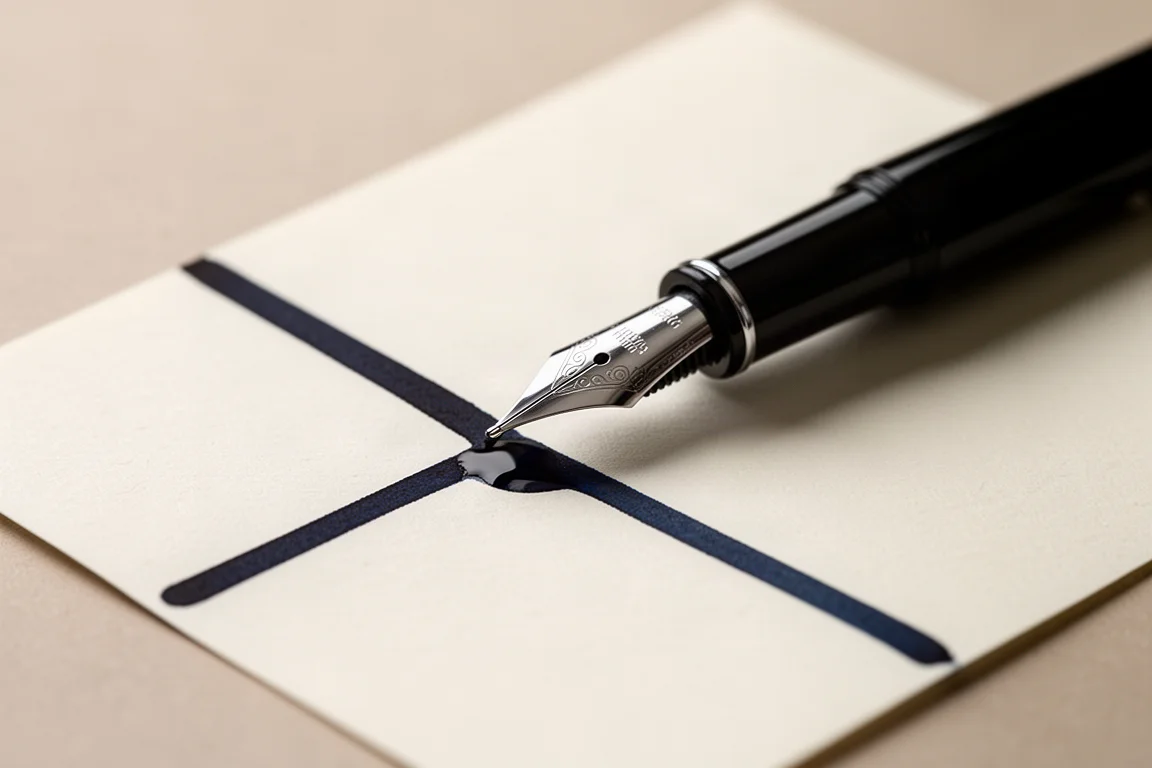
Show-through is present, which is expected with paper this thin, but it is show-through only: ink sits on top of the sheet rather than penetrating it. Rollerballs, gel pens, felt tips, pencils, and even a notoriously aggressive blue fountain pen ink all performed well. Pencils show cleanly without smearing, though the smooth finish may not be the best match if you prefer more tooth. One unusual pen and ink combination caused light soak-through, but that combination behaves oddly across every paper, so it is an anomaly rather than a typical result.
Cover and Everyday Durability
The included plastic cover is soft rather than stiff, with a pleasant tactility, and it protects the planner well. Tossing it in a backpack or setting it on a table is worry-free, and it shrugs off moisture and everyday knocks. Even if it picks up a few scuffs over the year, the year label on the cover means a finished planner still looks organized on a shelf.
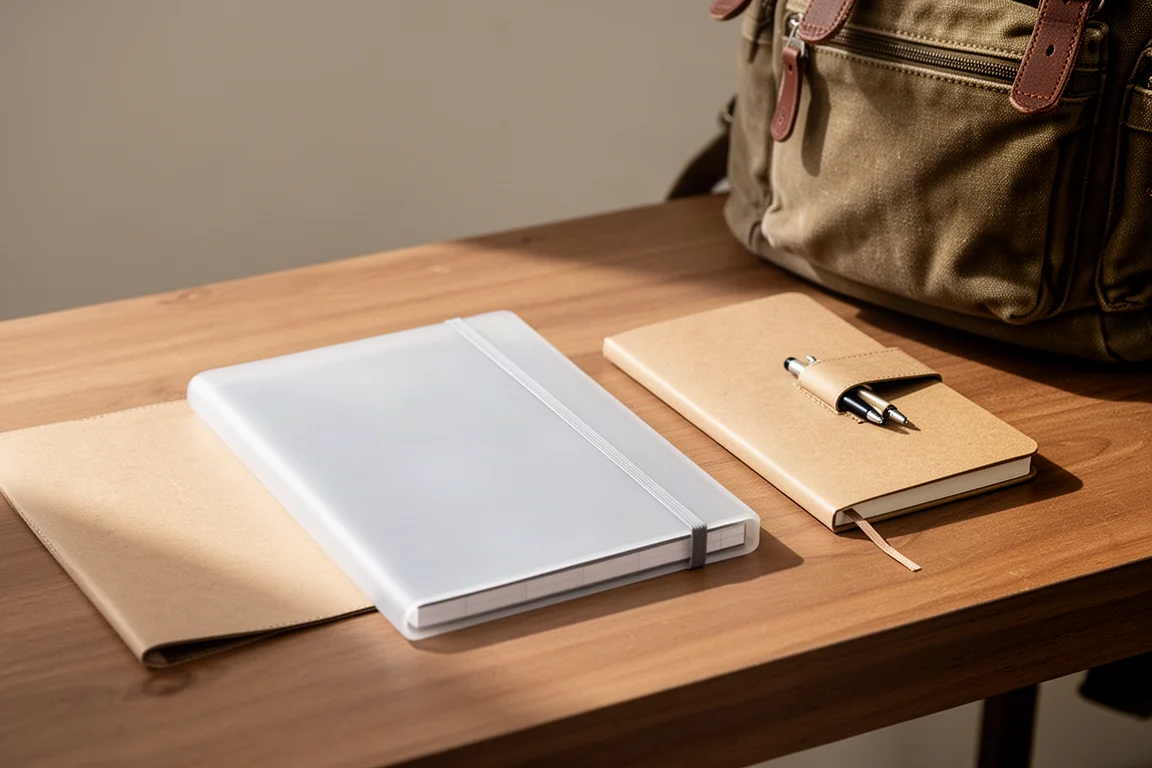
There is a small pen loop at the back if you like keeping a pen attached, though it is a fairly basic plasticky loop rather than a premium feature.
Buying Advice
The 2026 April Start edition has largely sold through, so this specific planner may be hard to find until the next edition. Nolty does sell notebooks separately that use the same paper, which is the easiest way to test the writing experience in the meantime. The brand offers several sizes and colors, and given how quickly this edition sold, it seems fair to expect demand again next year. If you want to try it properly, watch for the next April-start release and order early.
Conclusion
The Nolty 2026 April Start Planner is that rare thing: a structured planner that does not impose a system. Flexible daily spreads, generous note space, robust packaging, and excellent thin fountain pen friendly paper make it a standout, especially for anyone seeking a Hobonichi alternative. If a year of daily use can hold a planner skeptic’s attention for three straight months, that says more than any spec sheet. Keep an eye on Nolty; it looks like a brand on the way up.
Product link
View more details for Nolty 2026 April Start Planner
This product is mentioned in the review. Check the specifications, options, and compatibility before buying.
View more details for Nolty 2026 April Start PlannerFurther reading
Related Reviews
Stationery
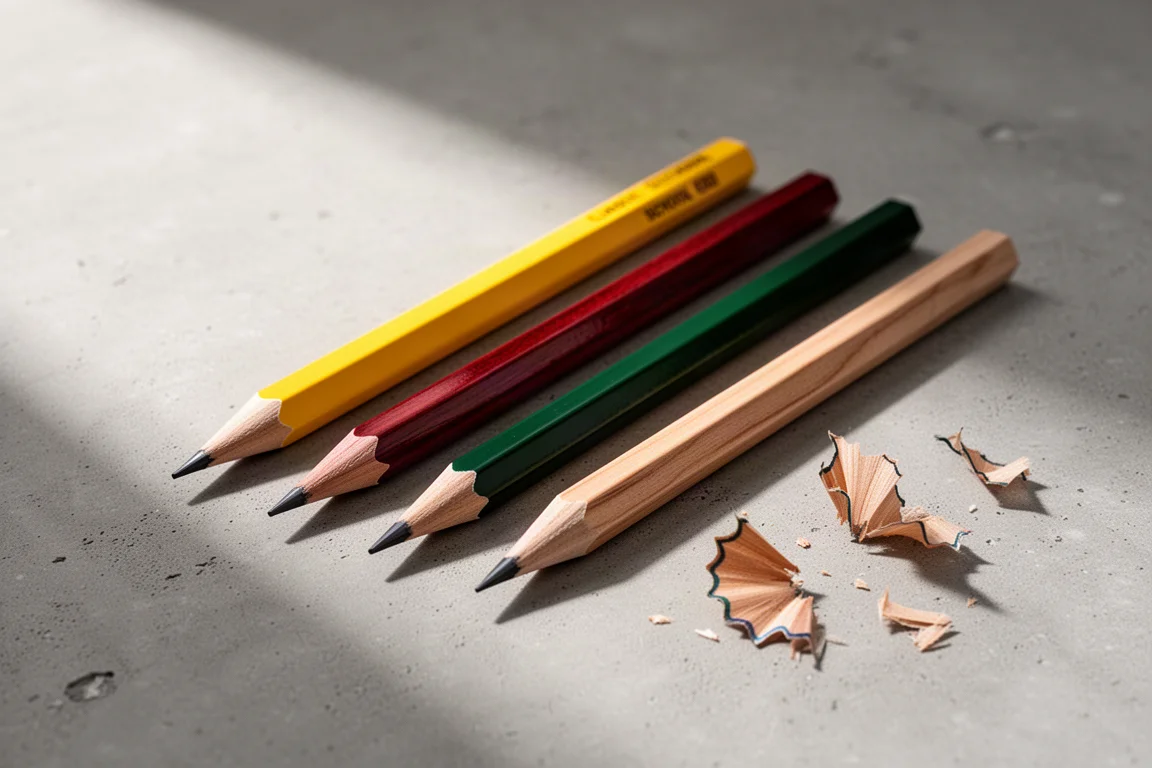
Musgrave Pencils Review: Four Classic Pencils from Tennessee's Last Pencil Factory
We put four Musgrave pencils to paper, from the classic Harvest to the Unigraph 1200 drawing pencil, to see what a century-old Tennessee workshop can still do.
Stationery
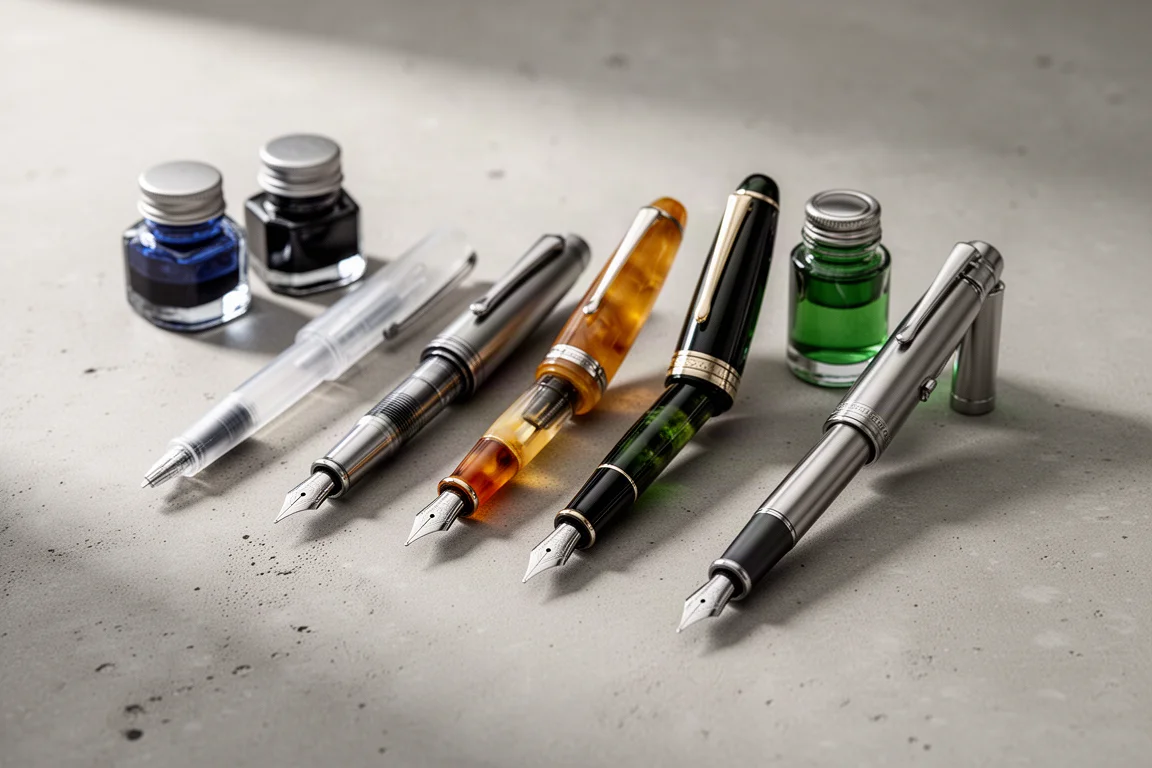
Fountain Pen Tiers Explained: From Starter Pens to Luxury Grails
A practical overview of the different levels of fountain pens and inks, from a sub-$20 starter setup to Italian piston fillers and retractable gold-nib everyday carries.
Stationery
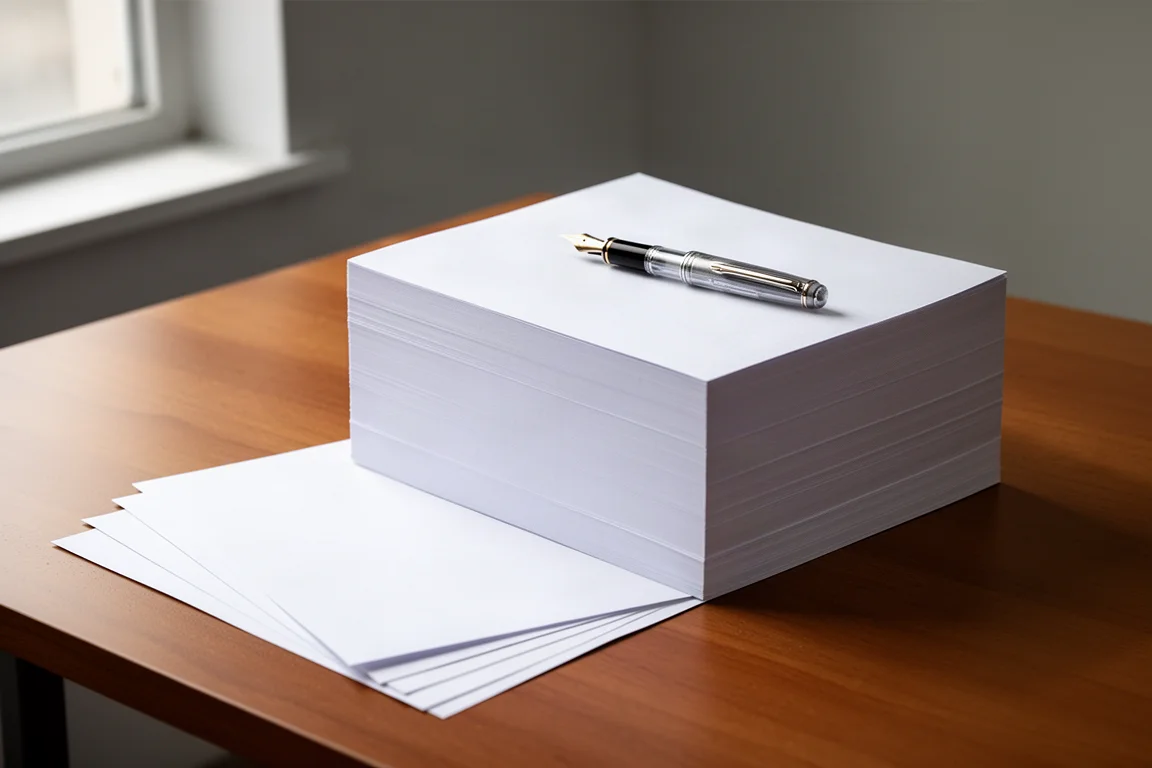
HP Premium 32 lb Copy Paper Review: A Fountain Pen Friendly Everyday Printer Paper
A heavy, smooth 120 GSM copy paper that handles fountain pens far better than standard printer stock, with only minor trade-offs in shading and sheen.