Headphones
Noise Cancelling vs Passive Isolation Headphones: Direct Sound EX29 and Sony WH-1000XM4 Compared
How active noise cancellation actually works, where it falls short for critical listening, and why a passive isolation headphone can be the better tool for tracking music.
Introduction
Active noise cancellation and passive isolation solve the same problem in two very different ways, and the better choice depends on what you are doing with the headphones. For casual listening in a noisy cabin or a busy cafe, active noise cancellation is convenient. For tracking music, especially around very loud instruments, a headphone that blocks sound without processing the signal can be the more dependable tool.
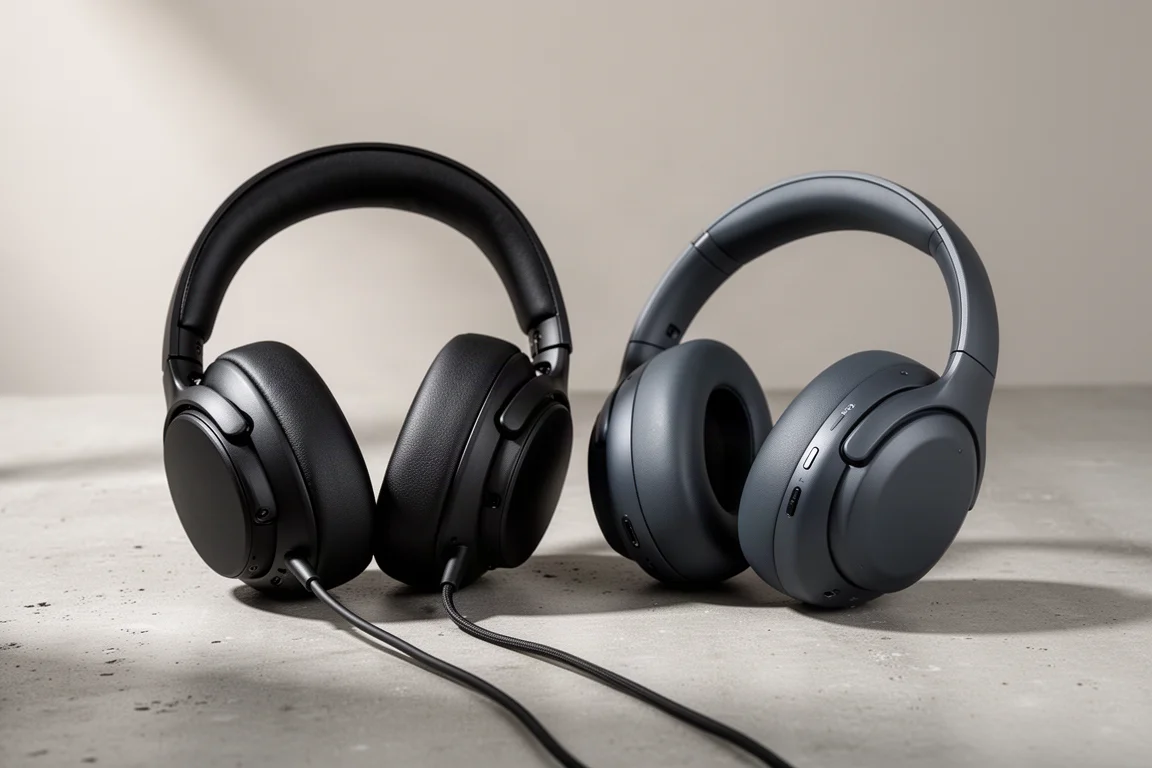
This guide looks at how the technology works, where it performs well and where it does not, then compares two headphones that approach isolation from opposite directions: the Direct Sound EX29 and the Sony WH-1000XM4.
How Active Noise Cancellation Works
Noise cancelling headphones play your music while simultaneously creating a signal that works against the noise around you before that noise reaches your ears. The principle is destructive interference. A sound wave is a series of positive and negative pressure changes called compressions and rarefactions. Add a wave to a copy of itself and the two sum into a larger wave. Reverse the polarity of one copy and combine the two, and the compression phase of one meets an equal but opposite rarefaction from the other, so the two cancel out completely.
In an active system, a microphone captures the environmental noise, the signal is inverted, and it is played back through the speakers alongside your music. Done properly, the environmental noise is cancelled and only the music remains.
Making that work reliably is harder than the principle suggests. Noise levels differ between the outside and the inside of the headphones depending on who is wearing them and how they sit on the listener, so accurate matching matters a great deal. Many designs therefore use two microphones, one on the outside to capture the sound and one on the inside to measure the difference as precisely as possible. That internal microphone also tells the digital signal processor how effectively the noise is actually being cancelled.
Why Timing and Phase Alignment Matter
Getting the timing and phase alignment right is a second engineering challenge. If the inverted signal shifts even slightly in time, cancellation becomes less effective. Complete cancellation only occurs when the level and phase of the two opposite waves line up perfectly.
There is more room for error at low frequencies than at high frequencies. A one millisecond shift may cause only a small offset at a lower frequency, while the same shift causes a much larger offset at a higher frequency, because the wavelength of the higher frequency is much smaller. The low frequency is still mostly cancelled despite the offset, while the high frequency may end up badly misaligned. This is one reason low-frequency noise seems to disappear when noise cancellation is switched on while high-frequency noise remains audible.
What Passive Noise Isolation Does Differently
Passive isolation takes the opposite route. There are no microphones and no DSP involved. Instead, the physical design of the headphone attenuates the signal reaching the ear, and the Direct Sound EX29 does this while attenuating by more than 36 dB.
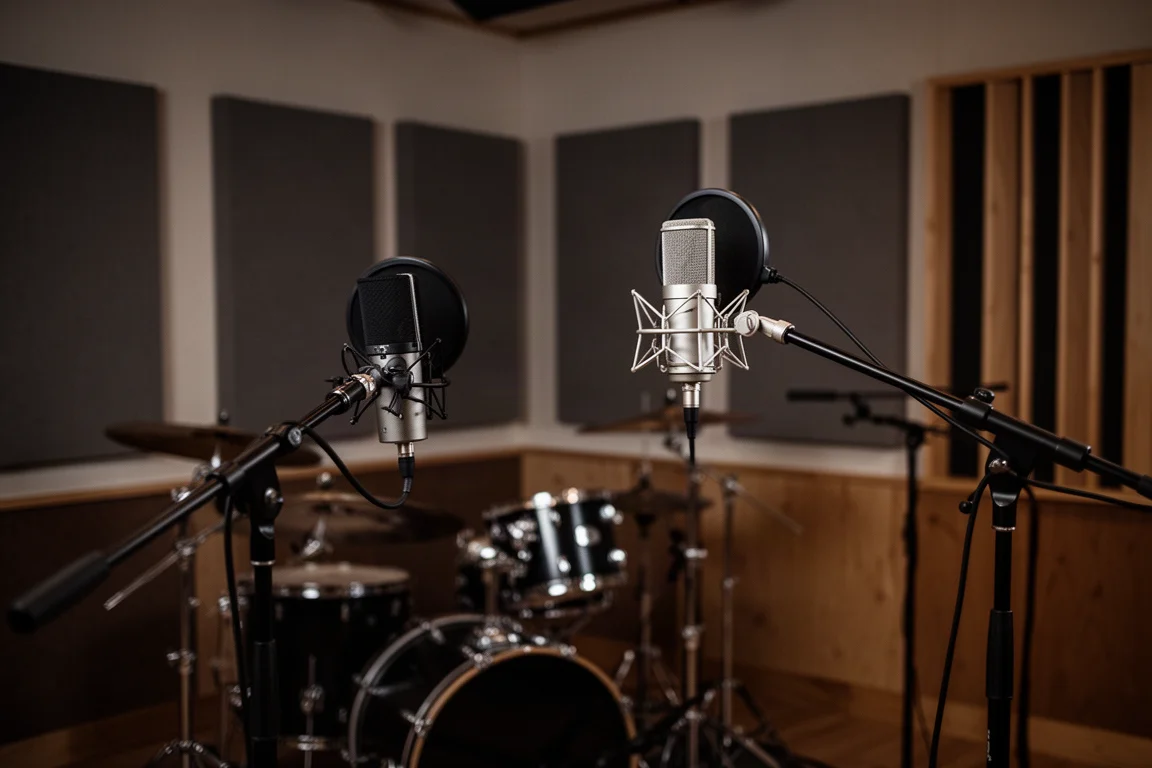
Passive isolation also works in both directions, keeping noise out and keeping sound in. That second half matters in a studio, because it helps prevent a click track from bleeding into a microphone and ruining a recording.
Matching the Headphone to the Job
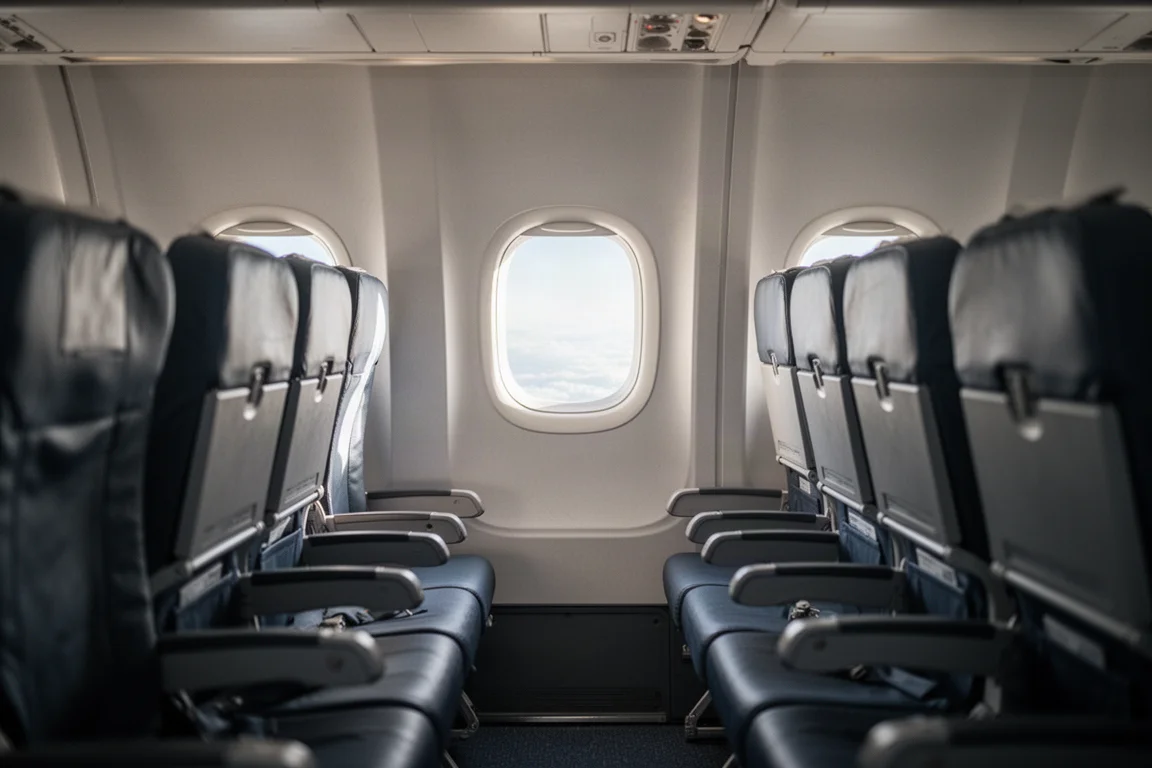
Both approaches can isolate a listener from noise effectively, so the decision comes down to the task at hand. Active noise cancellation suits noisy airplanes or coffee shops, where the priority is comfort and a quieter background for casual listening. It is less suited to music production or critical listening, because the processing that removes noise also sits between you and the signal you are trying to judge.
Passive isolation asks less of the electronics and more of the physical seal. For tracking music, particularly around very loud instruments, that trade-off usually works in its favour.
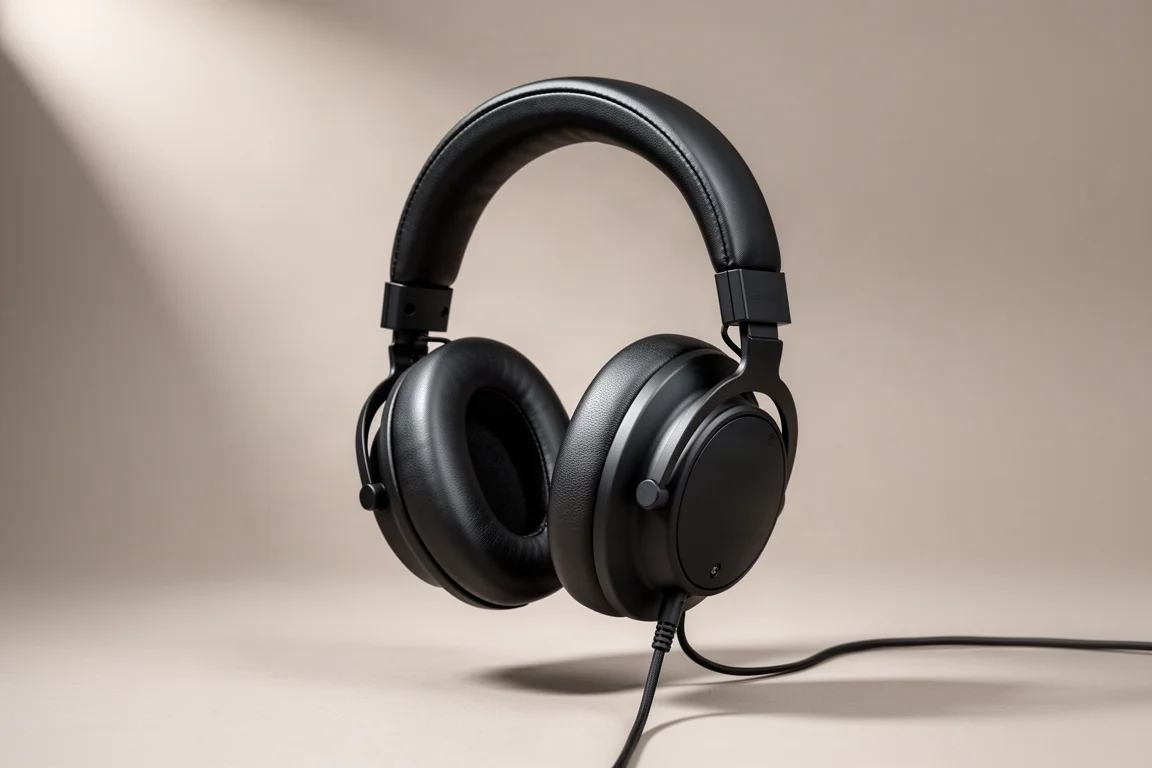
Direct Sound EX29: Best for Tracking Music
The Direct Sound EX29 is a passive isolation headphone. There are no microphones and no DSP inside it, yet it still attenuates by more than 36 dB. Because nothing in the headphone is generating a corrective signal, what you hear is not being adjusted to fight the room around you.
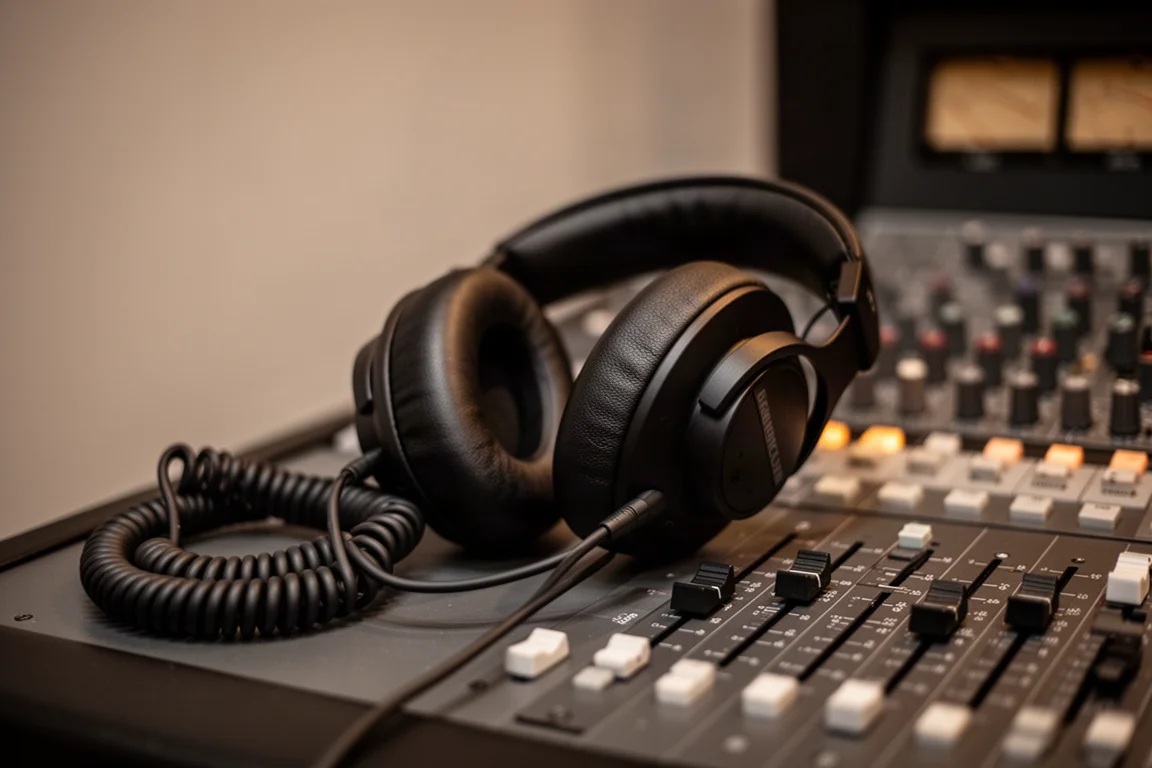
For studio work, the two-way behaviour of passive isolation is the practical advantage. It keeps outside noise away from your ears, and it keeps your own monitoring inside the headphone, which reduces the chance of a click track leaking into an open microphone. Around very loud instruments, that combination makes it the more dependable option of the two.
Sony WH-1000XM4: Best for Casual Listening and Travel
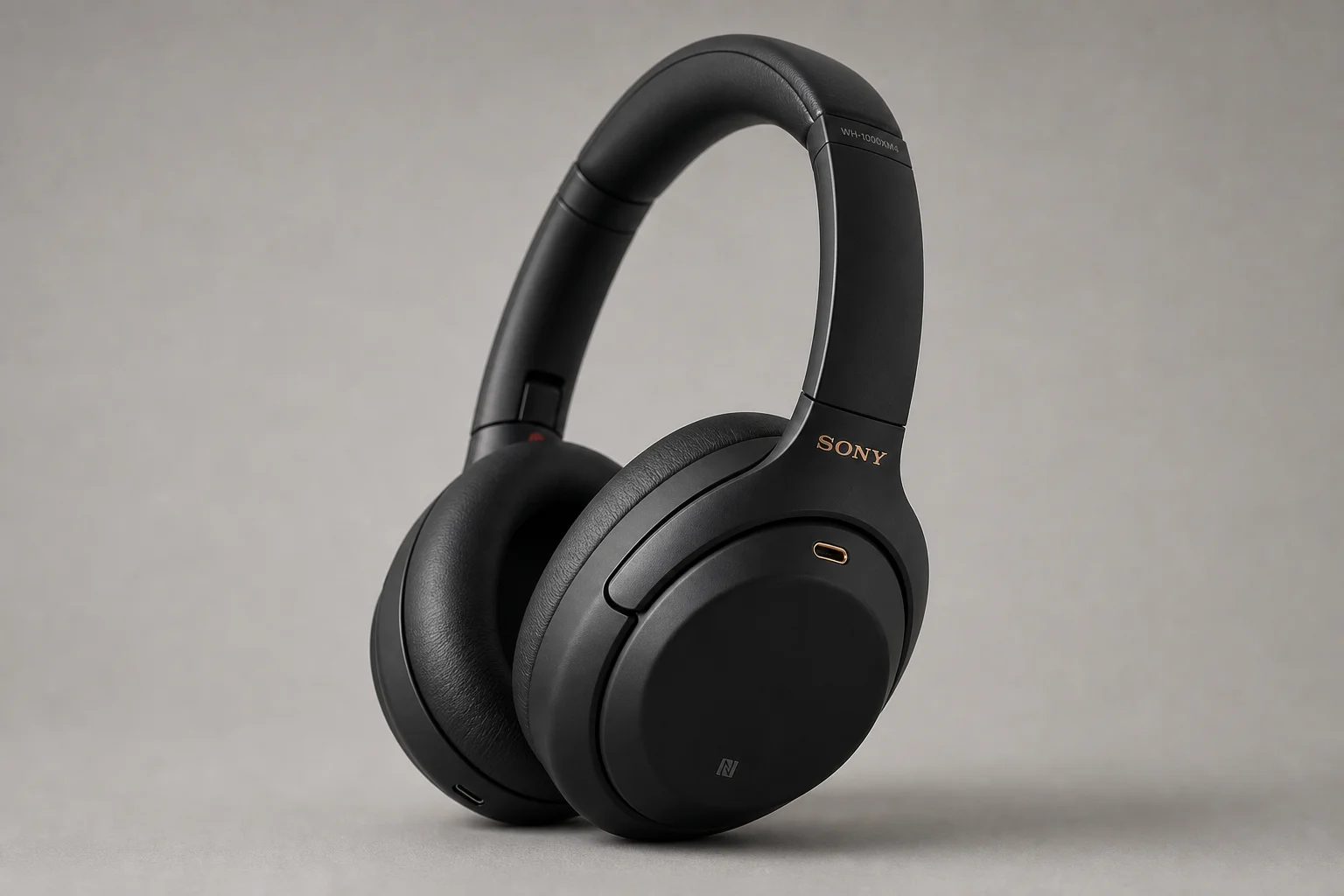
The Sony WH-1000XM4 uses active noise cancellation, and it is the easier choice for casual listening or for listening in a relatively quiet environment. Its processing targets the steady low-frequency noise that dominates aircraft cabins and busy public spaces, which is exactly where active cancellation tends to perform at its best.
The limitation shows up in the studio. Around very loud instruments, that noise becomes more than the Sonys can handle, and the active processing is not something you want sitting between you and a critical listen. For tracking sessions, it is the less suitable of the two.
Buying Advice
Both headphones isolate the listener from noise well, so the useful question is what you are isolating for. If your listening is casual, or happens in relatively quiet surroundings, active noise cancellation gives you convenience and effective reduction of steady low-frequency ambience. If you are tracking music, especially around very loud instruments, passive isolation is the safer choice, because it adds no processing to the signal and it keeps sound in as well as out.
A practical way to decide is to think about the loudest situation you actually record or listen in. If the answer is a drum kit or a cranked amplifier, lean toward the passive option. If the answer is a flight, a train or a cafe, the active option will serve you well.
Conclusion
Neither headphone is better in every situation. Active noise cancellation is a strong fit for noisy travel and casual listening, while passive isolation is the more sensible choice for music production and tracking, particularly around very loud instruments. Match the headphone to the job and either one will isolate you from the noise around you.
Further reading
Related Reviews
Headphones
Apos Audio Caspian Review: Warm Bass, Solid Build, and a Detail Trade-Off
The Apos Audio Caspian is an easy-to-drive open-back headphone with standout bass and a warm, relaxed tuning, though mid-range and treble detail trail the competition.
Headphones
Audeze LCD-X vs LCD-XC vs LCD-3: Which High-End Headphone Fits Your Setup
A practical comparison of three Audeze planar magnetic headphones under $2,000, covering the open-back LCD-X, the closed-back LCD-XC, and the wood-ringed LCD-3.
Headphones
Audeze LCD-X vs HiFiMan Edition XS: Two Open-Back Headphones Compared
A practical comparison of the Audeze LCD-X and the HiFiMan Edition XS, covering build quality, comfort, sound signature, and which listener each one suits.