Power Banks
Nitecore Pocket 5 vs NB10000: Two Compact Power Banks With Very Different Ideas
A magnetic cable-style 5,000mAh pack and a featherweight 10,000mAh carbon-fiber power bank: two Nitecore options for keeping phones and small gadgets topped up.
Introduction
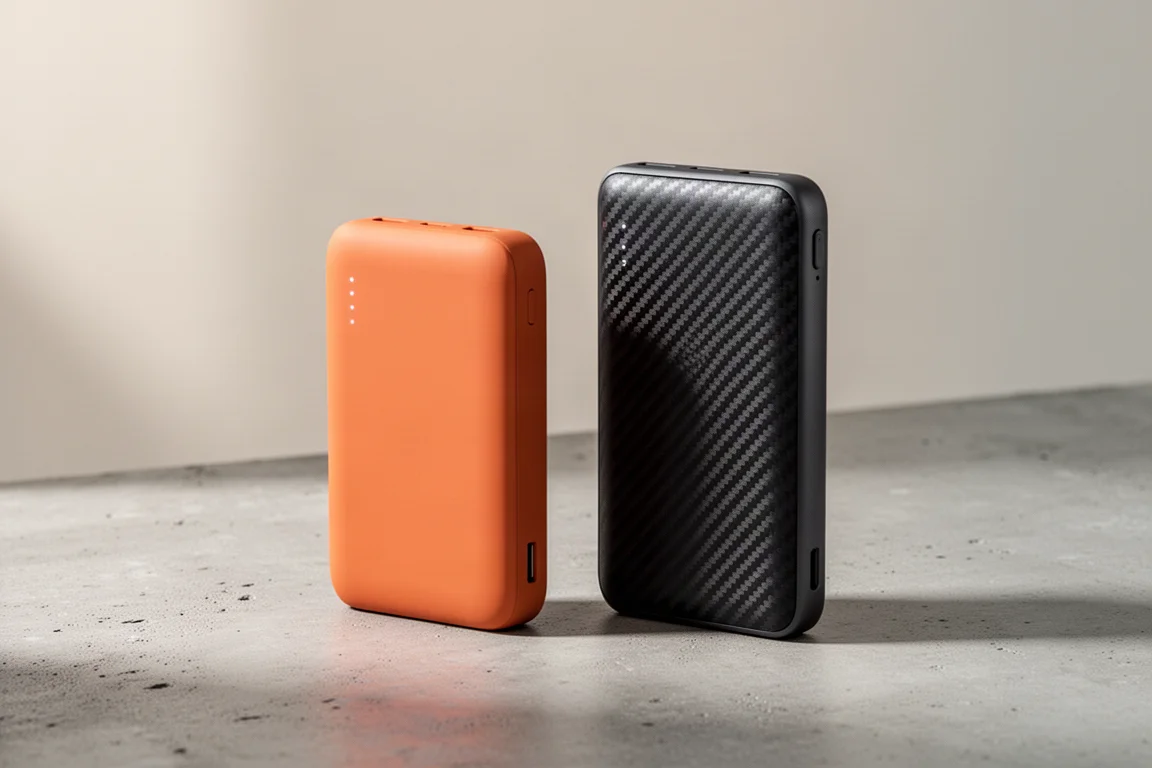
Compact power banks have quietly become one of the most useful everyday carry items, and Nitecore keeps pushing the category forward with two very different approaches. The Pocket 5 is a 5,000mAh magnetic pack that looks like an induction charger but uses a cable. The NB10000 is a 10,000mAh pack squeezed into a tiny carbon-fiber body with two output ports. Both are small, both are practical, and the right choice depends on how you actually charge your devices.
Why a Cable Still Beats Induction
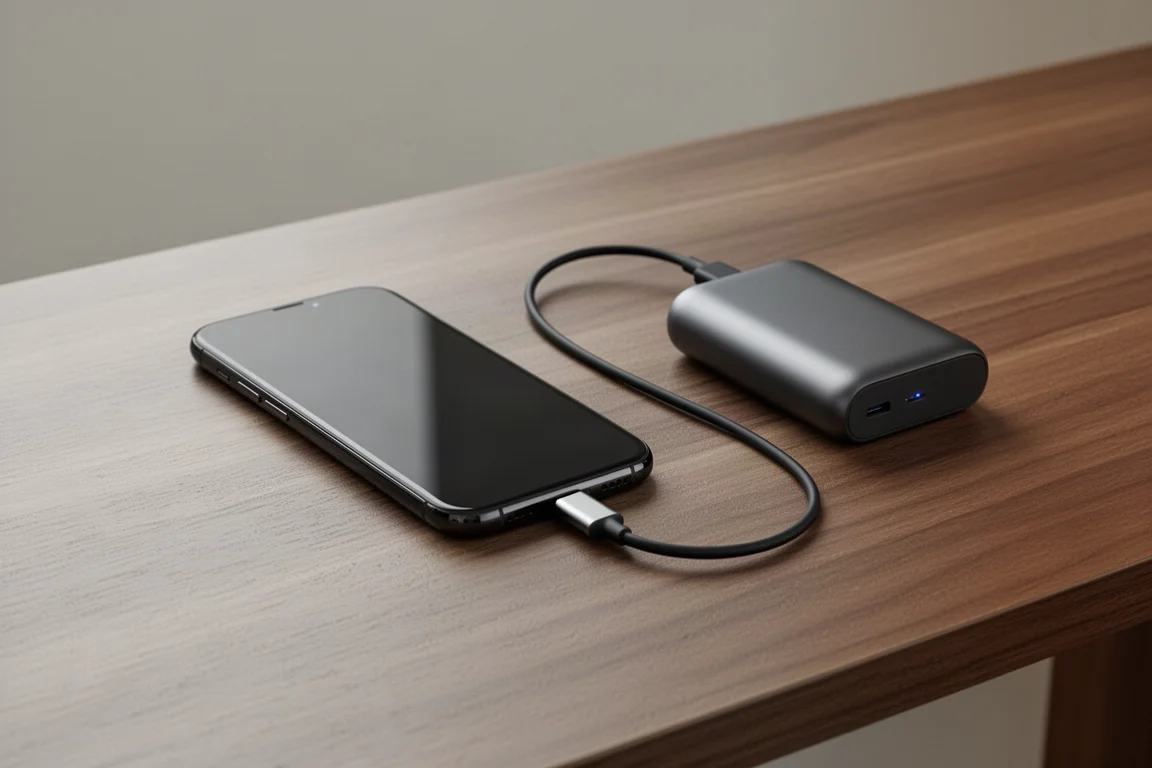
Induction charging is genuinely clever: a transmitting coil creates an AC electromagnetic field, a receiving coil in the phone picks it up and converts it back into DC current to charge the battery. But there is an air gap between the devices, phone cases interfere, and alignment matters. In practice, many induction setups only manage around 70 percent efficiency on a good day.
A cable is a direct copper connection. Electrons move from one device to the other without jumping through intermediate steps, and a cable charger can reach well over 90 percent efficiency. That also means less wasted energy turned into heat. Induction has improved and standards have tightened, but it remains a trade-off: you pay more for the convenience of dropping a phone onto a pad and accept slower, lossier charging in return.
Nitecore Pocket 5: Magnetic Convenience Without Induction
The Pocket 5 is deliberately contrarian. It looks like an induction charger and uses the magnet array on the back of modern phones, but instead of a coil it connects over USB-C. That combination gets you the snap-on convenience of magnetic alignment plus the efficiency and dependability of a wired connection.
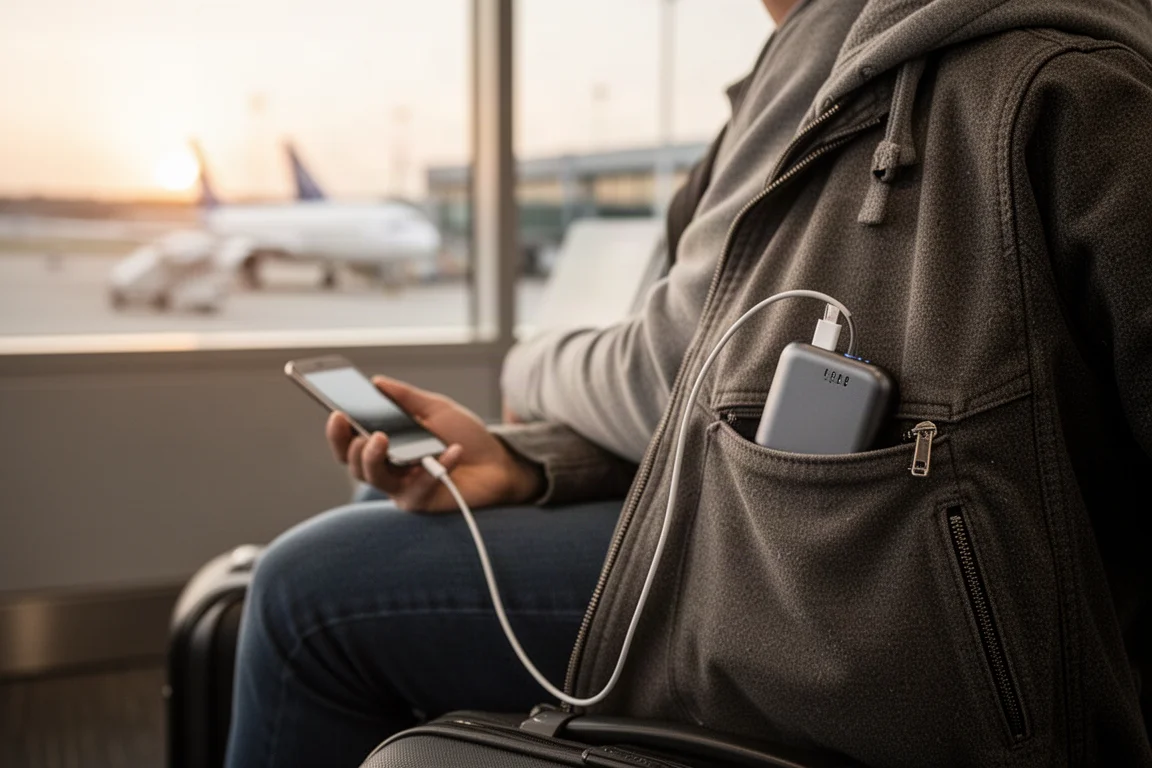
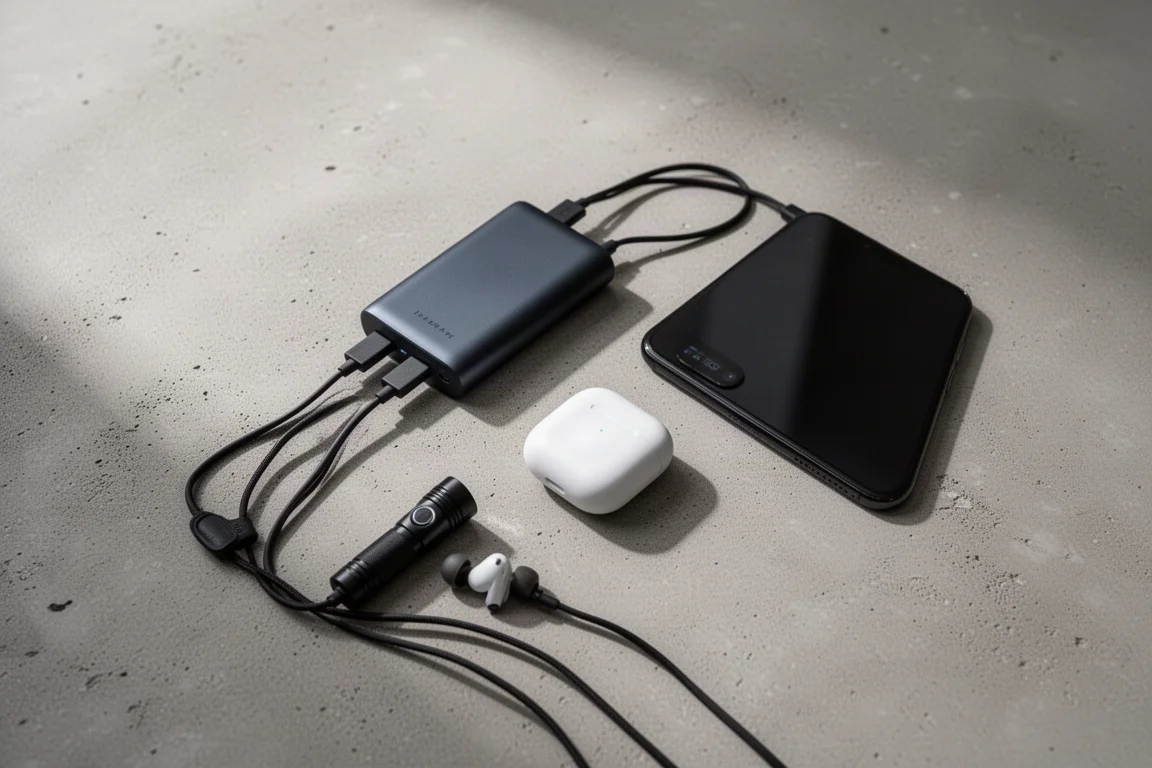
Because it is a cable pack, it also handles everything induction cannot: earbuds, flashlights, and other small devices without wireless charging. You can charge two devices at once, and you can recharge the battery pack itself while it is charging your phone. That last one is genuinely handy at an airport before a long flight: top off your phone and the pack at the same time, then keep the pack attached while you watch a movie, or set it aside on a longer cable.
It comes in three colors, with blue and silver alongside the orange. It costs about $52, and it delivers a higher wattage output than comparable 5,000mAh packs. Combined with the wired efficiency, the difference is noticeable: charging time comes out roughly 25 percent faster, and a full pack delivers about one phone charge, which covers most day-to-day needs.
Nitecore NB10000: A 10,000mAh Pack in a Tiny Carbon Box
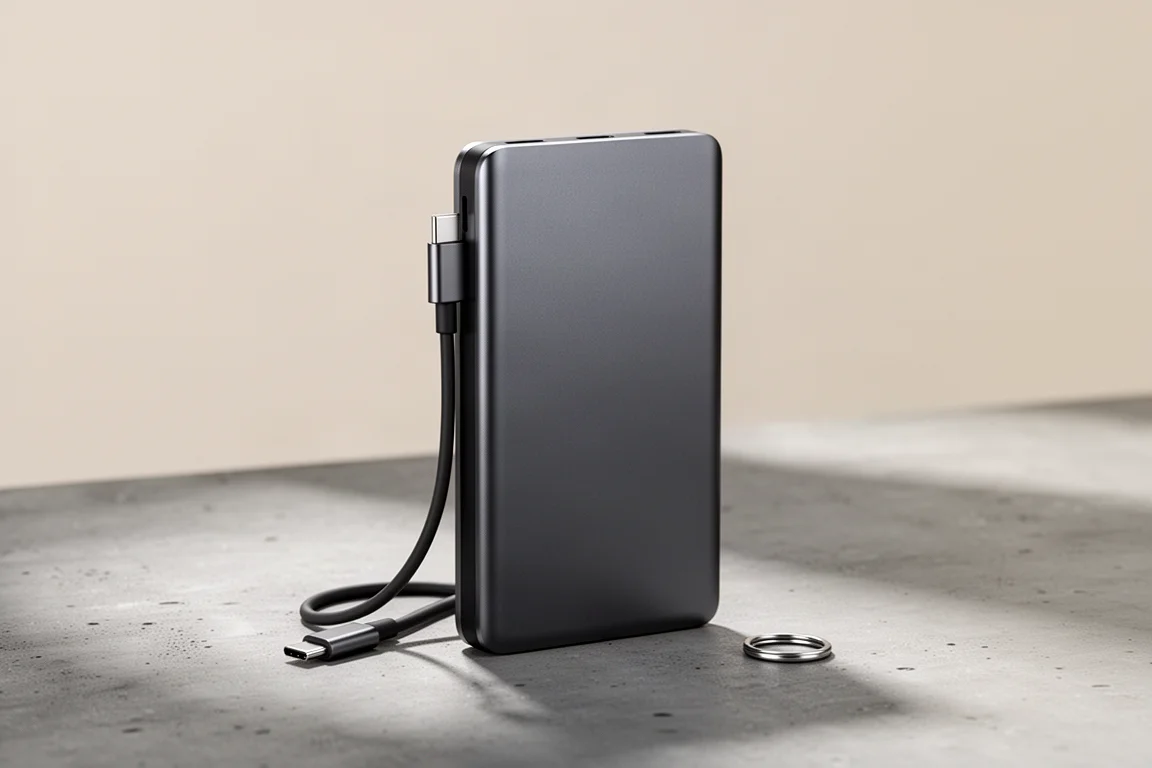
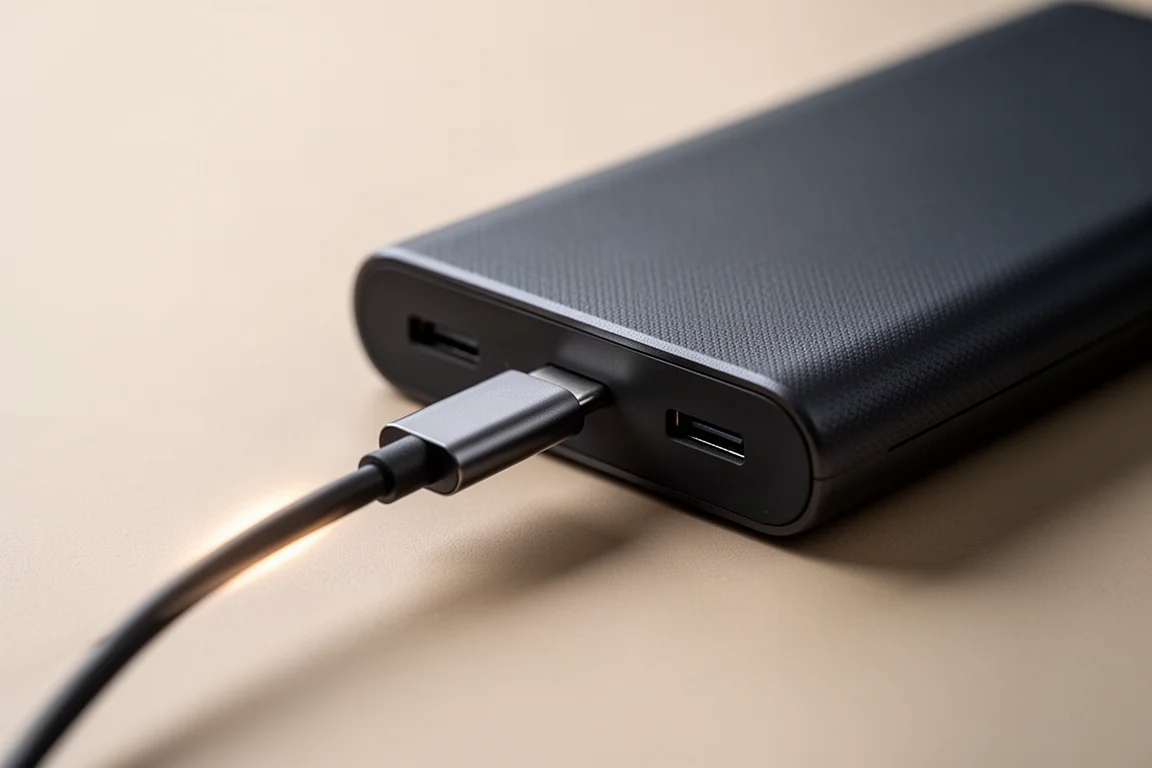
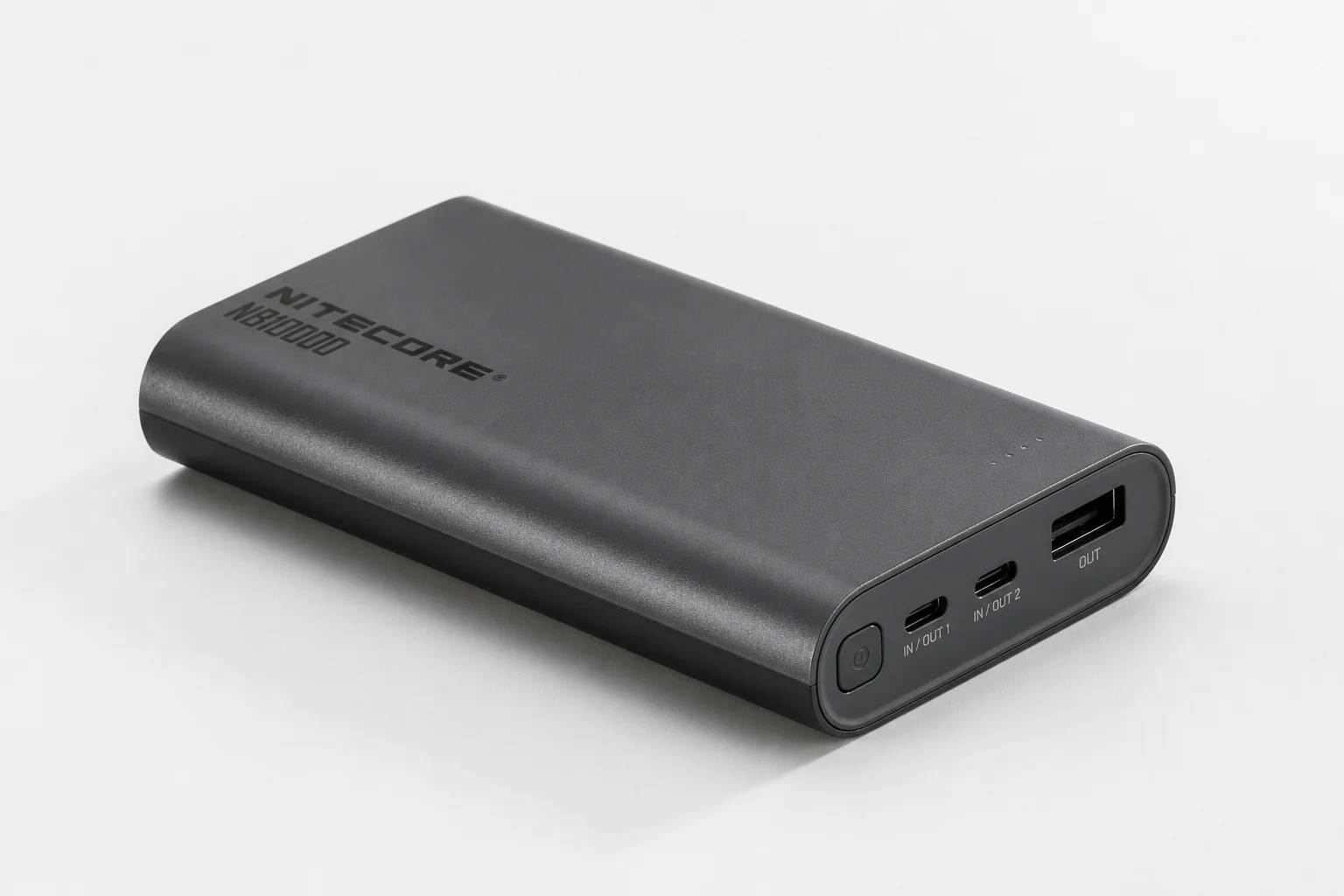
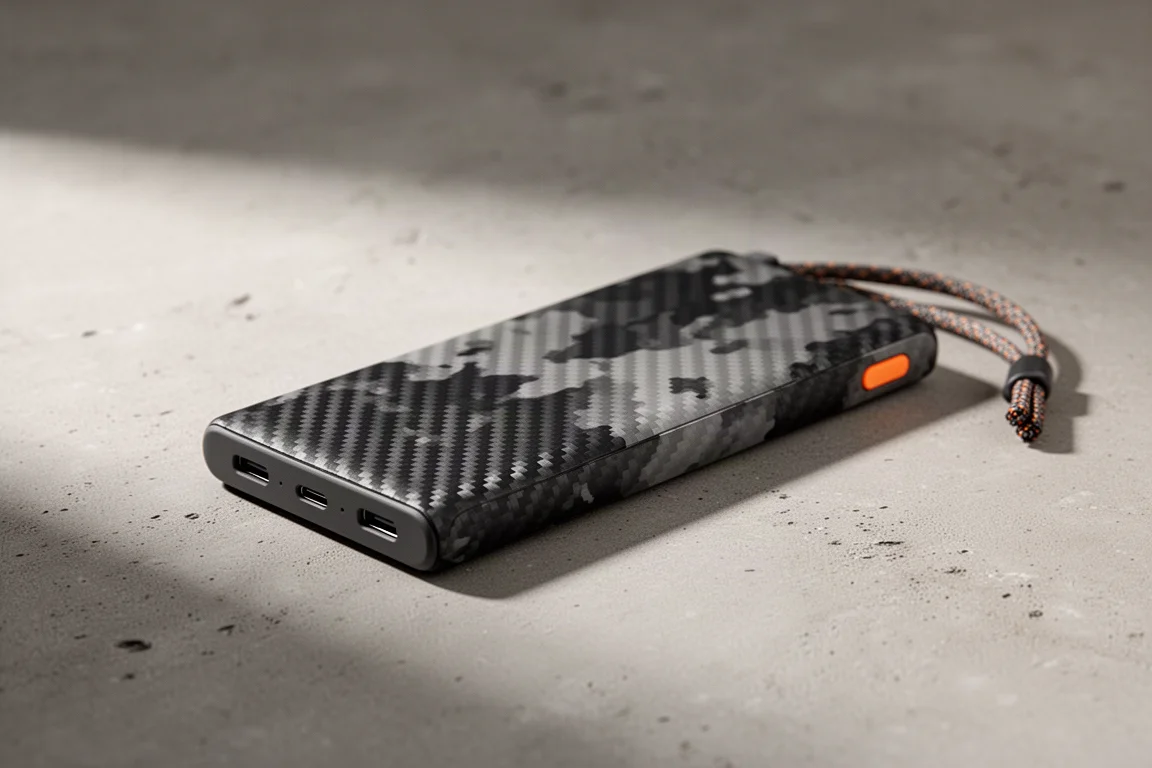
The NB10000 takes the opposite route: double the capacity in an impressively small carbon-fiber-clad body. It has two output ports, so you can run two devices at the same time, and it recharges itself over USB-C when you plug it in.
It also has a few thoughtful touches that make it nicer to live with. A shake-awake function wakes the pack when you give it a nudge, and the indicator uses soft, breathing glow colors rather than harsh blinking lights. For a pack that doubles the capacity of the Pocket 5 while staying genuinely pocketable, it is a strong pick for travel days and longer outings.
Which One Should You Buy?
If your main device is a magnetic phone and you want the fastest, most efficient top-up possible, the Pocket 5 makes a compelling case. It skips the losses of wireless charging, charges other gadgets that lack induction, and costs around $52 for a polished, premium-feeling package.
If you need more capacity in a still-tiny footprint, the NB10000 is the better travel companion. Its two ports and larger 10,000mAh cell give it more flexibility for multi-day use, and the carbon construction keeps the weight in check. Between the two, the choice is simple: snap-on efficiency and speed, or double capacity for longer stretches away from an outlet.
Conclusion
Nitecore covered both ends of the compact power bank spectrum here. The Pocket 5 pairs magnetic convenience with old-school wired efficiency for faster, cleaner charging, while the NB10000 doubles the capacity in a slim carbon-fiber body with two ports and a few clever touches. Pick the one that matches your charging habits and you will not go wrong with either.
Further reading
Related Reviews
Power Banks
Anker 737 PowerCore 24K Review: Fast Charging in a Simple Package
A 140W portable power bank with a 52-minute recharge time, a health-tracking display, and a three-port layout that skips the app entirely.
Power Banks
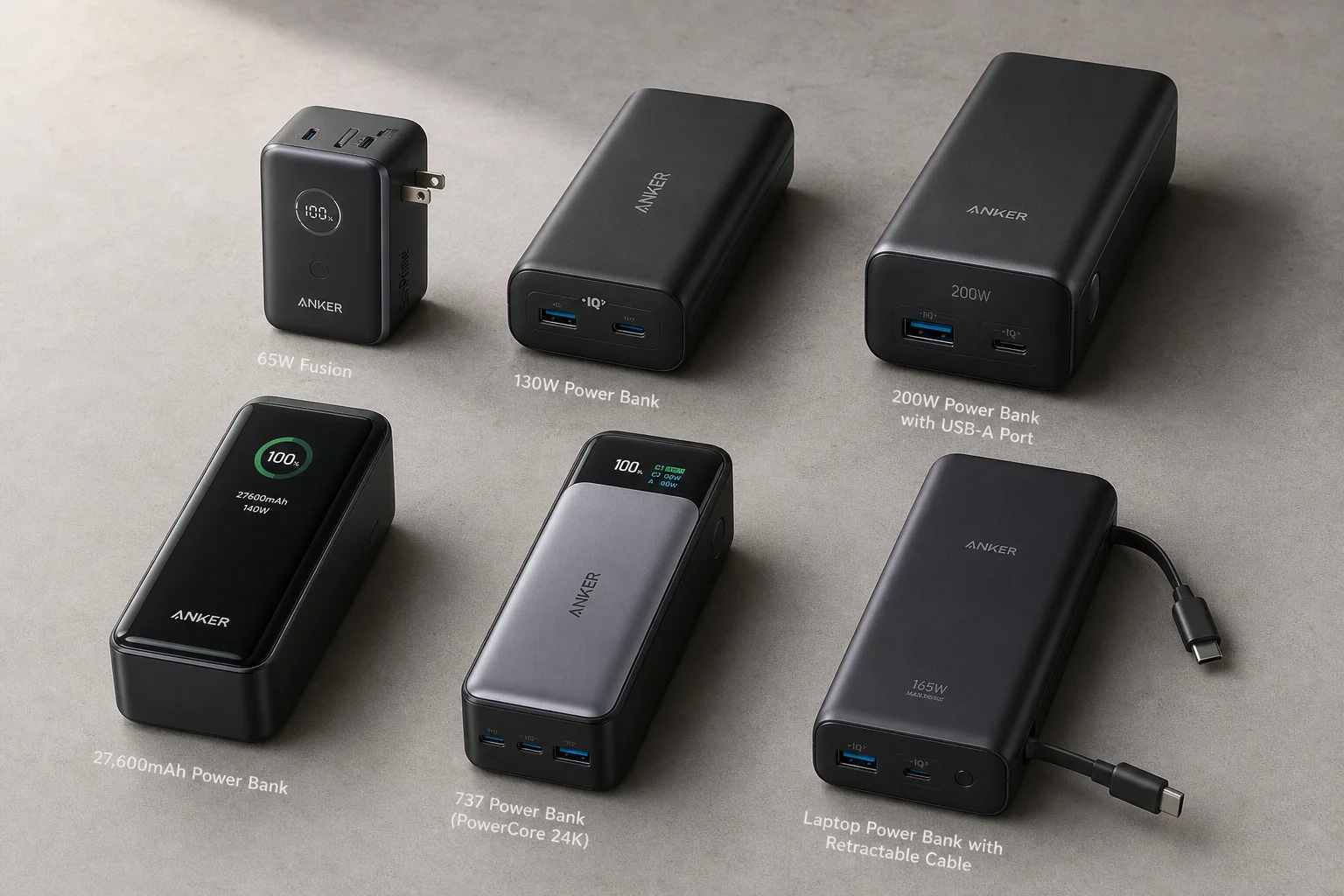
Best Anker Power Banks 2026: Six Models Tested and Ranked
A comprehensive guide to six Anker power banks, from compact 65W chargers to high-capacity 250W models. Find the right fit for your charging needs.
Power Banks
Flextail Zero Power Battery Bank Review: Ultralight 10,000 mAh Power for Backpacking
The Flextail Zero Power pairs a carbon fiber shell with a 5.1 oz body and 10,000 mAh of capacity. Here is what it does well, and what to weigh before you buy.