Power Banks
Nitecore NB10000 Generation 2 Review: A 5.3 Ounce 10,000 mAh Power Bank
A practical look at the Nitecore NB10000 Generation 2, covering the carbon fiber build, real world reliability, and how it differs from the first generation.
Introduction
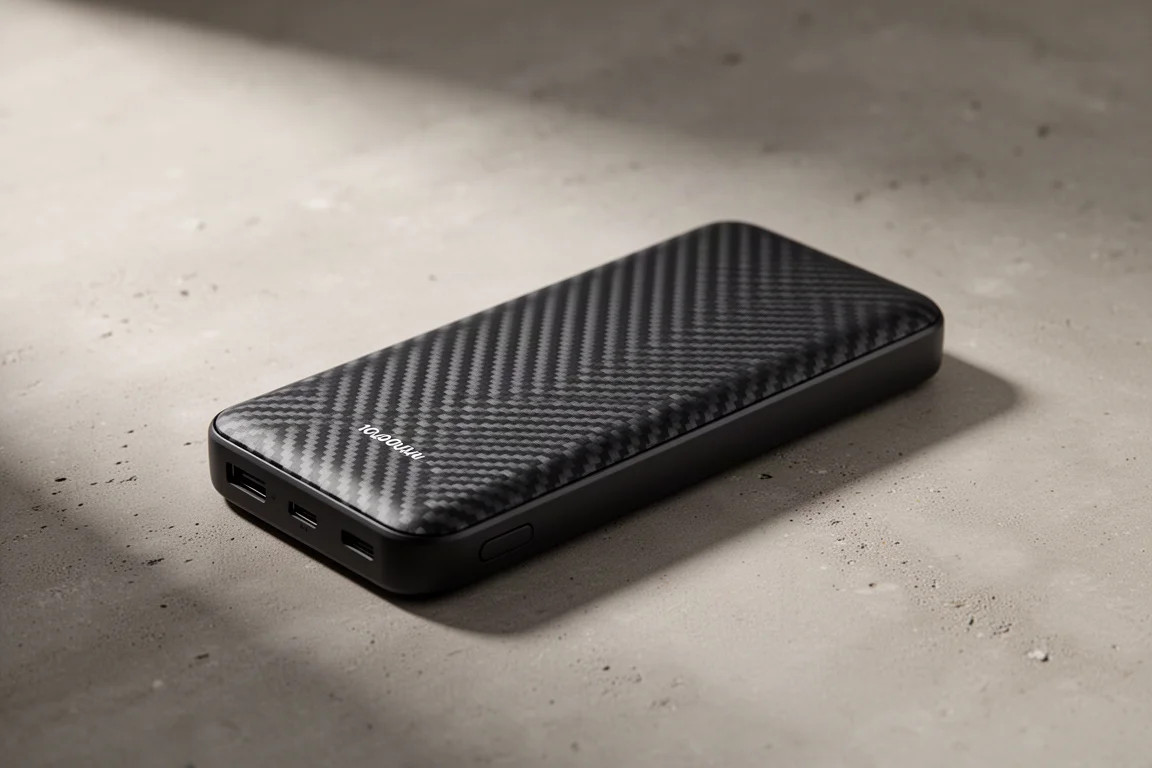
The Nitecore NB10000 Generation 2 is a 10,000 mAh power bank built on a carbon fiber frame with carbon fiber sheets, and it weighs 5.3 ounces. Its footprint is 4.8 inches long, 2.3 inches wide and 0.4 inches thick, which keeps it in a very small group of battery packs at this capacity. Both the first generation and the second generation sell for around $60, so the newer model is not asking a premium for the updates it brings.
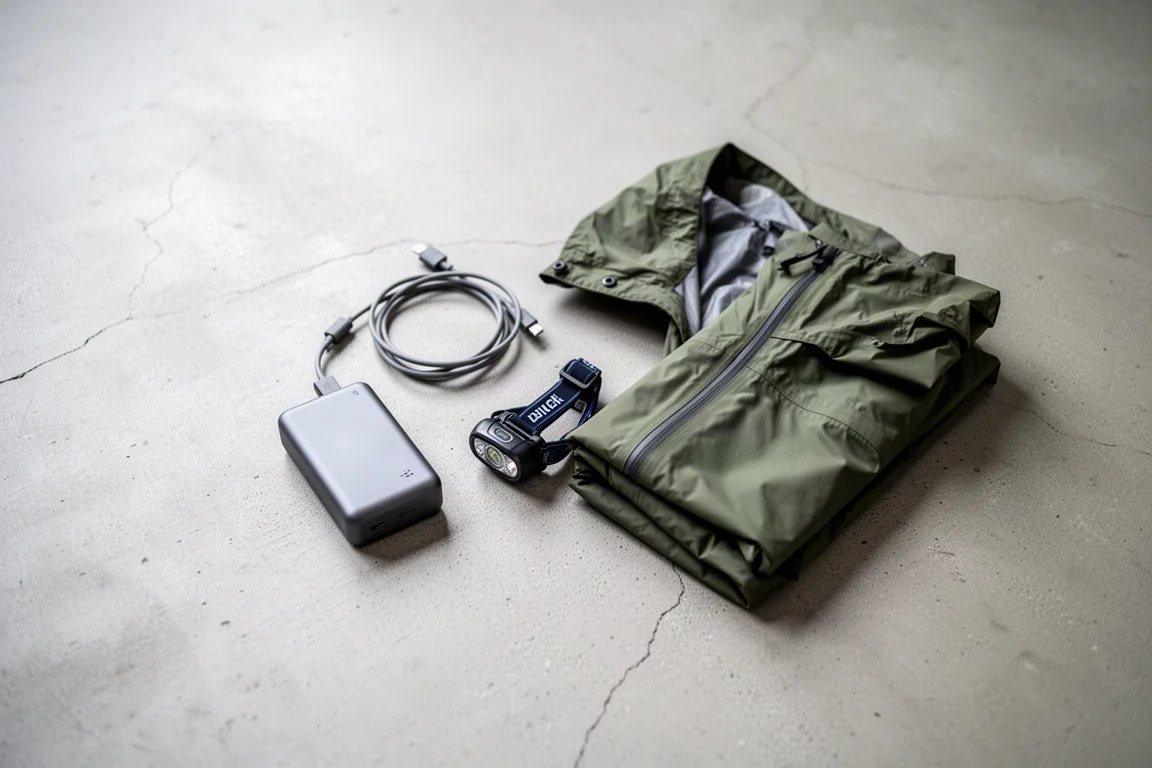
For anyone who carries a power bank in a pocket, a hip belt or a small pack, that combination of capacity and low weight is the whole point. The Generation 2 keeps everything that made the original easy to live with and adds a couple of small changes that make daily use a little more pleasant.
Who This Power Bank Is For
This is a pack for people who count grams and space. The 10,000 mAh capacity is enough to charge a phone roughly twice with some charge left over, which covers an overnight trip comfortably: a phone in the evening and a set of LED lights through the night. Hikers, backpackers, cycle tourists and commuters who want a backup in a bag they already carry are the natural audience.
It also suits travellers who need to top up more than one device at a time, since both ports can be used simultaneously.
Main Strengths
The headline strength is weight and thinness. At 5.3 ounces and 0.4 inches thick, the NB10000 is one of the lightest options in its capacity class, and the carbon fiber construction is what makes the difference. It disappears in a pocket and adds very little to a backpacking setup.
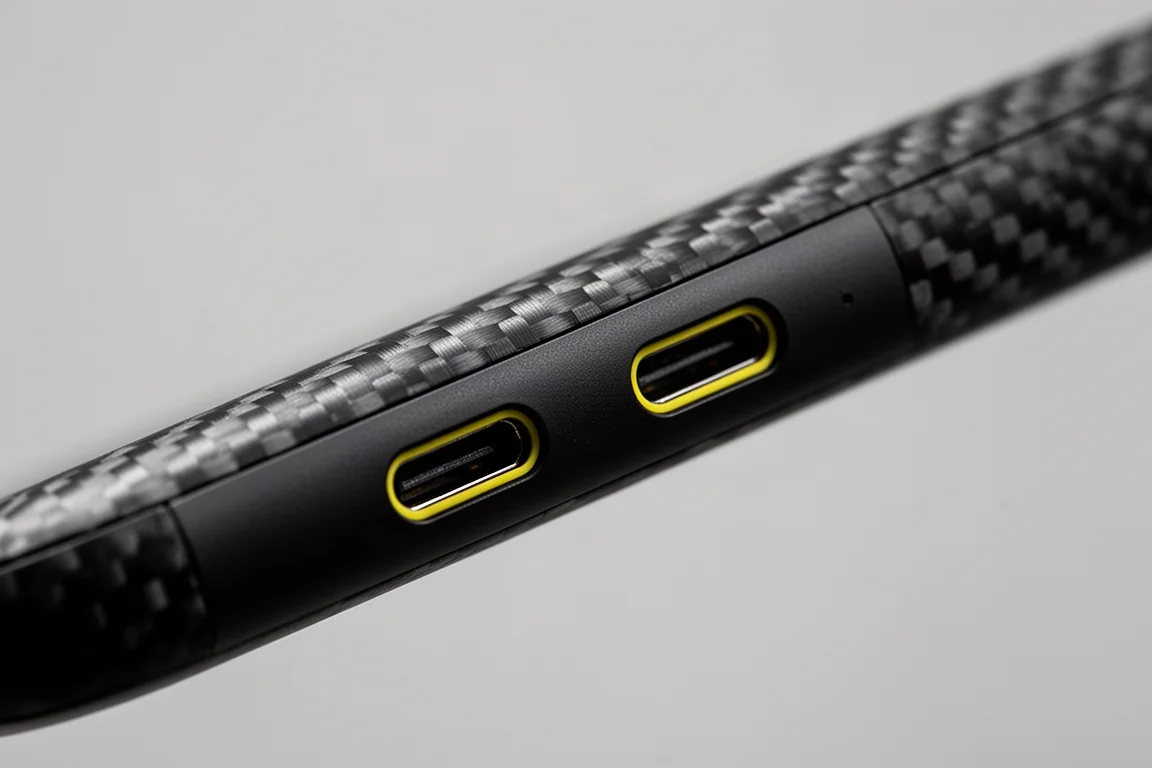
Durability and finish hold up well too. The carbon fiber shell looks and feels good in the hand, the unit has shown no glitches in extended use, and the IPX5 water resistance rating has been enough to handle rain, mist and mud without issues. Around the ports, the yellow rings added to the second generation make the USB-C and USB-A connections easier to locate in low light.
Output is quick, with Quick Charge 3.0 support, and running both ports at the same time works reliably. Built-in safeguards cover short circuit, overcharge, over-discharge and overheat protection.
Things to Consider Before Buying
The main thing to understand is that the Generation 2 is not a redesign. The frame, materials, capacity, ports, water resistance rating, safeguards and price carry over almost unchanged, and the updates are incremental rather than dramatic.
Recharging takes about three and a half hours with a good charger, though that depends on the power input you supply. The low current mode, intended for headphones, smart watches and other low-power devices, is activated by holding the power button, and the separate white indicator light shows when that mode is active.
What Changed From Generation 1
Placed side by side, the two generations are the same size, the same weight and use the same ports, and the internals are effectively the same. The differences come down to three things.
First, the power button and the battery indicators are now separate. On the first generation the indicator sat inside the button and was very difficult to read; on the second generation the blue lights are clearly visible. Second, the ports now carry yellow rings that make them easier to find in the dark. Third, output has moved up slightly: the USB-A port supports up to 18W out, the USB-C port supports up to 20W out, and charging input runs at 18W.
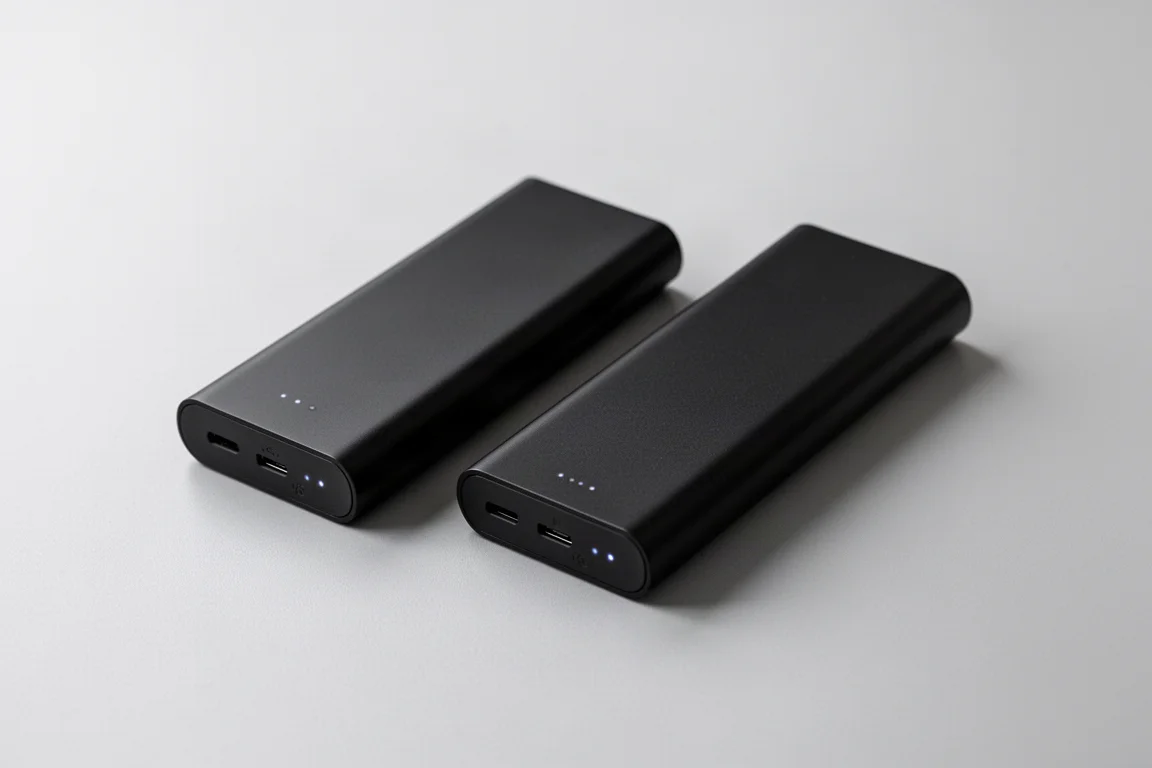
Everything else matches. Both generations are rated IPX5 for water resistance, both use a USB-C and a USB-A port, both support Quick Charge 3.0, both accept charge while discharging, and both can discharge from the two ports at once. The indicator logic is the same as well: three blue lights show charge level, two lit lights indicate roughly 70 percent, one lit light indicates roughly 30 percent, and flashing lights mean the pack is depleted.
Real World Use and Charging Experience
Long term reliability is the strongest argument for this pack. The first generation has been in regular use for about two years without a single issue, and the second generation has held up the same way over a shorter testing period, so there is good reason to expect the newer model to be just as dependable.
Charging and discharging at the same time works as expected, which is useful when the pack is plugged into a wall outlet while also feeding a phone or a light. In the box you get the power bank, an instruction manual, a warranty card and a single USB-A to USB-C charging cable.
Buying Advice
If you are buying a lightweight 10,000 mAh power bank now, the Generation 2 is the version to get. At around $60 it costs the same as the first generation did, and the separate, readable battery indicator and the slightly higher output are genuine everyday improvements.
There is little reason to replace a working first generation unit, since the two perform almost identically in practice. For anyone coming from an older or heavier power bank, though, the weight and size difference is the kind of change you notice every time you pick up your bag.
Conclusion
The Nitecore NB10000 Generation 2 is an excellent, extremely light power bank that does exactly what it promises. The updates over the first generation are small but welcome, and the carbon fiber build, IPX5 water resistance, dual-port output and dependable behaviour make it an easy recommendation for anyone who needs 10,000 mAh without the bulk.
Product link
View more details for Nitecore NB10000 Generation 2
This product is mentioned in the review. Check the specifications, options, and compatibility before buying.
View more details for Nitecore NB10000 Generation 2Further reading
Related Reviews
Power Banks
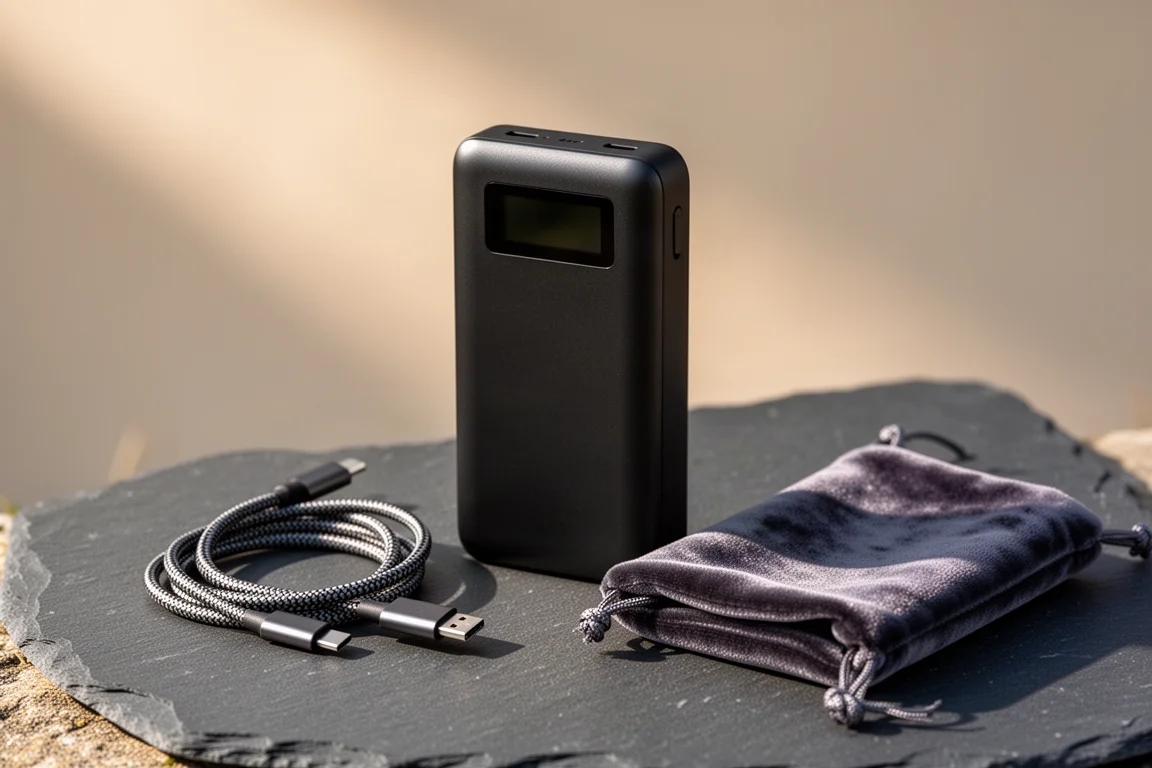
Anker 737 PowerCore 24K Review: Fast Charging in a Simple Package
A 140W portable power bank with a 52-minute recharge time, a health-tracking display, and a three-port layout that skips the app entirely.
Power Banks
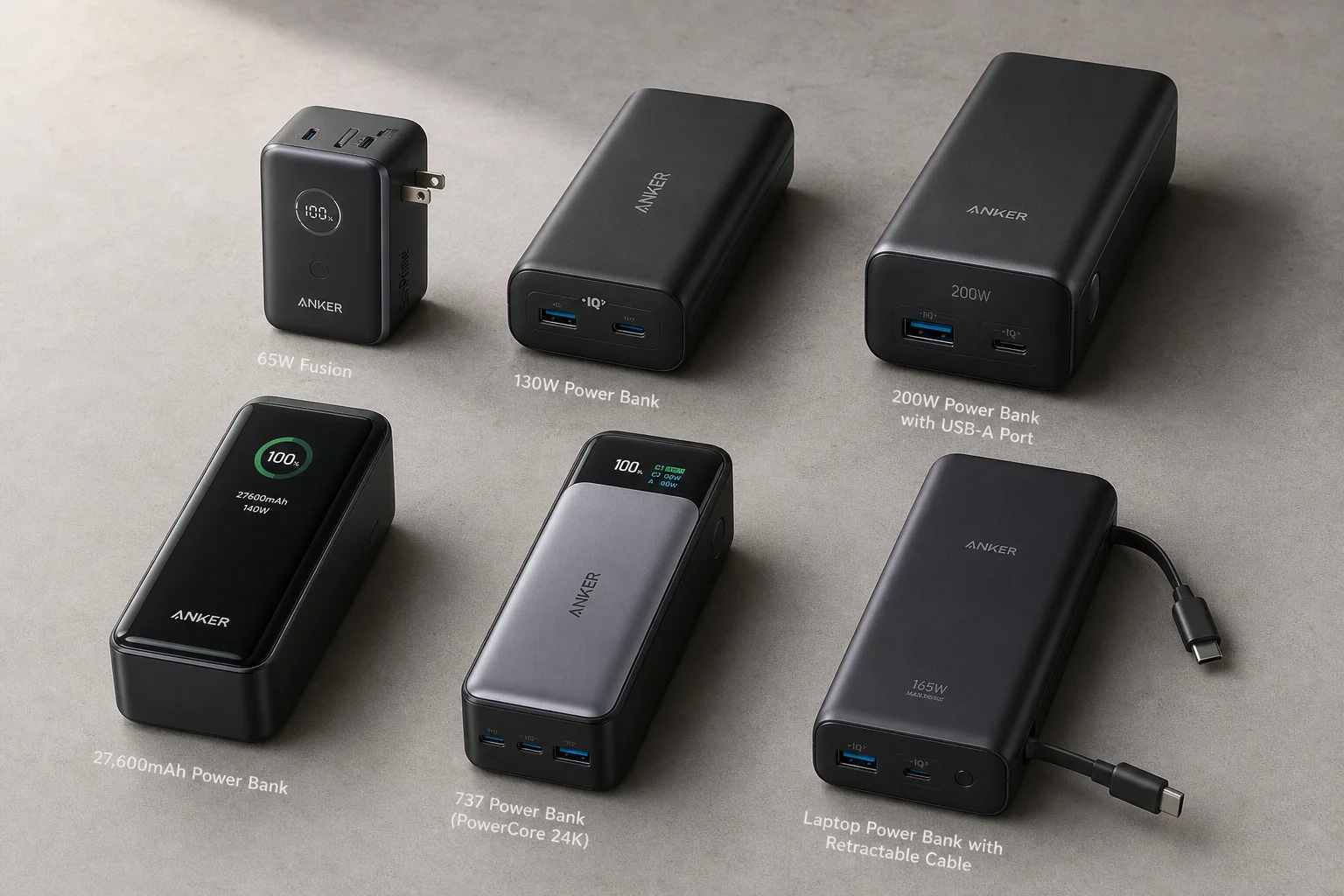
Best Anker Power Banks 2026: Six Models Tested and Ranked
A comprehensive guide to six Anker power banks, from compact 65W chargers to high-capacity 250W models. Find the right fit for your charging needs.
Power Banks
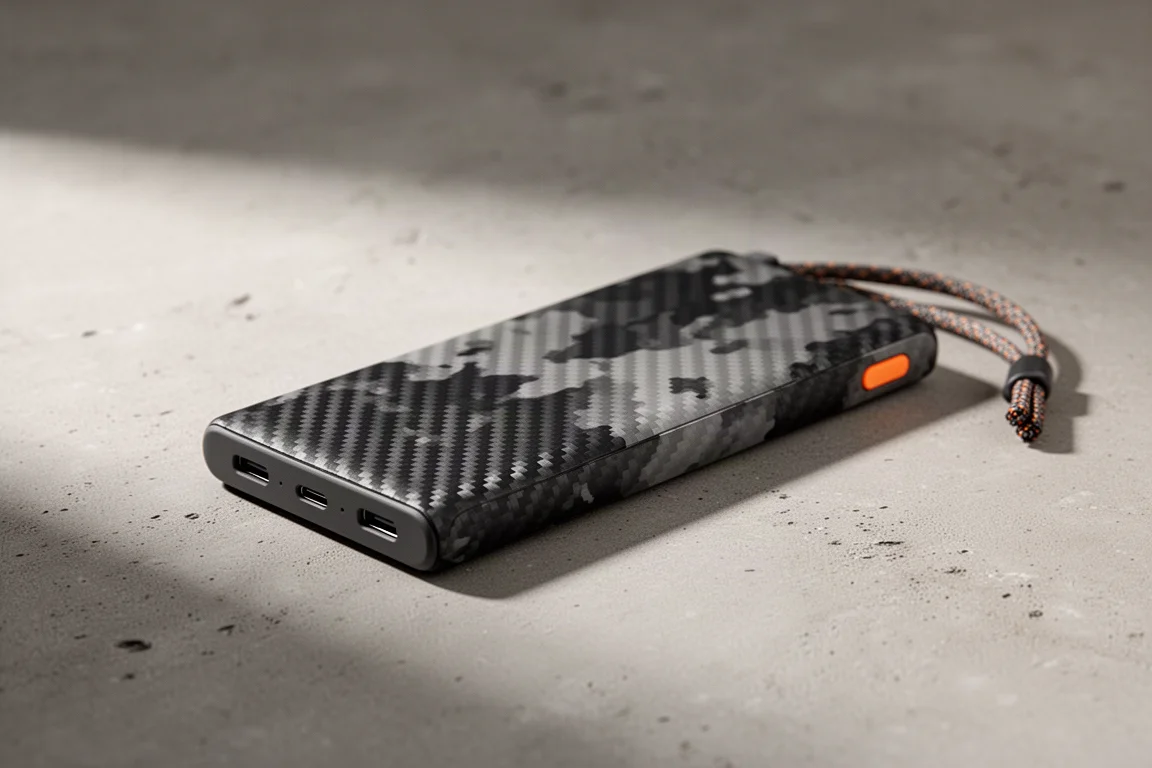
Flextail Zero Power Battery Bank Review: Ultralight 10,000 mAh Power for Backpacking
The Flextail Zero Power pairs a carbon fiber shell with a 5.1 oz body and 10,000 mAh of capacity. Here is what it does well, and what to weigh before you buy.