Power Banks
Nitecore NB10000 4th Generation Review: Ultralight Power at a Premium
The fourth generation Nitecore NB10000 keeps the carbon fiber shell and 10,000 mAh capacity, adds illuminated USB-C ports, and asks around $84 for the upgrade.
Introduction
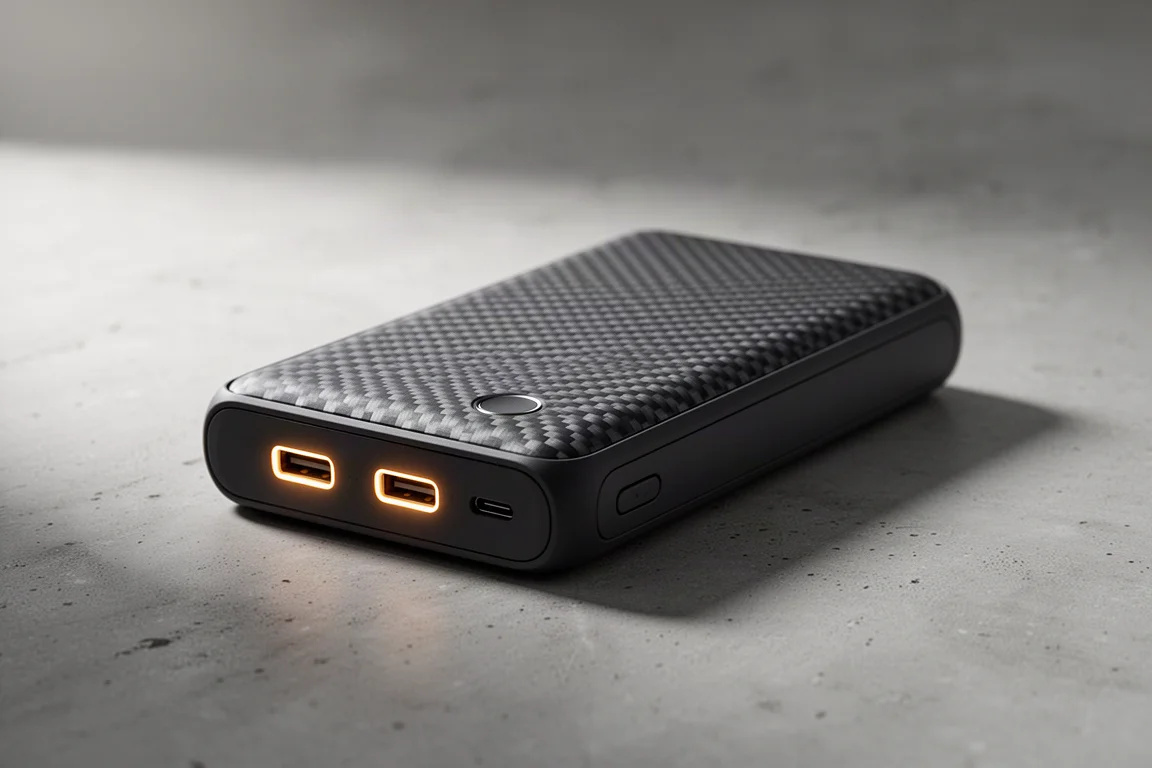
The Nitecore NB10000 has quietly become a standard piece of ultralight kit, and the fourth generation is the most refined version yet. It keeps the carbon fiber shell and the 10,000 mAh capacity that made earlier models easy to recommend, then adds a feature that sounds minor until you actually use it: USB-C ports that light up so you can find them in the dark.
Everything else is a careful tightening of an already good formula. The body is slightly narrower and thicker than earlier generations, and a little more squared off than the rounded third generation, but the construction is unchanged. A carbon fiber shell, plastic side panels, and the ports on the front face.
The real question is whether those changes justify an $84 retail price when comparable 10,000 mAh packs sit closer to $60.
Who This Product Is For
This is a pack for people who count grams. At roughly 5.1 oz on a kitchen scale, it disappears into a backpack. You can carry three or four of them and barely register the added weight, which matters on multi-day trips where every item adds up.
Capacity is the other half of the equation. A single NB10000 is good for roughly two phone charges, enough for one overnight trip with a comfortable buffer. Longer trips will want more than one pack, and that is exactly where the low weight pays off.
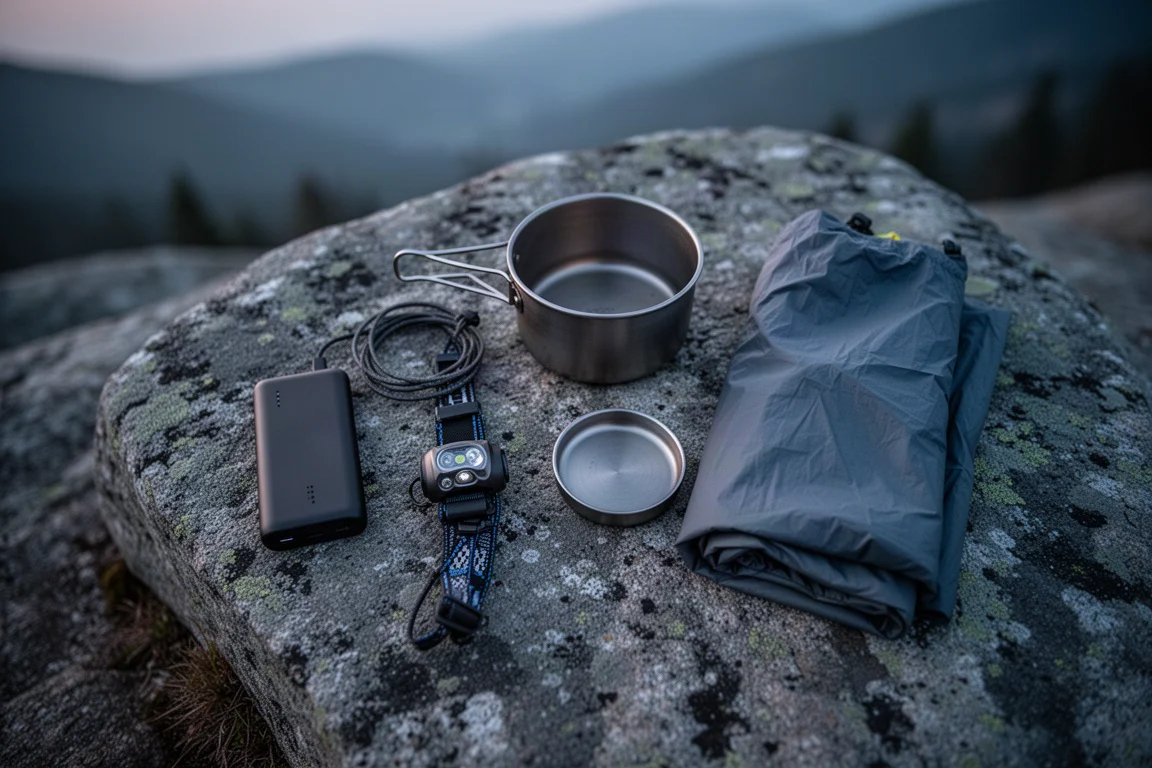
The form factor suits that role well. It measures about 4.5 inches long, 1.8 inches wide, and half an inch deep, so it sits flat against a pack liner or a jacket pocket without bulging. It is narrower than the second generation and a touch thicker, but in practice the difference is easy to live with.
Main Strengths
Weight and capacity are the headline pair, but the details hold up too. The carbon fiber shell looks good and feels grippy in the hand rather than slick, and the whole thing has the solid, dense feel of a well-made object.
The sizing is deliberate rather than accidental. It is narrower than the second generation and a little thicker, and more squared off than the rounded third generation, yet it stays just as light as the versions before it. In a pack, that translates to a flat, unobtrusive slab that does not fight for space.
The finish has also proven reasonably tough in everyday use. A drop onto paved ground left light scratching on the shell but no functional damage, and the earlier generations have survived years of similar treatment without complaint.
Charging Speed and Port Illumination
Both USB-C ports are rated at 22.5W, and the pack itself recharges at the same rate. From empty, a full top-up takes roughly three hours, which is quick for a battery of this size. Pass-through charging is supported, so a phone can keep drawing power while the pack is plugged into a wall.
The capacitive button does double duty as a mode selector. Holding it for about six seconds drops the output to a 5V 1A trickle, and the port lighting turns green to confirm the change. In that mode the pack runs cooler and yields more usable capacity from the same cell, which suits an overnight phone charge while you sleep. Holding the button for another six seconds returns it to full speed, with orange lighting as the cue.
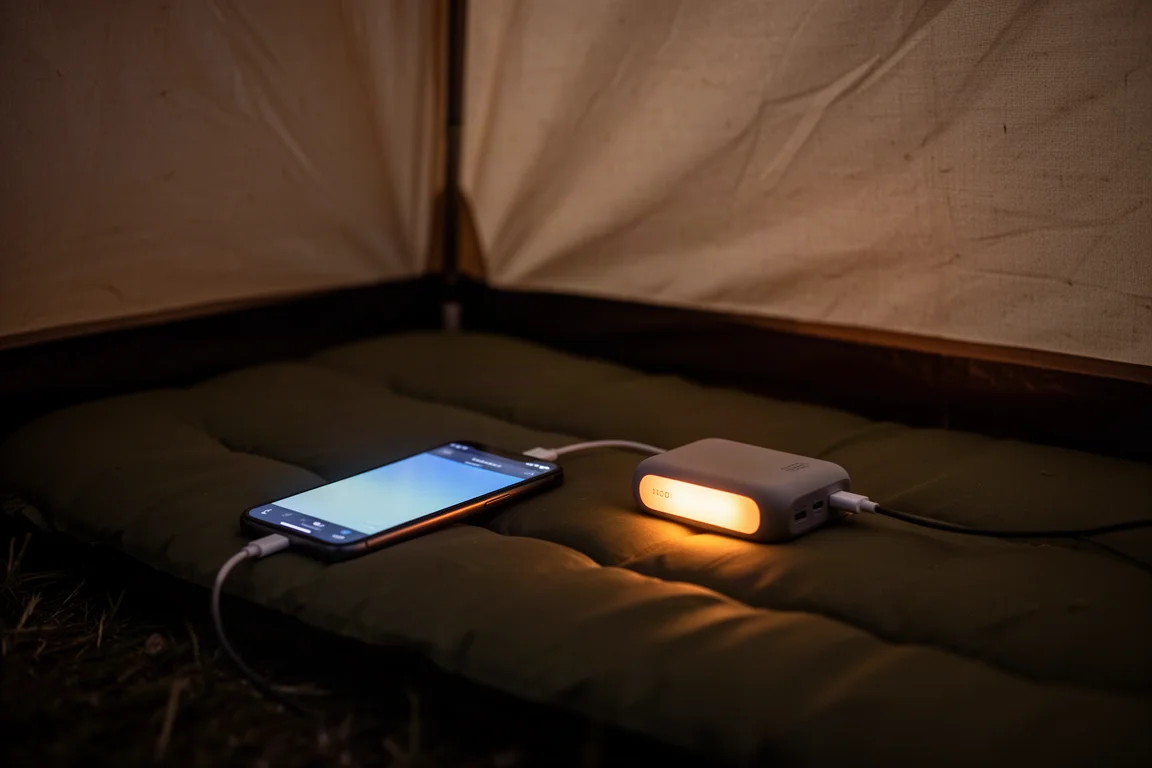
The illuminated ports are the standout addition. On the original NB10000, the ports were ringed with yellow material to make them easier to locate in low light. The fourth generation goes a step further and lights the ports themselves, and the effect can be switched off if you prefer a darker tent.
A smaller touch is the double tap to wake function. While the pack is plugged in and actively charging, two taps bring up the power indicator so you can check the remaining charge without unplugging anything.
Build Quality and Field Durability
The construction follows the same recipe as previous generations. A carbon fiber shell bonded to plastic sides, with the ports and the switch on the front face. It is a proven combination rather than an experimental one, and it is part of why this line has built a following.
Field durability has been good. The pack has been dropped onto a paved road, which left light scratching on the finish but no functional damage. Earlier generations have taken far more abuse over years of use and still work flawlessly, which is a reasonable indicator of how this one will age.
The IPX7 rating is the more meaningful protection spec here. It means the pack can be submerged in water and keep working, which puts it a step ahead of the IPX4 rating on the FlexTail carbon fiber pack. For anyone who has watched a pack tumble into a stream, that difference is worth noting.
Things to Consider Before Buying
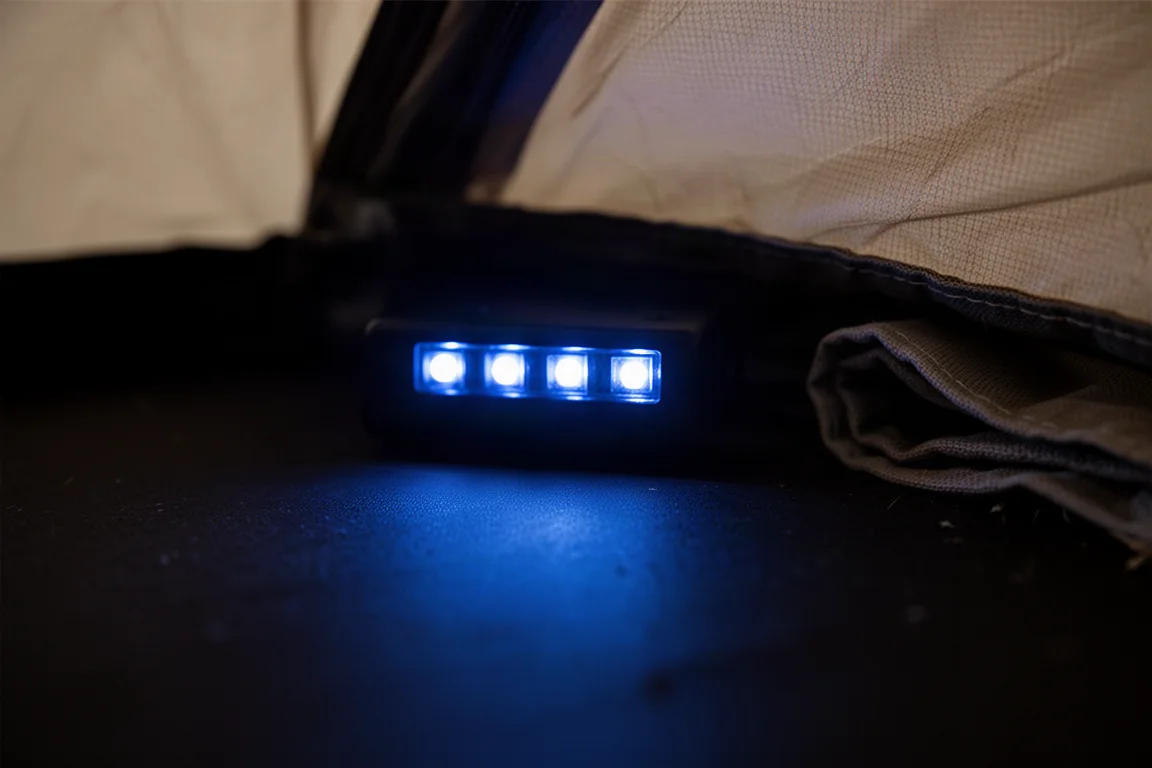
The power indicator is the one design decision that causes real friction. The blue LEDs are extremely bright. Inside a tent at night, with the pack charging beside you, the glow is strong enough to be visible through closed eyelids. Turning the pack face down solves it, but it is an annoyance you notice on the very first night.
The included cable is another small compromise. It is a USB-C to USB-C cable built into the lanyard, which is a clever piece of design, but it is short. Charging a phone while using it means the phone and the pack sit almost on top of each other.
The wider range is also worth understanding before you buy. Nitecore now offers multiple 10,000 mAh and 20,000 mAh carbon fiber packs, some 5,000 mAh models, and the second and third generations alongside this one. Choice is welcome, but the lineup takes some sorting out.
Price and Value
At $84, the fourth generation NB10000 is priced well above its peers. Comparable 10,000 mAh packs with similar capacity, similar charging speeds, and similar weight typically sell for around $60.
What you are paying extra for comes down to two things: the illuminated ports and the IPX7 rating. The lighting is genuinely useful and pleasant to live with. The water resistance is a real advantage for anyone who spends time near water, though most people will never submerge a power bank.
The capacity itself is identical to the first, second, and third generations, and to the FlexTail pack. Those alternatives are all lightweight, all charge at a good rate, and all cost roughly $20 less.
Buying Advice
If the illuminated ports are the kind of detail that would make your evenings easier, and if the higher water resistance matters for where you travel, the fourth generation is a defensible purchase. It is the best-executed version of a design that has been refined over several generations, and it does everything expected of an ultralight pack.
If neither feature changes your routine, the value calculation shifts. Earlier generations and the FlexTail pack deliver comparable weight, capacity, and charging speed for noticeably less money, and they remain widely available.

A price cut of about $20 would change the recommendation entirely. At that point the fourth generation would be the obvious choice in the lineup rather than a premium pick for buyers who specifically want the illuminated ports.
Conclusion
The NB10000 fourth generation is a genuinely good ultralight power bank. It is fast in both directions, supports pass-through charging, shrugs off drops, and adds illuminated USB-C ports that make low-light use noticeably easier.
The reservations are practical rather than fundamental: very bright indicator LEDs, a short bundled cable, and a price that sits around $20 above similarly capable alternatives. Buyers who value the illuminated ports and the IPX7 rating will be happy with what they get. Everyone else can save money without giving up much.
Product link
View more details for Nitecore NB10000 (4th Generation)
This product is mentioned in the review. Check the specifications, options, and compatibility before buying.
View more details for Nitecore NB10000 (4th Generation)Further reading
Related Reviews
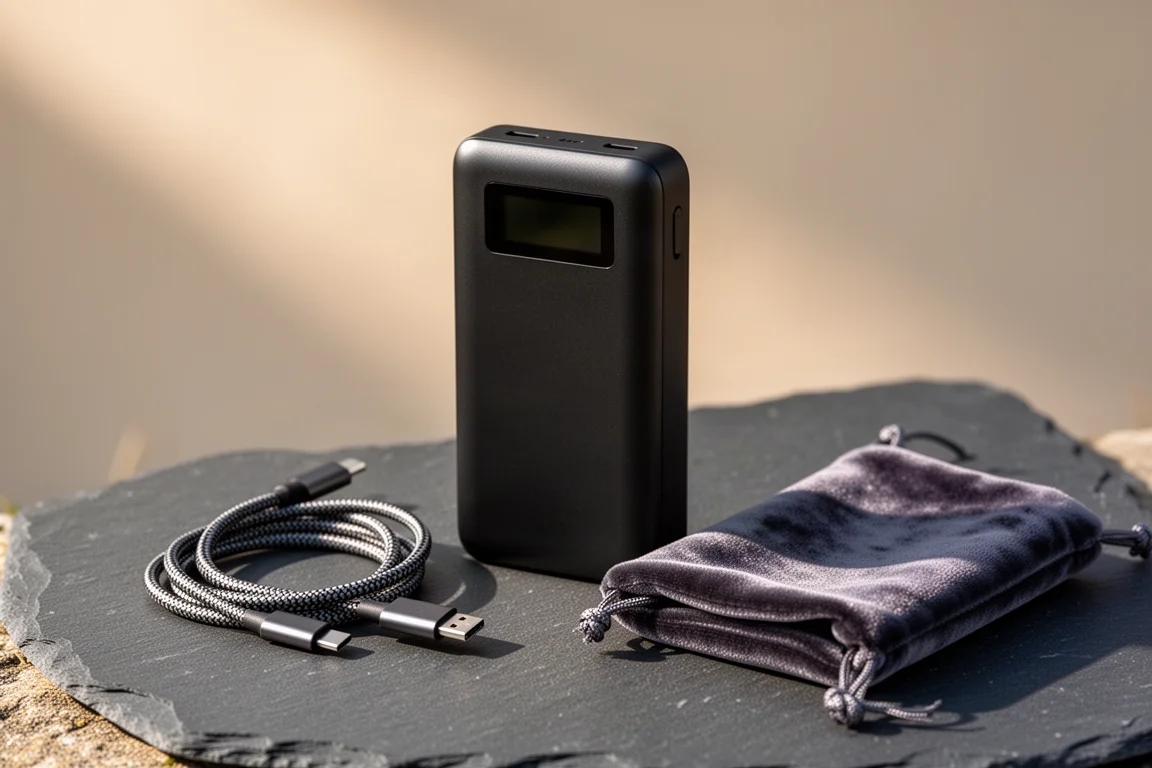
Power Banks
Anker 737 PowerCore 24K Review: Fast Charging in a Simple Package
A 140W portable power bank with a 52-minute recharge time, a health-tracking display, and a three-port layout that skips the app entirely.
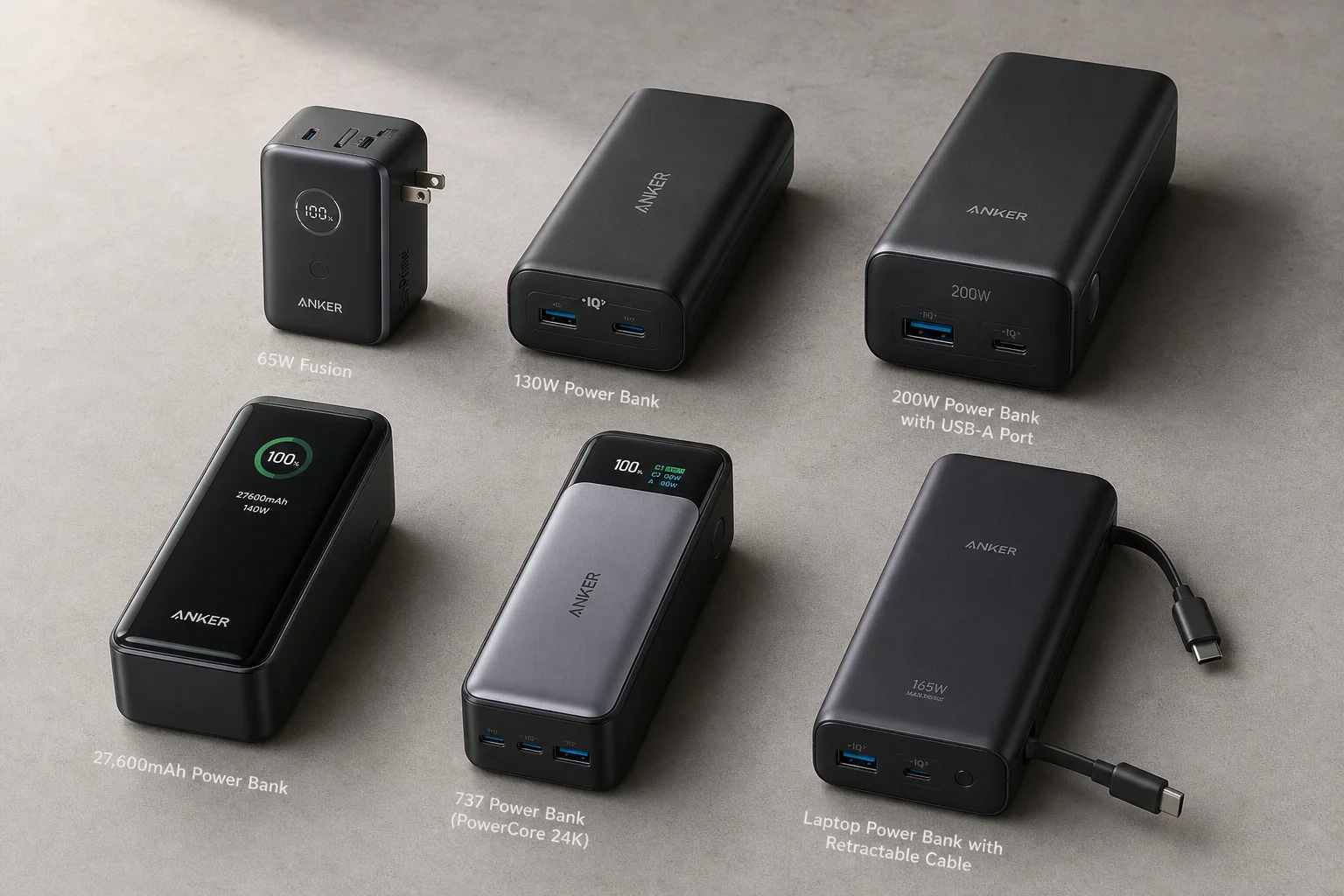
Power Banks
Best Anker Power Banks 2026: Six Models Tested and Ranked
A comprehensive guide to six Anker power banks, from compact 65W chargers to high-capacity 250W models. Find the right fit for your charging needs.
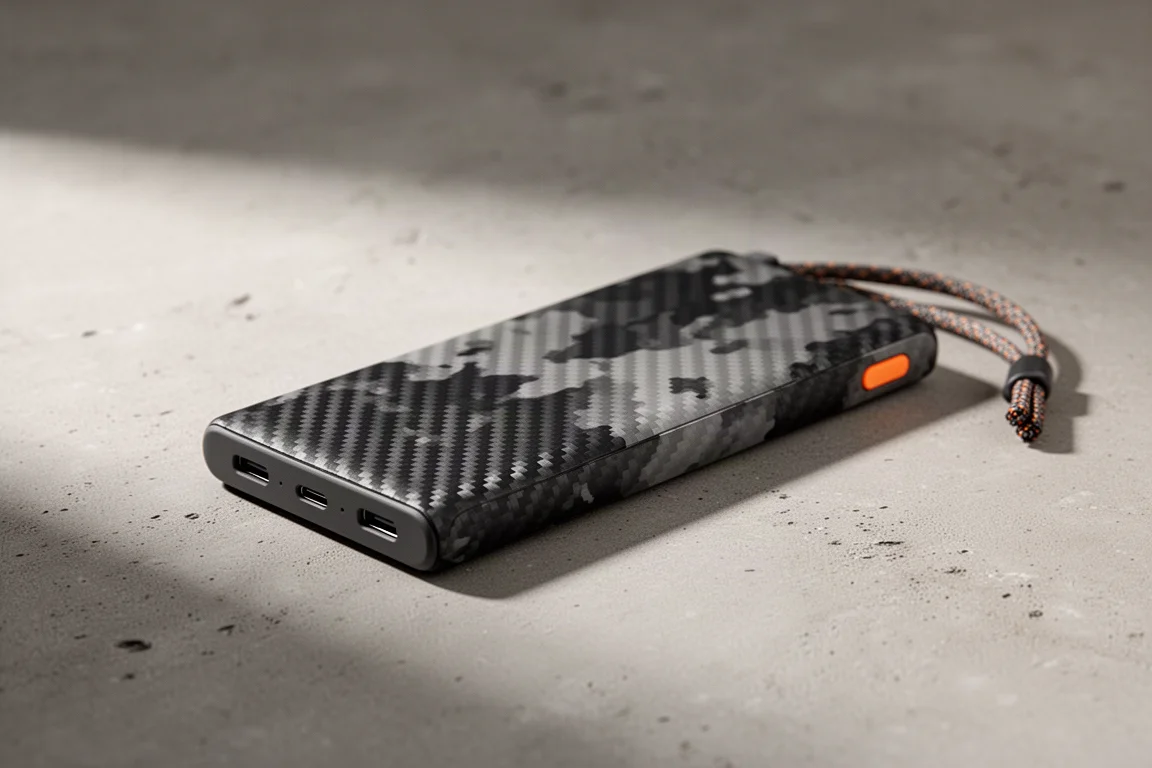
Power Banks
Flextail Zero Power Battery Bank Review: Ultralight 10,000 mAh Power for Backpacking
The Flextail Zero Power pairs a carbon fiber shell with a 5.1 oz body and 10,000 mAh of capacity. Here is what it does well, and what to weigh before you buy.