Camping Lights
Nitecore LR70 Review: A 3-in-1 Lantern, Flashlight and Power Bank
A practical look at the Nitecore LR70, a 10,000 mAh lantern, flashlight and power bank combo with 12 light modes, measured runtime results and a few trade-offs worth knowing before you buy.
Introduction
A good camping light has to earn its place in a pack. It needs to be bright enough to be genuinely useful, simple enough to operate in the dark, and tough enough to survive a wet weekend. The Nitecore LR70 takes a different approach from most lanterns by combining three jobs in one body: a lantern, a handheld flashlight and a 10,000 mAh power bank.
That combination is appealing on paper, and the LR70 backs it up with a wide spread of light modes, a large battery and USB-C charging in both directions. It also carries real trade-offs. It is heavier than a simple lantern, it sits at the expensive end of the category, and its water resistance claim deserves a careful reading. This review covers what the light does well, where it falls short, and who should consider it.
What the Nitecore LR70 Is
Out of the box, the package includes warranty information, a user guide, a USB-C to USB-C cable and the light itself. There is no wall adapter and no separate battery, which is worth knowing before a trip.
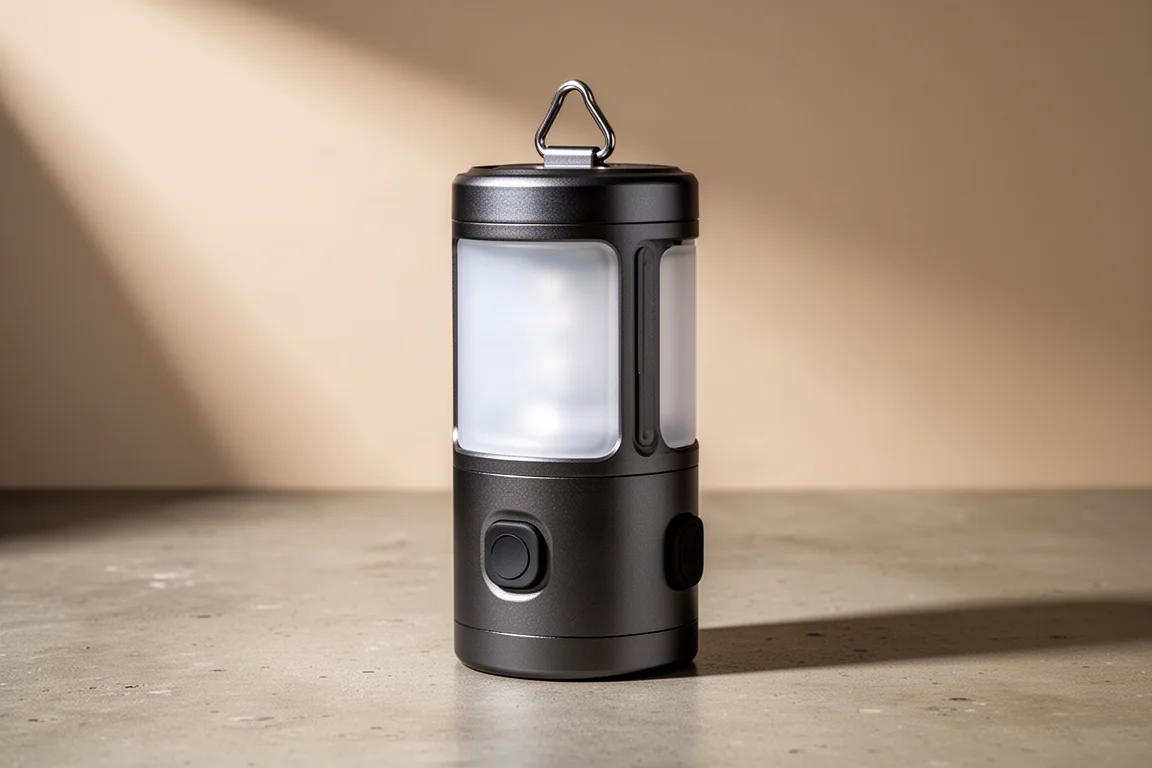
The body is compact for what it does. It measures about 4.4 inches long, 2.4 inches wide and 1.3 inches tall, and weighs around 9.56 ounces. The light diffuser is made from a high-grade plastic, the base is aluminium alloy, and the buttons and the charging port are rubberised.
Controls are deliberately simple. There are only two buttons. A lantern button sits in the middle of the front face and carries a lantern icon, while a flashlight button sits in the middle of the side and carries a flashlight icon. Grooves moulded into the sides give your fingers somewhere to sit in the flashlight grip, and the flashlight button lands naturally under your thumb.
A single D-ring at the top lets you hang the light from any open loop. The ring is slightly magnetic and can be pushed to either side to stow flat. The lantern can also be stood upright or placed upside down when you want the light directed somewhere different.
Light Modes and Controls
The LR70 runs two separate lighting systems, and the operating logic differs between them.
For the white lantern, a long press of the lantern button turns it on, a short press cycles through low, mid and high brightness, and a long press turns it off again. The red lantern modes work differently. With the light off, a double press of the lantern button enters low red, and further short presses step through high red, beacon and SOS before cycling back to low red.
The flashlight uses the side button. A long press switches it on at low brightness, and short presses step up through mid, high and higher. Turbo is reached by double pressing from any mode, and a short press afterwards returns you to the brightness level you were using before.
Two details are easy to miss. The lantern and the flashlight cannot be switched on at the same time, though a short press of the other button hands control over instantly. The flashlight also has a memory setting that returns to your last brightness level, while the lantern always starts again at low.
Battery status is shown by the indicator light. With the light off, a short press of either button makes the blue light flash. Three blinks indicate more than 50 percent charge, two blinks less than 50 percent, and one blink less than 10 percent. In practice those thresholds read a little generously, with two blinks landing closer to 50 to 60 percent and one blink slightly above 10 percent.
Measured Runtime and Brightness
Runtime is where the LR70 performs better than expected. Across the lantern modes, measured run times came in anywhere from 10 percent above the official figures to almost double them. The flashlight results were closer to the published numbers.
Turbo is a short burst rather than a usable mode. It holds for exactly 30 seconds before stepping down, because the black aluminium housing heats up quickly at that output. Higher brightness behaves similarly over a longer span. After roughly 7 hours and 45 minutes the light dropped to high for about 2 hours, then to mid for 6 hours, and finally to low for 15 hours before the battery gave out. High brightness ran for around 19 hours before dropping to mid for 6 and a half hours and then low for 14 hours. Lower settings held steady, and the low brightness test ran for more than a full month.
Output measured well above the stated figures in places. The white lantern on high and mid brightness produced roughly three times the claimed lumen output, which is immediately obvious in person. The flashlight readings came out closer to spec. The higher mode measured around 1,281 lumens, high measured about 200 lumens, turbo peaked above 5,000 lumens before settling under that figure, and mid measured around 15 lumens with low close to zero.
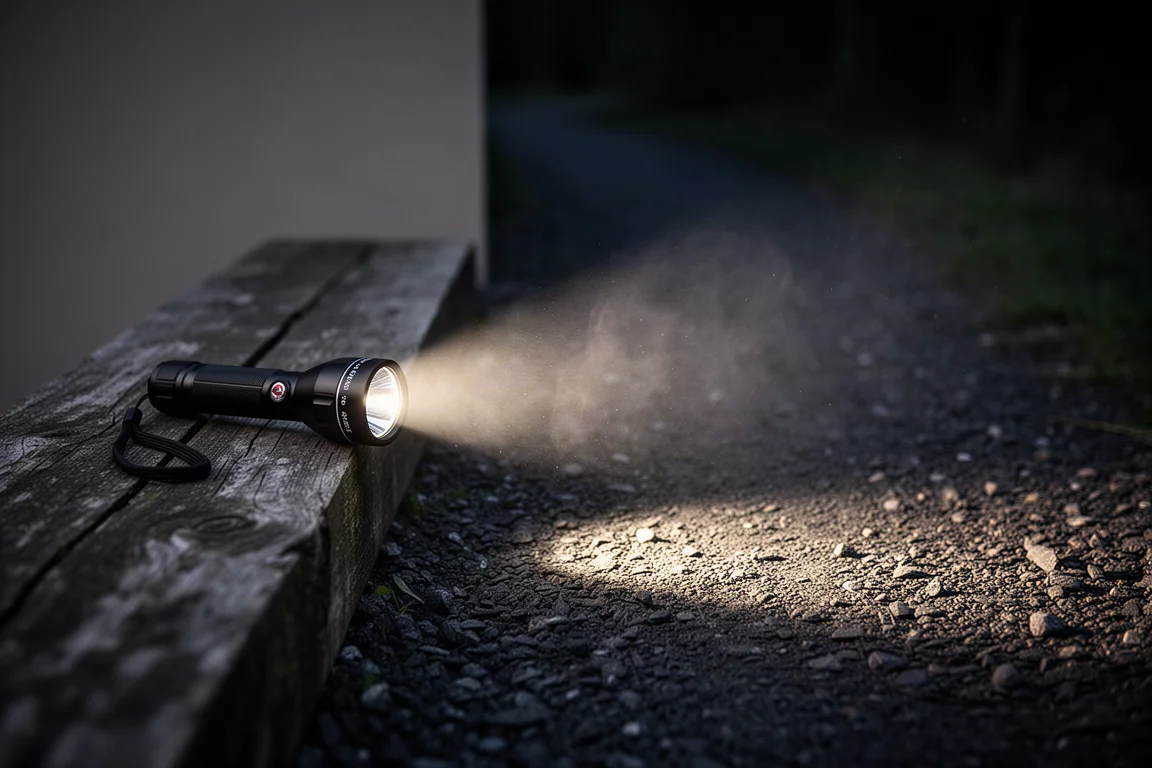
Beam distance is officially listed as 10 to 300 metres depending on the mode. Measured distances differ from those figures, as you would expect from a different method, and turbo is difficult to measure meaningfully given its 30 second limit. On the higher modes the beam reaches roughly 100 feet ahead, which is plenty for walking a trail or finding your way around a site.
Charging and Power Bank Performance
The charging port sits behind a waterproof flap on the side of the body, and it works in both directions. As an input, a full charge takes under 3 hours on a 9 volt, 2 amp supply and about 4 hours on a 5 volt, 2 amp supply. In practice, with a charger delivering 9 volts at just under 1 amp, a full charge landed between 3 hours 15 minutes and 3 hours 30 minutes. The blue indicator light blinks while charging and turns solid when the battery is full.
As an output, the same port can deliver up to 3 amps to a phone or another device. The light does not force that current into every device, but the difference is noticeable: a phone charged roughly one and a half times faster than with other gear of this type.
Real world capacity is substantial. The 10,000 mAh battery delivered three and a half full charges of an iPhone 12, covering three and a half days of use before charging stopped partway through the fourth day. Even after that, the light still managed about 23 hours on the low white lantern setting, which works out to slightly under 8 percent of the battery remaining.
Build Quality, Waterproofing and Durability
The light quality is neutral rather than warm or cool, with a colour temperature of 4,000 Kelvin. Diffusion is the weaker point. Even at low brightness you can see the individual LEDs through the diffuser, and the brighter modes become glaring quickly.
The LR70 is rated IP67, which covers heavy rain, water jets and complete submersion to 1 metre for 30 minutes. Two of those three held up. Thirty minutes of heavy rain and ten minutes of high pressure jets left everything working, and the USB-C flap was completely dry underneath.
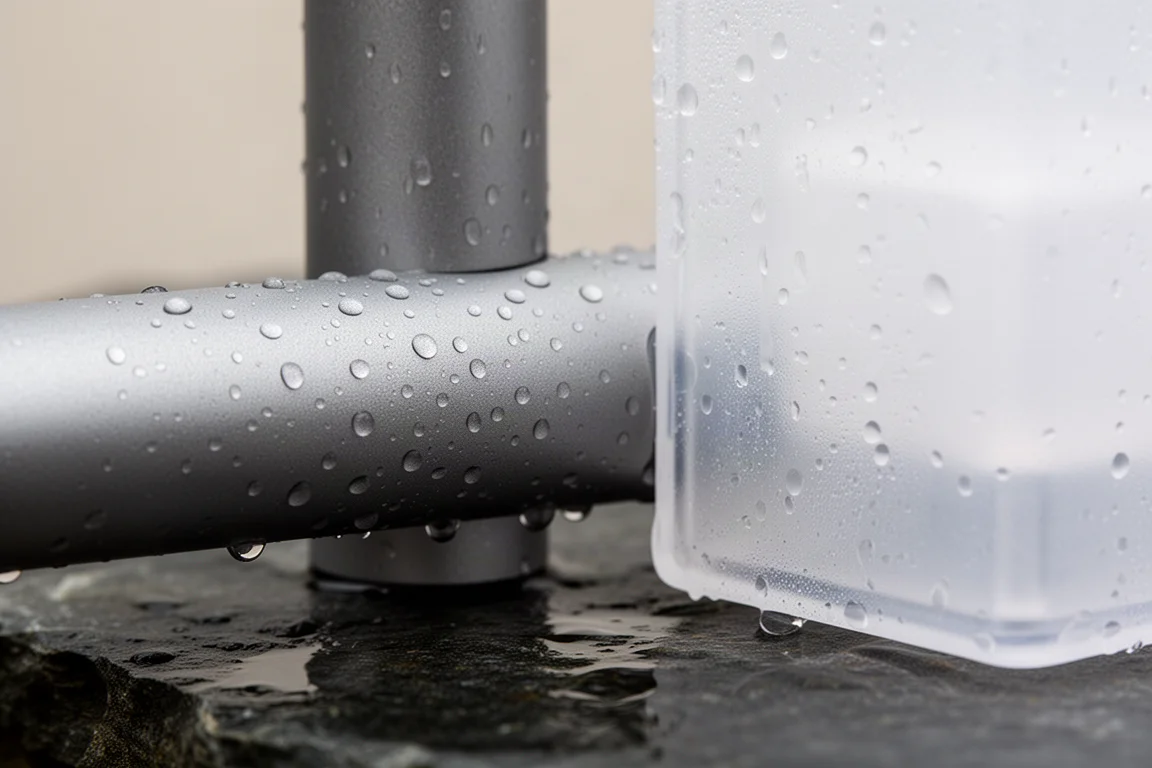
Full submersion was a different story. The light worked normally immediately after 30 minutes underwater, but the following day it was completely dead, with water leaking out of the USB-C port. Further checks showed the battery draining on its own when the light was unused, and the battery indicator behaving inconsistently. Treat the IP67 rating as dependable protection against rain and splashes rather than an invitation to submerge the light.
Impact resistance held up better. With a rated safe drop height of about 1 metre, a test drop landed heavily but left every function working, no scratches on the plastic or aluminium, and the lens intact. The warranty runs for a decent 2 years, and the light can be used while it is charging.
Who This Product Is For
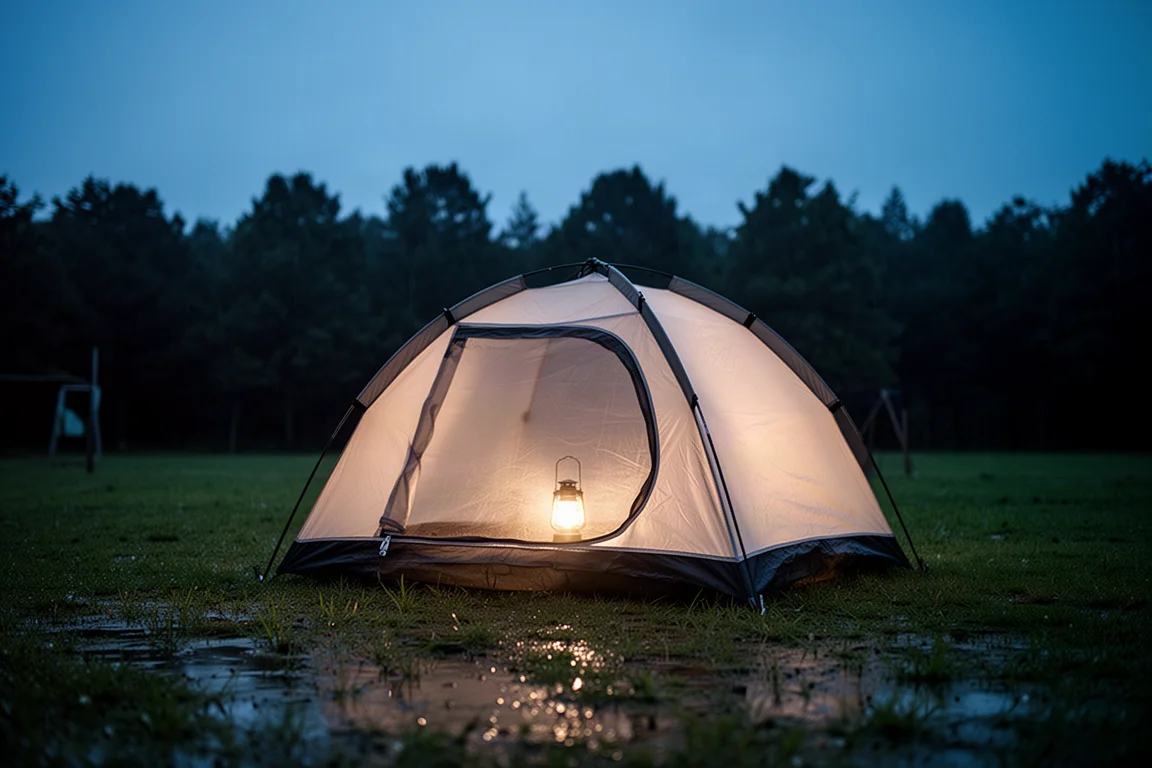
The LR70 suits campers who want one device instead of three. If you need a lantern for the tent, a flashlight for walking after dark and a power bank to keep a phone alive over a long weekend, this replaces all of them with a single body and a single cable.
It also makes sense for anyone building an emergency kit or a vehicle kit, where a large battery and a wide spread of light modes matter more than low weight.
It is a poor fit for anyone counting grams. At 9.56 ounces it is not a light you clip to a pack and forget, and backpackers who only need tent lighting will find simpler, lighter lanterns easier to carry.
Main Strengths
The mode count is the headline. Twelve modes span white lantern low, mid and high, red lantern low, high, beacon and SOS, and flashlight low, mid, high, higher and turbo. That range covers everything from a 6 lumen night light that will not disturb anyone else in the tent to a lantern output above 1,000 lumens, which is enough to light up a small campsite.
The flashlight side is just as broad, running from close to zero lumens up to more than 5,000, with beam distances that reach around 100 feet ahead on the higher settings. The red modes are genuinely useful in the middle of the night when you want to preserve your night vision.
Battery life is the other standout. A 10,000 mAh capacity is unusual in camping lighting, and the mid lantern setting runs for a claimed 63 hours while still being bright enough to light a five person tent. That is comfortably a week of camping without a recharge. Add fast USB-C charging in both directions, a low current mode for small devices, an accurate battery indicator, flashlight memory and a magnetic D-ring, and the feature list is long.
Things To Consider Before Buying
Weight is the most immediate compromise. The LR70 is on the heavier side and is not a lantern you would hang from a pack for a long hike.
Price is the second. Among comparable lantern and flashlight combos, this sits at the top of the range, so it only makes sense if you will use the flashlight and power bank functions rather than just the lantern.
There are a few operational quirks too. The lantern has no memory and always restarts at low brightness, the lantern and flashlight cannot run simultaneously, and turbo is limited to 30 seconds because the housing heats up. The diffuser also shows its individual LEDs, so the brighter modes glare more than a softer, better diffused lantern would. Finally, keep it out of standing water despite the IP67 rating.
Buying Advice
The LR70 makes the most sense as a single do-everything light for car camping, overlanding, cabin trips and emergency kits, where the 10,000 mAh battery and the flashlight modes will actually get used. In that role it earns its price, and the measured runtime results give it a real edge over smaller lanterns that need recharging mid-trip.
If your only requirement is tent lighting, the extra weight and cost are hard to justify, and a simpler lantern will serve you better. If you do buy it, charge it before you leave, keep the USB-C flap sealed, and store it somewhere dry between trips.
Conclusion
The Nitecore LR70 is an ambitious piece of kit that mostly delivers. Twelve light modes, a genuinely wide brightness range, strong measured run times, fast two-way USB-C charging and a 10,000 mAh battery that can carry a phone for days make it one of the more capable lantern and flashlight combos available. The weight, the price, the visible LEDs under the diffuser and the questionable submersion resistance are the things to accept before buying. If those trade-offs do not bother you, this is a strong choice for anyone who wants one light to do three jobs.
Product link
View more details for Nitecore LR70
This product is mentioned in the review. Check the specifications, options, and compatibility before buying.
View more details for Nitecore LR70Further reading
Related Reviews
Camping Lights
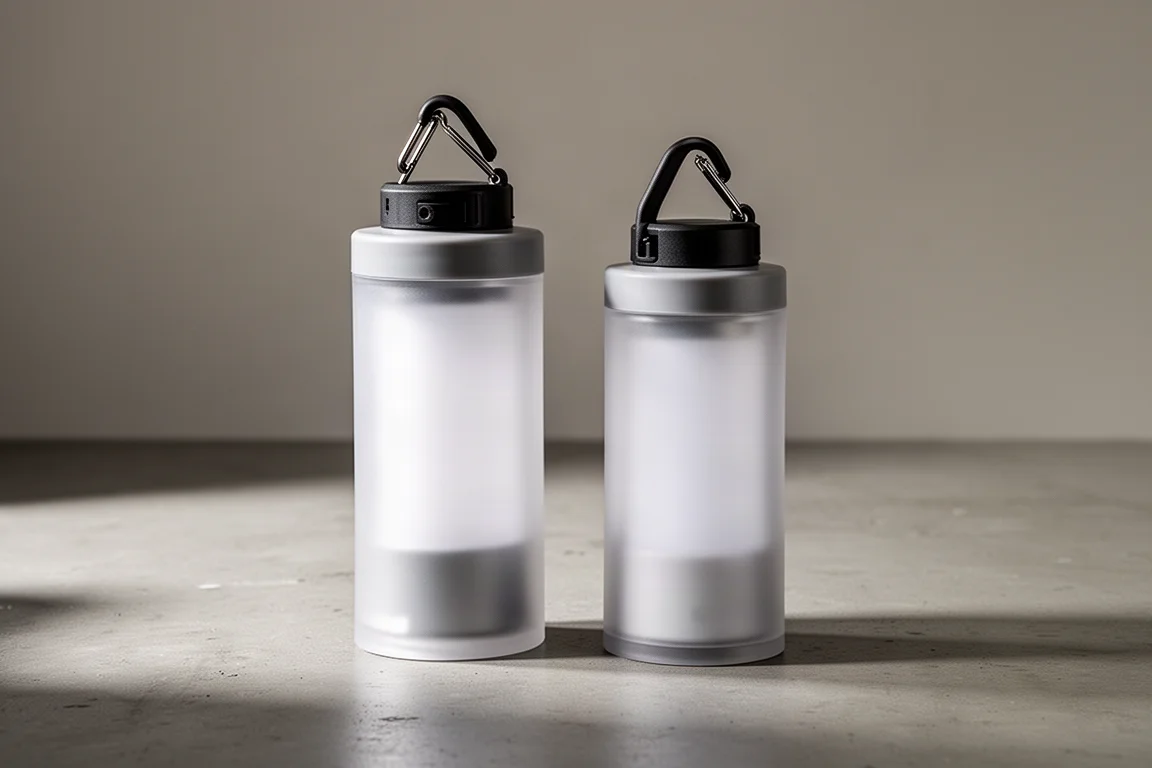
Goal Zero Lighthouse Micro Charge vs Micro Flash: Which Compact Camping Light Is Worth It?
Two nearly identical rechargeable camping lights, separated by a USB output port, a carabiner, and roughly $5. Here is how to choose between them.
Camping Lights
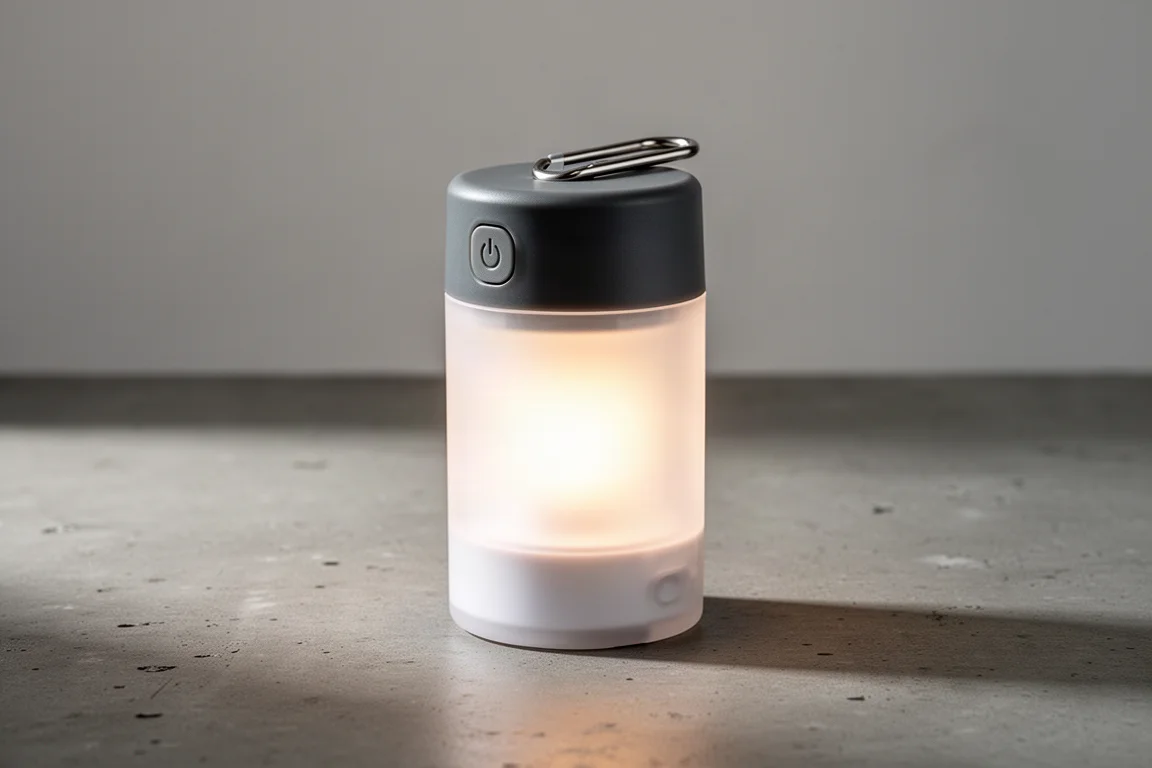
Goal Zero Lighthouse Micro Flash Review: A Two-in-One Light That Earns Its Place
A pocket-sized flashlight and lantern in one body, with long low-brightness runtimes, IPX6 weather resistance, and a few usability quirks worth knowing before you buy.
Camping Lights
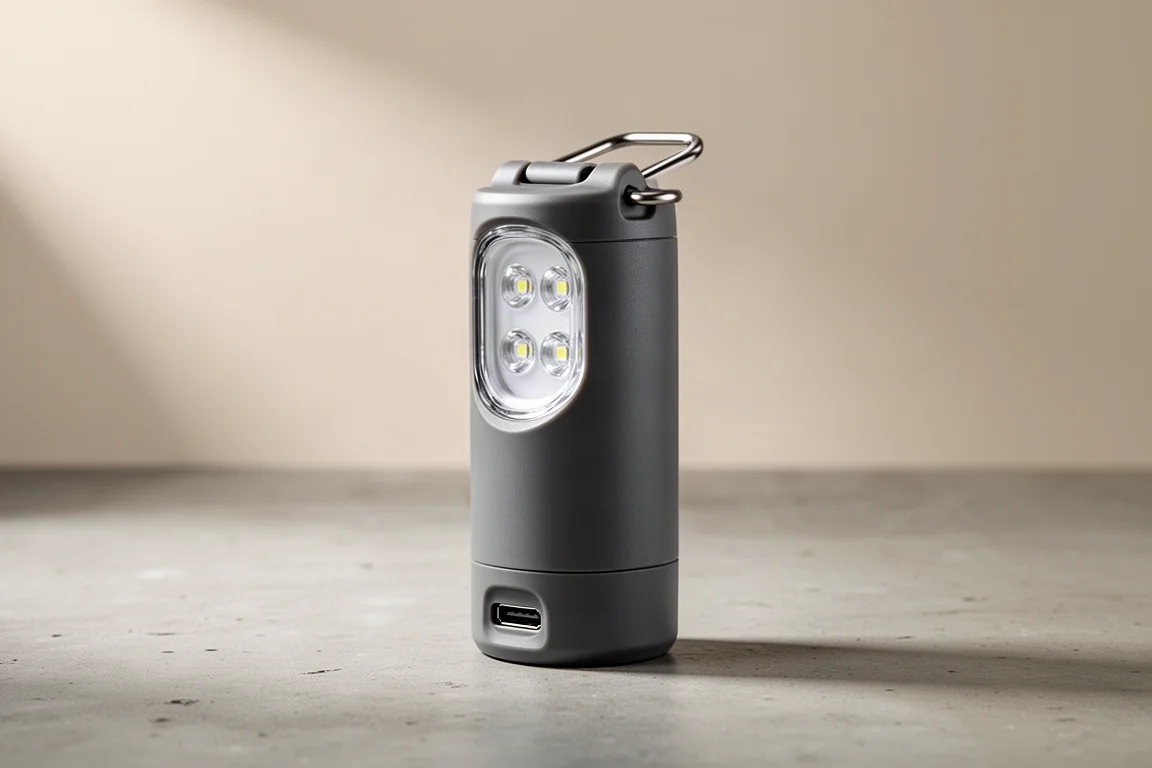
Goal Zero Micro Charge Review: A Compact 2-in-1 Camping Light
A practical look at the Goal Zero Micro Charge, a pocketable flashlight and lantern with phone charging, plus the trade-offs worth knowing before you buy.