Camping Lights
Goal Zero Lighthouse Micro Charge vs Micro Flash: Which Compact Camping Light Is Worth It?
Two nearly identical rechargeable camping lights, separated by a USB output port, a carabiner, and roughly $5. Here is how to choose between them.
Introduction
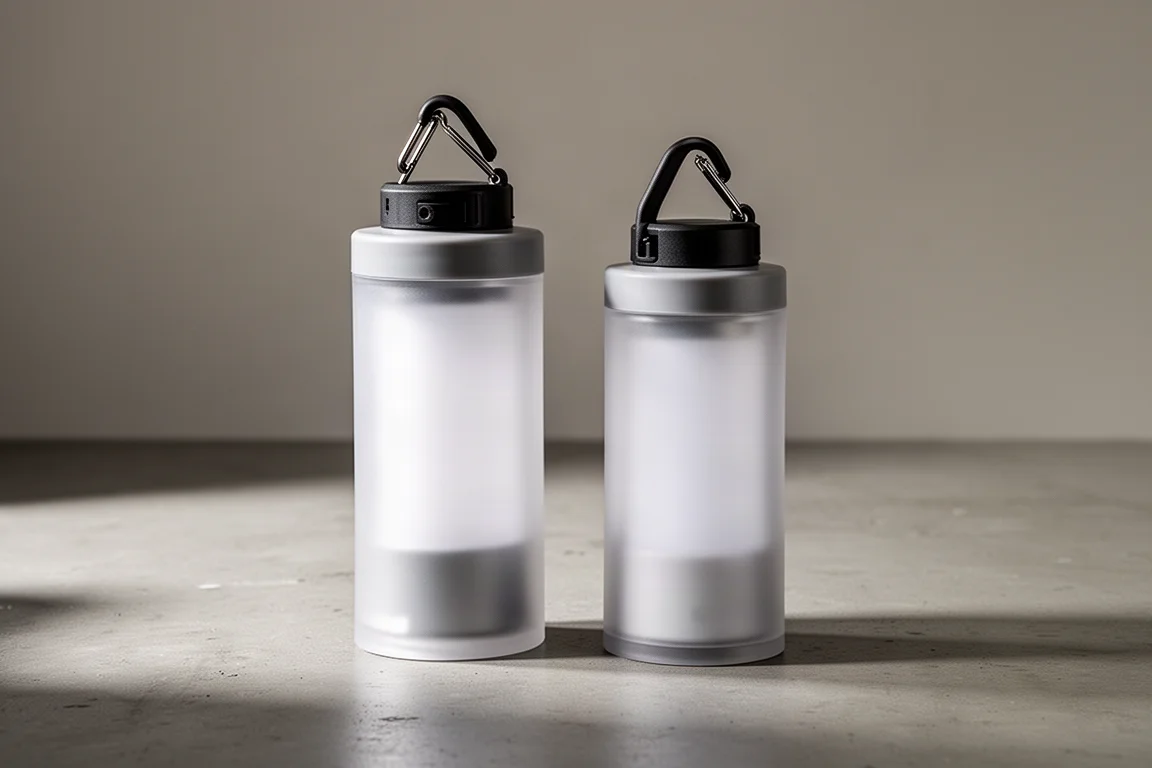
The Goal Zero Lighthouse Micro Charge and the Lighthouse Micro Flash are two compact rechargeable lights that share the same core design. Each one works as both a flashlight and a lantern, each runs from 10 to 150 lumens depending on the mode, and each carries an IPX6 rating and a two-year warranty. If you are choosing between them, the differences are narrower than the names suggest, but they are real.
The Micro Charge and the Micro Flash are typically separated by about $5, with the Micro Charge costing more. That small gap buys a USB output port and a lightweight carabiner, and whether those two extras matter depends entirely on how you plan to use the light.

Everything else, from the lumen range to the body material and the charging behaviour, is close enough that the decision usually comes down to one question: do you want a light that can also top up a phone?
Goal Zero Lighthouse Micro Charge
The defining feature of the Micro Charge is an extra USB port at the bottom of the body. Plug a phone cable into it and the light delivers roughly 5 volts and 1 ampere of output. In testing with an iPhone 12, a run starting at about 17 percent battery finished at about 85 percent, a gain of 68 percent, over roughly 1 hour and 35 minutes. Repeating the test at similar starting levels produced results between 60 percent and 70 percent, so treat it as a partial emergency top-up rather than a full recharge.
The Micro Charge also ships with a lightweight carabiner that the Micro Flash does not include, which makes it easier to hang inside a tent or clip to a pack. The trade-offs are modest but worth knowing. Recharging the Micro Charge over a 5-volt, 1-ampere USB port took 4 hours and 40 minutes in testing, against a rated figure of about 3 and a half hours. It is also roughly 10 percent heavier and about 18 percent longer than the Micro Flash, with the extra length accommodating that bottom USB port.
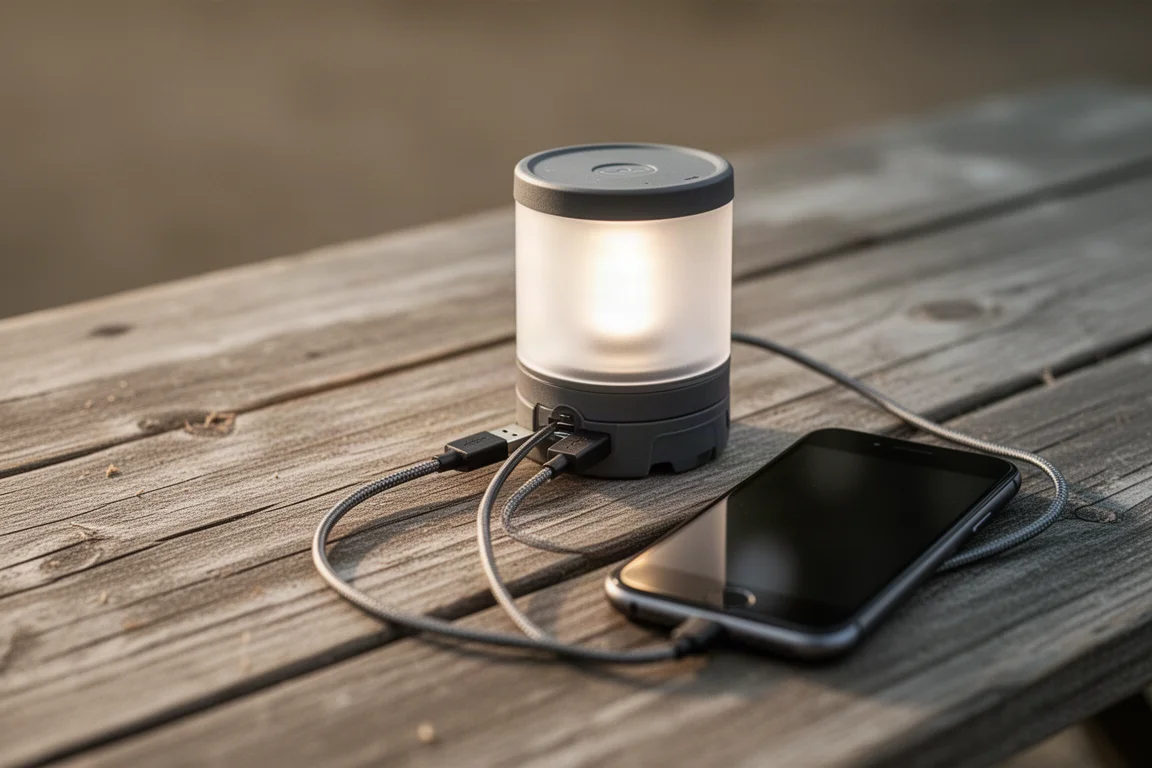
In lantern modes, the tested maximum outputs for the Micro Charge were significantly higher than the Micro Flash in both the full lantern and half lantern settings. Its dimmest settings, however, ran for about 30 percent less time than the equivalent modes on the Micro Flash.
Goal Zero Lighthouse Micro Flash
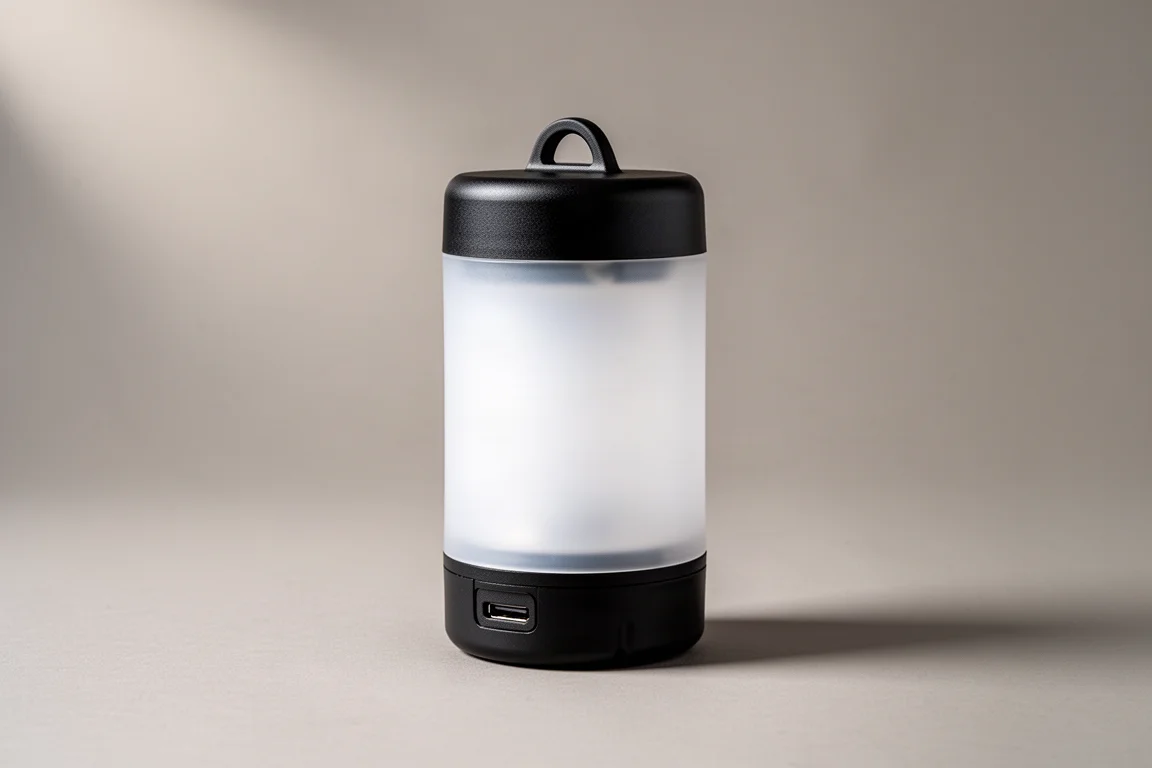
The Micro Flash is the simpler of the two. It has no USB output, so it cannot charge a phone or any other device, and it arrives without a carabiner. In exchange it is the lighter and shorter option, saving about 0.3 ounces and a noticeable amount of packed length compared with the Micro Charge.
Its tested maximum output in flashlight mode was slightly higher than the Micro Charge, and on the dimmest modes it delivered roughly 30 percent more runtime on every test. If your priority is a light that lasts as long as possible on its lowest setting, that difference is meaningful. Recharging the Micro Flash took 3 hours and 36 minutes in testing, closer to the rated 3 and a half hours than the Micro Charge managed.
Both lights share the same head width at one and a half inches across, so beam quality and general handling feel comparable in the hand.
Shared Features and Durability
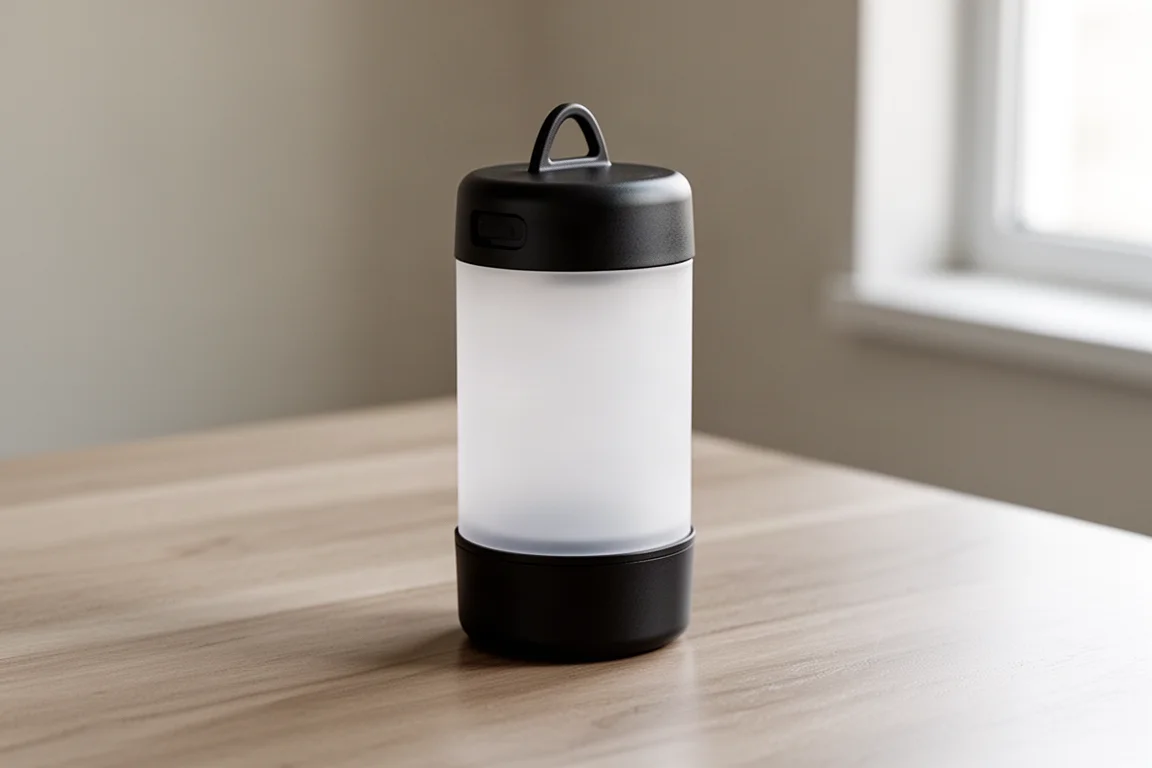
Beyond the USB port and the carabiner, these two lights are close to identical. Both are rated from 10 to 150 lumens, and both list the same runtimes on paper. Both carry an IPX6 rating and handled heavy rain and water jets without issue in testing. Both also survived drop tests from hand height with no scratches or scrapes, and both are built from what feels like high-quality plastic.
The smaller shared details matter too. Each light has four indicator lights that are not especially accurate but at least exist. Neither has memory settings, so you cycle through every mode each time you switch it on. Both support simultaneous recharge and discharge, meaning they can be plugged in and used for lighting at the same time, and both are covered by a two-year warranty.
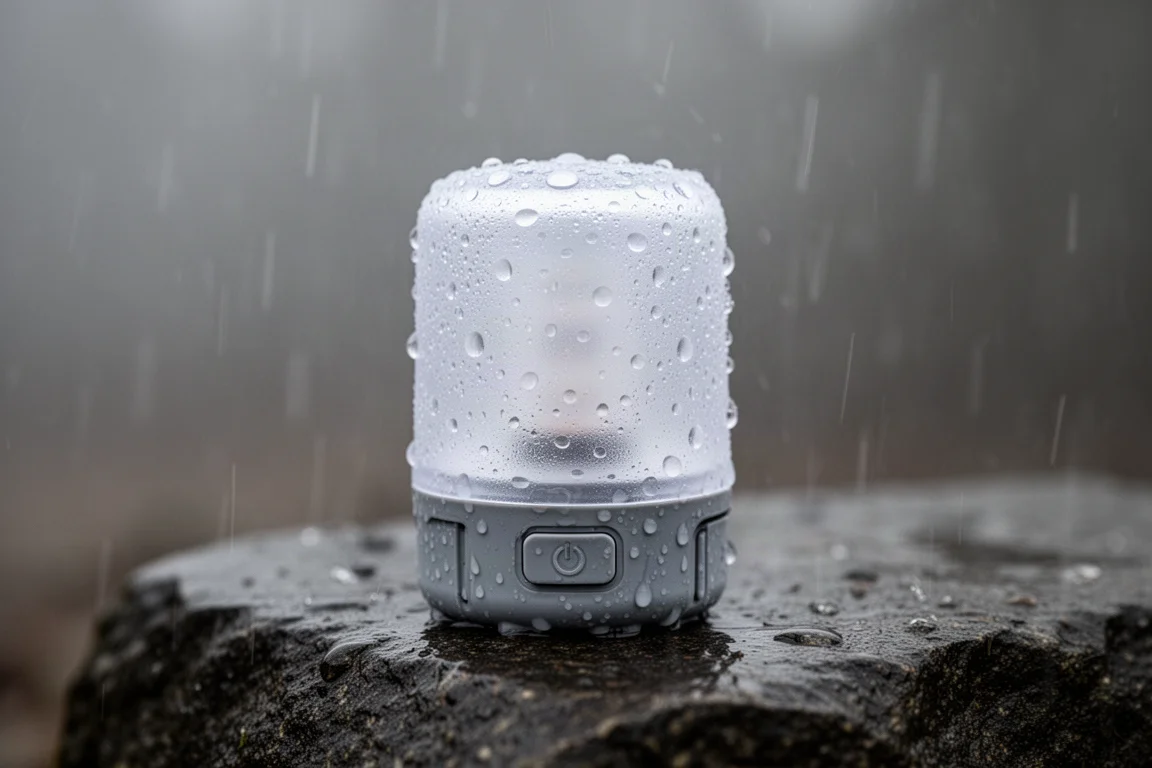
Lantern shine distance and flashlight beam distance came out essentially the same between the two. Because these are mass-produced units, small variations in lumen output and battery capacity are normal, so your sample may not match another one exactly. One more practical note: if you do not have a charging cable with you, the cable you carry for the Micro Charge doubles as a way to run the light while it tops up a phone.
Portability and Charging Differences
Weight and length are the two measurements that separate these lights in a pack. The Micro Charge is about 10 percent heavier and about 18 percent longer, a direct consequence of the USB port built into its base. If you count grams carefully on long trips, that is the clearest argument for the Micro Flash.
Charging behaviour also diverges more than the spec sheet suggests. Both are rated at roughly 3 and a half hours to refill over USB, but in testing the Micro Flash finished in 3 hours and 36 minutes while the Micro Charge took 4 hours and 40 minutes, using the identical 5-volt, 1-ampere port. Budget extra time for the Micro Charge if you are rotating it between trips.
Which One Should You Buy?
For most people, the Micro Charge is the better buy. The USB output is genuinely useful in a pinch, whether that means a few extra percent of phone battery on a long hike or keeping a device alive during an outage, and the included carabiner makes hanging the light simple. Since the price difference is usually only about $5 and everything else about the two lights is the same, that is a small premium for a capability you might need once and be very glad to have.
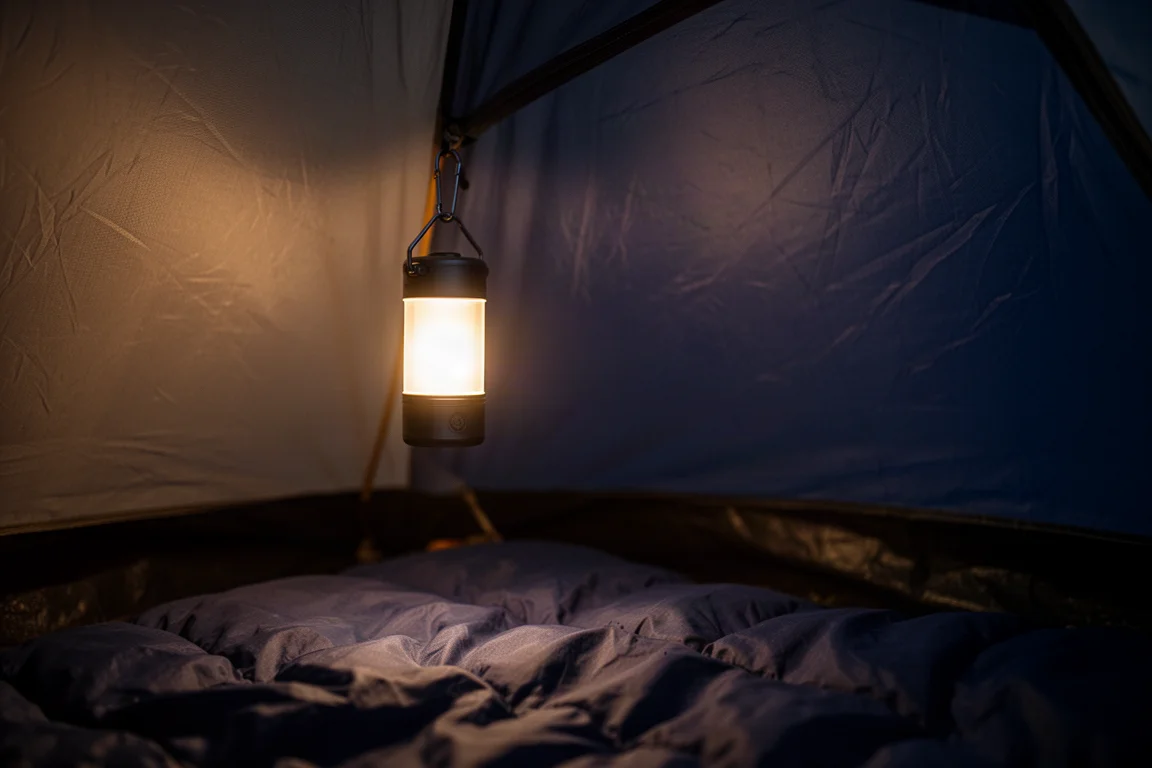
The Micro Flash makes sense in one specific case: you want to save 0.3 ounces, you are counting every gram, and you have no use for a charging output. If those conditions do not describe you, the Micro Charge covers the same ground with more flexibility, and you give up very little in return.
Conclusion
These two lights are close enough that the choice is straightforward. Take the Micro Charge if you want the extra USB output and the carabiner for about $5 more, and take the Micro Flash only if saving a fraction of an ounce matters more than the ability to charge a device. Either way you get the same IPX6 build, the same lantern-and-flashlight design, and the same two-year warranty.
Further reading
Related Reviews
Camping Lights
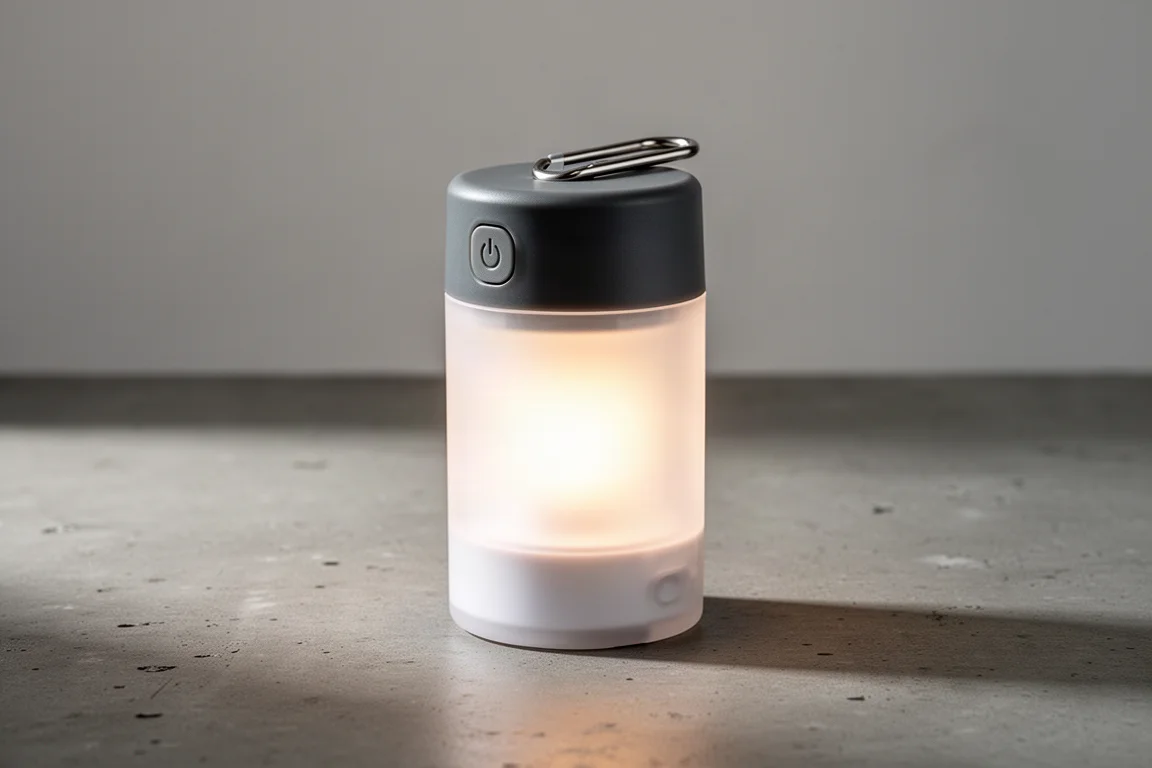
Goal Zero Lighthouse Micro Flash Review: A Two-in-One Light That Earns Its Place
A pocket-sized flashlight and lantern in one body, with long low-brightness runtimes, IPX6 weather resistance, and a few usability quirks worth knowing before you buy.
Camping Lights
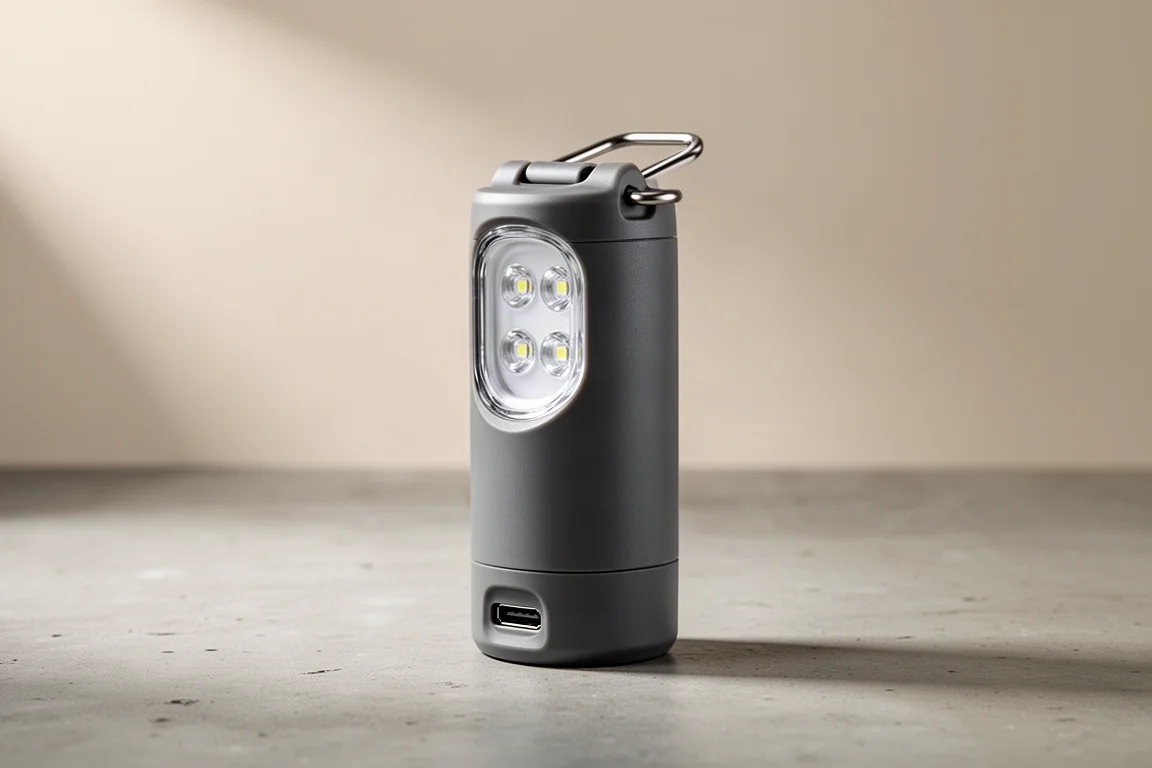
Goal Zero Micro Charge Review: A Compact 2-in-1 Camping Light
A practical look at the Goal Zero Micro Charge, a pocketable flashlight and lantern with phone charging, plus the trade-offs worth knowing before you buy.
Camping Lights
Goal Zero Torch 500 Review: A Solar-Capable Lantern and Flashlight Combo
A close look at the Goal Zero Torch 500, covering its dual light modes, real-world runtime, USB and solar charging, IP67 waterproofing, and the bulk that comes with the extra capability.