Camping Lights
Goal Zero Lighthouse Micro Flash Review: A Two-in-One Light That Earns Its Place
A pocket-sized flashlight and lantern in one body, with long low-brightness runtimes, IPX6 weather resistance, and a few usability quirks worth knowing before you buy.
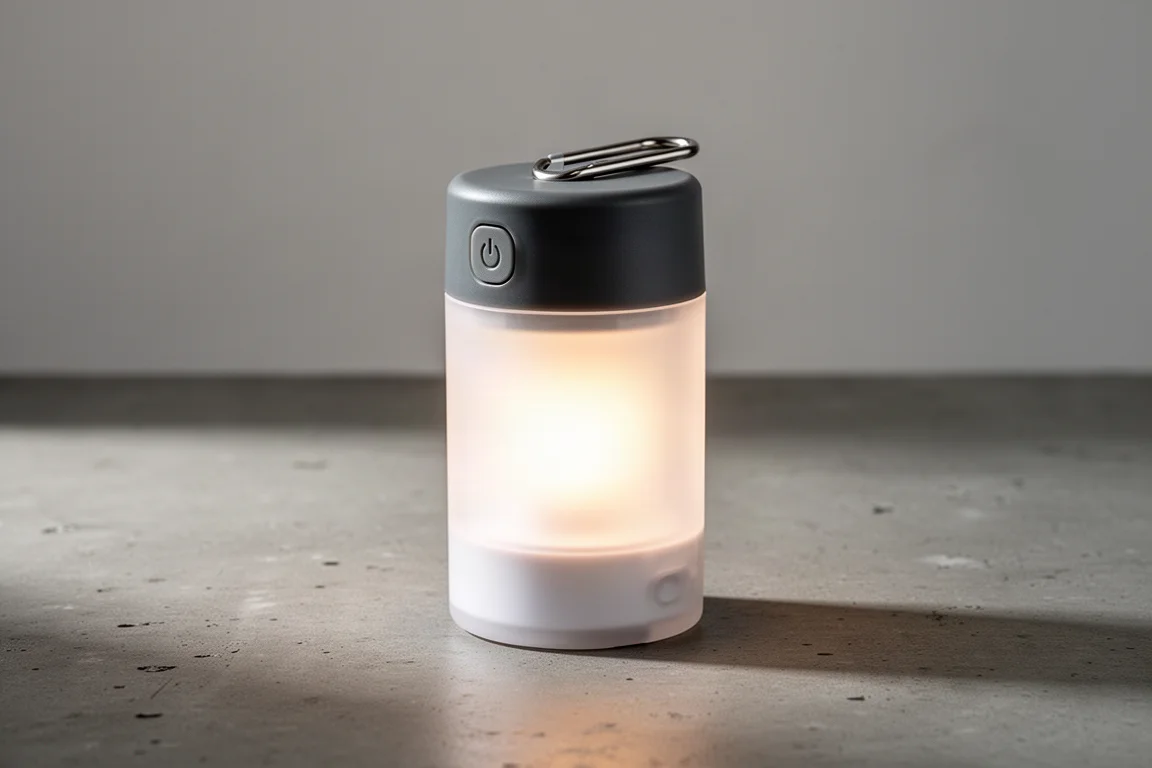
Introduction
The Goal Zero Lighthouse Micro Flash is a two-in-one light: a flashlight and a lantern built into one small cylindrical body. It arrives in a demo mode that cycles automatically between flashlight and lantern with each press of the power button, which is useful for seeing both functions in a shop but not for everyday use. Plugging it into any USB port takes it out of demo mode and hands full control of the modes back to you.
That single design decision says a lot about the product. This is a light built for people who want one object in a pack rather than two, and who care more about versatility and runtime than about raw output. It is small enough to disappear into a jacket pocket, and it charges through a built-in USB input at the bottom of the body, so there is no cable to lose.
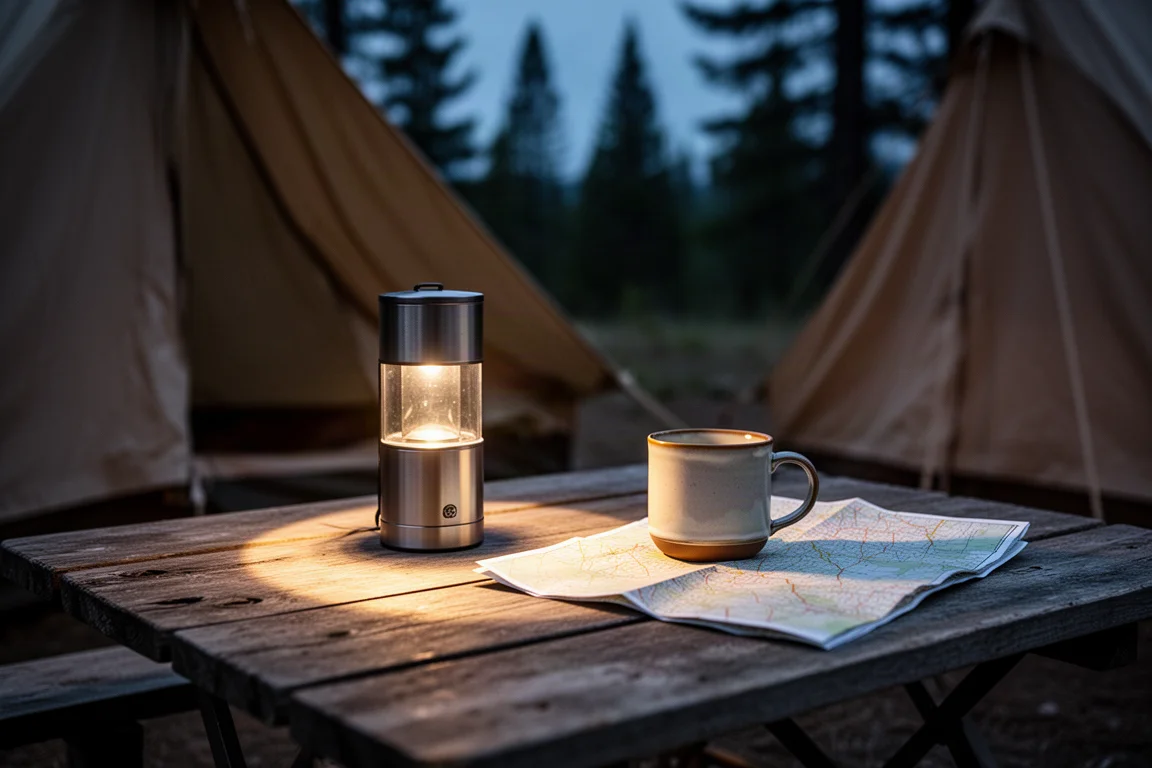
The output ceiling is modest, and that shapes everything else about how the light behaves. Within that limit, the Micro Flash covers an unusually wide range of situations, from a handheld beam for walking a short distance to a soft, warm glow for reading or sitting in a tent.
Who This Lantern Is For
This light suits campers, backpackers, and travellers who want a single compact unit that handles both task lighting and ambient lighting. At roughly 2.75 ounces and about three and three quarter inches long with a top width of around one and a half inches, it is small enough for a dopp kit, a glovebox, or an emergency kit, and light enough that carrying it costs almost nothing in weight.
It is a particularly good fit for tent use. The lantern modes produce a warm, low-level light that is comfortable for reading and for lounging rather than for illuminating a whole campsite. It also works well as a backup light left plugged in and running, since it supports simultaneous recharge and discharge, meaning it can be used while it is charging.
It is not the right choice for anyone who needs long beam distance or high output. The lantern modes are intended for nearby light, and the measured shine distance on the brightest lantern setting was about 4.1 feet, dropping to under a foot on the low setting.
Design, Weight, and Portability
The body is made almost entirely of plastic, but it feels high-grade and substantial rather than hollow. The shape is a simple rounded cylinder that stands upright on its base, which makes it easy to place on a table or a tent floor.
A hook on top can be clipped to either side, though it is not removable, so it only works with open lantern loops. For a closed loop you would need a separate lightweight carabiner. The single power button sits on the top face and is quite small, almost flush with the surface, which keeps the silhouette clean but makes it harder to find by feel in the dark.
Charging happens through the built-in USB input at the bottom of the unit, and the connector itself is a little short. With a deeply recessed USB port, the light may not reach far enough to make contact, in which case a different plug or an extension is needed.
Light Modes and Brightness
One power button controls everything. A single press moves to the brightest flashlight mode. Pressing again switches to the full lantern mode, where all four LEDs light up. A third press drops to the half-lantern mode, which uses only two LEDs to conserve battery. A fourth press turns the light off.
Dimming works in any mode by pressing and holding the button. The light fades down, and a blink signals that the dimmest setting has been reached. Maximum output is 150 lumens, with the flashlight producing around 120 lumens on high and the dimmest setting sitting at roughly 20 lumens. On the brightest settings, the full lantern measured about 40 percent brighter than the half lantern.
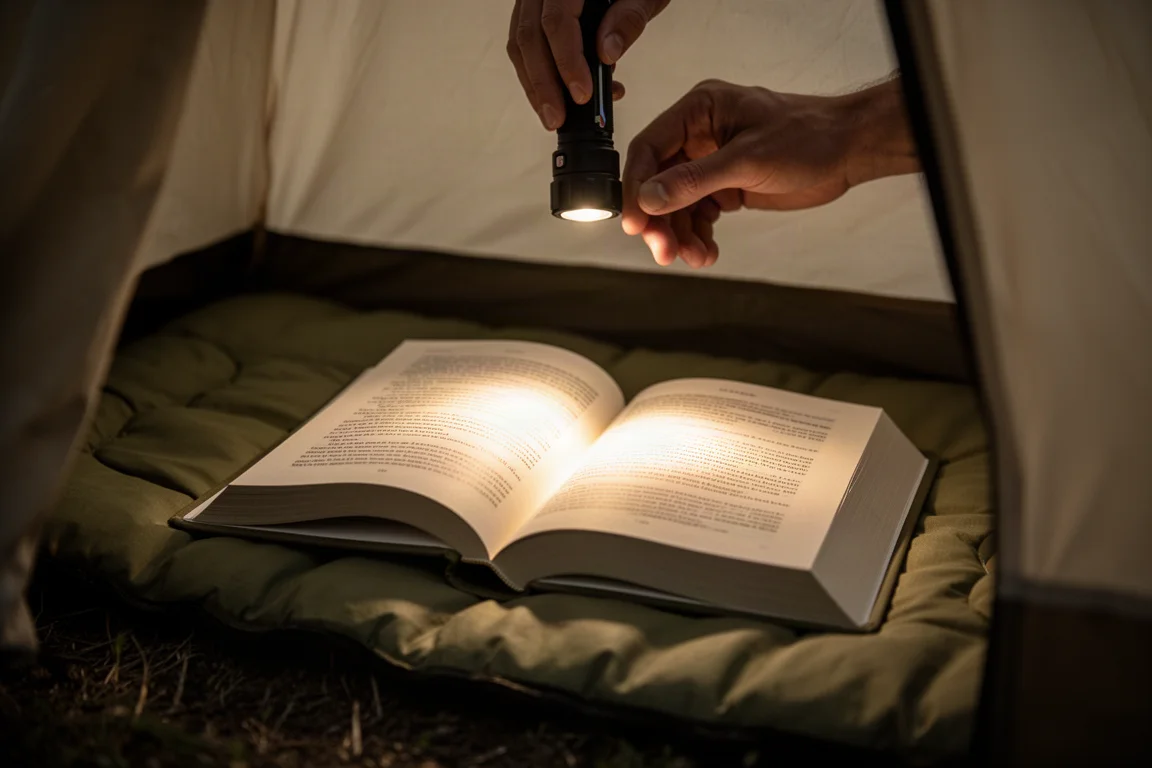
Both low modes are essentially very dim night lights, but they are still bright enough for reading and for sitting around. A rough ceiling-bounce estimate put the brightest flashlight setting at about 100 lumens against a rated 120, so the headline figure is slightly optimistic.
Colour temperature is a genuine strength. The flashlight runs at 3,000 Kelvin and the lantern at 3,800 Kelvin, and both are warm and easy on the eyes over long periods. The one visible compromise is the plastic covering, which is less frosted than it could be. The LED bulbs are visible through the housing, and on the brightest mode the light can be quite blinding when you look towards it.
Runtime and Battery Behavior
Runtime is where this light separates itself from its output class. The stated maximum is 170 hours, with low modes quoted between 80 and 170 hours and high modes between 7 and 15 hours. In testing, the brightest modes matched those figures closely, within about an hour for each mode. The low modes went well beyond them: roughly three times the stated runtime for the flashlight, three and a half times for the full lantern, and double for the half lantern.
That is remarkable given the cell capacity of about 2,600 milliamp-hours. The half-lantern mode does conserve battery, but it is worth being precise about how much: it increases runtime by around 20 percent rather than doubling it, so it is a modest saving rather than a dramatic one.
The four-light battery indicator blinks when charging and shows all four lights solid once the unit is full. Charging takes about three and a half hours on a 5-volt, 1-ampere input, and testing came in just slightly over that. The indicator is only a rough gauge, though. Most of the capacity drains within the first light, and by the time only the last light remains, the battery is critically low, so it is worth treating the indicator as a warning system rather than a percentage readout.
Weather Resistance and Durability
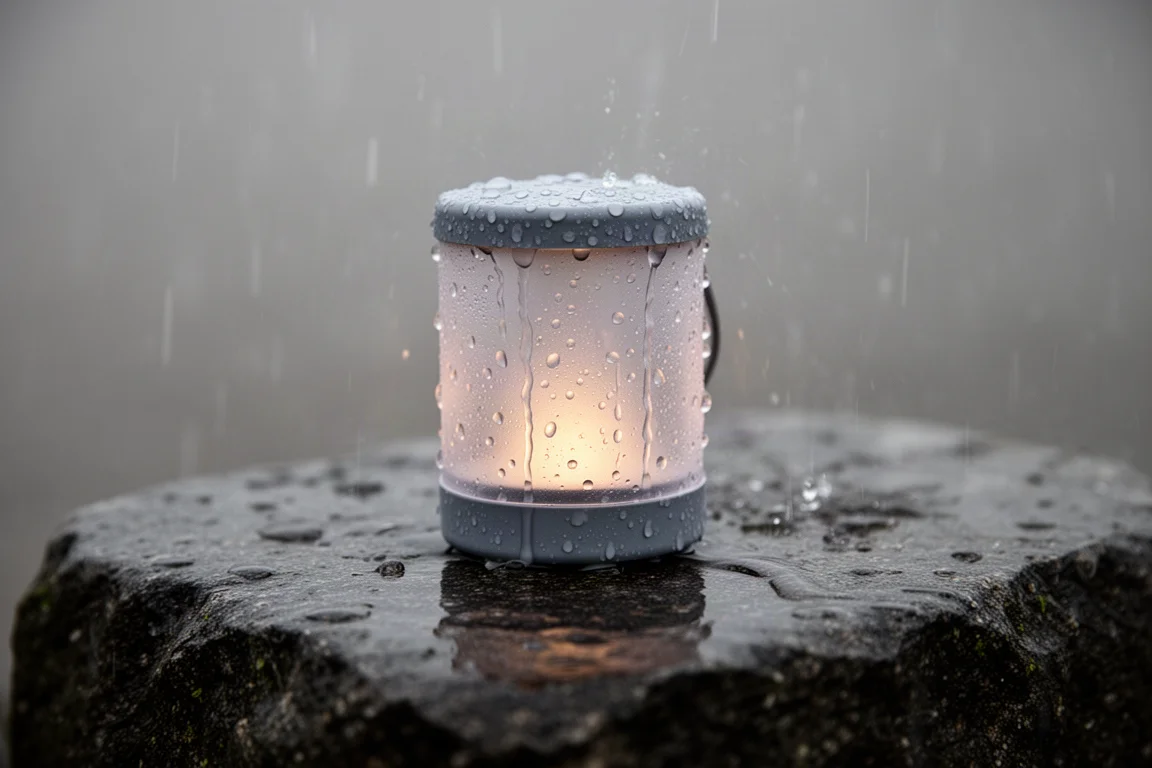
The Micro Flash carries an IPX6 rating, which covers heavy rain and even water jets. After 25 minutes of heavy rain, every mode still worked normally. The USB port at the bottom was wet, but once everything was dried out the light continued to work without issue.
It also survives drops from hand height. After a fall, all modes kept working and the body showed no scrapes at all. Combined with the beefy feel of the plastic housing, that points to a light that will handle the ordinary knocks of pack life and campsite use.
Warranty coverage is worth checking carefully. The sales page mentions a five-year warranty at the top and a two-year warranty further down. Only selected products fall under the five-year term, and the Micro Flash sits under the two-year warranty.
Things to Consider Before Buying
There is no memory setting, so the light always starts on its brightest mode. That is an awkward default when you were last using the dim full lantern, and the problem is compounded when you switch off: the light cycles first through the brightest half-lantern mode before it turns off, which is a bright flash exactly when you do not want one.
The small, nearly flush power button is another trade-off. It looks clean, but it is harder to locate without looking. The short USB connector is a third point to plan around, since a deeply recessed port may not accept it.
The lantern beam distance is also modest, at about 4.1 feet on high and under a foot on low, which reflects the ambient nature of the design rather than any fault. Buyers who want a searchlight-style beam should look elsewhere.
Buying Advice
If you want a genuinely lightweight two-in-one flashlight and lantern, this is one of the strongest options in its class. The combination of a compact 2.75-ounce body, a built-in USB input with no cable to carry, warm light at two colour temperatures, and exceptionally long low-brightness runtimes adds up to a light that is easy to justify in a pack.
The trade-offs are all about control rather than capability. Plan around the bright default mode, be ready to find a suitable USB plug, and treat the battery indicator as a rough guide. None of those issues affect the core job of lighting a tent or a short walk back to camp.
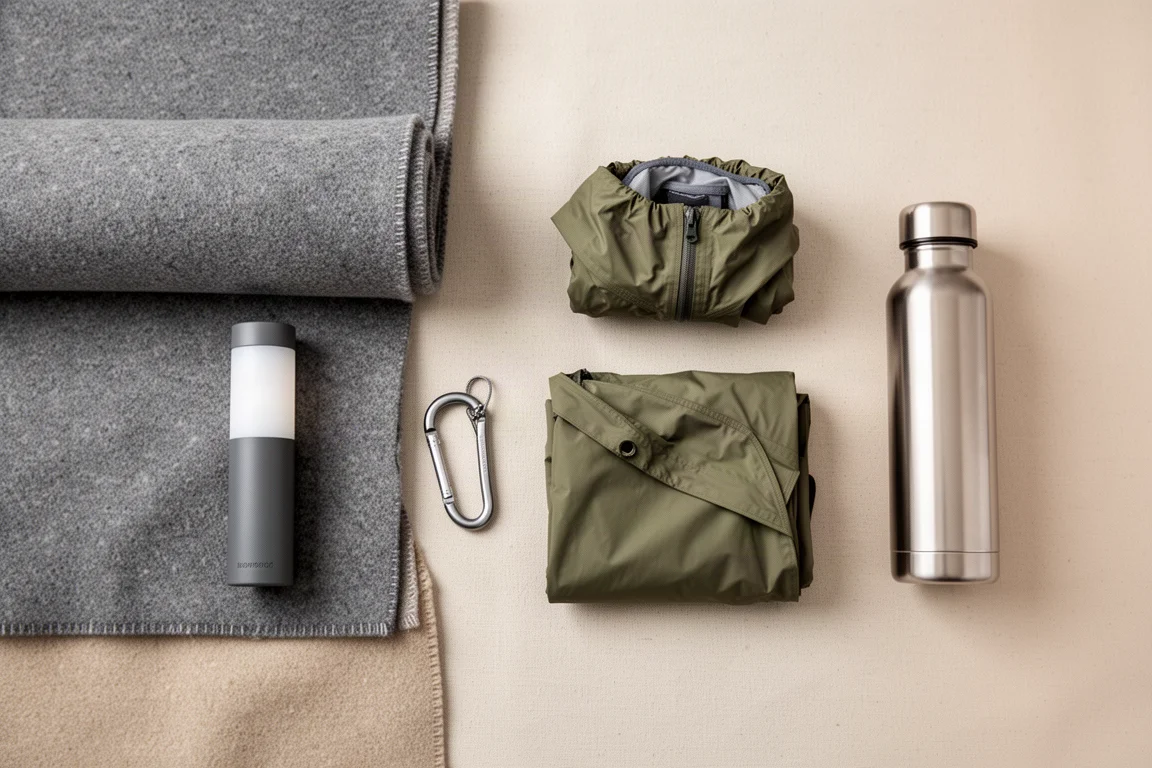
It helps to match the purchase to the use case. For reading, tent ambient light, emergency kits, and travel, the Micro Flash covers a lot of ground in very little space. For high-output work or long-distance beam throw, a different class of light will serve you better.
Conclusion
The Goal Zero Lighthouse Micro Flash is a well-executed two-in-one light that earns its place through portability, warm light quality, and runtimes on low settings that comfortably exceed their stated figures. Its brightest modes deliver what the specifications promise, and its IPX6 rating and drop resistance make it a sensible companion for outdoor use.
The quirks are real but manageable: no memory setting, a bright default mode, a small flush button, and a short USB connector. If those do not conflict with how you plan to use it, this is a compact and dependable choice for everyday camp lighting.
Product link
View more details for Goal Zero Lighthouse Micro Flash
This product is mentioned in the review. Check the specifications, options, and compatibility before buying.
View more details for Goal Zero Lighthouse Micro FlashFurther reading
Related Reviews
Camping Lights
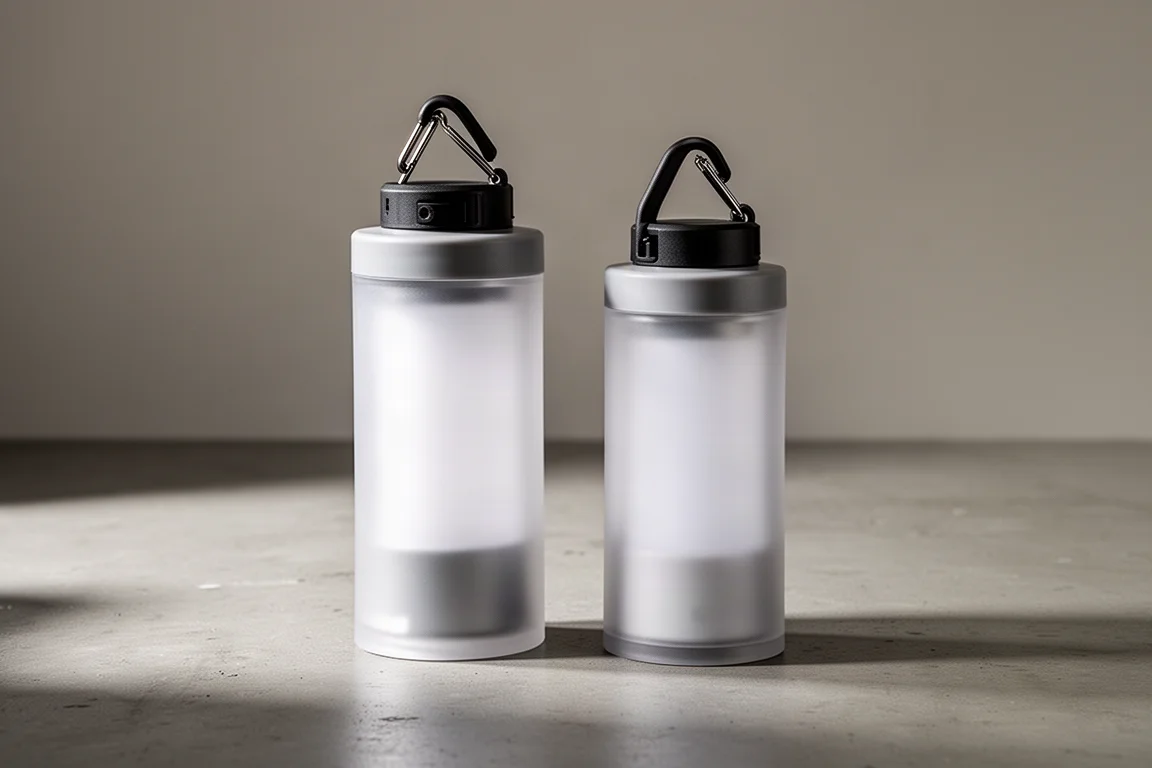
Goal Zero Lighthouse Micro Charge vs Micro Flash: Which Compact Camping Light Is Worth It?
Two nearly identical rechargeable camping lights, separated by a USB output port, a carabiner, and roughly $5. Here is how to choose between them.
Camping Lights
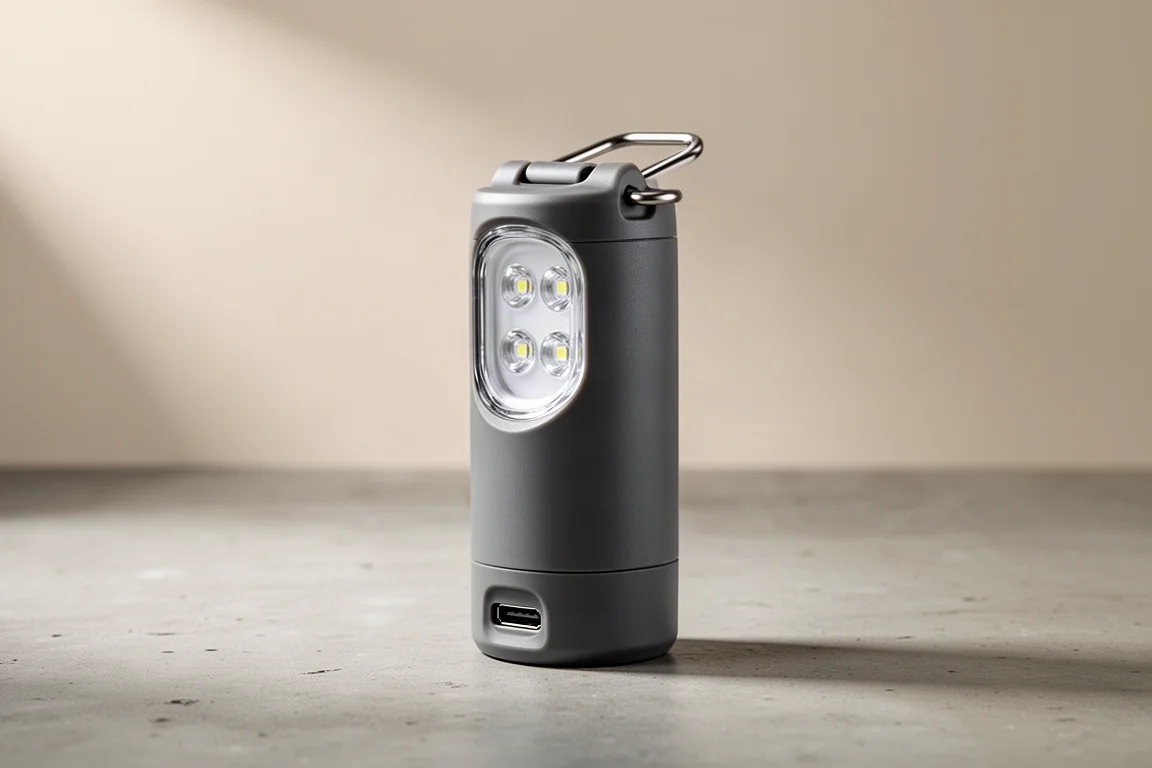
Goal Zero Micro Charge Review: A Compact 2-in-1 Camping Light
A practical look at the Goal Zero Micro Charge, a pocketable flashlight and lantern with phone charging, plus the trade-offs worth knowing before you buy.
Camping Lights
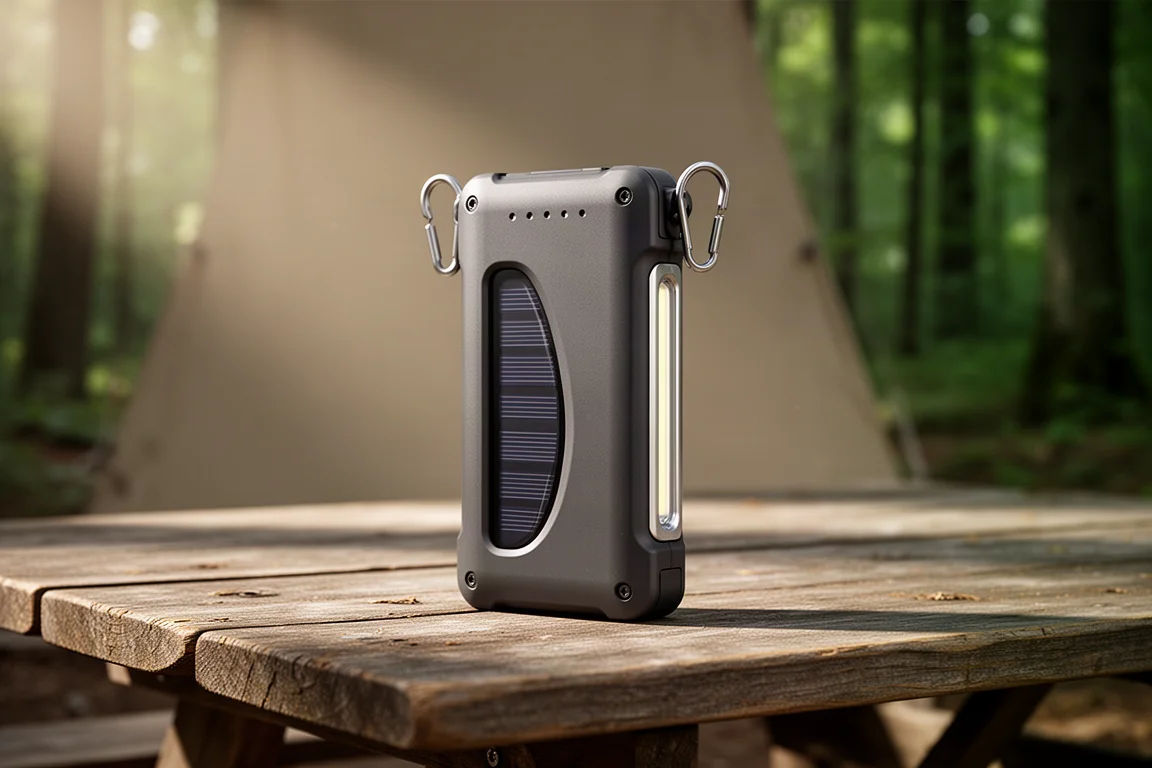
Goal Zero Torch 500 Review: A Solar-Capable Lantern and Flashlight Combo
A close look at the Goal Zero Torch 500, covering its dual light modes, real-world runtime, USB and solar charging, IP67 waterproofing, and the bulk that comes with the extra capability.