Flashlights
Nitecore EDC17 Review: A Slim Three-Source EDC Flashlight With a Brilliantly Simple Switch
The Nitecore EDC17 packs white light, UV, and a green laser into a stainless steel body, led by a slide switch that makes its UI almost effortless to learn.
Introduction
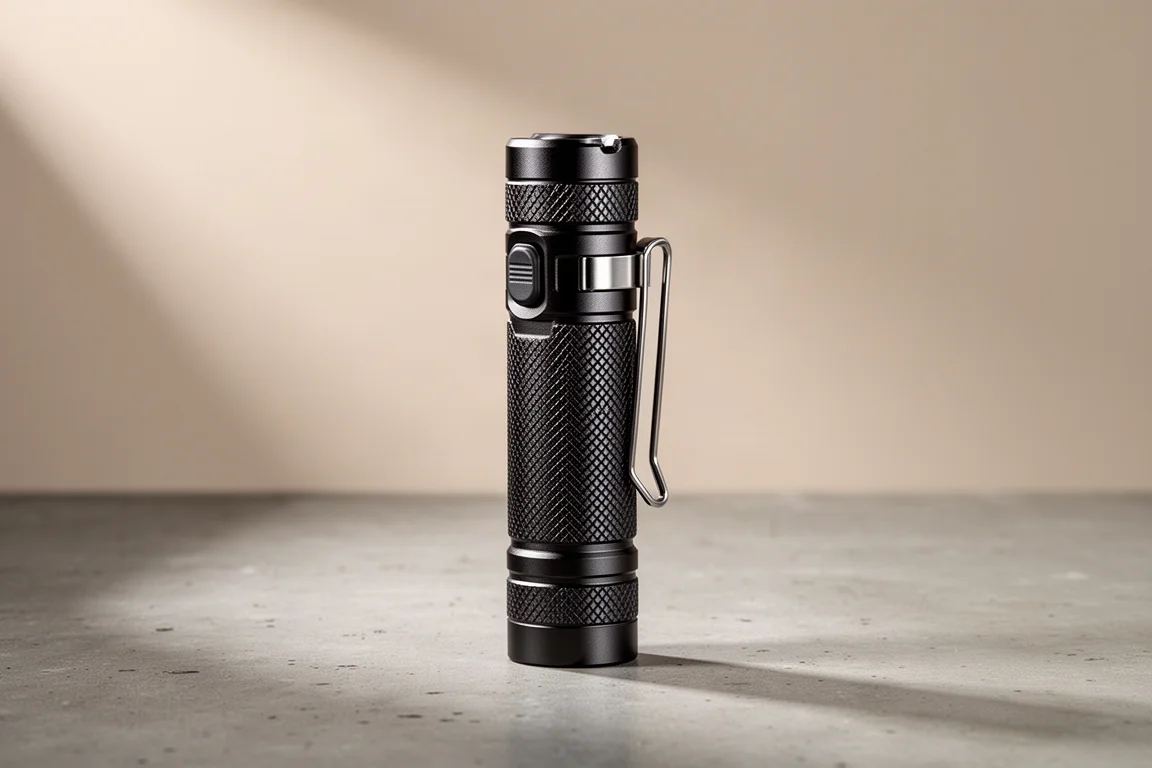
The Nitecore EDC17 is an ultra-slim, three-source everyday carry flashlight that covers a surprising amount of ground: outdoor activities, maintenance tasks, emergency situations, and plain daily use. It puts out a maximum of 1,500 lumens with a max throw of 230 meters and 12,400 candela of intensity, and it can run up to 260 hours on ultra low.
Those three sources are the main draw. You get a white light, a 1,350 mW UV light, and a 5 mW green laser in one flat-bodied package. Add a stainless steel build, USB-C charging, and an IPX7 rating, and this is a thoughtfully equipped EDC light.
Who This Flashlight Is For
If you are the kind of person who dislikes complex flashlight UIs, remembering button sequences, and cycling through hidden modes, the EDC17 is aimed squarely at you. Its defining feature is a slide switch with a tactile click at each brightness level, which makes the light almost impossible to fumble with.
It also suits anyone who wants versatility without carrying multiple tools: a white light for seeing, UV for inspection tasks, and a green laser for pointing things out at distance. The removable glass breaker tip and deep-carry clip round out an everyday carry focus.
Design and Build Quality
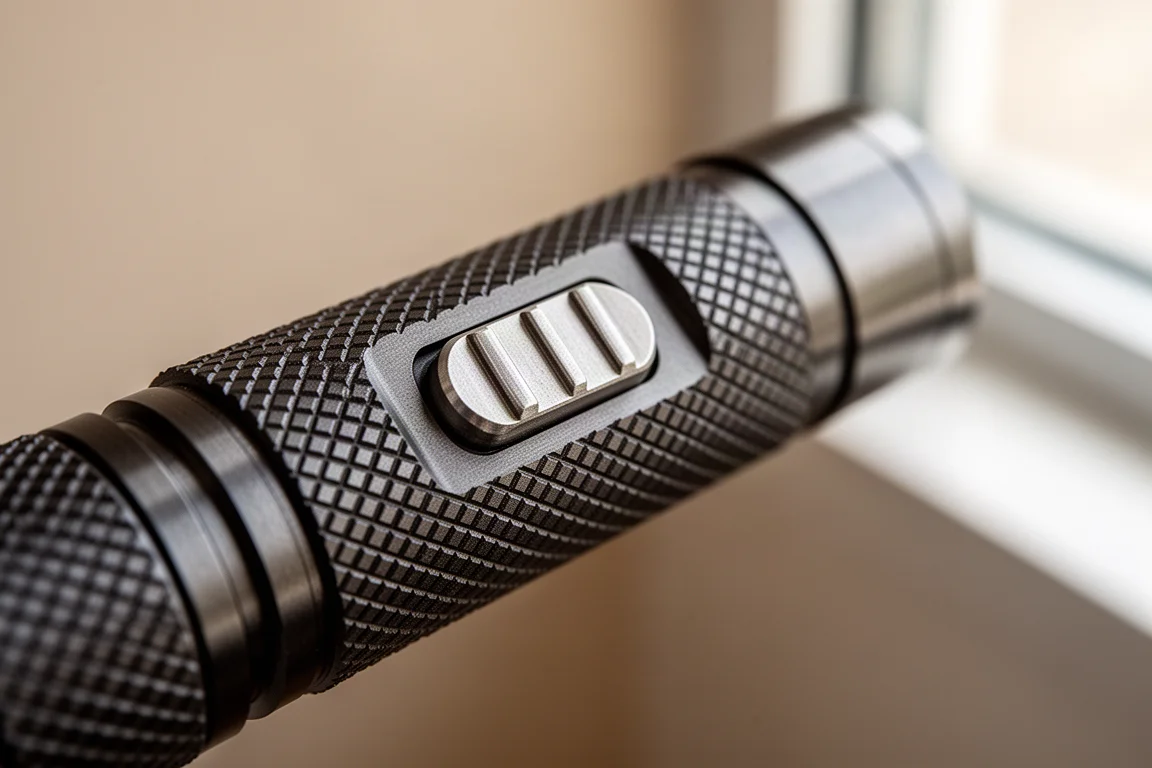
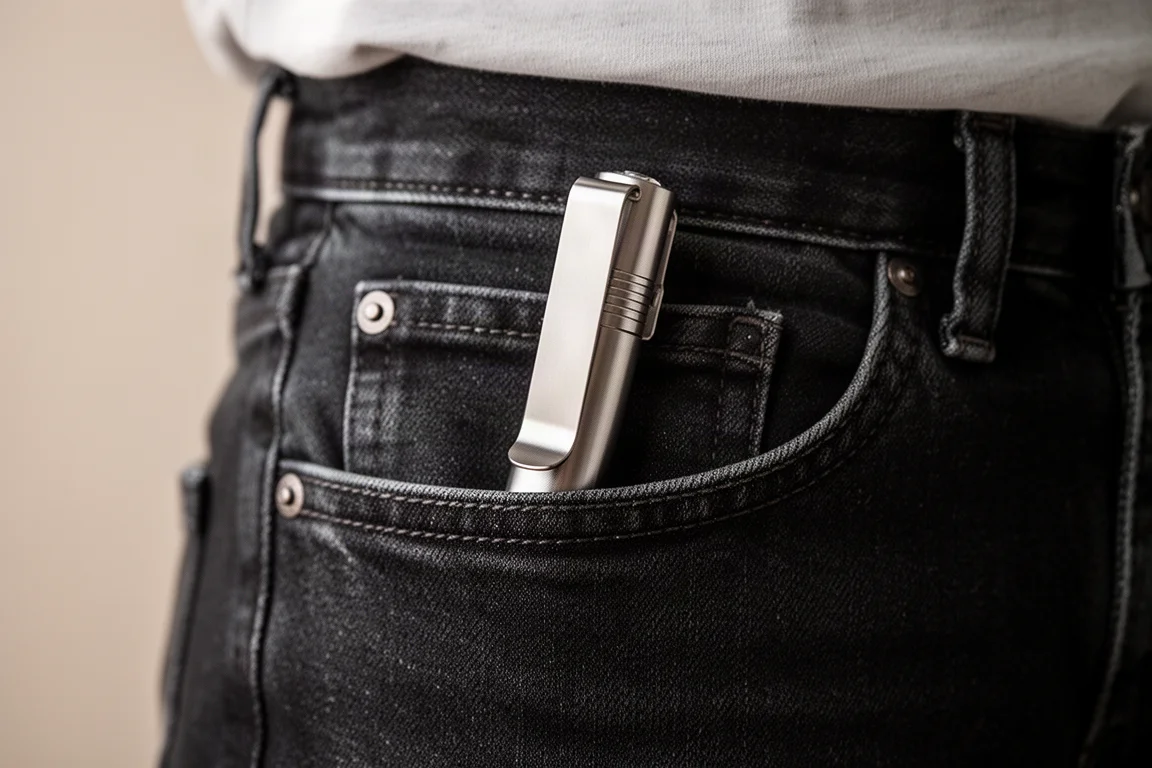
The body is high strength stainless steel with a PVD coating that helps with scratches and overall durability. The texturing on the top and sides is fairly aggressive, and it gives plenty of grip while still feeling very nice in the hand. Measured at 4.84 by 1.26 by 0.63 inches and 3.7 oz (106 g), it is genuinely slim and pocketable.
The design language borrows heavily from folding knives, and it works. Holding the light underhand puts your thumb exactly where the slide switch and the M (mode) button sit, so everything except ultra low activation can be done one-handed comfortably.
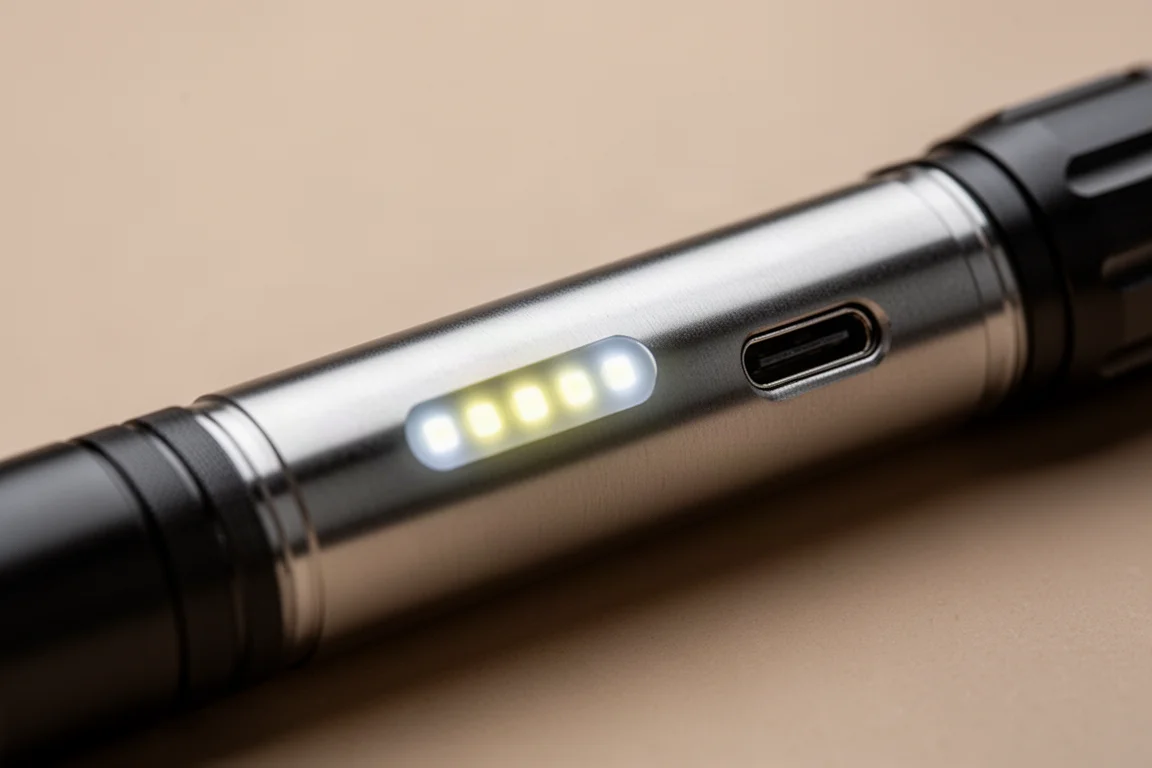
Other details are equally practical. A four-LED battery indicator on the side shows charge at boot-up in 25% steps, the stainless steel pocket clip is a proper deep-carry design with good tension, and the tail features a removable silicon nitride ceramic tip glass breaker. The IPX7 rating means the light can be submersed in up to 3 feet of water, and it carries a 2 meter impact resistance rating, which is notable for a flat-style EDC light.
Brightness Levels and Runtime
The white light offers four brightness levels. Ultra low sits at 1 lumen with up to 260 hours of runtime. Low is 50 lumens for 16 hours. Mid, the sweet spot, is 220 lumens for 3 hours and 30 minutes. High jumps to 1,500 lumens for 1 hour and 45 minutes, though independent testing showed the light starts stepping down almost immediately, settling around 400 to 420 lumens after about two minutes.
The UV light has three levels: 220 mW for 13 hours, 650 mW for 5 hours, and 1,350 mW for 2 hours. The green laser has a single fixed brightness with no adjustable levels.
One noticeable omission is strobe. Nearly every flashlight in Nitecore’s EDC series has included one, so its absence here stands out, even if it is not critical for everyday carry use.
The Slide Switch UI
The slide switch is genuinely excellent. Push it up through off, low, mid, and high, with a click at each stage. There is nothing to memorize, and anyone can pick the light up and find the right level instantly. It may well be one of the best switches on any flat EDC flashlight right now.
However, the UI has two quirks worth knowing. First, activating ultra low requires pressing and holding the M button and then pushing the slide switch up, and doing that one-handed is awkward at best. With only three stages on the switch, one more stop would have solved this.
Second, the green laser is part of the source cycling on the M button. To get it constantly on, you cycle through white light, then green laser, then UV. Since the M button already supports press-and-hold for temporary laser activation, a dedicated laser control there would have avoided cycling through the laser every time you want to switch between white light and UV. On the plus side, the light has source memory, so it returns to the last-used source when reactivated, and USB-C charging supports pass-through use, meaning every brightness level stays available while charging.
Beam Profile and Real-World Output
The NiteLab UHI 25 LED sits fairly deep in an orange-peel textured reflector, with a claimed 50,000 hour lifespan. The result is a mostly even beam with a defined central hotspot. Outdoor testing in snowy conditions showed low and mid as useful levels, with mid comfortably reaching a barn and trees in the distance.
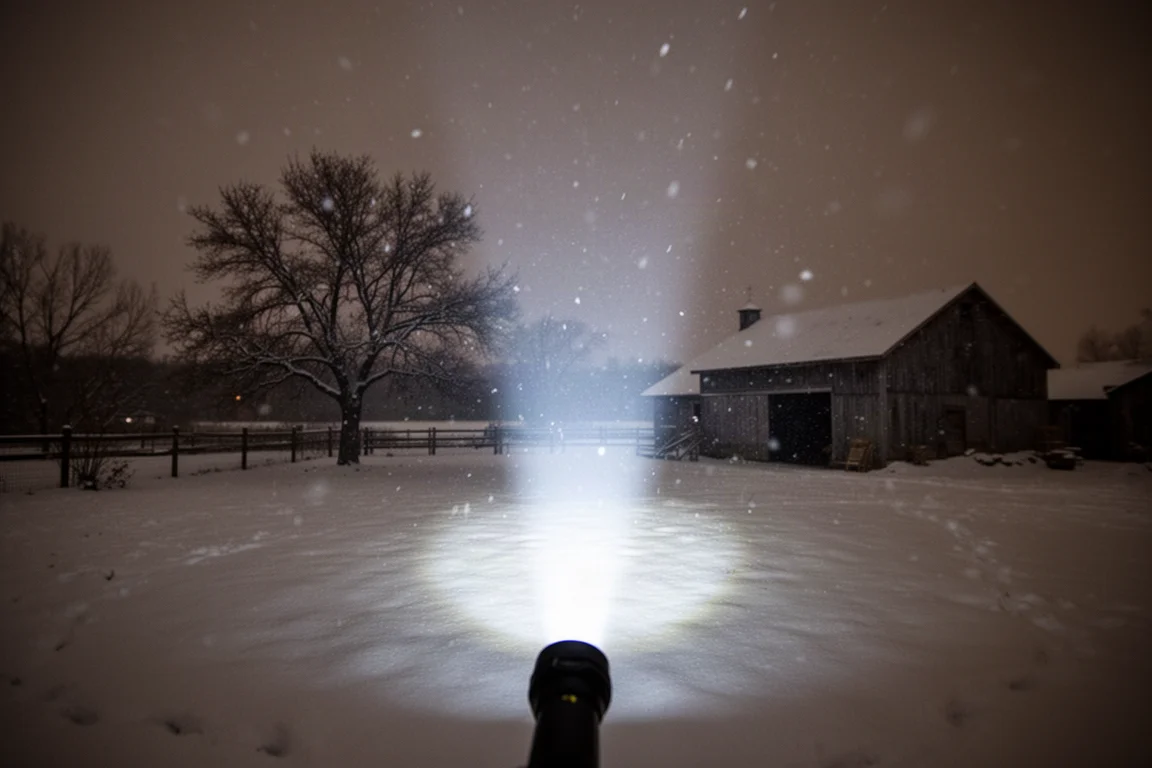
On high, the jump from 220 to 1,500 lumens is dramatic, and the light easily reaches targets at its claimed 230 meter throw. The color temperature leans cool white. Do keep in mind that as the output steps down on high, candela and throw dip right along with it, so the full 230 meter reach is really a peak figure rather than a sustained one.
Things to Consider Before Buying
The built-in 1,500 mAh lithium-ion battery is the first consideration. It enables the slim form and USB-C charging, but it cannot be swapped, which is a perennial trade-off with this style of light. If a battery eventually wears out, the whole light is affected.
The UI quirks are the second. Ultra low activation is genuinely fiddly, and the laser being mixed into the source cycling feels like a missed opportunity rather than a dealbreaker. The lack of a strobe is a minor nitpick but worth flagging if you rely on it for signaling.
Buying Advice
The EDC17 makes the most sense for riders of the everyday carry world who want one slim tool instead of three. If you value a simple, switch-based UI and a genuinely pocketable stainless steel body with IPX7 water protection, it is easy to recommend. If you need swappable batteries, a strobe mode, or perfectly clean source cycling, it is worth weighing those compromises first.
Conclusion
The Nitecore EDC17 gets the fundamentals right: strong build quality, three useful light sources, pass-through charging, and a slide switch that makes daily use nearly effortless. The ultra low activation and laser cycling are irritations rather than flaws that ruin the experience. For anyone after a slim, durable, multi-source EDC flashlight, it is a compelling option.
Product link
View more details for Nitecore EDC17
This product is mentioned in the review. Check the specifications, options, and compatibility before buying.
View more details for Nitecore EDC17Further reading
Related Reviews
Flashlights
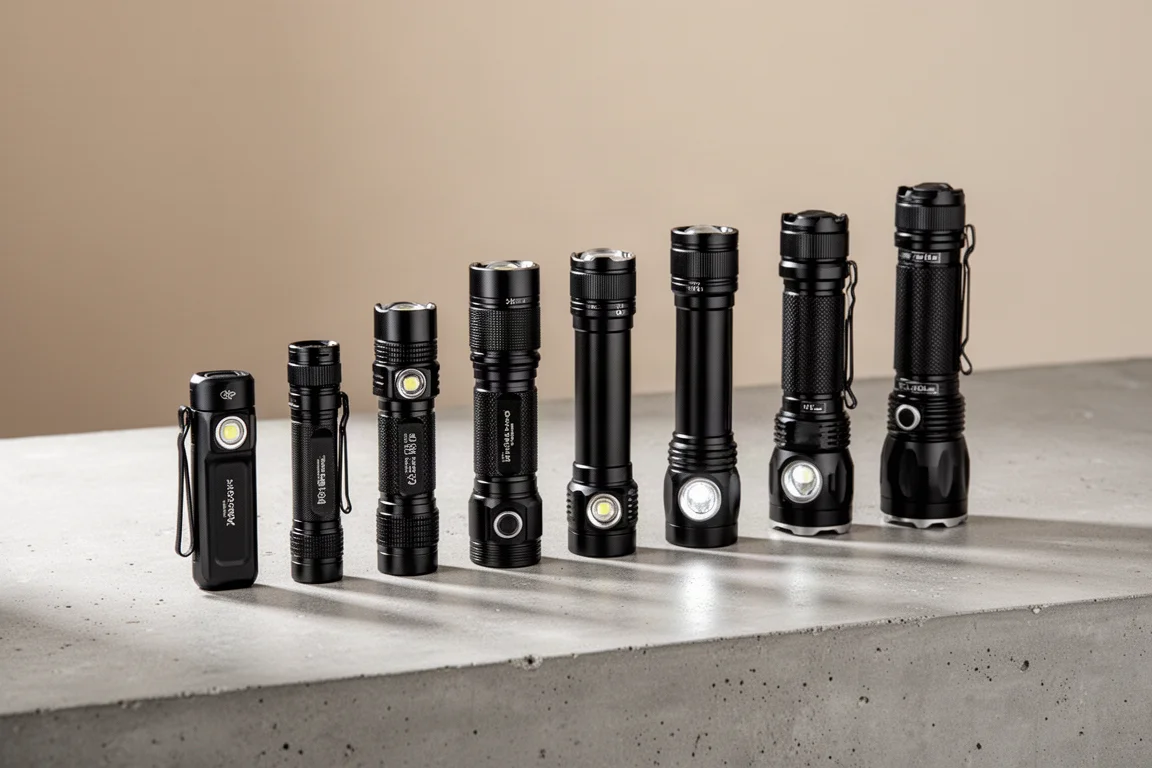
Best Flashlights 2026: Brightness, Battery, and Value Compared
We tested 18 flashlights across a wide price range to find the best performers in brightness, battery life, and durability.
Flashlights
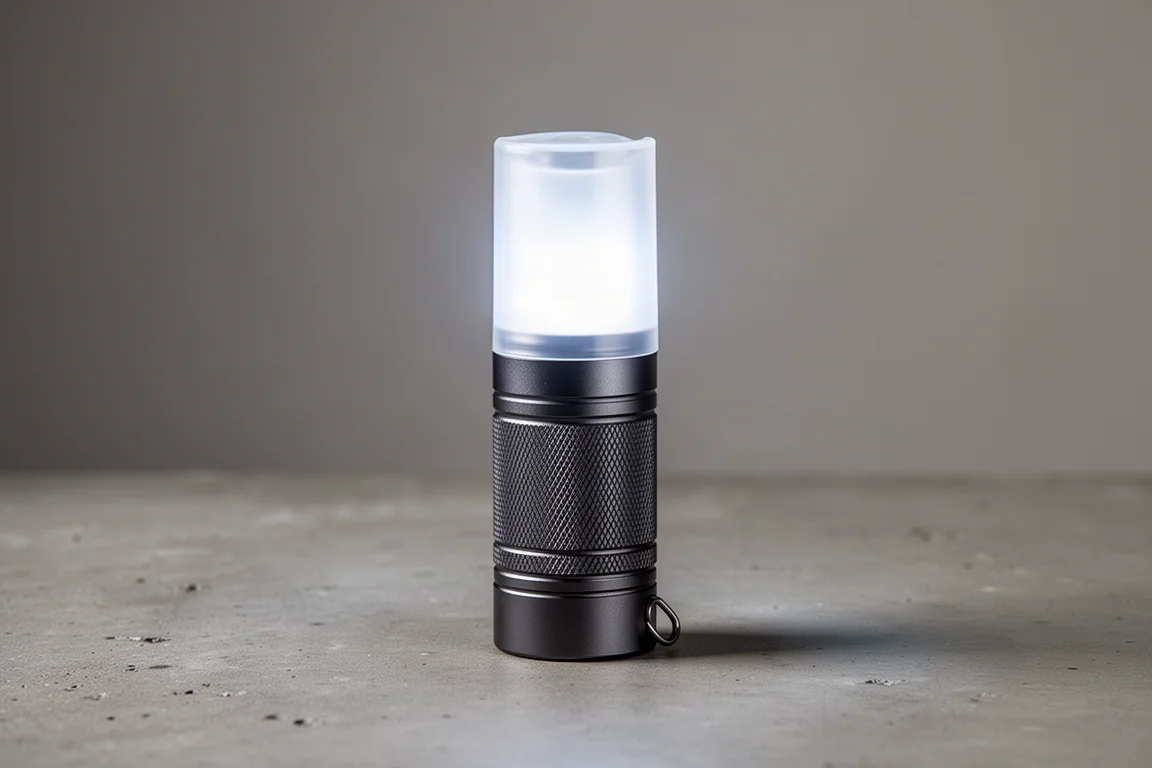
Nitecore LA10 Review: A Tiny 2-in-1 Lantern That Nails the Basics
The Nitecore LA10 pairs a pocket-sized lantern with a single AA battery, a magnetic tail cap and a five-year warranty. Here is where it shines and where it struggles.
Flashlights
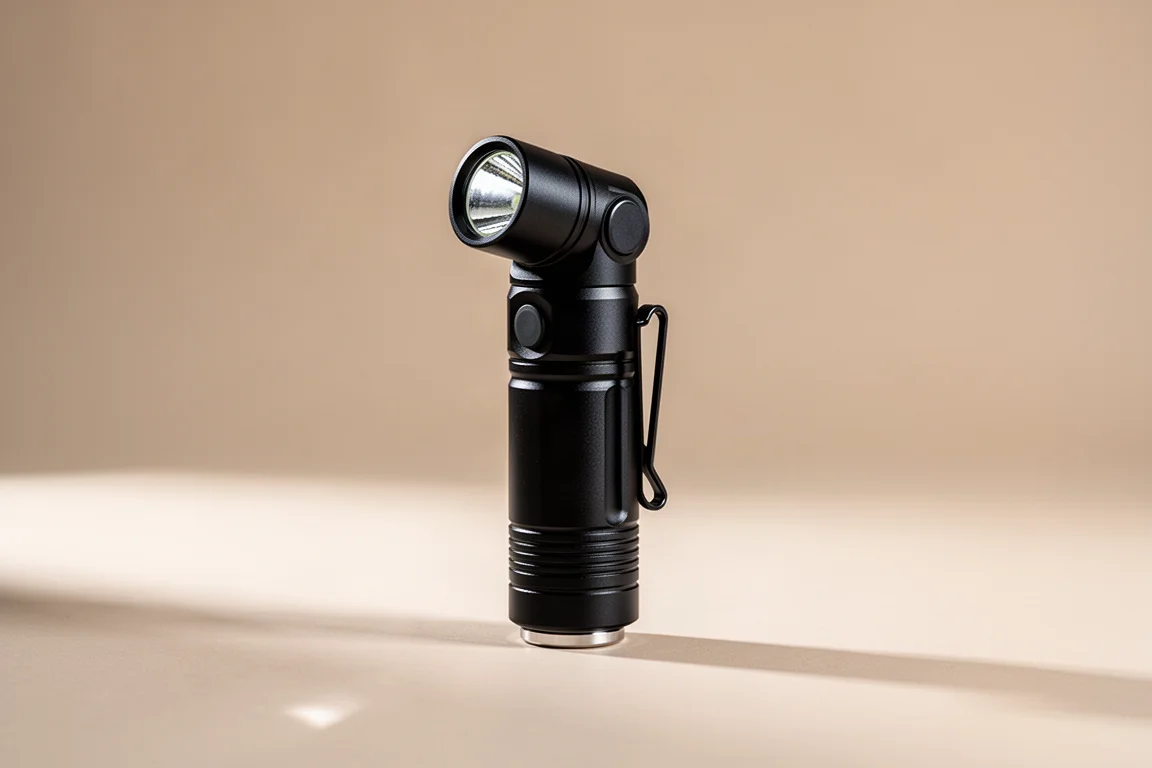
Wuben G5 Review: A Compact Everyday Carry Flashlight
The Wuben G5 is a small, rechargeable flashlight with a pivoting head, magnetic base, and color modes. Here is how it performs as an everyday carry light.