Road Bikes
Nine Road Bikes That Miss the Mark: A Fitter's Critique
A bike fitter's perspective on nine popular road bikes that prioritize race geometry or proprietary designs over real-world fit and usability.
Introduction
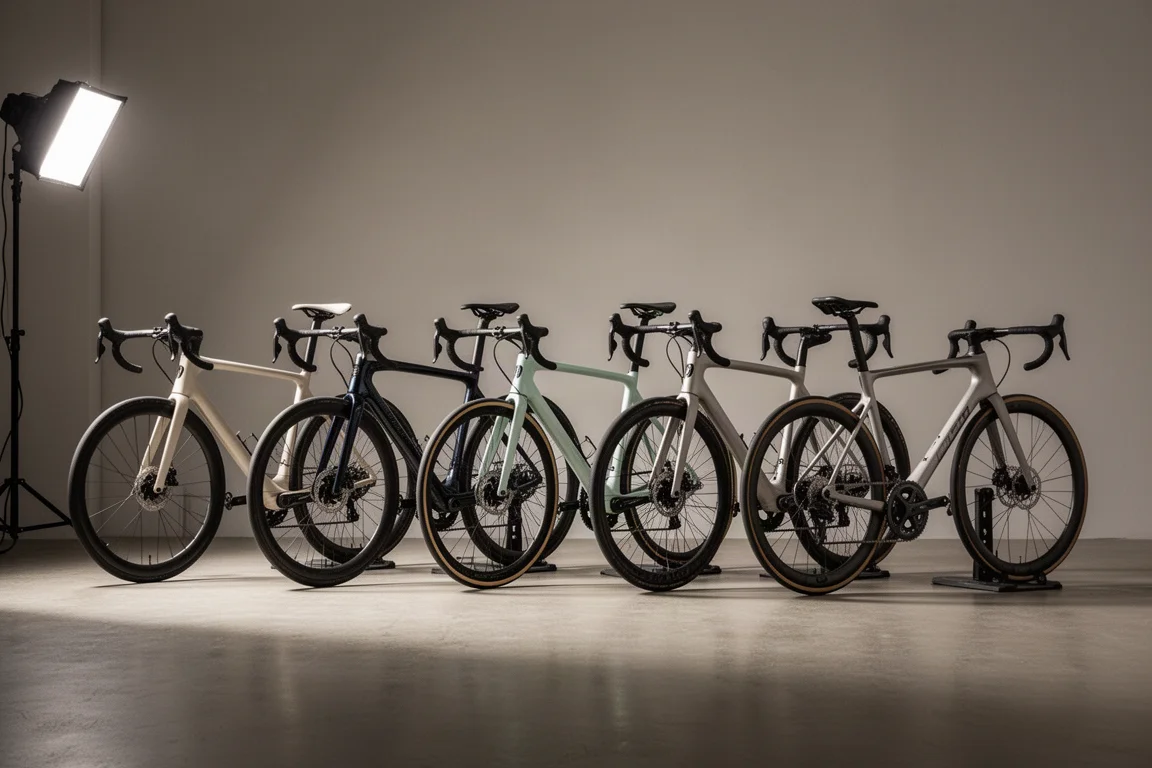
Road bikes are often designed around the needs of elite racers, but most riders have different priorities. A bike that feels fast for a 60 kg athlete putting out 350 watts may be uncomfortable and hard to handle for someone who rides a few hours a week. From a bike-fitting perspective, many popular models miss the mark because they prioritize aggressive geometry or proprietary parts over fit, serviceability, and real-world usability. This article examines nine road bikes that, despite their reputations, may not suit the average rider.
Specialized Aethos: A Race Bike in Disguise
The Specialized Aethos is light, stiff, comfortable, and compliant. It has organic lines, skinny seat stays for compliance, and a threaded bottom bracket that avoids creaking and makes servicing easy and affordable. It is not fully integrated, which keeps maintenance simple. Specialized positioned it as a bike for the people.
However, the Aethos is built like a race bike. It has a short head tube, a long top tube, and a reach that is too long for most consumers. The stack is too low for most riders. As a result, many people need a large stack of spacers and a very short stem to achieve a comfortable fit, which compromises the otherwise excellent ride quality. The geometry is identical to the Tarmac, so it is unclear why the Aethos exists as a separate model. If it had used Roubaix geometry, it could have been a great bike for a much wider audience.
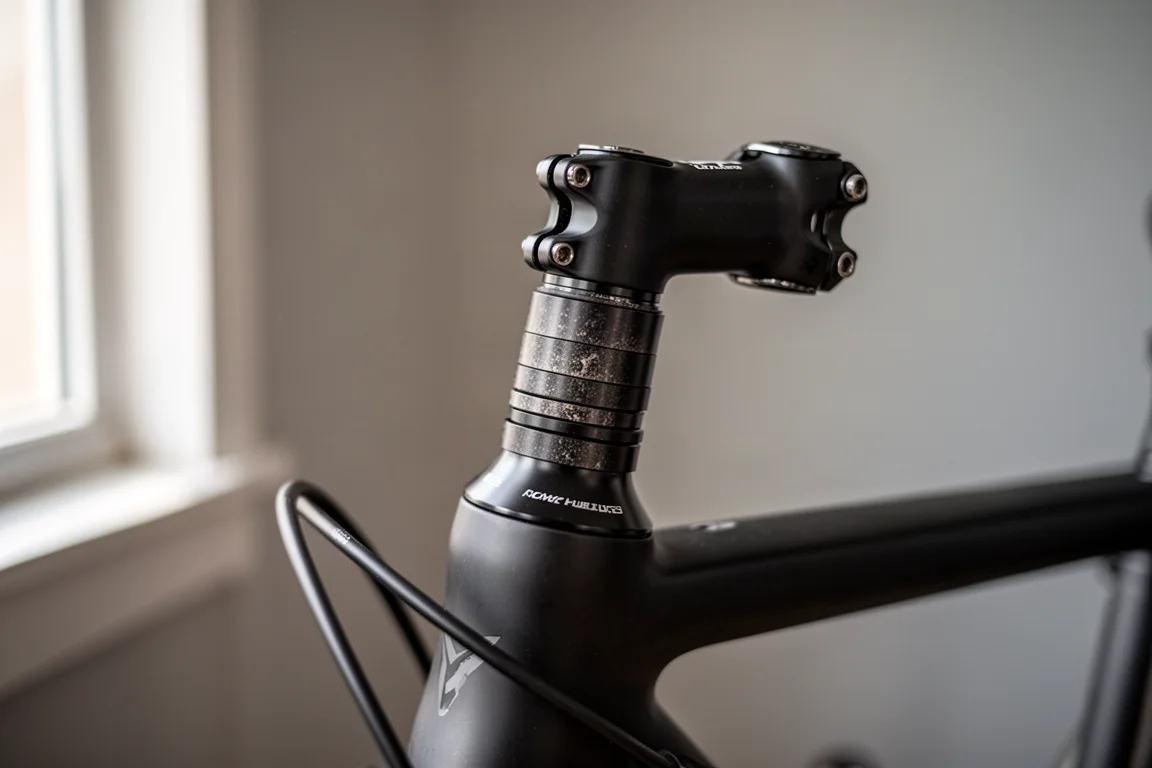
For riders who prioritize a relaxed endurance fit, the Aethos may require significant adjustments. It is a race bike at heart, and that should be the primary consideration.
Ribble Endurance SL: The Name That Misleads
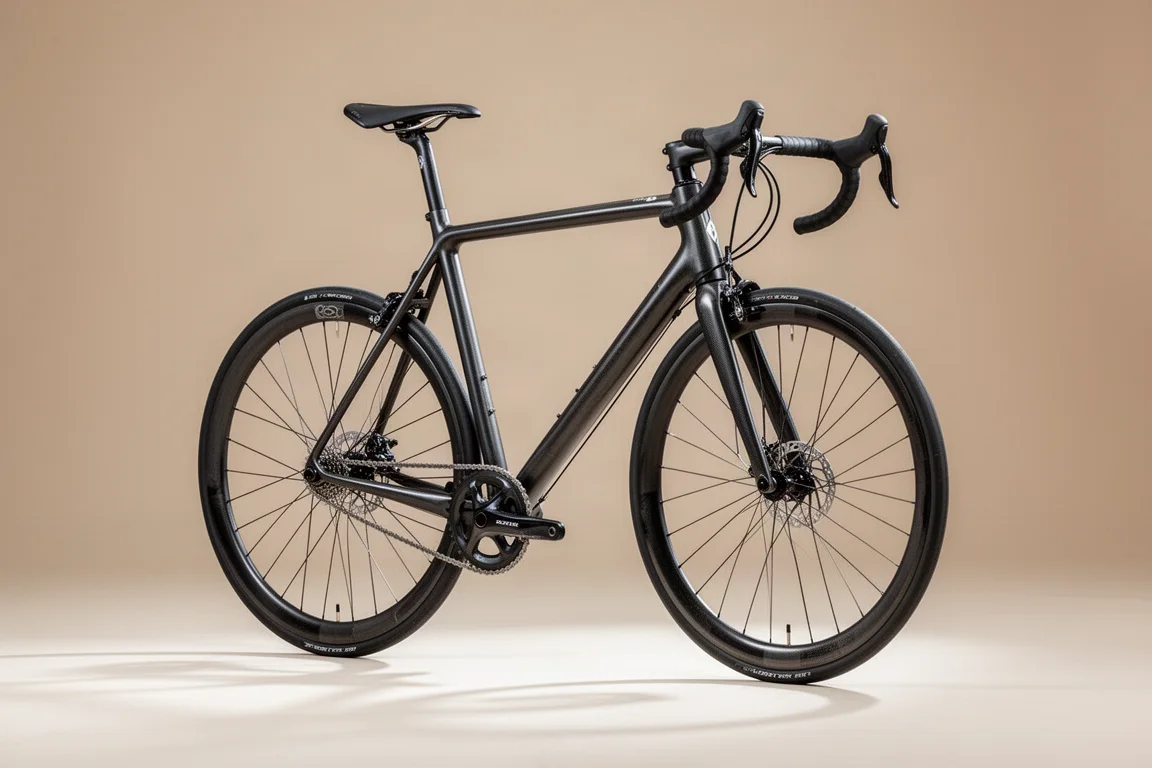
The Ribble Endurance SL is an aero road bike with nothing inherently wrong with its design. The problem is its name. It is not an endurance bike. Compared to a Specialized Tarmac, the Endurance SL has a reach that is 6 mm longer and a stack that is 3 mm lower. That makes it a long, low, aggressive racing bike.
Anyone seeking an endurance bike will end up with a racing bike that may be relatively uncomfortable. Anyone seeking a racing bike is unlikely to buy it because of the word “endurance” in the name. It is a silly name that misrepresents the bike’s character.
Liv Envie: Marketing Over Fit
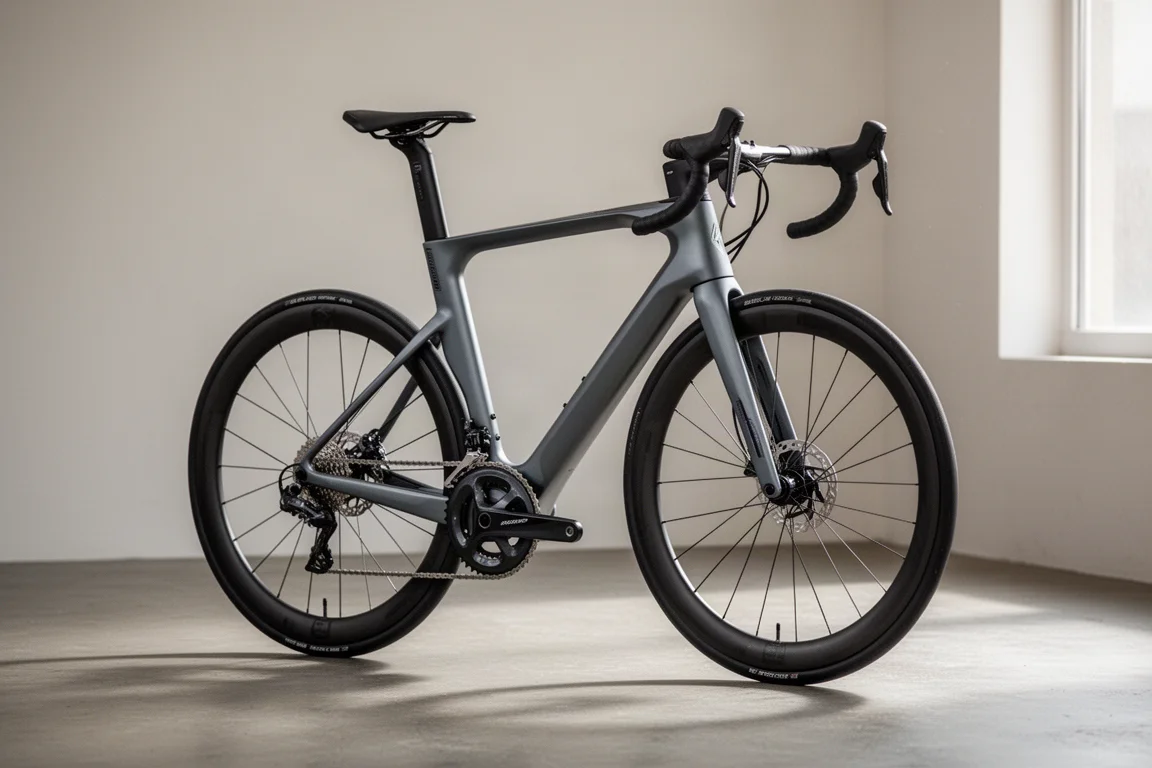
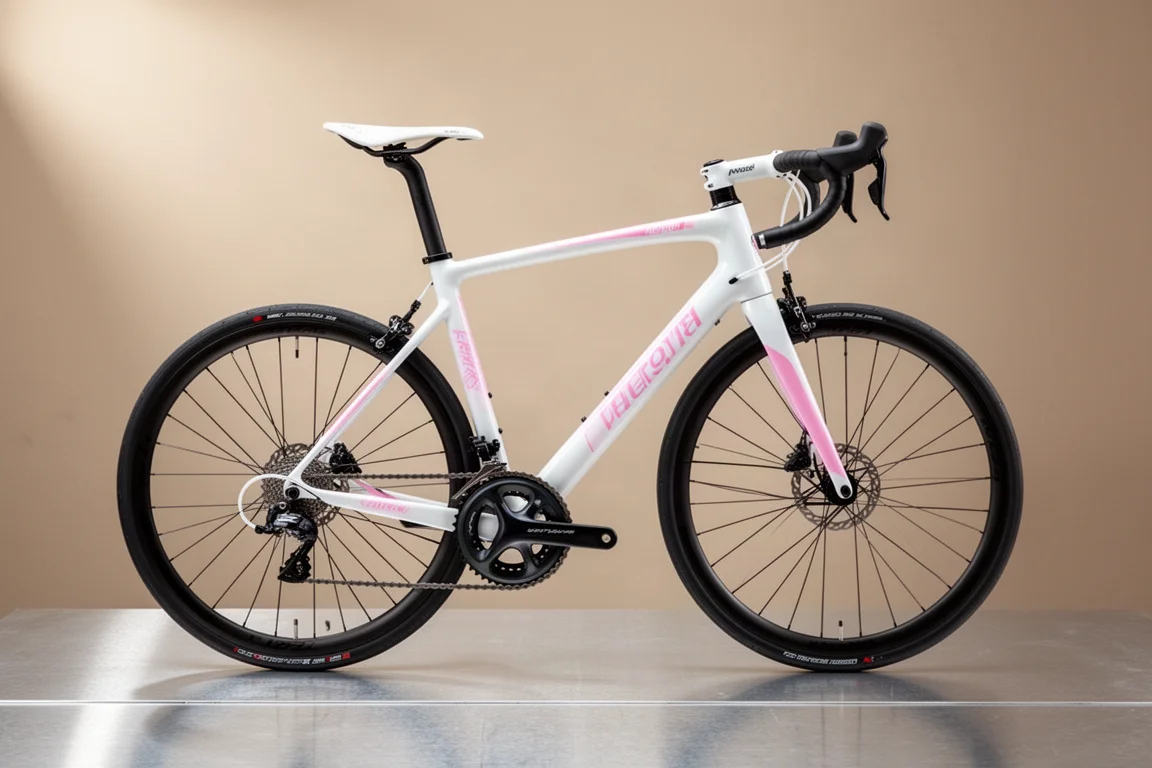
Liv positions its bikes as designed specifically for women, but the Liv Envie is essentially a Giant with a different paint job. The Envie is about 5 mm shorter than the equivalent Giant Propel, which is not enough to make a meaningful difference. It is available in only three sizes, and the smallest size has a reach of 370 mm, which is the same as a 52 cm Tarmac. That is not a small bike.
Women do not need pink bikes or bikes with specific geometry assumptions. They need a greater range of smaller sizes and more variety. Many women have long backs and short legs, just as many men have short torsos and long legs. The idea that women need shorter bikes with steeper seat angles is an oversimplification. Excessive reach is a major contributor to pain and discomfort, and it often leads to riders sitting on the nose of the saddle or using very short stems that make the bike feel erratic. Handlebar width is another issue. A medium women’s bike typically has a 40 cm handlebar, but women vary greatly in shoulder width, often needing bars as narrow as 32 cm. Most brands do not offer this range. Liv is not as female-focused as it could be; it is largely a marketing strategy.
Cervélo S5: Proprietary Nightmare
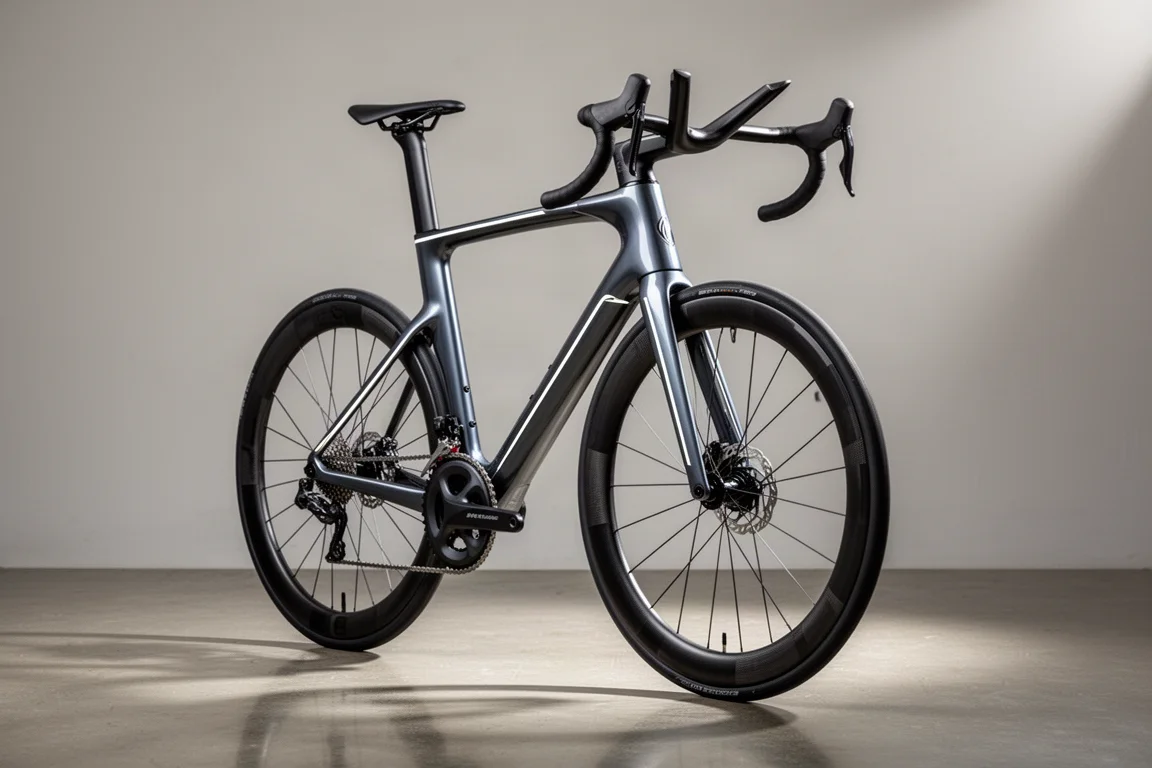
The Cervélo S5 is an aero road bike with a proprietary front end that is expensive and difficult to adjust. Changing the cockpit can cost around £1,000 before labor, and it requires re-bleeding the brake system. The design cannot be adjusted in a bike-fit scenario, so it must be fitted before purchase. However, the cockpit is likely to be wrong for many riders, making it a fit nightmare.
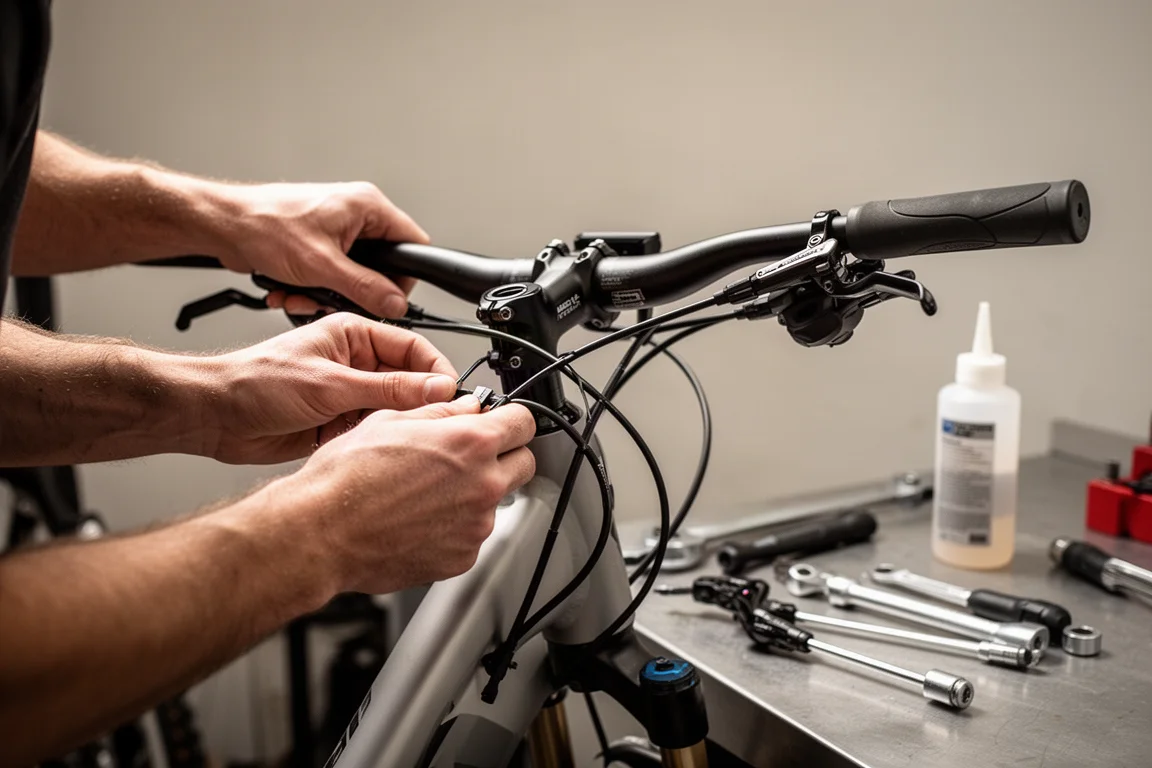
For riders who need adjustability, the S5’s front end presents a significant hurdle. The cost and complexity of changing the cockpit may outweigh the aerodynamic advantages.
Giant Conduct: A Braking System to Avoid
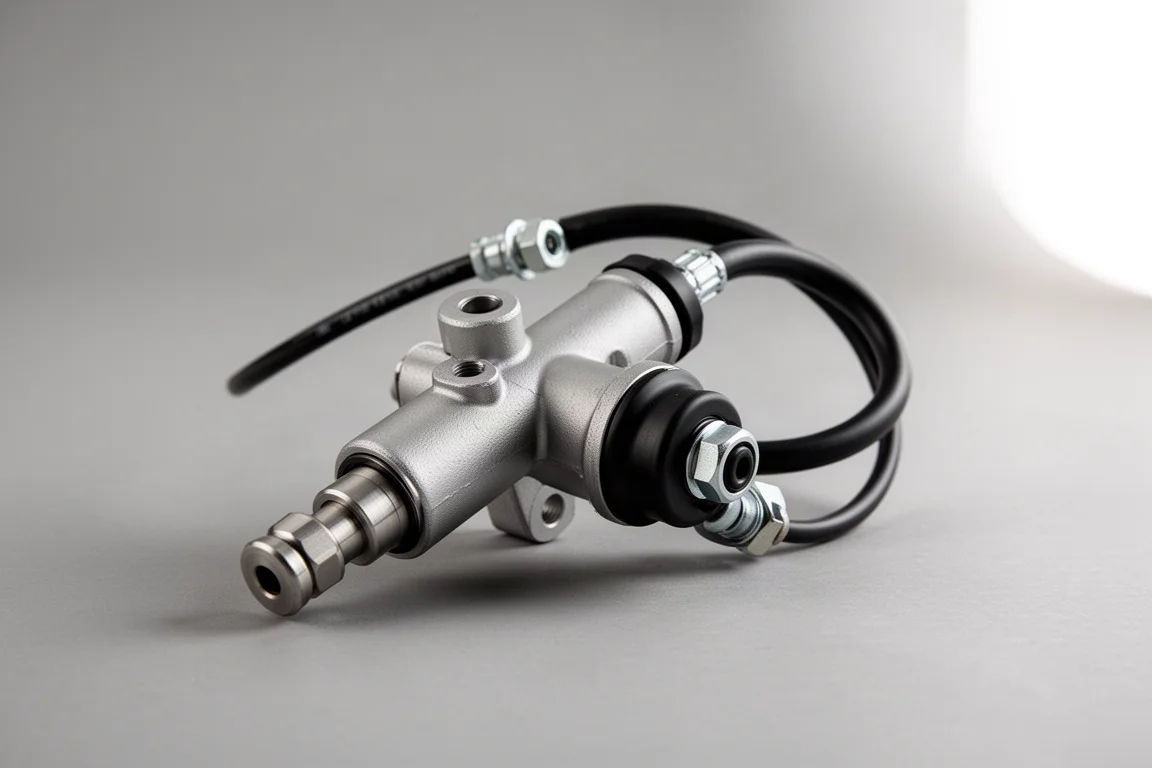
Giant’s Conduct mechanical-to-hydraulic braking system is best avoided. It used a mechanical shifter to actuate a hydraulic brake, but it suffered from severe cable stretch and was atrocious in practice. The system predates hydraulic levers from Tiagra and 105, and it is no longer seen on current bikes. It is a clear example of a design that should not have been released.
Specialized Roubaix: Unnecessary Suspension
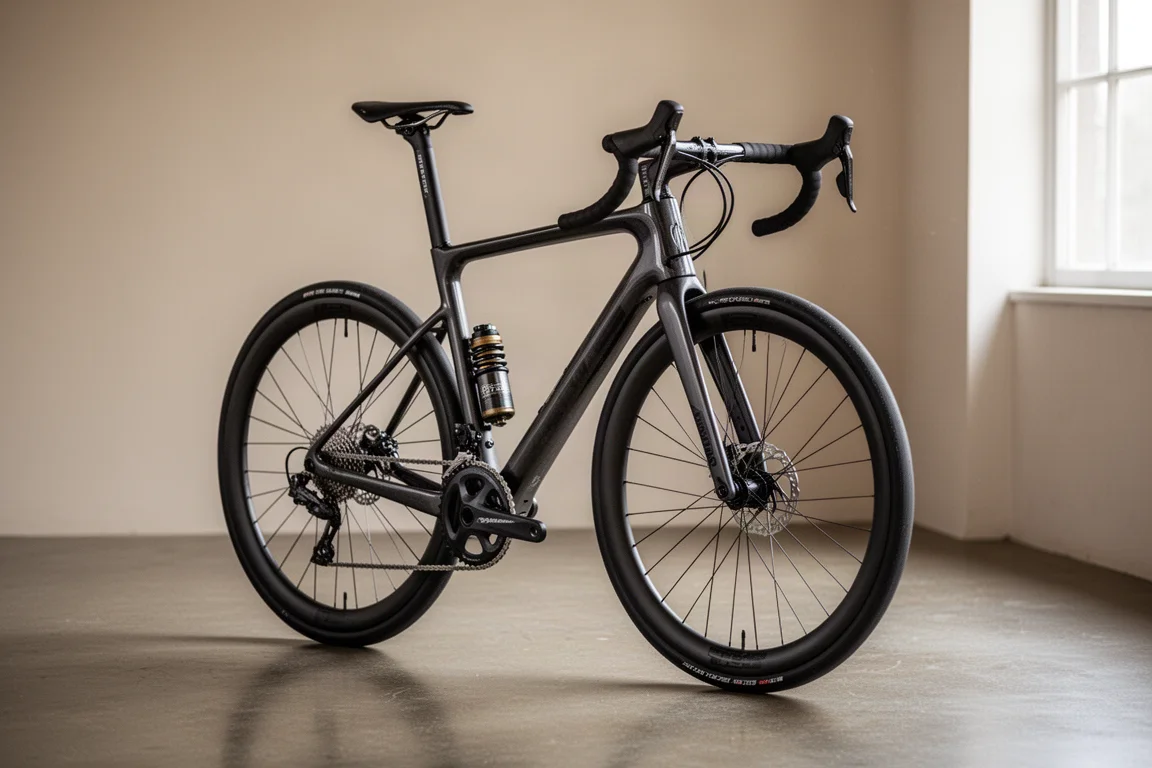
The Specialized Roubaix features a Future Shock suspension system in the front end. While suspension can be useful on rough terrain, it adds another component that requires regular servicing. If the cartridge is not serviced, it can develop lateral or rotational play. We have seen a Roubaix with over a degree of play because the cartridge had not been serviced in a long time. For most riders, this level of suspension is unnecessary. If you need that much suspension, you may be on the wrong bike.
Canyon Grail: Shaky Handling
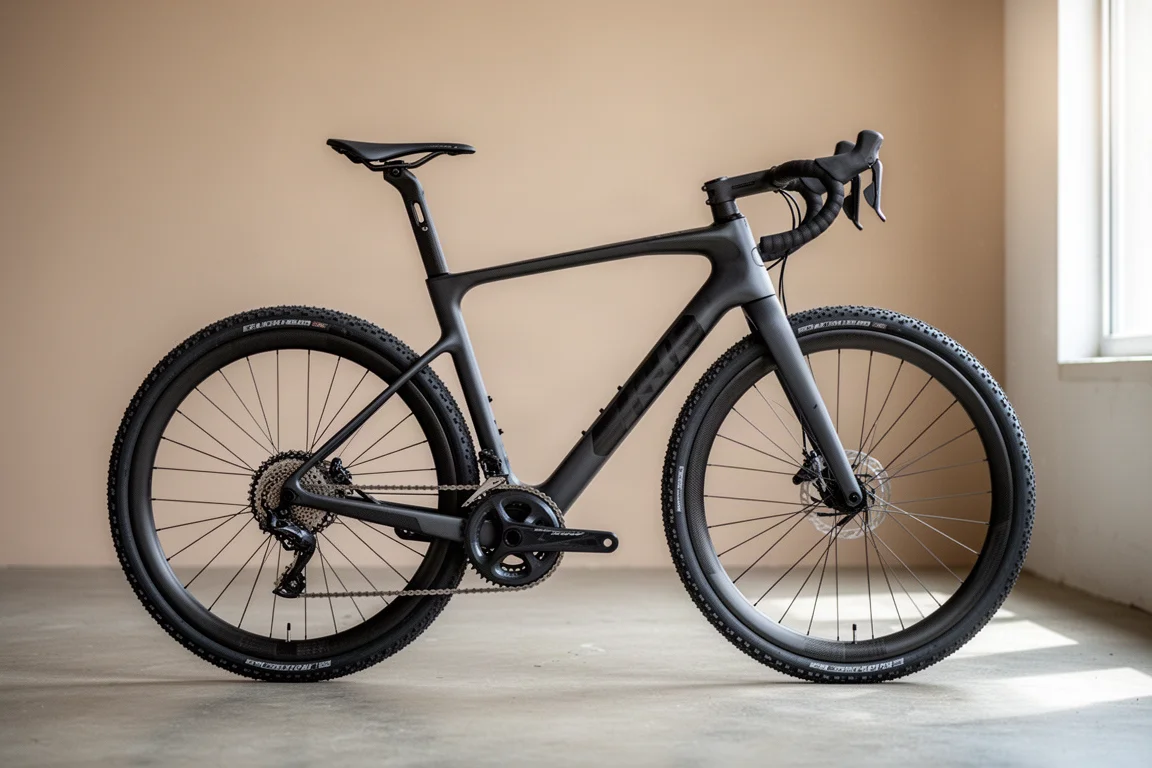
The Canyon Grail has a distinctive double-decker handlebar that looks unusual. In practice, the front end can shake erratically when you take your hands off the bars, requiring excessive bar tape to manage. It is a design that seems to exist for no clear reason and resembles a World War I triplane. From a marketing perspective, it is genius because it gets people talking, but from a riding perspective, it is questionable.

For gravel riders who value stability, the Grail’s front end may not inspire confidence. The unusual handlebar design adds visual interest but may compromise handling.
Trek Madone: Aero Gone Wrong
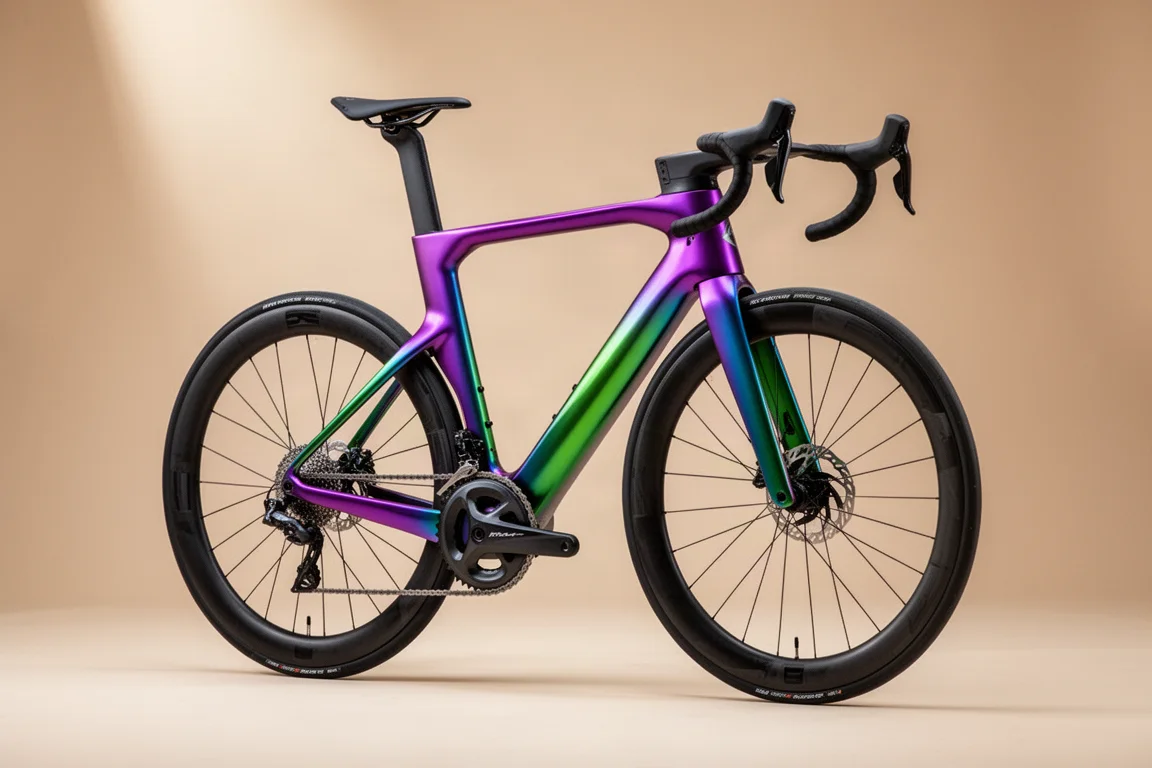
The Trek Madone has gone through several generations, and some earlier versions had significant flaws. The first generation around 2008 or 2009 placed the rear brake underneath the bottom bracket for aerodynamic reasons. This location caused the brake to become clogged and seize, rendering it useless. The bonded brake was flexible and lacked power, especially when paired with certain pads and wheels. In one instance, an emergency stop nearly ended in a collision because the brake provided no stopping power after the initial bite.
The previous generation also had a one-piece cockpit with a VRC shaped handlebar. Trek claimed about 80 mm of reach, but it actually measured over 110 mm. This made the cockpit excessively long, equivalent to a 120 mm stem with a normal handlebar. On an already long bike, it did not fit most riders. Replacing the cockpit cost around £500, making it an expensive and impractical solution. The latest generation has changed the handlebar setup, but the earlier models remain a cautionary tale.
Orbea Orca Aero: Convenience Undone
Orbea makes its bikes in the Basque Country and generally produces attractive models. The Orca Aero, however, has a design contradiction. The handlebar has a recess underneath for brake lines, with grub screws that allow you to remove a plate and change the handlebar relatively quickly. This seemed like a breakthrough for an aero bike, as it meant you could swap the cockpit without re-bleeding the brakes.
Unfortunately, Orbea added a plastic fairing at the stem junction. This fairing means you have to completely re-bleed the brakes anyway, negating the convenience. It is an annoying and idiotic addition that serves only to make the bike look more aerodynamic. The result is that a potentially practical design is undermined by an afterthought.
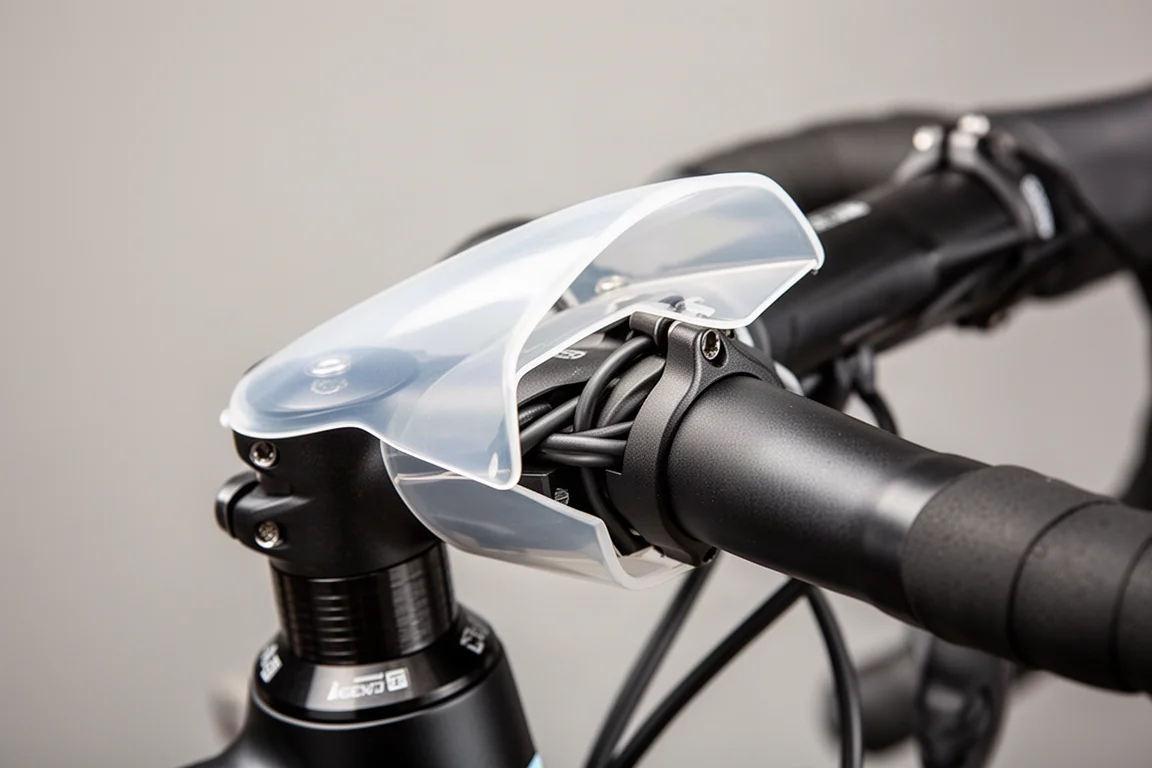
For riders who value serviceability, the Orca Aero’s front end may be a frustration. The extra step required to change the cockpit could outweigh the aerodynamic benefits.
Overall Buying Advice
When choosing a road bike, fit should be your first priority. Aggressive race geometry, proprietary parts, and unnecessary suspension can all make a bike harder to live with. Look for a bike that matches your flexibility, riding style, and service preferences. A threaded bottom bracket, standard cockpit, and appropriate stack and reach will make a bigger difference to your enjoyment than marginal aerodynamic gains.
Conclusion
These nine bikes illustrate common pitfalls in road bike design: race geometry marketed to everyday riders, misleading names, proprietary systems that are expensive to adjust, and features that add complexity without real benefit. By understanding these issues, you can make a more informed decision and find a bike that truly fits your needs.
Further reading
Related Reviews

Road Bikes
10 New Road Bikes Worth Watching: Aero, Titanium, Steel and Endurance Standouts
A practical roundup of 10 new road bikes, from aero flagships chasing single-watt gains to titanium, steel and endurance platforms built for real roads.
Road Bikes
2026 Tour de France Road Bikes: Six Race Machines Worth a Closer Look
Six race bikes from the 2026 Tour de France grid, reviewed for paint, silhouette, wheels and the specification details that matter to buyers.
Road Bikes
3T Strada Italia Review: A Radical Aero Road Bike That Rides Smooth
A made in Italy carbon aero road bike with a deep head tube, wide tire clearance and a genuinely comfortable ride. Here is what to know before buying.