Camera Reviews
Nikon Z6 III Review: A Video-First Wildlife Camera After a Year in the Field
After a year of shooting birds in photo and video, the Nikon Z6 III proves to be a strong value full-frame option, with a few autofocus caveats worth knowing.
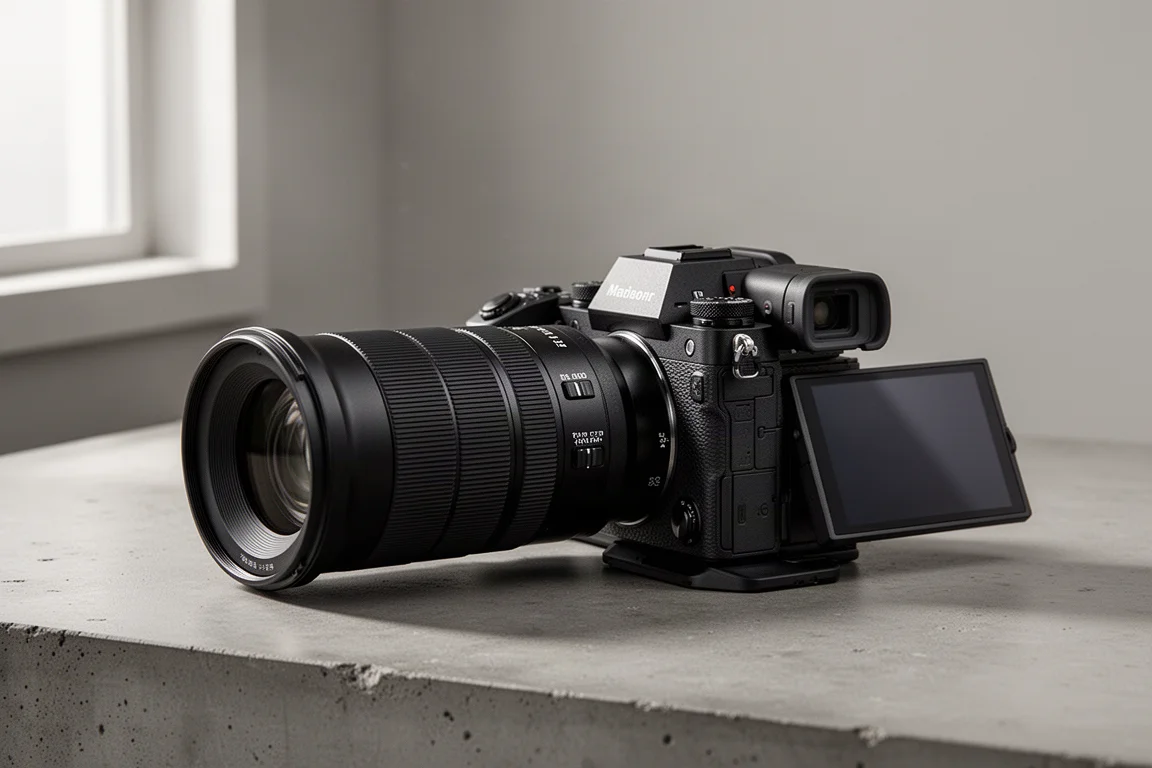
Introduction
After a full year of shooting birds with the Nikon Z6 III, in both photo and video, the verdict is easy to summarize: this is a camera that delivers high-quality results without pushing you toward flagship pricing. It is especially compelling if your primary goal is videoing birds and wildlife rather than photographing them.
This review covers the real-world experience: image quality, autofocus behavior, video performance, ergonomics, and who should (and should not) consider making the jump.
Specs and First Impressions
The Nikon Z6 III is built around a full-frame 24-megapixel partially stacked sensor. It offers two card slots, one CFexpress and one SD, along with Wi-Fi and Bluetooth connectivity and an articulating 3.2-inch touchscreen LCD.
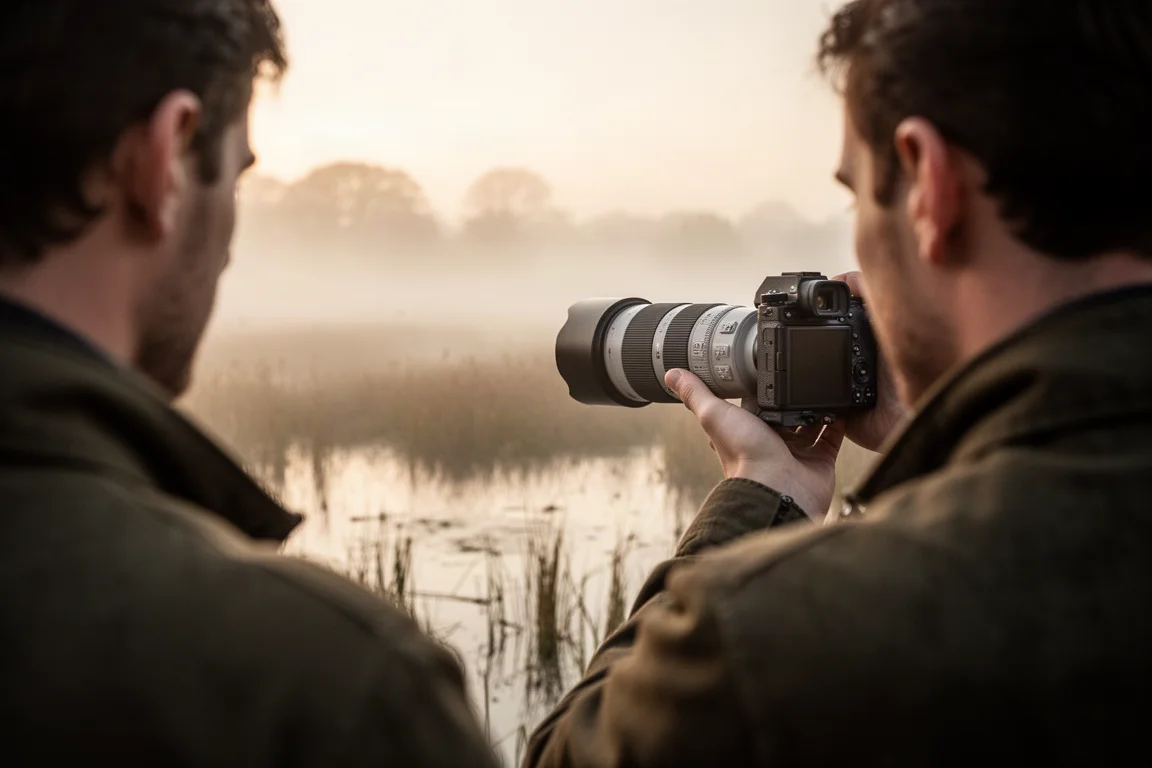
The rechargeable lithium-ion battery is rated for around 360 shots, but in practice it tends to last well beyond that. With the camera switched off between subjects, a single battery can cover nearly an entire day of shooting video. Continuous shooting reaches up to 20 FPS at maximum resolution, with HEIF, JPEG, and RAW support.
On the video side, it records at just about everything you could want, topping out at 6048 x 3404 at up to 60 FPS. Most shooting happens in 4K 60, with 4K 120 available for those who want it. The body weighs approximately 23.6 oz, about 1.5 lb, which is genuinely light for a full-frame camera. Paired with a wildlife lens like the Nikkor 180-600 mm, which adds over 4 lb, the full kit lands a little above 5 lb.
Image Quality: Phenomenal for the Price
Image quality has been excellent. You obviously give up some cropping flexibility compared with the 45.7-megapixel stacked sensors in the Z8 and Z9, but for a camera at this price point, the results are hard to fault.
Even with the 24.5-megapixel sensor, heavy crops remain usable. A photo of a green-winged teal taken in heavy shade still cropped in far enough to produce a genuinely impressive final image. That is a strong indicator of how much detail the sensor holds onto.
Low light is the one area where the noise shows up more readily, whether on cloudy days or before the sun has fully risen. Modern denoising tools such as Lightroom and Topaz Labs denoising largely close that gap, and even noisy files can usually be pulled back into shape.
Autofocus: Great When It Works, Not a Superpower
At launch, the camera offered animal detection only. A firmware update later added bird eye detection, and it has made a noticeable difference: instead of locking onto the bird as a whole and hunting for an eye on larger species, the camera now actively targets the eye.

There are clear limits, though. Small birds like warblers and sparrows give the eye detection trouble unless you are very close. Low-contrast scenes, dim light, and birds tucked into brambles or bushes all cause hesitation. Birds flying against a background, such as mountains on the horizon, can also confuse the contrast-based tracking.
The saving grace is manual override: flip the lens dial and you are immediately in manual focus. Once you are used to that reflex, you stop missing shots even when autofocus is not locking on. If you are coming from a bridge camera with no subject detection, like the Nikon P900, this autofocus feels transformative. If you already shoot a modern full-frame camera, it is good but not reason enough on its own to switch systems. Compared with a recent Sony release, Sony’s eye tracking performed a bit better, but not by a margin that justifies leaving the Nikon system.
Video: The Real Reason to Buy This Camera
This is where the Z6 III earns its keep. As a video-first wildlife camera, it locks onto subjects and tracks moving birds impressively well, and the footage quality is a major part of why stepping up to the Z8 or Z9 never felt justified: those cameras’ larger sensors are a photo advantage, but there is no meaningful video quality jump.
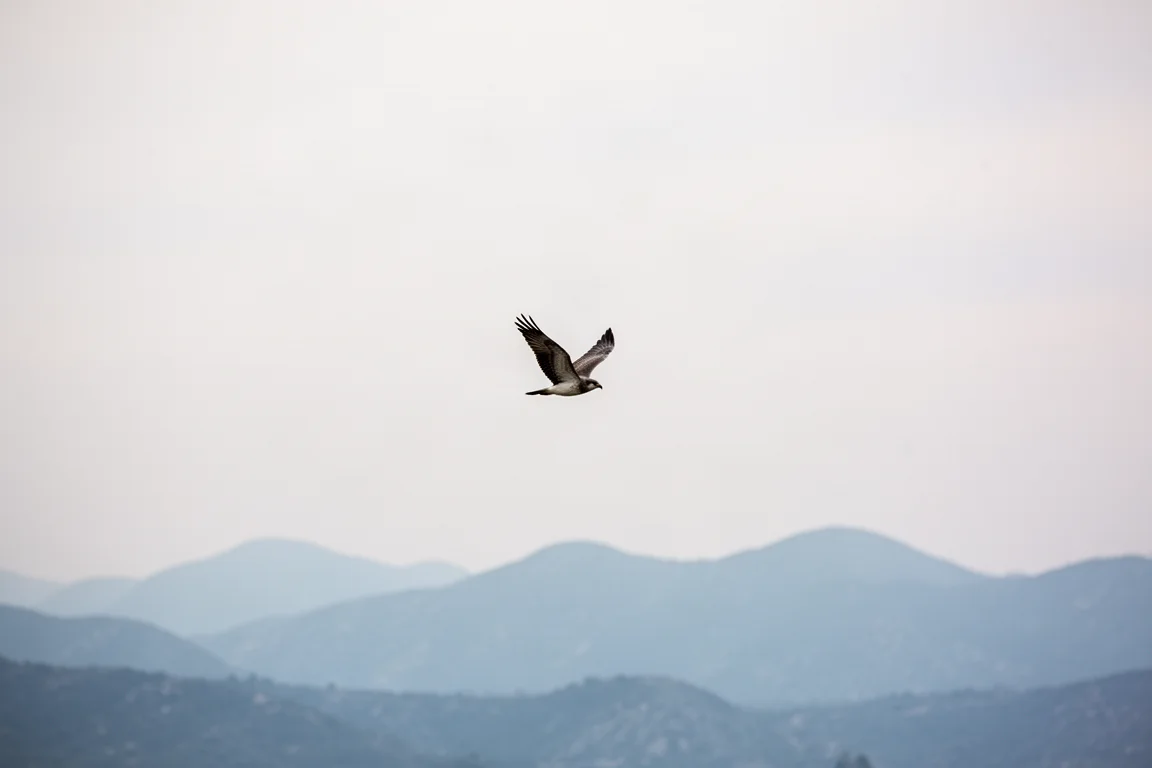
Almost everything gets shot in 4K 60p, including clips several minutes long, and the camera has never overheated. The stabilization deserves special mention: it is exceptional for handheld shooting. Handheld wildlife video without a tripod is normally unheard of, yet shake is barely noticeable, and a light pass of stabilization in post makes it disappear entirely. It is among the best stabilization seen on a camera at this price point.
The reach concern coming from a P900 with its 2000 mm equivalent zoom also turned out to be a non-issue. The 600 mm lens cropped in produces far better quality than the P900 ever did. There is simply no comparison.
Ergonomics and Handling in the Field
The body itself is light, but a wildlife lens turns the kit into something you feel after a four-hour walk. A chest carrier system helps enormously here, locking the camera in place and keeping weight off the shoulders. A shoulder strap adds strain, and wearing a setup like this around the neck is not advisable.
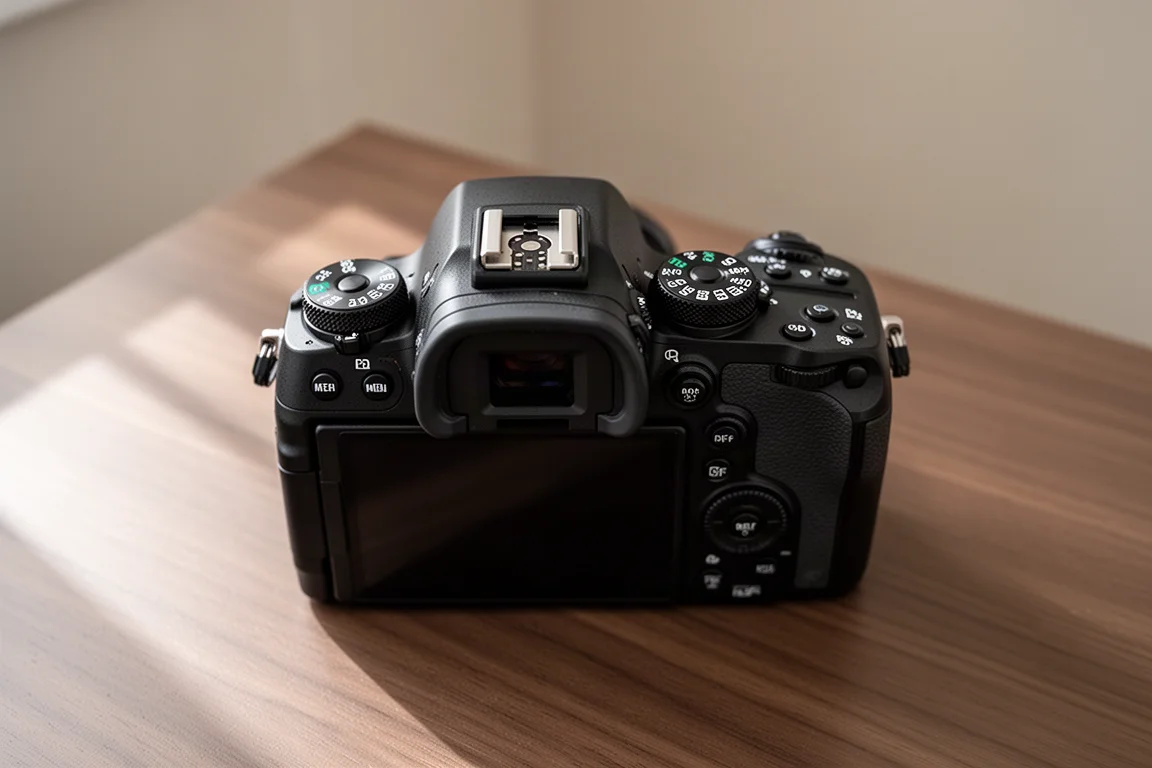
Control placement is close to perfect. Back button autofocus sits right under the thumb, the on-off switch falls naturally under the hand, the front dial handles shutter speed, the rear dial handles aperture, and a thumb-flippable dial switches between photo and video modes. Nothing feels awkward while filming.
The one gripe is the locking mechanism on the mode dial: you have to push down and twist to change profiles, which adds friction. The workaround is simple, though, since the camera has two customizable buttons that sit right under your fingers, letting you map shutter speed changes or mode switching to far quicker shortcuts.
Buying Advice: Who Should (and Should Not) Buy It
The Z6 III is an excellent choice if you are upgrading from a bridge camera or buying your first mirrorless camera. It delivers professional-looking results for years without breaking the bank, and it is particularly strong for video-focused wildlife shooters.
It is a harder sell if you are already on a full-frame or even a cropped-sensor mirrorless camera, as the jump may not feel significant. DSLR shooters, including those on something like the Nikon D500, should think carefully too: if the motivation is autofocus alone, years of manual focus practice mean the improvement may not impress enough to justify the switch. If other features draw you in, that is a different story. And if autofocus is the only reason, waiting for the next generation is a reasonable move.
Conclusion
After a year of use, the Nikon Z6 III stands out as a bang-for-your-buck full-frame camera, especially on the video side. The pros far outweigh the cons: outstanding video and stabilization, superb handling, deep customization, long battery life, and strong image quality. Autofocus refinement and low-light performance are the honest criticisms, and neither turned out to be a deal breaker in the field. For anyone moving up from a bridge camera or starting in mirrorless, this is an easy recommendation.
Product link
View more details for Nikon Z6 III
This product is mentioned in the review. Check the specifications, options, and compatibility before buying.
View more details for Nikon Z6 IIIFurther reading
Related Reviews
Camera Reviews
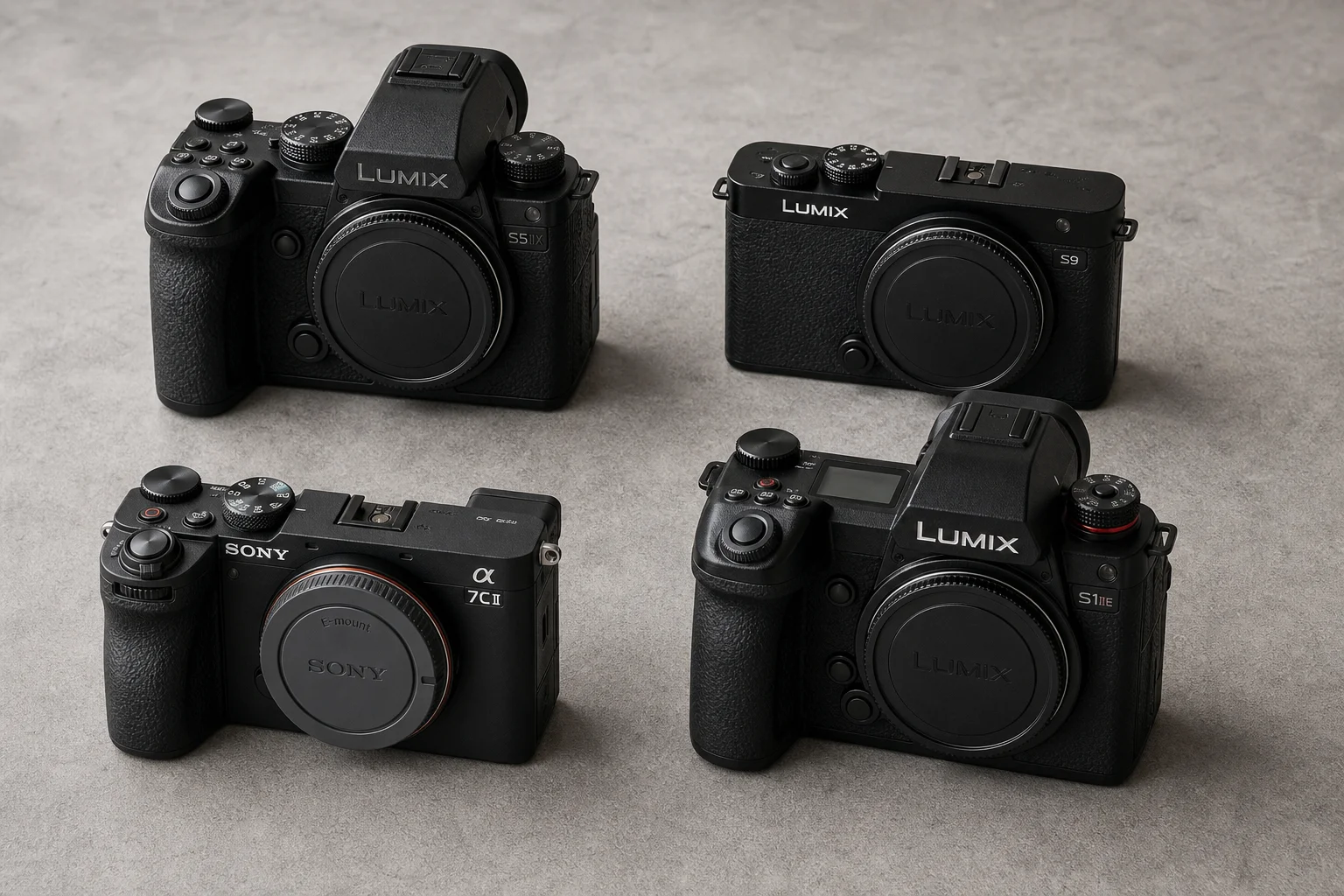
Best Budget Full-Frame Cameras for Video: Four Strong Options Compared
Four full-frame cameras that deliver excellent video capabilities without premium pricing. Lumix leads with unique features, while Sony offers strong autofocus for hybrid shooters.
Camera Reviews
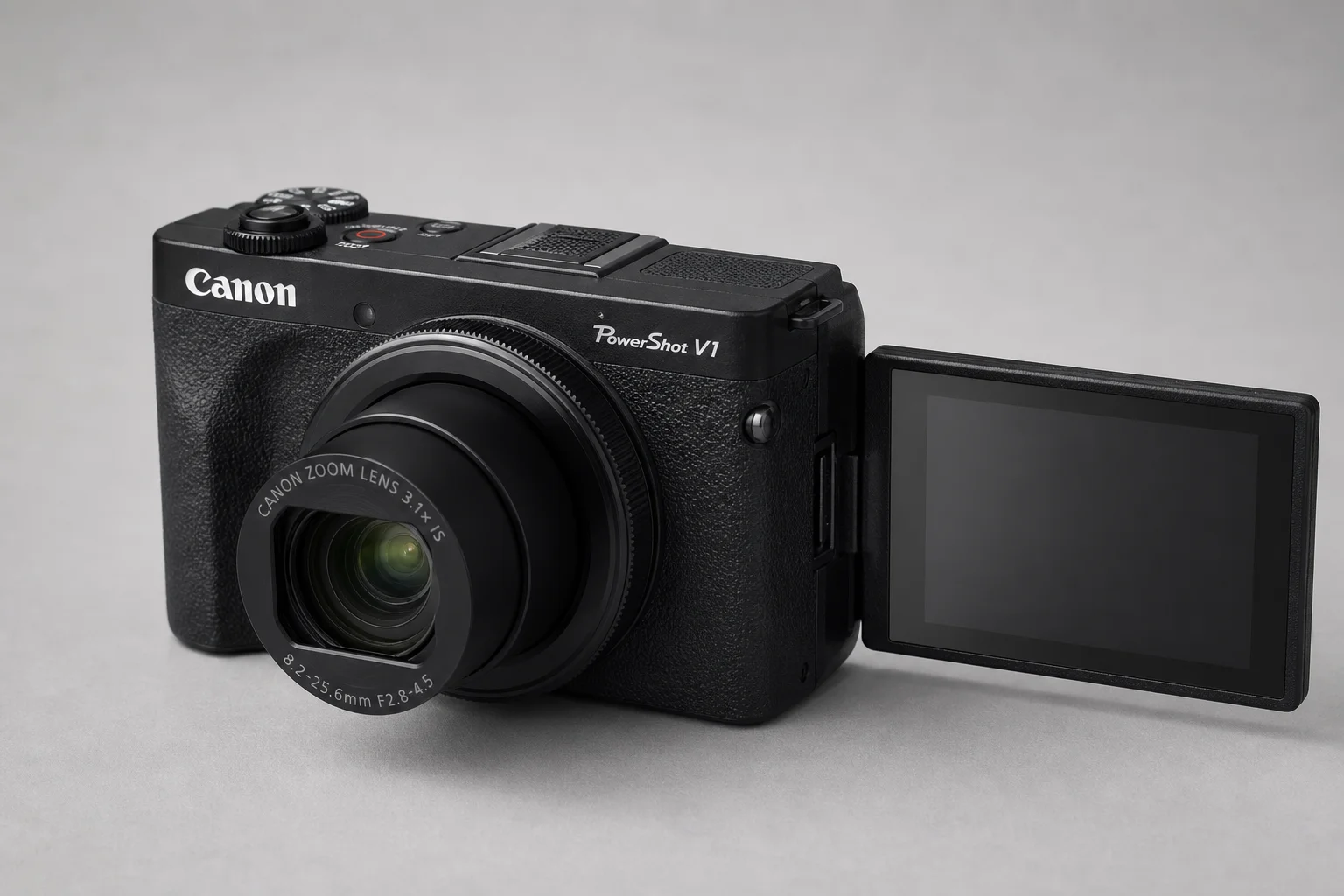
Canon PowerShot V1 Review: A Serious Vlogging Camera with Real Trade-offs
The Canon PowerShot V1 brings a larger sensor and optical stabilization to compact vlogging, but size, battery life, and dynamic range limitations deserve careful consideration.
Camera Reviews
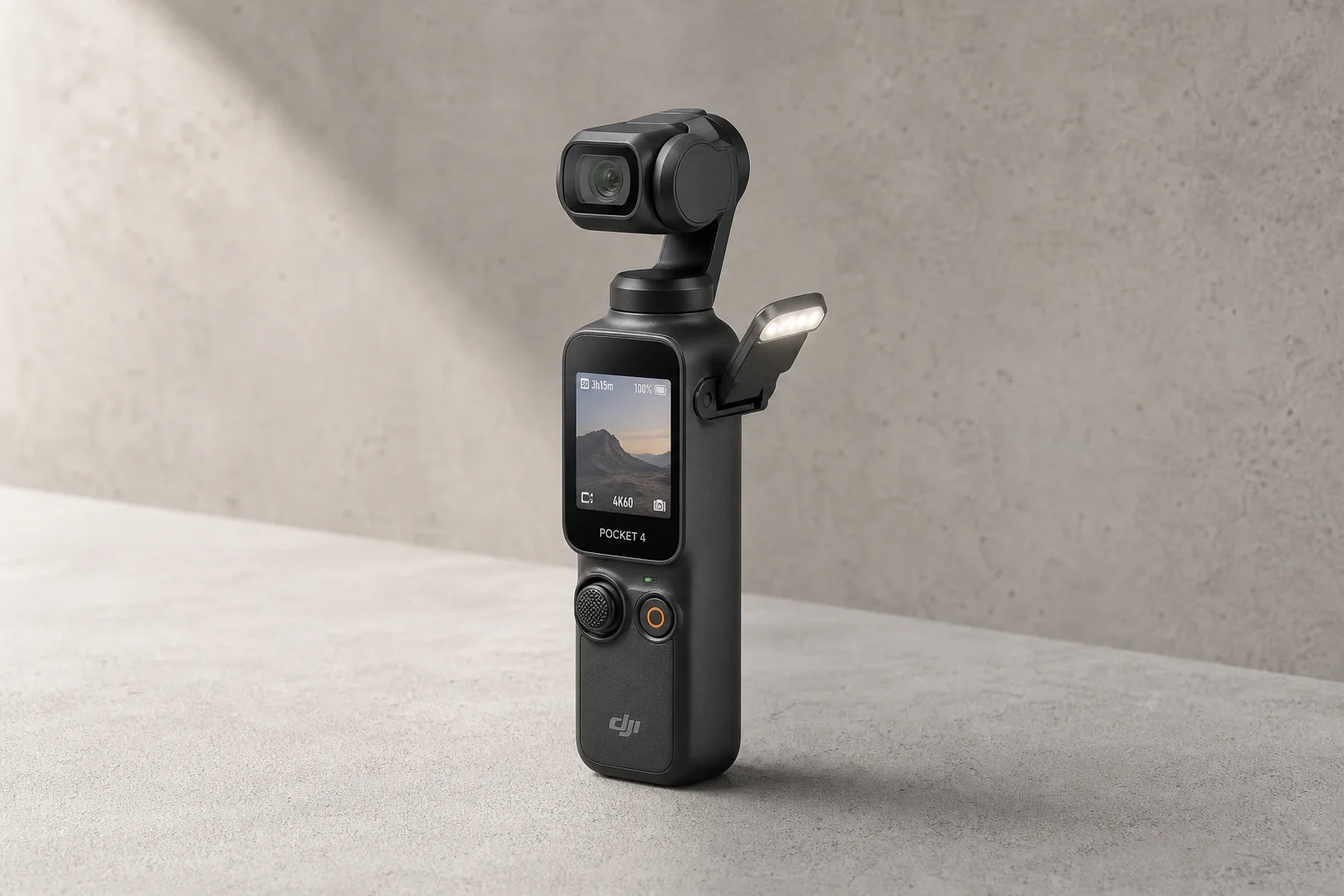
DJI Pocket 4 Review: Compact Gimbal Camera with 1-Inch Sensor and Fill Light
The DJI Pocket 4 brings a 37-megapixel 1-inch sensor, built-in fill light, 4K 240fps video, and 107GB internal storage to a single-handed stabilised camera. A detailed look at what's new and what remains unchanged.