Camera Reviews
Nikon Z6 III Review: A Capable Bird Photography Camera at a Friendly Price
The Nikon Z6 III sits between the flagship Z8 and Z9 and the entry-level Z5 II and Z6 II, bringing flagship features to bird photographers at a lower cost.
Introduction
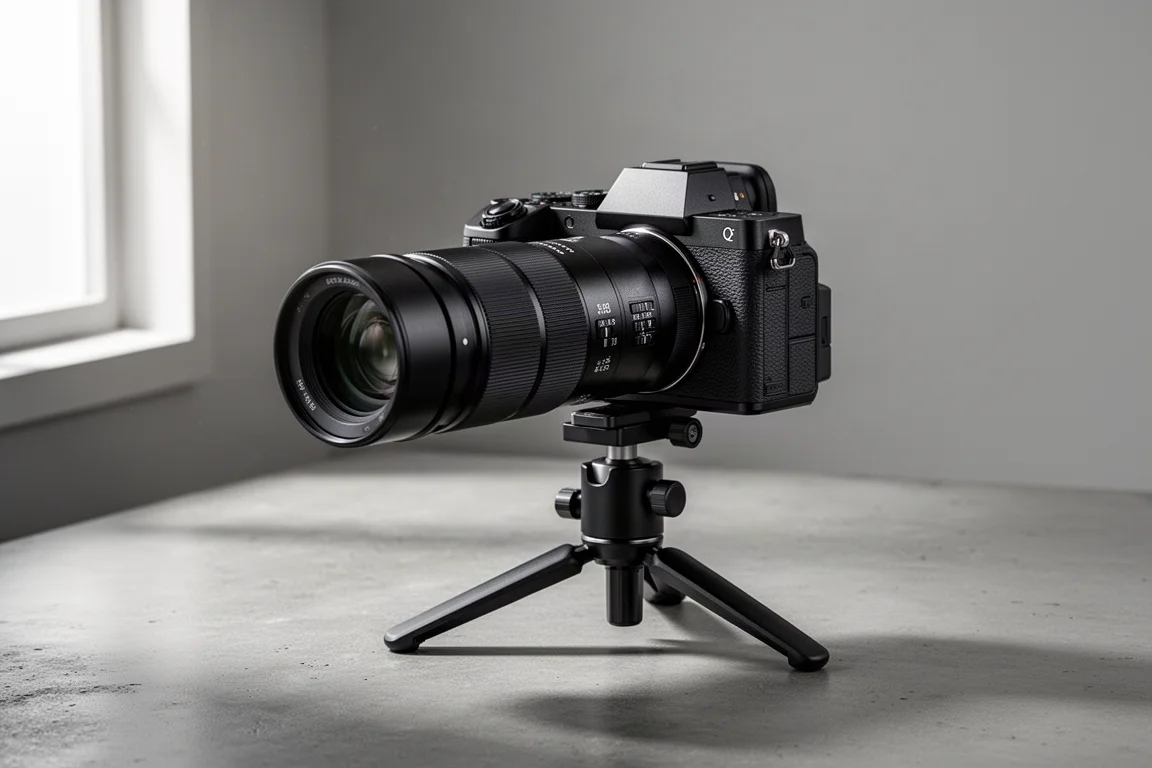
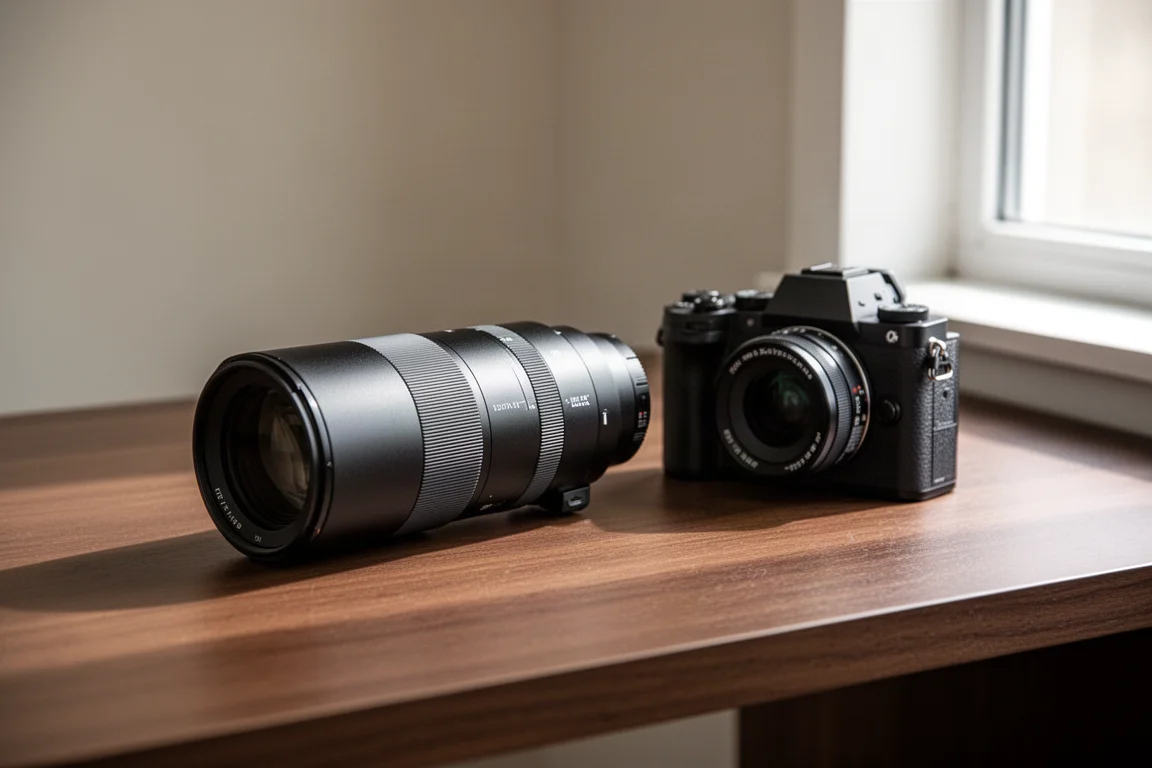
The Nikon Z6 III has been one of the most interesting cameras in Nikon’s lineup for bird photography. After several weeks of shooting with it, paired with the 180-600mm lens, it has produced an impressive number of keepers, and it does so at a price point that undercuts the flagship bodies by a wide margin.
If you want some of the features of the top-end cameras without spending flagship money, the Z6 III is a very capable compromise, and this review walks through where it excels and where it falls short.
Where the Z6 III Fits in Nikon’s Lineup
Nikon positions the Z8 and Z9 above the Z6 III, while bodies like the Z5 II and Z6 II sit below it. That makes the Z6 III a natural middle ground: you get a meaningful slice of what the flagships offer, at a noticeably lower price.
The heart of the camera is a 24.5 MP partially stacked sensor. The Z8 and Z9 use fully stacked sensors, so the partially stacked design is a compromise, but it still delivers fast autofocus and strong image quality that hold up well against lower-tier bodies.
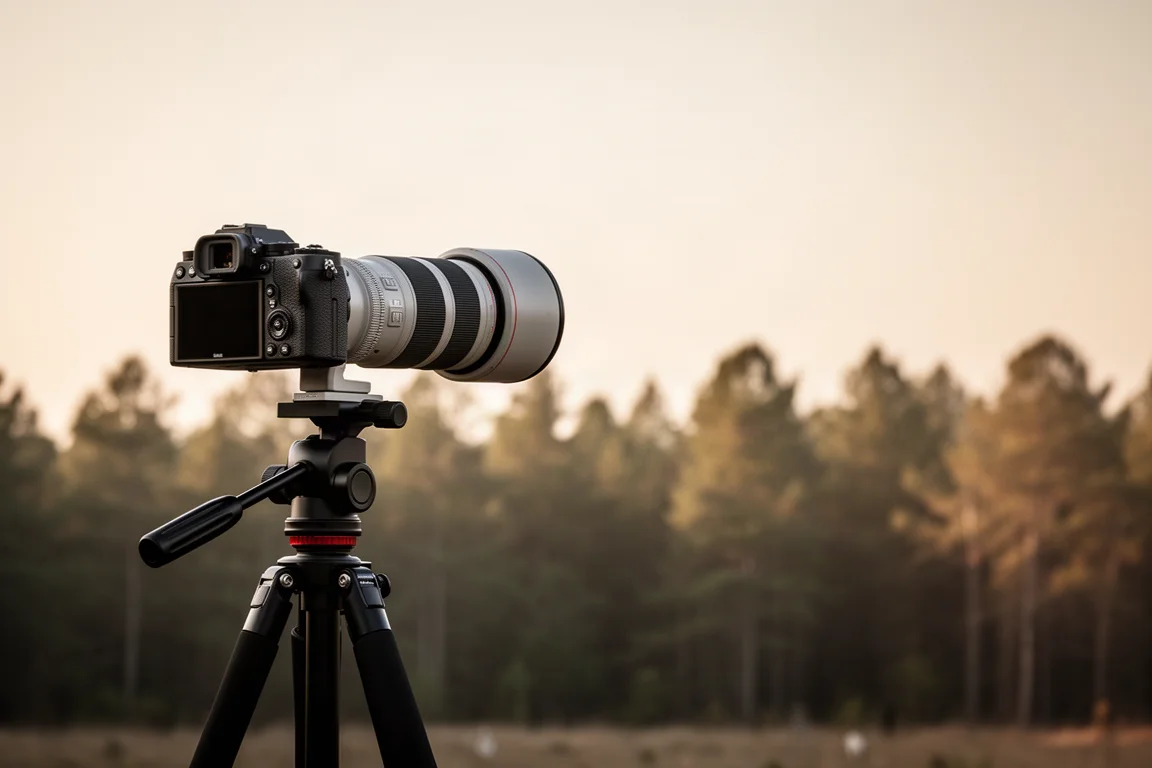
A firmware update released around August 2025 added dedicated bird’s-eye autofocus, a major upgrade over the general animal autofocus that previously handled birds. The bird-specific mode latches onto a bird’s eye very quickly, and while it occasionally misses, most of the time the lock is fast and reliable.
The autofocus system is deep. You get single-point AF, small, medium, and large area modes, wide small and wide large modes (typically the most useful for bird photography), two custom wide zones, 3D tracking for birds in flight, and auto-area AF for when you want the camera to decide. One caveat: the bird’s-eye autofocus does not work in the three smaller area modes, so wide area modes are the way to go for birds.
For stills, the camera shoots raw or JPEG and offers two memory card slots: a CFexpress slot and a secondary SD slot. You can split them, sending raw files to the faster CFexpress card and JPEGs to the SD card. A CFexpress card is effectively a must-have; it removes any bottleneck from long bursts.
Handling, Controls and Battery Life
The Z6 III feels solid in the hand, with a slightly bulkier body designed to match the Z8 and Z9 so the controls land in familiar places. Everything is within easy reach, including two assignable FN buttons, a photo/video switch that makes jumping between stills and video quick and painless, dedicated dials for aperture and shutter speed, an ISO button, and an exposure compensation control.
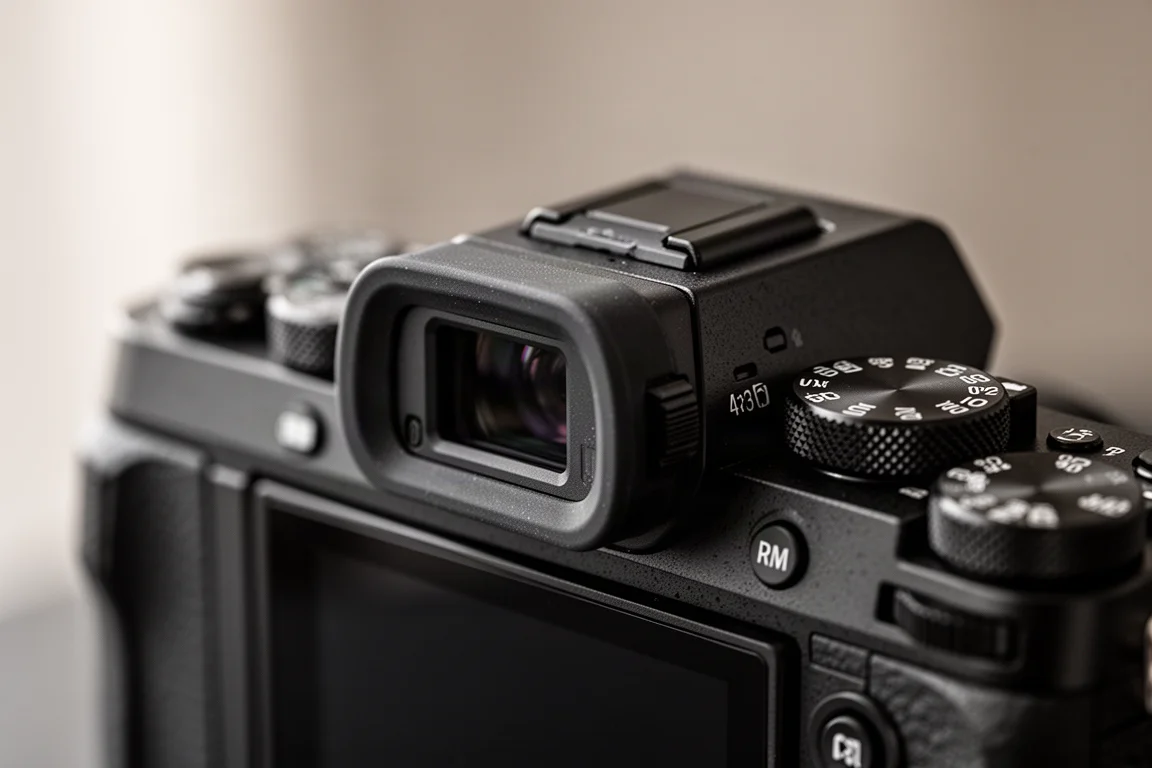
There is a small red assignable button near the grip that can be programmed for various functions, and the i-menu can hold items like focus peaking, release mode, and white balance so they stay handy without needing dedicated buttons.
One annoyance: the release-mode dial on the left side of the body is nearly useless when hand-holding a big telephoto, since one hand stays on the lens. Mapping release mode into the custom menu solves it, though it feels like an odd layout choice for a body that otherwise handles so well.
Battery life has been a pleasant surprise, easily lasting several hours of shooting. Burst-heavy sessions naturally drain it faster than single-shot work, and setting the LCD to power off after 30 seconds helps stretch things further. For a full day of shooting, a spare battery is still worth carrying.
The viewfinder deserves special mention. It is built up enough that many consider it better than the viewfinders in the Z8 and Z9, which is remarkable for a mid-tier body. Looking through it is noticeably clearer and more pleasant, and while the improved panel may draw a little more power, it is a trade worth making.
Weather Sealing and Durability
Nikon rates the Z6 III as weather sealed, suitable for moderate rain. In testing it handled light rain without issue, and it should also cope with snow and fog. Nikon still advises against submerging it or taking it out in heavy rain.
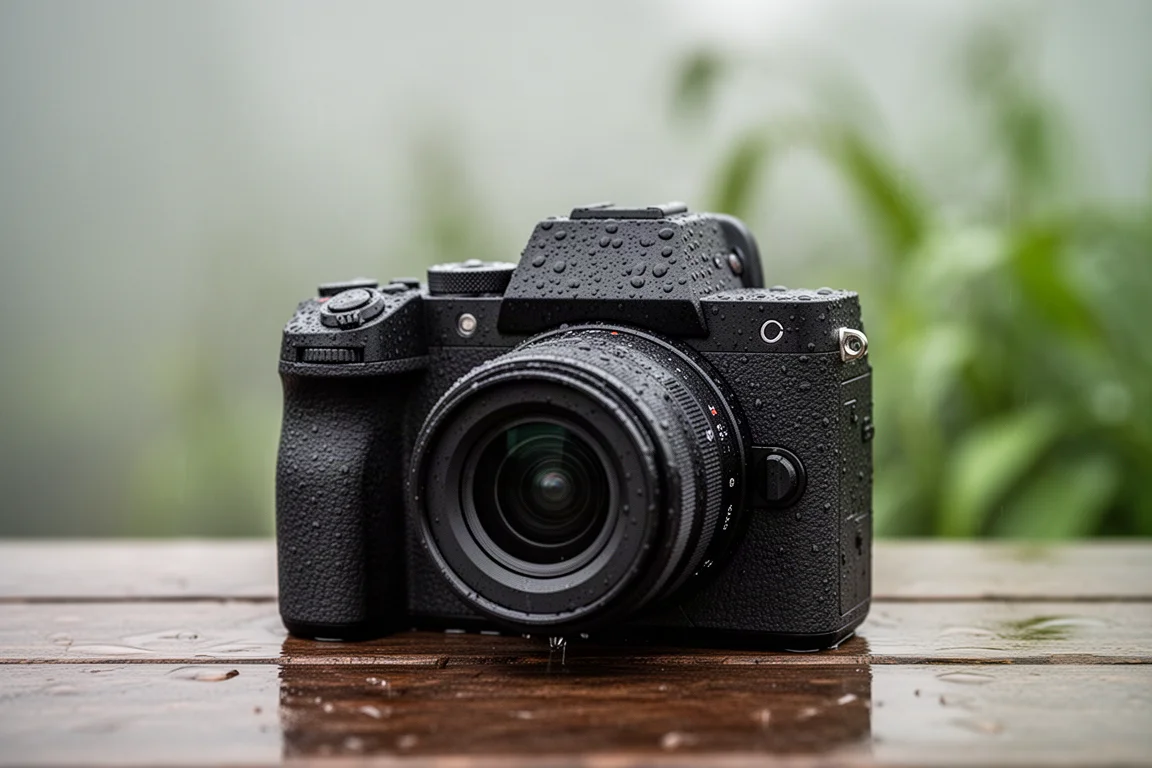
For anyone planning trips to humid, foggy environments, such as tropical birding destinations, that sealing adds real peace of mind if you get caught in a shower without a rain cover.
Lens Pairings and Video Capability
The Nikon Z-mount offers plenty of strong telephoto options for bird photography. The 180-600mm lens is the most versatile and the best budget-friendly pick for beginners at around $2,000. The 100-400mm option is a fine lens, but for birds the extra reach of a 600mm-class lens is worth prioritizing.
Teleconverters are best avoided for birds: they reduce image quality, force a smaller aperture that lets in less light, and push ISO higher, which brings more noise. Investing in a lens with native reach is the better path.
Beyond the 180-600mm, there is a 400mm lens that is a little short on focal length but excellent in quality, and a 500mm lens that costs more than the 180-600mm but is among the lightest lenses available, ideal for heavy hand-holding. At the top end, a 600mm f/6.3 prime runs about $4,000, and a flagship 600mm f/4-class prime sits around $12,000 with superb image quality at a steep price and weight.
Video is one of the biggest reasons to pick this body. It shoots 4K at 60 frames per second without a crop, and 4K at 120 frames per second with a mild crop that is not severe and can even act as extra reach for bird footage, with no noticeable quality penalty in practice.
Buying Advice
The Nikon Z6 III is a phenomenal bird photography camera that is fairly budget-friendly within the full-frame mirrorless space. It shares much of its sensor and handling with the Z8, delivers excellent autofocus after the bird’s-eye firmware update, and shoots superb video.
It launched higher, but the price has already dropped, and at around $2,000 it represents strong value. Used examples were not significantly cheaper at the time of purchase, which made buying new the safer route. As Nikon releases newer bodies, the price is likely to keep drifting down, so it is worth checking current pricing before committing.
Conclusion
For bird photographers who want flagship-adjacent performance without flagship pricing, the Nikon Z6 III is an easy recommendation. The partially stacked sensor, fast bird’s-eye autofocus, deep control layout, impressive battery life, excellent viewfinder, and strong 4K video make it a complete package, and the Z-mount’s telephoto lens lineup gives it room to grow with your needs.
Product link
View more details for Nikon Z6 III
This product is mentioned in the review. Check the specifications, options, and compatibility before buying.
View more details for Nikon Z6 IIIFurther reading
Related Reviews
Camera Reviews
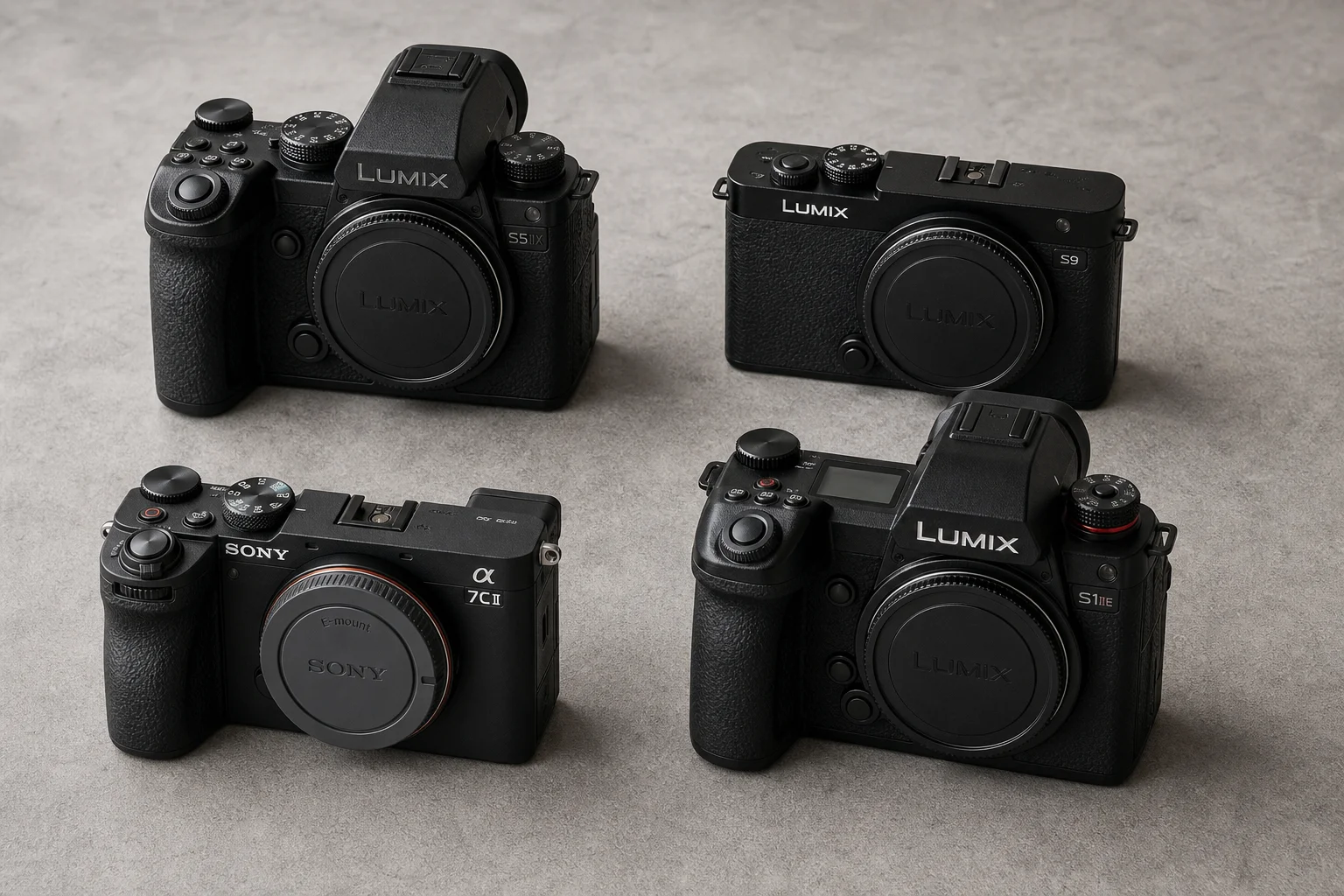
Best Budget Full-Frame Cameras for Video: Four Strong Options Compared
Four full-frame cameras that deliver excellent video capabilities without premium pricing. Lumix leads with unique features, while Sony offers strong autofocus for hybrid shooters.
Camera Reviews
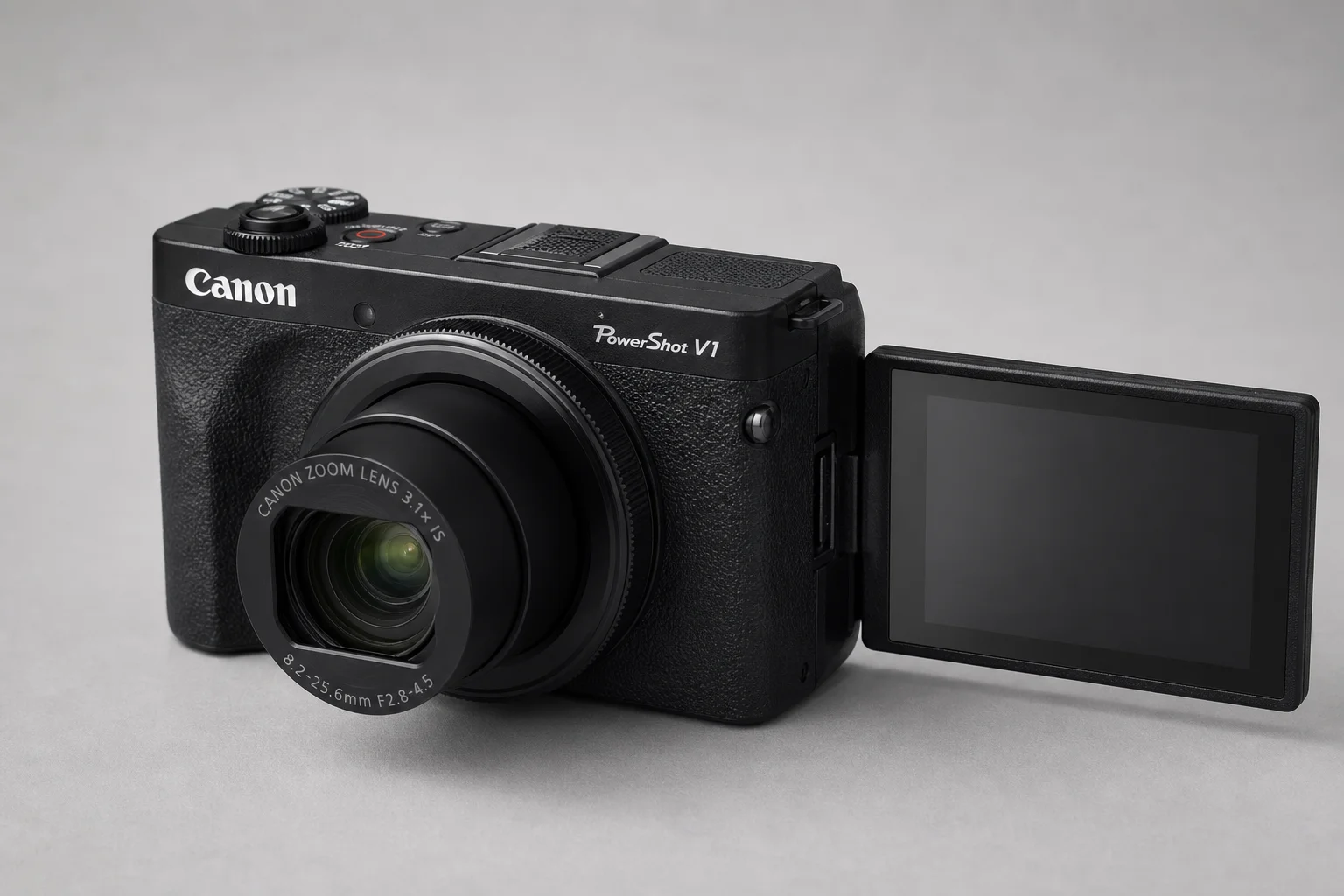
Canon PowerShot V1 Review: A Serious Vlogging Camera with Real Trade-offs
The Canon PowerShot V1 brings a larger sensor and optical stabilization to compact vlogging, but size, battery life, and dynamic range limitations deserve careful consideration.
Camera Reviews
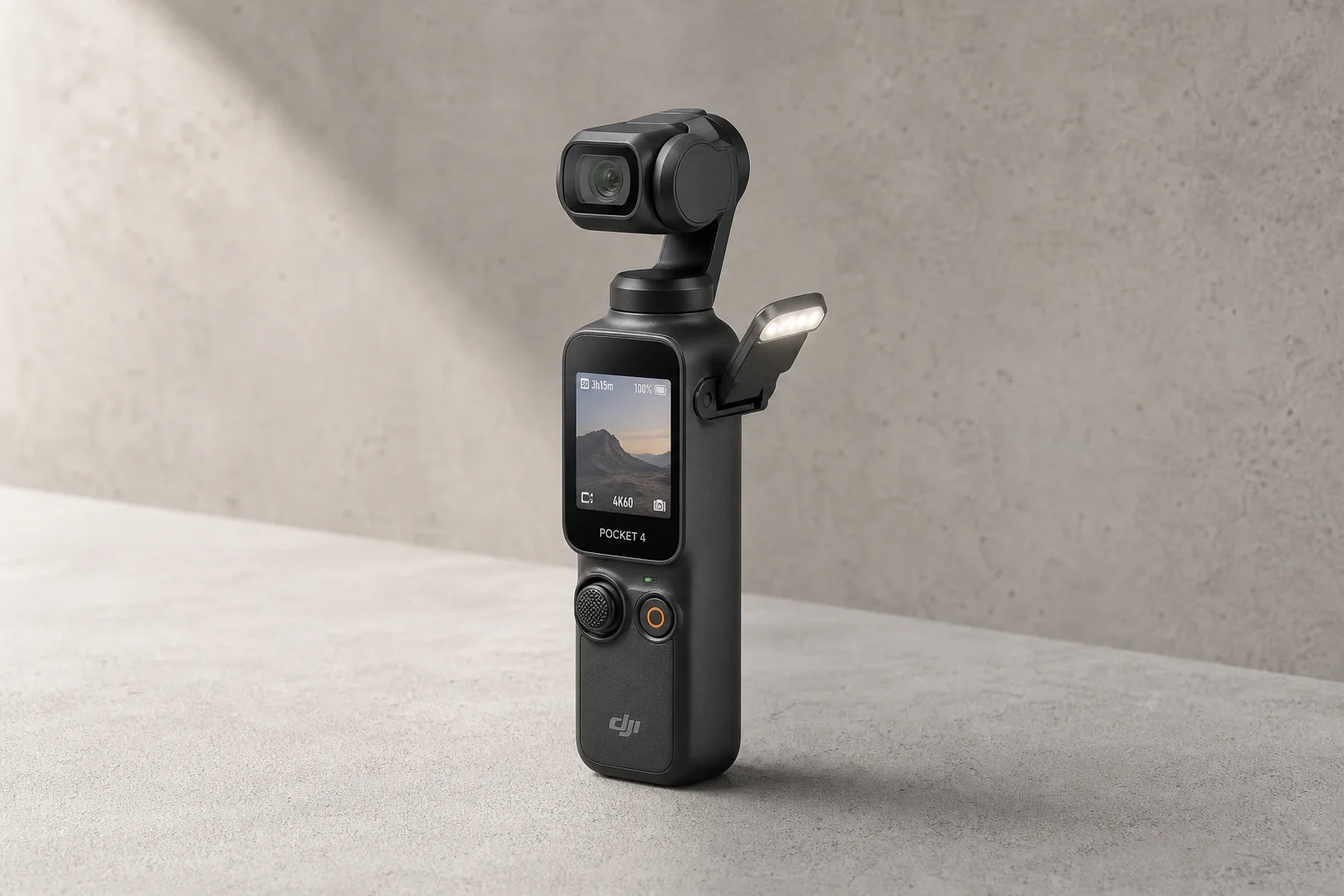
DJI Pocket 4 Review: Compact Gimbal Camera with 1-Inch Sensor and Fill Light
The DJI Pocket 4 brings a 37-megapixel 1-inch sensor, built-in fill light, 4K 240fps video, and 107GB internal storage to a single-handed stabilised camera. A detailed look at what's new and what remains unchanged.