Cycling
New Road and Gravel Bikes Worth Knowing About in 2026
A practical look at five new road and gravel bikes, from the Pinarello Dogma X endurance platform to the Wilier Adlar bikepacking build, with clear strengths and trade-offs.
Introduction
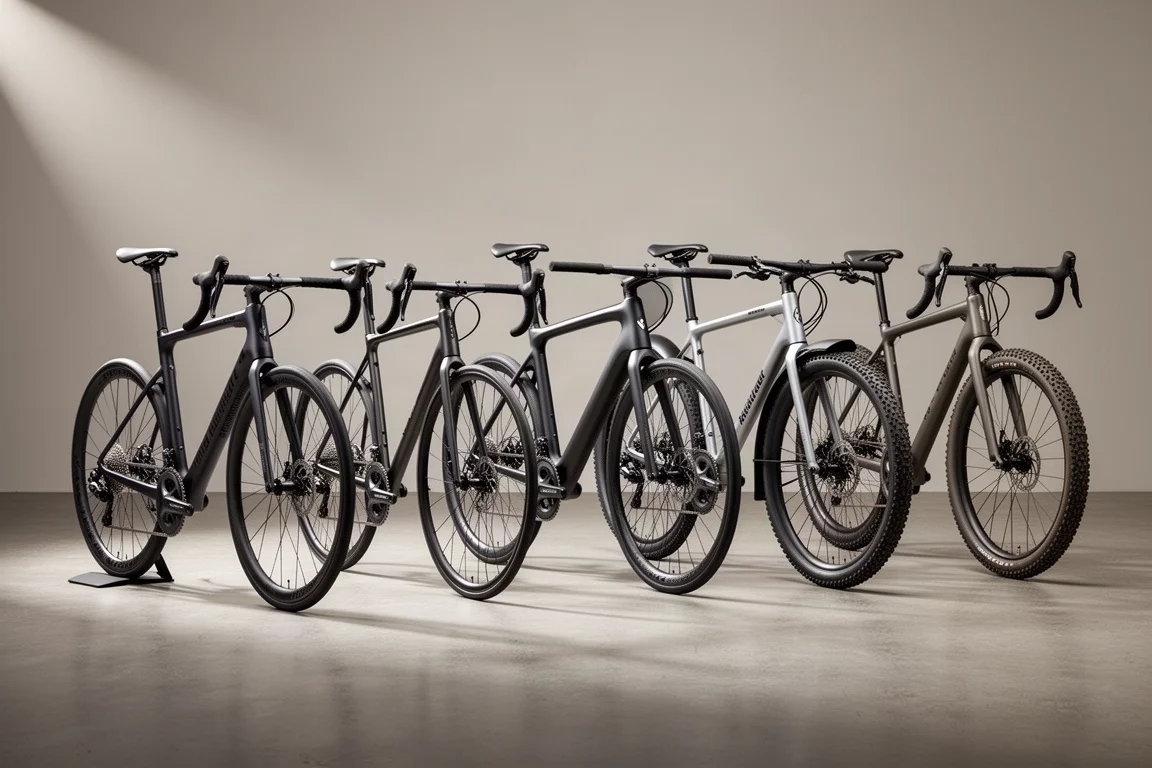
New road and gravel bikes have arrived in a steady stream, and this latest group is unusually broad in what it covers. Pinarello has taken its endurance platform in a distinctive direction with the Dogma X. Bianchi has rebuilt the Specialissima as a lighter, faster all-rounder. Ridley is back with a new all-round race model in the Falcon RS. Trek has brought its endurance thinking to an aluminium frame with the Domane AL. And Wilier has pushed its gravel line toward loaded, long-distance adventure with the Adlar.
Each of these bikes is aimed at a different rider, and the differences show up in the places that matter most over time: tyre clearance, rack and mudguard mounts, geometry, and how the front end of the bike is put together.
What to Look For in a New Road or Gravel Bike
Two numbers tell you a great deal about how a modern road or gravel bike will live in the real world. The first is tyre clearance. Wider tyres add comfort, grip and off-road capability, and the gap between a bike that accepts 35 mm rubber and one that accepts 40 mm is often the gap between a fast road bike that copes with rough tarmac and a bike that can genuinely cross a gravel sector.
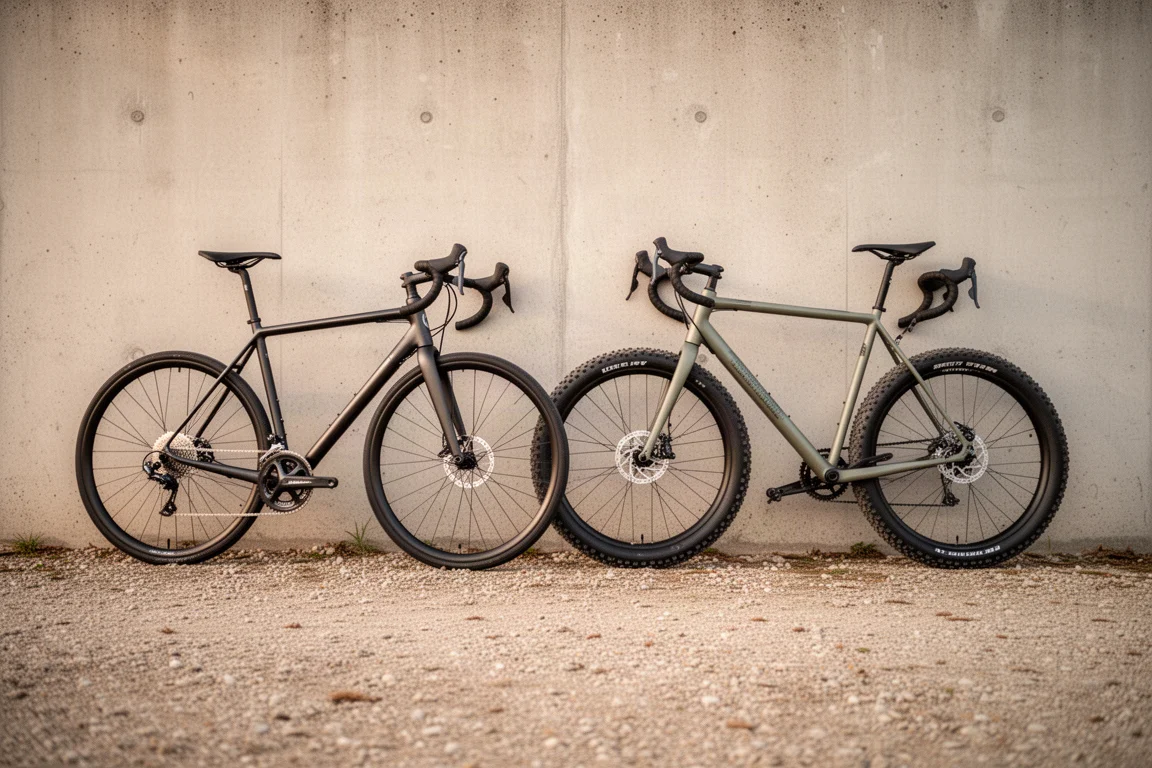
The second is mounting hardware. Rack and mudguard mounts turn a bike into something you can commute on, tour on or load with bikepacking bags. They add very little cost or complexity at the frame design stage, which makes their absence a deliberate choice rather than an oversight.
Geometry deserves the same attention. Endurance bikes sit the rider slightly more upright, while all-round race bikes keep a longer, lower position for aerodynamic benefit. Gravel bikes have drifted toward mountain bike numbers in recent years, with slacker head angles and longer reach paired to shorter stems.
Finally, check the group set standard. Some high-end frames accept electronic group sets only, which rules out a mechanical build entirely. If you plan to keep a bike for years and prefer simple servicing, that detail matters more than a handful of grams.
Pinarello Dogma X: Endurance Comfort With a Race Front End
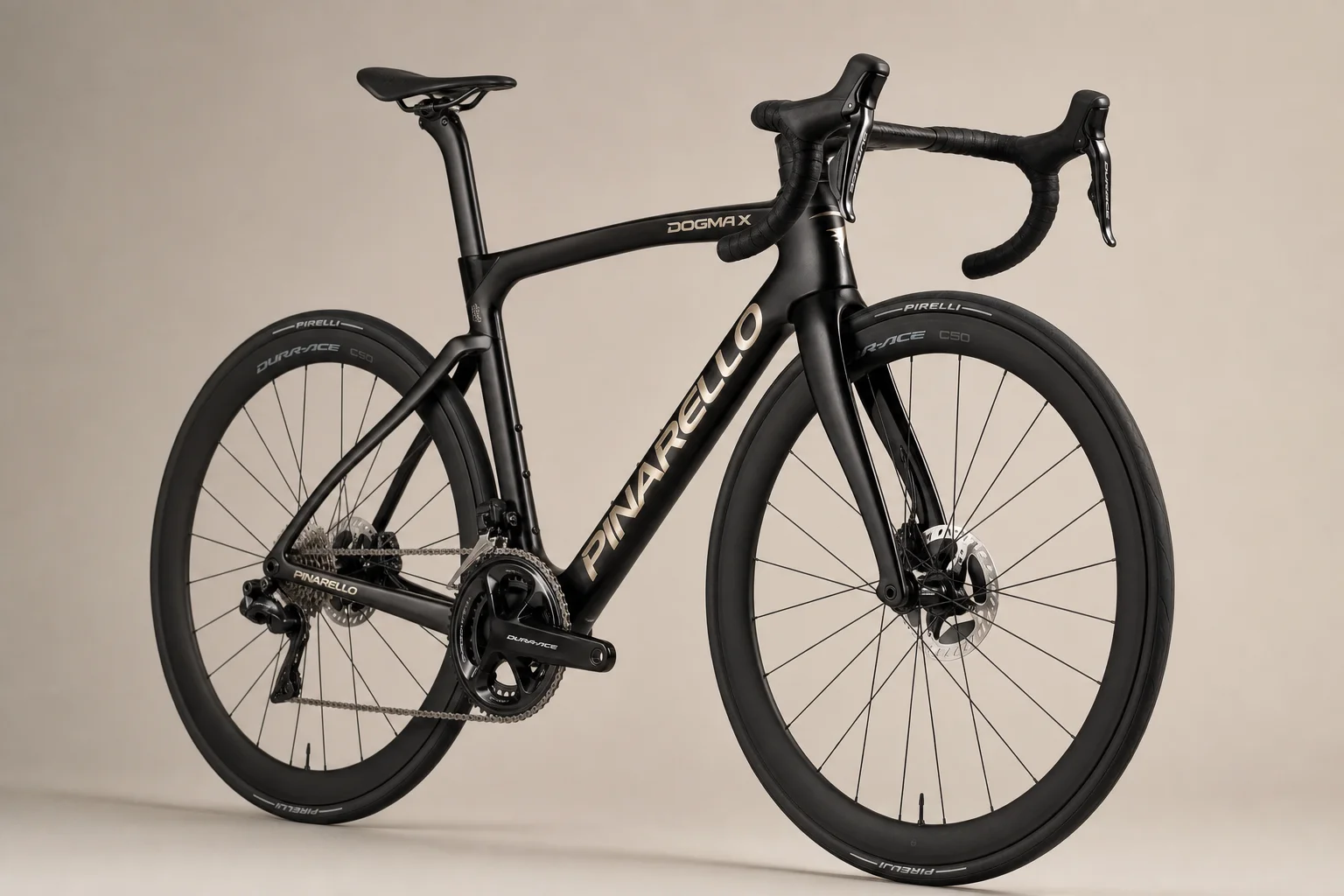
The Dogma X is Pinarello’s endurance model, and the rear of the frame is where the design work has gone. It uses a lattice structure with very thin seat stays that make two points of contact with the seat tube, plus two bridges joining the stay assembly together. The idea is more compliance at the saddle while limiting the lateral flex that would otherwise let the bike twist under hard efforts out of the saddle.
Pinarello has not published figures on how much compliance or flex the system delivers, which makes it difficult to compare directly with rival endurance designs in the category.
The front of the bike takes a different approach. It uses the same Talon one-piece carbon aero handlebar found on the Dogma F, a race component selected for stiffness and aerodynamics. Endurance rivals such as the Giant Defy use handlebars designed to allow more comfort and flex, so the Dogma X is less balanced in this respect than some of its competitors.
Tyre clearance is more generous than a race bike at up to 35 mm, though the Specialized Roubaix accepts up to 40 mm and the Giant Defy up to 38 mm. There are no mudguard mounts.
The frame uses the same Toray 1100 carbon fibre as the Dogma F, with a claimed frame weight of 950 grams, only 60 grams more than the Dogma F. It is compatible with electronic group sets only, so a mechanical 105 build is not an option. Frameset pricing starts at around £5,500 in the UK, while a US build with a Campagnolo Super Record group set and Bora WTO 45 wheels is listed at $16,000. The X Series offers a more affordable and more comfort-focused alternative with a different rear stay design and more relaxed geometry, starting at $6,000 for the X5 and rising to near $12,000 for the X9.
Bianchi Specialissima: Light and Aero All-Rounder
The Specialissima name has been part of Bianchi’s range since 2015, when the original arrived as a lightweight road bike built around the Countervail carbon layup and a standout ride quality. The new version moves in a more aerodynamic direction, with angled tube shapes influenced by the brand’s aero models.
Rather than chasing outright low weight, the new Specialissima targets the all-round appeal of bikes such as the Specialized Tarmac SL8. The top RC model has a claimed weight of 6.6 kg, the same figure quoted for the Tarmac SL8, so it is light without being a record-breaker.
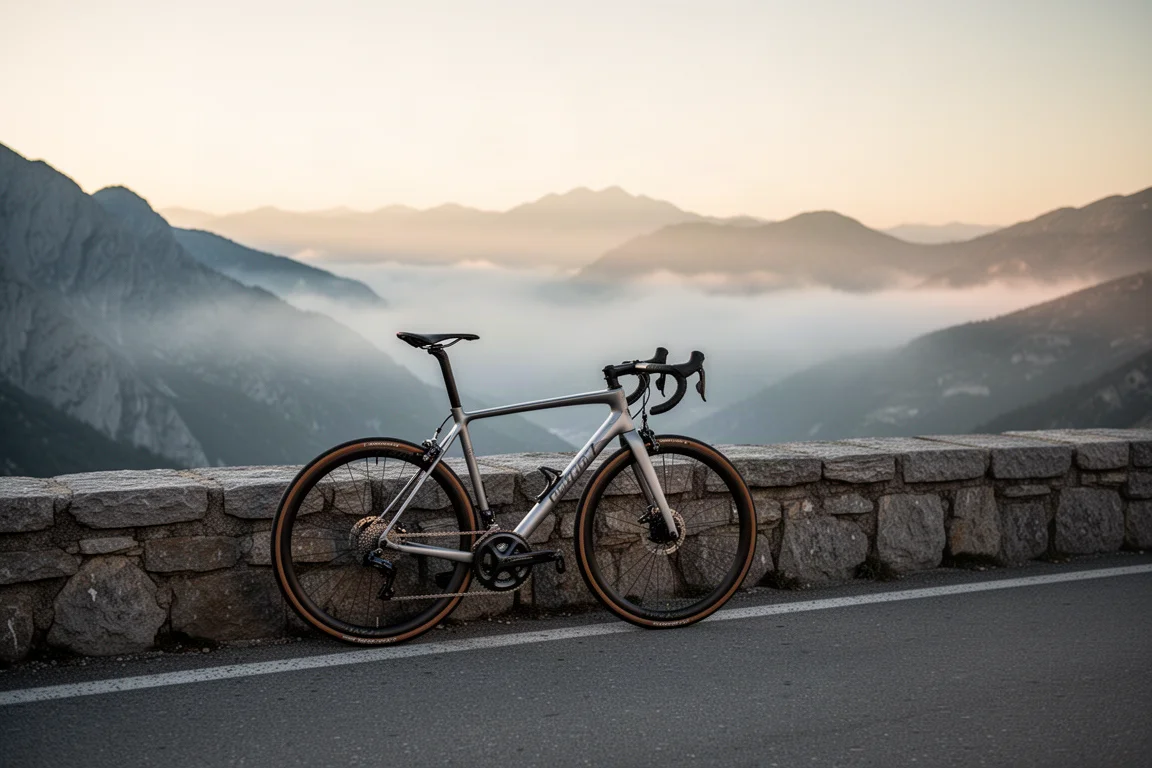
Much of the weight saving comes from small places, including a wafer-thin coat of paint that saves around 40 grams, a new carbon handlebar and a slim seatpost. The gains are nibbled around the edges rather than found in any single major area.
Aerodynamics has been the bigger focus over the years, and the new frame is claimed to save nearly 9 seconds over a 10 km climb at a 6 percent gradient at 200 watts compared with the previous version. Three build levels are planned, the Comp, the Pro and the RC, with pricing and availability not yet announced.
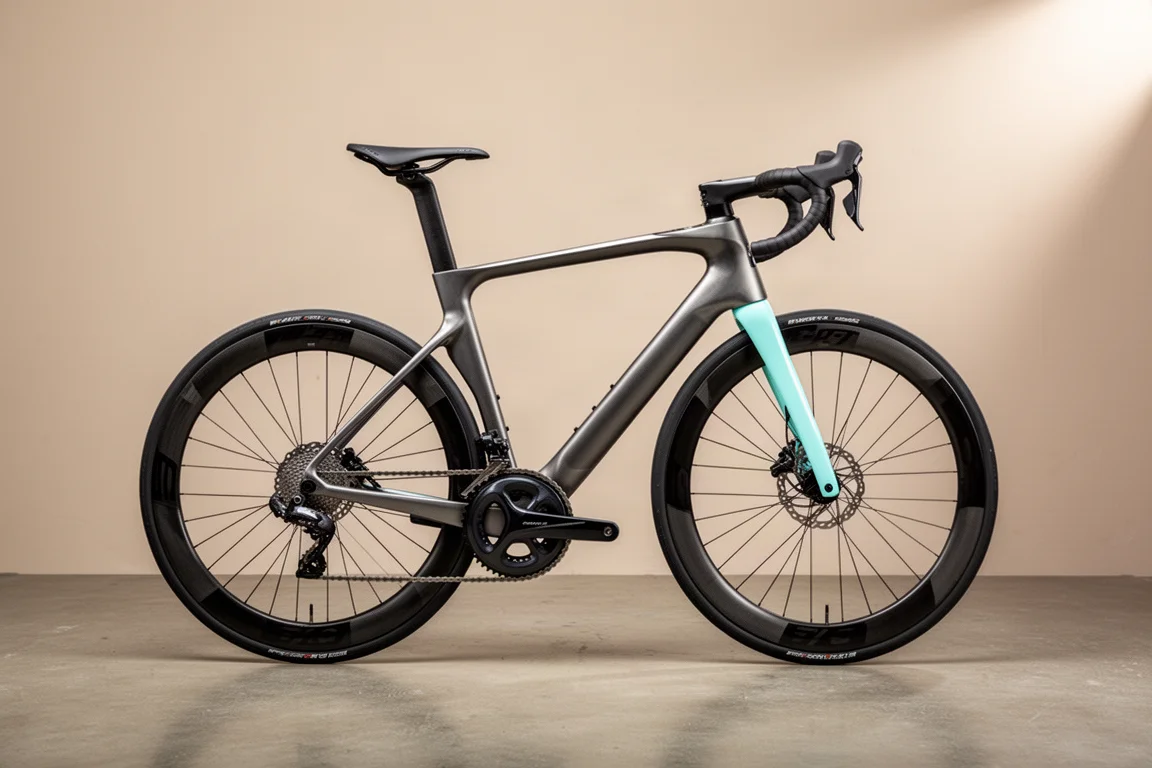
Ridley Falcon RS: The Belgian All-Rounder
Ridley has a long history in road racing, and the Falcon RS is a new model that fills the space between the lightweight Helium and the out-and-out aero Noah. Ridley claims the new Falcon is almost as aerodynamic as the Noah and nearly as light as the Helium.
With a SRAM Force group set, the bike is quoted at 7.4 kg, which is not especially light for a modern all-rounder, so the aerodynamic claims will need to carry part of the argument when it is measured against bikes like the Tarmac and the Specialissima. Ridley’s stated goal is a bike that is bright and fast on climbs as well as quick on the flat.
The look is a conventional, clean aero race silhouette rather than anything radical. Prices start at £6,000 and run up to £10,000.
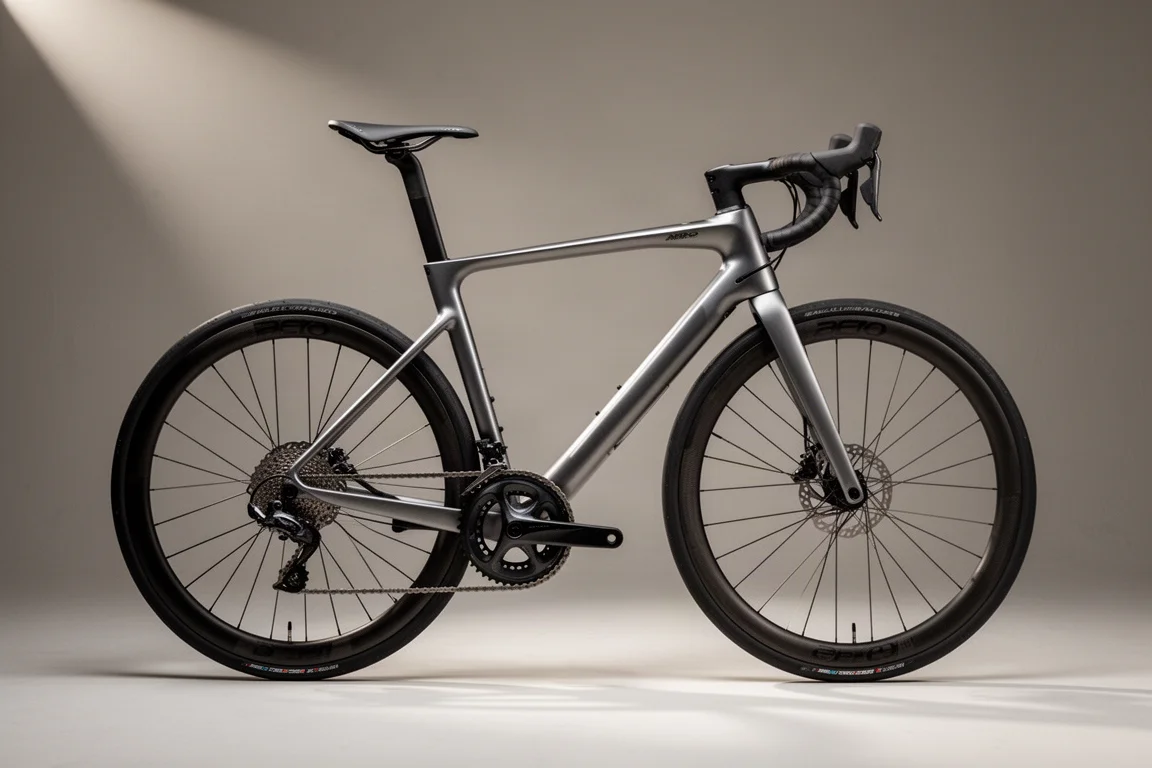
Trek Domane AL: Accessible Endurance for Everyday Riding
The Domane has long been Trek’s comfort-focused endurance platform, and the new aluminium Domane AL brings much of that thinking to a far lower price point. Tyre clearance runs to 38 mm, which opens up options from a wide slick to a light gravel tyre for an all-road setup.
The frame carries mounts for racks, mudguards and extra bags, so it works as a Sunday sportive bike and a weekday commuter, and it can be set up for touring or bike packing. The frame uses the SRAM UDH hanger design, a single standard intended to consolidate the many different hangers on the market into one pattern and make replacement parts much easier to find.
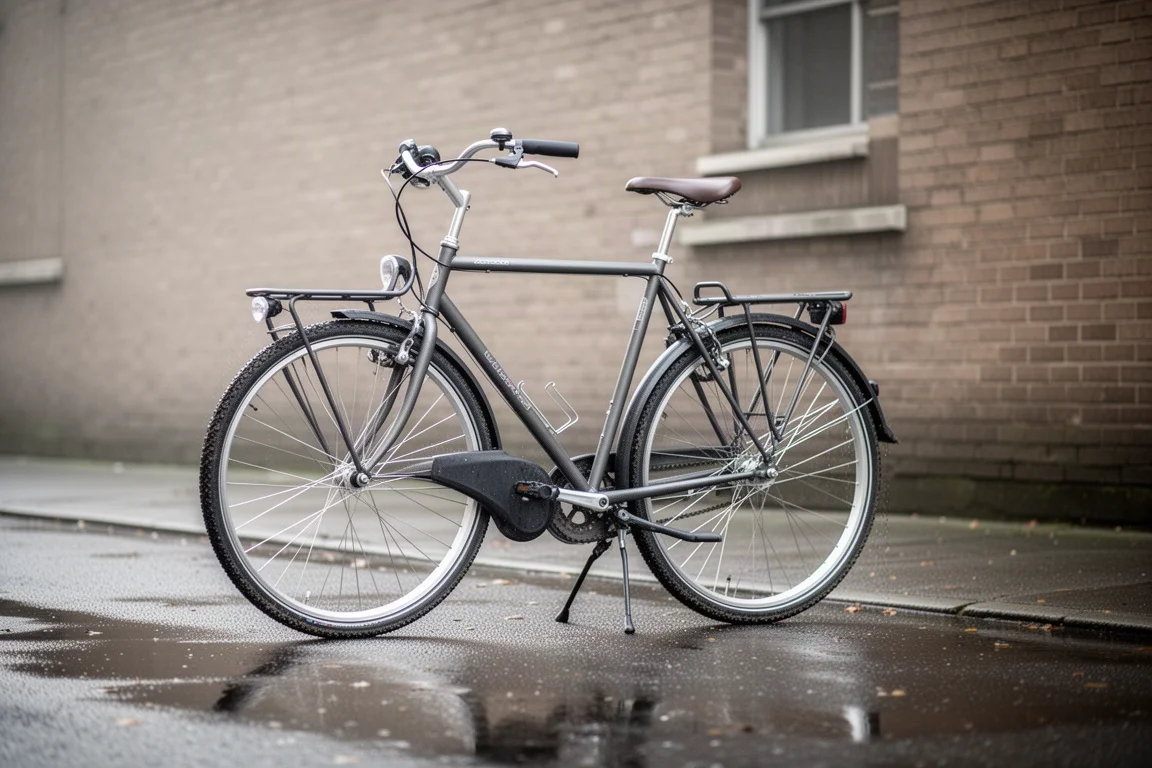
Aluminium frames rarely get lighter between generations, but this one is up to 225 grams lighter than the previous version. With a carbon fork and a Shimano Claris group set, the complete bike weighs around 10 kg, which is a good figure for the specification.
Cable routing is internal for a clean, modern look, and the brake hose and cables run underneath the handlebar and stem into the frame rather than through a proprietary cockpit. That means you can swap the stem or the handlebar without being locked into a specific system.
Prices start at $1,200, or just over £1,100 in the UK.
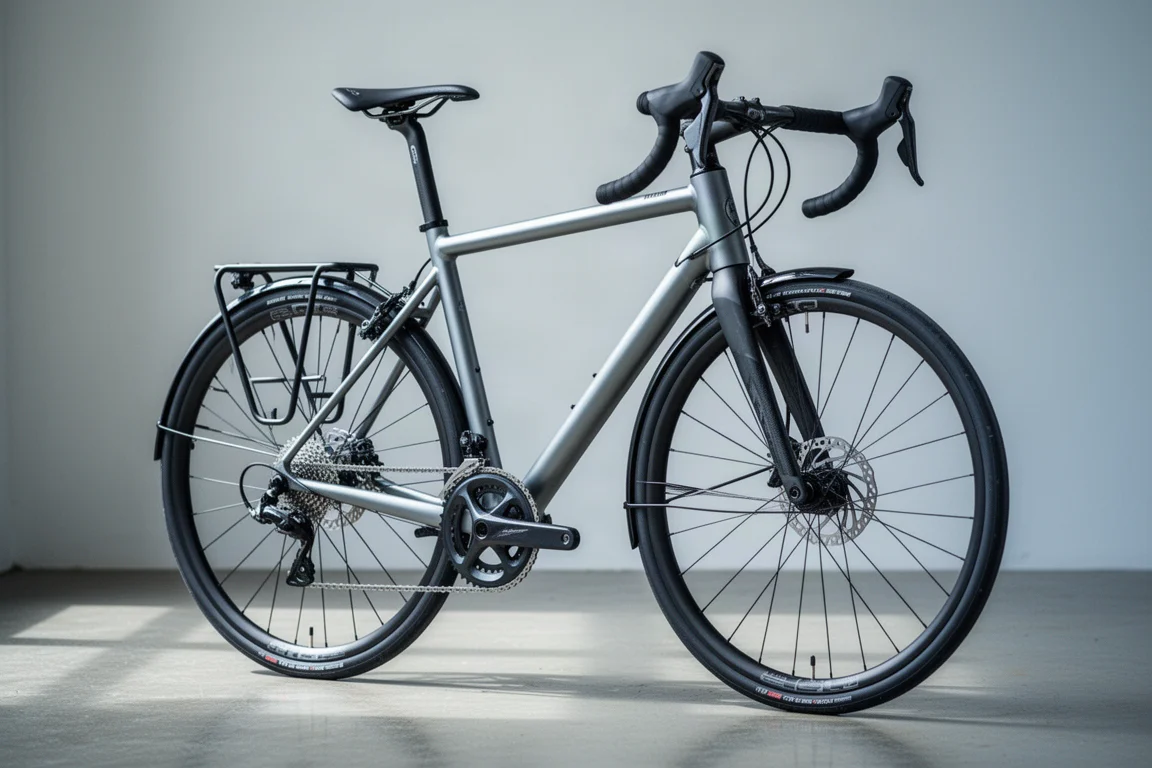
Wilier Adlar: Gravel Adventure and Bikepacking
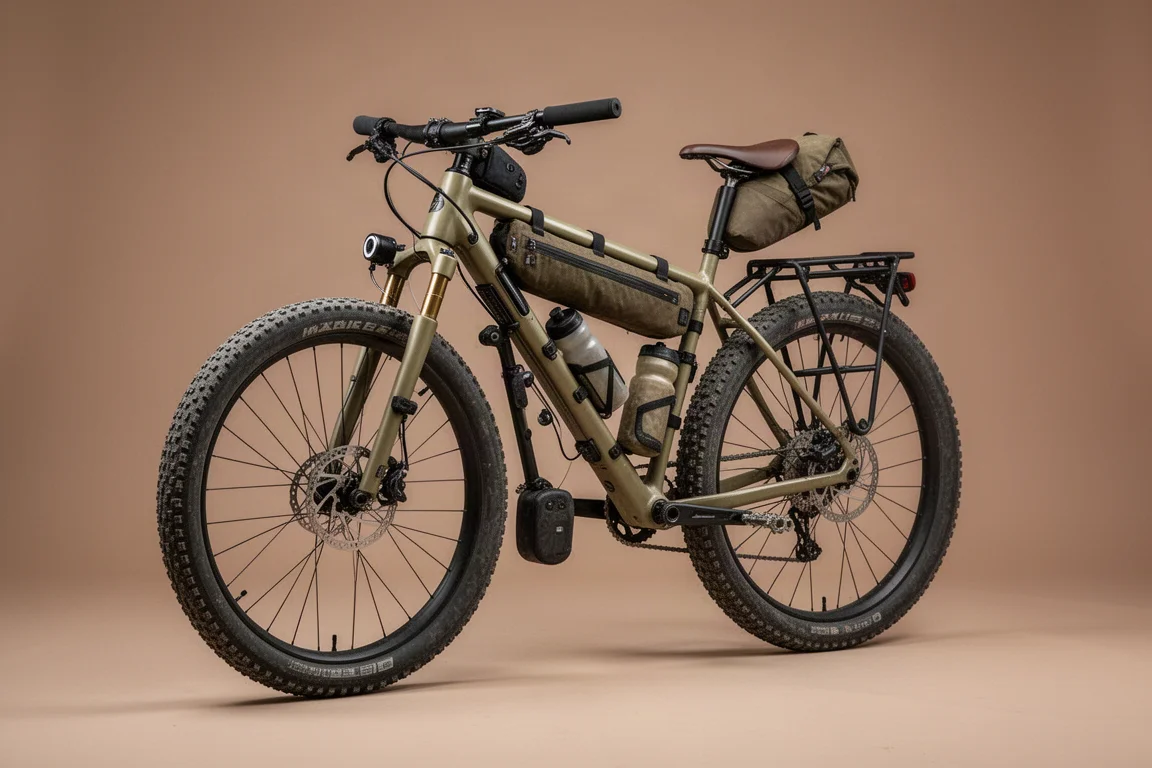
The Adlar is a new gravel model from Wilier, sitting alongside the racier Rave SLR and aimed squarely at adventure riding and bike packing rather than racing. Its geometry borrows from mountain bikes, with a slack 70 degree head angle, a long reach and a short stem for a roomy, stable cockpit.
Tyre clearance goes up to two inches, so there is room for genuinely chunky rubber. The frame is also designed around a suspension fork, and the supplied rigid fork is deliberately longer than a standard rigid fork so that swapping to suspension does not alter the geometry at all. That flexibility is unusual, and the Giant Revolt X, which is designed around a suspension fork, does not offer the same rigid alternative with matching geometry.
The rigid fork includes dynamo routing for all-night rides, and there are mounts across the frame and fork for bags, bottles and extra kit. Wilier has also designed its own front and rear racks that mount to the thru axle without any additional mounting hardware.
Builds lean toward mechanical group sets, with Shimano 11-speed and 12-speed options. Prices start at €3,700 with Shimano GRX 11-speed and reach around €5,000 with SRAM Rival AXS. Every model in the range can be ordered with a bike packing setup that adds the front and rear racks and a full set of bags, so the bike arrives ready for a route rather than needing a separate shopping list.
Which Bike Suits Which Rider
The right choice here depends less on which bike is fastest and more on what you actually do with it.
If comfort over long distances is the priority and budget is flexible, the Dogma X is the most technically ambitious option in this group, though its race-derived front end, limited tyre clearance and electronic-only frame are genuine considerations. Riders who want one fast, light bike for mixed terrain should look closely at the Specialissima and the Falcon RS. The Bianchi leans toward low weight and all-round speed, while the Ridley leans on aerodynamic efficiency and starts at £6,000.
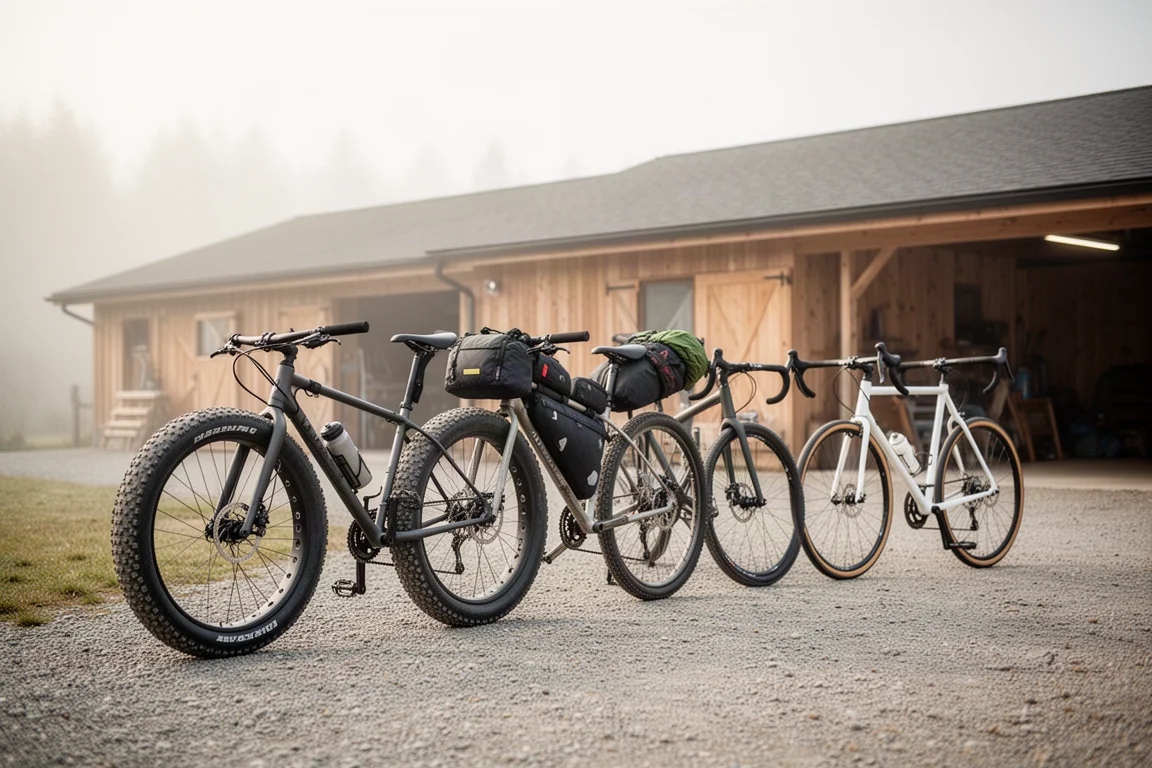
For value, the Domane AL is the most accessible bike here, with practical mounts, 38 mm tyre clearance and a weight that is respectable for an aluminium build. Riders who want to load a bike up and disappear into the woods will find the Adlar the most purpose-built option, thanks to its suspension-ready frame, wide tyre clearance, dynamo routing and integrated rack design.
Two details are worth checking before ordering any of these bikes: the tyre clearance relative to the surfaces you ride most often, and whether the frame accepts the group set you want. Both are difficult and expensive to change later.
Conclusion
This group covers a genuinely wide range of riding. The Dogma X shows how far endurance design can be pushed, even if its front end and pricing keep it out of reach for many. The Specialissima and the Falcon RS compete in the crowded all-rounder space with different priorities. The Domane AL delivers practical endurance features at an entry-level price, and the Adlar is one of the more thoughtfully equipped bike packing platforms around.
Match the bike to the riding you do most, and any of these five will serve well.
Further reading
Related Reviews
Cycling
2026 Bike of the Year and the Cycling Gear Worth Watching
A drop bar roundup for 2026 covering the Ridley Kanzo Fast 2.0, Shimano Dura-Ace Di2 R9300, Trek Checkpoint ALR Gen 3, Specialized Tarmac SL9, Garmin Fenix 9 and Insta360 X6.
Cycling
Best All-Road Bikes 2026: Six Versatile Endurance Road Bikes Worth Considering
A practical look at six all-road and endurance road bikes, from lightweight carbon speed machines to steel all-rounders and comfort-focused mile eaters.
Cycling
Best All-Road Bikes 2026: 8 Endurance Bikes for Road and Light Gravel
Eight all-road bikes that blur the line between endurance road and light gravel, compared on tire clearance, ride character, practicality, and value.