Cycling Gear
New Cycling Kit Roundup 2026: Narrow Bars, New Shoes, and a Five-Figure Aero Bike
A roundup of new cycling kit: the AC Air handlebar, Giro Imperial and Empire SLX shoes, the S-Works Ares 2, MAAP AON endurance apparel, and Van Rysel's first five-figure aero bike.
Introduction
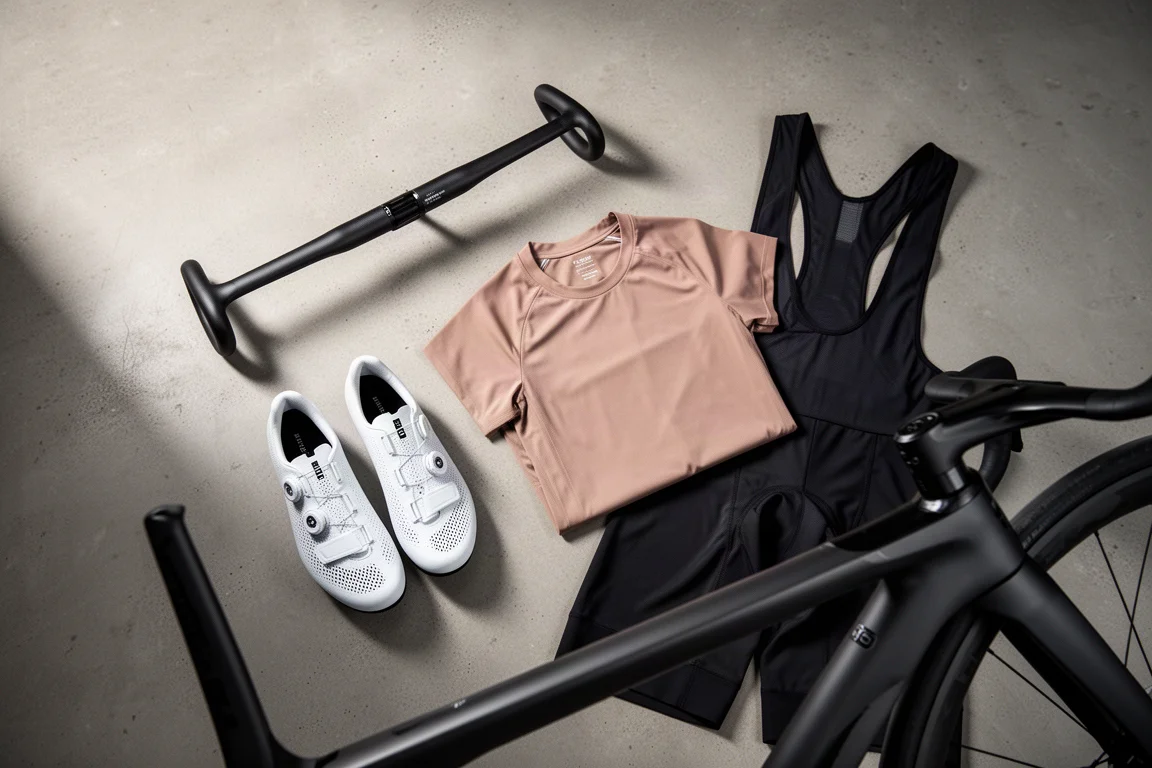
This roundup covers a narrow handlebar built for speed, two new road shoes from Giro, a fresh Specialized flagship with very bold numbers attached, an endurance-focused apparel set from MAAP, and the first Van Rysel bike to cross into five-figure pricing. Each one solves a different problem, and each comes with a trade-off worth understanding before you spend.
AC Air Handlebar: 32 cm Bars Built for Speed
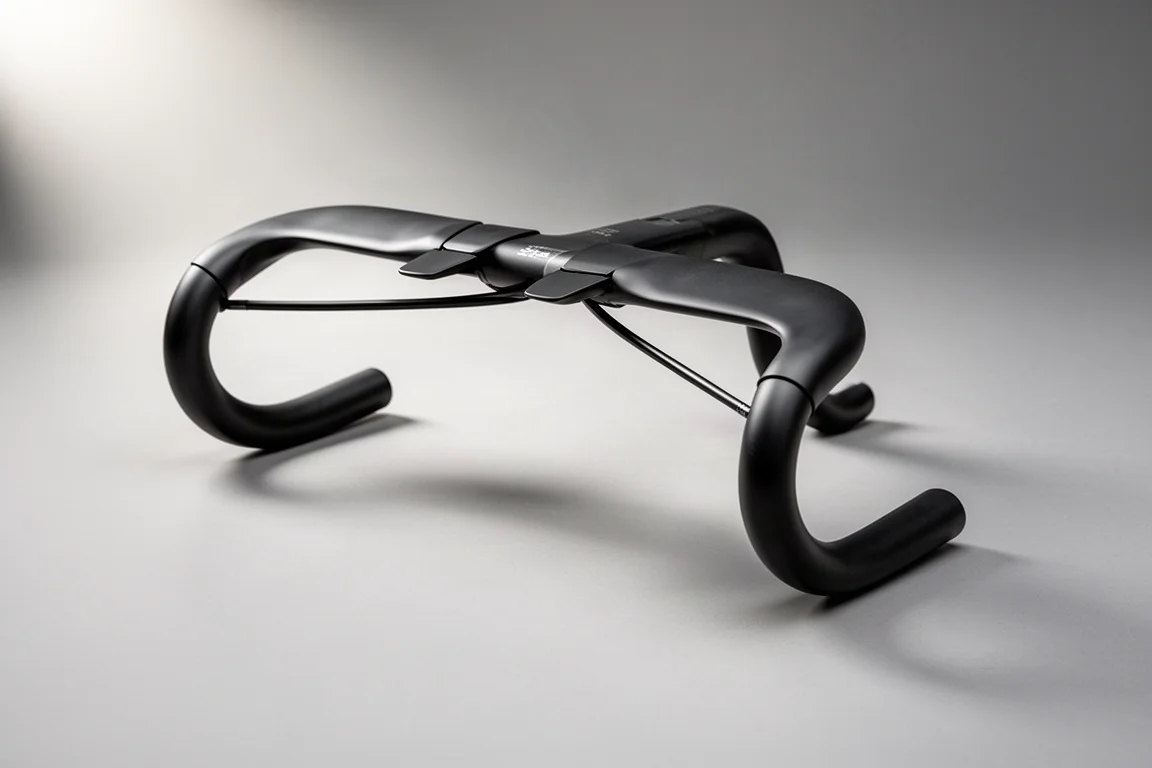
The AC Air Handlebar comes from a British brand and measures 32 cm across the tops, 36 cm in the drops, with 75 mm of reach and 110 mm of drop. It is designed around a single goal: making the rider faster.
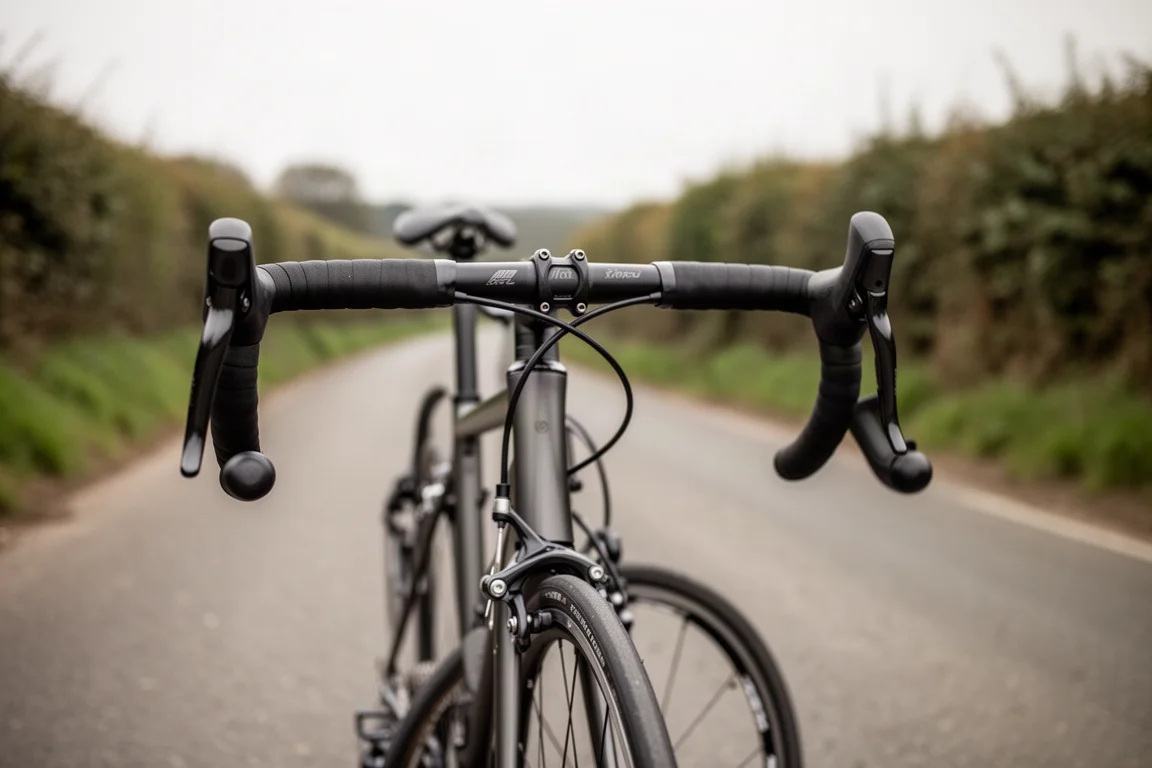
The bar ships with inserts for the drops that add comfort and improve aerodynamics, along with pads on the tops so you can rest your forearms. Cable routing runs fully externally along the underside, with fairings covering the cables. At £280, the value argument is straightforward. Narrow bars are undeniably faster, and this could be one of the biggest gains-per-pound upgrades available for a road bike. The trade-off is ergonomics, which is where narrow bars divide opinion. The drop inserts could also catch a wrist during a sprint, and the shape is less extreme than some very narrow alternatives, which should make it easier to live with day to day.
Giro Imperial: New Boa Shoes With a Clever Tongue
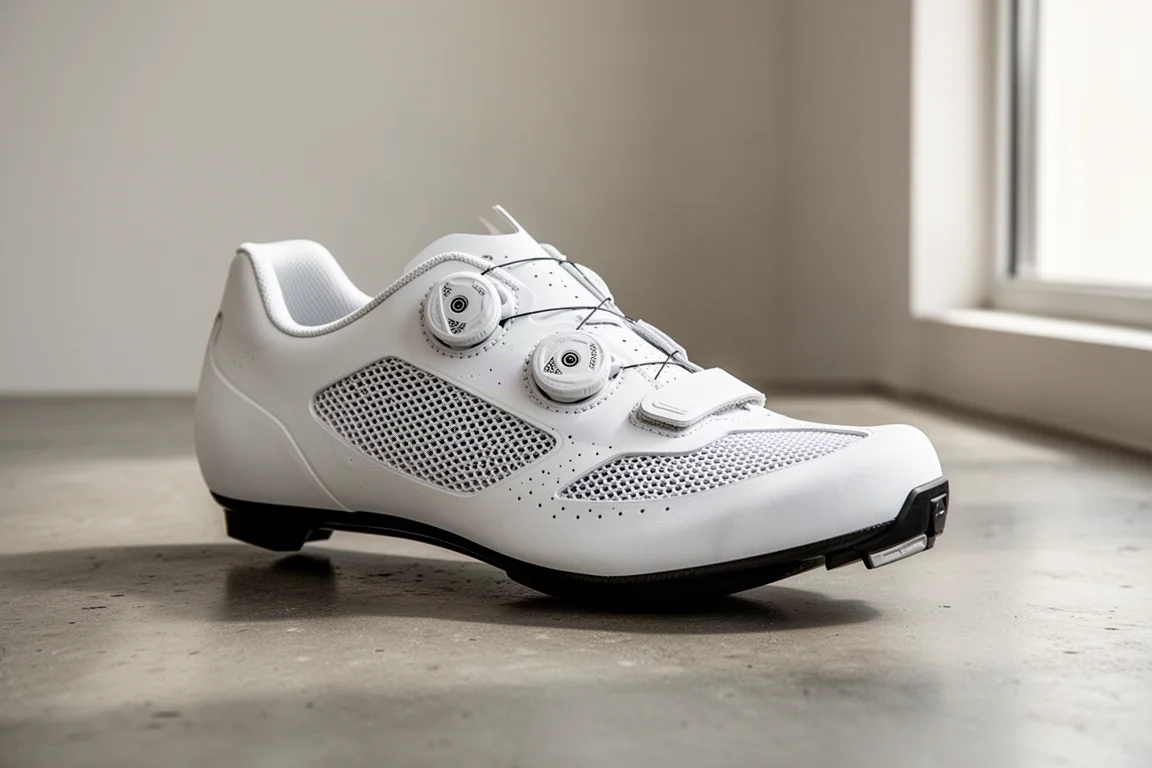
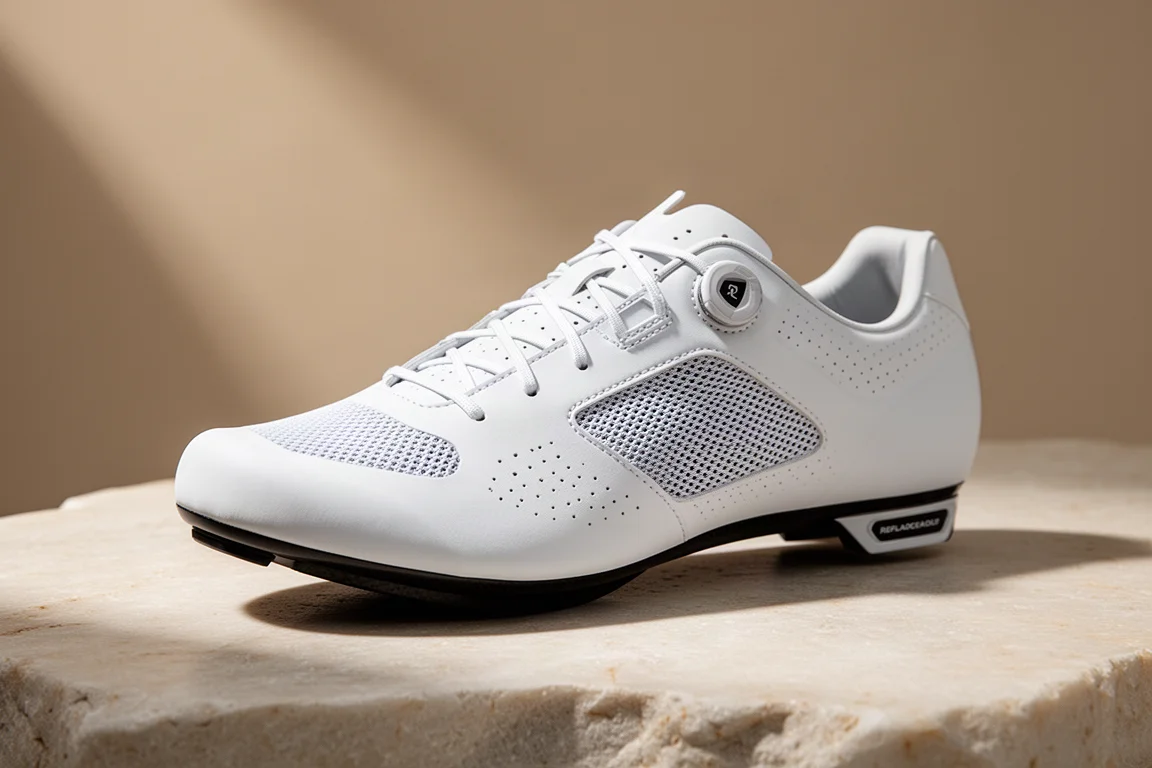
Giro updated its flagship road shoes quietly, splitting the range between a Boa-equipped model and a laced one. The Imperial is the more expensive of the two at $424.
The standout detail is the tongue. A silicone edge runs along the leading edge, and the sculpted shape means that once your foot is locked in, there is no pressure point around the ankle. The material stretches and sits around the joint instead. The rest of the heel cup is well cushioned and well shaped. Ventilation is high, with mesh side panels that you can see through, and the shoes use stiff carbon soles with a replaceable heel cup and a toe bash guard. Colourways include white and black-and-white.
Giro Empire SLX: The Lighter Lace Option
The Empire SLX carries the lace-up formula forward at $375. Laces tend to save weight, and roughly 20 g per shoe separates the Empire SLX from the Imperial. Boa dials are often quoted at a couple of watts at 45 km/h, so the choice between the two comes down partly to weight and partly to how you like your shoes to fit and feel. If you already prefer laced shoes, this is the same idea refined.
Specialized S-Works Ares 2: Big Claims, Big Price
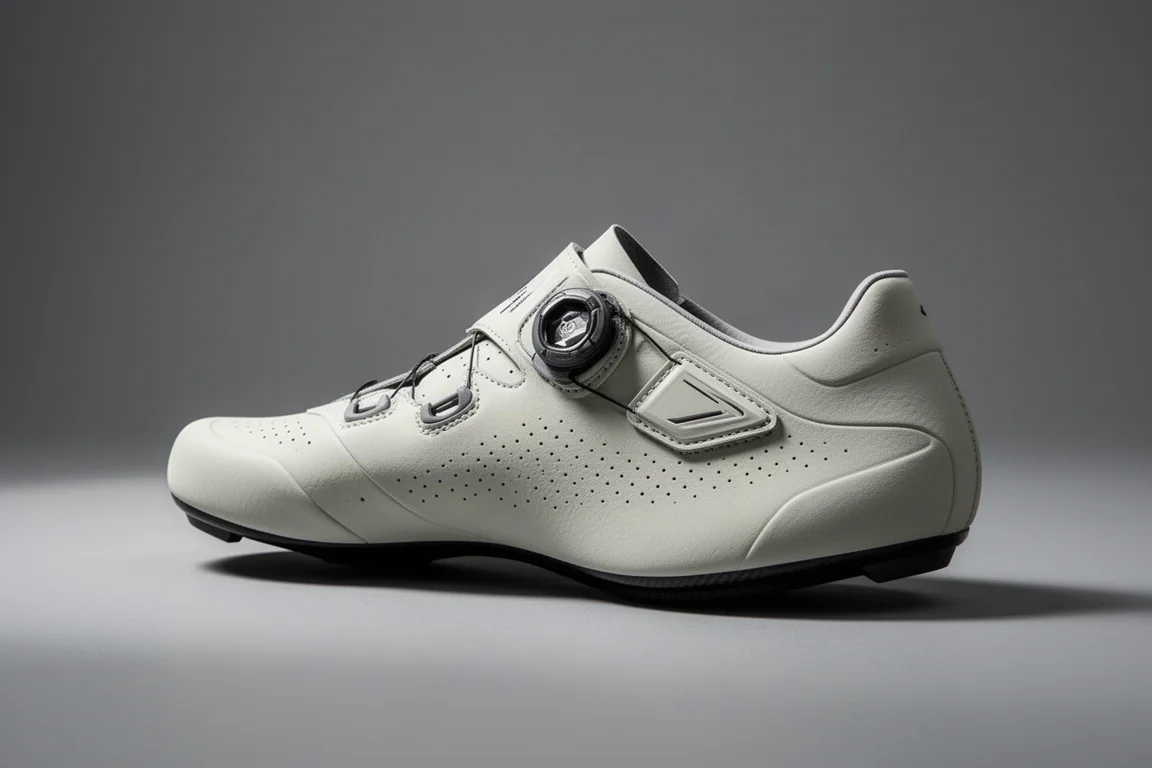
The S-Works Ares 2 arrives with UK pricing around £479 and other markets quoted between $549 and $600. It is not the most expensive shoe on the market, but it sits close to the ceiling, and the reaction to the launch was mostly a long exhale.
The accompanying claims are ambitious: a 7 watt power increase, a 44% reduction in foot pressure, and a line from the brand’s design director of footwear suggesting that any movement goes straight to the pedals with no lag.
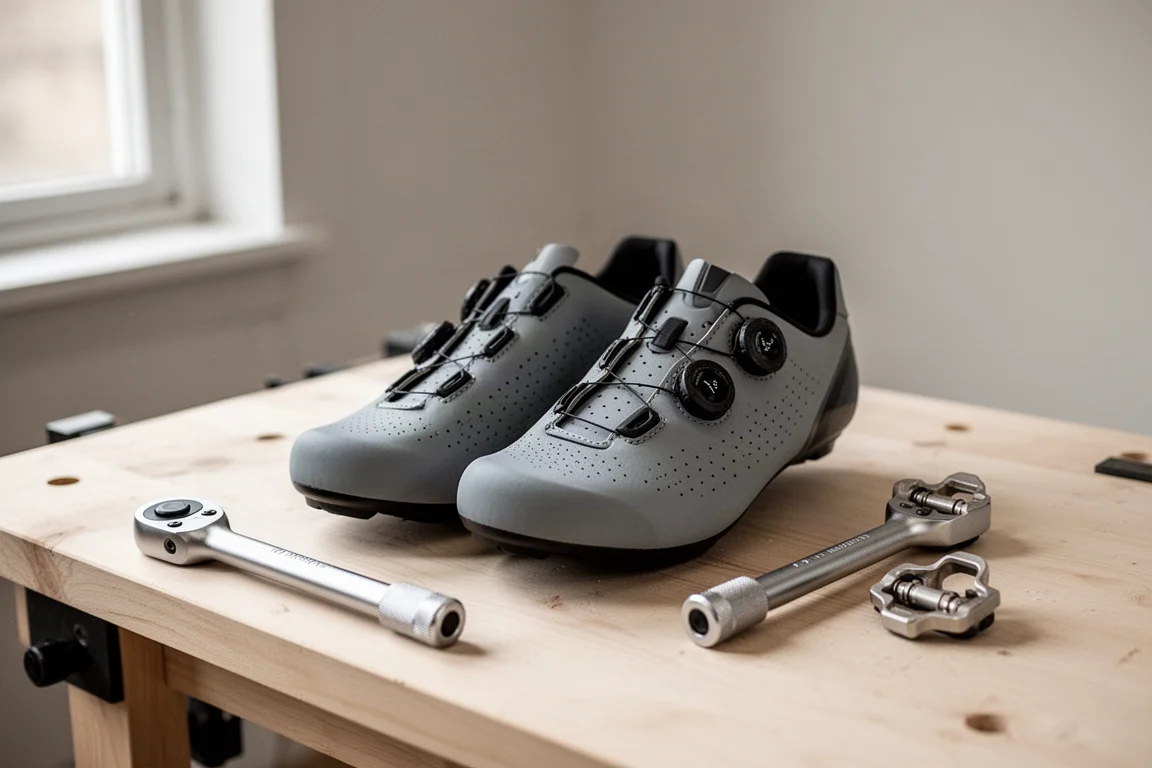
Claims like these have become so routine across the industry that they are hard to take at face value, and that repetition is a problem in itself. None of this means the shoes are bad. They are almost certainly very good. It does mean the numbers are better treated as marketing than as measurement, and it raises a fair question about what actually drives a shoe purchase: looks, comfort, price, or a watt figure nobody can verify at home.
MAAP AON Jersey: Endurance Comfort With an Old-School Feel
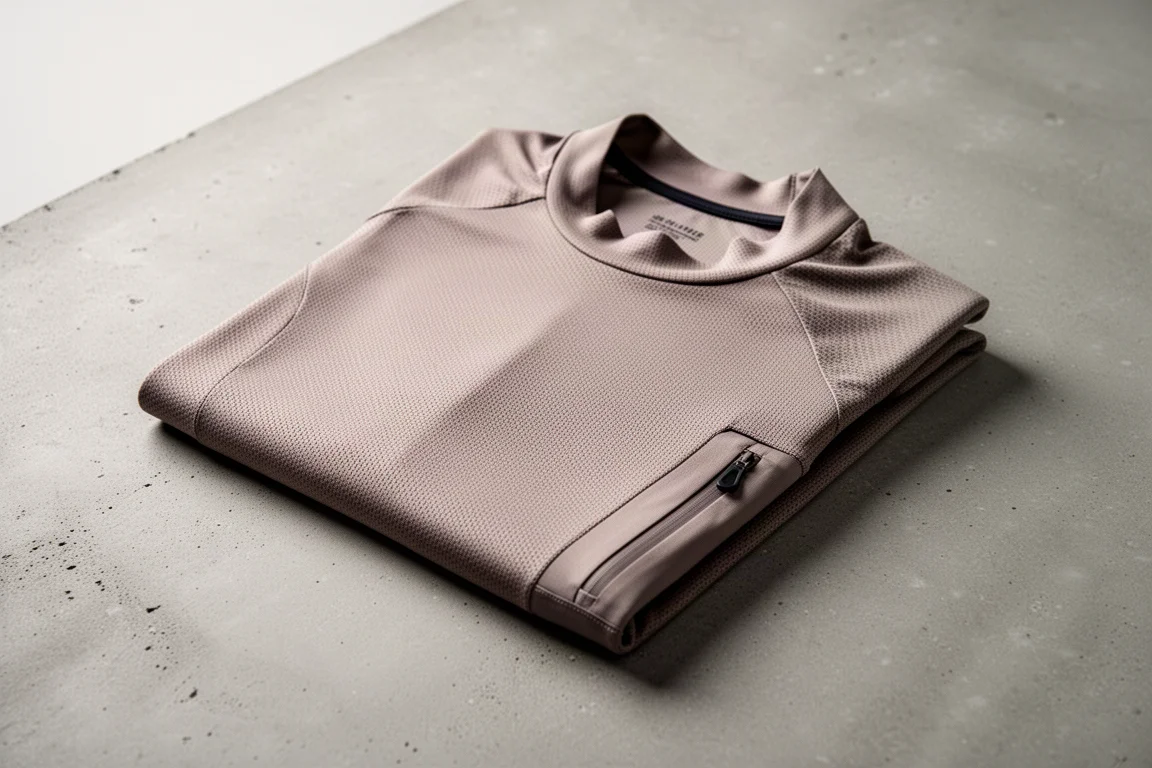
MAAP’s AON collection is built around endurance riding, and the jersey is the easier piece to like at first glance. The fabric has a slightly old-school hand feel while staying very comfortable. It uses Polartec Delta with a 3D knit structure, a seamless hem and a low-profile collar. The rear pockets are generously sized, and there is an additional zip pocket on the side. At £170 it is designer money, which is consistent with MAAP’s position as a premium brand.
MAAP AON Bib Shorts: Pockets Where It Counts
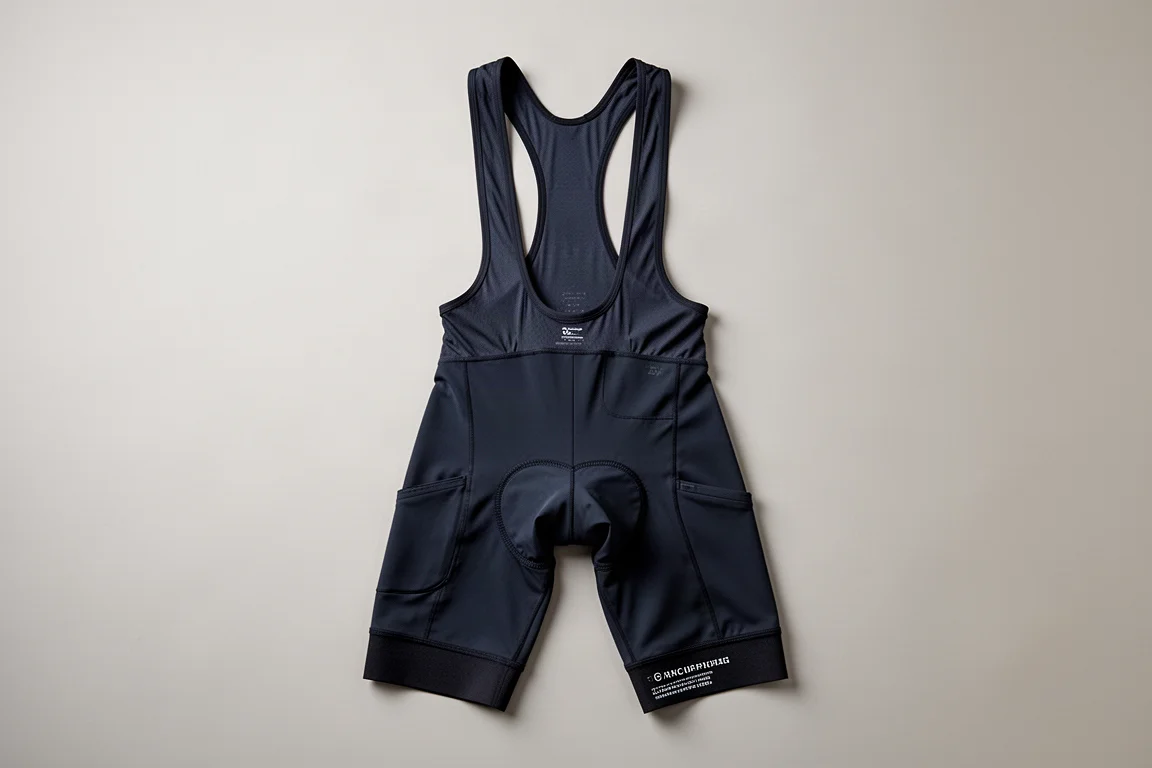
The matching bib shorts are £240 and use MAAP’s new chamois. The leg panel is made from a single material with the gripper built into the hem, a detail that tends to improve comfort over long distances. Two pockets are built into the shorts, with a small opening but a healthy amount of space inside. For gravel, ultra events, or simply long days in the saddle, that is a genuinely useful addition.

Longer, thinner items such as gels should slot in and out without trouble. Bulkier items may be a different story, and how easy the pockets are to use at speed is the open question.
Van Rysel RCR-F: The Brand’s First Five-Figure Bike
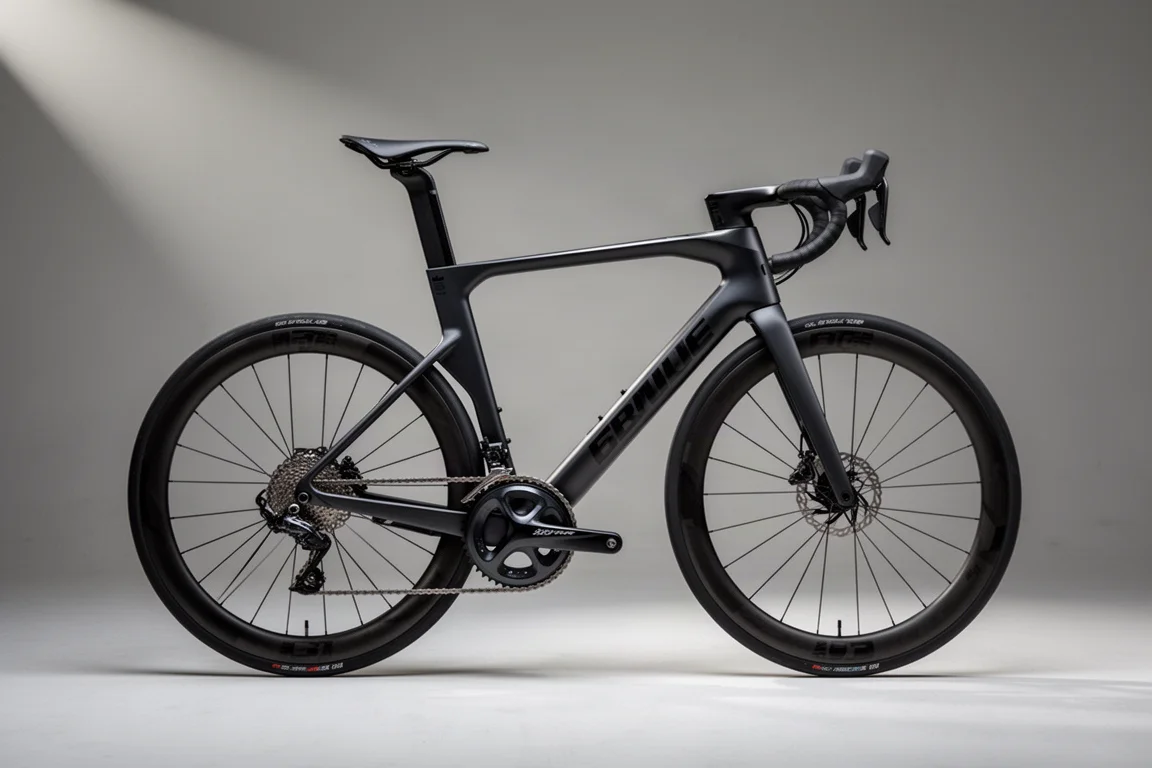
Van Rysel’s new aero platform has been visible under the pro team for close to a year, and the full details are now public. The headline figures: 13.6 watts faster than the RCR Pro at 45 km/h, rising to 20.1 watts at 55 km/h, both bike-only numbers. The front end is claimed to be 7% stiffer, and there is 32 mm of tire clearance.
The design language follows the RCR Pro with deeper tube profiles, and the new cockpit is tuned specifically for the riders and race scenarios the bike is intended for, including extruded drops that add comfort for sprinters. At 7.12 kg it is not aimed at climbs above 5%, where the RCR Pro takes over instead. The pro team simply picks between the two depending on the stage.
Pricing is where things get interesting. This is the first Van Rysel to reach five figures, with UK prices from around £9,499 and top-spec versions at £10,000 or more. That still undercuts several established flagship aero bikes by a thousand pounds or more, but it is no longer the value play the brand built its reputation on. It is around £800 more expensive than the Canyon Aeroad CFR, for example. In the UK the bike also has an exclusive retail arrangement with Sigma Sports while remaining available at Decathlon.
The geometry is aggressive. Compared with a same-size Tarmac SL8, the RCR-F is 8 mm longer and 9 mm lower, and its front-end stack is 25 mm lower than the Canyon Aeroad CFR. That is a race position first and a comfortable one second, which raises the question of whether it is too specialist for most riders.
Overall Buying Advice: Fit, Purpose, and Longevity
Modern bikes have become easier to ride, and that is broadly a good thing. Wider tires bring grip and comfort, shifting rarely demands a second thought, and braking is far more forgiving than it once was. The flip side is convergence. Top-end bikes feel more similar to one another than they did a few years ago, which makes small differences in geometry, cockpit design and tire choice matter more rather than less.
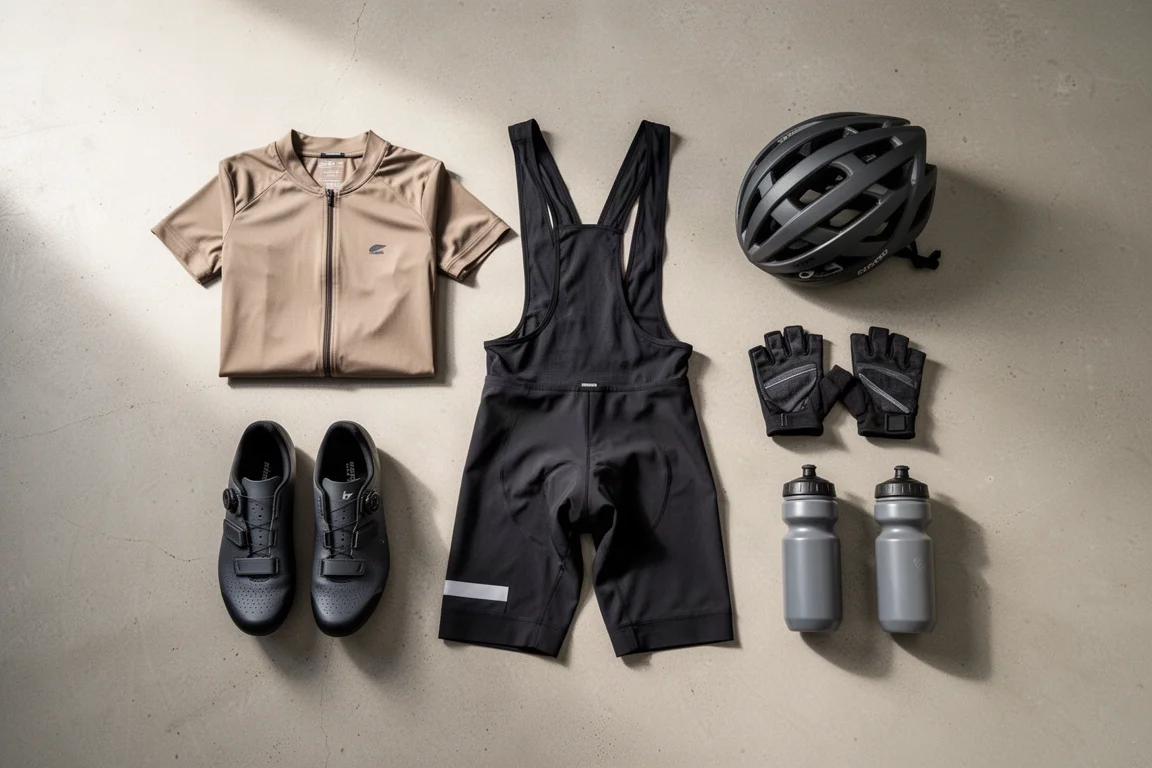
For most riders, the decision still comes down to fit and purpose. Shoes in particular are personal. Feet vary enormously, and no amount of marketing can tell you whether a last suits yours. Longevity matters too: a good pair of shoes or a well-made jersey can last several seasons, which changes the maths on a high price. Aero bikes reward riders who can hold an aggressive position, while endurance apparel and pocketed bib shorts make more sense for anyone riding long distances. Match the purchase to the riding you actually do.
Conclusion
This roundup covers a wide range of priorities. The AC Air Handlebar is the least expensive way to buy speed here. Giro’s Imperial and Empire SLX split the difference between dial convenience and lace-up weight savings. The S-Works Ares 2 arrives with the biggest claims and the biggest bill. MAAP’s AON kit is expensive but thoughtfully built for long days. And the Van Rysel RCR-F marks the moment the brand stopped being purely a value proposition. Buy for fit, purpose and the miles you actually ride, and most of these decisions get easier.
Further reading
Related Reviews
Cycling Gear
8 Cycling Products Riders Keep Coming Back To
Eight cycling components and accessories with clear strengths, honest trade-offs and long-standing reputations among riders and mechanics.
Cycling Gear
Aero Helmets and Bottle Setups Tested: Six Options Ranked by Measured Watt Savings
Wind tunnel data on six aero helmets and bottle setups, with real watt savings, practical trade-offs, and guidance on what is worth buying first.
Cycling Gear
Aero Road Bikes and Fast Tires Worth Watching in 2026
Four aero road bikes and one fast road tire, with the real strengths, the open questions, and what to check before you buy.