Cycling Gear
New Cycling Gear Roundup 2026: Seven Launches Worth Knowing
Seven new cycling releases covering cockpits, wheels, pedals, helmets, indoor trainers and one aluminium endurance road bike, with the specs, prices and trade-offs that matter.
Introduction
Launch season has delivered a broad spread of new equipment across wheels, cockpits, pedals, helmets, indoor trainers and one complete road bike. The seven releases covered here range from eye-wateringly expensive carbon components to an aluminium endurance bike that undercuts most of its rivals.
Some of these products chase performance gains, and others are simply about getting reliable equipment at a sensible price. Each entry below sticks to the published specification, the confirmed price where one exists, and the design decisions that affect how the product behaves once you own it.
How We Assessed These Launches
Three things shaped the notes below: the specification as published, how each product is positioned against its direct alternatives, and whether the design choices solve a genuine riding problem. Where a brand has published weight, accuracy or safety claims, they are described as claims rather than measured results.
Price matters as much as specification, because value is often the deciding factor between two otherwise similar products. For trainers and helmets in particular, small differences in the details tend to matter more over time than the headline numbers, so those details get the most attention here.
Enve SES AR Handlebar and Stem
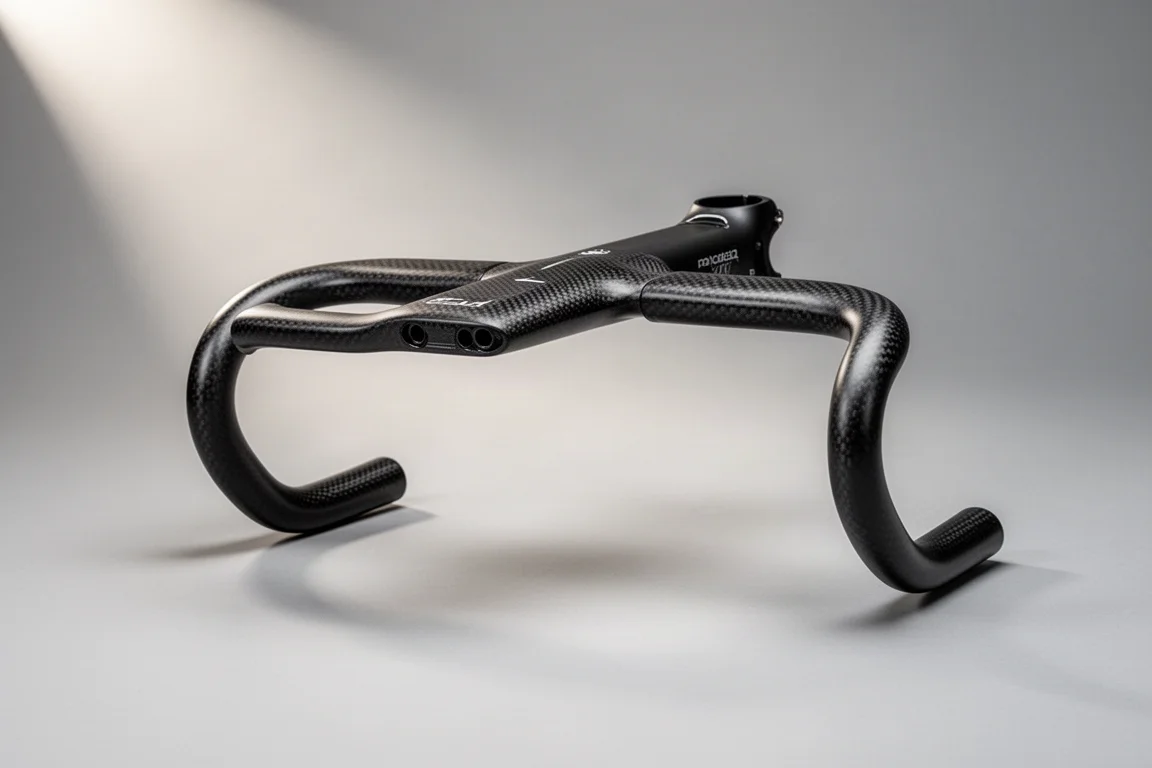
The SES AR one-piece bar and stem belongs to the all-road category rather than the pure road setup used by the brand’s sponsored riders. It was first released with the Melee and the MOG, and it is now available to a wider market at around £1,300 or $1,200.
Every bar is handmade in the USA and offered in 20 length and width combinations. All sizes share a 5 cm flare, 76 mm reach and 127 mm drop, with hood widths running from 38 cm to 46 cm. In the largest size the drops end up more than half a metre apart, which pushes the fit firmly toward the gravel end of the spectrum rather than narrow road geometry. Claimed weight is between 330 g and 360 g depending on size, and the bar is compatible with the brand’s in-route internal cable routing system.
For riders building an integrated all-road bike, the appeal is the combination of a wide size matrix and a geometry that stays predictable across every option. The price is the obvious barrier, and at this level it is worth being certain that the flare suits your riding before committing.
Hunt Sub 50 Wheels
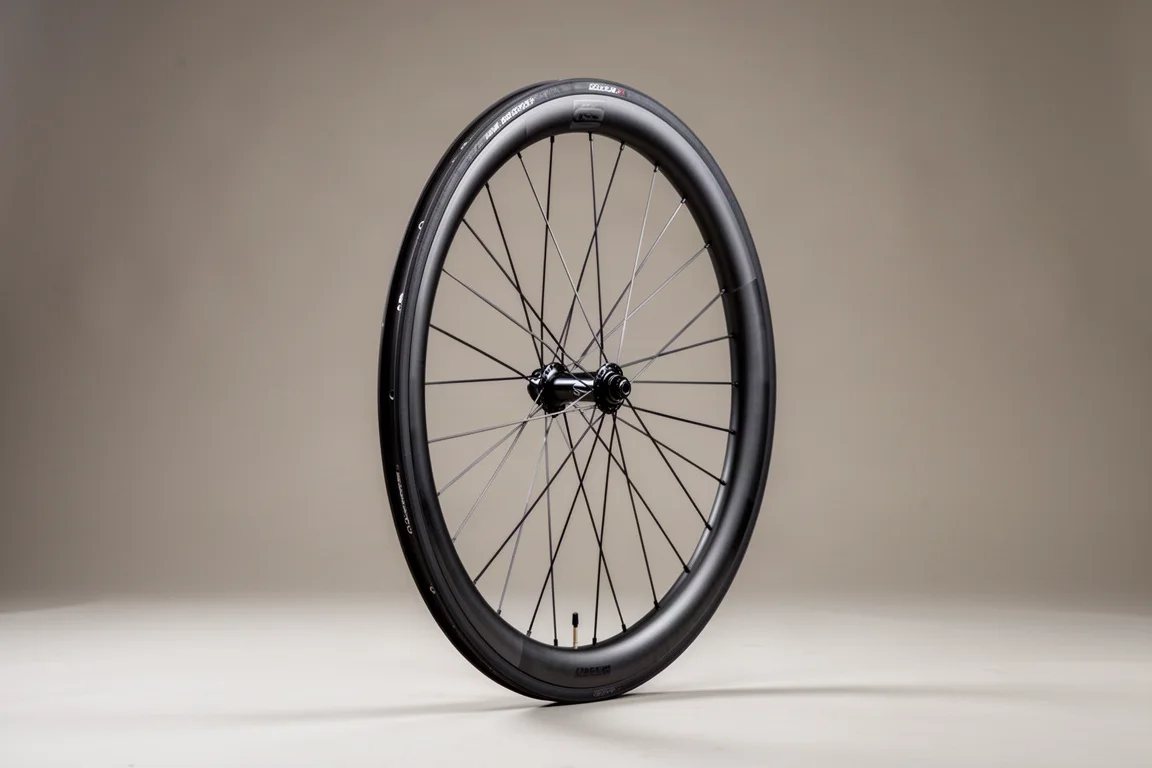
The Sub 50 replaces the Limitless 48 in the range. It is a roughly 50 mm deep wheelset with a claimed weight of 1,380 g, helped by UD carbon spokes that save around 50 g compared with stainless steel versions. The rims are designed around 28 mm or 30 mm tires, which points to mixed terrain use where riders want aerodynamic depth without carrying unnecessary weight.
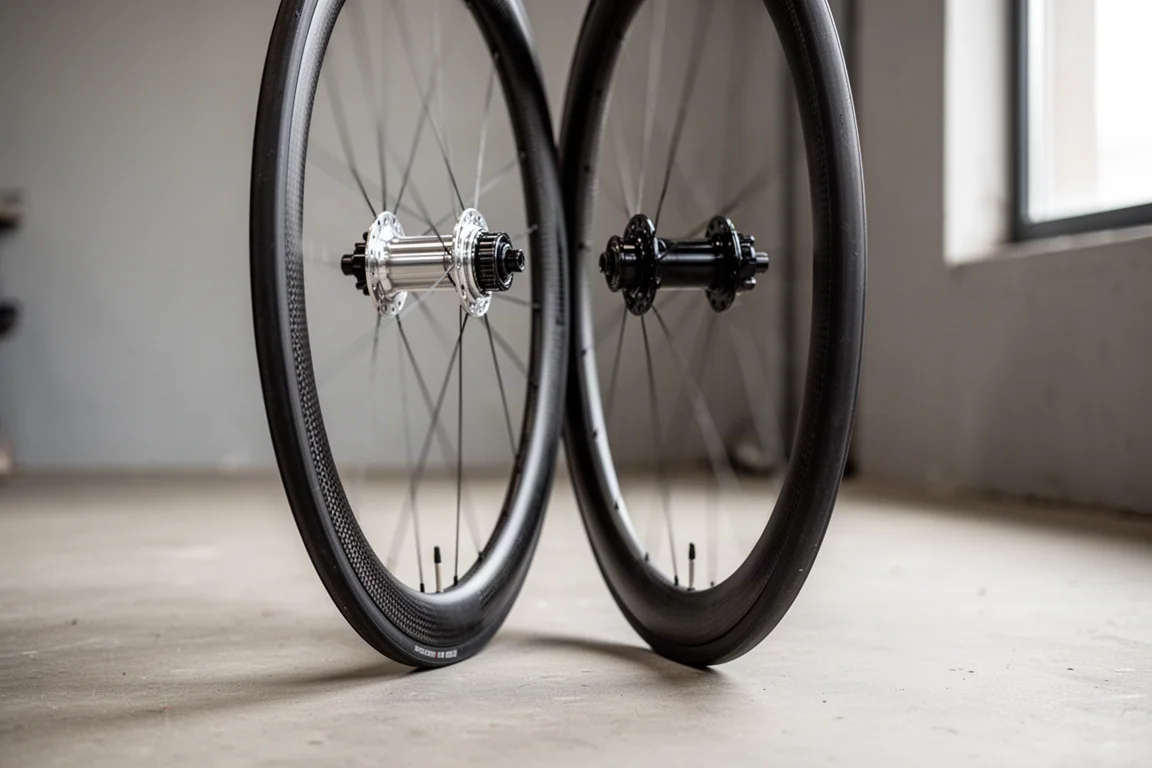
The hubs are a deliberate choice rather than a headline feature. They use a proven, off the shelf design rather than a new in-house project, and the reasoning behind that is straightforward: on a wheelset that sees hard use, reliability and easy servicing matter more than novelty. It is a sensible position for a product aimed at riders who would rather not think about their hubs at all.
The brand has published comparative testing data placing the Sub 50 against the Zipp 454 NSW, Zipp 303 S, Enve 4.5, Princeton Peak 4550 and Roval Rapide CLX II. Several of those wheels cost considerably more, and the published figures suggest the Sub 50 holds its own across most yaw angles, with the Roval the closest match at higher angles. Those are the brand’s own numbers, so they are worth treating as a starting point rather than a verdict.
Look KéO Blade Pedals
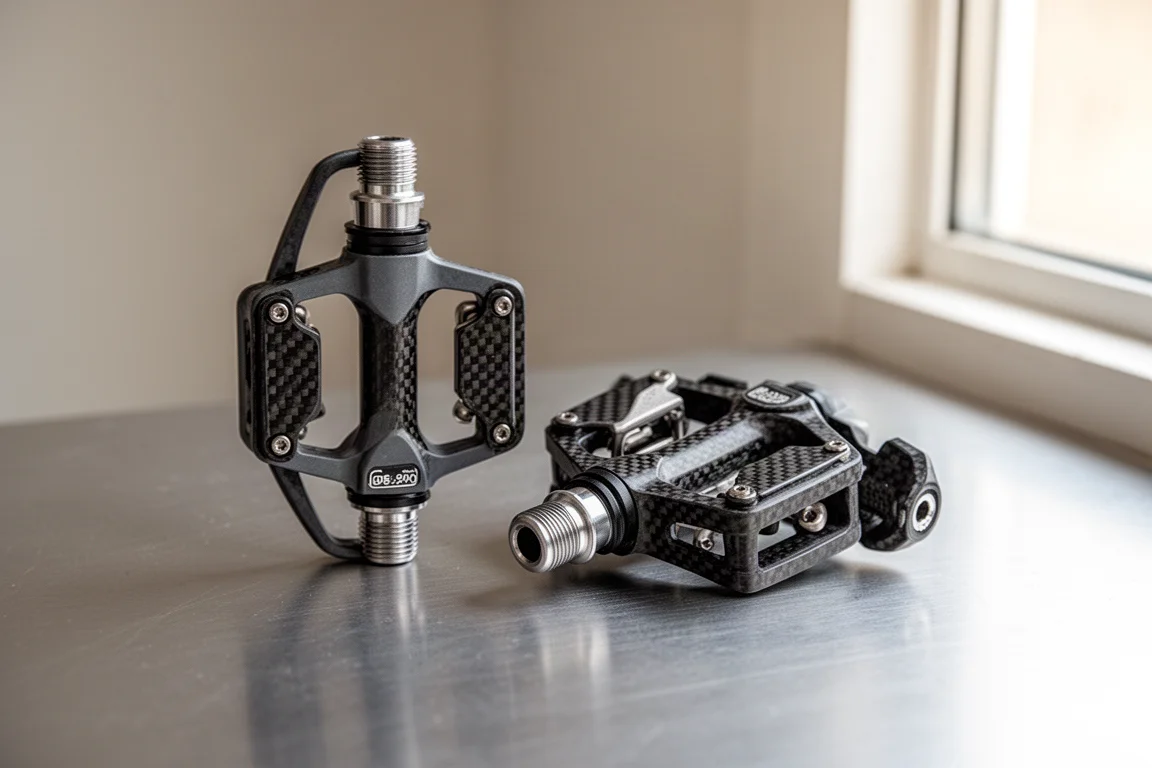
Look created the first clipless pedal in 1984, and the 40th anniversary has brought an update to the KéO Blade. The design is unusual among clipless pedals: retention comes from a carbon leaf spring rather than a metal spring, which gives the pedal its distinctive snap when you clip in. Changing release tension means swapping the carbon wafer rather than turning a screw.
The update targets a long standing annoyance with the previous version. The pedal used to hang in a position that made engagement awkward, particularly when pulling away from a junction, and the frustration was compounded for anyone wearing light coloured shoes. Revised friction at the spindle combined with a shift in weight distribution means the pedal now hangs in a position that is easier to catch with the foot. Look puts the improvement at 60 percent easier clipping in, a figure that relates to friction torque rather than a direct measurement of engagement effort, so the real world gain is best judged once the pedals are on the bike.
For riders who already like the feel of a carbon leaf spring, this is a meaningful refinement rather than a redesign, and the simple construction remains the main appeal.
Lazer Z1 Helmet
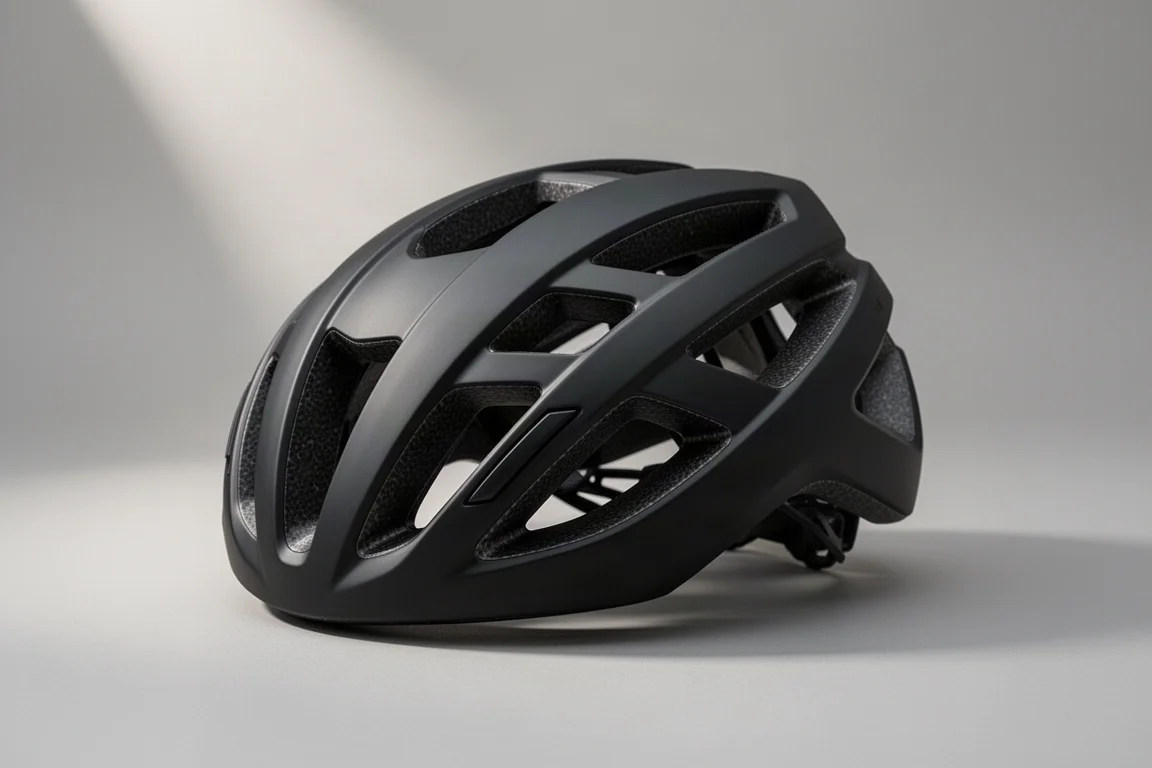
The Z1 is the successor to a helmet that proved popular with both amateurs and professionals. It carries a claimed five star Virginia Tech rating and uses the brand’s own Kineticore impact technology to manage rotational forces, in the same broad category of protection as MIPS.
Weight is claimed at 220 g, which would make it one of the lightest helmets with rotational impact protection. Measured weight came in at 236 g, still lighter than a comparable MIPS Spherical design at around 265 g. On a long ride those tens of grams are noticeable, even if they look small on paper.
Ventilation is generous, which makes this a warm weather helmet rather than a winter one. The retention system adjusts smoothly, but it is mounted at the top of the cradle rather than at the back, and the cradle does not drop as low as some rivals. Riders who prefer a deep, secure feel at the back of the head should try before buying, while anyone who wants maximum airflow in summer will find plenty to like.
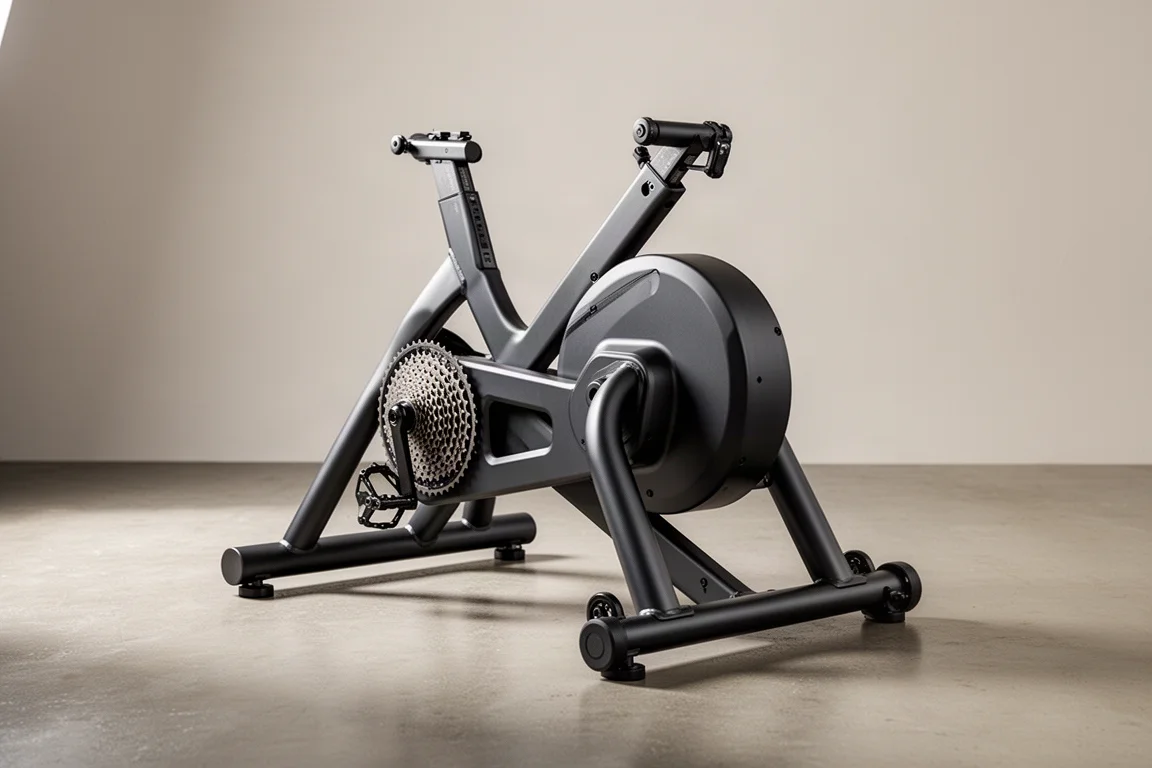
Van Rysel D900 Trainer
The D900 is the top model in a new three trainer range. It weighs around 20 kg, which gives it a substantial and stable feel, and much of the construction is metal. It is priced at £500 and sold in the UK and Europe rather than the US.
On specification it makes a strong case. Accuracy is listed at plus or minus 2 percent, which is sufficient for serious virtual racing, though it trails the plus or minus 1 percent of trainers costing more than twice as much. Maximum resistance is 2,000 W and maximum gradient simulation reaches 20 percent, so it is competing with far more expensive direct drive trainers on the numbers that matter most.
Two omissions stand out. There is no auto calibration, and there is no built-in side to side movement in the feet, both of which are features of flagship rivals. Mounting is the other compromise: the trainer uses a quick release skewer with end caps rather than accepting a through axle directly, so a through axle bike needs an adapter and the axle then has to be stored somewhere between sessions.
Those are reasonable trade-offs at roughly half the price of a top end trainer, and the build quality is a genuine strength for the money.
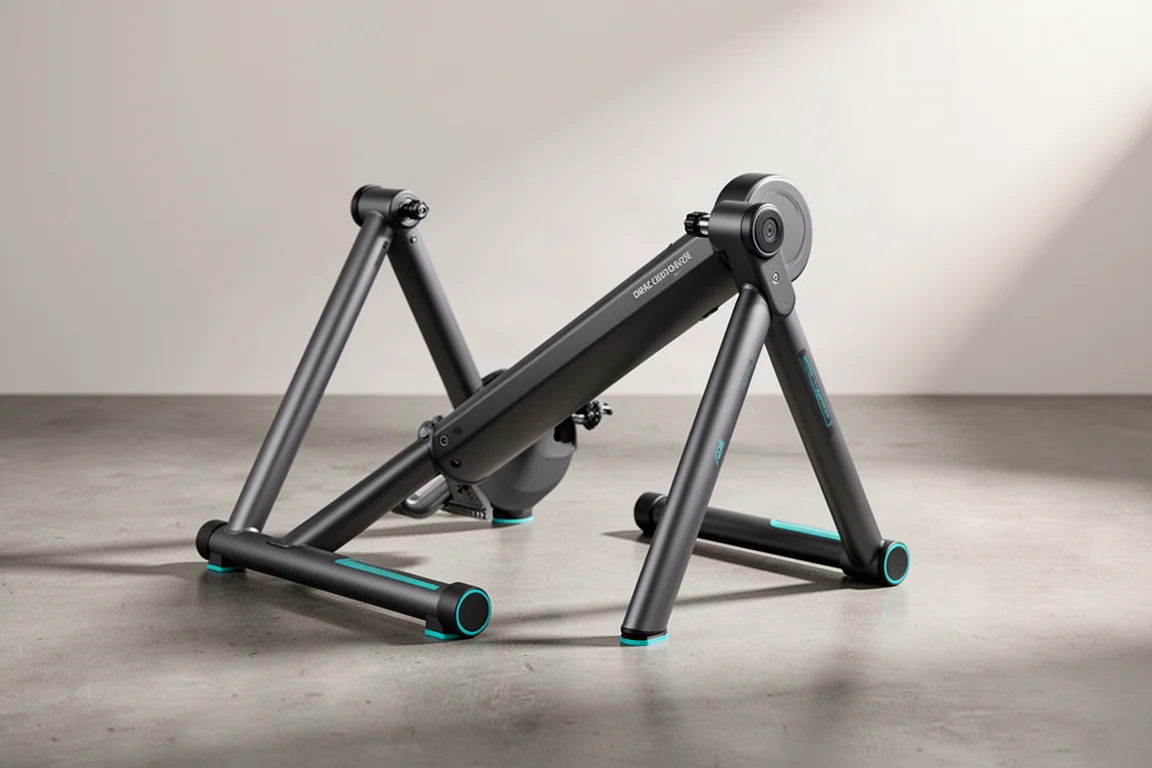
Van Rysel D100 Trainer
The D100 is the entry model at £240, and it uses the same general layout as several popular budget direct drive trainers, with a folding leg design and a compact footprint.
The published figures are modest. Claimed maximum resistance is 600 W and claimed maximum incline is 6 percent, well below similarly shaped trainers that claim up to 18 percent. Those numbers look conservative, and it is likely they are positioned to keep clear separation from the more expensive models in the range rather than to reflect the limit of the hardware. Even taken at face value, a direct drive trainer at this price is notable, and it gives riders a straightforward way into indoor training without committing to flagship money.
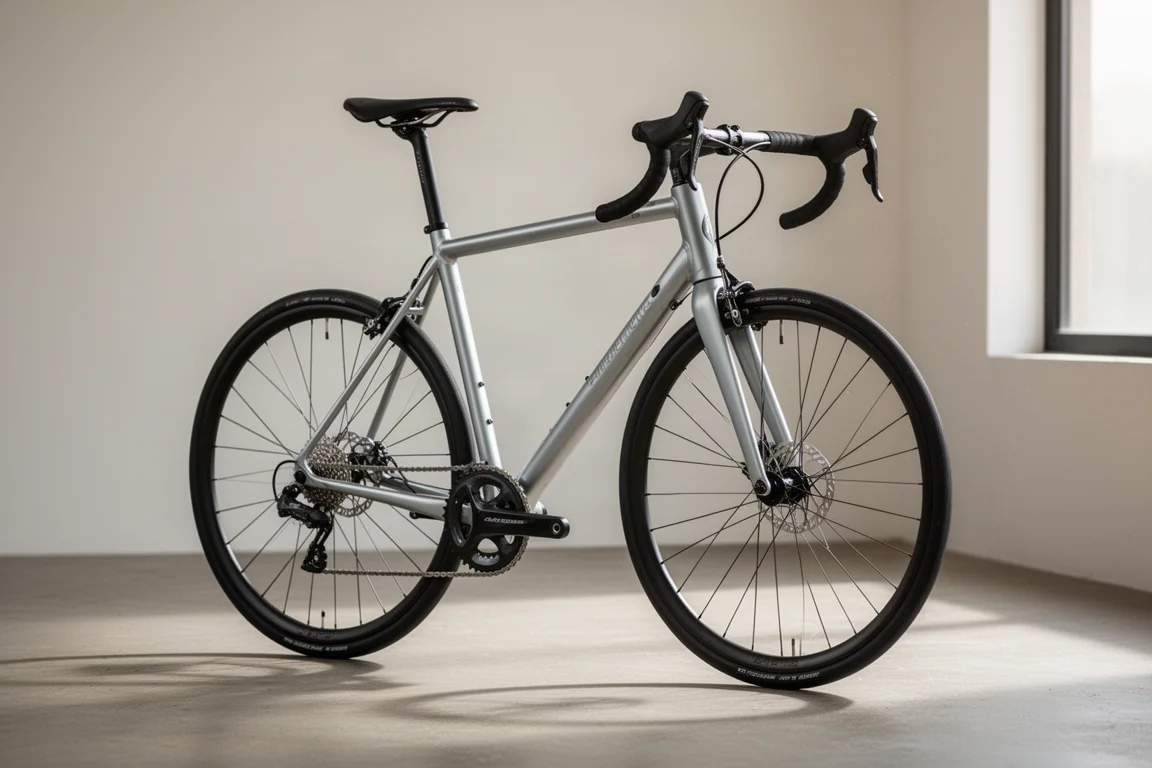
Canyon Endurace AL
The Endurace AL is the aluminium version of an endurance road bike, and this build comes with Shimano 105 12-speed mechanical. The frame is aluminium, but the welds around the seat post junction and the head tube are smoothed so thoroughly that only the bottom bracket area gives away the material. That means the impact resistance of aluminium without the usual visual penalty.
Tire clearance runs up to 36 mm, and the bike ships with 32 mm tires on DT Swiss LN wheels with a 22 mm internal rim width. The tires sit plump on those rims, and there is room to go wider if you want more comfort on rough surfaces.
At £1,649 the build undercuts several obvious rivals. A comparable Specialized Allez with Shimano Tiagra is around £50 cheaper but runs 10 speeds instead of 12. Trek’s ALR with the same 105 groupset is £2,100, and even the older 11-speed 105 version sits near £1,800. For most riders this is more bike than they will realistically need, at a price that stays well below the carbon competition.
The frame also responds well to a wheel upgrade later on, which makes it a sensible platform to build from rather than a bike that has to be replaced once you get faster.
Buying Advice
The right choice here depends on where you are losing the most time or enjoyment. Riders chasing speed on mixed surfaces will get the clearest return from the wheelset, which offers aerodynamic depth and a low claimed weight without the premium price of its published comparison set. Those building an integrated all-road bike should weigh the cockpit carefully, because the geometry is safe and predictable but the price is significant.
For indoor training, the two trainers split cleanly by budget. The D900 is the one to choose if you race seriously indoors, thanks to 2,000 W of maximum resistance and 20 percent gradient simulation, and the missing auto calibration and side to side movement are acceptable compromises at its price. The D100 suits riders who want a reliable direct drive trainer for structured workouts and steady miles.
On safety and comfort, the Z1 makes sense for anyone who rides in warm conditions and wants a light helmet with rotational impact protection, provided the retention fit suits your head shape. The KéO Blade is the pick for riders who already enjoy a carbon leaf spring pedal and want the improved hang angle.
Finally, the Endurace AL is the value standout of the group. It delivers a 12-speed Shimano 105 build, generous tire clearance and a frame that hides its aluminium construction well, at a price that leaves room for upgrades later.
Conclusion
This batch of launches shows two clear directions in cycling equipment. At the top end, brands are pushing proprietary designs and premium pricing, as with the SES AR cockpit. Lower down, the value story is just as compelling, and the Endurace AL and the D900 trainer both deliver specifications that would have looked aspirational at their price points a few years ago.
The wheelset sits somewhere in between, pairing a low claimed weight with a hub design chosen for reliability rather than novelty. For most riders, the sensible approach is to decide which of these problems you actually have, then buy the product that solves it rather than the one with the longest specification sheet.
Further reading
Related Reviews
Cycling Gear
8 Cycling Products Riders Keep Coming Back To
Eight cycling components and accessories with clear strengths, honest trade-offs and long-standing reputations among riders and mechanics.
Cycling Gear
Aero Helmets and Bottle Setups Tested: Six Options Ranked by Measured Watt Savings
Wind tunnel data on six aero helmets and bottle setups, with real watt savings, practical trade-offs, and guidance on what is worth buying first.
Cycling Gear
Aero Road Bikes and Fast Tires Worth Watching in 2026
Four aero road bikes and one fast road tire, with the real strengths, the open questions, and what to check before you buy.