Bikepacking Gear
New Bikepacking Gear for 2026: 10 Kit Upgrades Worth Knowing About
A 2,700-mile self-supported route demands gear that is light, compact and dependable. These ten items are the newest additions to a 2026 bikepacking and backpacking kit.
Introduction
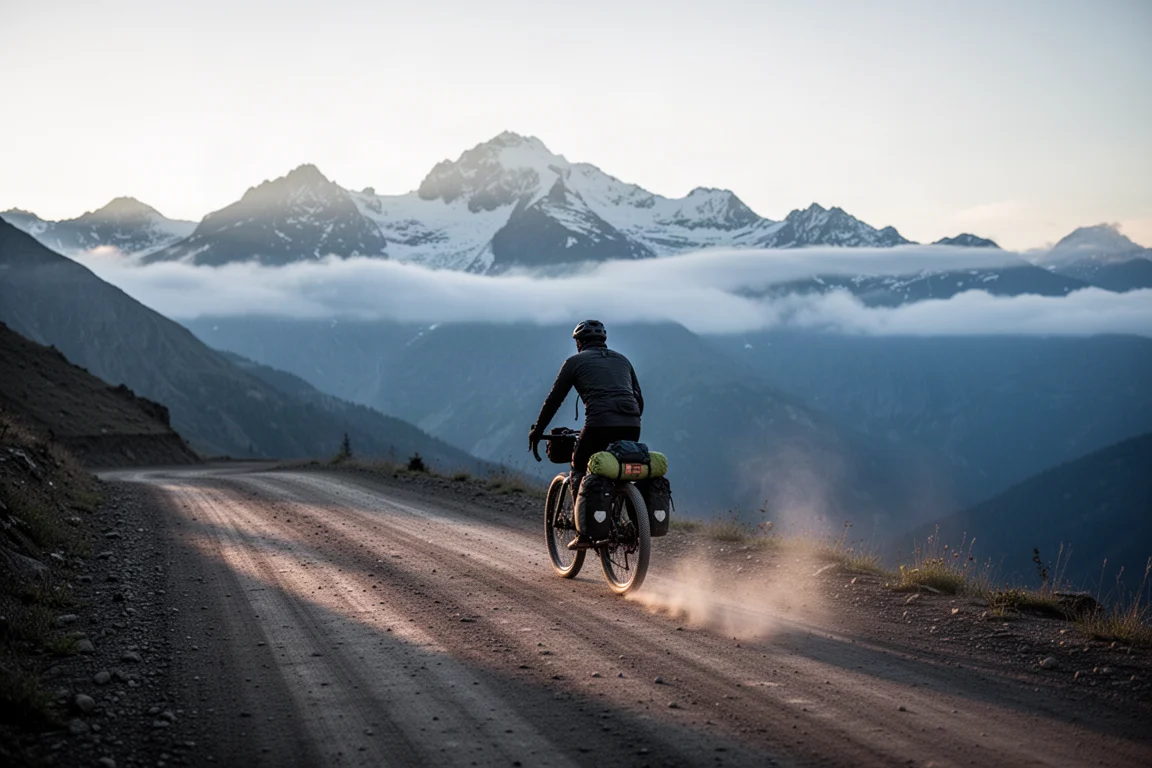
A 2,700-mile self-supported ride from Banff, Canada down to the Mexico border is the kind of route that tests every single item in a kit. Weight and volume matter, but so does the ability to clean or swap something with cold hands at the end of a long day. The ten items below are the newest additions to a bikepacking and backpacking setup for 2026. A few are refinements of long-standing favorites, one is a return to a product category that had been set aside, and one is a genuinely different approach to sleeping in the backcountry.
Each product here has a specific job, and the notes below focus on what it does well, what it replaces, and where it still needs field time before a multi-week route.
How This Year’s Kit Came Together
The brief for this setup is straightforward: stay as light and as compact as possible, because a loaded bike carries multiple bags and every extra item compounds. That pushes the kit toward multi-use gear, small pack sizes, and products that can be swapped or recharged on the move instead of items that only do one thing.
The same priorities carry over to backpacking and packrafting trips, which is why several of these products show up in more than one kit. Anything that only works for a single discipline tends to get left at home, no matter how well it performs.
Katadyn BeFree AC: A Filter Refresh With Activated Charcoal
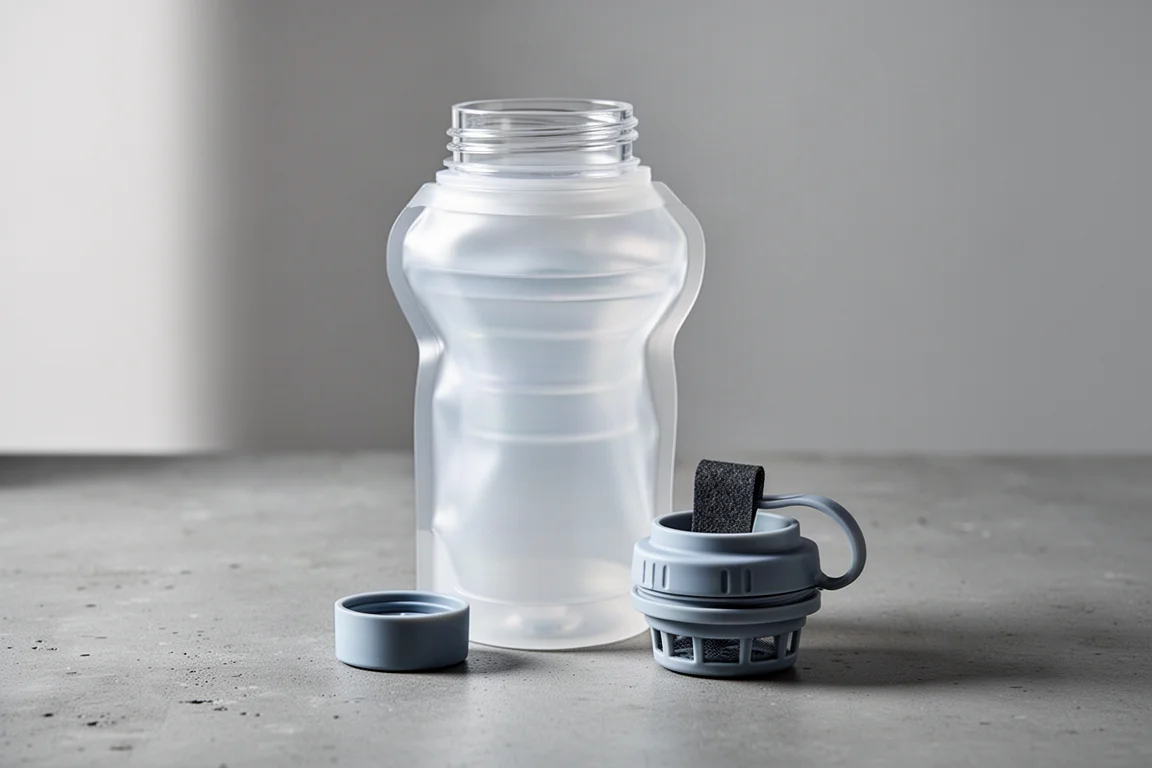
The BeFree has been a dependable choice in silty, algae-heavy water because the open basket filter design is easy to clean in the field. The AC version adds a small activated charcoal tab that sits in the top of the filter and targets taste and smell rather than pathogens. It does not remove viruses, so it is not a substitute for a purifier where that matters. In warm, stagnant water, though, a bottle that tastes and smells clean at the end of the day is a real improvement. Several trips in, the results have been good so far.
Nitecore NB10000 Plus: A Second Chance for a Lightweight Power Bank
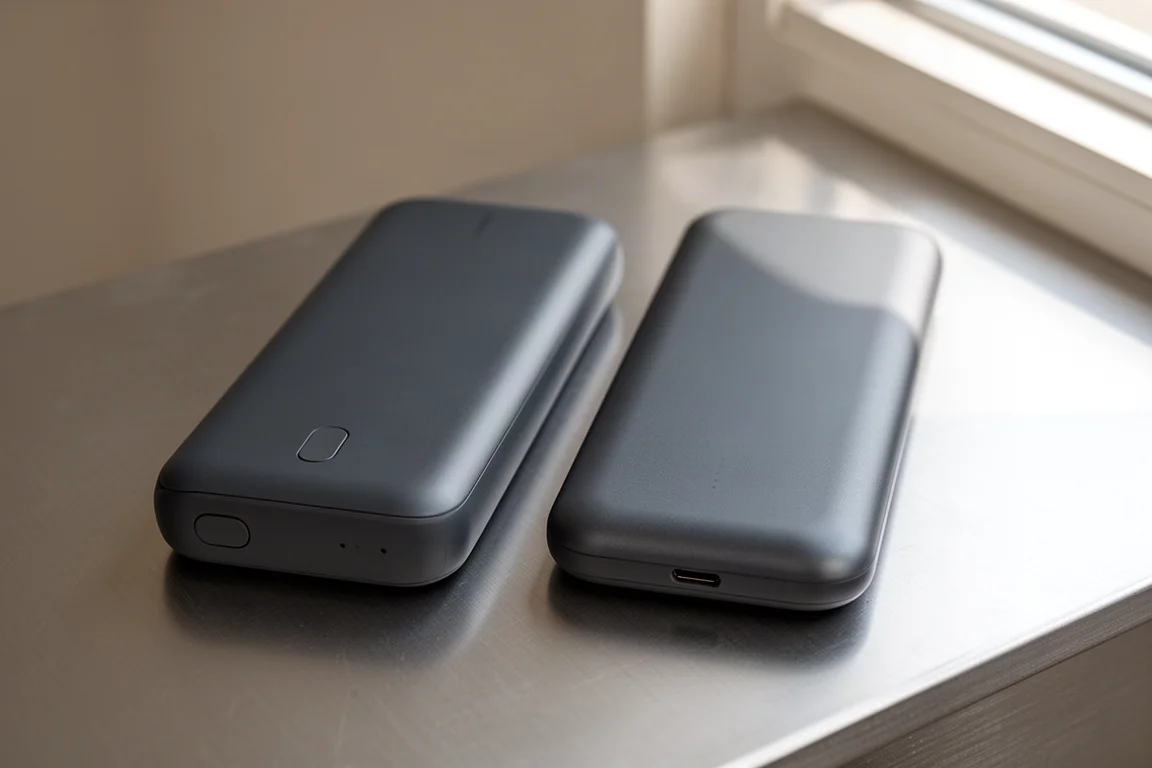
Two earlier generations of this power bank were retired from the kit. The housings felt thin, there were worries about how they behaved in the cold, and charging was inconsistent: devices sometimes needed a button press before power flowed, and the bank did not work well with a dynamo hub. The NB10000 Plus is a fresh attempt at the same idea. Two of them together provide 20,000 mAh while allowing one to charge from the dynamo during the day and the other to run devices, and the pair takes up less space and weighs less than a single 20,000 mAh bank. Early use has been encouraging, though long-term reliability on a multi-week route remains to be seen.
OnX Backcountry: Multi-Sport Navigation for Bikepacking
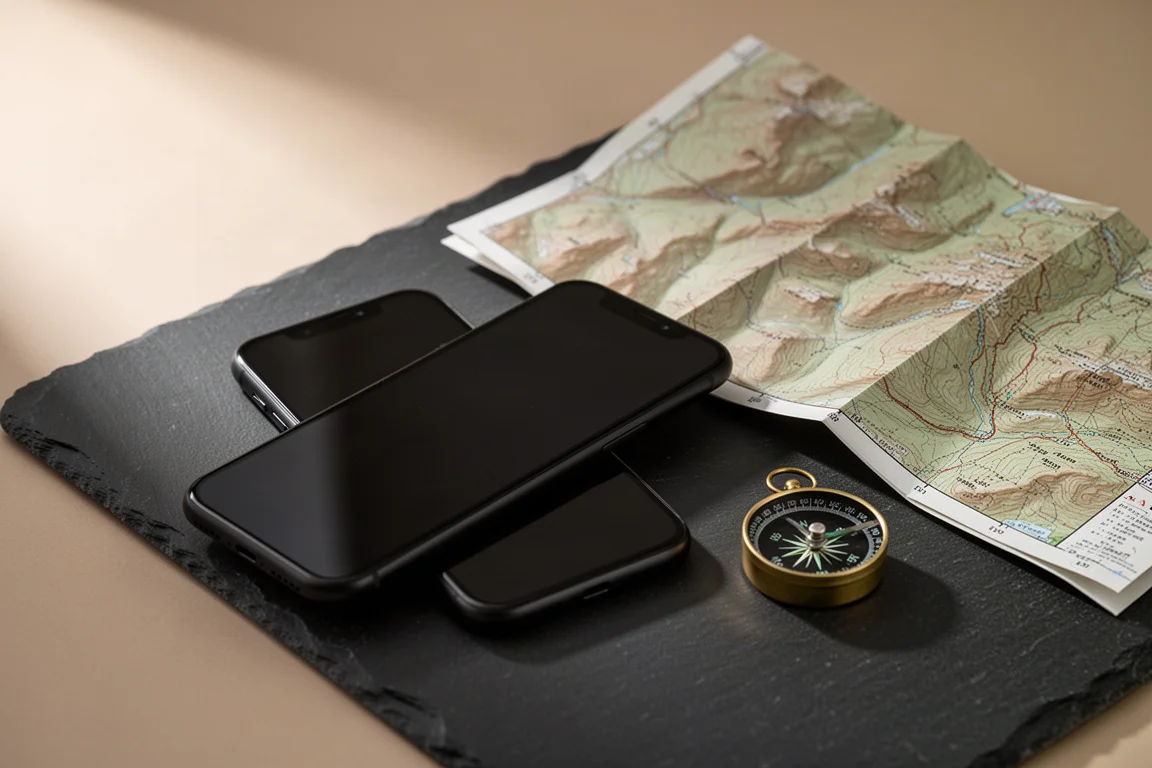
Routes are built on a desktop and then loaded onto a phone, and because the app covers hiking, backpacking and bikepacking, the same library works for a ride or a walk.
The layers that matter most on a long route are current weather, active wildfire closures, wildfire smoke for air quality, and slope angle for high passes where snow lingers late. A free trial is available.
7mesh Guardian Air: A Cycling-Specific Rain Jacket
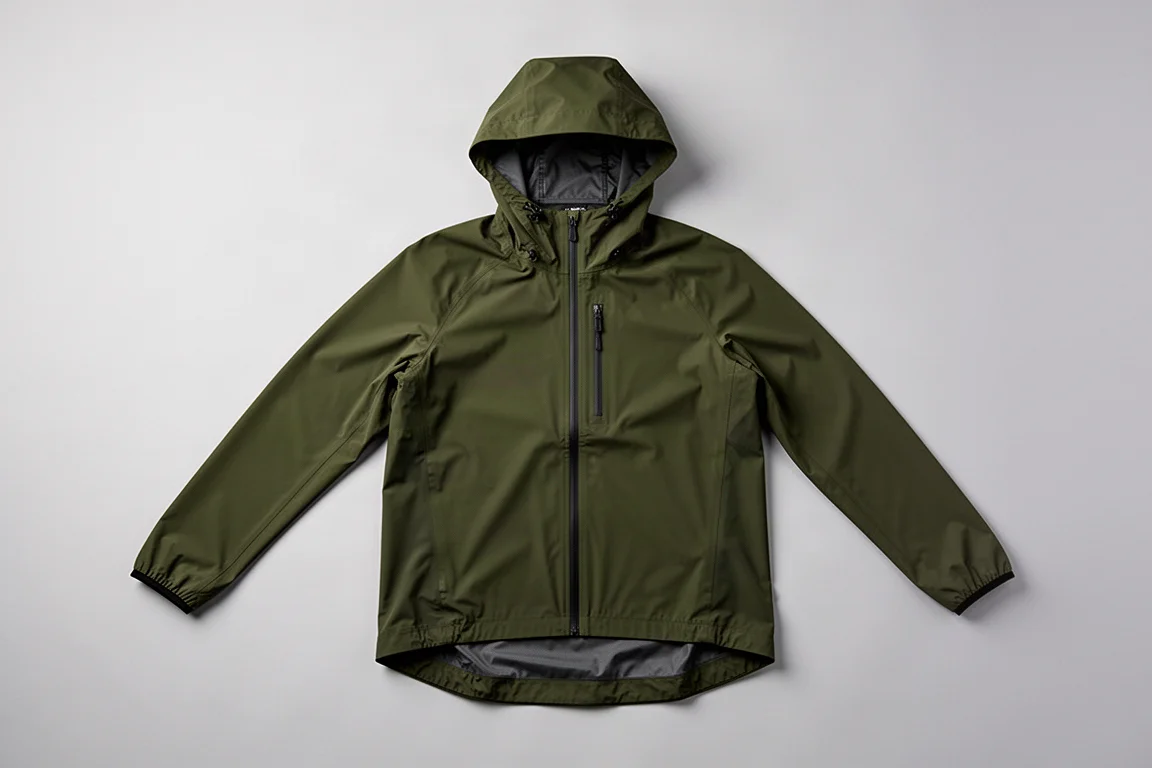
The target was a middle ground: not as minimal as the lightest emergency shell, not as heavy as a mountaineering hardshell. The Guardian Air is Gore-Tex lined and packs into its own pocket. The cut is the interesting part, with a long drop hem and long sleeves with Velcro cuffs so the jacket does not ride up when a rider is bent over the bars, plus a dual zipper that can be opened from the bottom for venting. The hood is sized to fit over a helmet and has rear adjustment. The Gore-Tex liner is there to keep a rider warmer when wet on fast, cold descents. Field time is still limited.
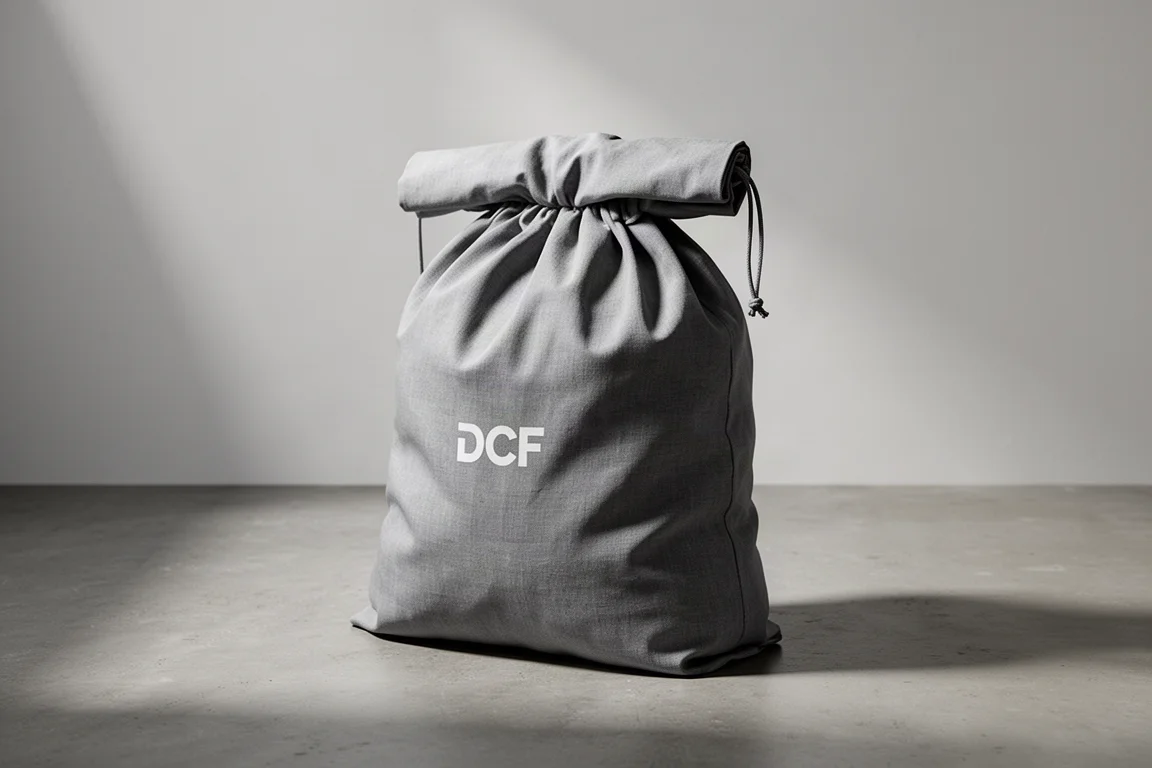
Ardour Gear Trowel Sheath: One Bag for Camp Chores
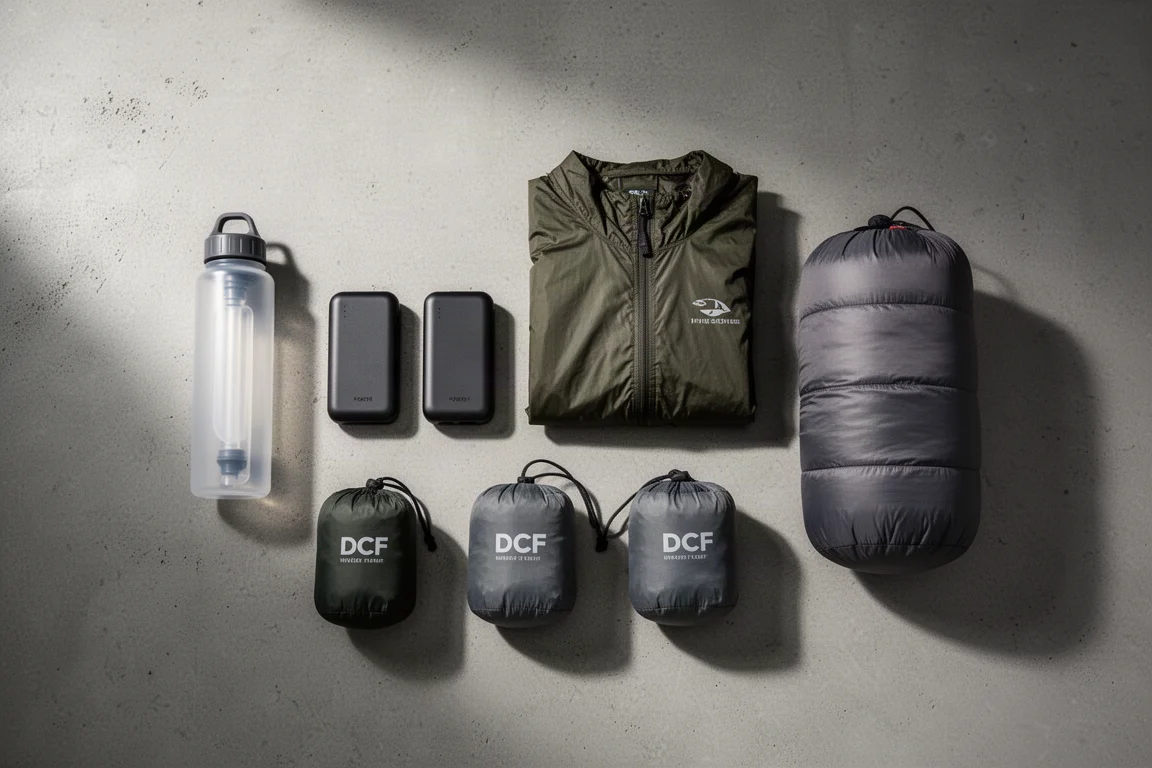
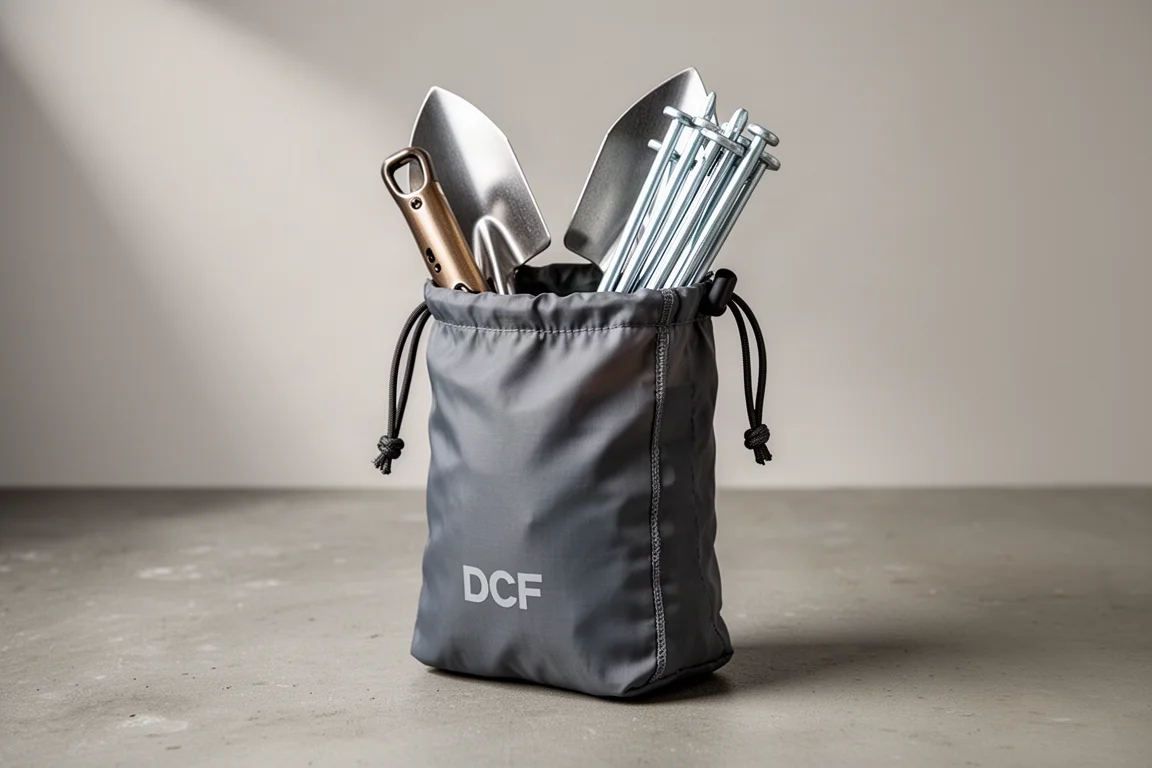
This is a DCF sheath that holds a trowel and tent stakes, upgraded this year to the large version after the smaller one made the trowel awkward to pull out when the bag was full of stakes. The extra room also swallows a small toiletry kit, so toilet paper and a bidet travel in the same place. It sits in an outer pack pocket or a side bike bag, which means stakes and camp hygiene items are always one grab away.
Ardour Gear Ditty Bag: Lightweight Organization
Small, light and cleanly made, this is the kind of bag that replaces a worn-out stuff sack without adding anything meaningful to the load. It keeps small items grouped so they can be found quickly, whether that is inside a frame bag or at the bottom of a pack.
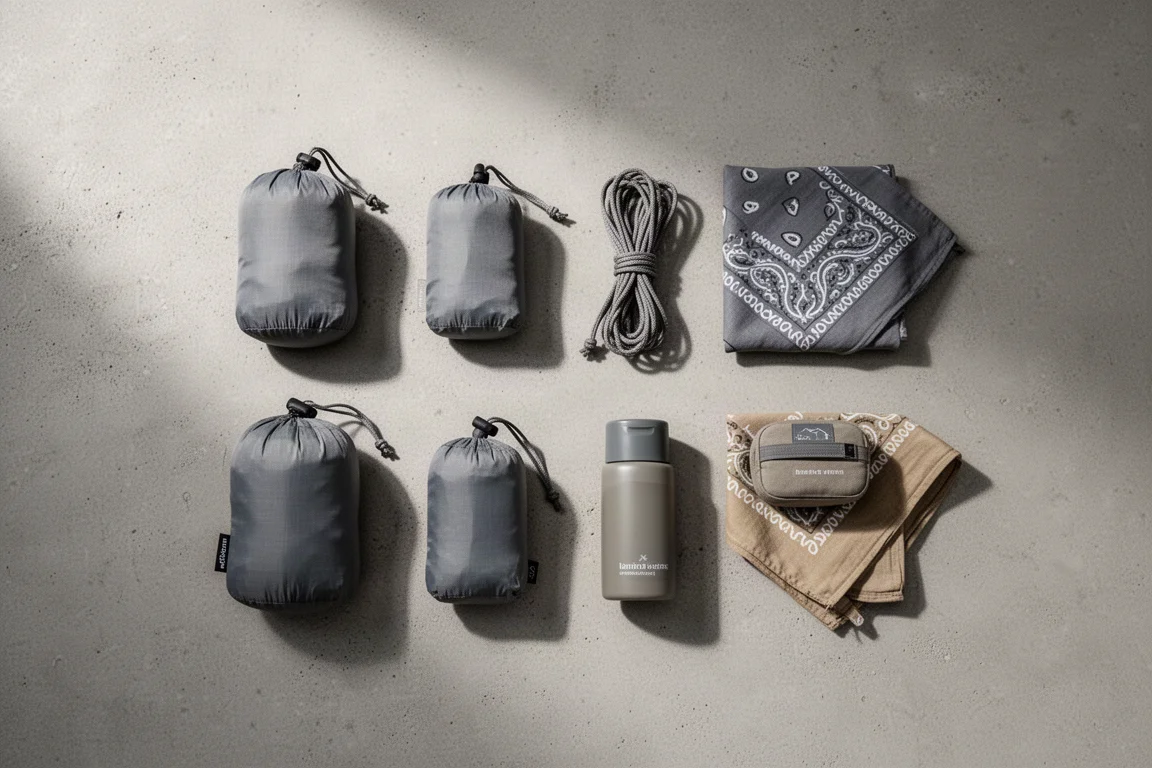
Organization gear is easy to overlook, but a few well-made bags make a loaded bike or pack noticeably easier to live with over several weeks. Everything stays where it was packed, and nothing has to be emptied out to find a single item.
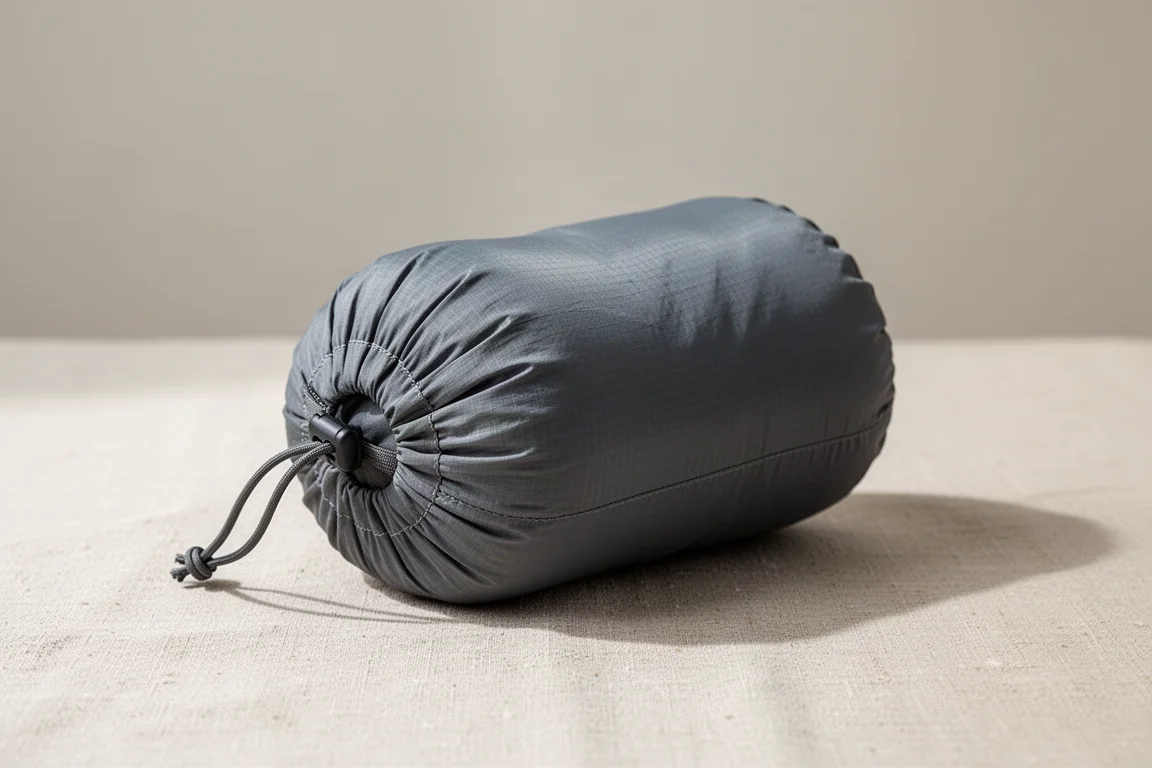
Ardour Gear Food Bag: Big Volume for Long Resupply Gaps
A large-volume food bag for multi-day trips, sized to hold several days of food on a bikepacking route or a backpacking trip. Simple, light, and built to take the wear that comes with being stuffed and pulled in and out of a bag every day.
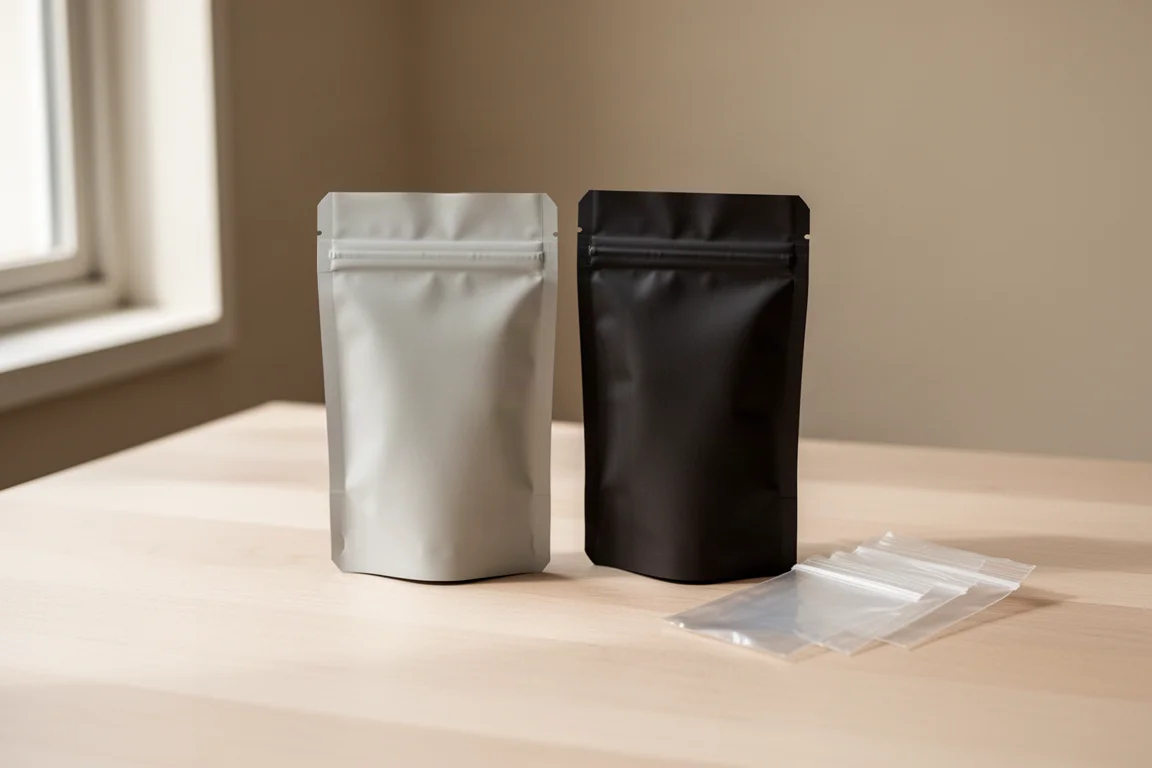
OptiVenture Sunrise and Sunset: Two Supplements Instead of a Stack
This system replaces a multivitamin, a joint supplement and a sleep aid with two products. Sunrise is taken in the morning and is built around a multivitamin base with extra omegas and magnesium, aimed at people putting in long endurance days. Sunset is taken at camp and is positioned around recovery support and deeper sleep. The system ships with small resealable bags, and a 30-day supply fits into one of them. After about three months of use, the two-part format is the main draw: fewer items to pack and a clear morning and evening routine.
Tailfin Bar Cage System: A Stable Front Bag Setup
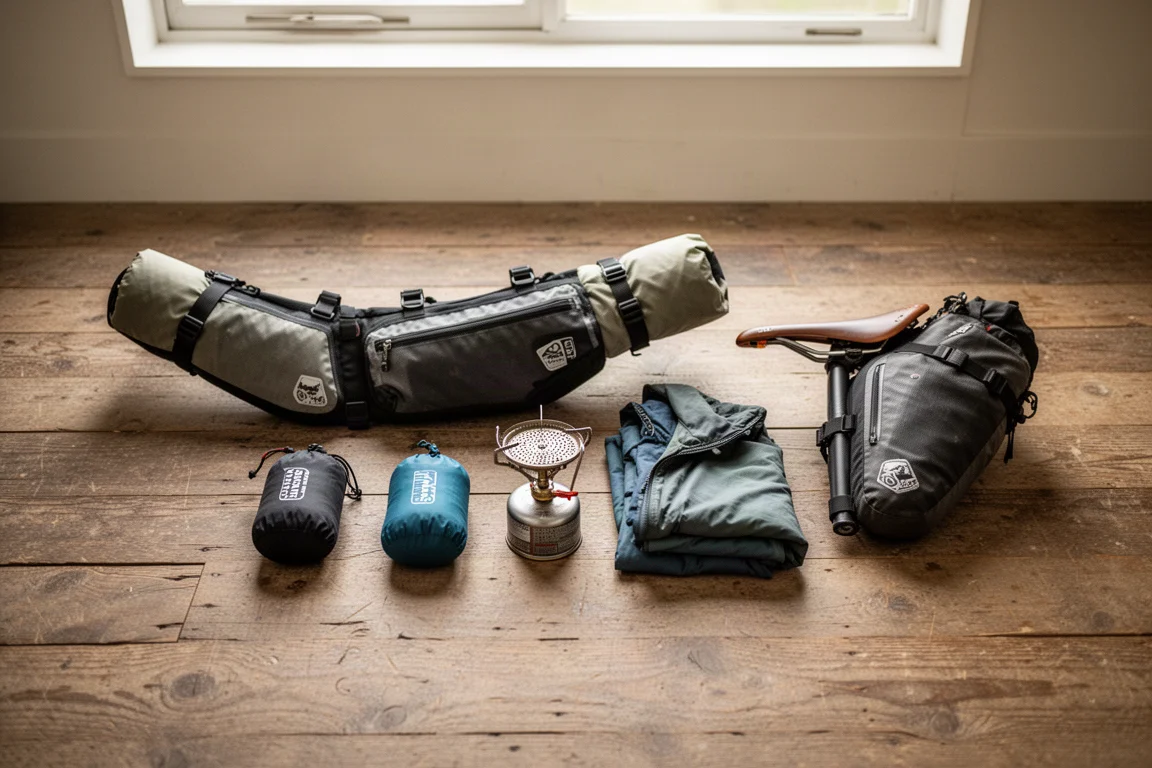
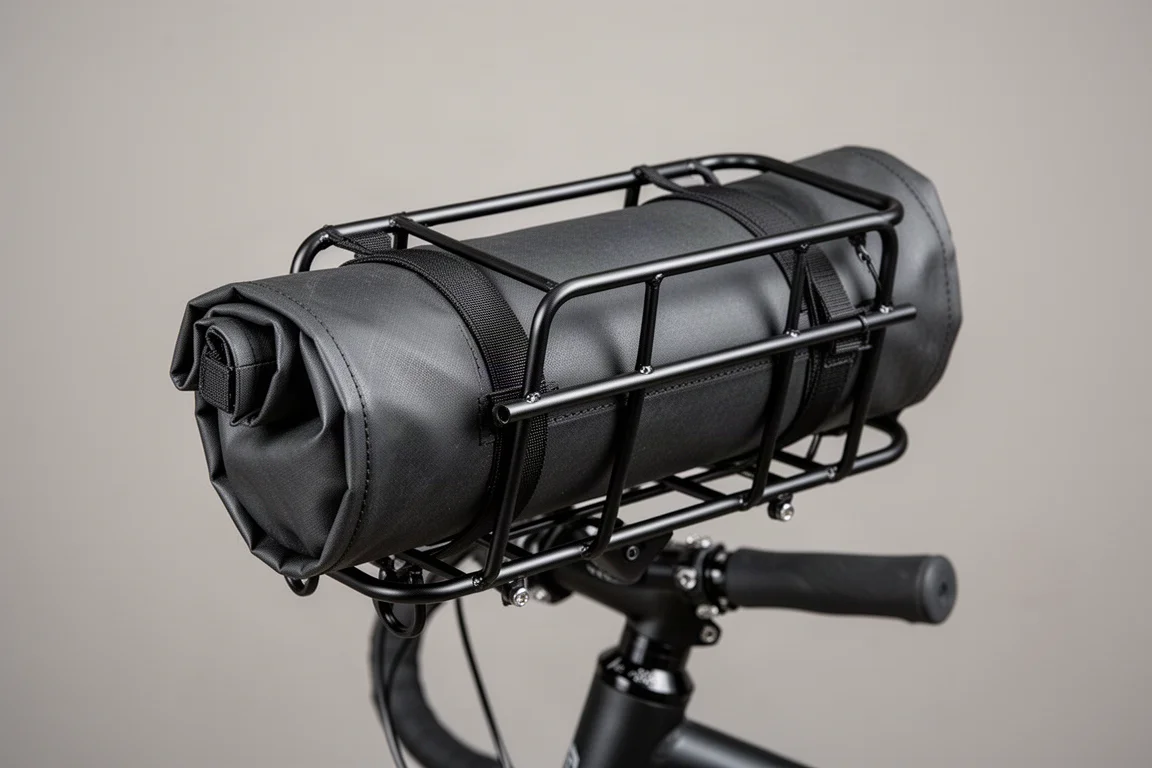
A handlebar cargo cage paired with a roll bag that clips into the cage and is secured with two straps. The bag is fully waterproof with laser-welded seams, closes with a double roll, and includes an air release valve so the load can be pressed down smaller. The point of the design is stability: the bag stays put on rough descents instead of shifting weight around the front of the bike. It carries extra clothing and a full sleep system up front, and it can be unclipped and taken into the tent at camp.
GooseFeet Gear Elephant Foot: A Sleep System Built Around a Down Jacket
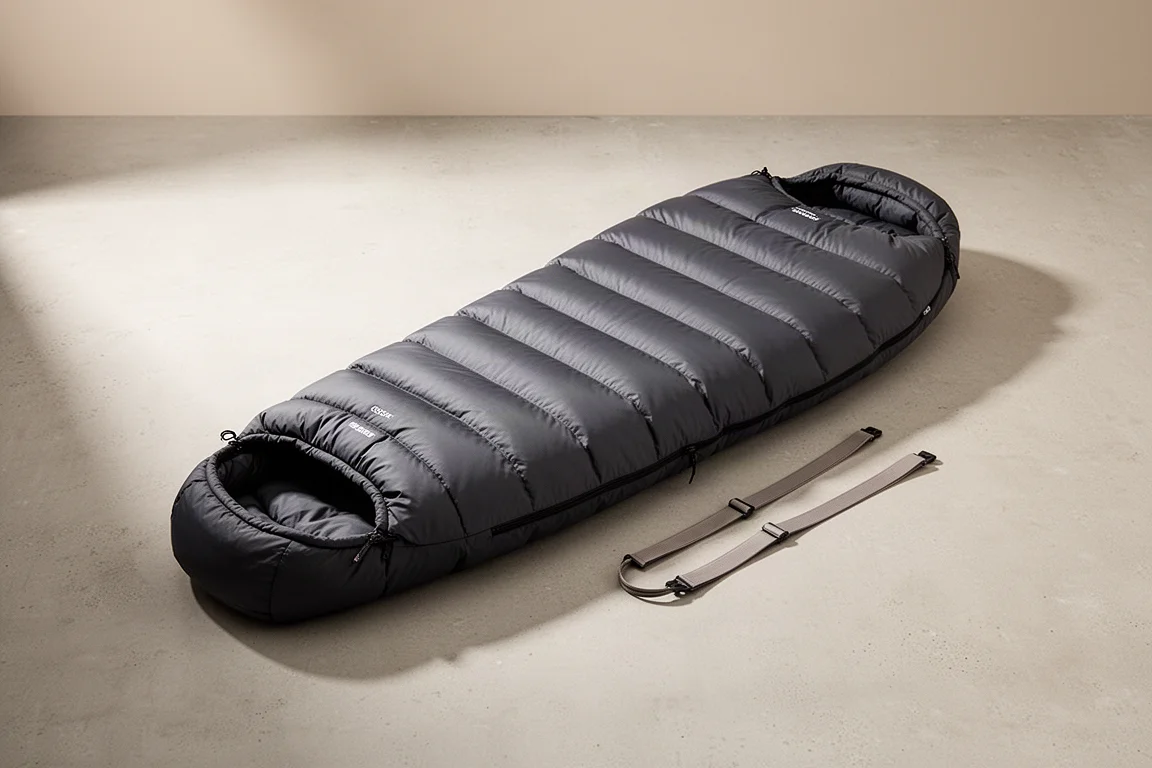
A three-quarter sleeping bag with a fully enclosed foot box that reaches roughly to the chest, made to order in 950 fill down with a 20-degree rating and weighing under 12 oz. Worn with a down jacket that is already in the pack, it covers the legs and feet while leaving the torso easy to vent, which suits sleepers who run warm up top and cold below. Thin suspender straps keep it from sliding off during the night. The idea comes from alpine climbing, where a large parka is part of the kit anyway. Because it is custom made, it is expensive and not something that can be picked up off the shelf. Shakedown rides have been comfortable so far.
How to Prioritize Your Own Bikepacking Kit
Not every item here belongs in every kit, and the right choices depend on the route. Water treatment should match the water sources, so a filter that cleans easily matters more where the water is silty, while a purifier matters more where viruses are a concern. Power banks should match the charging setup, and two smaller banks can be more useful than one large one when there is a dynamo in the system. Sleeping insulation is the most personal decision of all, because it depends on how warm a sleeper runs and how much time is actually spent in camp.
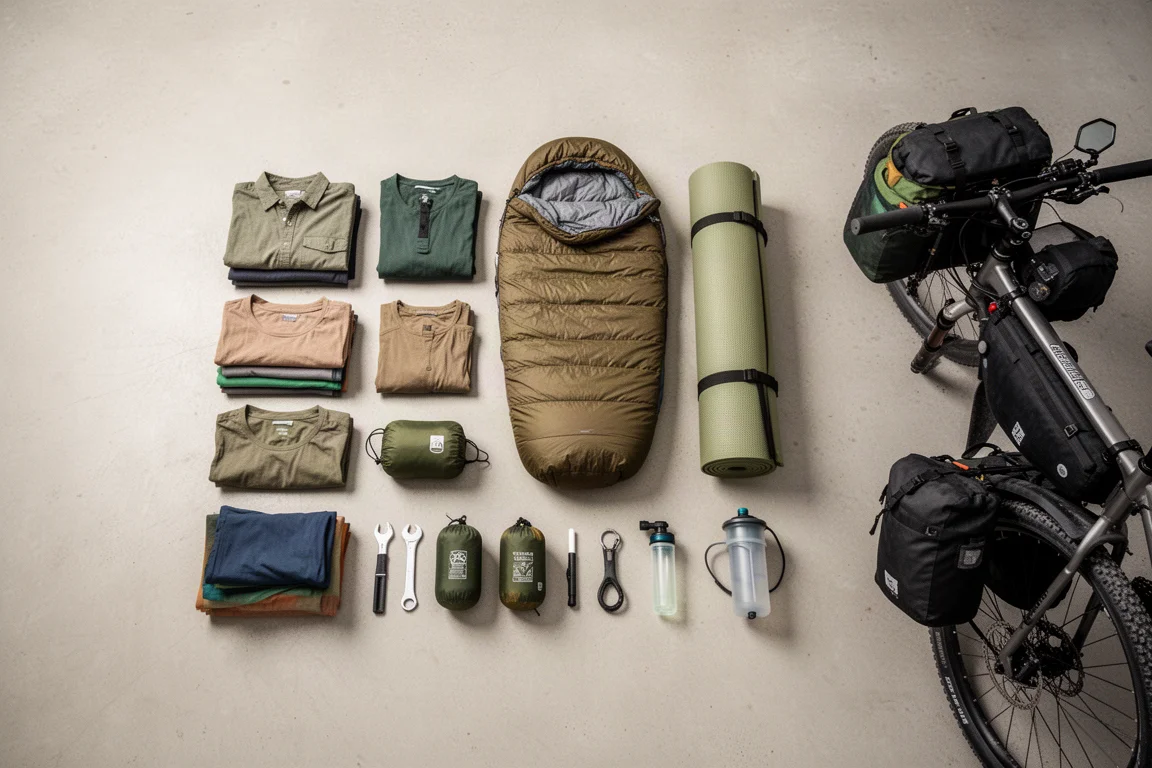
The practical test is whether an item earns its volume. Anything that solves two problems, packs small, and can be repaired or cleaned in the field tends to stay in the kit for years, while single-purpose gear is the first thing to go when space runs out.
Conclusion
The through-line for this year’s kit is consolidation: two power banks instead of one, a single sheath for stakes and camp hygiene, one two-part supplement system instead of three bottles, and a sleep system that leans on a jacket already in the pack. None of it is exotic for its own sake, and each item answers a specific problem on a long self-supported route. For anyone building a bikepacking kit for a multi-week ride, the useful question is the same one asked here: what does this replace, and how much space does it free up?
Further reading
Related Reviews
Bikepacking Gear
11 Bikepacking Essentials for Long-Distance Cycling
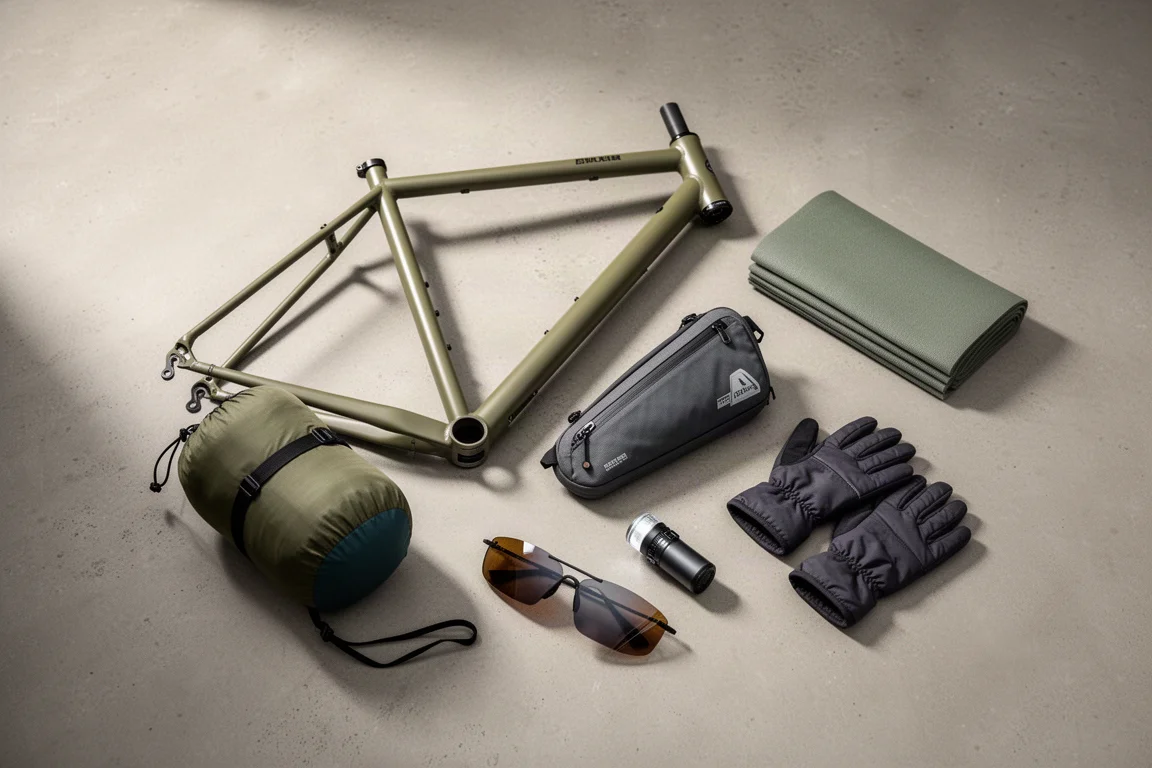
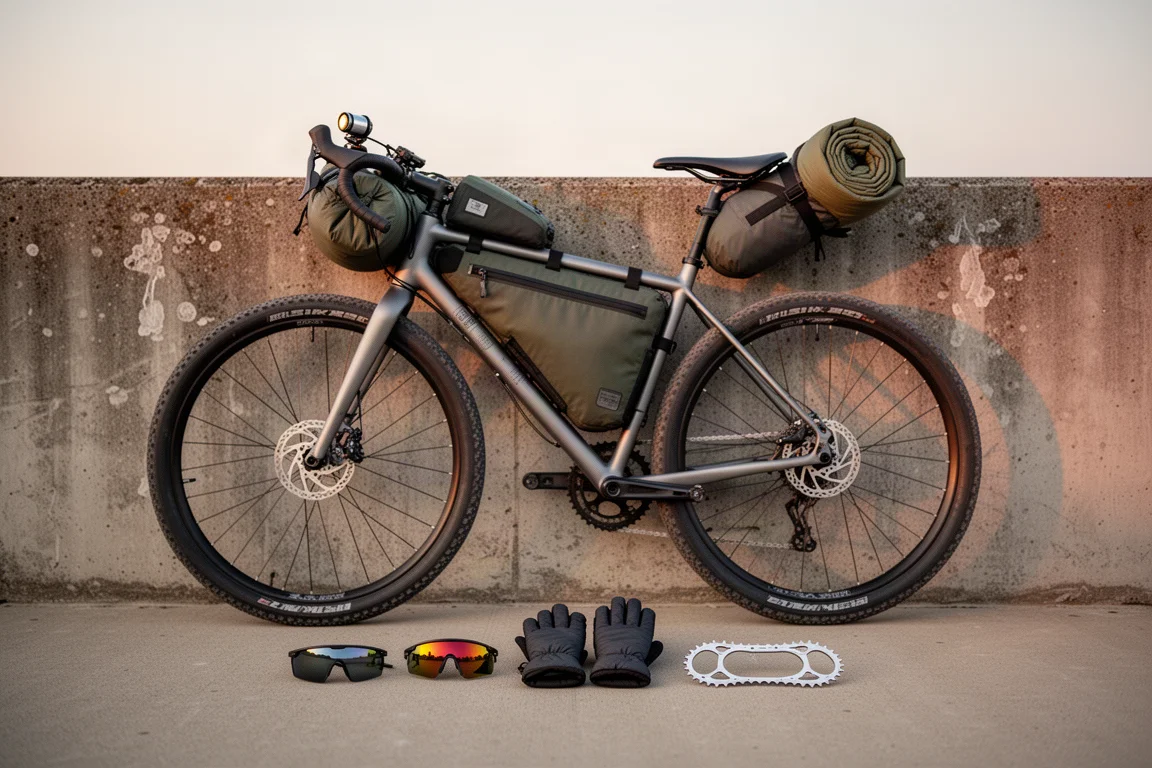
Eleven bikepacking essentials for long-distance cycling, from a steel gravel frame and a two-person tent to helmet lights, packable gloves, and a frame bag that puts weight in the right place.
Bikepacking Gear
Best Bikepacking Gear 2026: 11 Essentials Worth Carrying
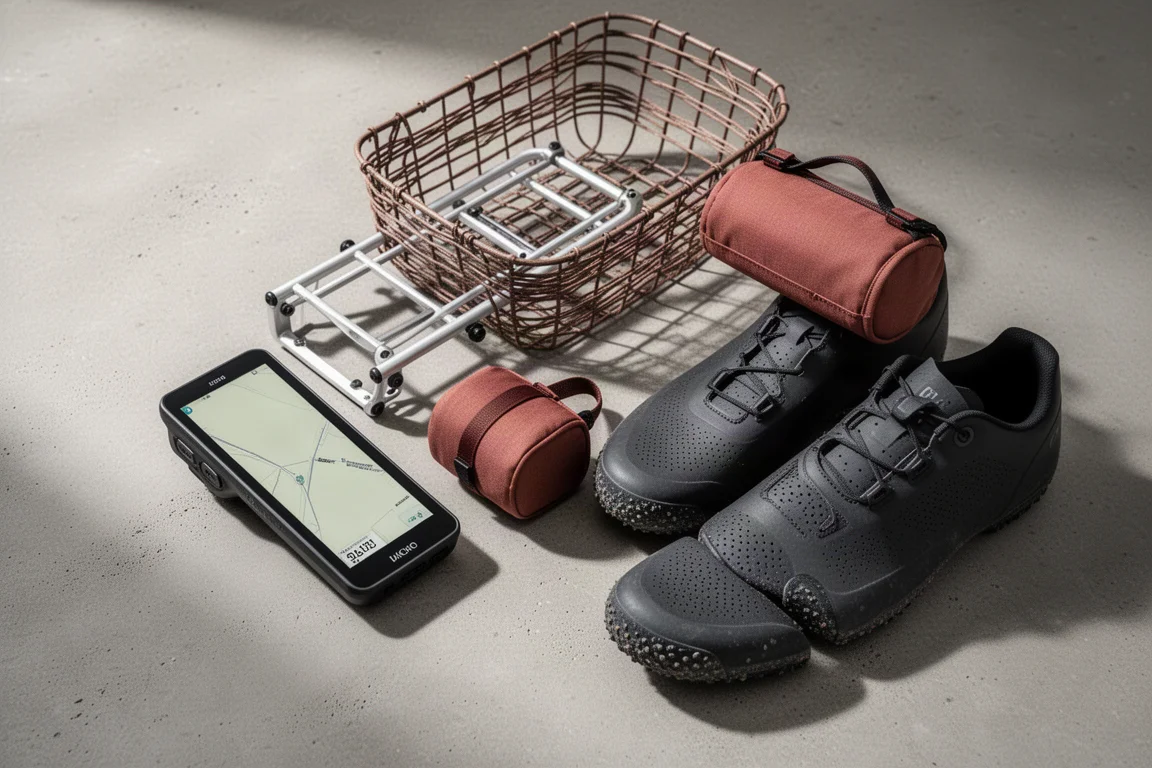
A practical look at bikepacking kit that earned its place on long rides, from a solar bike computer and basket packing to bar bags, bivvies and gravel shoes.
Bikepacking Gear
Best Bikepacking Gear: 10 Field-Tested Picks for Long-Distance Rides
Ten bikepacking products that earn their place on long rides, from a steel gravel frame to packable gloves, with the strengths and trade-offs worth knowing.