Audio Streamers
Network Streamers and DACs Compared: Six Options for Digital-First Systems
A practical comparison of six network streamers and DACs, covering streaming support, upgrade paths, connection options, and where each unit fits.
Introduction
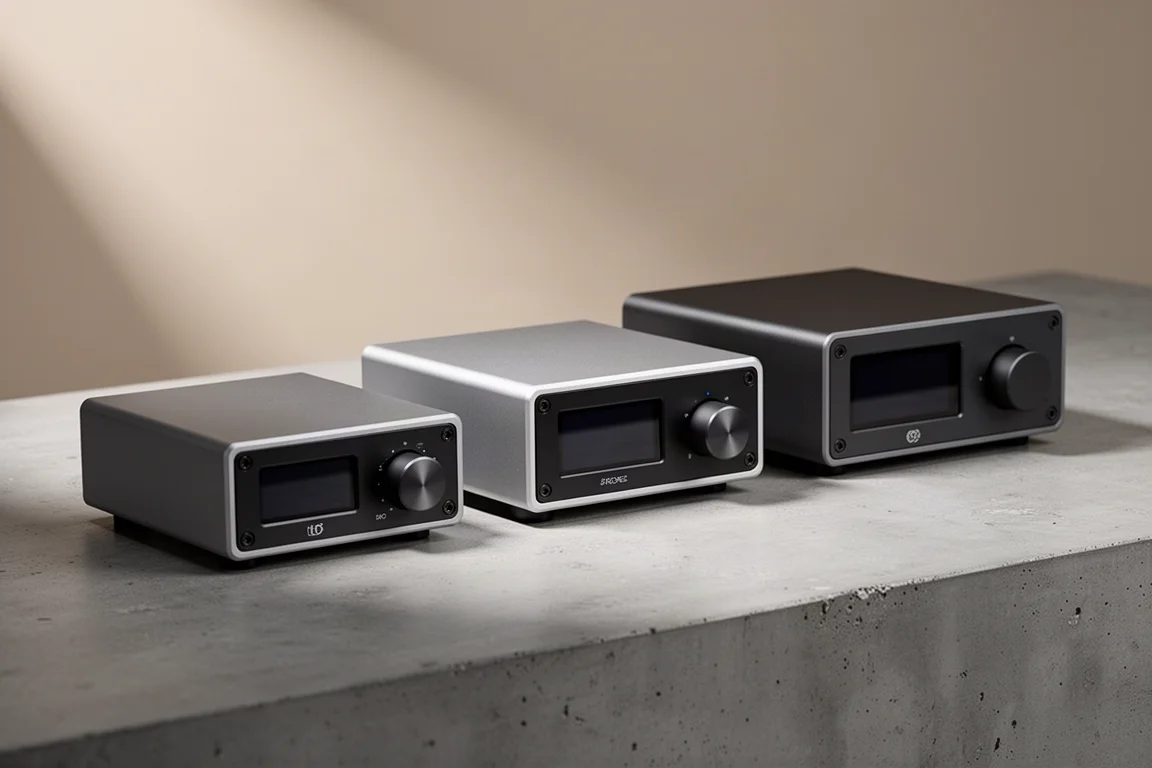
Network streamers and DACs sit in an awkward middle ground in modern hi-fi. Some units are designed around the converter first and treat streaming as an add-on. Others are built around streaming and include a converter for convenience. The six options below cover both approaches, and the differences matter most when a system is expected to change over time.
The sections that follow look at what each unit does well, what it gives up, and which type of listener is most likely to be satisfied with it.
How These Streamers and DACs Compare
Two questions separate these units more than any specification can.
The first is upgrade flexibility. A streamer with digital outputs lets a listener keep the transport and change the converter later. A unit with no digital outputs locks the system into the converter inside, which matters because delta-sigma DAC chips are replaced frequently and age quickly.
The second is streaming support. AirPlay and Roon endpoint support cover many listeners, but the moment a system needs Spotify Connect, Tidal Connect, DLNA, or Volumio, the list of suitable units narrows quickly.
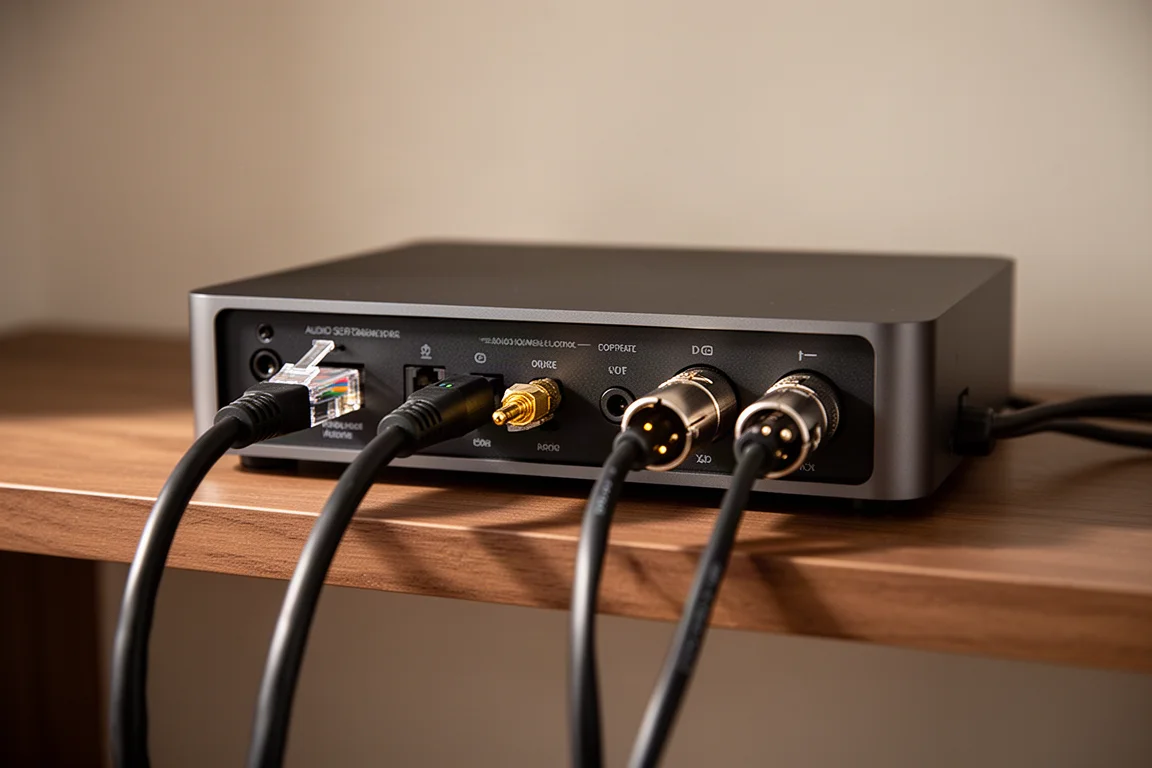
Connections deserve the same attention. HDMI ARC simplifies television and projector audio. Analogue inputs accommodate external sources. Balanced connections are most useful when both inputs and outputs are available.
Price alone rarely settles the question. The right unit is the one that matches the sources in use today and leaves room for the upgrades that are likely to come.
Matrix Audio mini-i Pro 3: A DAC First, Streamer Second
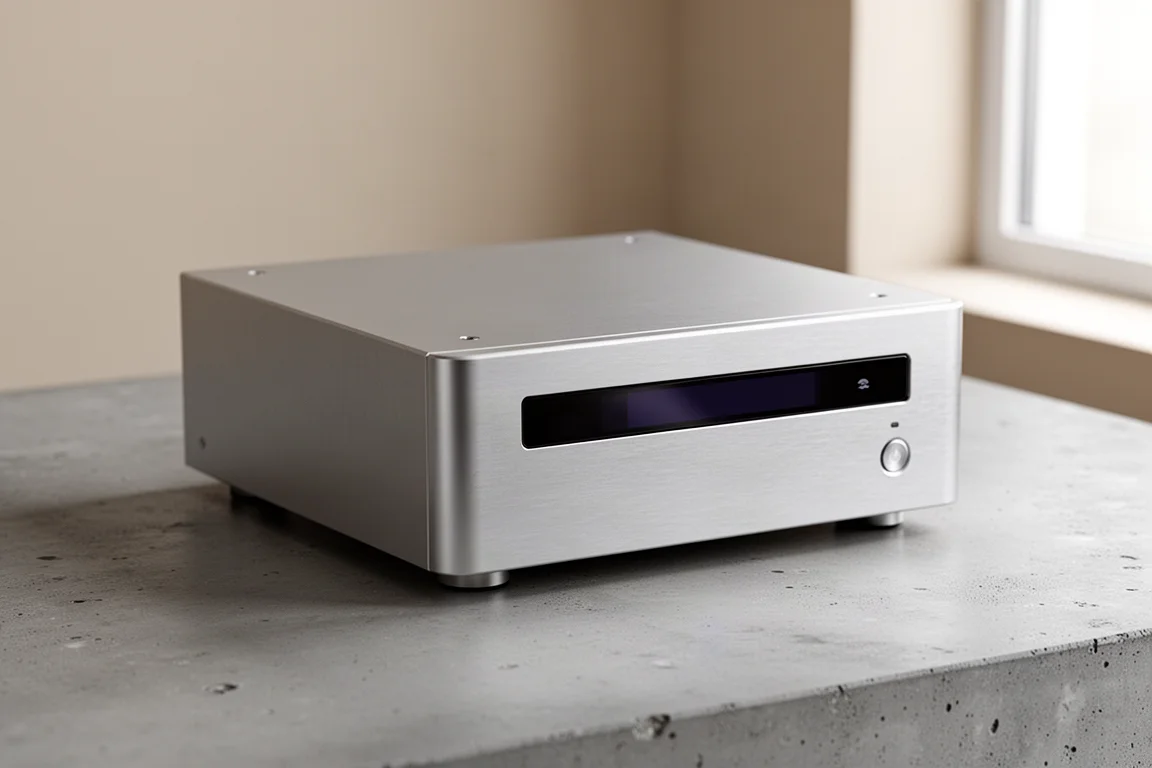
The mini-i Pro 3 is the entry point to the Matrix Audio range. The standard version is priced at $855, and the Pro version adds $170 for MQA decoding and Wi-Fi. A wired Ethernet connection from the router remains the more dependable option where the layout allows it.
The streaming side is deliberately narrow. AirPlay is supported, and the unit can act as a Roon endpoint, which suits Apple users and Roon subscribers well. Broader service support is not part of the package, and there is no route to Android streaming.
There are no digital outputs, so the internal converter is the only option. That is the central trade-off. The unit accepts an analogue RCA input and provides balanced XLR outputs, but it does not accept balanced inputs, so a fully balanced signal path is not possible without additional equipment.
The headphone stage is a genuine strength on paper, with a 4.4mm balanced output alongside a standard single-ended connection. In practice the output is powerful, though it leans bright and can sound lean or aggressive depending on the paired headphones.
In terms of sound, the bass is loose rather than tight and does not extend especially low. The midrange is pulled back and slightly recessed, with a softness that reads as veiled rather than smooth. Treble detail retrieval is a clear strength, and the available filters adjust the presentation slightly without changing its overall character.
Matrix Audio Element i: The Step-Up Model With Fewer Connections
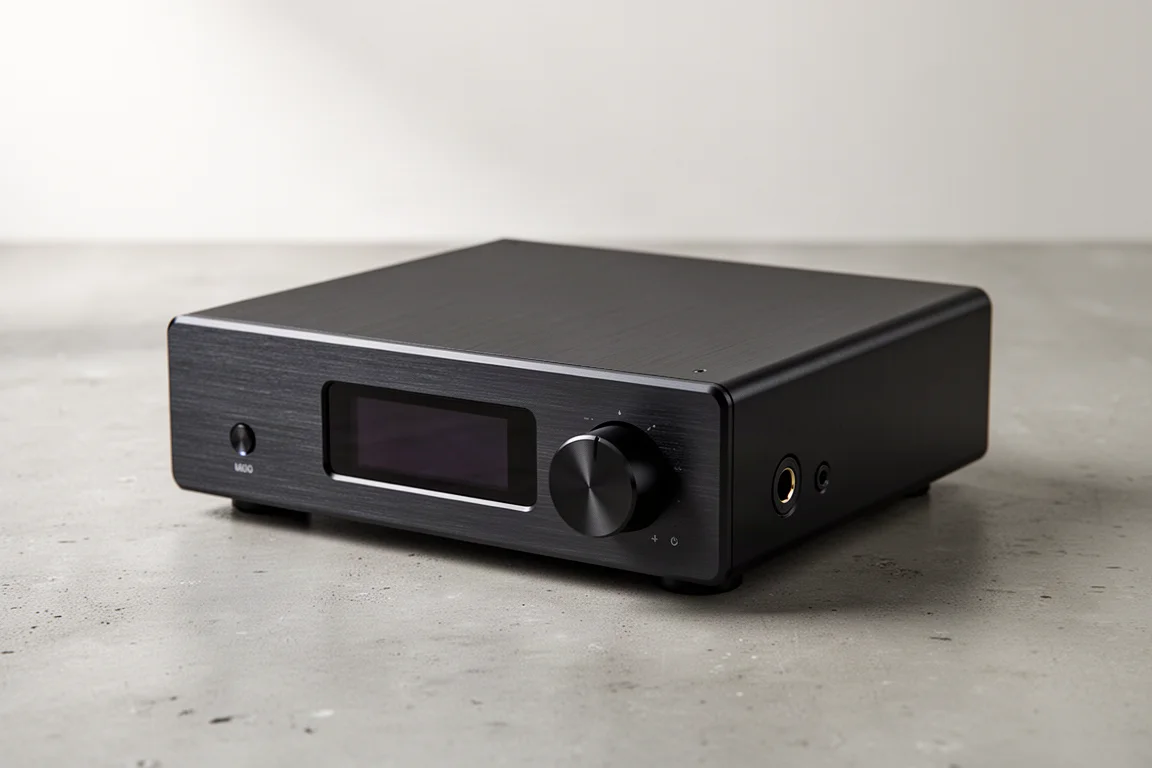
The Element i sits above the mini-i Pro 3 and costs roughly $125 more. It is not a straightforward upgrade in every respect. The balanced headphone output is gone, leaving a single-ended quarter-inch connection. The analogue RCA input is also removed, which means the unit is effectively output-only for external analogue sources.
What it adds is streaming flexibility. Android devices can stream to the Element i through the companion app, and the unit can read music stored on NAS drives. Neither is possible on the mini-i Pro 3.
Sonically, the bass is tighter than the mini-i Pro 3 but still does not extend very low. The midrange remains lean, while the upper frequencies are distinct and detailed, with detail retrieval a step ahead of the lower model. The headphone output is adequate and holds its own against the mini-i Pro 3.
Both Matrix units share balanced XLR outputs without balanced inputs, which limits how they fit into a fully balanced system.
Bluesound Node 2i: The Flexible All-Rounder
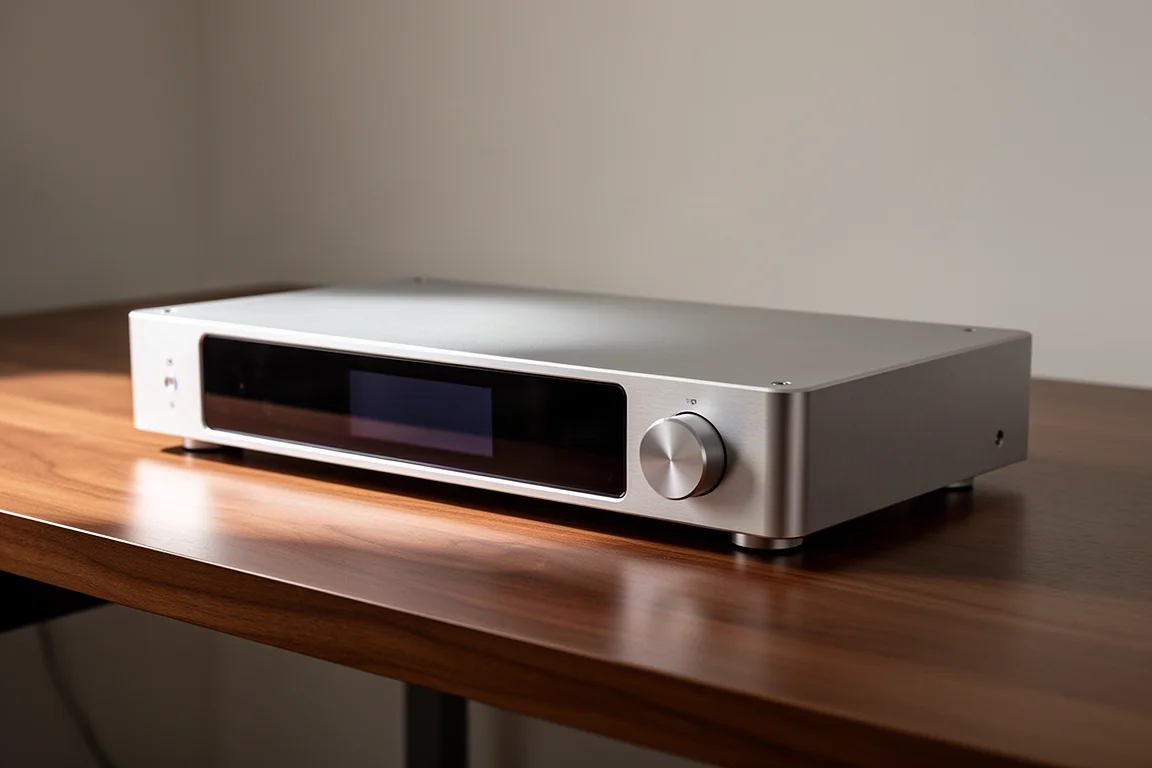
The Node 2i is the most flexible unit in this group and, at $550, one of the more affordable. Streaming support covers Spotify Connect, Tidal Connect, and Roon endpoint duties, alongside a broader service list than either Matrix unit offers.
Digital outputs are the key advantage. They allow the Node 2i to serve as a transport now and feed an external converter later, which keeps the upgrade path open. A subwoofer output is included for systems that use a dedicated low-frequency unit.
With its own converter in place, the Node 2i sounds more musical overall than either Matrix unit. It is not the cleanest in the group: the background carries a little more grain. For listeners who value engagement over absolute blackness, that trade-off tends to work in its favour.
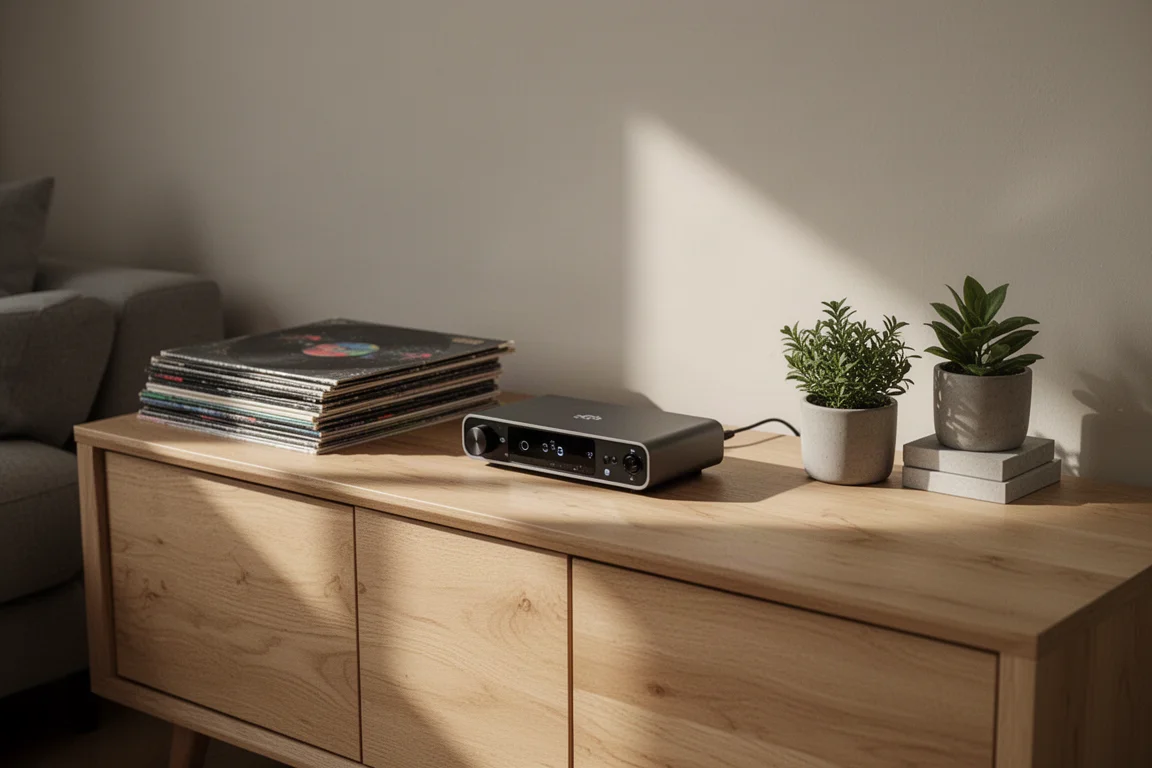
Anyone planning to change converters in the next few years will appreciate that the Node 2i can stay in the rack while the rest of the chain changes around it.
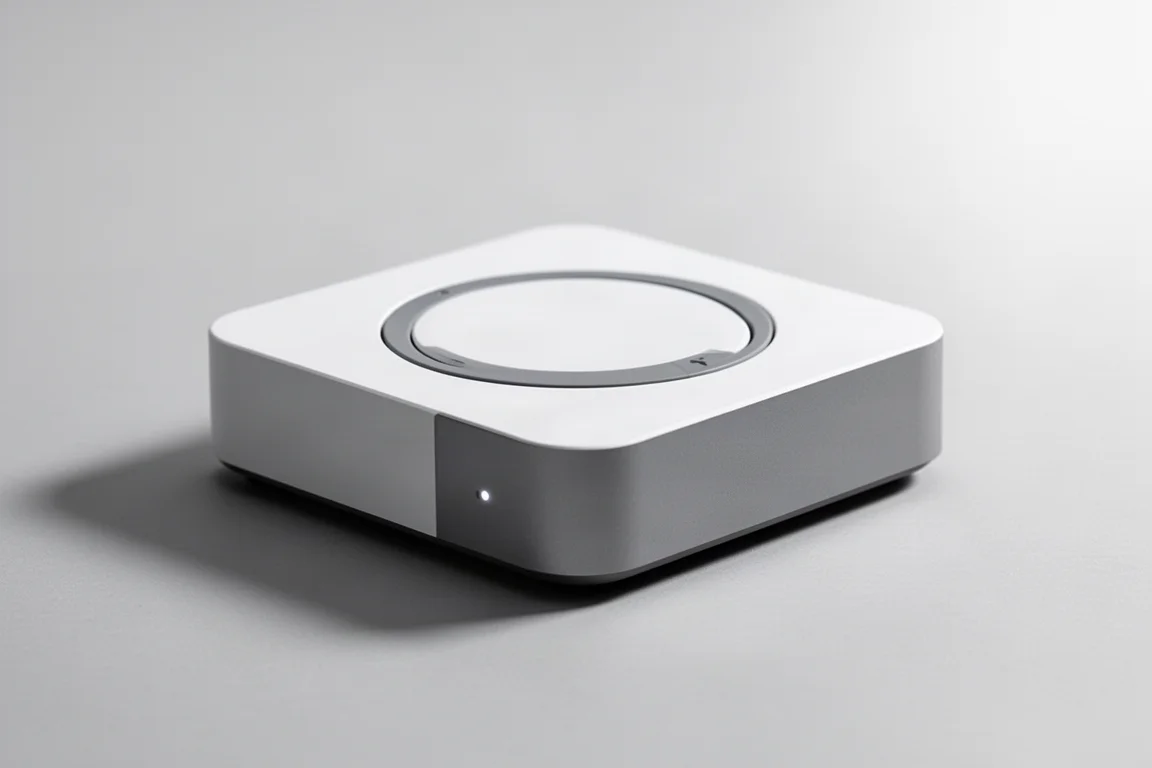
Bluesound Powernode: Streaming With HDMI ARC
The Powernode builds on the same streaming foundation and adds amplification, making it an all-in-one solution for a simple system. Its most useful connection for many households is HDMI ARC, which lets a television or projector send audio to the unit over a single cable.
That one input solves a common problem. A screen with optical output can feed a converter, but HDMI ARC is simpler to use and keeps volume control in one place. For a living-room system built around a display, it removes several boxes and one remote from the chain.
Because it combines streaming, conversion, and amplification, the Powernode is best understood as a complete system rather than a component to be upgraded piece by piece.

PecanPi: Configurable Streaming and a Capable Headphone Stage
The PecanPi takes a different approach. Rather than a fixed feature set, it can be configured around the streaming method a listener actually uses. Roon, Volumio, and AirPlay setups are all possible, so the unit can be tailored to a specific workflow instead of covering every option at once.
It also works as a capable headphone amplifier, which is unusual at its level. On sound quality it outperforms both Matrix units and the Node 2i, which makes it an appealing choice for listeners whose streaming needs are narrow but whose expectations for sound are not.
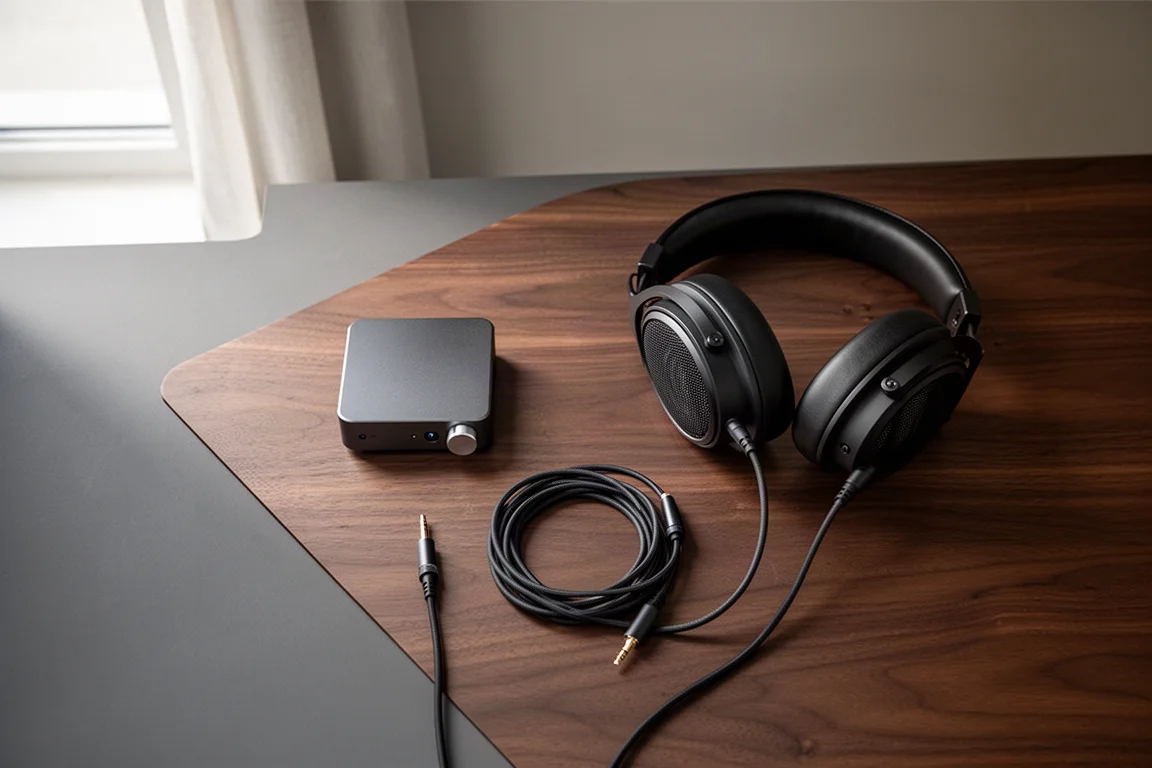
For anyone who has settled on a single streaming platform, the ability to configure the unit around that platform and nothing else is a real advantage. It keeps the feature list focused on what will actually be used.
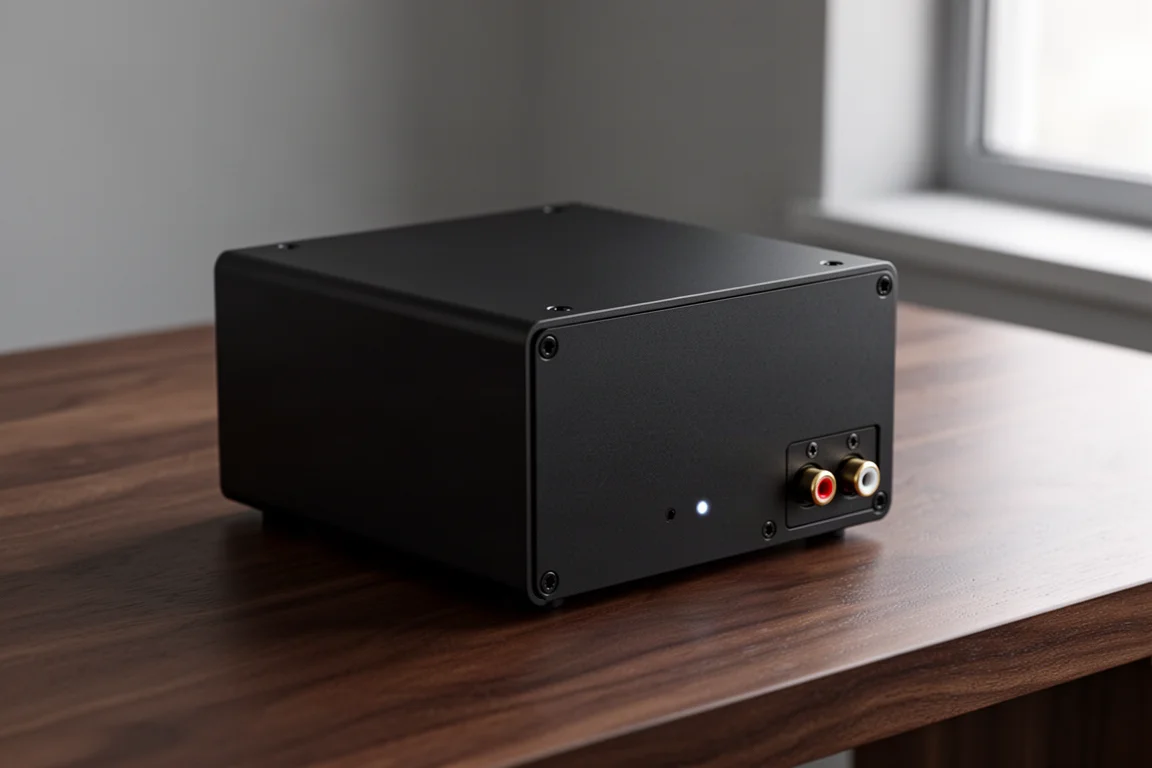
Innuos Zen Mini Mk III: A Roon Core in a Compact Chassis
The Zen Mini Mk III is a music server rather than a simple streamer, and it sits at the top of this group in both price and capability. It accepts NAS drives and can switch between DLNA and Roon Core operation, which means it can run a Roon library without a separate computer handling core duties.
It includes a built-in converter but also offers digital outputs, so external converters can be added and swapped over time. That combination of Roon Core operation, storage flexibility, and digital outputs explains why it costs more than the other units in this group. As a Roon Core it performs the same central role as a dedicated Roon server at a fraction of the price.
Sound quality is the strongest in this comparison, ahead of the Node 2i, both Matrix units, and the PecanPi. Listeners shopping above the $1,000 mark should expect this level of performance and feature set.
Buying Advice: Match the Unit to Your System
Start with the streaming services in use today and the ones that may be needed in a couple of years. If AirPlay and Roon cover everything, the Matrix units handle that ground well, but the absence of digital outputs makes the internal converter a permanent decision. For anyone who expects to change converters later, a unit with digital outputs is the safer purchase.
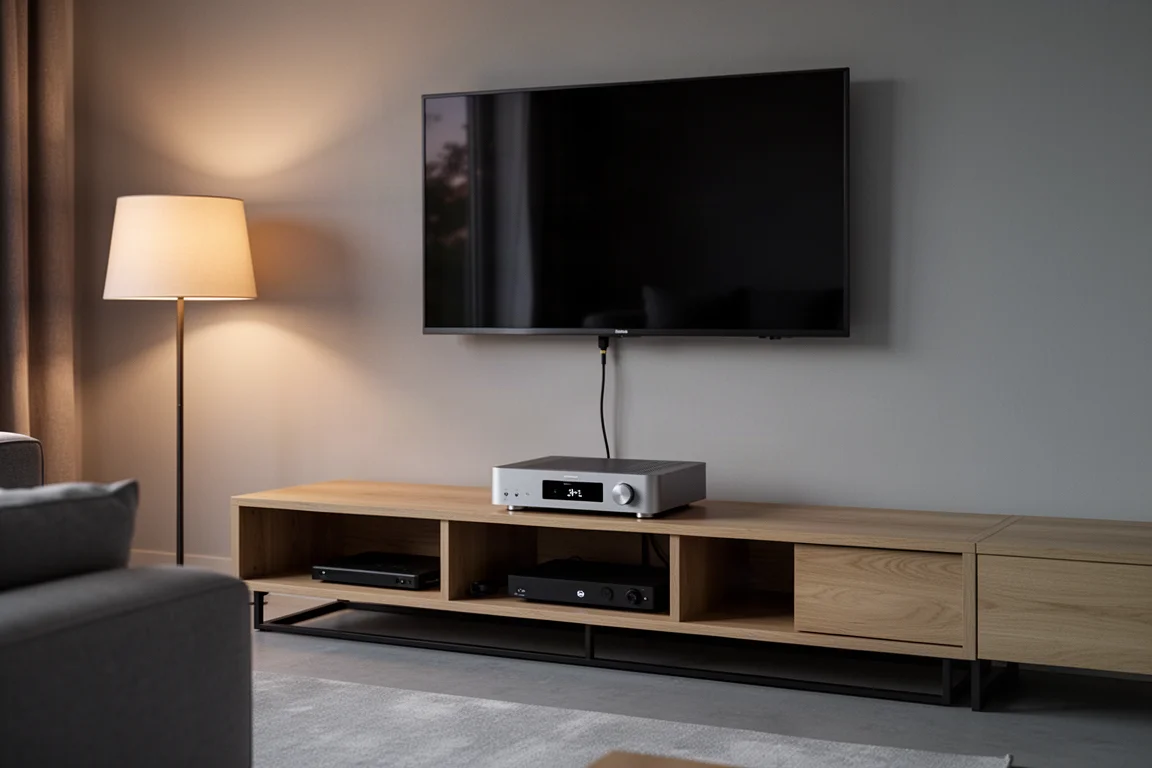
If television or projector audio is part of the plan, HDMI ARC on the Powernode simplifies the entire chain.
If sound quality is the priority and streaming needs are narrow, the PecanPi and the Zen Mini Mk III are the two strongest options in this group.
Budget also deserves an honest look. A $550 streamer with digital outputs can serve a system better over time than a more expensive fixed unit, particularly when the rest of the chain is likely to change.
Conclusion
These six units are not competing for the same listener. The Matrix Audio models prioritise conversion and a compact desktop footprint, with streaming support limited to AirPlay and Roon. The Node 2i prioritises flexibility and an open upgrade path. The Powernode prioritises simplicity for screen-based systems. The PecanPi prioritises configurability and sound quality. The Zen Mini Mk III prioritises Roon Core operation, storage, and the strongest performance in the group.
Matching the unit to the sources in use, the connections the system needs, and the upgrades likely to come is what makes the purchase hold up over time.
Further reading
Related Reviews
Audio Streamers
Eversolo DMP-A6 vs WiiM Ultra: Which Network Streamer Fits Your System?
A practical comparison of two screen-equipped network streamers: one built around a high-quality DAC, the other around a preamp with room correction and HDMI ARC.
Audio Streamers
Eversolo T8 vs Eversolo T10: Which Streaming Transport Fits Your System
A practical comparison of two network streaming transports, where the real differences sit, and which one most systems actually need.
Audio Streamers
HiFi Rose RS250 Review: A High-Performance Network DAC Streamer
A close look at the HiFi Rose RS250, a compact network DAC streamer and preamplifier with an ESS Saber converter, a fully linear power supply, and an 8.8-inch touch display.