Audio Streamers
Eversolo DMP-A6 vs WiiM Ultra: Which Network Streamer Fits Your System?
A practical comparison of two screen-equipped network streamers: one built around a high-quality DAC, the other around a preamp with room correction and HDMI ARC.
Introduction
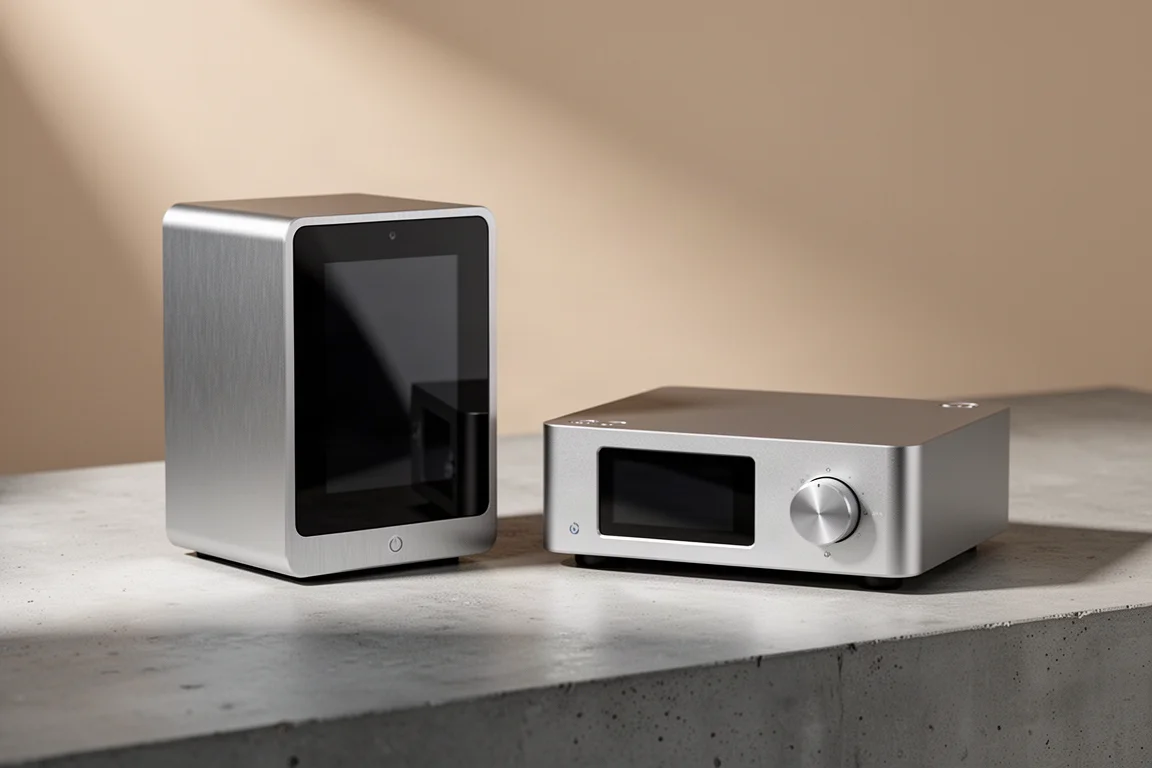
Two screen-equipped network streamers have dominated attention in affordable hi-fi over the past two years: the Eversolo DMP-A6 at $869 and the WiiM Ultra at around $330. Both put a display on the front, both stream from the network, and both can sit at the centre of a modern two-channel system. They are not built around the same idea, though.
The simplest way to describe the split is this: the DMP-A6 is a digital-to-analog converter with a streamer attached, while the Ultra is a preamp with a streamer attached. Almost every other difference between them follows from that one design choice, and it is the reason this comparison ends up being less about winners and losers than about which job you need done.
What Both Streamers Get Right
Both units are heavier than their footprint suggests, and both use internal power supplies rather than an external brick. Build quality is close enough that the difference is a matter of feel rather than function, with the DMP-A6 edging slightly ahead thanks to the way its weight is distributed around the power supply. Neither feels like a compromise at its price.
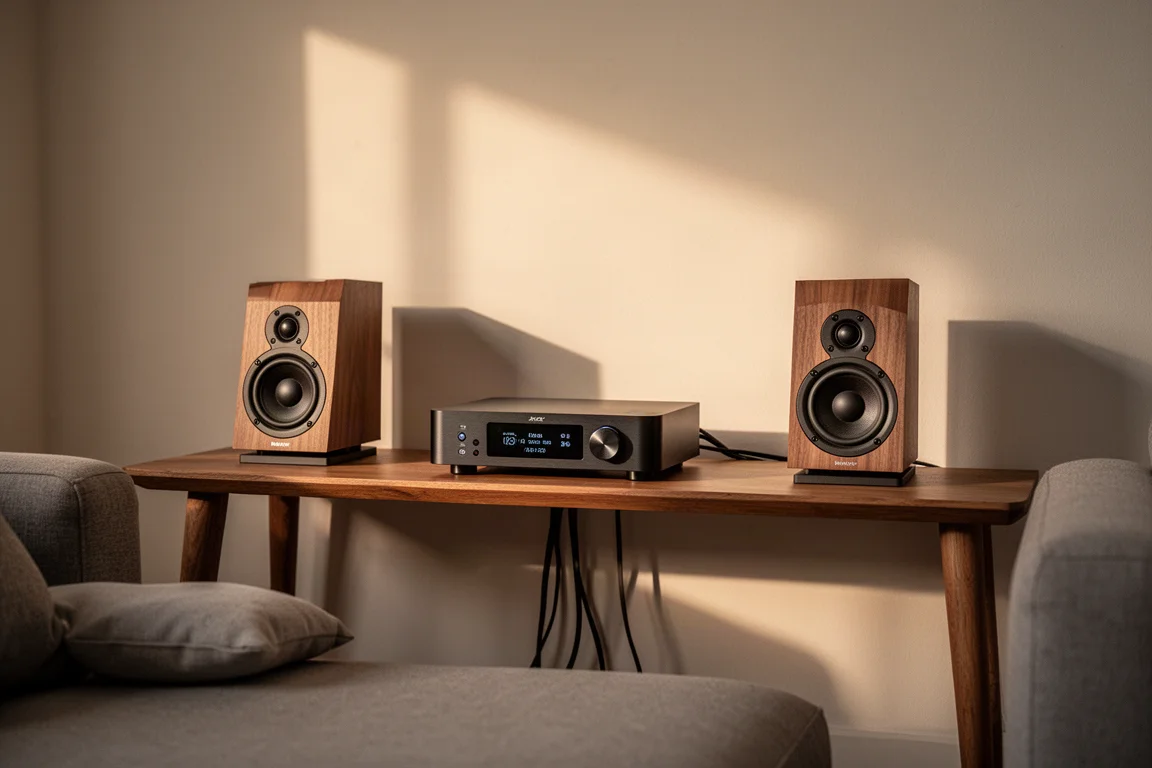
They also share the same core promise: a screen on the front, network streaming inside, and enough connections to become the hub of a system. Beyond that, the two designs diverge quickly, and the better choice depends on what you want that hub to do.
Eversolo DMP-A6: A DAC With a Streamer Inside
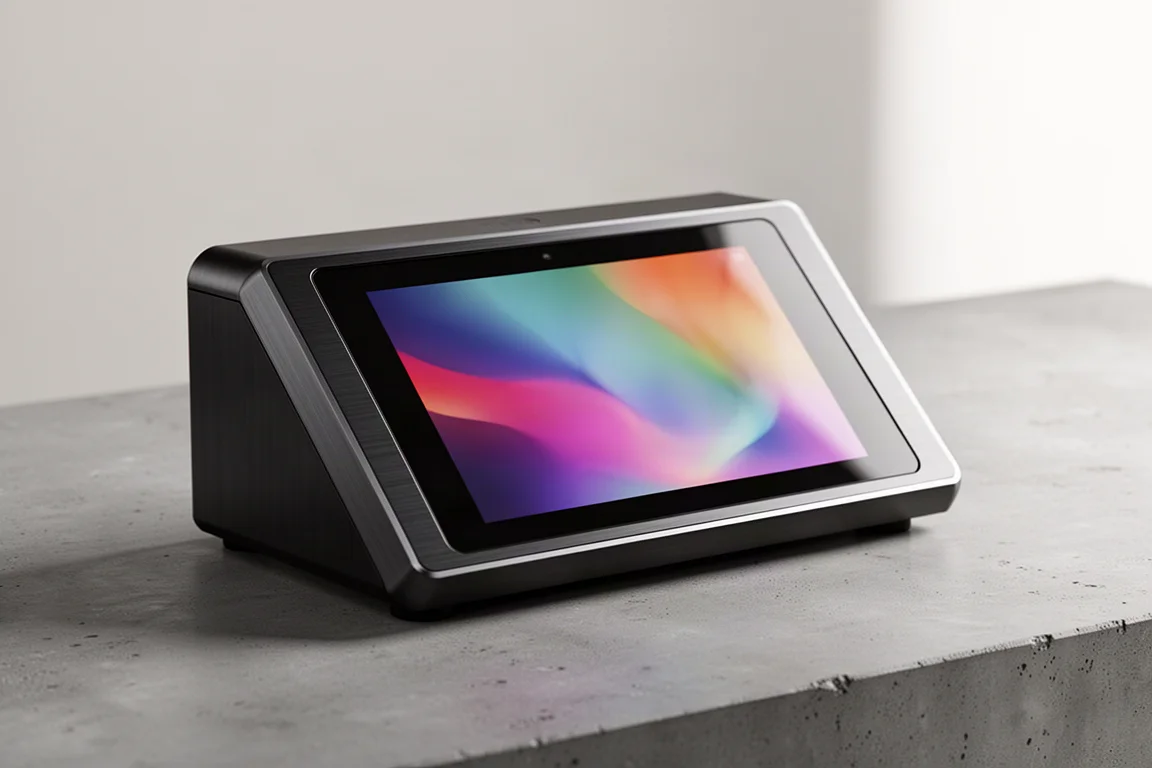
The Eversolo DMP-A6 is built around digital conversion. It uses two DAC chips, one handling each channel, and that arrangement is what allows it to offer balanced outputs alongside single-ended RCA. Around that core it adds digital coaxial and optical outputs, a USB input, coaxial and optical inputs, an HDMI output, gigabit Ethernet, Bluetooth and Wi-Fi.
It runs on an Android-based operating system, and the settings go deep. There are filter rolloff options and a long list of adjustments to explore, which is exactly what a listener who enjoys tuning will want and exactly what a casual listener may never open.
The conversion stage is the reason to buy it. The internal op-amps are quality parts, and the digital side is designed for two-channel listening first. If your system is built around a balanced amplifier, this is the streamer that can feed it properly.
WiiM Ultra: A Preamp With a Streamer Inside
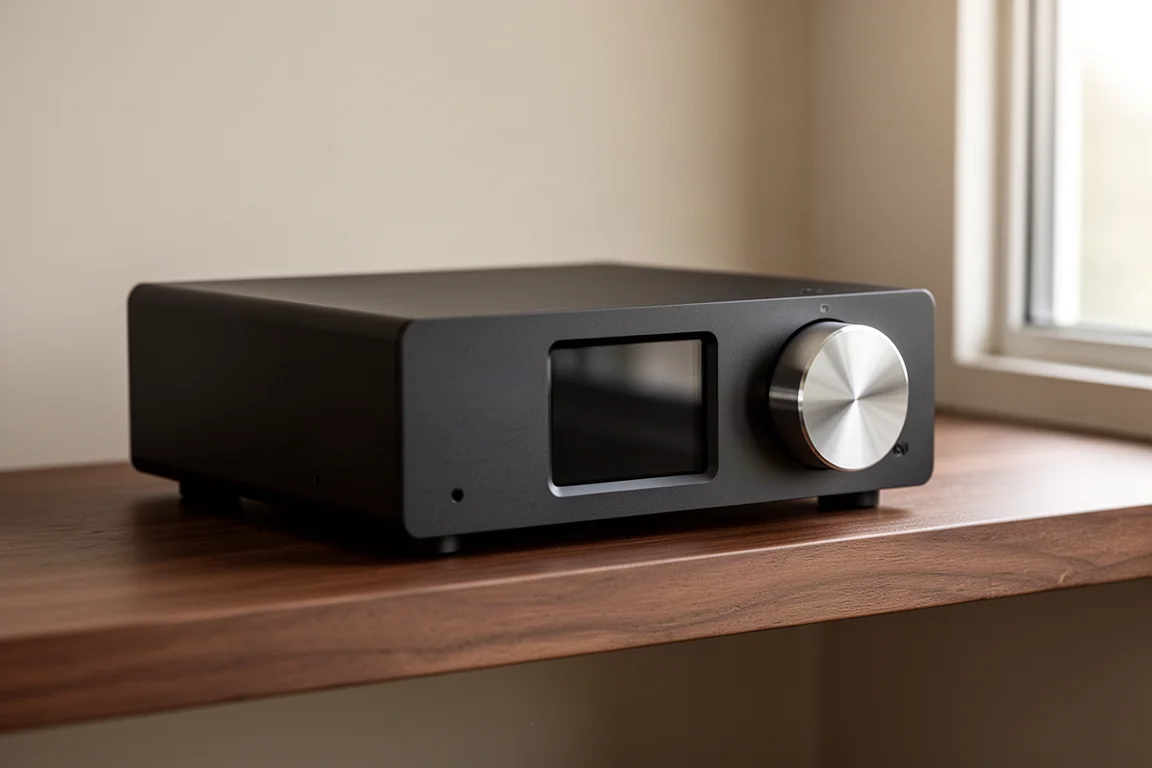
The WiiM Ultra takes the opposite approach. Its most consequential connection is HDMI ARC, which lets it sit beneath a television and handle whatever audio is on screen. There is also a USB port for a thumb drive, an optical input, an optical output for bypassing the internal DAC, a coaxial output, a grounding post, a subwoofer output, and one pair each of RCA inputs and outputs. It behaves like a system hub first and a converter second.
On the software side it offers room correction, a parametric EQ, a graphic EQ and bass management, along with Tidal Connect and Spotify Connect support. The feature list is aimed at people who want to shape how a room sounds rather than swap digital filters.
Connections and Outputs: Different Priorities
The DMP-A6 has more connections overall, but the Ultra has more of the connections most people actually use. Balanced outputs matter if you own a balanced amplifier. HDMI ARC and a subwoofer output matter if the streamer lives near a television and a pair of speakers with a sub. The HDMI output on the DMP-A6 is an unusual inclusion, but it addresses a narrower need.
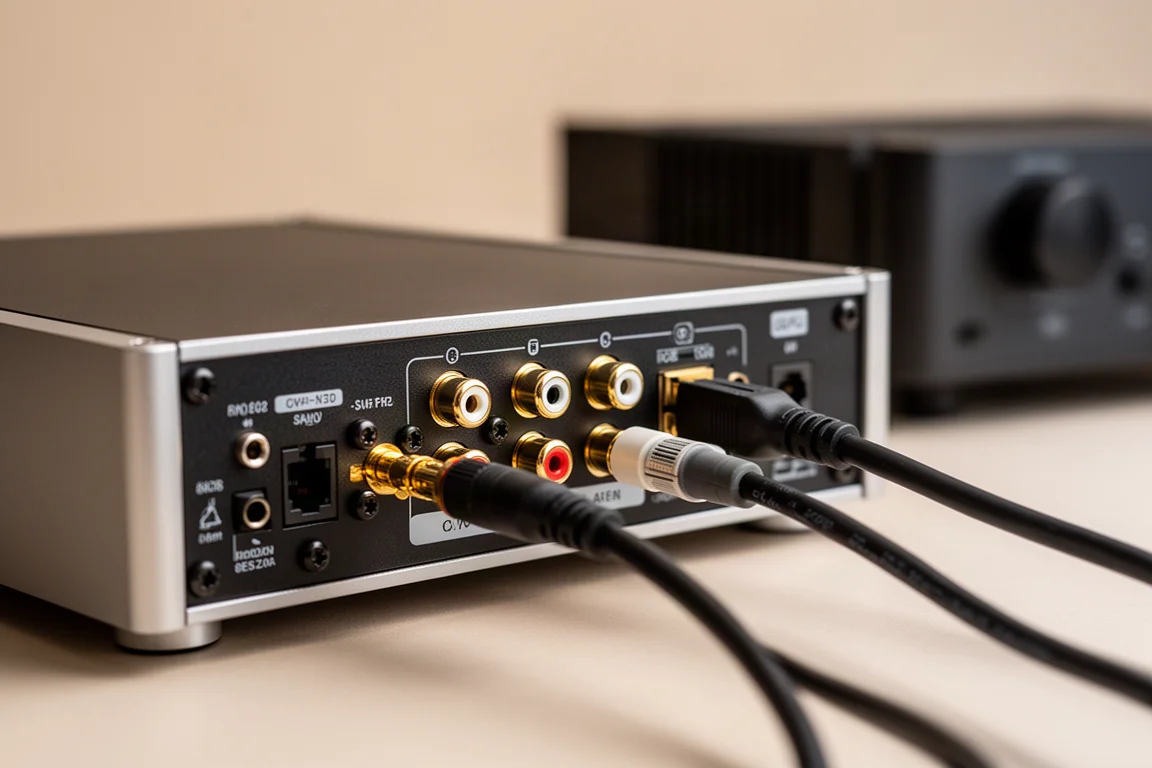
If you are wiring a dedicated two-channel system around a balanced amp, the Eversolo’s rear panel is the better fit. If you are building around a TV, a subwoofer, or a mix of everyday sources, the Ultra covers more of the realistic cases. This is close enough to a draw that your existing gear, not the spec sheet, should decide it.
Internal Features and Room Correction
Inside, the WiiM Ultra offers the more immediately practical toolkit: room correction, parametric and graphic EQ, and bass management, all usable without specialist knowledge. The DMP-A6 counters with a deeper set of digital filter options and an Android-based platform that leaves more room for adjustment, but those options reward listeners who enjoy tuning.
For most rooms, correction and EQ will change what you hear more than a filter rolloff will. If your space has an obvious bass problem, or you simply want to tune the sound to taste, the Ultra’s toolkit is the more useful one. If you listen in a treated room and want to fine-tune the digital stage, the DMP-A6 gives you more to work with.
Sound Quality: Cleaner Versus Close Enough
Both units sound good, and both use the same DAC chip. The difference lies in the implementation. The DMP-A6 runs two DAC chips, one per channel, and its power supply design appears to pay off: it sounds cleaner and more exacting, with better separation between instruments and a quieter background. The Ultra is close, but there is a touch more noise floor, like an air conditioner switching on in another room.
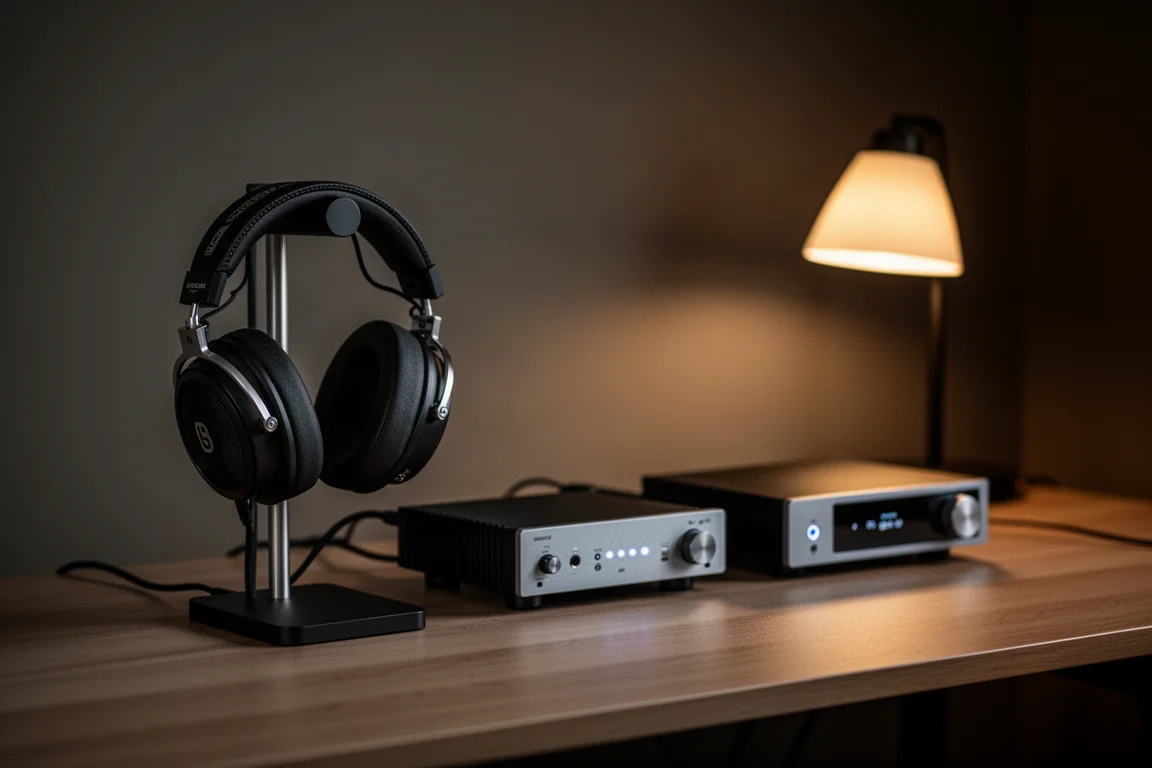
Whether that gap matters depends on the rest of your system. Through a revealing amplifier and speakers, the DMP-A6’s cleaner presentation is the sort of quality you notice across long listening sessions. In a typical living room setup, the two are much closer than the price difference would suggest.
Ease of Use: The App Makes the Difference
The WiiM app is the strongest single argument for the Ultra. It is seamless, quick to learn, and it gathers streaming, room correction, EQ and input switching in one place. The DMP-A6 offers a screen mirroring feature so you can adjust settings from a phone, but there are many more settings to work through, and the interface assumes you want to work through them.
There is a practical consequence here: a device that is easy to use gets used. If you want to hand someone a phone and have music playing within seconds, the Ultra wins comfortably. If exploring options is part of the appeal, the DMP-A6 rewards that curiosity.
Price and Value: What Your Budget Buys
The Eversolo DMP-A6 costs $869. The WiiM Ultra costs around $330. That is less than half, and the gap is wide enough to change the whole calculation. You could buy the Ultra and add an external DAC, including one with swappable op-amps so you can tailor the sound, and still land close to the DMP-A6’s price.
That does not make the DMP-A6 poor value. Its conversion stage is genuinely a step above, and buyers who want balanced outputs and a cleaner digital presentation are paying for hardware they will use every day. But if the goal is to get a capable streamer into a system for the least money, the Ultra leaves room in the budget for speakers, a subwoofer, or a DAC upgrade later.
Overall Buying Advice
For purists, the DMP-A6 is likely the right choice: it is the cleaner-sounding, better-built, more flexible unit, and it suits a dedicated two-channel system with a balanced amplifier. For a more casual listener who wants to bring a television into the mix, or who simply wants the most capability per dollar, the Ultra is the more sensible purchase.
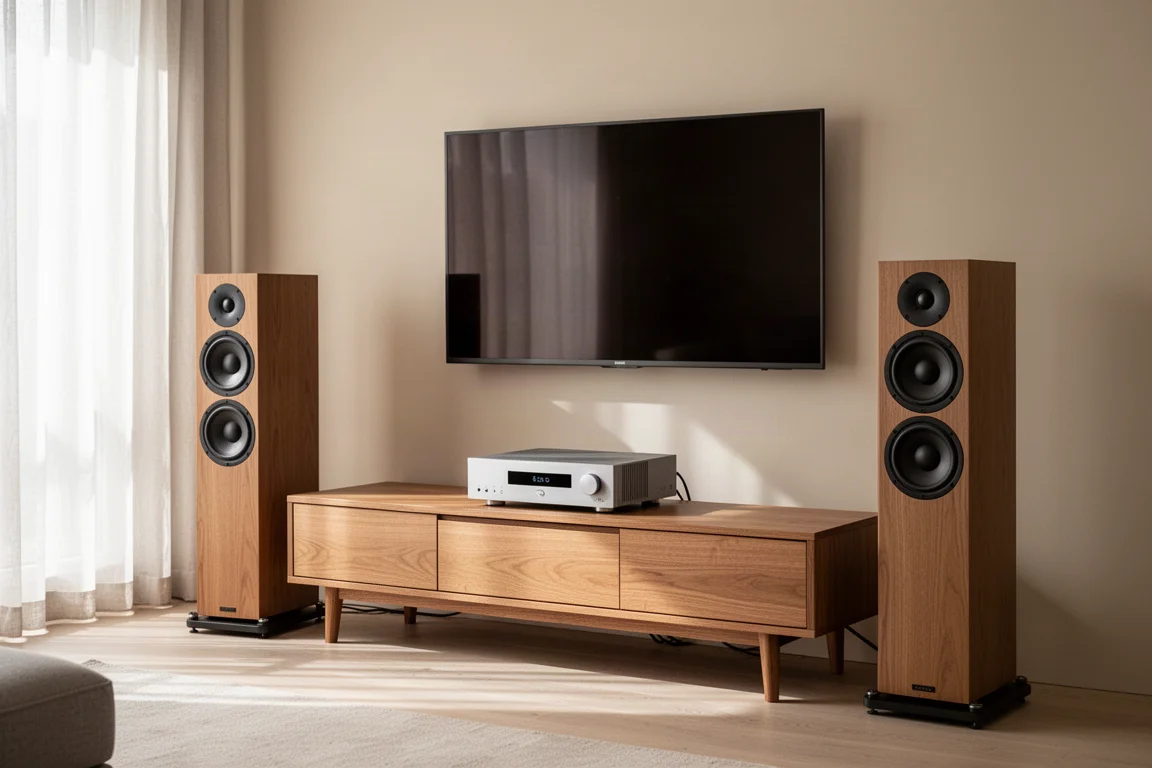
If you are on a budget, the Ultra is the obvious answer, and it is also the easier device to live with day to day. The DMP-A6 asks for a little more patience in exchange for a slightly better sound. Both are strong products, and the deciding factor is not which one is better in isolation but which one matches the way you actually listen.
Conclusion
The Eversolo DMP-A6 and the WiiM Ultra both stream, both display, and both sound good, yet they serve different owners. Choose the DMP-A6 if digital conversion quality, balanced outputs and deep adjustment options matter most to you. Choose the Ultra if HDMI ARC, a subwoofer output, room correction and a seamless app matter more than the last degree of refinement. Match the streamer to your system and your habits, and either one will serve you well for years.
Further reading
Related Reviews
Audio Streamers
Eversolo T8 vs Eversolo T10: Which Streaming Transport Fits Your System
A practical comparison of two network streaming transports, where the real differences sit, and which one most systems actually need.
Audio Streamers
HiFi Rose RS250 Review: A High-Performance Network DAC Streamer
A close look at the HiFi Rose RS250, a compact network DAC streamer and preamplifier with an ESS Saber converter, a fully linear power supply, and an 8.8-inch touch display.
Audio Streamers
Network Streamers and DACs Compared: Six Options for Digital-First Systems
A practical comparison of six network streamers and DACs, covering streaming support, upgrade paths, connection options, and where each unit fits.