Reef Aquarium Equipment
Neptune Systems Trident Review: Automated Alkalinity, Calcium, and Magnesium Testing
A close look at the Neptune Systems Trident, an automated reef water tester that measures alkalinity, calcium, and magnesium several times a day and feeds the results straight into the Fusion dashboard.
Introduction
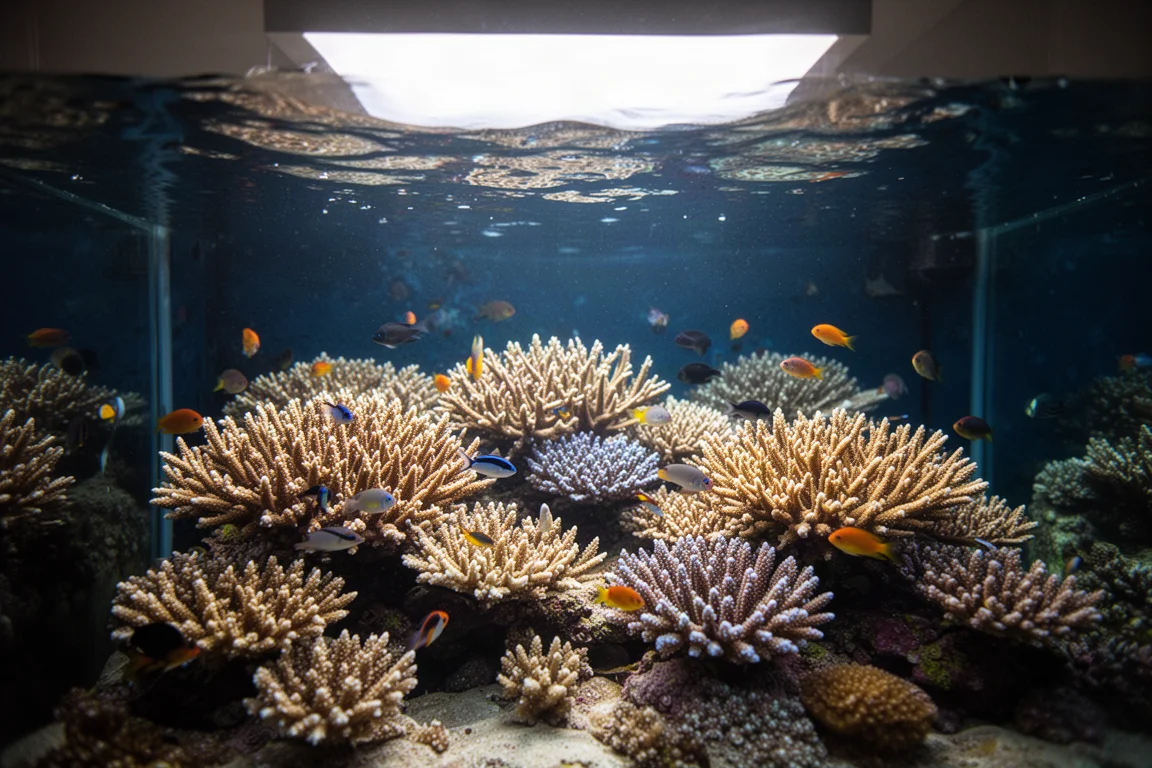
For reef keepers running tanks packed with stony corals, water testing is the chore that never quite ends. Alkalinity, calcium, and magnesium all shift as corals grow, and dosing accurately depends on measuring often. The Neptune Systems Trident takes that job off the table. It draws tank water, mixes it with reagent, reads the resulting colour change with a built in photometer, and reports the result automatically several times a day, without anyone standing over a test vial.
The concept is simple, but the practical payoff is what matters: a running record of how a tank consumes the major three elements, which is the groundwork for stable parameters and steady coral growth.
Because results land in the Fusion dashboard by default, and on a connected Apex display module when one is in use, the data appears where most reef keepers already spend their time. A seven day graph can be toggled alongside remaining reagent levels, so a quick glance shows both how the tank is trending and how soon consumables will need replacing.
Who This Product Is For
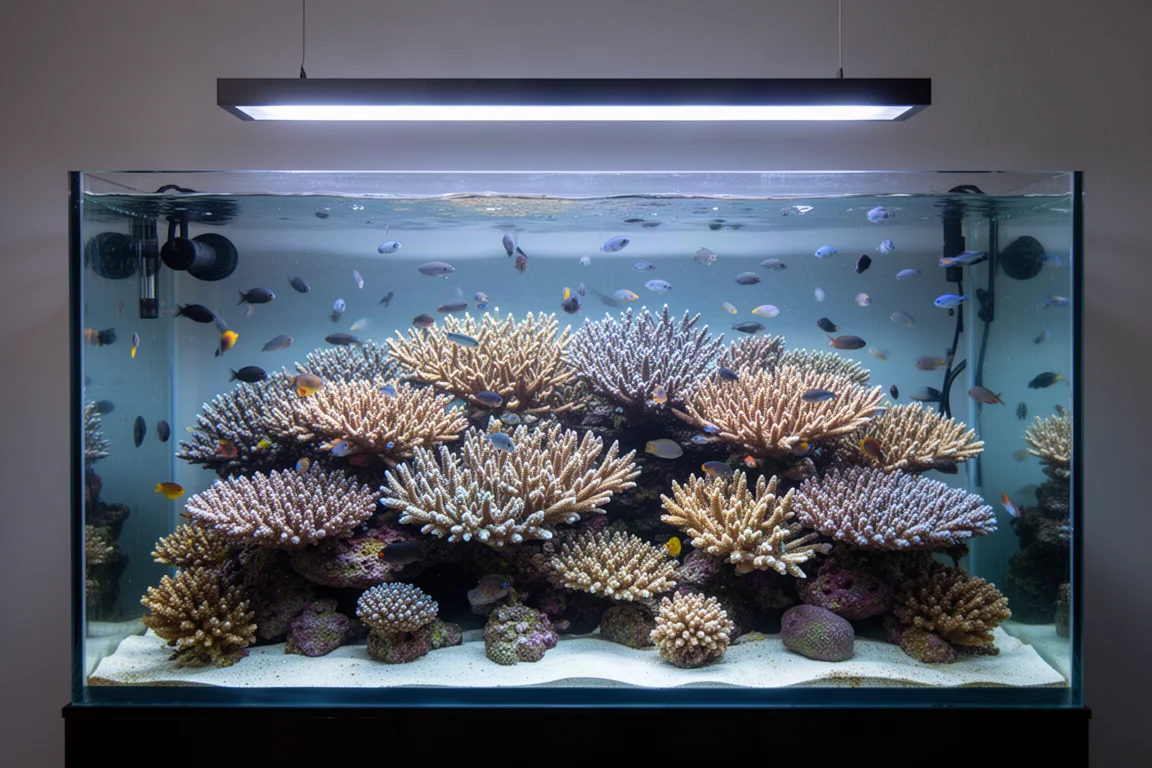
The Trident suits reef keepers who already rely on an Apex or an Apex EL, since one of those controllers is required to run it. Within that group it is most compelling for SPS dominant and mixed reefs carrying a heavy stony coral load, where alkalinity and calcium consumption can change quickly and testing several times a day by hand is not realistic.
It also makes sense for anyone who travels, works long hours, or would rather spend tank time on coral care than on test kits. Hobbyists running soft coral dominant tanks with slow, very stable consumption may find the value harder to justify, because the benefits scale with how fast parameters move.
Main Strengths: Testing That Runs Itself
The core strength is frequency. The Trident tests alkalinity four times per day and calcium and magnesium twice per day as a minimum, and those intervals can be shortened for a more detailed picture of how levels move through the day. That is a cadence almost nobody matches by hand.
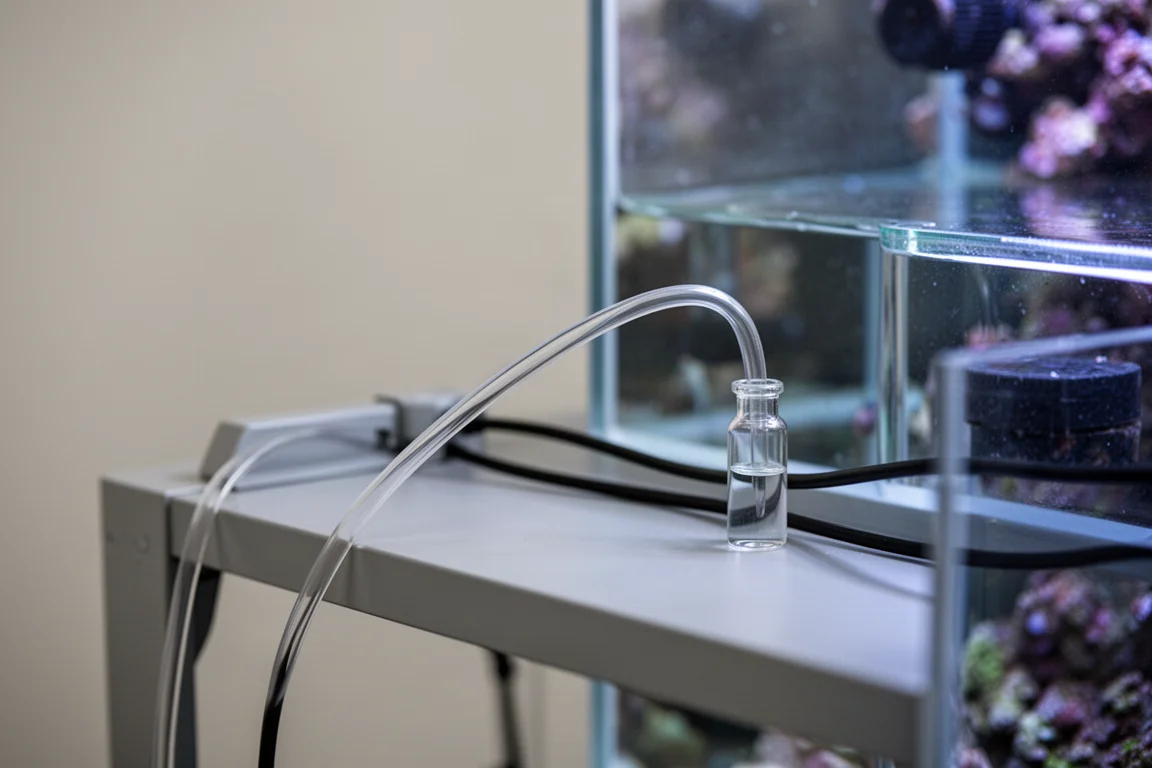
The measurement relies on dedicated hardware: precise pumps, a test vial with a magnetic stirrer, a photometer similar in principle to a handheld checker, and the supplied reagents. Water is drawn in, stirred and dosed with reagent, read for colour change, and logged. Results appear in the Fusion app, and on an Apex display module when one is connected.
The history is where much of the value sits. Graphs can be viewed individually or overlaid, showing minimum, maximum, and average values for each parameter, and the same overlay treatment can be applied to parameters such as pH and temperature. That makes relationships between readings visible rather than inferred.
Keeping Parameters Stable With Dosing Automation
Test results feed directly into automation. If a parameter drifts above or below a safe range, alarms can trigger notifications to a smart device, giving a chance to act before corals show signs of stress. The same data helps diagnose equipment faults. Low calcium or alkalinity may point to empty two part containers or a calcium reactor that has run out of CO2, while unusually high readings can suggest a dosing pump has failed on and is adding too much additive.
The controller can go further and switch off the outlet a faulty dosing pump is plugged into, stopping the problem at the source. Paired with a Neptune Systems DŌS, the Trident can also adjust calcium, alkalinity, and magnesium dosing automatically, which removes both hand dosing and the periodic reprogramming that changing consumption normally demands.
Setup, Calibration, and Daily Maintenance
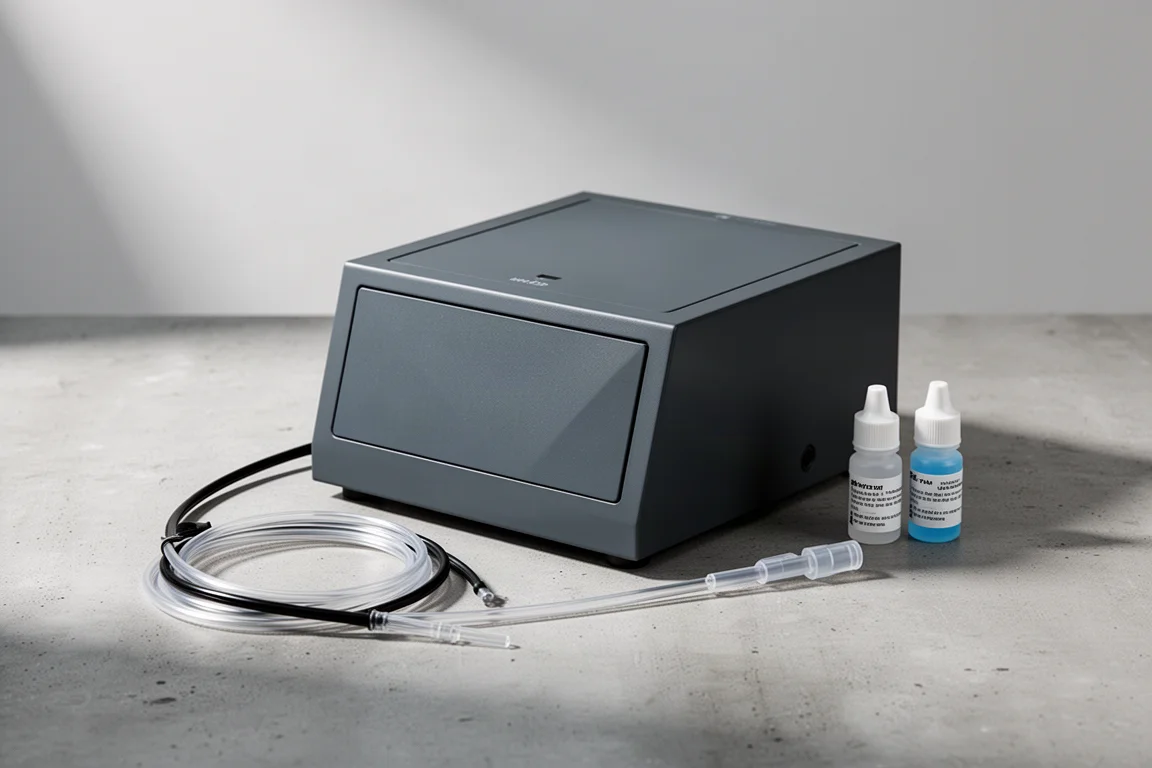
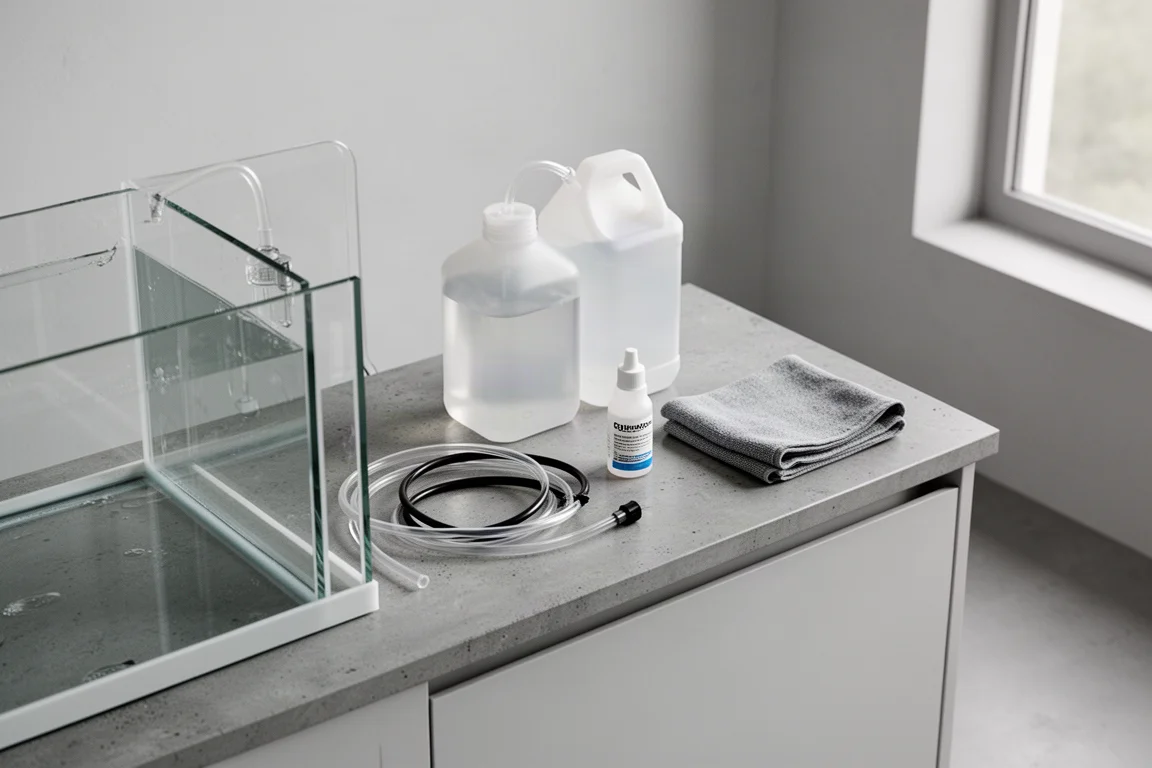
Setup is guided rather than improvised. Everything runs through the Fusion app, where the tasks function, marked with a clipboard icon, walks through Trident initial setup with step by step instructions. In the box you get the Trident itself, five feet of black and clear tubing for the sample and waste lines, a two month pack of reagents, calibration solution, a tubing clip, a one link cable, and a quick start guide. The process takes around fifteen minutes, and the only extra item needed is a waste container. A one gallon jug is a practical choice, since it is large enough that it only needs emptying when the reagents are replaced.
Calibration should wait. Units ship factory calibrated and should be well within the right ballpark to start, and the recommendation is to run the Trident on the tank for a few days before calibrating to dial in accuracy. Reagents are the ongoing consumable, and the dashboard keeps their remaining level visible so replacements can be planned rather than discovered.
Things to Consider Before Buying
The Trident cannot run on its own. An Apex or an Apex EL is required, so for anyone who does not already own a controller, that cost is part of the equation.
Reagents are a recurring expense and a recurring maintenance item, and the unit needs a waste receptacle that has to be emptied periodically. Dosing automation, meanwhile, depends on pairing the Trident with a Neptune Systems DŌS rather than being built in.
It is also worth being clear about scope. The device measures and reports alkalinity, calcium, and magnesium. It does not replace every test in a reef keeper’s routine, and it does not remove the need to understand what the numbers mean for a particular tank.
Buying Advice
The strongest case for the Trident is a tank with high and shifting consumption, where several tests a day would otherwise be required. In that situation the automation does something genuinely difficult to replicate by hand, and the resulting data on consumption rates makes dosing decisions far better informed. Reef keepers who already run an Apex controller get the most direct route to the full feature set.
If the appeal is mostly convenience, weigh that against the cost of entry, the reagents, and the waste handling. For a lightly stocked tank with slow consumption, a simpler testing routine may be entirely sufficient. For a growing SPS reef, the trade becomes easier to justify, because the tool addresses the most time consuming part of the hobby while producing a record of tank health that would be impractical to build manually.
Conclusion
The Trident turns one of the most tedious parts of reef keeping into an automated routine, reporting alkalinity, calcium, and magnesium multiple times a day and mapping those results over time. With an Apex controller in place, guided setup, factory calibration, and optional dosing automation through a DŌS, it offers a practical route to steadier parameters, clearer insight into coral growth, and far less time spent hunched over test kits.
Product link
View more details for Neptune Systems Trident
This product is mentioned in the review. Check the specifications, options, and compatibility before buying.
View more details for Neptune Systems TridentFurther reading
Related Reviews
Reef Aquarium Equipment
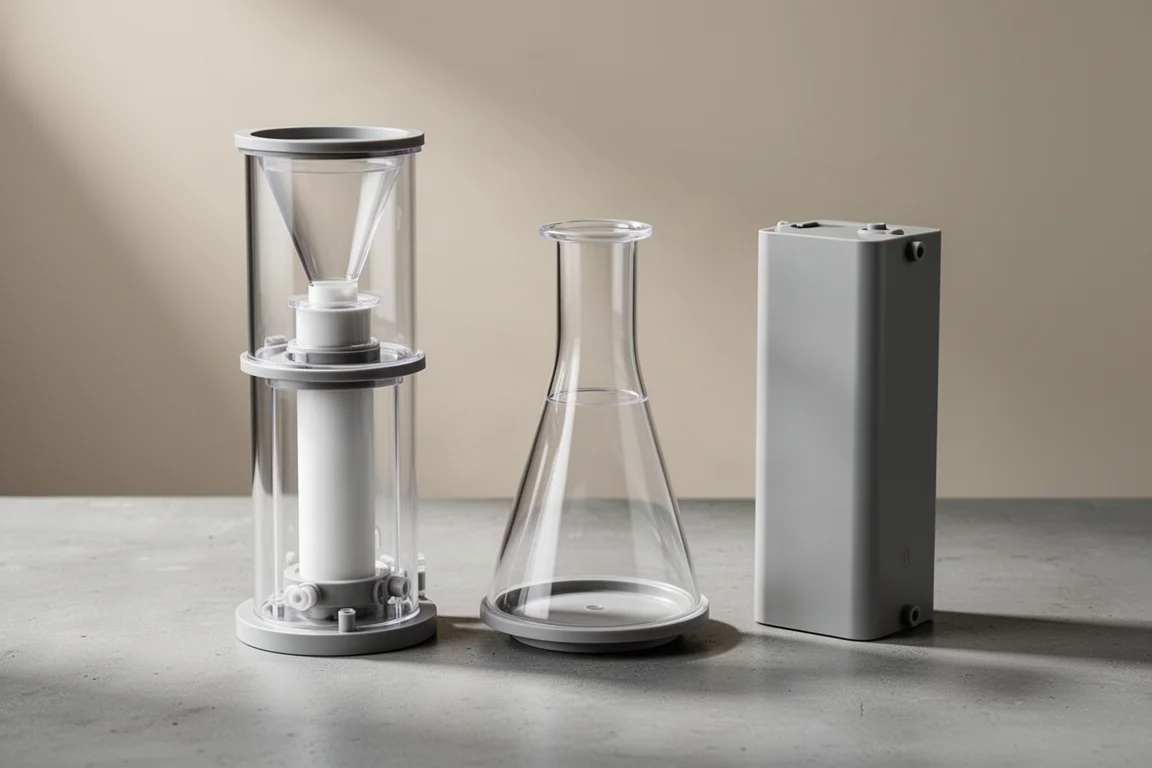
Best Budget Protein Skimmers for Reef Tanks: Seven Reliable In-Sump Picks
Seven in-sump protein skimmers that deliver a dependable skim without scraping the bottom of the barrel, plus what to check before you buy.
Reef Aquarium Equipment
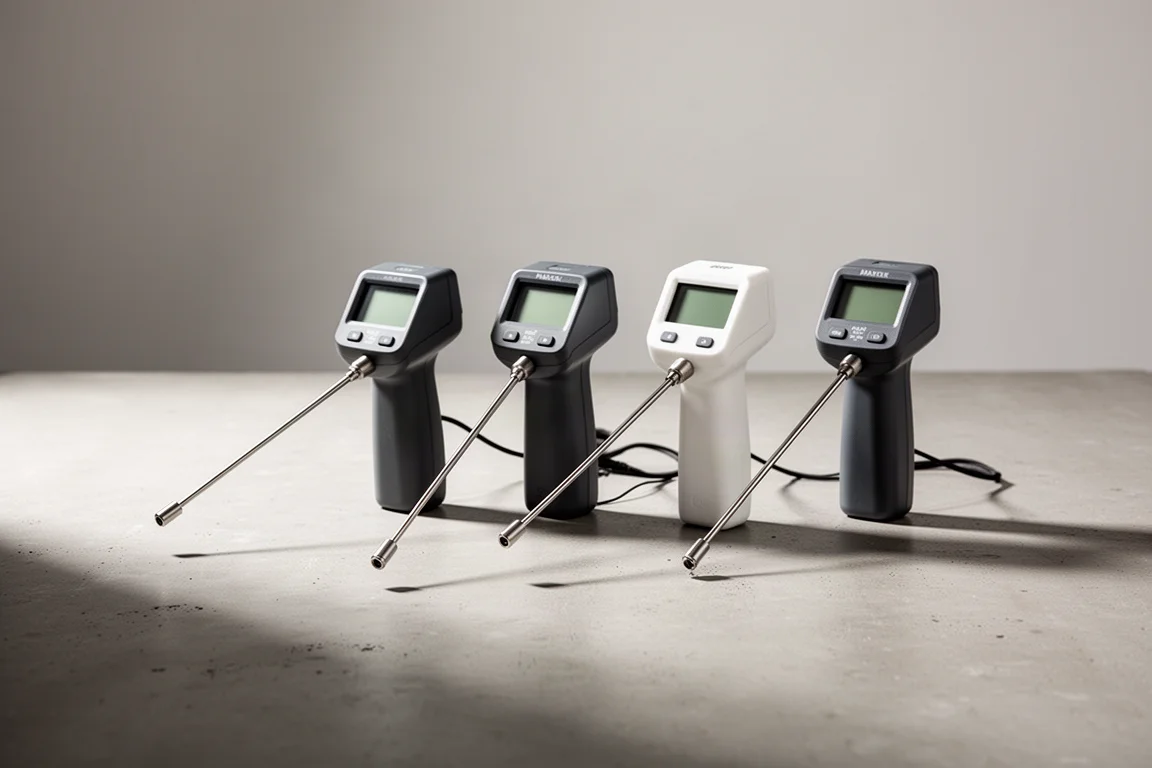
Best PAR Meters for Reef Tanks 2026: Four Options Ranked by Accuracy and Convenience
Four reef aquarium PAR meters compared on accuracy, convenience, and cost, from the community favorite to the budget-friendly alternatives.
Reef Aquarium Equipment
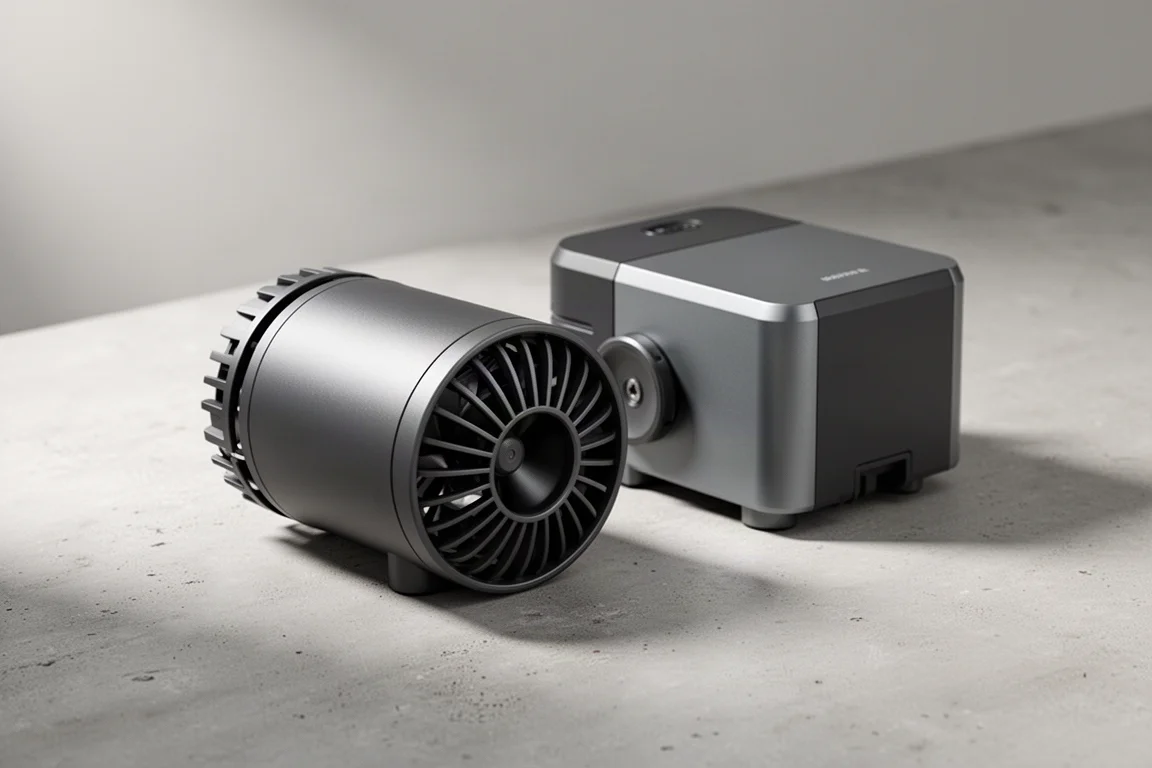
EcoTech Marine Vortech MP60 Review: A Cleaner Way to Move Water in a Reef Tank
A practical look at the EcoTech Marine Vortech MP60, covering invisible magnet mounting, fast wet-side cleaning, driver routing, spacers, noise, and battery backup.