Reef Aquarium Equipment
Best PAR Meters for Reef Tanks 2026: Four Options Ranked by Accuracy and Convenience
Four reef aquarium PAR meters compared on accuracy, convenience, and cost, from the community favorite to the budget-friendly alternatives.
Introduction
Measuring light intensity is one of the few reef tank tasks where the right tool changes the outcome. A PAR meter tells you how much usable light actually reaches your corals, which makes it easier to set up a fixture properly the first time instead of guessing and adjusting for months.
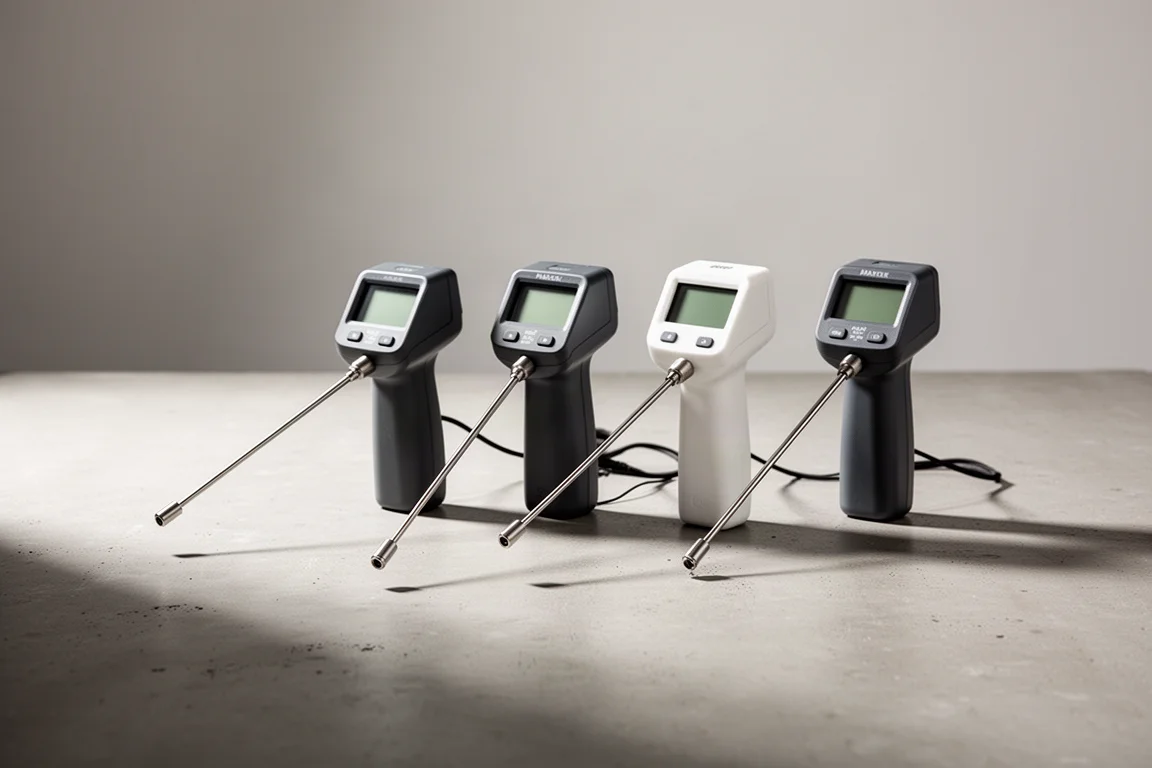
The four options here cover very different priorities. The MQ-510 is the most accurate and convenient choice and also the most expensive, yet it remains the most popular option among reef keepers. The MQ-210X trades a little accuracy for a meaningful saving, the MQ-410 keeps costs down further by dropping the controller, and the Neptune Systems PAR Monitoring Kit is a niche tool for anyone who wants continuous PAR data logged over time.
How to Choose a PAR Meter for a Reef Tank
The main split is accuracy versus convenience versus price. A standalone meter with its own display is the easiest thing to use because you can move it around the tank and read values in real time. A USB model costs less but ties you to a laptop or computer at the tank.
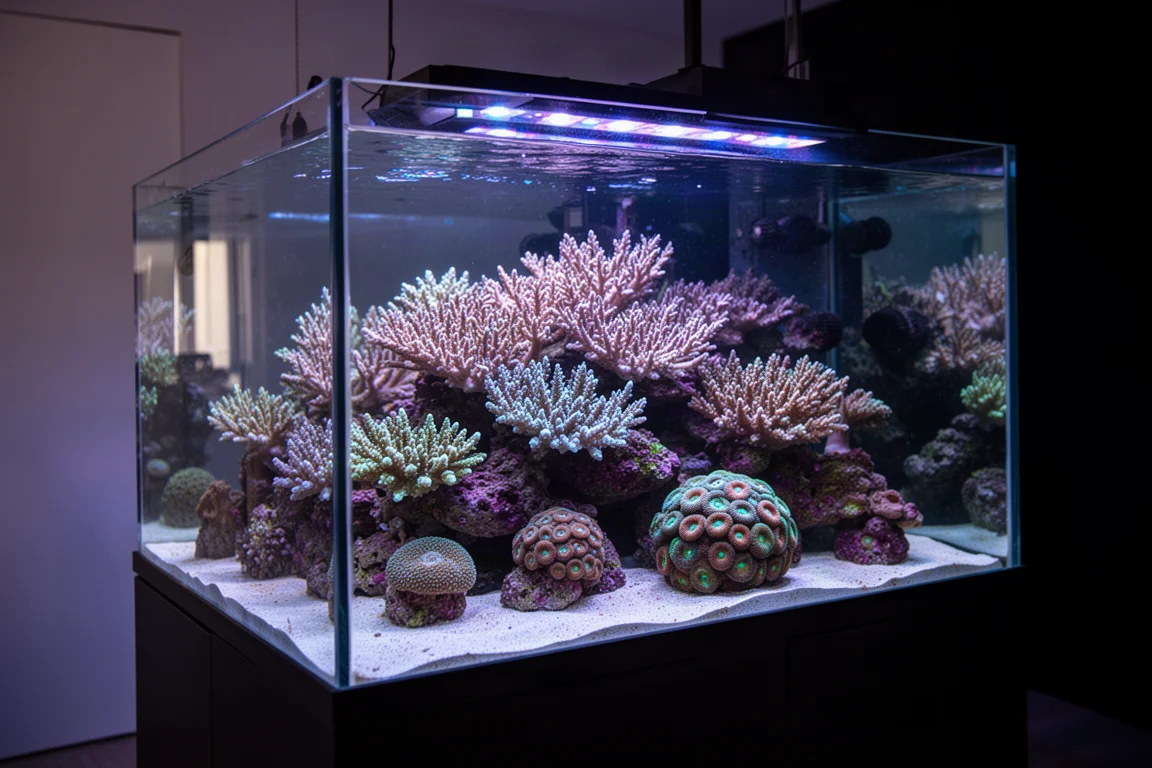
Accuracy matters most in the blue range, which is exactly where reef keepers pay closest attention. Cheaper sensors tend to read the blue and violet ends less precisely, and the difference shows up as a percentage rather than a cliff. Being within roughly ten percent is generally considered close enough for a reef tank, since corals are not going to react differently to 270 PAR versus 300 PAR.
Convenience also matters more than it sounds. A wand, sold separately from the sensors, keeps your arm out of the water and makes readings far easier, especially if you plan to keep the meter long term.
Best Overall: MQ-510
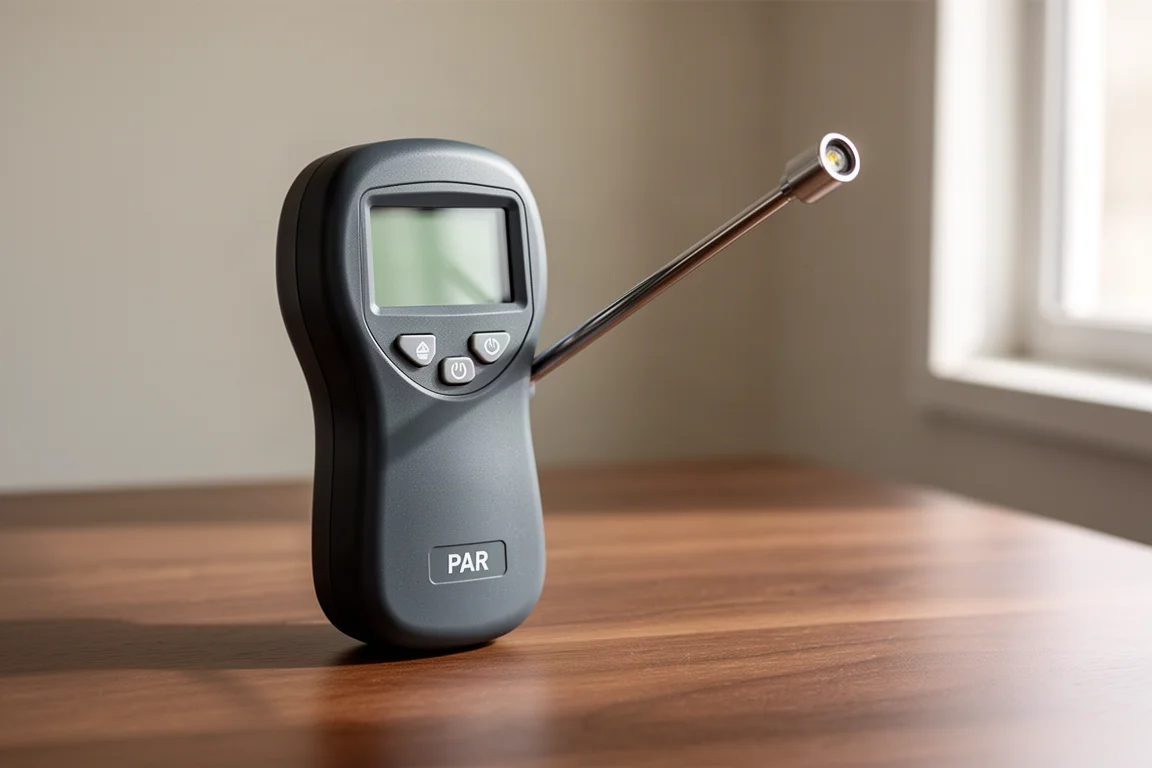
The MQ-510 wins on both accuracy and convenience, which is why it holds the top spot. It is a standalone meter with its own readout, so you can move it around the tank and see values in real time rather than tethering it to a computer and running software.
Its blue sensor has been widely adopted by the reefing community as better than almost all other available options. Anything cheaper is not more accurate, and few keepers see a reason to spend more.
That combination makes it the reference point for the category, even though it is the most expensive of the four. The MQ-510 also carries a 60-day return window with a 10 percent restocking fee, which opens up a practical route: buy it, tune your lighting over a week or two, then send it back. Most lighting setups only need a single afternoon of measurement, roughly 30 minutes of actual tuning, and reef keepers rarely adjust fixtures again once they are dialed in. Target ranges are straightforward, around 200 to 350 PAR for SPS and roughly 50 to 100 for LPS.
Best for Convenience on a Budget: MQ-210X
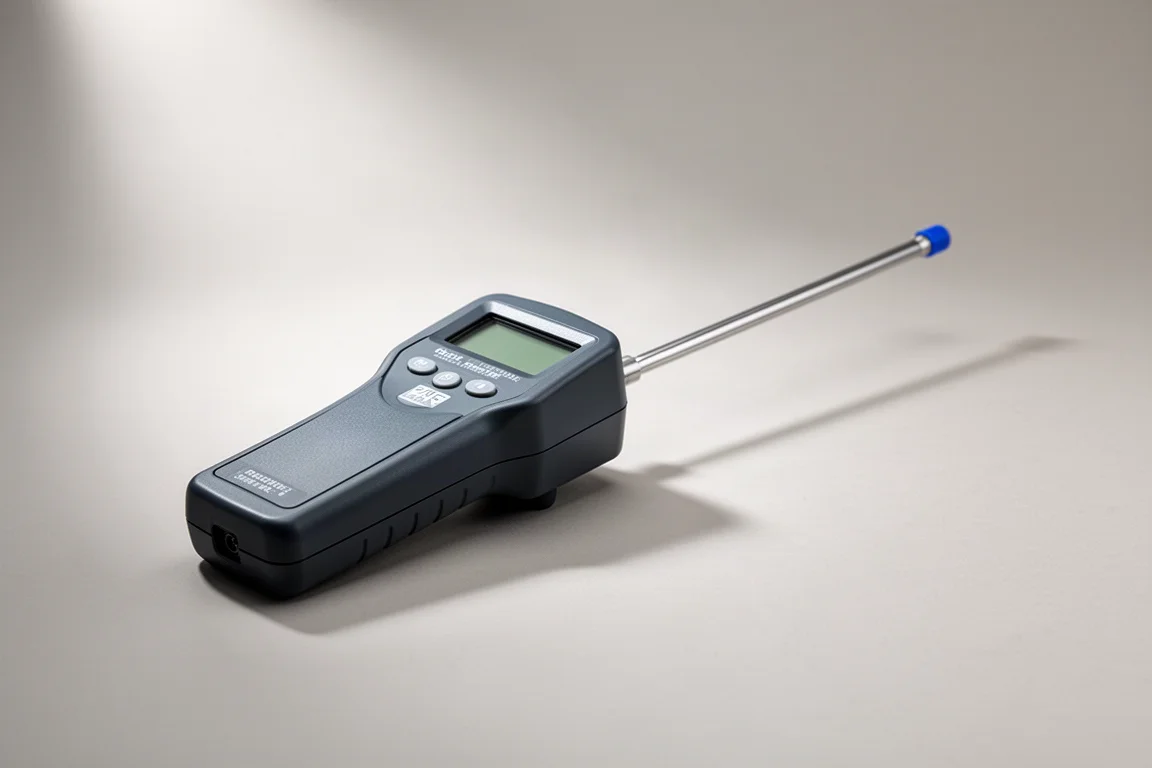
The MQ-210X is the pick for anyone who wants a standalone meter but does not need perfect precision. Its sensor looks different from the MQ-510 and is not as good, particularly in the blue range where reef keepers care most. It does not read the edge of that range perfectly.
In practice, though, it reads most of the spectrum well. Across testing, the MQ-210X lands within roughly ten percent of the MQ-510, and that gap is unlikely to matter for coral health. A reading of 270 PAR versus 300 PAR, or 55 PAR versus 50 PAR, does not change what a reef tank needs.
The trade-off is simple: accept a modest accuracy gap and save about $150 compared with the flagship meter.
Best Budget Pick: MQ-410
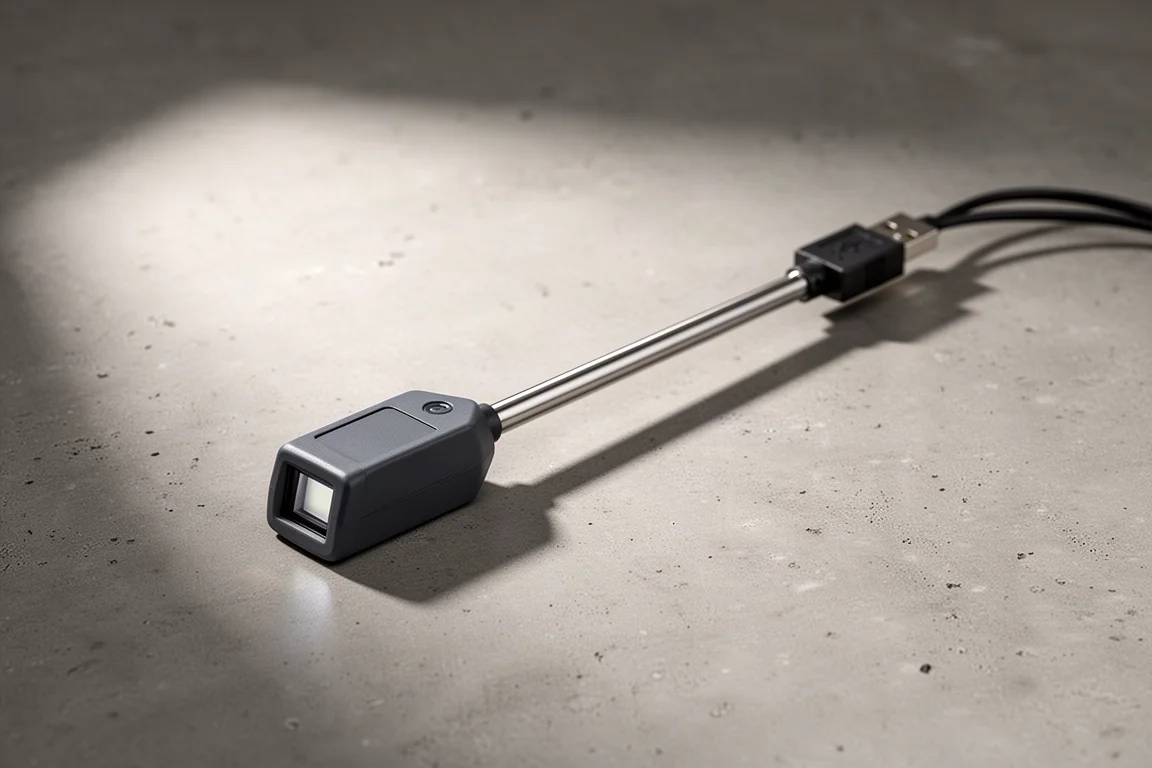
The MQ-410 uses essentially the same sensor as the MQ-210X but ships as a USB model. You are not paying for a controller or an onboard display, which brings the price down considerably.
The catch is workflow. Instead of readings appearing on a handheld meter, you plug the MQ-410 into a Mac or PC and use the companion program to take measurements. That means bringing a laptop to the tank, plugging in, and placing the sensor on the end of a wand while watching your computer screen.
The sensor head is the cheaper type, so the same roughly ten percent accuracy trade-off applies. For anyone who does not mind the laptop step, this is likely the best value answer of the group.
Best for Continuous Monitoring: Neptune Systems PAR Monitoring Kit
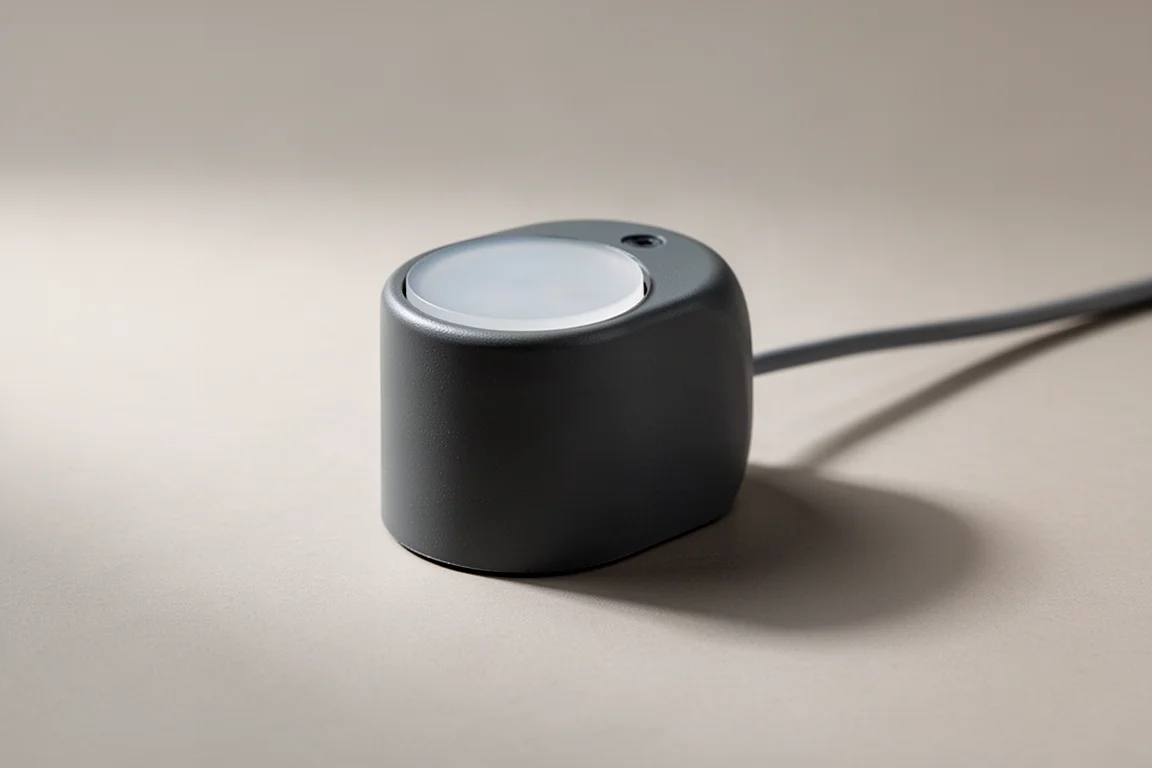
The Neptune Systems PAR Monitoring Kit is the only sensor here designed to run full time and log data continuously. It is a niche product aimed at reef keepers who want more than a one-off measurement.
Its real value is DLI, or daily light integral. By tracking PAR through the day and plotting it as a graph, you can see how much total light energy your corals receive, not just peak intensity. That makes it possible to experiment with a longer, gentler photoperiod, or a ramped schedule that spreads light across morning and evening viewing hours while keeping the total photon delivery comparable.
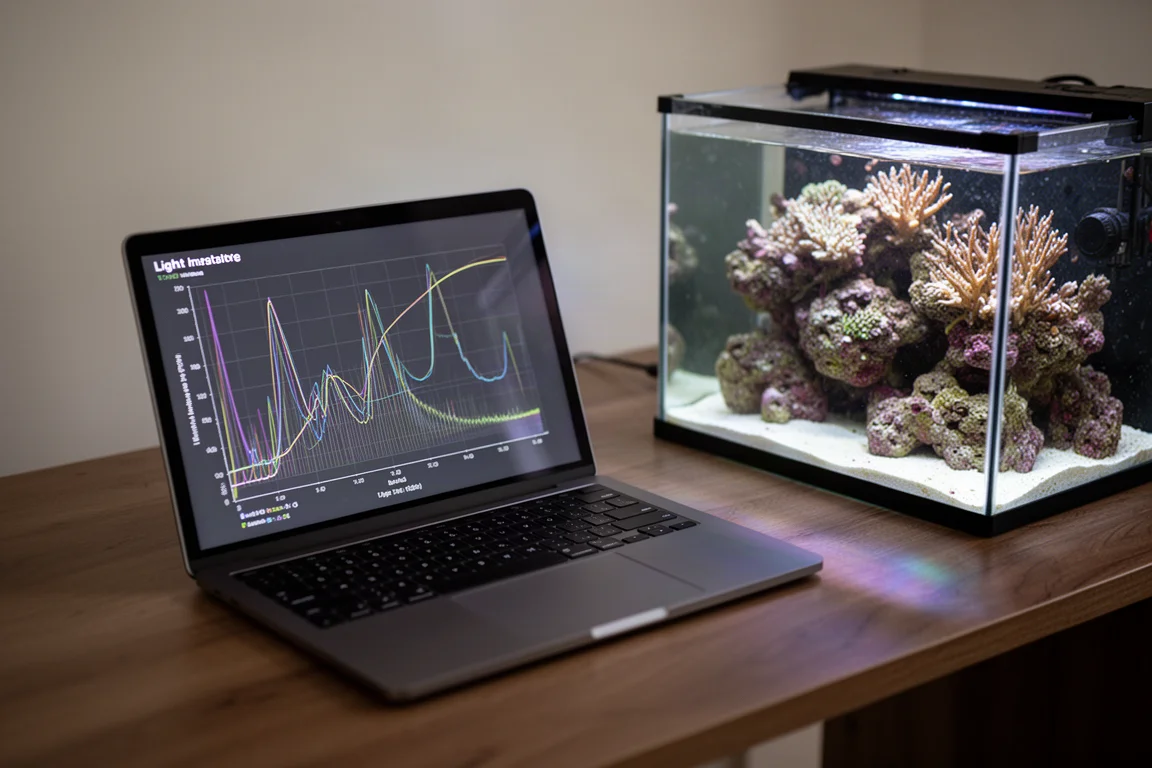
This is advanced, data-heavy territory and it will not suit most reef keepers. For the minority who want documented, hour-by-hour light data and are comfortable interpreting graphs, it opens up a level of control that a handheld meter cannot match.
The Accessory Nearly Everyone Should Add: The Wand
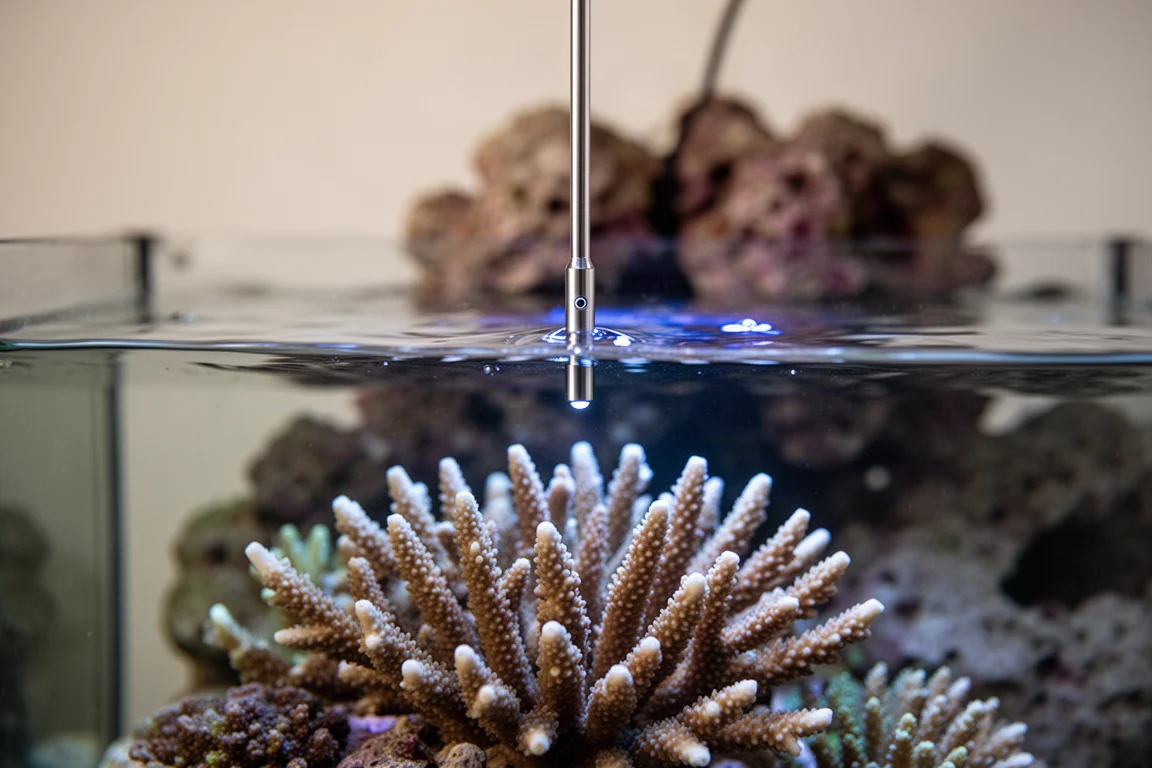
The wand is the simplest and most underrated part of the whole setup. Without it, taking PAR readings means repeatedly putting your arm into the tank and reaching around to position the sensor, which is awkward and slow.
With a wand, you extend the sensor into the water from above and sweep it across the tank far more easily. Building a DIY equivalent is possible, but having used one, it is not a project worth taking on. If you plan to keep a PAR meter rather than return it, the wand is worth adding.
Buying Advice
The right choice depends on how much you value accuracy and how permanent the tool will be in your routine.
If you want the best available accuracy and convenience, or you want to tune your lighting once and return the meter within the return window for a restocking fee, the MQ-510 is the pick. If you want a standalone meter to keep long term and can accept roughly ten percent variance, the MQ-210X is the sensible middle ground and a favorite for everyday use. If you are comfortable working from a laptop, the MQ-410 delivers similar accuracy for the lowest outlay. And if continuous PAR logging is the goal, the Neptune Systems PAR Monitoring Kit is the only option built for it.
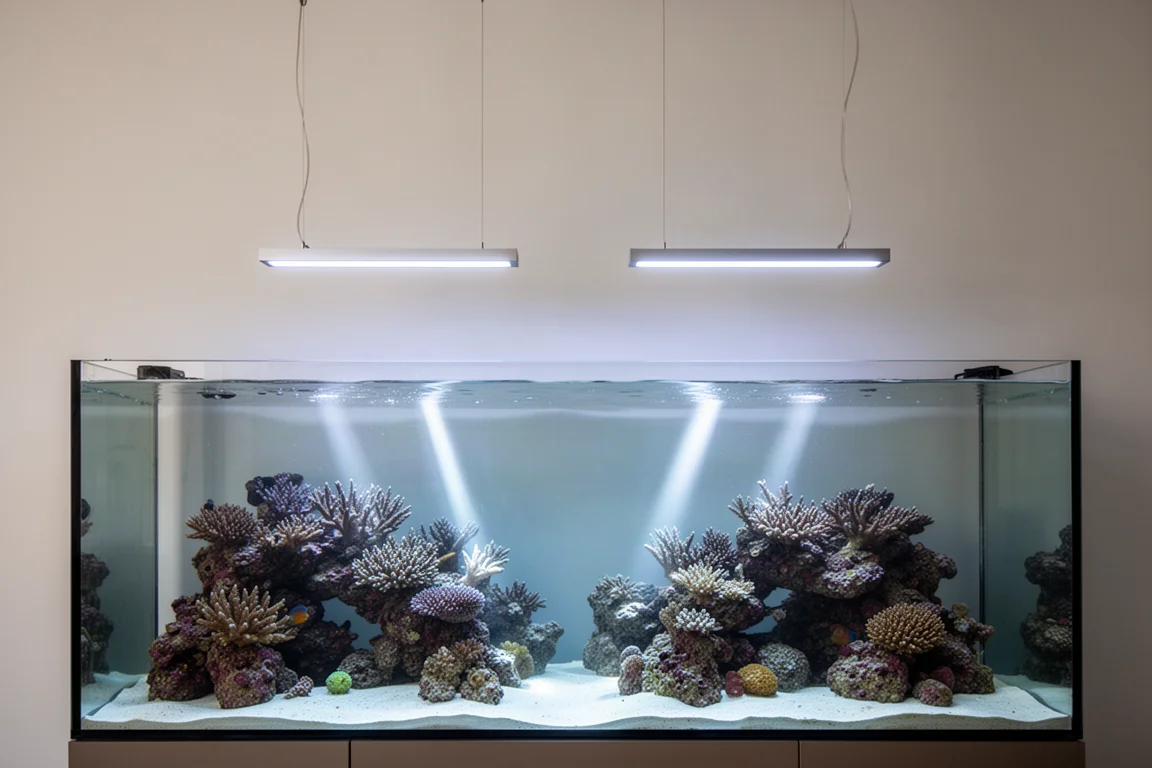
There is a wider point here that is easy to lose. A $900 light paired with a $100 PAR meter will produce better results than a $1,500 light set up by guesswork. Getting the measurement right matters more than buying the most expensive fixture.
Conclusion
The MQ-510 earns its status through accuracy and convenience, but it is not the only sensible answer. The MQ-210X suits most keepers who want to keep a meter long term, the MQ-410 is the budget route for laptop users, and the Neptune Systems PAR Monitoring Kit serves the small group who want continuous light data. Match the meter to how you actually work, and the extra accuracy you pay for will be the accuracy you use.
Further reading
Related Reviews
Reef Aquarium Equipment
Best Budget Protein Skimmers for Reef Tanks: Seven Reliable In-Sump Picks
Seven in-sump protein skimmers that deliver a dependable skim without scraping the bottom of the barrel, plus what to check before you buy.
Reef Aquarium Equipment
EcoTech Marine Vortech MP60 Review: A Cleaner Way to Move Water in a Reef Tank
A practical look at the EcoTech Marine Vortech MP60, covering invisible magnet mounting, fast wet-side cleaning, driver routing, spacers, noise, and battery backup.

Reef Aquarium Equipment
KZ Aragonite Calcium Reactor Media Review: Low Phosphate, High dKH Reef Media
KZ Aragonite Calcium Reactor Media pairs very low effluent phosphate with a high dKH effluent, while KZ ZEOmag covers magnesium inside the same reactor.