Aquarium Equipment
Neptune Systems Energy Bar 832 Review: Smarter Power for Reef Tanks
An eight-outlet aquarium power hub with per-outlet power monitoring, built-in 24V supply, and expansion ports that bring real early-warning value to a reef system.
Introduction
A reef tank depends on many pieces of equipment running at once: return pump, protein skimmer, heater, auto top off, lighting, powerheads, and dosers. Each one serves a life-supporting purpose, and when everything runs smoothly the tank thrives. The trouble is that a single failure can set off a chain of problems quickly, and the early warning signs are often invisible until the damage is done.
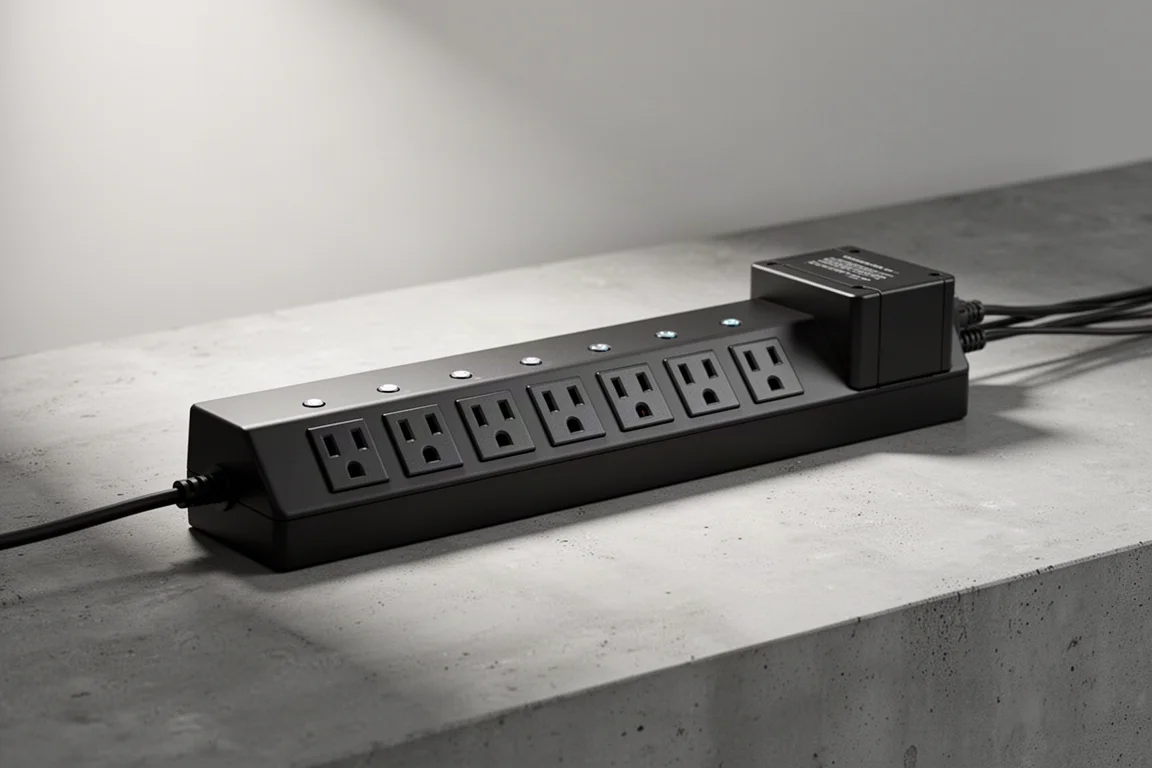
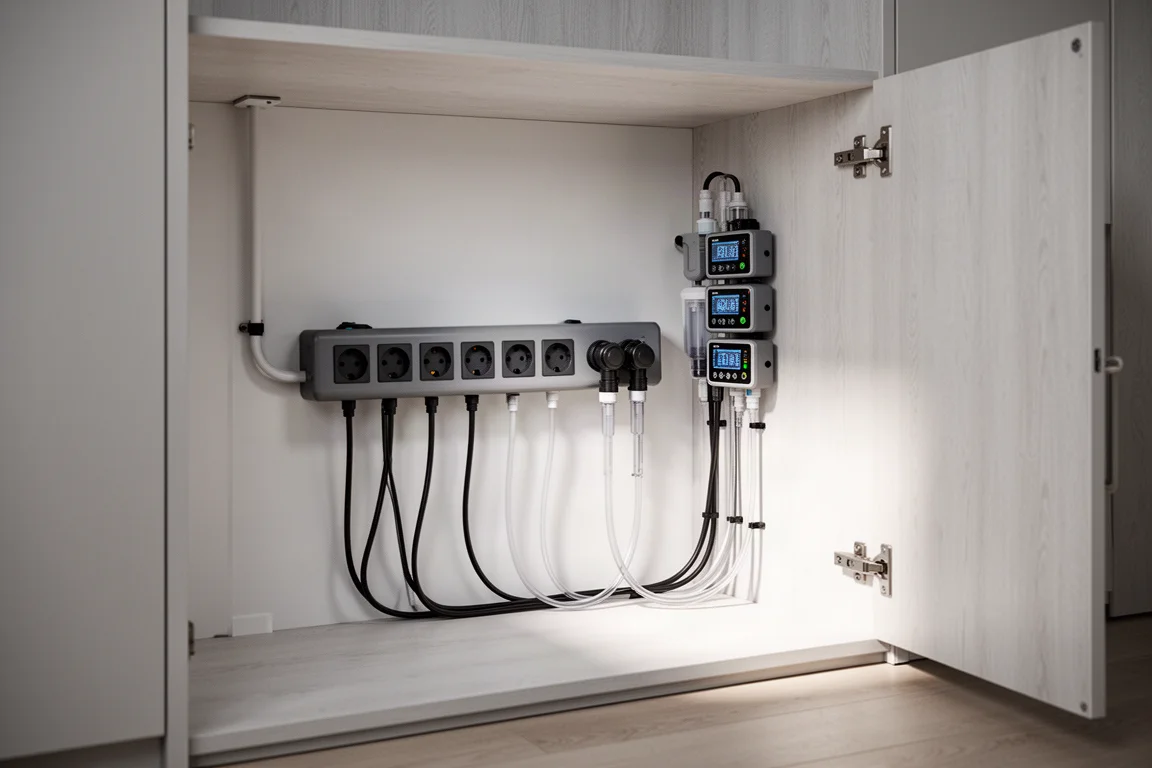
The Neptune Systems Energy Bar 832 is built around that gap. It is an eight-outlet power hub that does considerably more than switch equipment on and off. Each outlet can monitor and detect power draw, and abnormal behaviour can be flagged with an alarm, so a developing issue has a chance to surface before it becomes a tank-wide emergency.
Who the Energy Bar 832 Is For
This is a piece of gear for reef keepers running a real equipment list, not a simple nano setup. If your system carries a return pump, a skimmer, a heater, an auto top off, lighting, powerheads, and a doser, you are already juggling seven or more devices, and each one is a potential point of failure. The Energy Bar 832 is designed for that exact workload, and for hobbyists who would rather learn about a problem from an alert than from a tank full of losses.
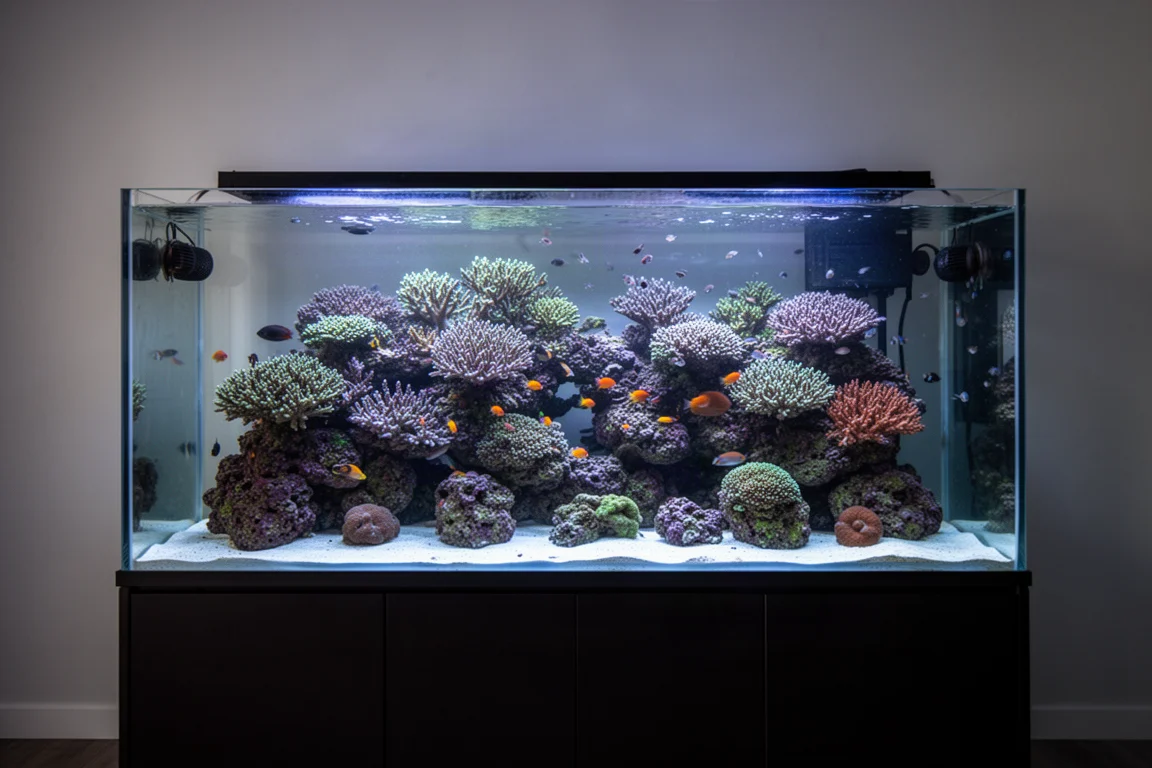
It also suits anyone who dislikes the look of a generic power strip wedged into a cabinet. Because it balances and manages power consumption while concentrating connections in one place, it reduces messy cords and keeps a tank’s equipment more organised.
Main Strengths: Real-Time Monitoring and Alerts
The headline capability is monitoring. Each of the eight outlets can track the power being drawn by whatever is plugged into it, and those readings can be used to trigger alarms when something looks abnormal. That matters because power draw is one of the few signals that changes measurably when equipment begins to fail, and it changes before the visible symptoms appear.
Every outlet also has its own LED showing its status, and those LEDs flash if an outlet is overdriven. For a device like a heater that can leak current or a pump that slowly clogs and draws more power as it struggles, having that information visible and alarmable in real time is the difference between a maintenance task and a loss.
Outlets, Power Handling, and Built-In Ports
The unit provides eight outlets rated at 7 Amps each, which covers a typical reef equipment list with room to plan. The integrated 100-watt, 24-volt power supply is built right in, so the devices that need DC power do not require a separate brick cluttering the cabinet or an extra outlet on the bar.
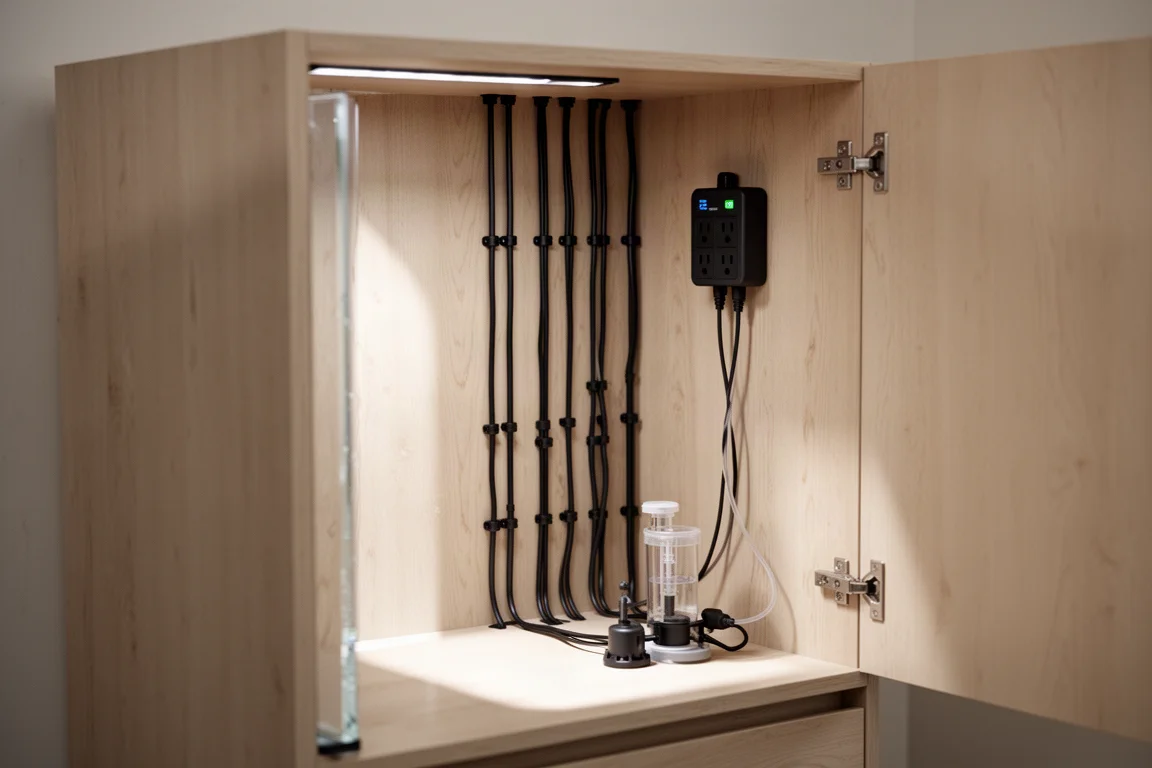
There are three 1LINK ports and two accessory ports on board. Compared with a standard power strip, the result is a hub that is more intelligent and safer, capable of balancing and managing consumption, sending alerts, and saving space while it does so.
Expansion: 1LINK, 24V DC, and AquaBus Connectivity
The extra ports are what turn the Energy Bar into a small ecosystem rather than a power strip. The 1LINK connections power accessories such as pumps, the DOS, or the Trident, all without consuming one of the eight standard outlets. The 24-volt DC accessories cover items like the refugium light, the PMUP, and other solenoids, again leaving the main outlets free for core equipment.
Then there are three AquaBus ports. One ties the bar into the Apex head unit, while the other two allow daisy-chaining of additional Energy Bars, core pumps, or further modules, including the AFS, ATK, FMM, LDK, PM, and DVM. The Skylight can also be brought in when everything is controlled through Fusion. For a growing system, that headroom means fewer workarounds later.
How It Helps Prevent Common Reef Tank Failures
The practical value shows up against the failures reef keepers actually face: clogged pumps, auto top off failures, dosing problems, lighting disruptions, a heater leaking current, temperature swings, power outages, and water leaks. None of these are hypothetical, and most of them announce themselves quietly through a change in power behaviour first. The Energy Bar 832 turns that change into something you can see and act on, which is why it functions as a layer of safety and redundancy rather than just a power source.
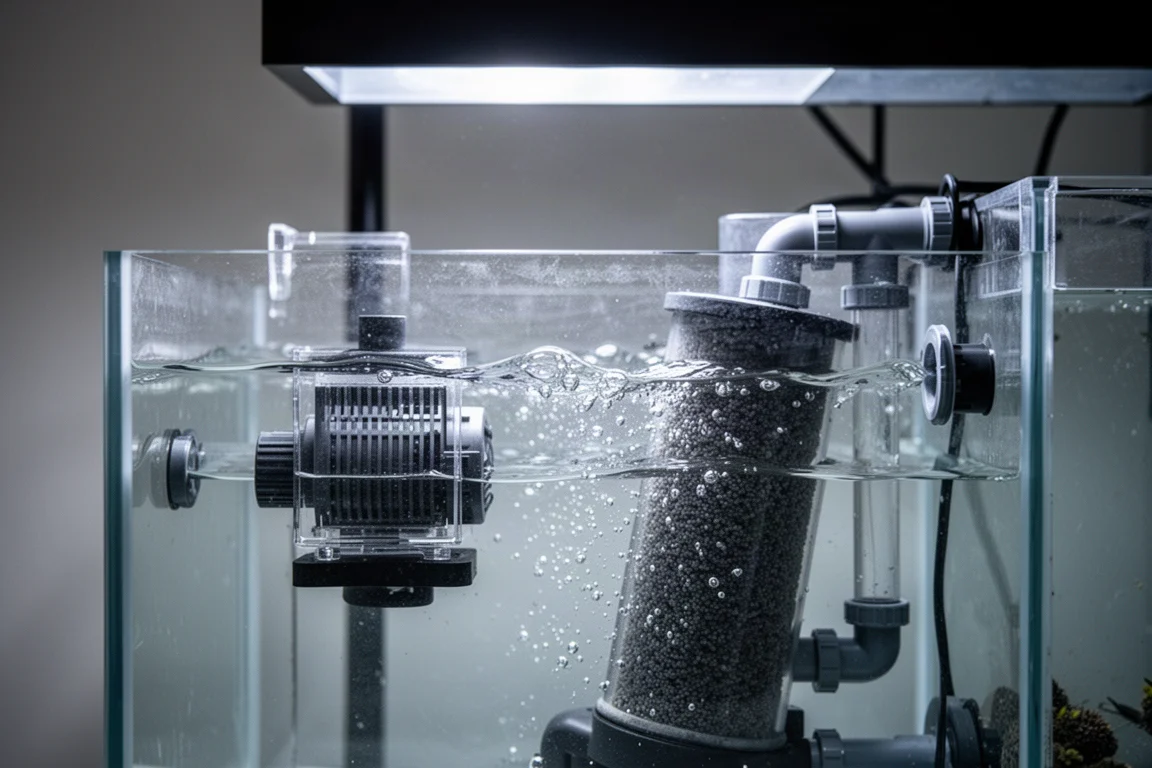
This is also where the equipment list and the monitoring fit together. A return pump that starts drawing more current, a heater whose behaviour shifts, a doser that stops cycling: each is detectable, each can be alarmed, and each is far cheaper to correct early than after it has affected livestock.
Things to Consider Before Buying
The Energy Bar 832 is designed to work as part of the Apex ecosystem, and the AquaBus connection to an Apex head unit is how it integrates with the rest of a system. That means it is not a standalone controller, and if you are starting from nothing, the cost of the bar and the controller together is the real budget to plan around.
It is also worth planning outlet allocation before installation. With eight switched outlets plus the 1LINK, accessory, and DC connections, most setups run comfortably, but larger systems with heavy equipment lists benefit from mapping out which devices go where in advance. That is a few minutes of planning that pays back in a tidier cabinet and clearer alarms.
Buying Advice
If you already run an Apex or ApexEL, the Energy Bar 832 is one of the more sensible additions you can make, because it extends monitoring and protection to every device plugged into it rather than adding another capability you have to learn. For reef keepers with meaningful money invested in corals, fish, and invertebrates, it is a modest cost measured against what a single undetected failure can destroy.
For anyone building a system from scratch, the practical path is to think about the Energy Bar as part of the controller decision rather than an afterthought. The bar and the Apex head unit work together to deliver the monitoring, alarms, and connection options described above, and buying them with that relationship in mind avoids rework later.
Conclusion
The Energy Bar 832 earns its place by doing something a standard power strip cannot: it watches how much power each piece of equipment is using and tells you when something changes. Eight monitored outlets, individual status LEDs, a built-in 100-watt 24-volt supply, and a generous spread of 1LINK, accessory, and AquaBus ports make it a compact, organised centre for a reef system’s equipment. It will not replace routine maintenance, and it is built to live inside the Apex ecosystem, but as an early-warning layer for pumps, heaters, lighting, and dosers, it addresses the failures reef keepers worry about most.
Product link
View more details for Neptune Systems Energy Bar 832
This product is mentioned in the review. Check the specifications, options, and compatibility before buying.
View more details for Neptune Systems Energy Bar 832Further reading
Related Reviews
Aquarium Equipment
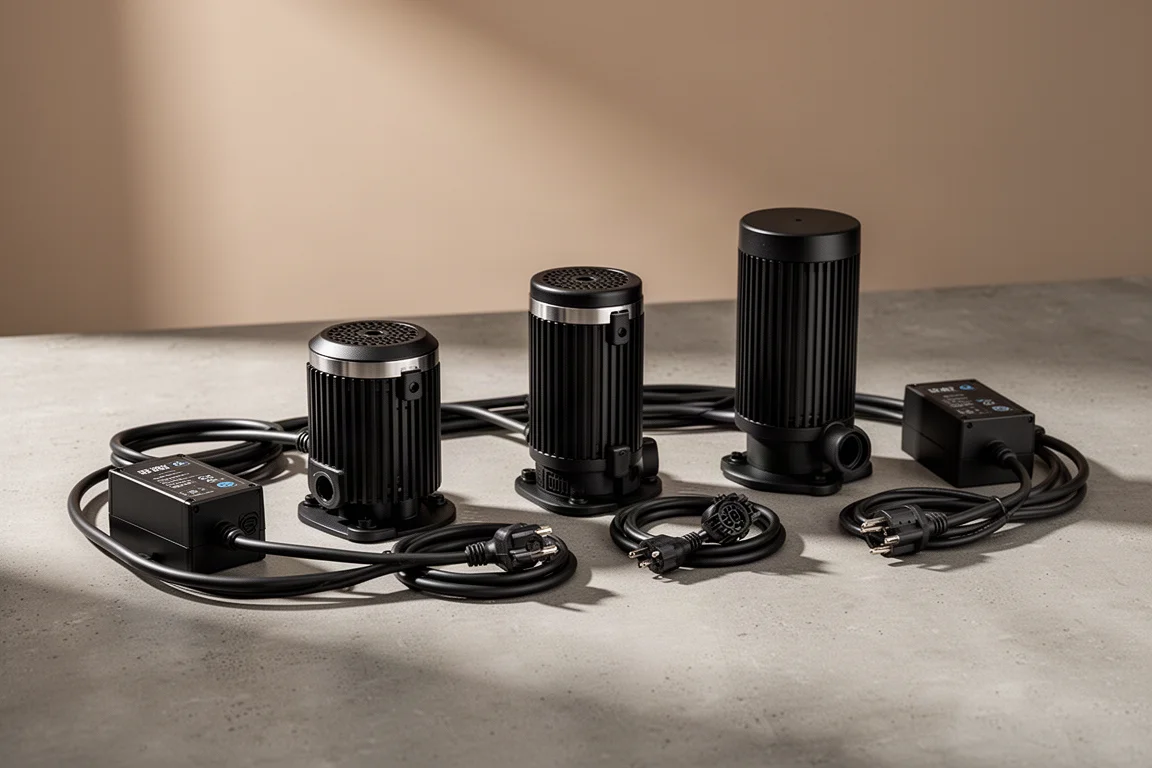
Abyzz Professional DC Pumps: A100, A200, and A400 Reviewed
A closer look at three German-made DC return pumps built for large reef systems, with titanium internals, fine flow control, and a 10-year warranty.
Aquarium Equipment
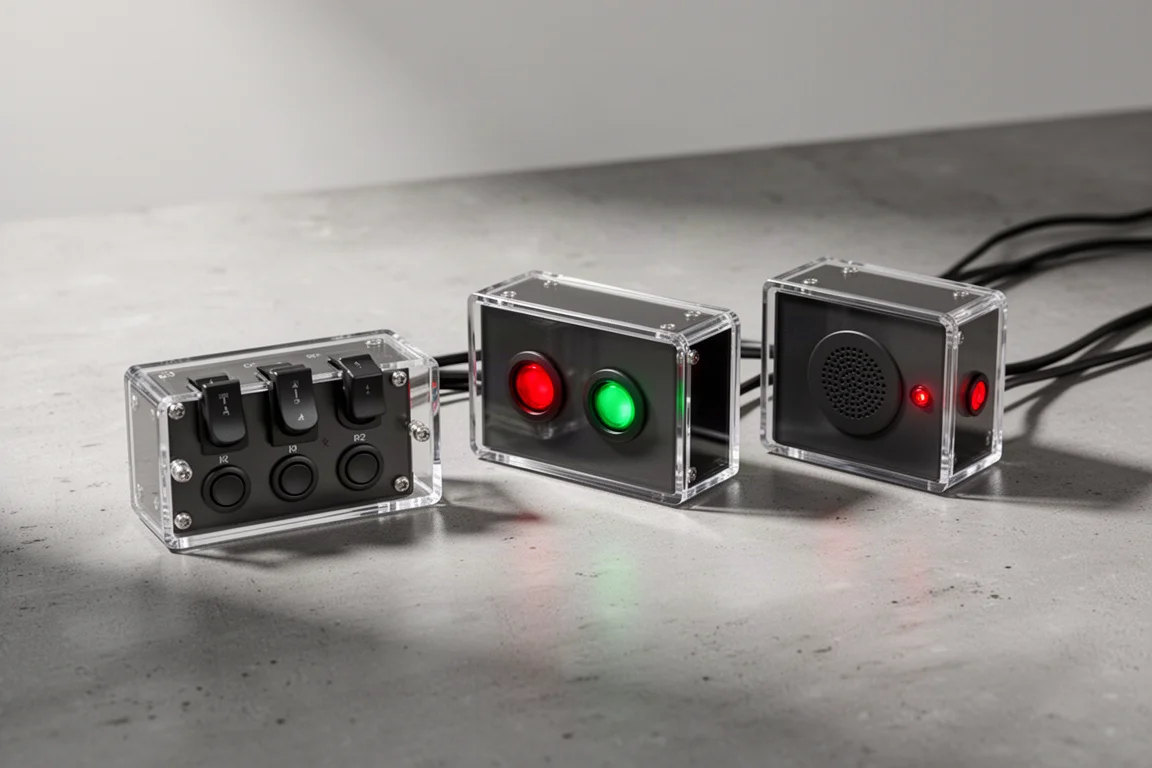
AdaptiveReef Controller Accessories: Three Tactile Upgrades for Your Reef Controller
A practical look at three AdaptiveReef add-ons that put physical switches, at-a-glance status lights, and a loud alarm within arm's reach of your reef tank.
Aquarium Equipment
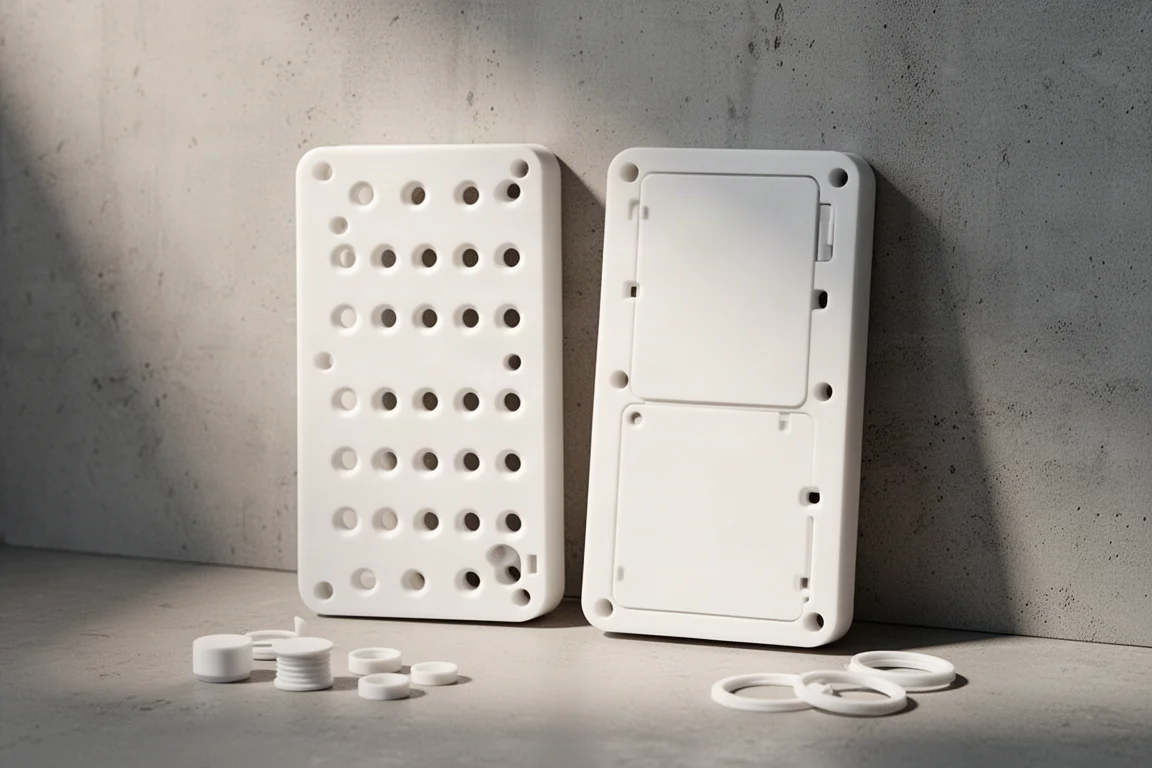
Adaptive Reef Controller Boards: Basic vs Deluxe for Cleaner Aquarium Gear
A practical look at the Adaptive Reef Basic and Deluxe controller boards, what each one includes, and how to choose the right size for your tank gear.