Camping & Backpacking
Nent Li One Tent Review: A One-Person Four-Season Tunnel Tent Built for Harsh Conditions
A spacious four-season solo tunnel tent with two doors, huge vestibules, and heavy-duty construction. Here's what to know before buying.
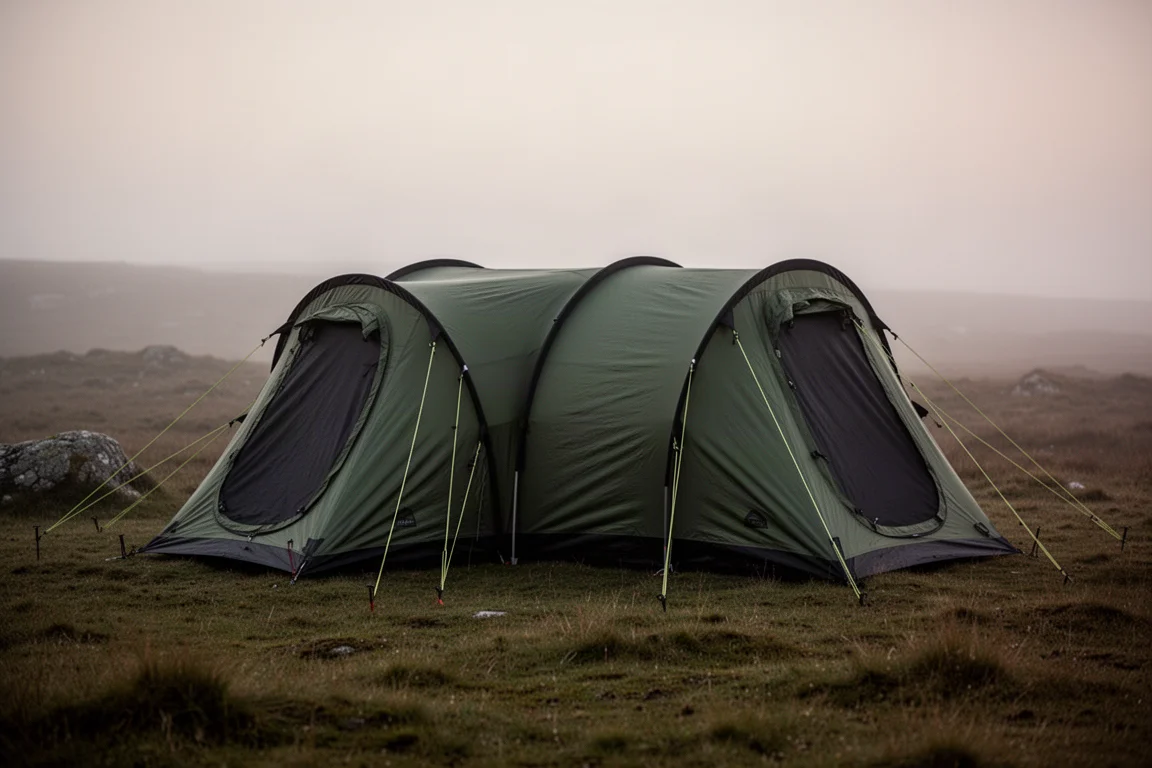
Introduction
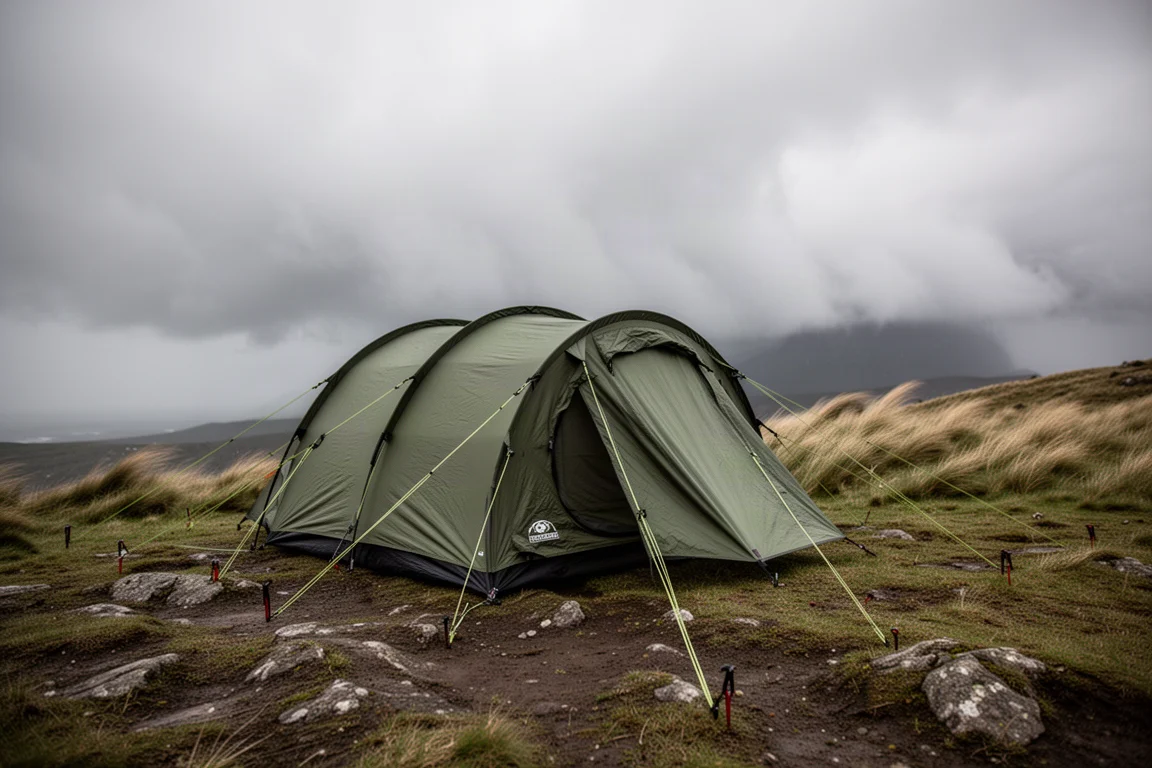
The Nent Li One is a 2024 four-season tunnel tent designed for one person, and it takes an unusual approach: instead of shaving grams, it leans hard into space, flexibility, and storm-worthy construction. It has two doors, 22 pegs, a generous supply of guy lines, 9.5 mm poles, and a build quality that suggests it is meant to shrug off genuinely bad weather.
The question worth asking is whether you can have too much of a good thing. This initial look covers what you get, how it pitches, and where it fits in a solo backpacking setup.
What’s in the Bag
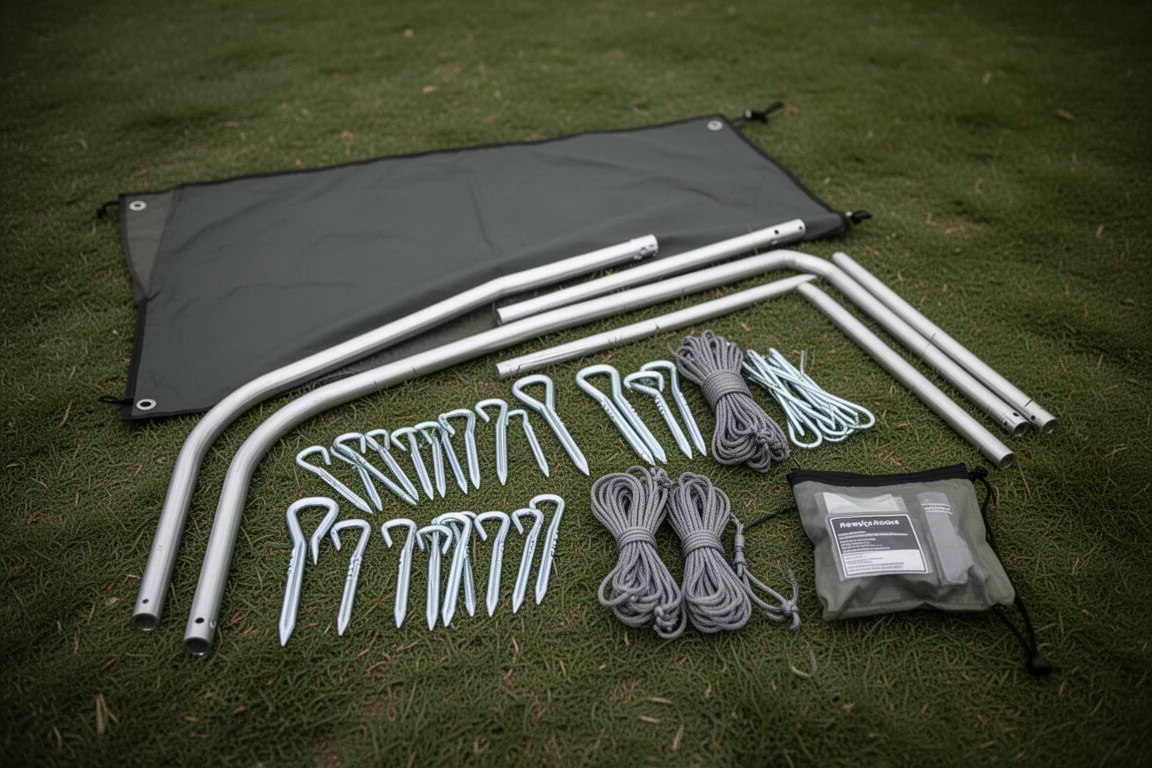
The tent pitches as one piece, with the inner and outer connected. Alongside it you get two 9.5 mm aluminium poles, a small repair kit, spare guy lines and elastic, fabric samples with glue for patches, and instructions. There are also 22 pegs, and you can choose between small, medium, and large stake options, all of which performed well in testing.
An optional footprint is available at £35, weighing 498g. Unlike the tent body footprint, it also covers both vestibules, which adds protection under the areas you will most likely be loading gear.
Pitching the Nent Li One
The tent measures roughly 230cm wide by 240cm long, with the doors positioned at the long ends. One door has two entrances, so orientation is worth checking before you commit. Setup follows classic tunnel tent logic: lay the inner and outer over the footprint, thread the poles through full-length sleeves, and peg down both sides before pulling the tent taut.
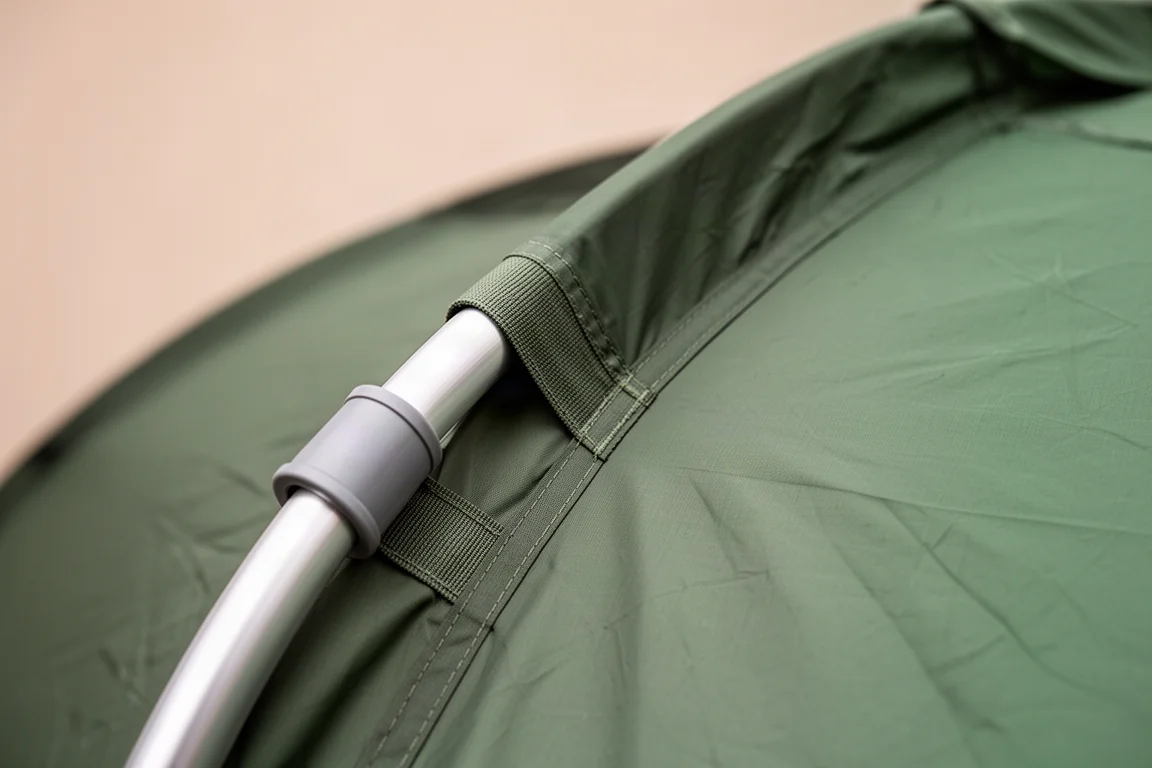
The pole sleeves run all the way through the tent and can be double-poled, meaning you can add a second set of 9.5 mm poles for extra strength. Initial pitching is quick, though like most tunnel tents it needs fine tuning around the guy points to reach a properly taut finish.
Doors and Vestibules
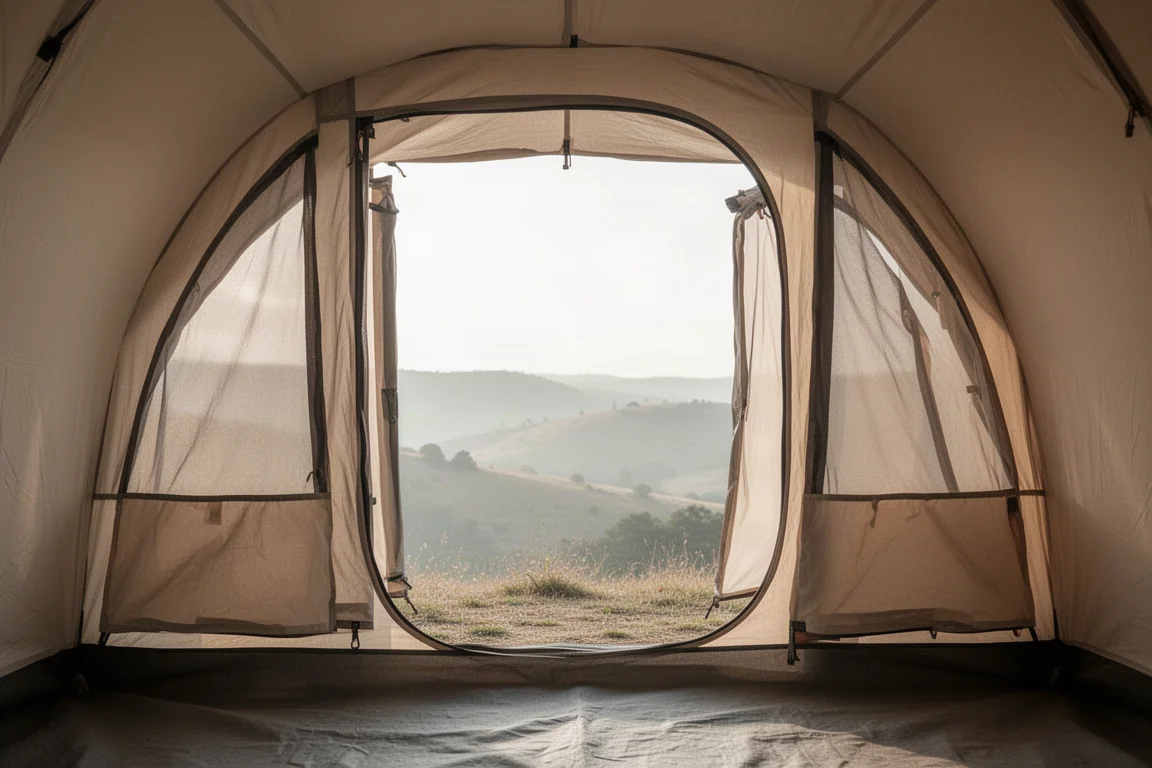
This is where the Nent Li One separates itself from most solo tents. One end features a large side entrance in addition to the front door, so you can open the front door, the side door, or both at once for a bright, airy space ideal for sitting up and enjoying the view. The opposite end has another full door and vestibule.
Both doors switch between solid fabric, see-through mesh, or a combination, and there are vents above the doors that allow airflow even in rain without water ingress. The vestibules are enormous at roughly 90cm wide by 220cm long each, easily large enough to keep wet gear and boots on one side while cooking or storing belongings on the other.
Interior Space and Features
Inside, the sleeping area measures roughly 210cm long, 80cm wide, and 100cm tall. There is room for a long, wide sleeping pad plus belongings without feeling cramped, and the width above head and shoulder height is generous for a one-person tent.
Practical touches are everywhere: pockets in each corner, two hanging lines, two tabs for lantern hooks, glow-in-the-dark pullers, storm flaps, and elasticated guy storage. The massive main door can be stowed into one of four interior pockets for full access. The mesh linings are particularly useful in a four-season context for drying wet hats, gloves, or airing socks.
Build Quality and Storm-Worthiness
The fly is a 30D silnylon fabric with a 3,000mm hydrostatic head, while the bathtub floor is a thicker 70D silnylon rated at 10,000mm. Reinforced patches appear on all guy points, with seven guy points on each side. Combined with the 9.5 mm poles and the option to double-pole, the overall impression is of a genuinely robust tent intended for snow, freezing conditions, and strong winds.
One small criticism: the footprint attaches with elastic rather than a clip-in system, which would have been more convenient.
Weight and Winter Credentials
Here is the trade-off. The label states 2.65kg, but on scales the complete tent, including poles, pegs, repair kit, and bags, weighs 3.12kg. Add the 495g footprint and you are at approximately 3.6kg all-in. Double-pole it and you are well over 4kg.
That weight positions this as a deep winter tent for genuinely harsh conditions rather than a weight-conscious three-season shelter. If your trips involve snow loading, freezing temperatures, or sustained high winds, the extra mass buys real security and space. For fast-and-light summer trips, it will feel excessive.
Buying Advice
The Nent Li One makes sense for solo campers who prioritise weather security and living space over pack weight. It is well suited to winter camping, exposed campsites, and basecamp-style trips where the huge dual vestibules earn their keep. If you mostly do lightweight summer trekking, the honest 3.12kg real-world weight is the number to weigh against your priorities.
It is also reassuring that the brand now supplies 9.5 mm poles across its tent range, addressing the pole concerns a small number of earlier users reported.
Conclusion
The Nent Li One is a beautifully made, exceptionally spacious four-season tunnel tent with clever doors, huge vestibules, and serious storm credentials. Its main compromise is weight, and that is a deliberate one. For harsh-condition solo camping, it looks like a very strong choice.
Product link
View more details for Nent Li One Tent
This product is mentioned in the review. Check the specifications, options, and compatibility before buying.
View more details for Nent Li One TentFurther reading
Related Reviews
Camping & Backpacking
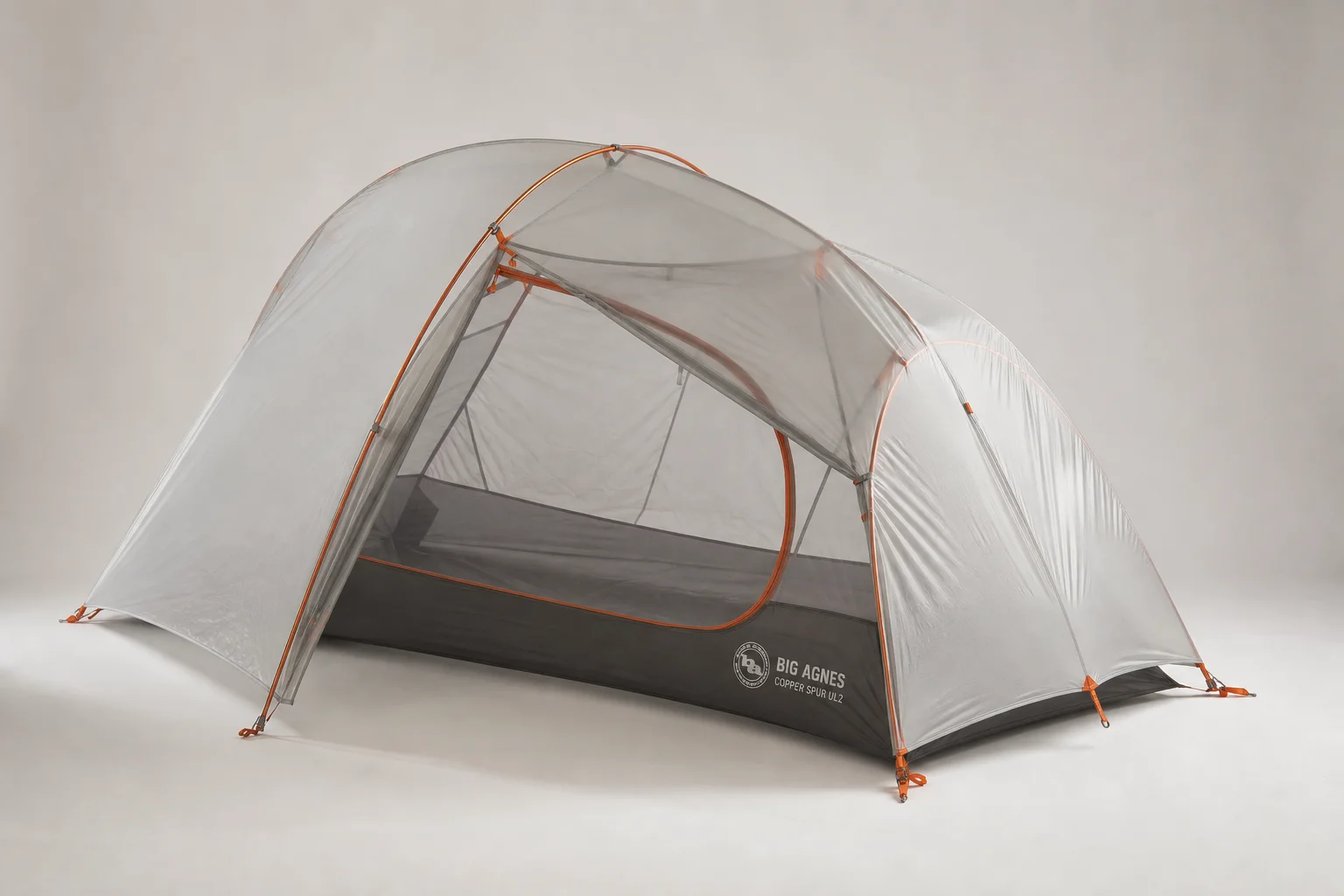
Big Agnes Copper Spur Ultralight Tent Review: Lightweight Backpacking Shelter with Impressive Setup Speed
The Big Agnes Copper Spur UL combines ultralight weight, spacious interior, and remarkably fast setup. A practical choice for backpackers and bikepacking enthusiasts seeking comfort without bulk.

Backpacking Gear
Building a 10 lb Base Weight: An Ultralight Backpacking Gear List
A practical walkthrough of the ultralight pieces behind a 10 lb base weight, from a 765 g pack and a roomy one-person tent to a full camp chair and a dependable water filter.
Backpacking Gear
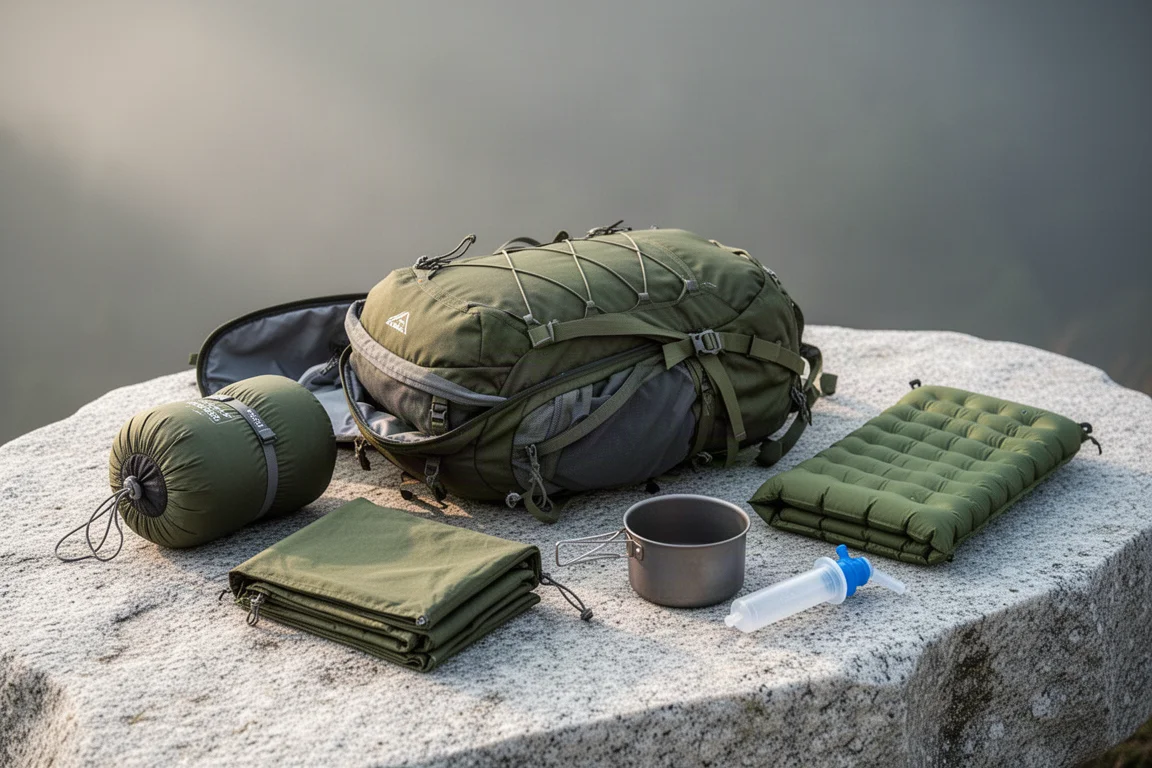
A 15-Pound Lightweight Backpacking Gear List for Solo Trips
A beginner-friendly 15-pound backpacking setup built from easy-to-find gear, with notes on what each piece does, how it packs, and where to spend your attention.