Backpacking Chairs
NEMO Moonlite Elite vs Helinox Chair Zero: Two Ultralight Backpacking Chairs Compared
A close look at the NEMO Moonlite Elite and the Helinox Chair Zero, two ultralight backpacking chairs with different ideas about comfort, weight and price.
Introduction
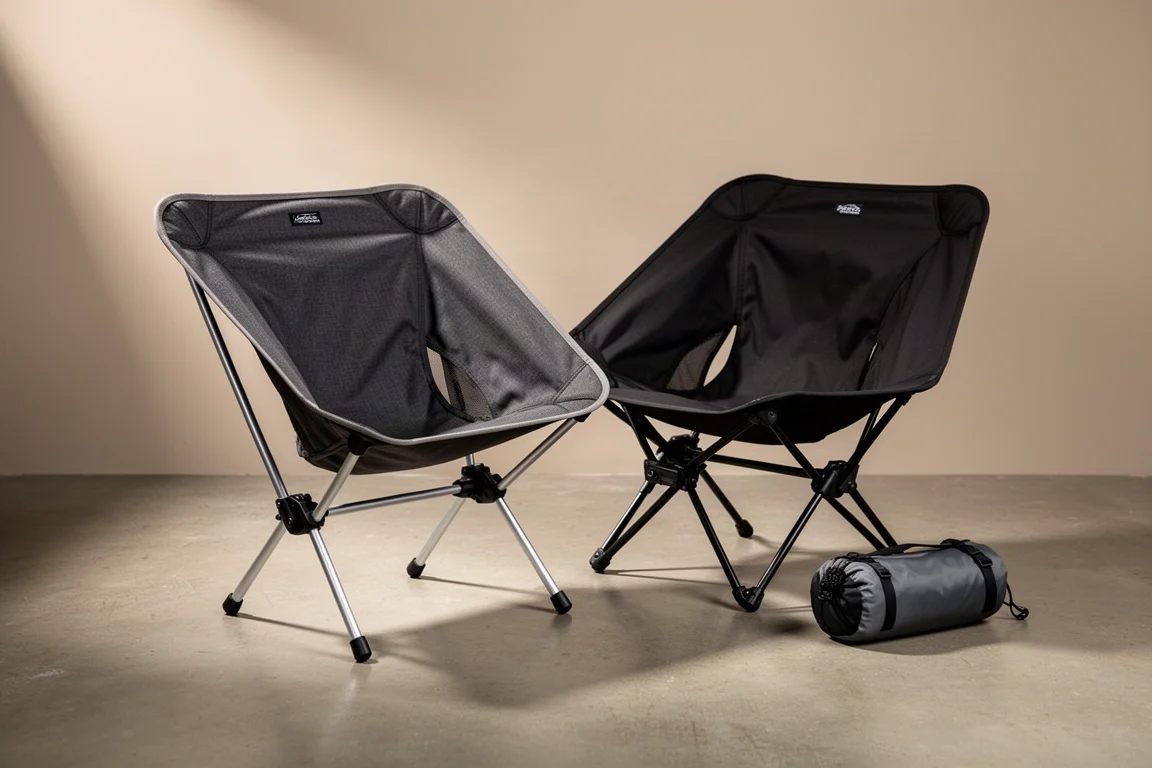
A comfortable seat at camp is one of those small luxuries that quietly changes a trip. The problem has always been weight. The Helinox Chair Zero solved that problem well enough that it became the chair most backpackers defaulted to, and for a long stretch nothing else came close. The NEMO Moonlite Elite is the first chair in a while that looks genuinely aimed at the same slot in a pack.
This is not a full head to head test. It is a closer look at what the Moonlite Elite does differently, where the Chair Zero still holds its ground, and which one is likely to suit the way you actually camp.
What Matters Most in an Ultralight Chair
Four things decide whether a backpacking chair earns a place in your pack. Packed weight and packed size come first, because a chair that is annoying to carry stays home. Then comes seated comfort, which is about support and seat height rather than padding. Ground contact matters more than people expect, since thin legs sink into soft soil, which is exactly why leg pads exist. Finally there is price and what actually comes in the box.
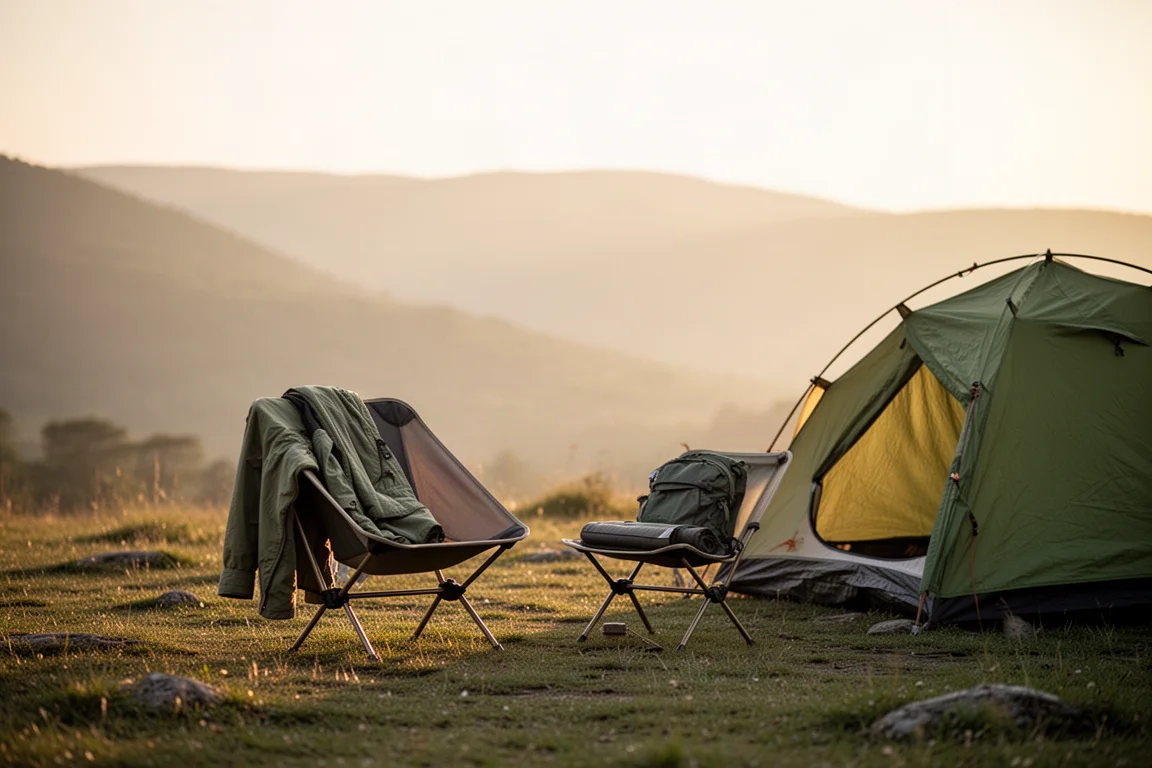
Support is the harder quality to judge from a spec sheet. A chair can be light and still feel unstable, and a chair can feel stable while pressing into your sides in a way that only shows up after an hour of sitting. Seat height changes the experience too, because a higher seat shifts where your weight rests.
NEMO Moonlite Elite: The New Contender
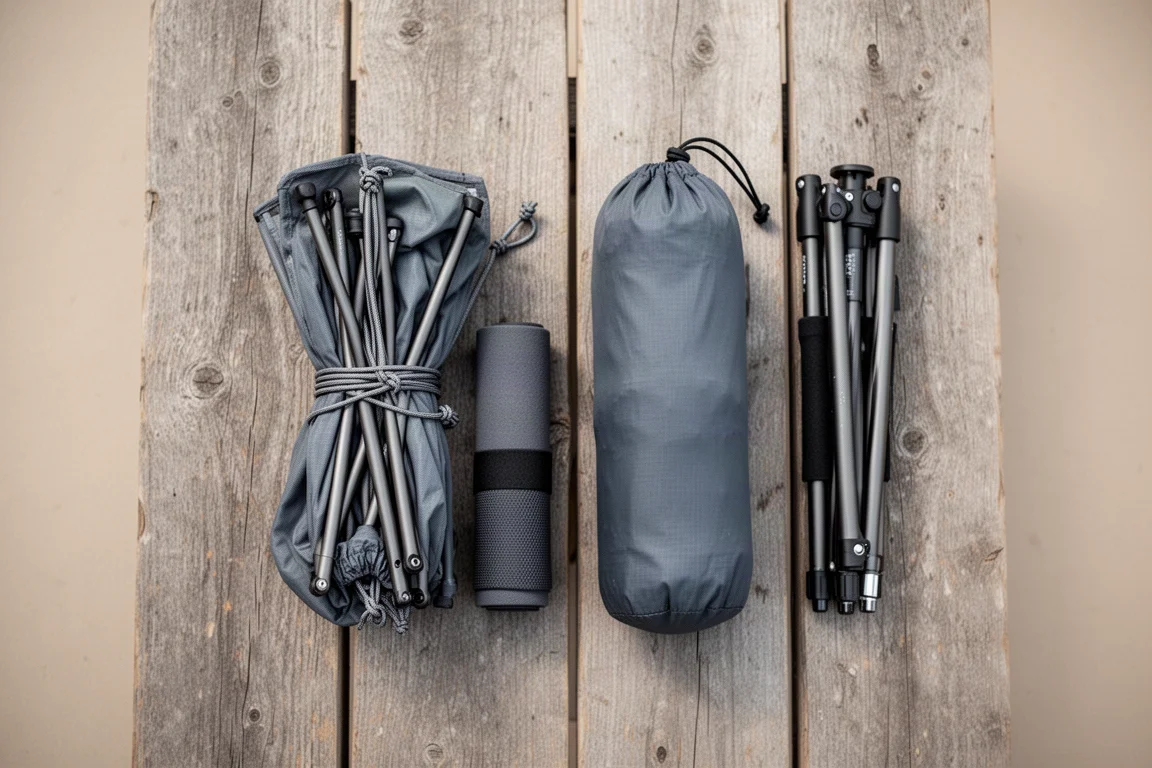
The Moonlite Elite arrives in a carry case with a buckle, and that case is more useful than it first appears. It wraps around the packed chair, and it also doubles as a pad that slides into the chair legs so they do not sink into mud. That pad adds roughly 3.5 ounces, so it is worth deciding in advance whether your trips call for it.
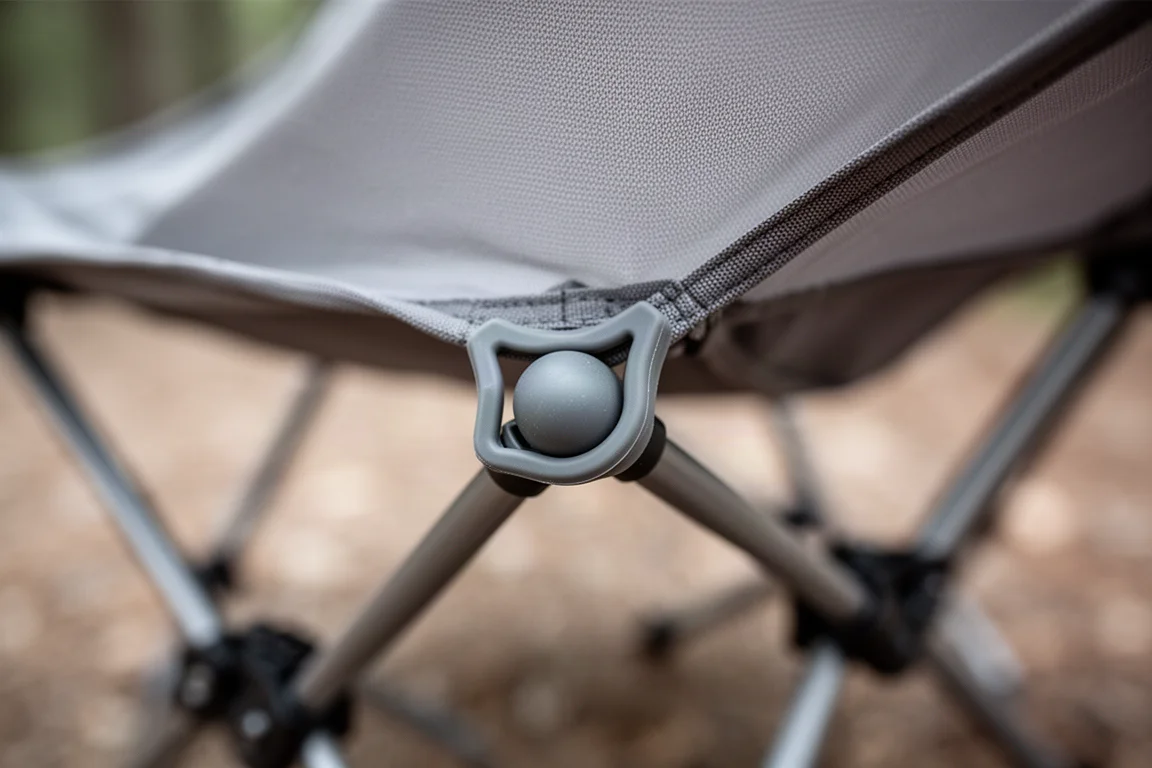
The frame assembles the way most chairs in this class do, with shock-corded poles that snap together. What sets this one apart is the corner hardware: molded rubbery plastic joints that clip onto a small ball at each corner of the seat.
Setup, Corners, and Recline
Those corner joints are also where the chair’s orientation matters. The seat has a grey side and a darker side, and the grey corners belong on the grey bottom. A small tag marked “bottom” removes the guesswork. This is not a cosmetic detail. An early prototype without the tag was assembled upside down and failed under load, which is why the tag now exists.
The suspension cords are made from DCF and a second material, and they feel substantial rather than delicate. The chair is rated to hold about 250 pounds. The backrest reclines: squeeze the adjuster and slide it up or down to change the angle, which effectively gives you an upright eating position and a laid-back camp position from the same chair.
In use, the seat feels more supportive than the Chair Zero, and it feels taller, with the fabric sitting higher around the body rather than hugging the sides.
Helinox Chair Zero: The Proven Standard
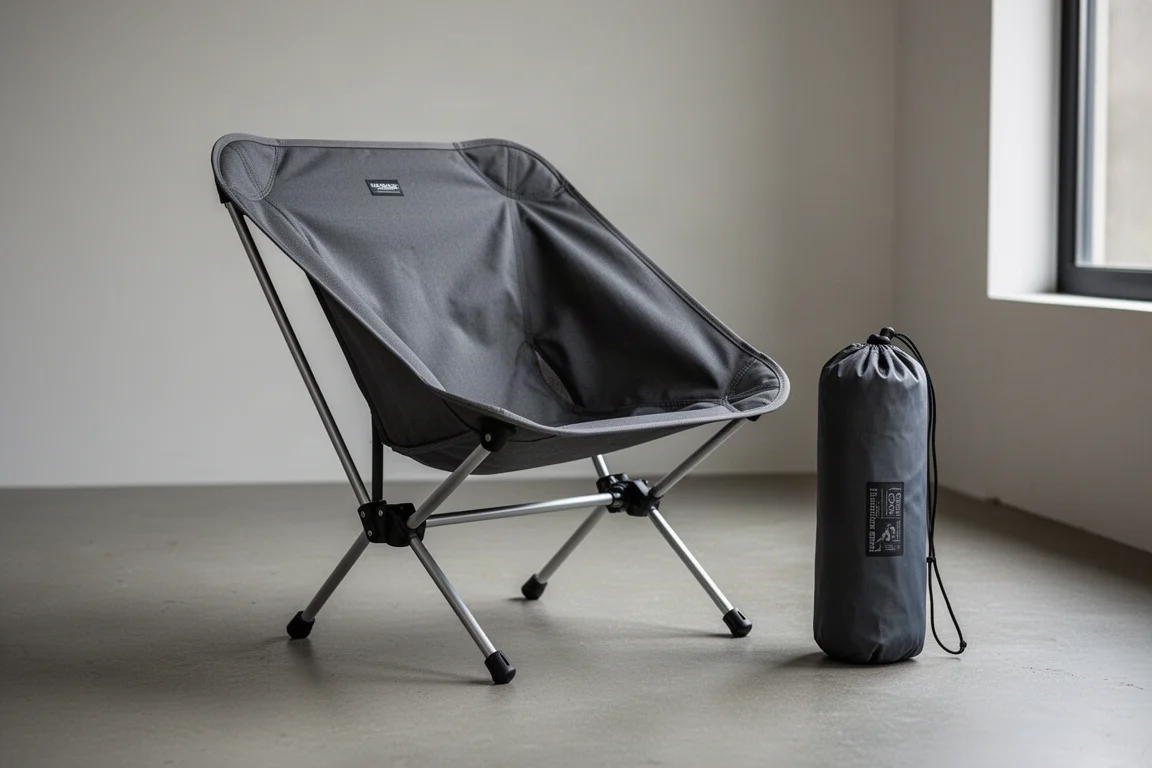
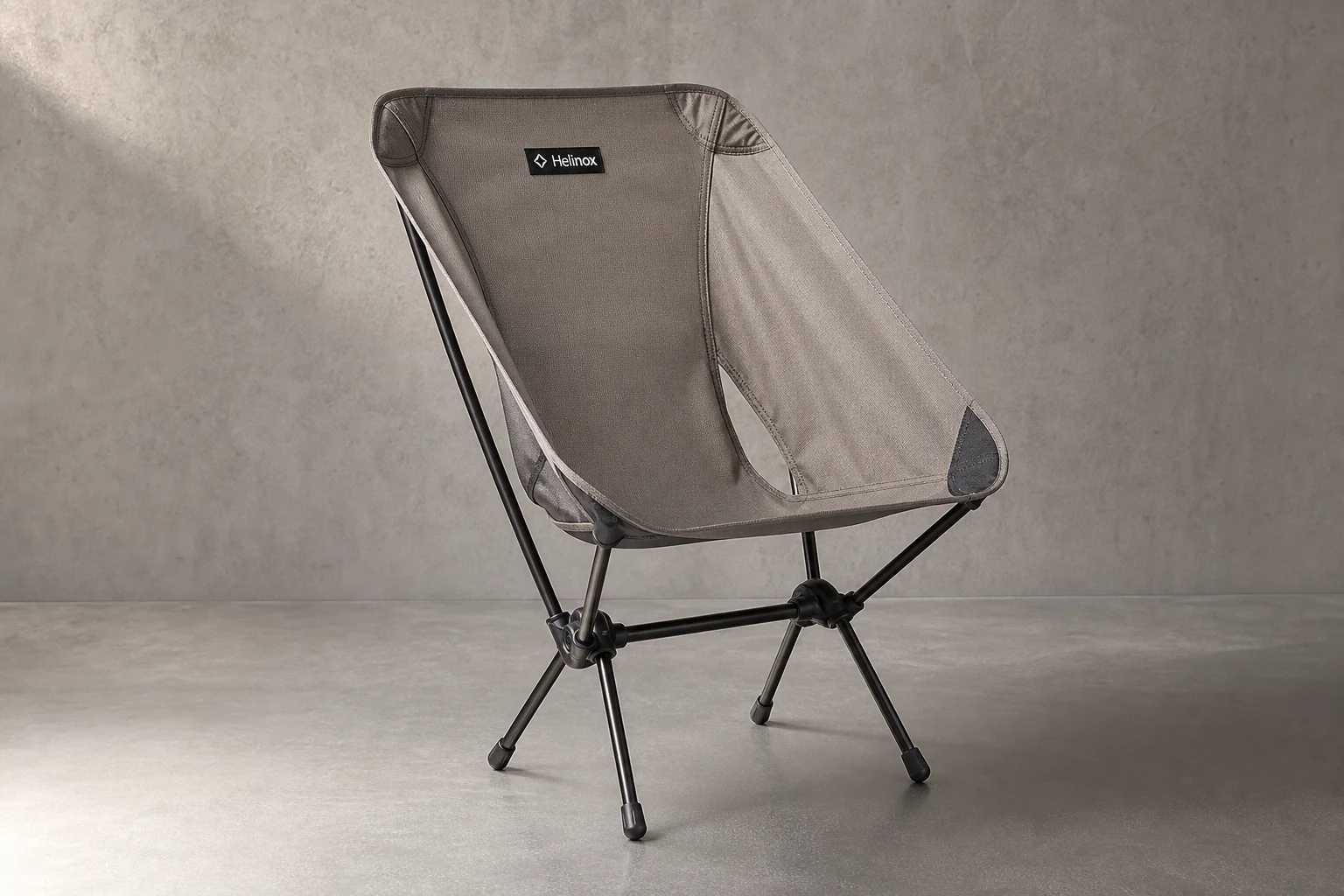
The Chair Zero has been around long enough that plenty of backpackers have never used anything else. It packs into a stuff sack, and it can also be bundled with a rubber band or a short bungee if you would rather leave the sack at home. It is the lighter of the two chairs, and it remains a genuinely comfortable seat for its weight.
Where the Chair Zero Still Wins
Weight and price are the two clear areas. The Chair Zero is lighter, and at $150 it costs less than the Moonlite Elite at $180. It has also proven itself over years of hard use, including the kind of damage that would have retired lesser gear. A pad for soft ground is sold separately, and that adds both cost and a small amount of pack weight.
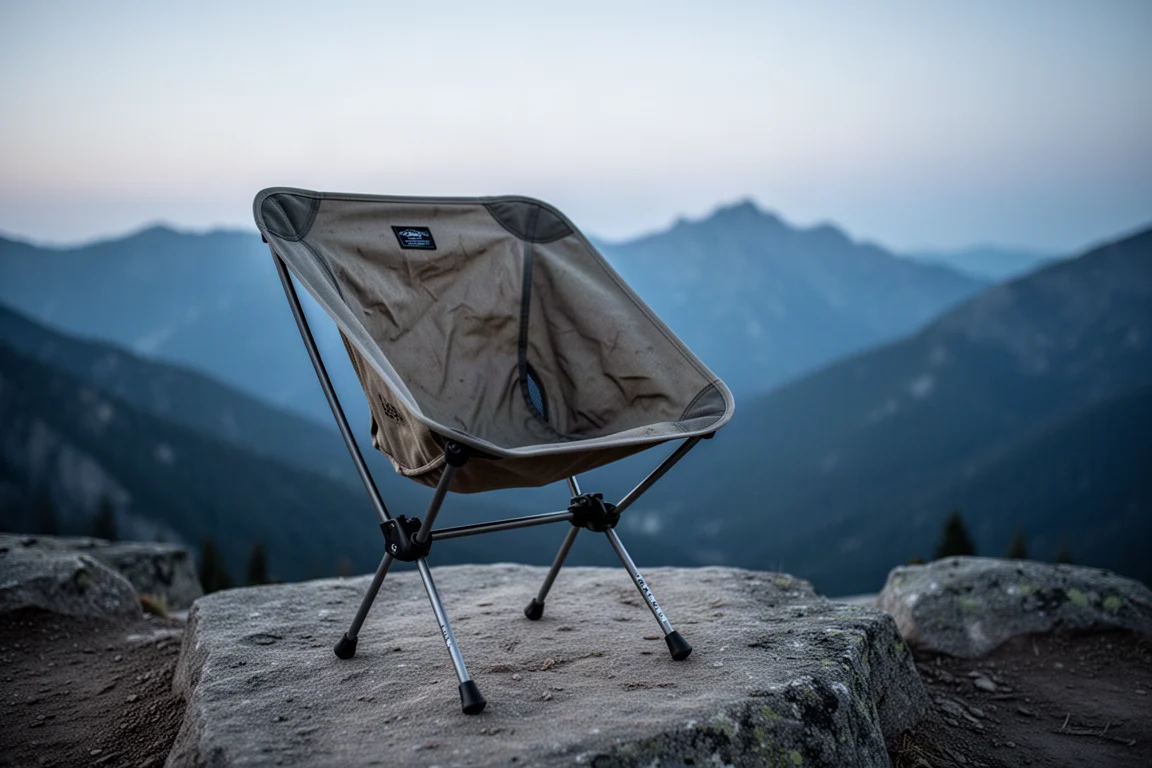
The trade-off is support. The seat hugs the sides, which some larger users find uncomfortable, and it does not offer the reclining backrest or the integrated ground pad that the Moonlite Elite includes.
Weight, Packability, and Price
The gap between the two chairs narrows once you decide what to carry. Without the case, the Moonlite Elite lands close to the Chair Zero’s packed weight, so the difference is mostly a question of whether you want the pad along. Bring the pad and you carry a little more. Leave it behind on dry ground and the two chairs are near enough that weight stops being the deciding factor.
Price follows a similar pattern. The Chair Zero is $150, and a separate pad adds to that. The Moonlite Elite is $180 and includes the case and the pad in one package. At the time of writing it is an REI exclusive, with wider availability expected later, and it is offered in more than one color.
Buying Advice
Choose the Chair Zero if lowest weight and lowest cost matter most, and if you are comfortable with a seat that hugs the sides. It is a well-proven design that has survived years of use, and for many backpackers it will still be the right answer.
Choose the Moonlite Elite if you want more support, a higher seat, and a reclining backrest, and if you like the idea of a case that doubles as a leg pad for muddy ground. The extra ounces buy comfort that shows up over a long evening at camp.
Whichever way you lean, sit in the chair before committing if you can. Comfort in this category is personal, and the difference between a supportive seat and a snug one is much easier to feel than to read about.
Conclusion
The Chair Zero earned its reputation, and it has not stopped being a good chair. The Moonlite Elite simply asks a different question: what if the lightest option is not the most comfortable one? For backpackers who value support and adjustability at camp and are willing to carry a few extra ounces, it is a convincing alternative. For everyone else, the long-standing favorite still makes sense.
Further reading
Related Reviews
Backpacking Chairs
Get Out Gear Trek Chair vs Helinox Chair Zero: Which Backpacking Chair Is Worth the Weight?
A three-way comparison of the Get Out Gear Trek Chair, the Helinox Chair Zero, and the Chair Zero High-Back, covering weight, comfort, setup, durability, and value.
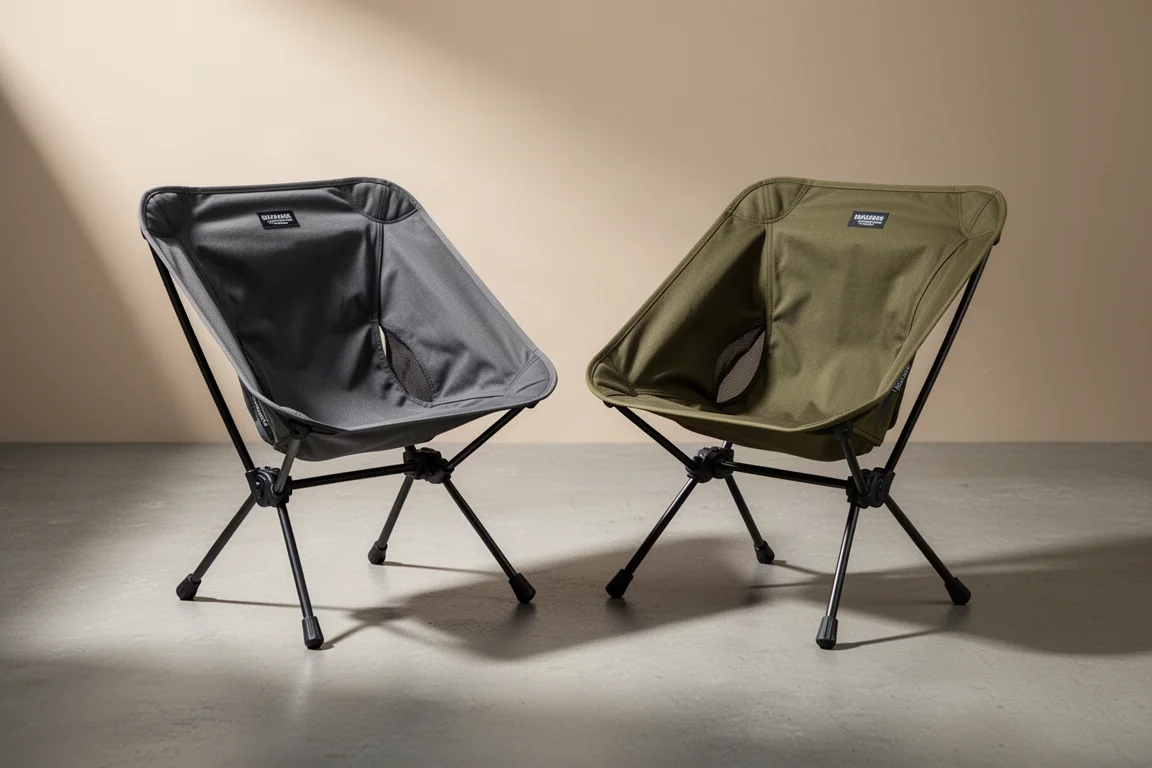
Backpacking Chairs
Helinox Chair vs REI Co-op Flexlite Air Chair: Two Lightweight Backpacking Chairs Compared
Two one-pound backpacking chairs share the same aluminum frame material, but they differ in seating posture, upfront price, and how much the replacement seat fabric costs.
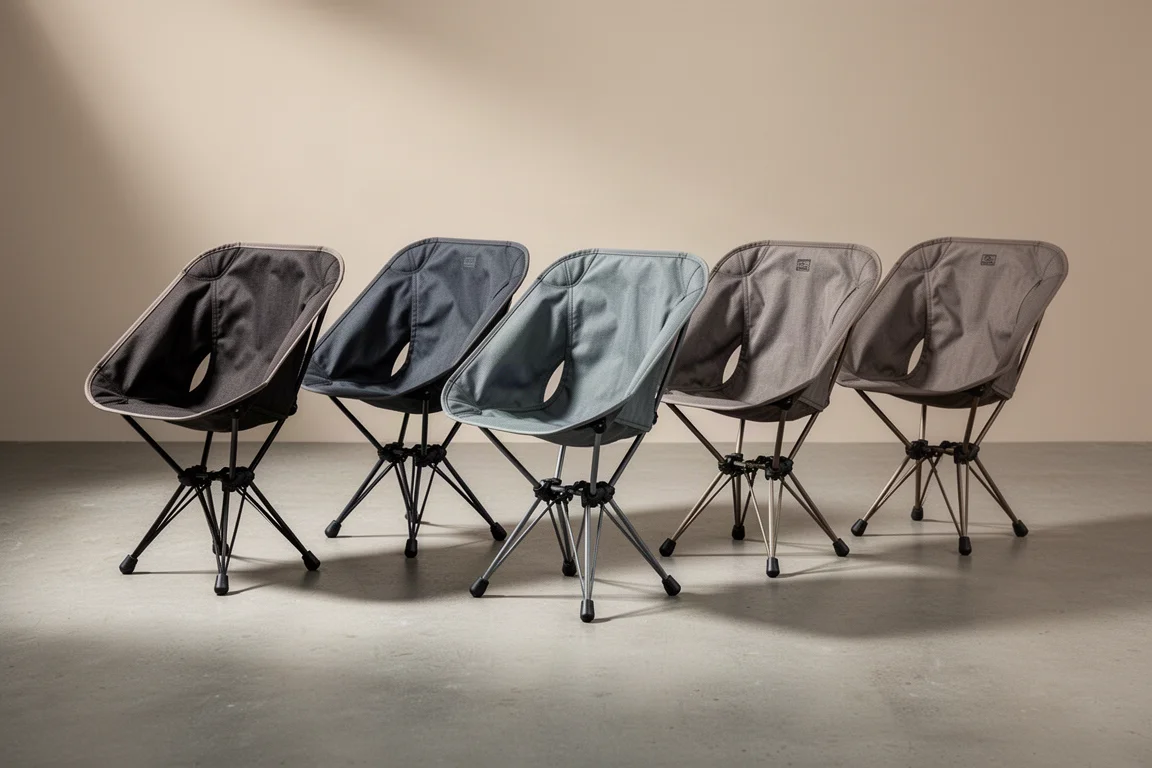
Backpacking Chairs
Best Backpacking Chairs Compared: Five Ultralight Options From Budget to Premium
A practical comparison of five folding ultralight backpacking chairs, from a $50 budget lounger to a $180 feature-rich option, with clear comfort, weight, and price trade-offs.