Backpacking Chairs
Helinox Chair vs REI Co-op Flexlite Air Chair: Two Lightweight Backpacking Chairs Compared
Two one-pound backpacking chairs share the same aluminum frame material, but they differ in seating posture, upfront price, and how much the replacement seat fabric costs.
Introduction
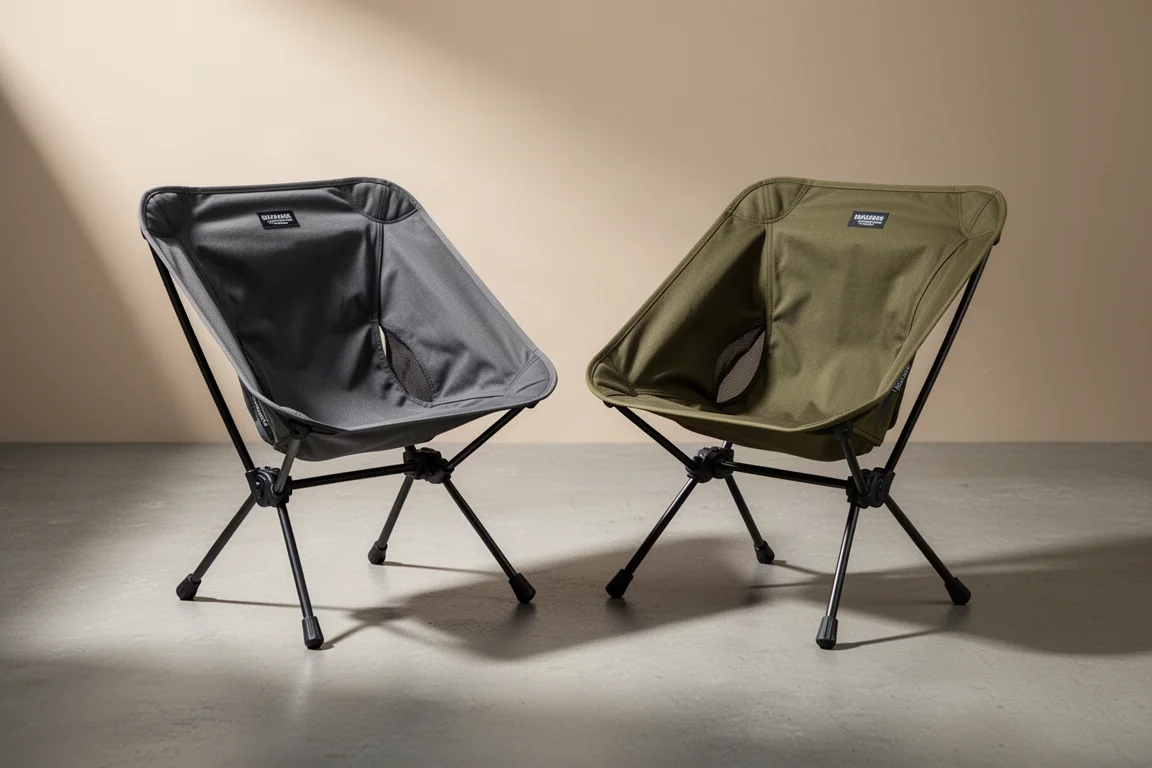
A backpacking chair is one of those items that divides hikers. It adds roughly a pound and a few extra inches to a pack, and in return it gives you somewhere proper to sit at the end of a day, which beats folding yourself into a hammock or balancing on a log. It also lets you sit next to a fire. Two chairs dominate this small category: the Helinox Chair and the REI Co-op Flexlite Air Chair. Both use an aluminum frame, both weigh around a pound, and both are built for the same job. The differences come down to how they position your body and what they cost to own.
How These Two Chairs Compare
Both chairs share the essentials: an aluminum frame, a taut fabric seat, and a packed weight in the region of one pound. They are light enough that the comfort they add is usually worth the space they take up in a pack.
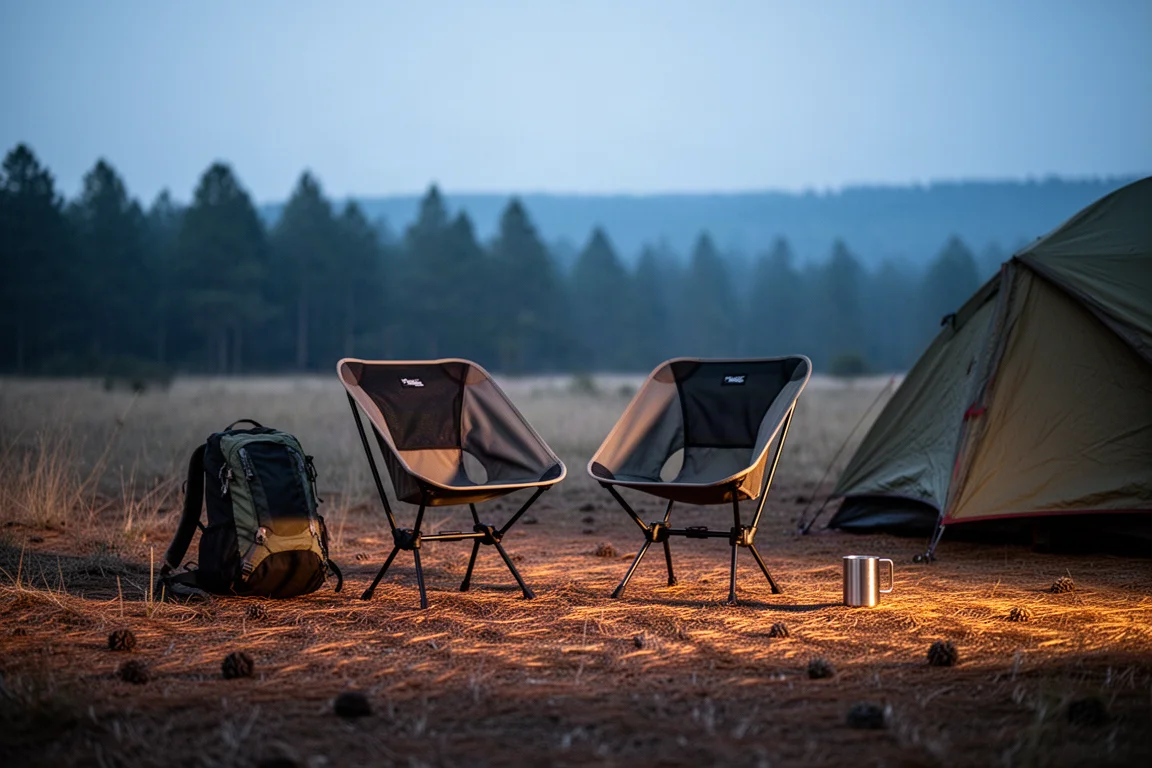
What separates them is the geometry of the legs, the posture that geometry produces, the upfront price, and how much a replacement seat fabric costs once the original wears out. Those four points matter more than the headline weight, because both chairs land in the same weight class. A buyer choosing between them is really choosing between an upright sit and a reclined one, and between two quite different long-term cost profiles.
Helinox Chair: The Original One-Pound Camp Chair
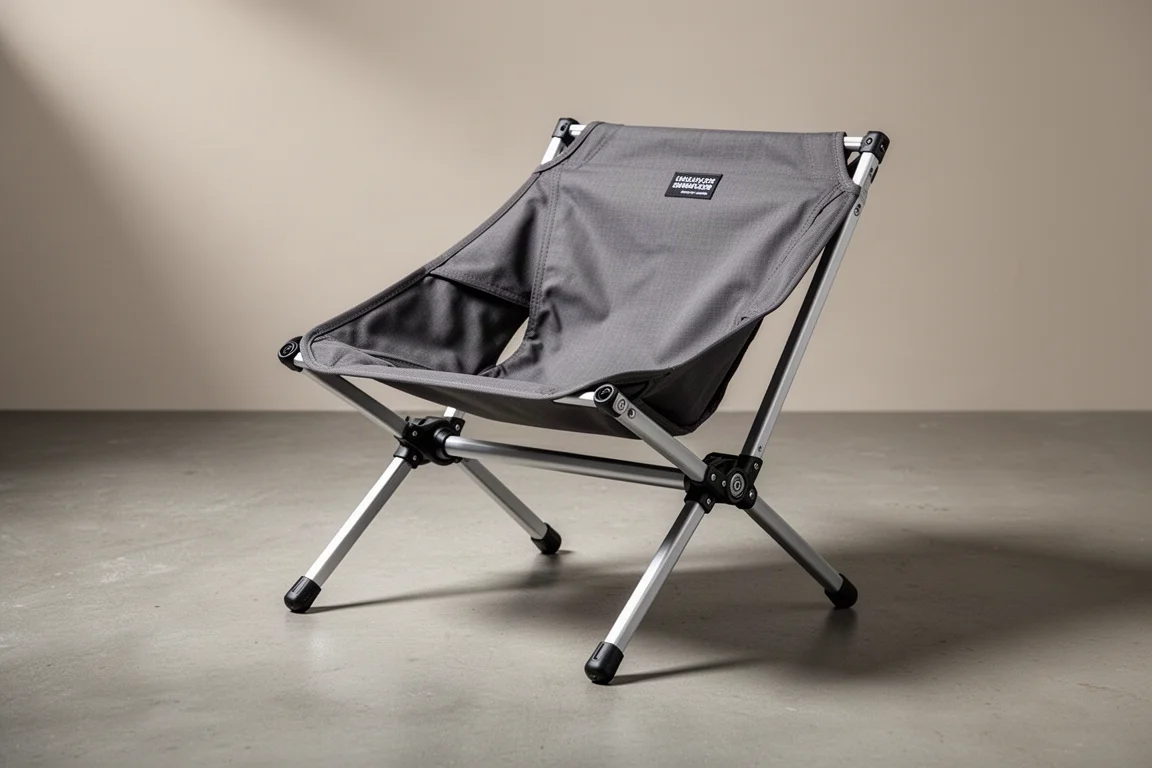
The Helinox Chair was a breakthrough product when it arrived, and it collected a stack of awards for it. It uses an aluminum frame, weighs about a pound, and has a reputation for being both comfortable and sturdy. Its legs extend toward the front of the chair, which produces a more upright and more rigid seating position.
That firm posture suits anyone who wants to sit up straight at camp, whether that means eating, reading, or sorting gear. The trade-off sits in the running costs. A replacement seat fabric runs about $50, and the chair itself is priced at around $150.
REI Co-op Flexlite Air Chair: A Laid-Back Alternative
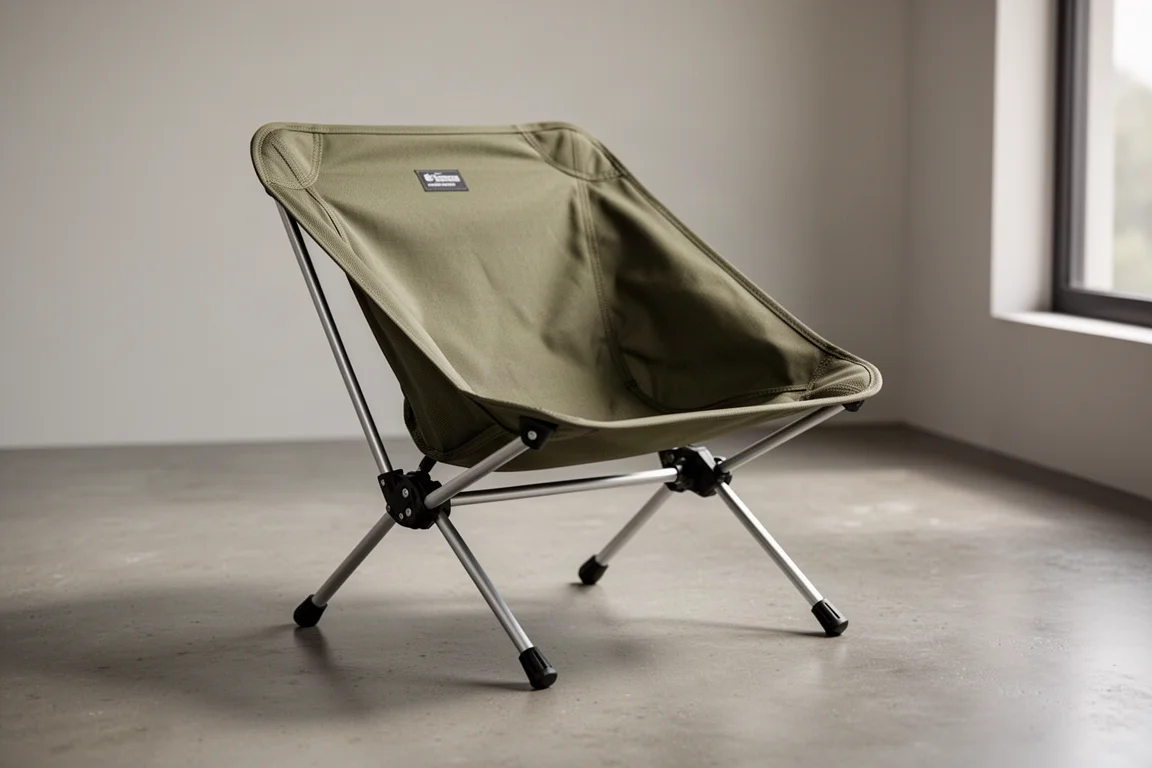
The REI Co-op Flexlite Air Chair uses the same aluminum frame material and a similar overall weight, but its legs splay out to the sides rather than toward the front. The result is a noticeably more relaxed, laid-back seat. It feels closer to a lounge chair than the Helinox does, leaning you back rather than sitting you up.
It is also the cheaper chair by a wide margin. The Flexlite Air is priced at around $100, and during a seasonal sale the discount can reach about 30 percent, which brings it down to roughly $70. A replacement seat fabric costs about $20.
Seating Position and Comfort Compared
Sit in the Helinox and you are held upright and fairly rigid. Sit in the Flexlite Air and you settle into a reclined position with more of your weight carried back into the seat. It is the clearest difference between the two.
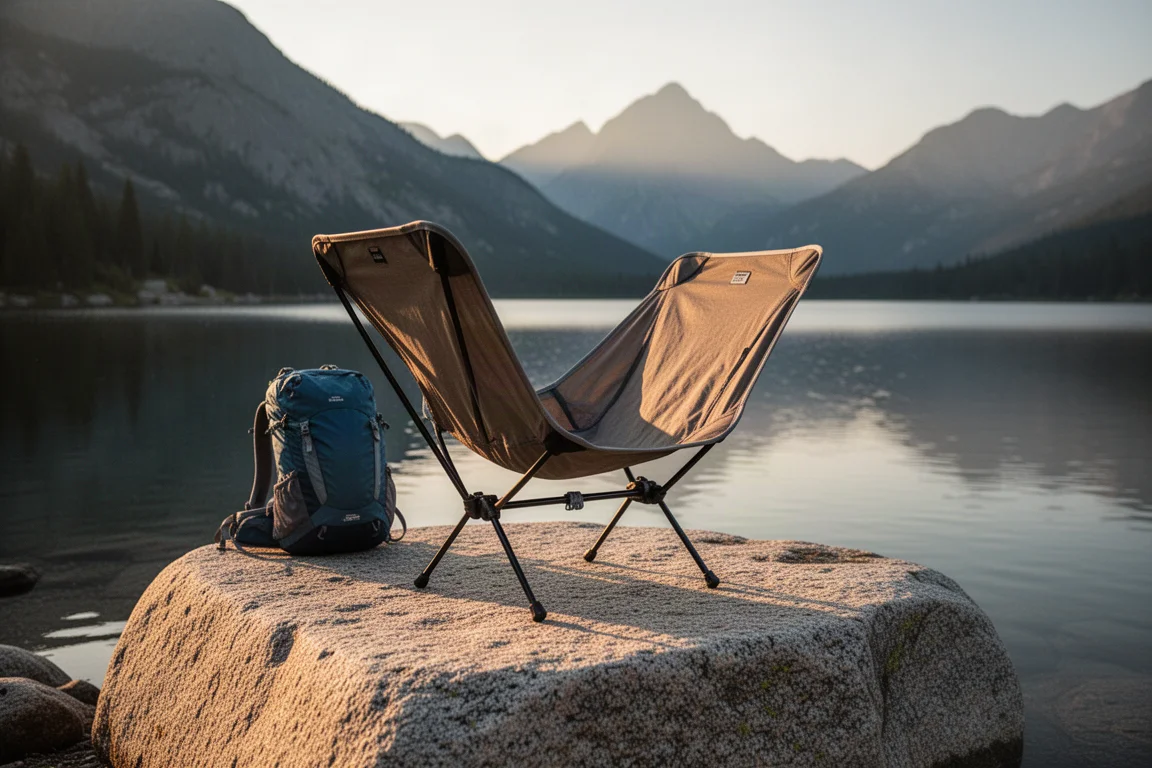
Once you are settled in, both chairs put you at roughly the same seated height. Apart from posture, there is very little to separate them on comfort. That makes the choice less about which chair feels better in the abstract and more about which posture you actually want after a long day on the trail.
Frame and Leg Design Differences
Both chairs rely on an aluminum frame that packs down into a small bundle. The visible difference is where the legs point: forward on the Helinox, outward to the sides on the Flexlite Air. That single change in geometry appears to account for the upright feel of one chair and the reclined feel of the other.
Neither design feels less stable than the other, and neither gives up anything meaningful in weight. If you are comparing the two side by side, the frame layout is the first thing worth studying, because it determines how the chair will feel after an hour of sitting in it.
Fabric Wear and Replacement Costs
The seat fabric is the part that ages fastest on both chairs, particularly if you use them close to a fire. Embers land on the fabric, twigs and debris catch it, and small holes appear over time. On a chair that sees regular fire-side use, replacing the seat fabric about once a year is a realistic expectation.
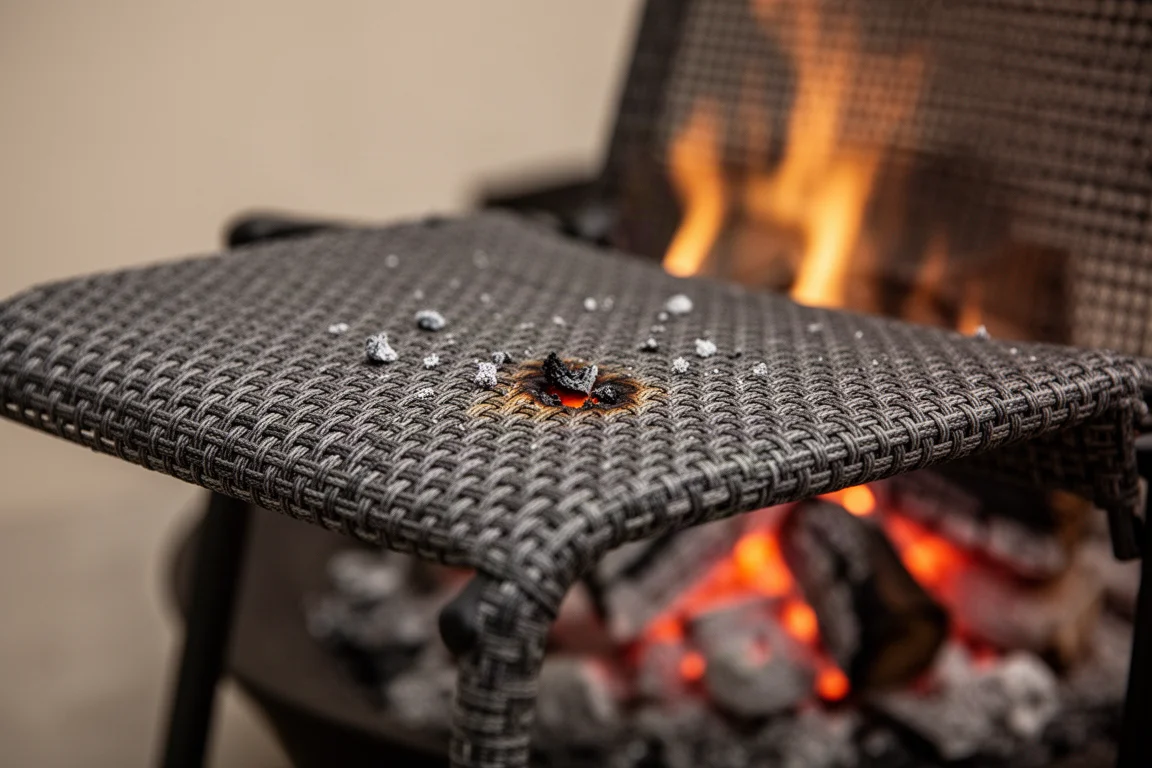
This is where the two chairs diverge sharply in running costs. A replacement seat for the Helinox Chair costs about $50, while a replacement seat for the Flexlite Air costs about $20. Across several seasons of fire-side sitting, that difference adds up quickly.
Price and Long-Term Value
Upfront, the Helinox Chair costs around $150 and the Flexlite Air around $100. Sales can widen that gap further: during a seasonal promotion, the Flexlite Air has been available at about 30 percent off, or roughly $70.
Combine the purchase price with the fabric replacement cost and the Flexlite Air is cheaper twice over, at the till and again every time the seat needs replacing. The Helinox counters with its original design and its firmer, more upright sit, which some campers genuinely prefer.
Buying Advice
Choose the Helinox Chair if you want a firm, upright seat and you are comfortable paying more for the original design, both upfront and when the fabric eventually needs replacing. It is the better match for anyone who likes to sit up straight at camp rather than sink back into a chair.

Choose the REI Co-op Flexlite Air Chair if you prefer a relaxed, reclined posture and you would rather spend less now and less later. The lower purchase price and the much cheaper replacement fabric make it the easier chair to own across several seasons.
Either way, both chairs deliver the same core benefit: about a pound of pack weight in exchange for a proper seat at camp instead of a log or a folded-up hammock.
Conclusion
These two chairs are close enough in weight, materials, and comfort that the decision comes down to posture and cost. The Helinox Chair holds you upright and charges more for the privilege, including a $50 replacement seat. The REI Co-op Flexlite Air Chair leans you back, costs less to buy, and costs far less to keep running. Pick the posture you want, and the price difference makes the rest of the decision straightforward.
Further reading
Related Reviews
Backpacking Chairs
Get Out Gear Trek Chair vs Helinox Chair Zero: Which Backpacking Chair Is Worth the Weight?
A three-way comparison of the Get Out Gear Trek Chair, the Helinox Chair Zero, and the Chair Zero High-Back, covering weight, comfort, setup, durability, and value.
Backpacking Tents
3F UL Lanchan Pro 1 Review: A 1 lb 8 oz Single-Wall Trekking Pole Tent
A practical look at the 3F UL Lanchan Pro 1, a single-wall trekking pole shelter with a 1 lb 8 oz weight, 20D silnylon fabrics, and a roomy 90 x 31 x 49 inch interior.
Backpacking Tents
3F UL Taiji 2-Person Tent: A Convertible Backpacking Shelter Worth a Closer Look
A practical look at the 3F UL Taiji two-person tent, covering its materials, true two-person interior, fly-first pitching, and the seasonal inner swap that lets one shelter cover more of the year.