Backpacking Chairs
Get Out Gear Trek Chair vs Helinox Chair Zero: Which Backpacking Chair Is Worth the Weight?
A three-way comparison of the Get Out Gear Trek Chair, the Helinox Chair Zero, and the Chair Zero High-Back, covering weight, comfort, setup, durability, and value.
Introduction
Chairs are one of the most argued-about pieces of gear in a backpack. Plenty of hikers leave them at home on principle, while others will happily carry the weight for somewhere comfortable to sit at the end of a long day on the trail. The more useful question is not whether a chair is worth carrying, but how little weight a genuinely comfortable one can add.
The Get Out Gear Trek Chair attacks that question directly. It borrows an idea from trekking pole tents: if you are already carrying trekking poles, why not let them form part of another piece of gear’s frame? The chair launched on Kickstarter and has since reached the market, and it invites an obvious comparison with the two chairs it is most likely to replace, the Helinox Chair Zero and the Helinox Chair Zero High-Back. All three are covered below, along with the trade-offs that actually matter once you are sitting at camp.
What to Look For in a Backpacking Chair
Four things decide whether a chair earns its place in your pack.
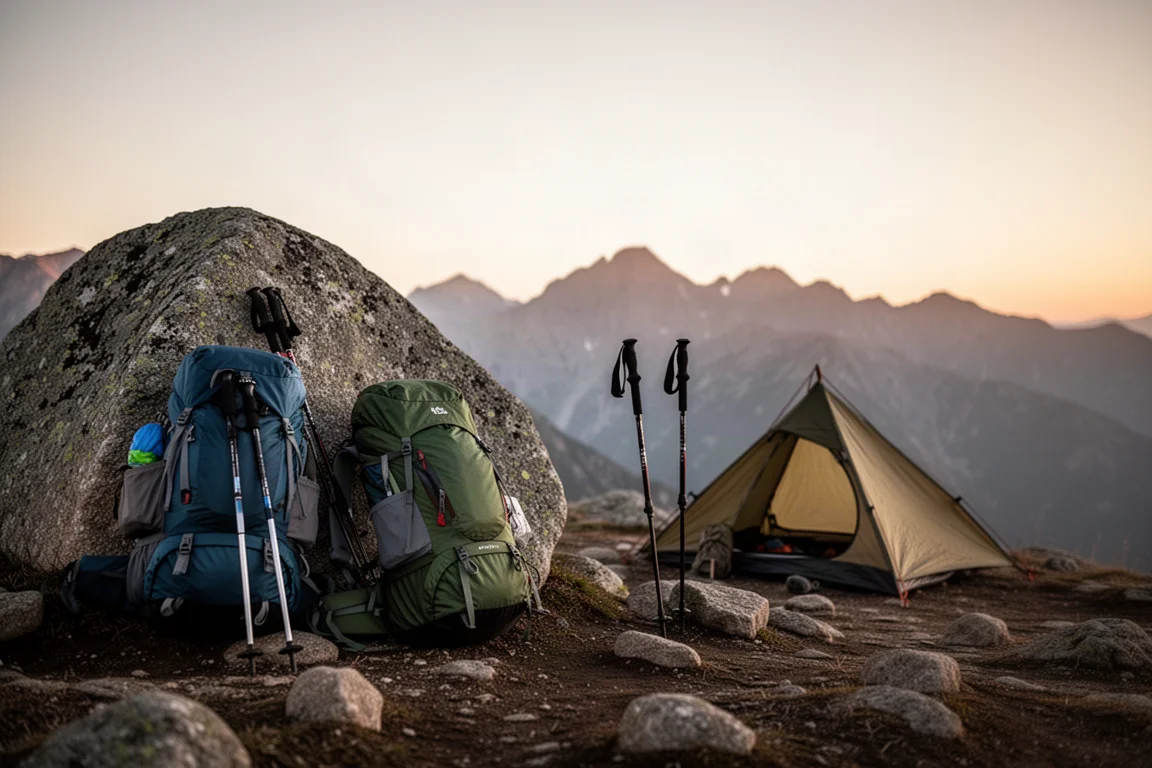
Weight comes first, and it is where the Trek Chair’s pitch is both most interesting and most complicated. The chair body alone weighed about 1.5 lb on a home scale, and the trekking poles that complete the frame add roughly another pound, even though those poles are usually carried anyway.
Dependence on other gear is the second factor. A chair that needs trekking poles cannot be used at the same time as a trekking pole tent, which means the same two poles are suddenly being asked to do two jobs at once.
Seat geometry is the third factor. A high back that supports your head, a cross pole that runs front to back rather than side to side, and a frame that adjusts between reclined and upright all change how a chair feels after an hour of sitting. So does a fixed, single seating position.
Durability is the last and least glamorous factor. Uneven ground makes it easy to lean a chair back on two legs or tip it over entirely, and a lightweight frame has to survive that without a failure. Price belongs in the same conversation: the Trek Chair sells for about $200, which raises the cost of getting this wrong.
Get Out Gear Trek Chair: The Trekking Pole Concept
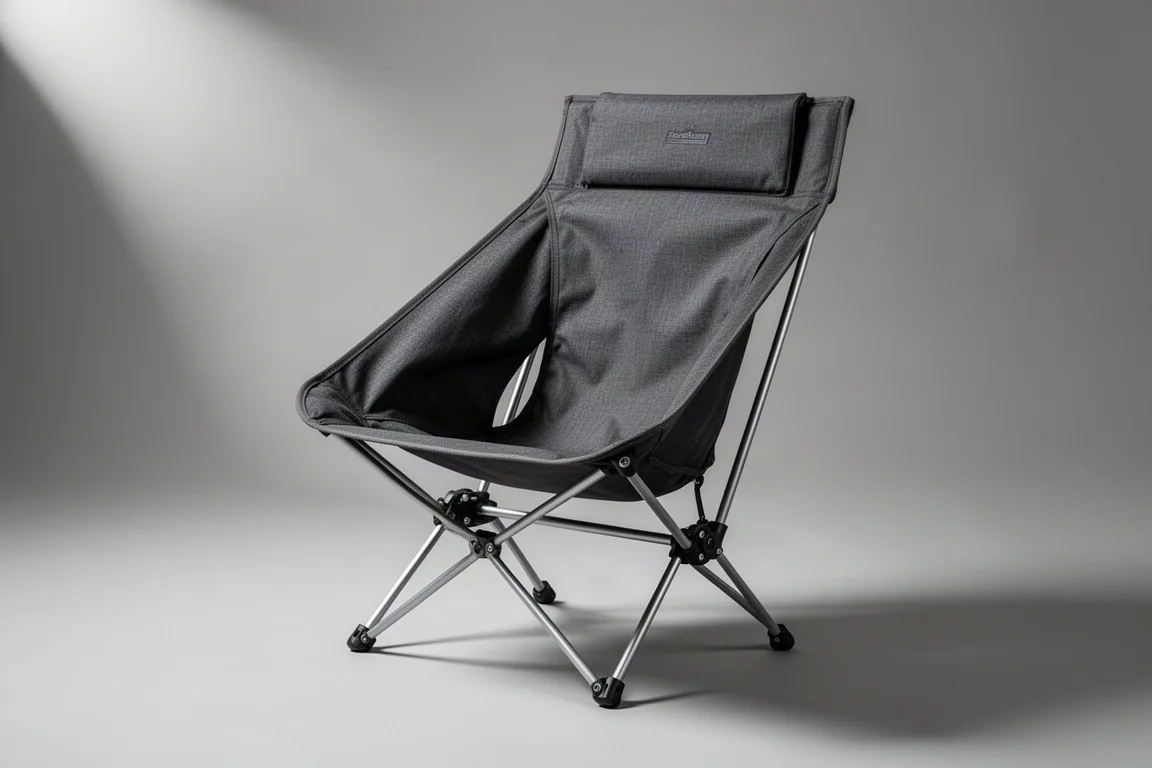
The Trek Chair is a high-back backpacking chair whose frame is completed by two trekking poles. It is a sensible idea in principle, and one that has been overdue in a category where every gram is argued over.
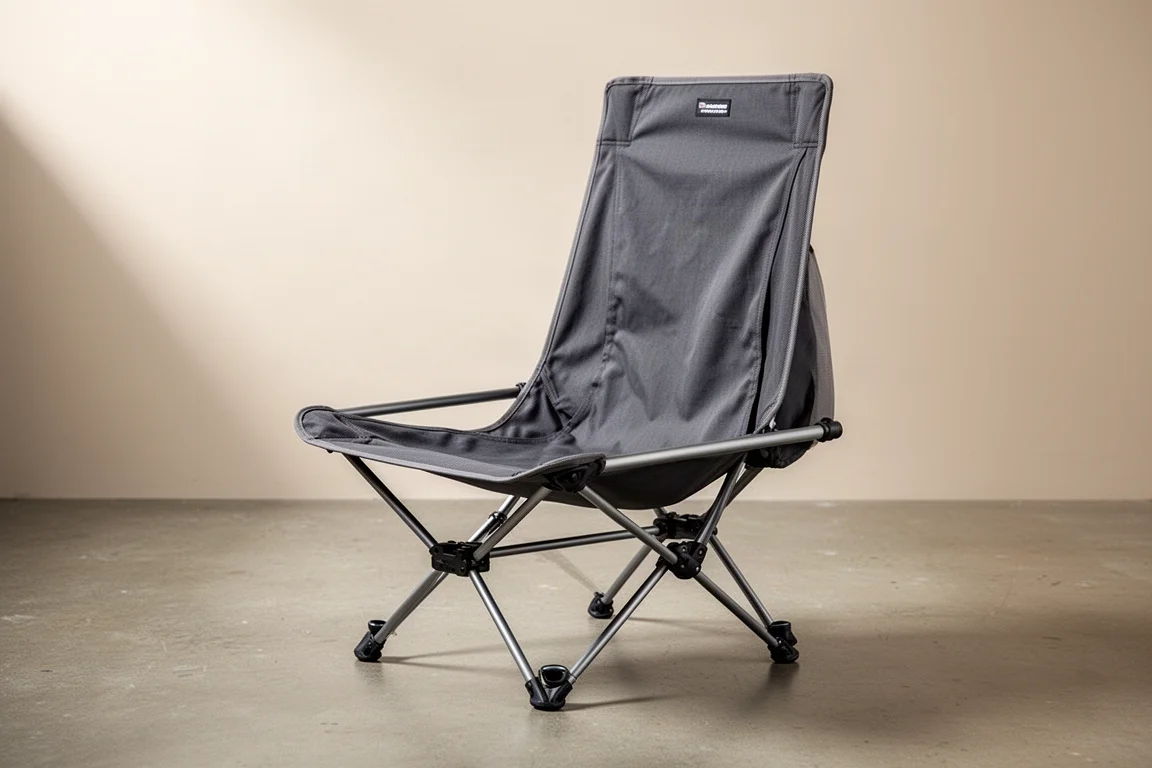
Comfort is where the design shows real thought. The back is tall enough that you can rest your head against it, which the Helinox high-back cannot quite manage. The cross pole runs front to back rather than side to side, leaving more room in the seat and avoiding the bucket-like feel of a more enclosed design. Because the trekking poles set the geometry, you can adjust the chair from a reclined position to a more upright one depending on how you want to sit.
The catch is resource sharing. If you sleep in a trekking pole tent, the chair and the tent compete for the same two poles. One workaround is to pitch the tent fully, pull the poles out to use with the chair, then replace them afterwards. The tent collapses in the meantime but is quick to restore, and in mild conditions that is a workable system. It becomes awkward when you want the tent standing and the chair available at the same time, for instance to keep gear off snowy ground while weather moves through.
The weight story also does not deliver what the concept promises. At roughly 1.5 lb for the chair body, plus about a pound of trekking poles, it ends up heavier than the roughly 1 lb Helinox Chair Zero, which needs no poles at all.
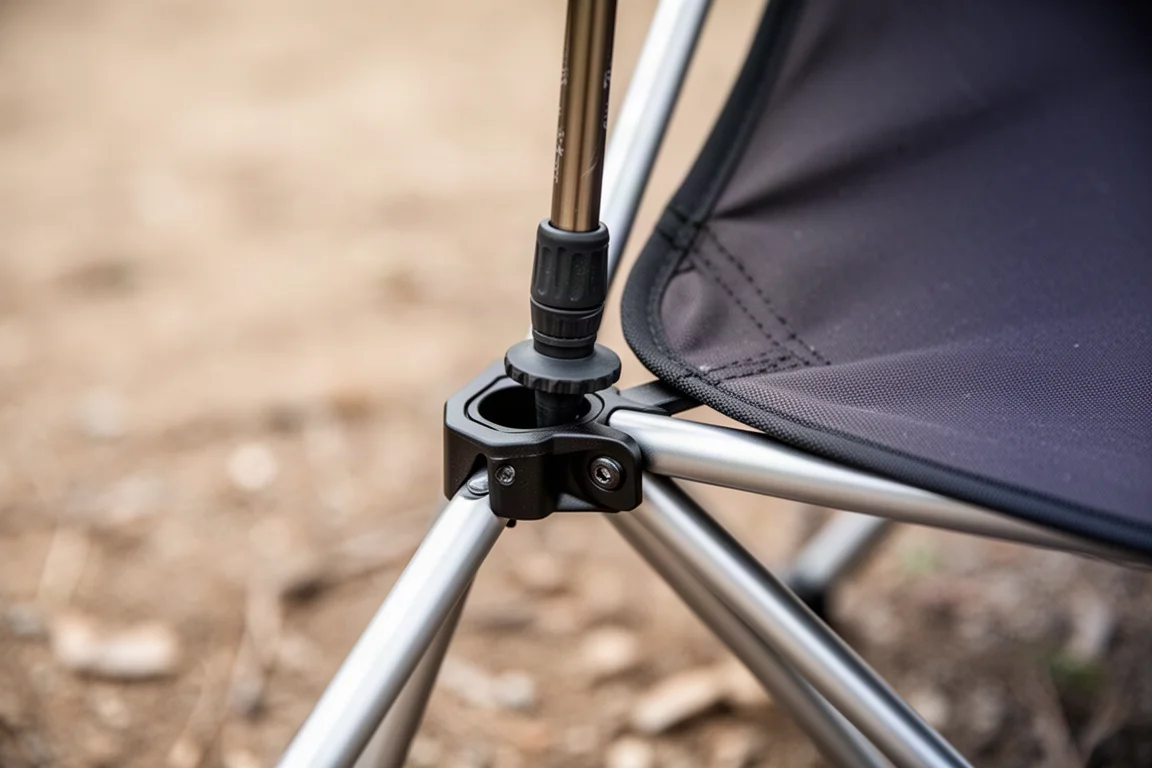
The bigger concern is the frame. During hands-on use, the front hub failed while the chair was tipped back on two legs, which is exactly the kind of accident uneven ground produces. Get Out Gear has responded by standing behind the chair with a 5-year hassle-free warranty, has asked for the failed chair back to investigate the cause, and believes the issue may be limited to an advance production run, with roughly 1,100 chairs shipped so far. The company has said it will replace affected chairs.
Helinox Chair Zero: The Sub-Pound Benchmark
The Chair Zero is the reference point for this category: a self-contained chair that weighs right around a pound and needs no trekking poles. It sets up anywhere, packs down small, and never asks you to borrow hardware from another piece of gear.
It is also the chair that ordinary rough handling has not broken. Tipping it from front to back is a habit at camp, and it has taken that repeatedly without complaint.
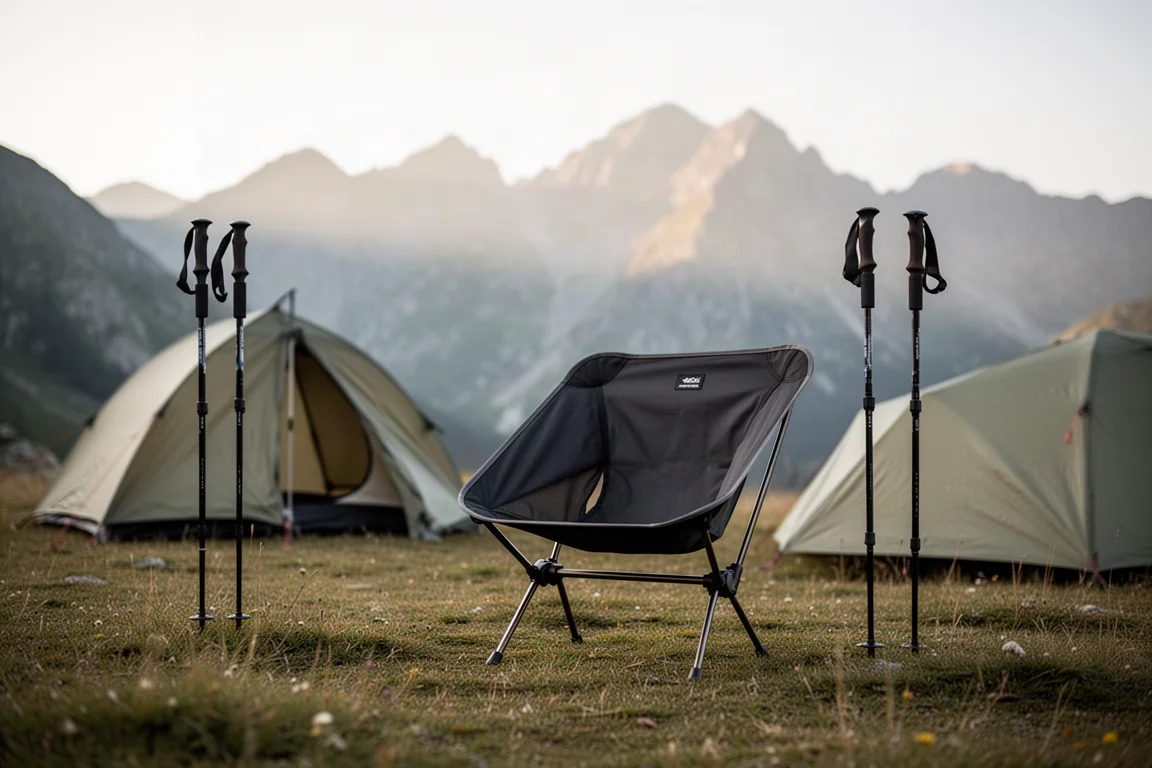
The trade-offs are about posture rather than weight. The back is low, so there is nothing to rest your head against, the seat holds a single fixed position, and the side-to-side cross pole makes the seat feel more enclosed than the front-to-back layout of the Trek Chair.
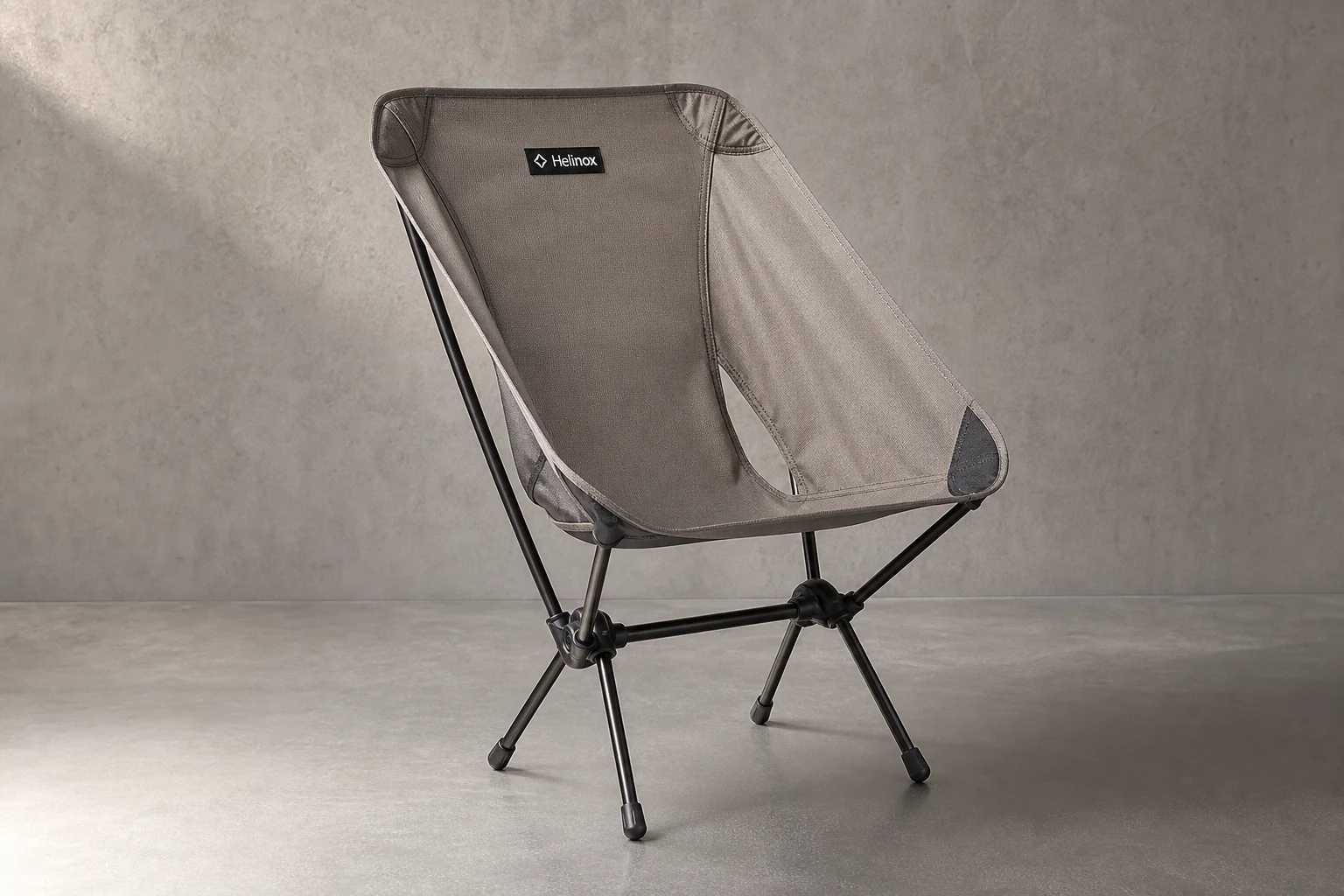
Helinox Chair Zero High-Back: Taller Back, Same Packability
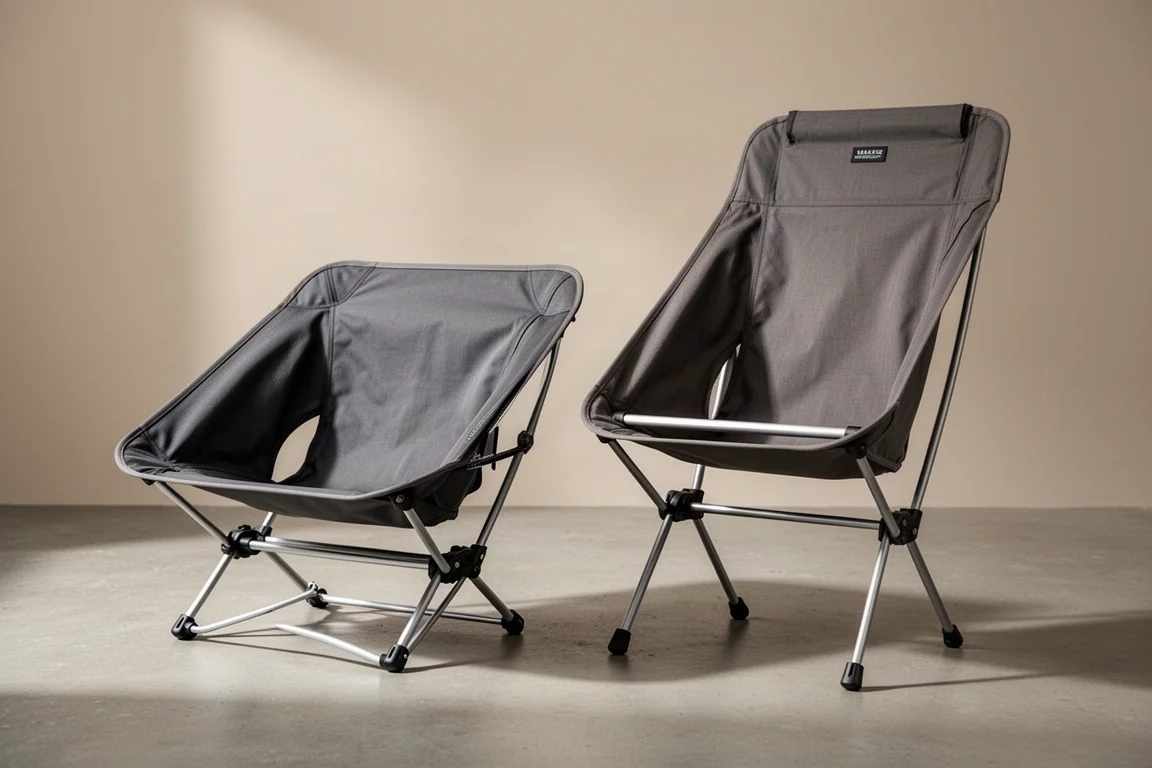
The Chair Zero High-Back is the fairest comparison to the Trek Chair, since both aim at a taller, more supportive back. On the same home scale, the high-back came in at 1.49 lb against the Trek Chair’s 1.51 lb, and it manages that without trekking poles.
The extra height is a genuine improvement over the standard Chair Zero, but it stops short of head support: the back is still not quite tall enough to lean your head against, and the seat keeps the same single position as the rest of the range. For backpackers who want more back support without adding a dependency on trekking poles, that combination of lower weight and a self-contained frame is the core argument.
Comfort, Stability, and Setup Compared
Sitting in all three back to back, the Trek Chair is the most comfortable. The back is tall enough to lean your head against, the front-to-back cross pole leaves noticeably more room in the seat, and the adjustable trekking poles let you shift between a reclined and a more upright posture depending on how you want to sit. The Helinox chairs offer one position each, and even the high-back cannot support your head.
Setup is where the picture reverses. Both Helinox chairs are complete on their own and go up anywhere at camp in seconds, while the Trek Chair depends on two trekking poles that may already be holding up a tent. The pull-the-poles-and-replace-them workaround is practical in mild conditions, but it turns a simple sit into a small piece of camp logistics.
Stability also favors the self-contained design in one specific way. With no reliance on poles that can shift in soft ground, there is less to think about when you drop into the seat at the end of a long day.
Durability, Warranty, and Value
Durability is the deciding factor in this comparison. The Helinox chairs have taken side-to-side tipping, front-to-back tipping, and being dropped into without failing. The Trek Chair’s front hub failed while the chair was leaned back on two legs, which is precisely the kind of accident that uneven ground produces, and a failure like that leaves a $200 chair unusable.
That is why the concept is not yet an easy recommendation, even though the idea behind it is genuinely overdue. A chair that fails in ordinary use is an expensive loss, and weight savings alone would not justify the risk.
Get Out Gear has handled the situation openly. The chair carries a 5-year hassle-free warranty, the company is investigating the failure, it believes the problem may be limited to an advance run of chairs, and it has committed to replacing affected chairs. That support is worth weighing alongside the risk, particularly for anyone buying now who would rather not be an early tester.
Buying Advice: Matching a Chair to Your Trip
Match the chair to the rest of your kit rather than to the concept, because that is where the real differences show up.
If you sleep in a trekking pole tent, choose a self-contained chair. The Helinox Chair Zero is the lightest and simplest option at roughly a pound, and the Chair Zero High-Back adds a taller back for a small weight penalty while still avoiding any dependency on your poles.
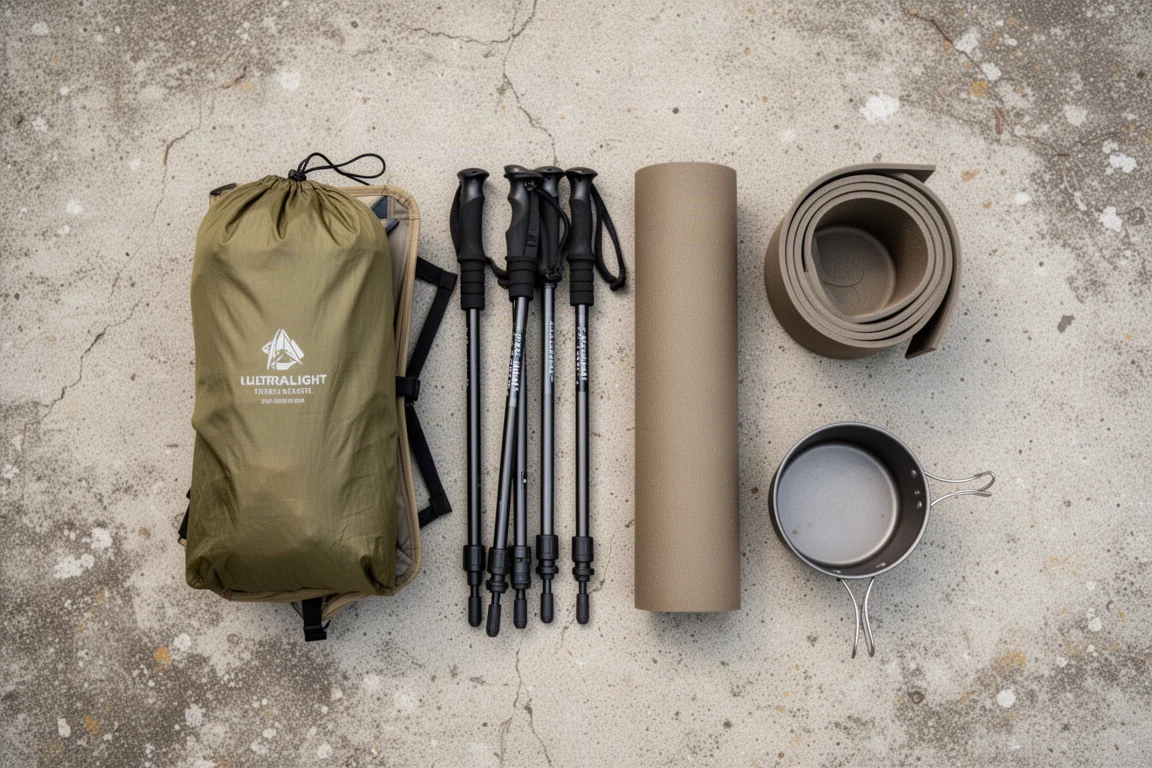
If you do not use a trekking pole tent and comfort at camp is your priority, the Trek Chair is the most comfortable of the three, with head support, a roomier seat, and an adjustable recline. Go in knowing that it weighs more than the pole-free alternatives rather than less, and that the frame failure is still under investigation. The 5-year warranty is a real safeguard, and waiting for the outcome of that investigation is a reasonable choice.
For most backpackers who want one chair that simply works, the Helinox options remain the safer purchase. The Trek Chair is the more comfortable seat and the more interesting design, and it will be worth revisiting once the frame question is settled.
Conclusion
The Trek Chair asks a question the category should have answered years ago: if trekking poles are already in your pack, why not use them twice? Its high back, roomier seat, and adjustable recline make it the most comfortable chair of the three, and Get Out Gear is backing it with a 5-year hassle-free warranty while it investigates the frame failure.
Weight is where the concept stumbles. At about 1.5 lb for the chair body plus roughly a pound of poles, it is heavier than the roughly 1 lb Helinox Chair Zero, and it cannot be used at the same time as a trekking pole tent. The Chair Zero High-Back is lighter still at 1.49 lb and needs no poles, though its back stops short of head support.
If comfort matters most and you carry trekking poles anyway, the Trek Chair is the better seat. If you want the lightest, most dependable chair with no strings attached, the Helinox Chair Zero is the one to pack.
Further reading
Related Reviews
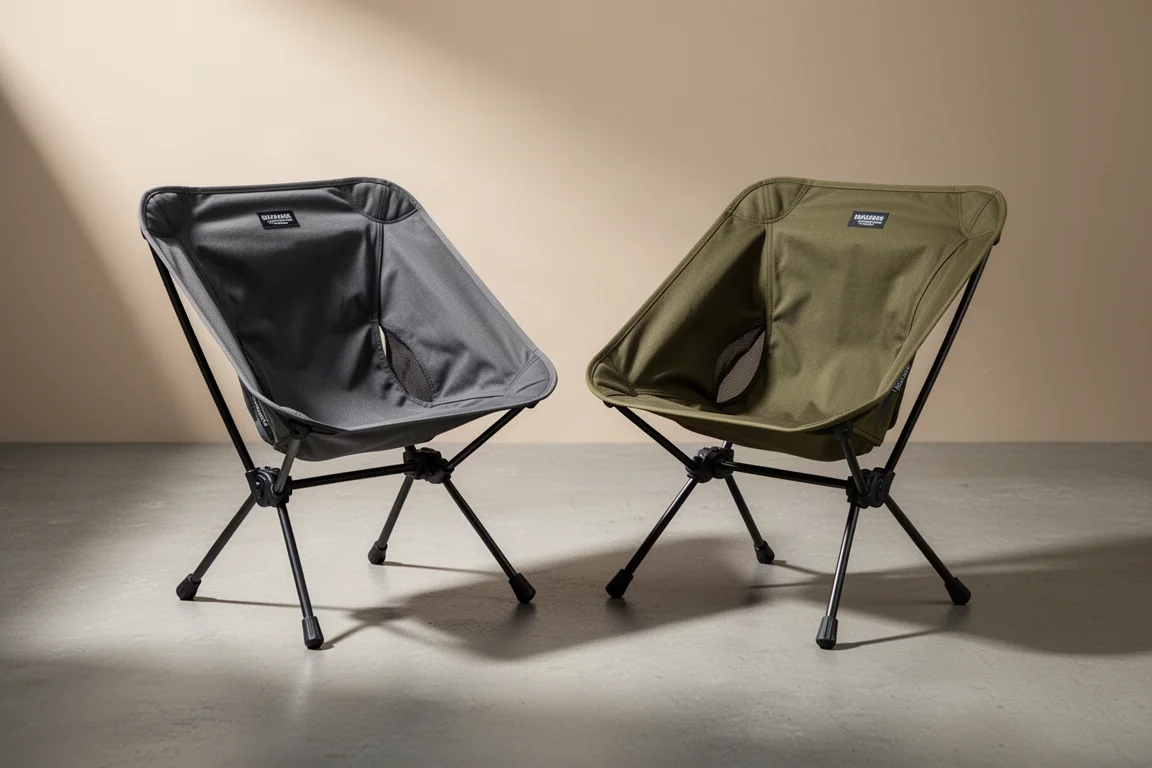
Backpacking Chairs
Helinox Chair vs REI Co-op Flexlite Air Chair: Two Lightweight Backpacking Chairs Compared
Two one-pound backpacking chairs share the same aluminum frame material, but they differ in seating posture, upfront price, and how much the replacement seat fabric costs.

Backpacking Gear
Building a 10 lb Base Weight: An Ultralight Backpacking Gear List
A practical walkthrough of the ultralight pieces behind a 10 lb base weight, from a 765 g pack and a roomy one-person tent to a full camp chair and a dependable water filter.

Road Bikes
10 New Road Bikes Worth Watching: Aero, Titanium, Steel and Endurance Standouts
A practical roundup of 10 new road bikes, from aero flagships chasing single-watt gains to titanium, steel and endurance platforms built for real roads.