Camping Sleeping Pads
Naturehike Self-Inflating Sleeping Pad Review: A Comfortable Car Camping Mattress
A close look at the Naturehike self-inflating sleeping pad, covering build quality, comfort, real-world inflation time, the included air pump, and what to weigh before buying.
Introduction
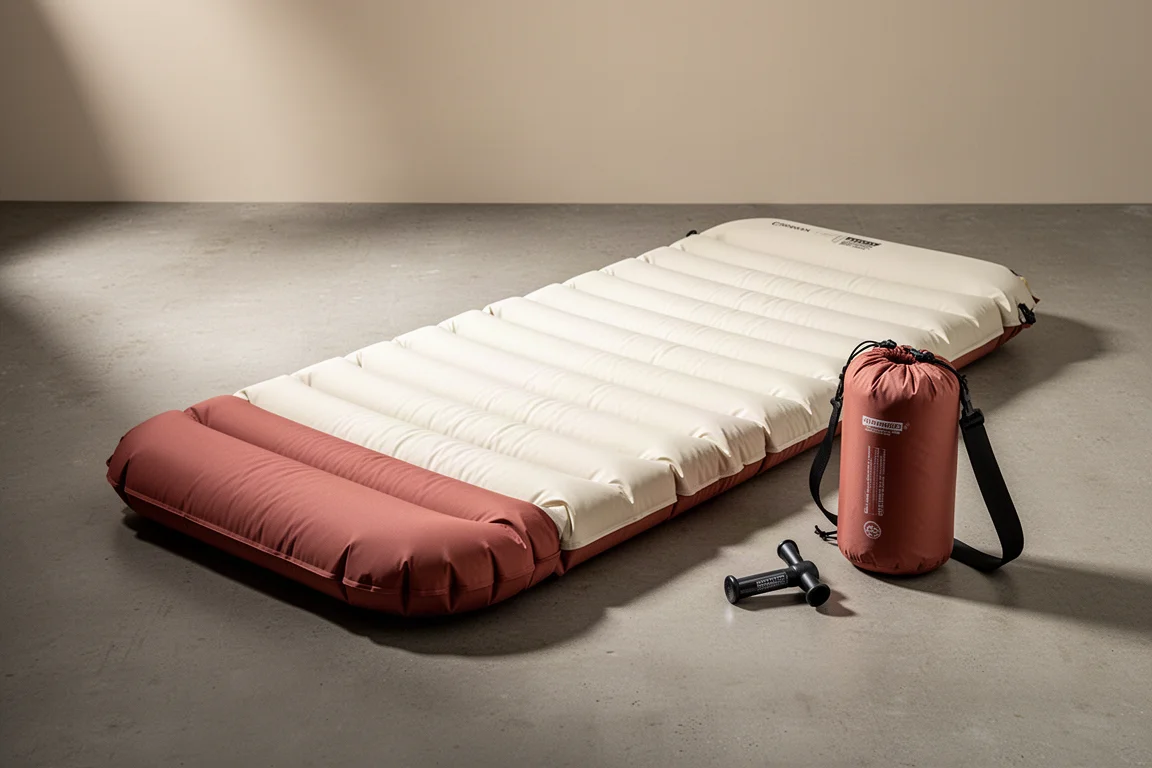
The Naturehike self-inflating sleeping pad is a car camping mattress that tries to combine the convenience of a self-inflating design with the size and cushioning of a proper bed. It is available in two sizes, a twin and a full, and the twin measured here comes in at 79 inches long, 30 inches wide, and 4 inches thick once fully inflated.
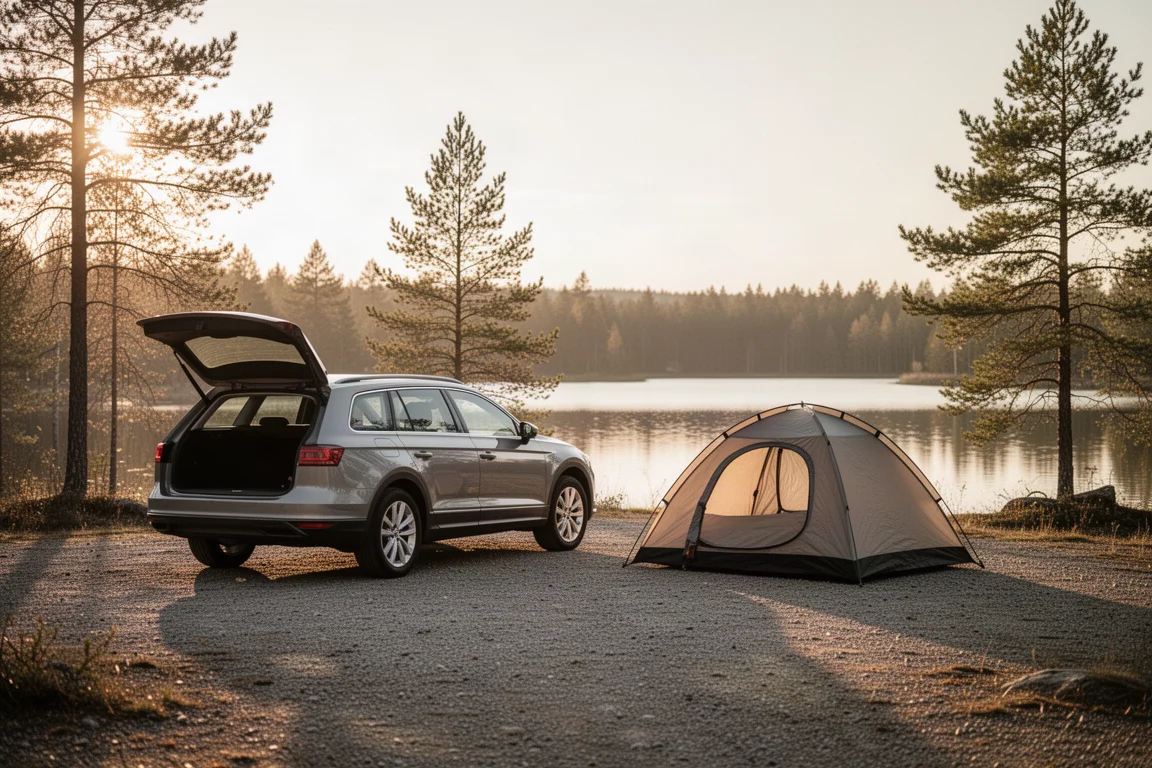
The appeal is easy to understand for anyone who has spent a night on a thin foam mat. This is a wide, thick sleeping surface that rolls down into a bag with a shoulder sling, so it can be carried a short distance from the car without much effort. The pad also arrives with more inflation hardware than most buyers will expect, which is both a strength and a small source of confusion.
Who This Product Is For
This pad is built for car camping rather than backpacking. The twin weighs around 6 lb and the full size is roughly double that at 12 lb, so it is not a piece of kit you would want to carry on a long hike. When the car is parked a few steps from the tent, that weight stops mattering and the extra thickness starts paying for itself.
It suits campers who want a genuinely wide sleeping area, and the two size options make it reasonable for a couple or a family to mix and match. It also suits anyone who prefers having several ways to top up the pad, since self-inflation, a bag-based pump, and a powered pump are all part of the package.
Design and Build Quality
The top surface uses a 30D stretch fabric, a light polyester material that feels soft to the touch, while the interior uses a foam layer that the company describes as a sponge material. The pad is finished in a single colourway: an ivory cream top with a red, almost brown underside. A compression strap keeps it tidy in storage, and a repair kit is included inside the carry bag.
The carry bag itself is more than a bag. It has a shoulder sling, a buckle at the top, and a roll top, and it includes a connection point so it can be attached to the pad and used as an inflation bag.
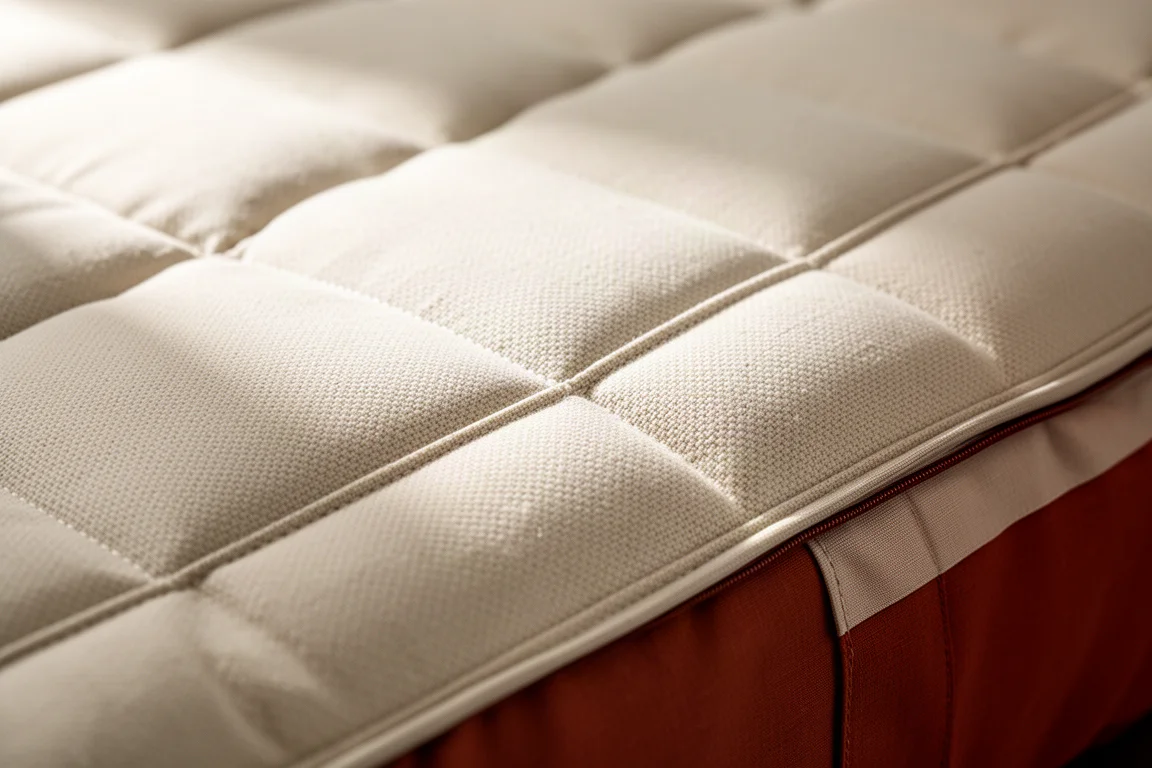
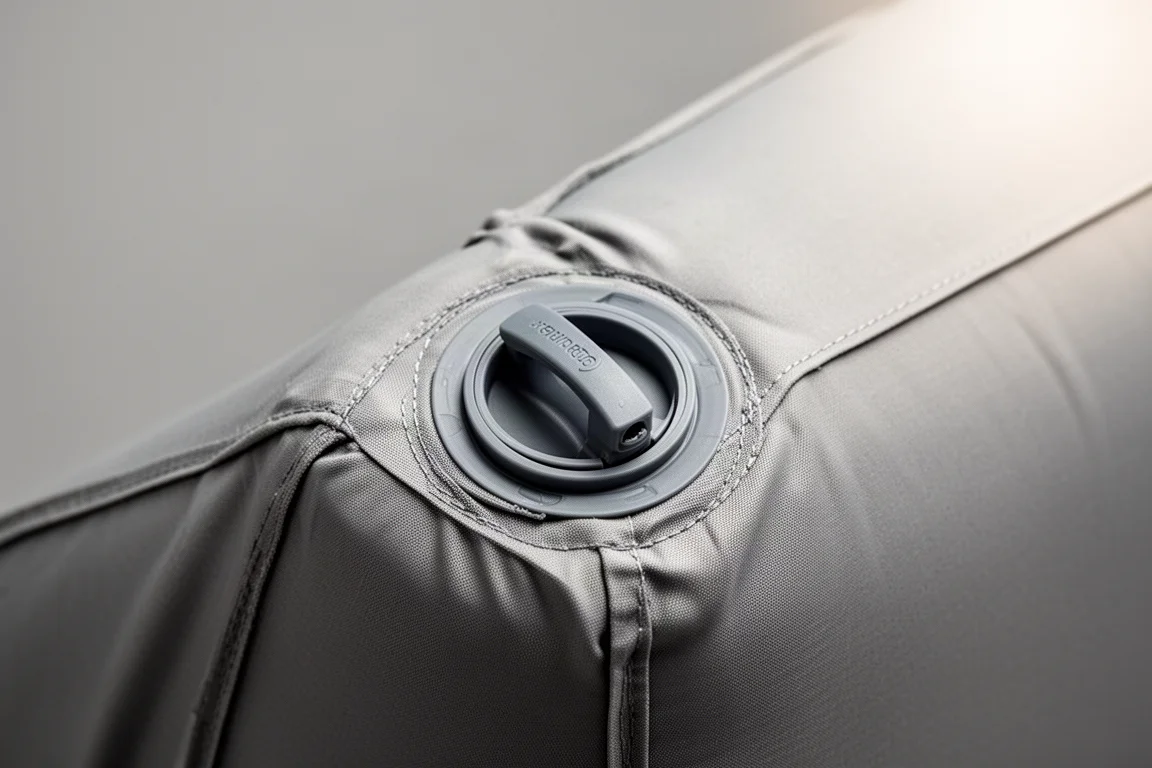
Fit and finish are where this pad makes its strongest impression. The stitching is clean, the seam welds are tidy, the cuts are even, and there are no loose threads anywhere on the sample. The inflation and deflation valve uses a rotating 360 design that is simple to operate and easy to read at a glance.
Comfort and Sleeping Surface
The surface feels soft against the skin, and the combination of a long, wide footprint with 4 inches of thickness makes for a comfortable sleeping platform. The materials have a slightly plusher feel than a bare air mattress, which is the main benefit of the foam layer inside.
Dimensions matter here. At 79 inches long and 30 inches wide, the twin gives most sleepers room to move without touching the edges, and the 4 inch thickness keeps hips and shoulders clear of the ground. The full size doubles the sleeping area for anyone who wants more space.
Inflation, Valve, and Pump System
The company states that the pad self-inflates in about 3 minutes. In practice, the first inflation after long-term storage compression took closer to 5 minutes and was still slowly filling at that point, which is expected when foam has been packed down tightly for a long period. With repeated use, a self-inflation time of roughly 4 to 5 minutes is a more realistic expectation, and the pad will usually need a little extra air added afterwards to reach full firmness.
That extra air can come from any of three sources. The 360 valve rotates between positions: one setting lets air in but not out, another lets air escape only, and a halfway setting allows air to move both ways. The carry bag can be attached to the pad and used as an inflation bag. There is also a small mechanical air pump in the box, with a nozzle, an air intake, a charging port, and a power button, and it moves an impressive volume of air quickly.
Deflating and packing away are straightforward once you settle into a rhythm. Pushing the remaining air out with your knees, rolling with your hands, and then holding the roll compressed with your knees again makes short work of it, and the rolled pad drops back into the carry bag without a fight. The bag is generously sized for the job.
Things to Consider Before Buying
The ivory cream top is the pad’s most obvious practical weakness. A light fabric on a sleeping surface will pick up stains quickly, particularly on warm nights when you are perspiring, so a sheet over the top is a sensible precaution. Sleeping on the underside is another option, although that surface is less comfortable against the skin.
Inflation expectations deserve a reality check. The stated 3 minute self-inflation figure did not hold up on a freshly unpacked pad, and reaching a genuinely firm surface will almost always mean adding air manually. The included pump solves that quickly, but it is loud in a quiet campsite.
Naturehike does not publish an R-value for this mattress, so there is no verified insulation rating to compare against. Based on the thickness and the density of the foam it feels like a warm pad, but that is an impression rather than a specification. Buyers who camp in cold conditions should factor in the missing rating.
There is also a shopping consideration. The manufacturer’s own product listing is unclear about which size is being sold, describing the statistics for both the twin and the full without offering a clear way to choose between them. Buying from a listing that states the size explicitly avoids that ambiguity.
Buying Advice
The twin was purchased for $122, which is a fair price for a mattress of this size and build quality, though prices move around frequently, so it is worth checking the current figure before ordering. The full size is the better choice for couples or anyone who wants a broader sleeping area, provided you have the room to store it.
Budget for a sheet or a mattress cover at the same time as the pad. It protects the cream fabric, keeps the surface fresh across a season of use, and costs very little compared with replacing a stained mattress. If you prefer a firmer surface, plan on topping the pad up with the included pump rather than waiting for self-inflation alone.
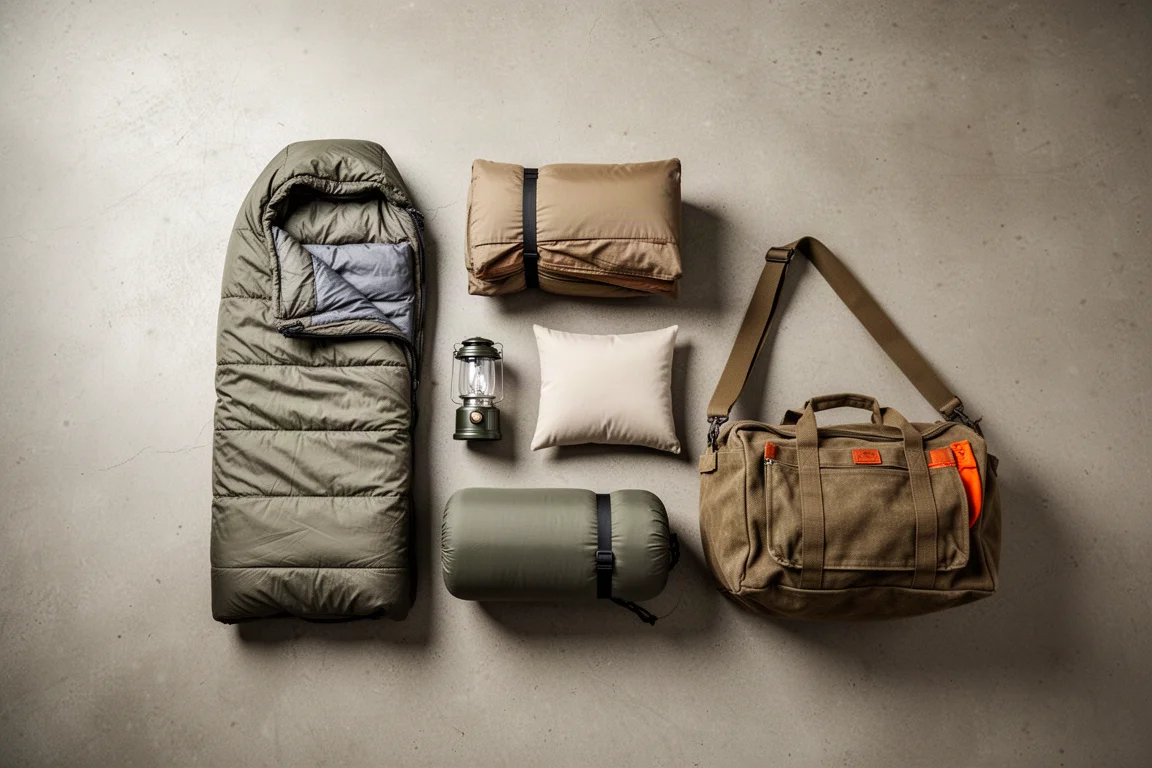
It also helps to think about how you will store it. Keeping the pad loosely rolled rather than compressed to the limit between trips gives the interior foam a chance to recover, which shortens self-inflation time on the next outing.
Conclusion
The Naturehike self-inflating sleeping pad gets the fundamentals right. It is long, wide, thick, and comfortable, the construction quality is excellent, and the 360 valve together with the bag pump and powered pump makes inflating and deflating genuinely easy. At around $122 for the twin, the value is reasonable for a car camping mattress of this calibre.
The trade-offs are worth naming clearly. The light cream top needs protection, the self-inflation claim is optimistic on a newly unpacked pad, and there is no published R-value to lean on. None of these are dealbreakers for a car camper who wants a soft, spacious surface, but they are the details to weigh before you commit.
Product link
View more details for Naturehike Self-Inflating Sleeping Pad
This product is mentioned in the review. Check the specifications, options, and compatibility before buying.
View more details for Naturehike Self-Inflating Sleeping PadFurther reading
Related Reviews
Camping Sleeping Pads
Best Sleeping Pads 2026: Comfort Awards and Top Picks
A comfort-focused roundup of ten sleeping pads, from budget dimpled designs to thick stretch-top models, with gold, silver, and bronze comfort awards.
Camping Sleeping Pads
Best Ultralight Sleeping Pads 2026: Seven Lightweight Pads Compared
Seven sub-600 g sleeping pads compared on weight, comfort, warmth, and price, with clear picks for cold sleepers, comfort seekers, and budget buyers.
Camping Sleeping Pads
DOD Outdoors Soto Air Mattress Review: Comfort First, at a Price
A thick foam-and-air camping mattress with an 8.3 R-value and a clever inflation system, weighed against a premium price and a tight storage bag.