Camping Shelters
Naturehike Mountain Peak Hot Tent Review: A Four-Season Shelter for Cold Nights
A cold-weather field test of the Naturehike Mountain Peak hot tent, sold as the Massive outside the US, covering warmth, space, stove use, and what to check before buying.
Introduction
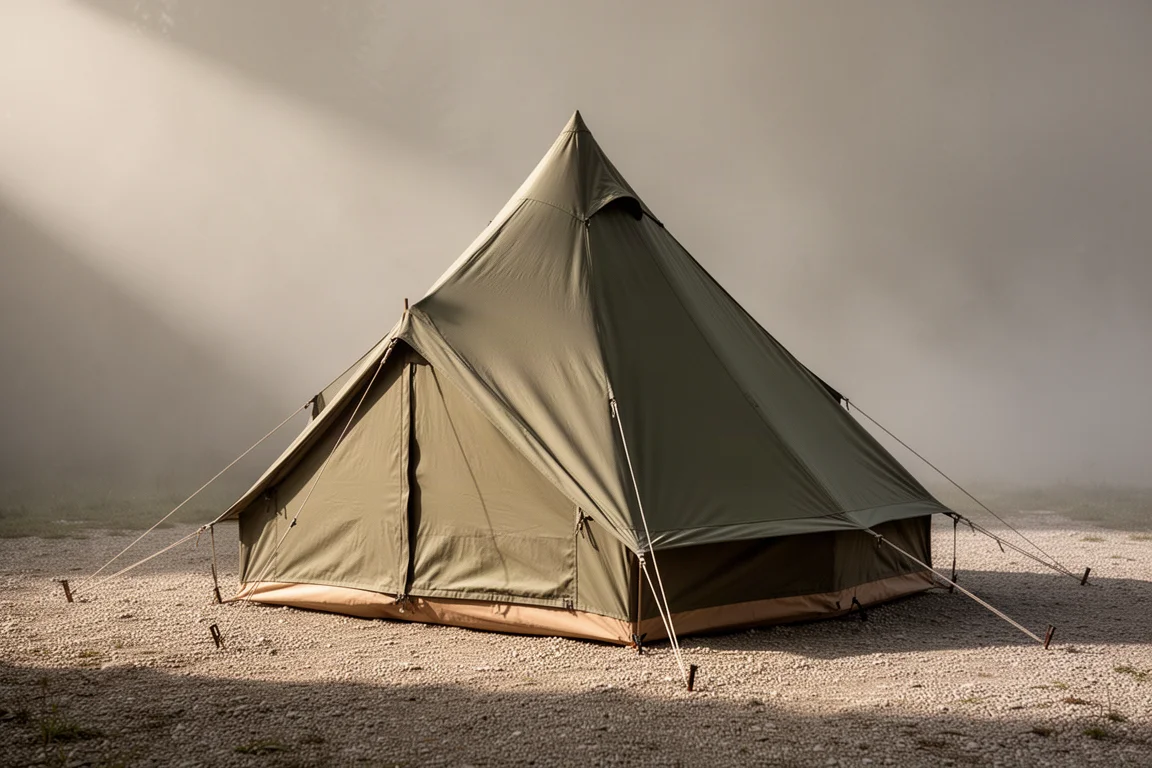
The Naturehike Mountain Peak is a four-season hot tent built around one goal: keeping a small shelter warm enough to sleep in when the temperature drops below freezing. Outside the United States the same shelter is sold as the Massive, and that naming difference is the only thing that changes. The design is the same.
It is also inexpensive for a heated shelter, which is a large part of why it appeals to campers who want to extend their season without spending a great deal.
This test took place on a remote mountain summit in North Carolina in late fall. Daytime temperatures sat near 38°F, the overnight low reached 24°F, and the following morning began at 18°F before settling at 17°F. A wood stove ran inside through the night, and no tarp was used because no rain was forecast.
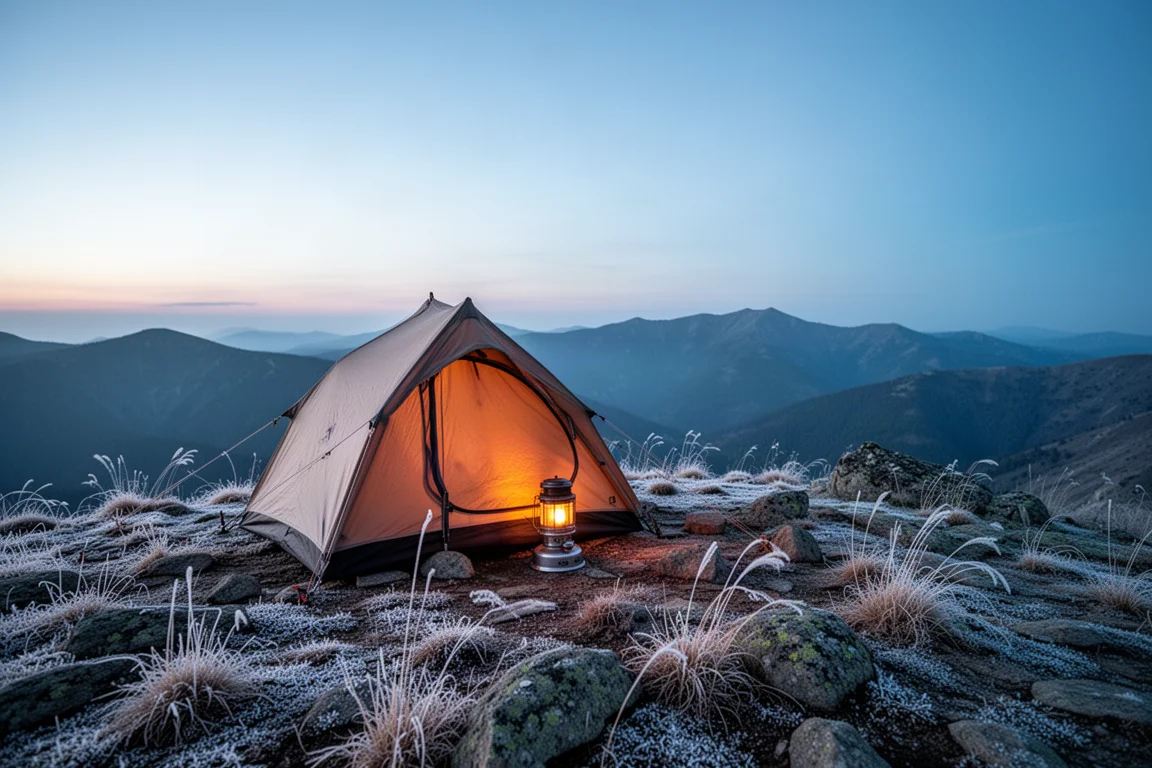
Setup was simple: clear the ground, pitch the shelter, set up a stove, and get a fire going. What matters more is how the tent behaves once the temperature falls, and that is where this review focuses.
Who This Hot Tent Is For
This shelter suits campers who plan trips in cold conditions and want a heated space rather than a tent that only blocks wind and rain. It is aimed at fall, winter, and early spring camping, where the difference between a cold tent and a warm one decides whether the trip is enjoyable.
It also suits campers who intend to use a stove. It has been used with a gas stove on an earlier trip and with a wood stove on this one, so both approaches work in practice. Wood heat takes more preparation because fuel has to be collected and processed, while gas is simpler to manage and easier to control.
Budget-conscious buyers are a natural fit too. Four-season hot tents are often expensive, and this one sits at the inexpensive end of the category without giving up the core function of keeping a small space warm overnight.
Anyone who camps mainly in warm weather, or who needs a shelter that has already proven itself in heavy rain without extra cover, should treat this as a partial fit rather than an obvious one.
Main Strengths: Warmth, Space, and Simplicity
Warmth is the headline. With the wood stove running, the interior became genuinely hot. At one point the inside of the tent was warm enough that sitting outside in the cold felt more comfortable, and airflow had to be reduced to bring the temperature back down. That is a strong result for a shelter in this price bracket.
Space is the second strength. Stove placement was chosen to preserve the maximum usable interior area, leaving room to reach the sleeping space and move around without climbing over gear. The same placement keeps the stove at a workable distance from the inner wall, which matters a great deal when the stove is hot.
Simplicity rounds it out. Pitching went smoothly, and in dry conditions the tent did not need a tarp. Fewer pieces to manage in cold weather makes a real difference when fingers are cold and daylight is short.
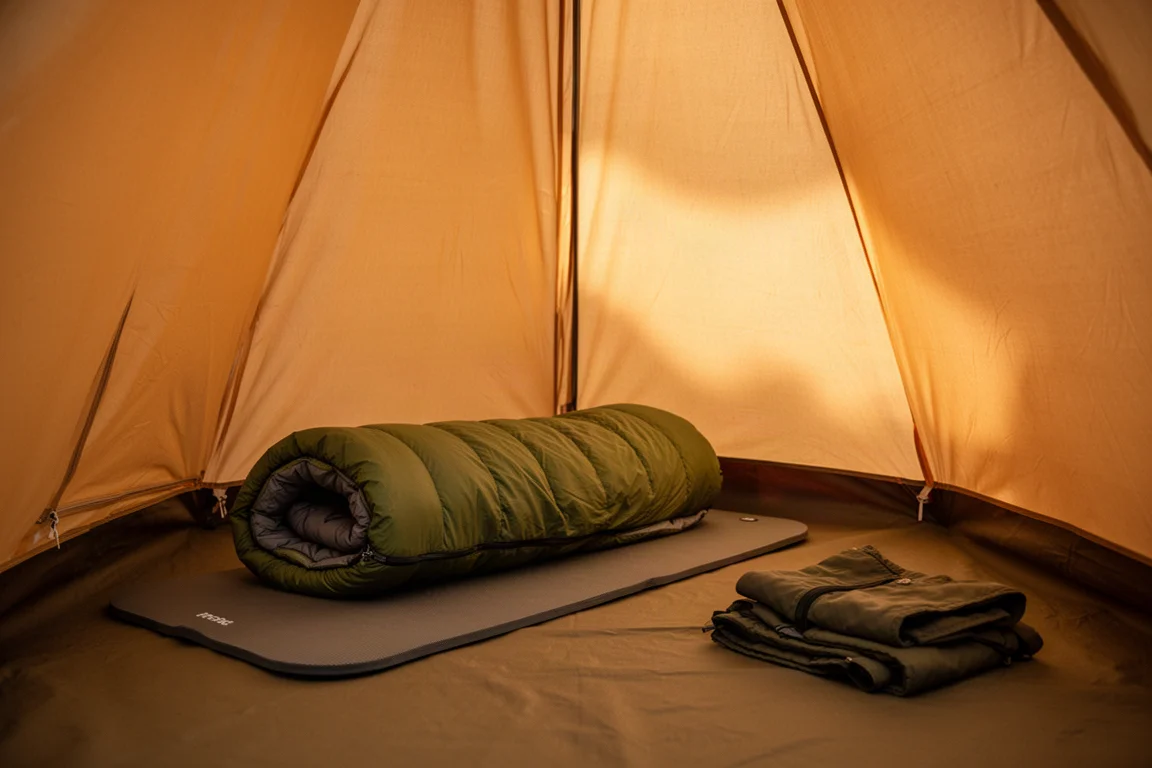
The combination matters: a shelter that heats easily, leaves room to live in, and sets up without fuss is exactly what cold-weather camping asks for.
Setting Up in Cold Weather
The first job was clearing the ground. Fallen leaves and debris were removed before the tent went down, for two reasons. The first is protection for the floor, since sharp twigs and hidden sticks are the usual cause of a damaged groundsheet. The second is insects. Fallen leaves act as insulation for overwintering bugs, and a hot tent raises the temperature of the ground beneath it, which can bring them out. Clearing the area is a small task that pays off later.
Conditions were cool rather than brutal, with a light breeze that made the site comfortable while the sun was up. The pitch itself went smoothly, and once the shelter and stove were in place, camp was ready well before dark.
Living With a Wood Stove Inside
The stove used here was a Winnerwell Nomad 1G, a folding wood stove that has been in service for at least five years and is described as pricey but well worth the investment. It pairs well with a shelter of this size.
Stove orientation took some thought. Placing it in one direction left more floor space free and kept a comfortable path to the sleeping area, while turning it toward the inner wall put it too close to the fabric. The final position balanced usable space against a safe distance from the walls, and it also made refuelling in the middle of the night straightforward.
Heat output is the part that surprises. With the stove burning well, the interior became hot enough that stepping outside felt better, and the airflow had to be dialled back to cool things down. Overnight, the stove was loaded and adjusted so it would burn for a number of hours before needing more wood. Sleep was warm and comfortable despite the cold outside.
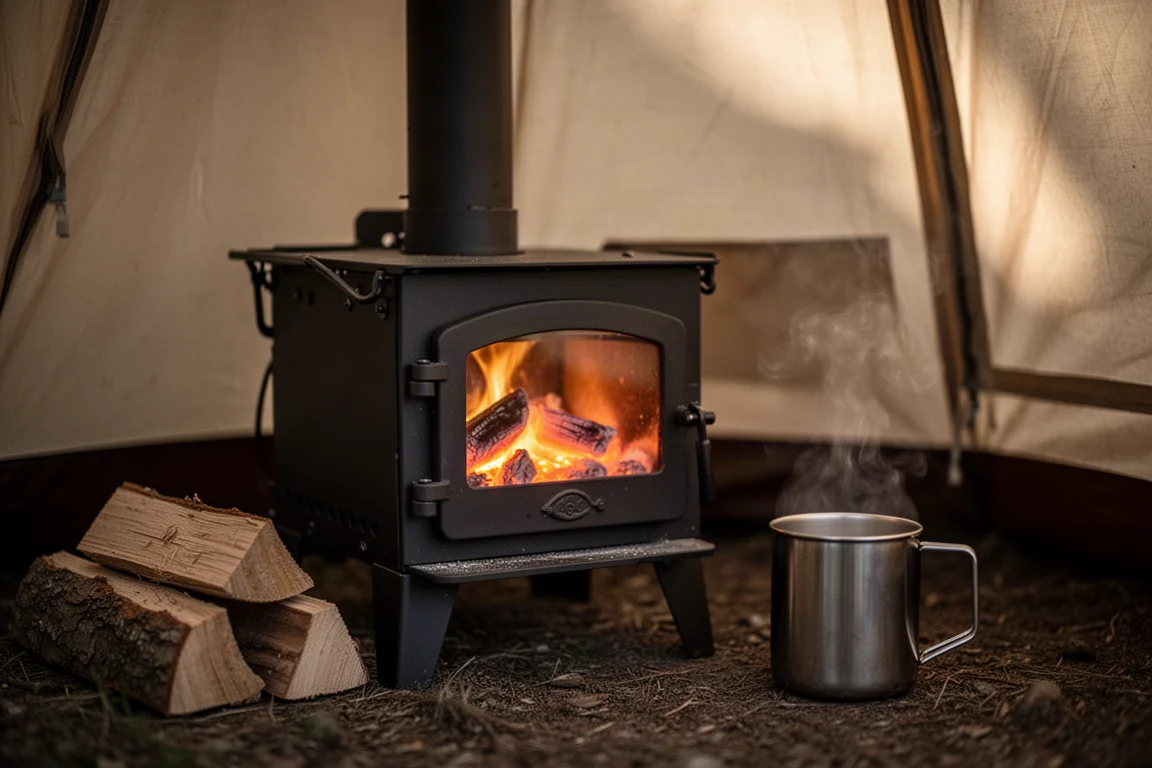
Managing that much heat is part of owning a hot tent. Being able to reduce airflow and hold a steady, comfortable temperature is what makes the shelter usable rather than overwhelming.
Things to Consider Before Buying
Rain performance is still unverified in this setup. The tent has been out in severe storms, but part of it was covered with a tarp on those occasions, so a proper unprotected rain test has not yet been completed. Buyers who camp in wet climates should factor that in.
Heat management takes attention. This tent can get very hot with a stove running, and it relies on the user to adjust airflow. That is a good problem to have in winter, but it is still something to learn.
The stove and fuel are separate purchases. A wood stove also means collecting and processing firewood, which adds time and effort to every trip. A gas stove is the lighter-effort alternative.
Finally, the naming can be confusing when shopping. The same shelter is sold as the Massive outside the United States and as the Mountain Peak inside it.
Buying Advice
For cold-weather campers who want a heated shelter at a low price, this is an easy recommendation. It heats well, offers usable space, and sets up without drama, which is exactly the combination that makes winter camping comfortable.
Plan the stove setup before the trip. Decide how the stove will sit inside the shelter, keep a safe distance from the walls, and test airflow settings on a short trip so the first cold night is not a learning curve. Bring more fuel than seems necessary, and treat airflow control as part of the routine.
If rain protection without a tarp is a deciding factor, it is reasonable to wait for more wet-weather testing. If cold, dry conditions are the priority, this shelter already does the job.
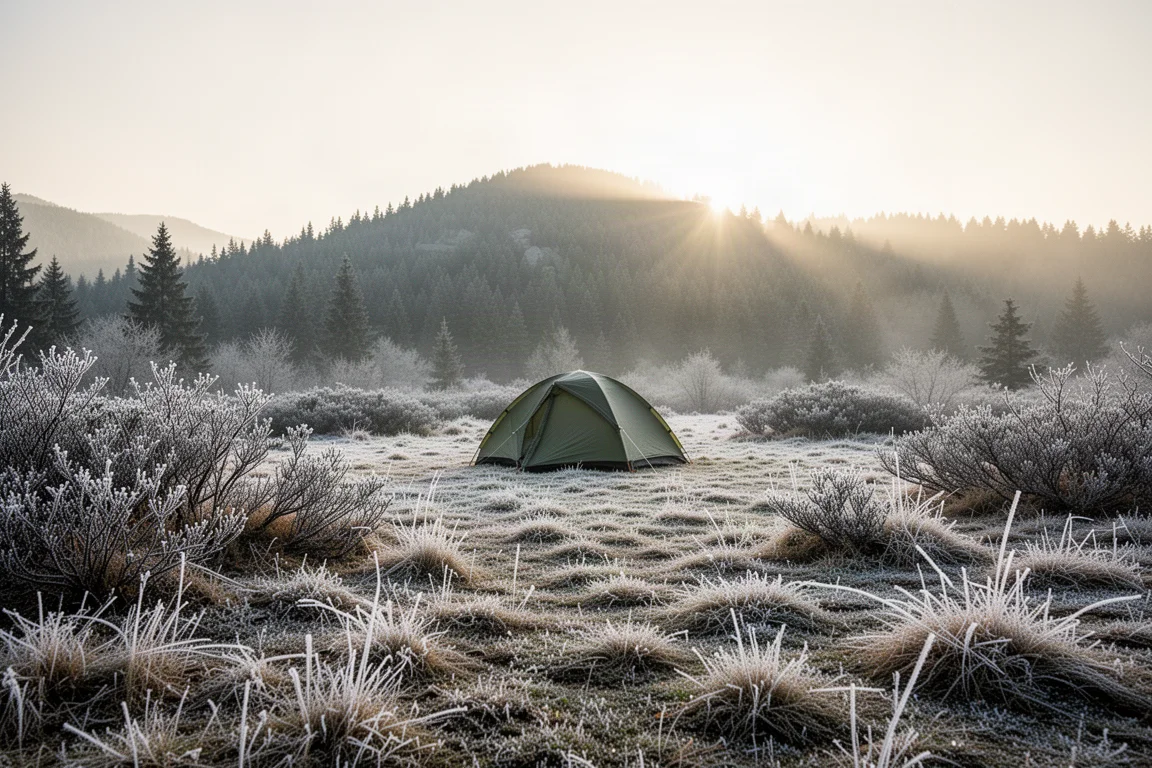
Approached that way, the Mountain Peak is a practical way to extend the camping season without spending premium money on a heated shelter.
Conclusion
The Naturehike Mountain Peak, sold as the Massive outside the United States, earns its place as an affordable four-season hot tent. It stayed warm and comfortable through a night that dropped to 24°F, handled a wood stove without drama, and left enough interior space to live in. The remaining question is how it handles sustained rain without a tarp, and that test is still to come.
Product link
View more details for Naturehike Mountain Peak Hot Tent
This product is mentioned in the review. Check the specifications, options, and compatibility before buying.
View more details for Naturehike Mountain Peak Hot TentFurther reading
Related Reviews
Camping Shelters
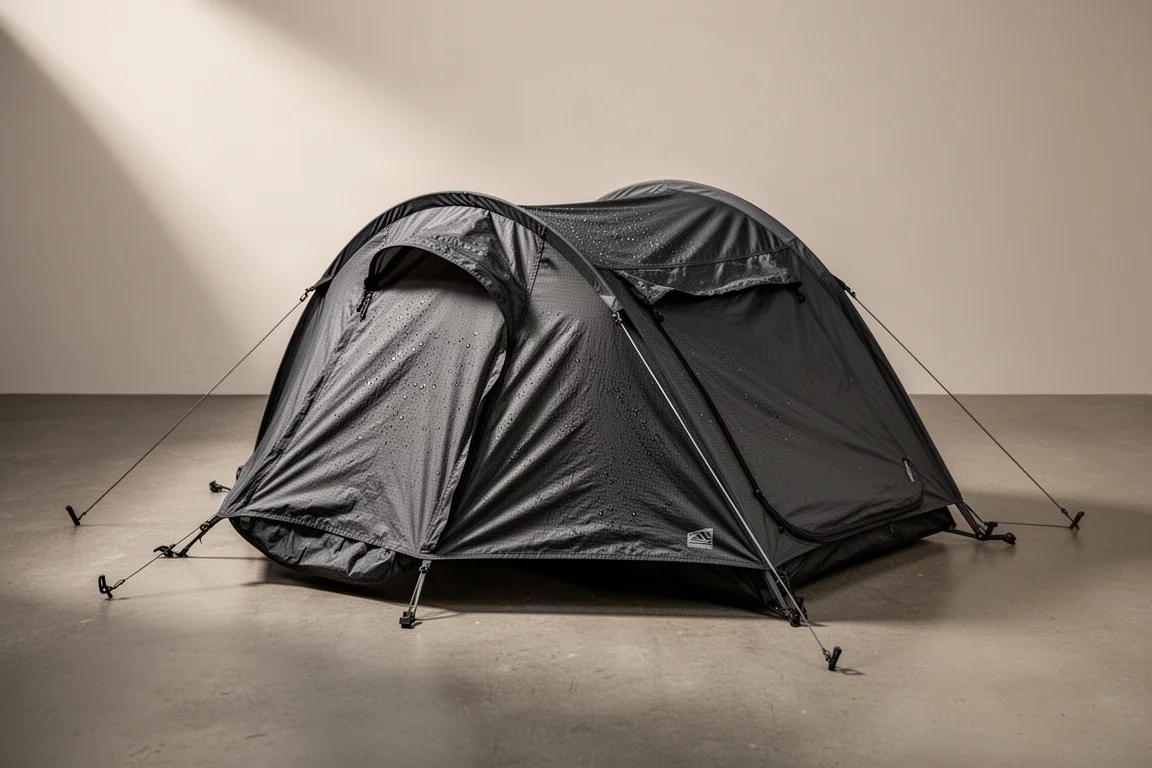
Alps Mountaineering Stealth 1 Bivy Review: A Waterproof Claim That Does Not Hold Up
The Alps Mountaineering Stealth 1 Bivy carries a 2,000 mm hydrostatic head rating and a waterproof claim, but sustained rain exposure and build quality concerns make it difficult to recommend.
Camping Shelters
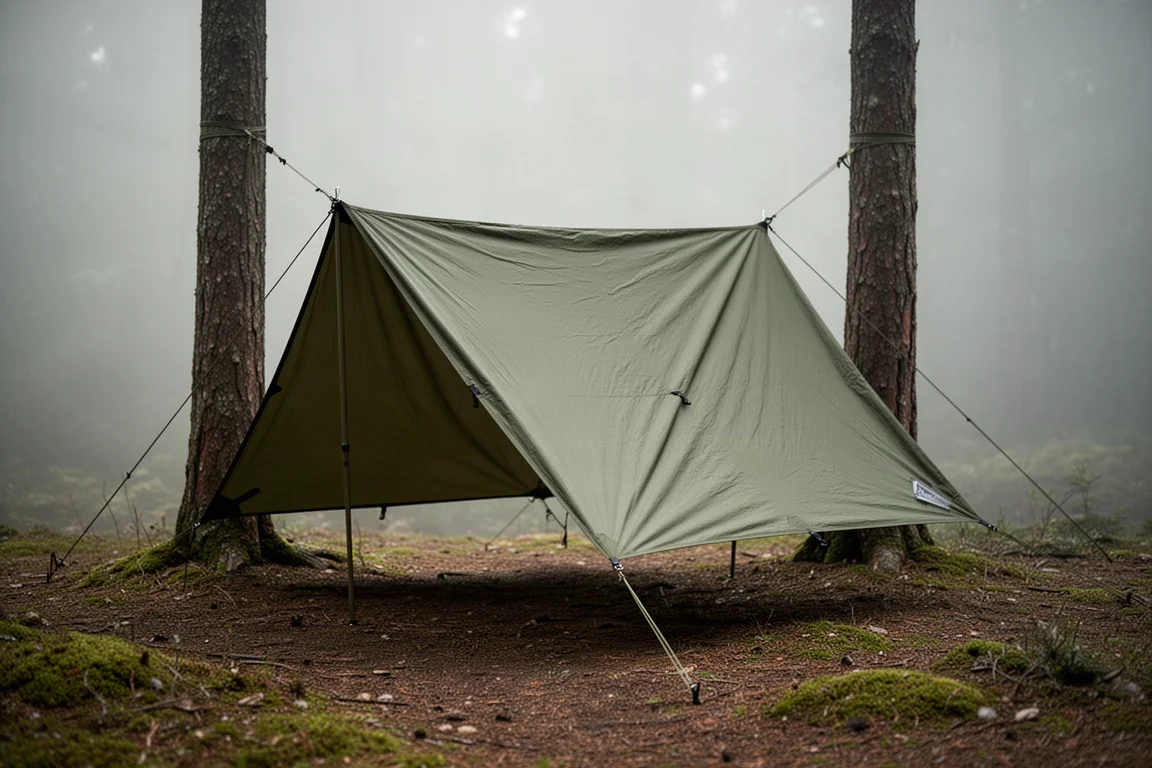
AquaQuest Safari Hybrid 20 ft x 13 ft Tarp Review: Two Years Under a Very Large Roof
A long-term look at the AquaQuest Safari Hybrid 20 x 13 tarp, covering build quality, weather protection, setup realities, and who should buy one.
Camping Shelters
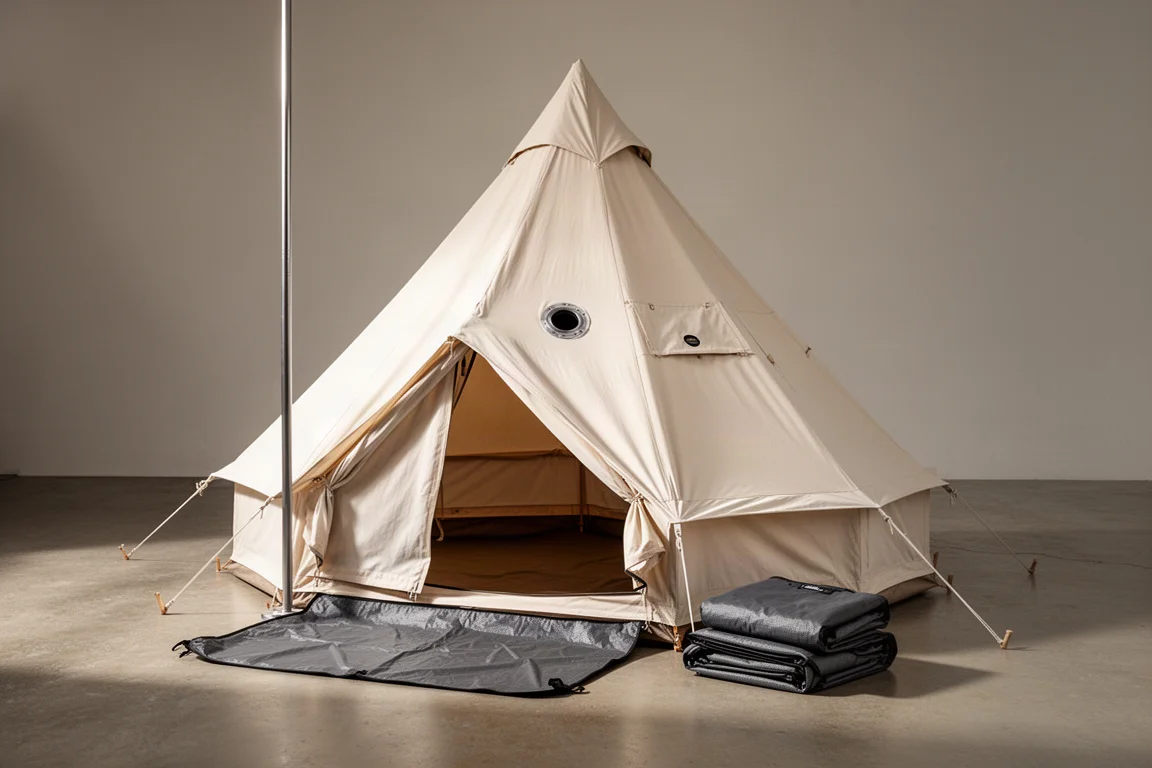
Backcountry Light Mesa 3 Hot Tent and Floor SL Tarp Review
A practical look at the Backcountry Light Mesa 3 four-season hot tent and its optional Floor SL Tarp, covering materials, stove jack design, packed weight, pricing, and the trade-offs to weigh before buying.