Camping Shelters
NatureHike Gabled Car Tarp Review: Big Coverage, Real Trade-Offs
A large four to six person awning kit with taped seams and a complete hardware set, weighed against setup friction, short stakes, and a price that is hard to justify at full retail.
Introduction
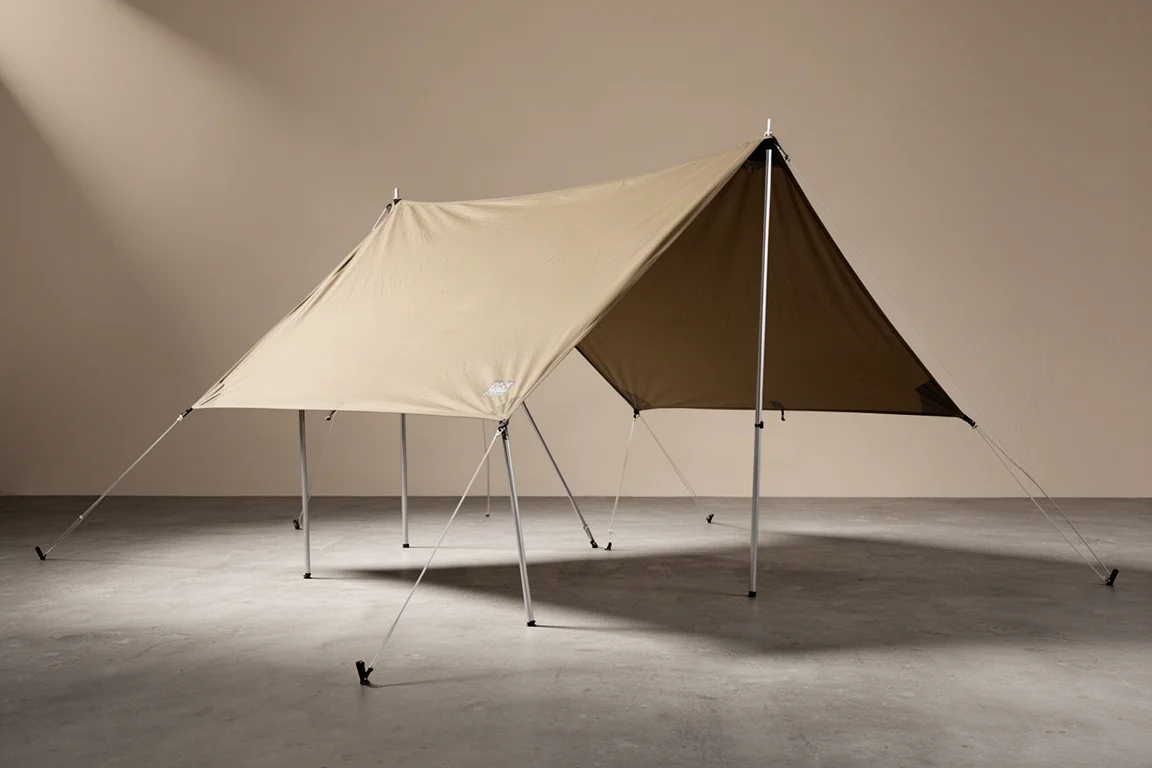
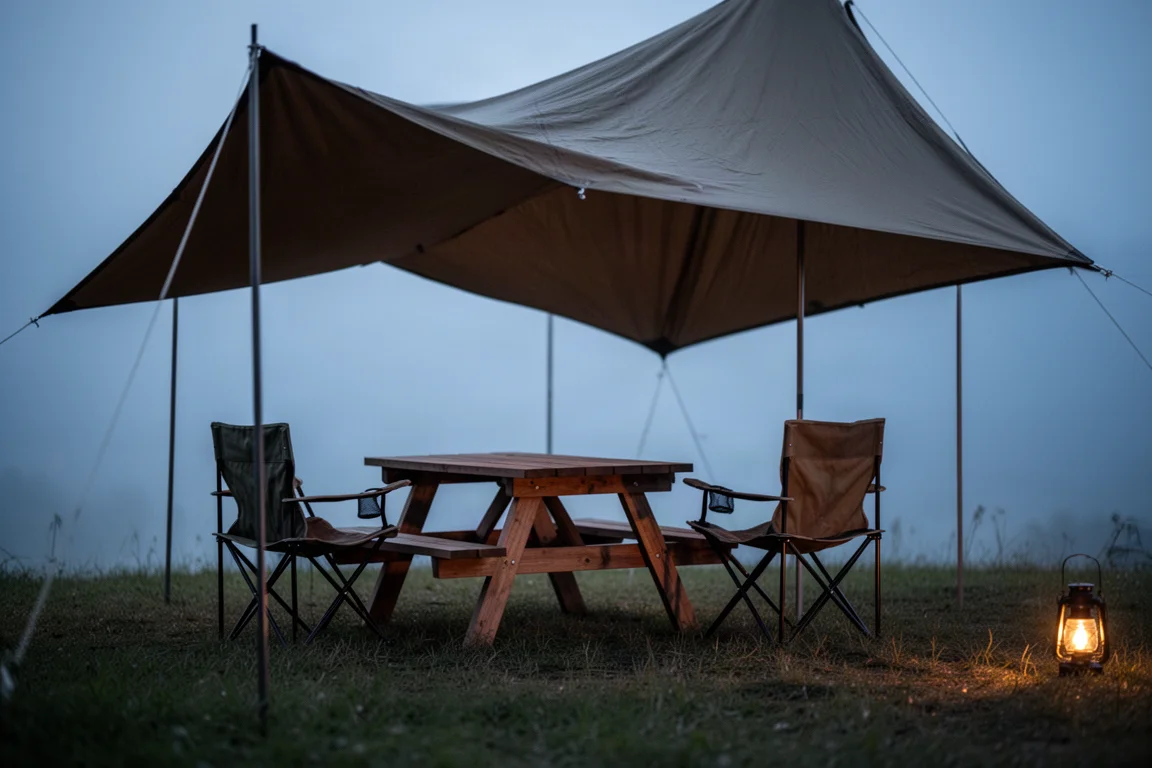
The NatureHike Gabled Car Tarp is a complete awning kit rather than a bare sheet of fabric. The package contains a large tarp, three poles, seven guy lines, nine stakes, and a storage bag, so there is nothing extra to source before the first pitch. The kit is sized for four to six people, with a setup footprint of 19 ft 4 in at its longest point and 11 ft 2 in at its widest. Packed down, it measures about 26.8 in by 6.7 in by 6.3 in and weighs roughly 15 lb.
That combination of size and completeness is the core of the pitch: one bag that turns a patch of ground, a picnic table, or the side of a vehicle into a covered, weather-protected space.
Who This Product Is For
This tarp suits campers who want overhead coverage for a group rather than a personal shelter. Four to six people fit comfortably underneath, which makes it a natural fit for family car camping, a basecamp kitchen area, or a picnic table that needs shade and rain protection for an afternoon.
It is also aimed at vehicle-based trips, where the tarp can be pitched alongside a car or truck to create a covered staging area for gear, chairs, and cooking equipment. Because it relies on poles and guy lines rather than a freestanding frame, it works best on sites with enough open ground to stake it out properly.
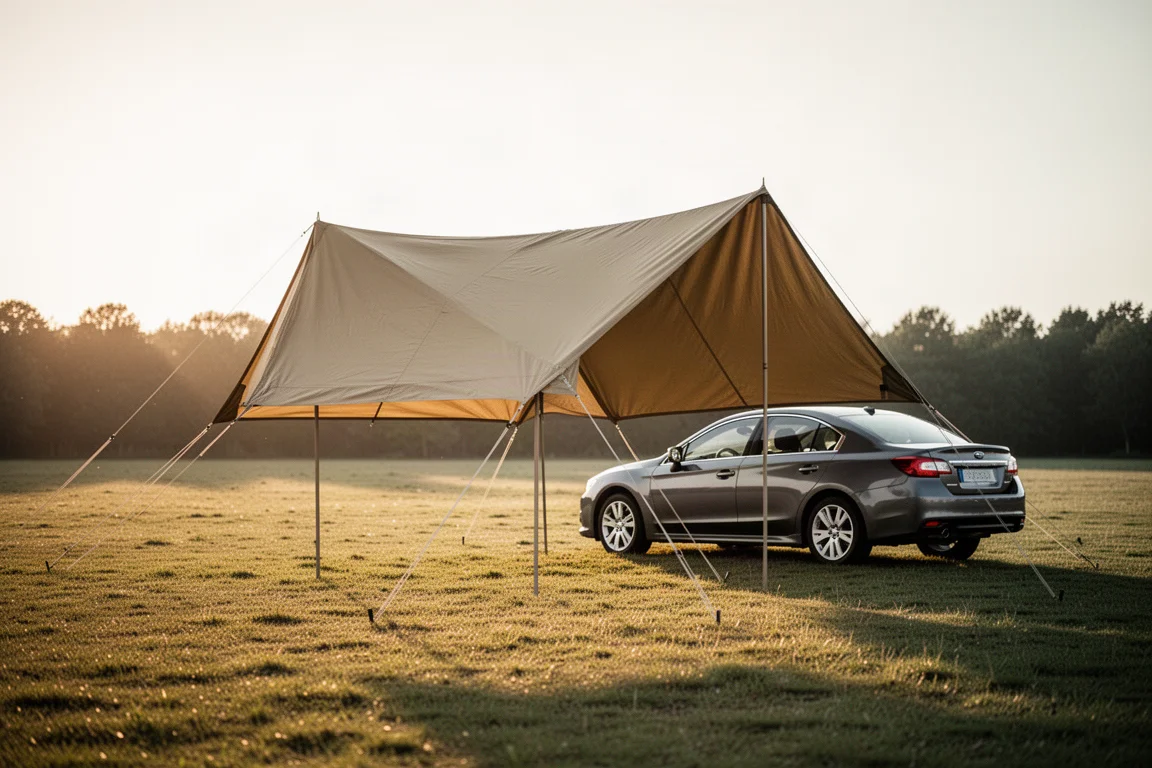
Anyone shopping in this category should think of it as a group shelter first and a lightweight backpacking item second. At roughly 15 lb for the full kit, this is a car-camping product.
Main Strengths
The most obvious strength is coverage. A 19 ft 4 in by 11 ft 2 in footprint is genuinely large, and the gabled profile adds useful headroom along the peaked sections instead of leaving a low, flat ceiling.
The kit is also complete. Two of the three poles measure 86.6 in, the third measures 74.8 in, and the package includes seven guy lines and nine stakes. The stakes are galvanized and feel substantial in the hand, and each one has a glow-in-the-dark tie-off point, a small detail that helps when the light fades and the lines need to be found again.
Construction quality on the tarp itself looks sound. The stitching is clean, the threads are consistent, and all of the seams are taped, which is the right approach for a shelter that will see rain. The storage bag is practical too, with two carry handles and two zippers from SBS.
Setup Notes and Included Hardware
Setup is where the kit asks for more patience than it should. The guy lines are not attached to the tarp at the factory, so every line has to be threaded and adjusted before the tarp goes up. That adds time to every pitch, and there is no obvious reason for it, since the lines are useless on their own.
The poles are held together by tension sleeves rather than locking mechanisms. They hold well enough in normal handling, but pulling on a section can separate it. The pole sections are also not colour coded, so it is not immediately clear which sections belong to which pole, which makes for a slightly imperfect build each time.
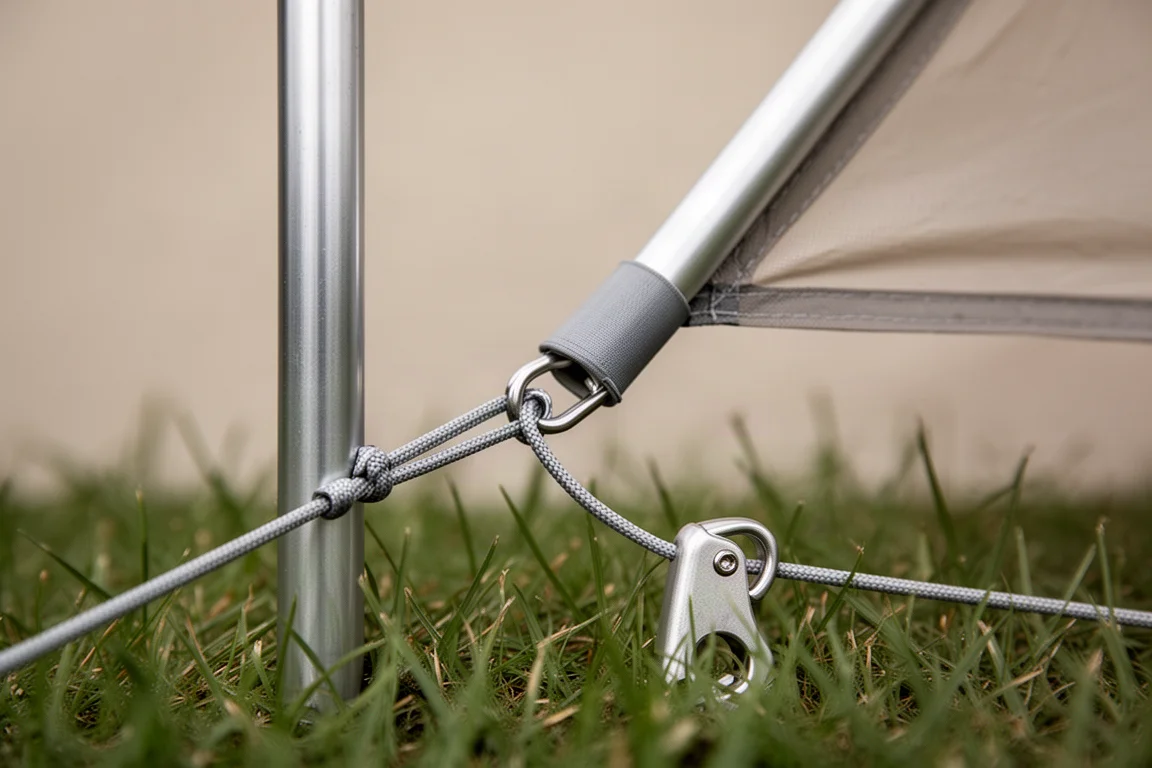
A more serious issue is the hardware on the guy lines. The aluminium tensioners are secured with knots, and those knots can work loose. On a first outing, one of the hardware pieces came free and was lost. Owners should expect to retie the lines with more secure knots before relying on the shelter in wind or rain.
The included instructions do little to help. For anyone who has pitched a tarp before, the process is still workable. For a first-timer, the documentation is likely to be a source of frustration rather than guidance.
Materials and Weather Performance
The tarp is made from Oxford polyester. NatureHike’s published specifications list the fabric as both 150D and 50D Oxford, which is contradictory. For a shelter of this size, 150D is the more plausible figure and the more sensible expectation for a tarp. Oxford is an inexpensive, long-established fabric, and it is common in budget shelters. That does not automatically make it a poor choice, though the material here does feel light and inexpensive in the hand.
What the tarp does well is shed water. The seams are taped and the outer face carries an aggressive DWR finish that makes rain bead and roll off. In steady rain, no leaking came through the fabric. The exact waterproof coating, silicone or PU, is not specified.
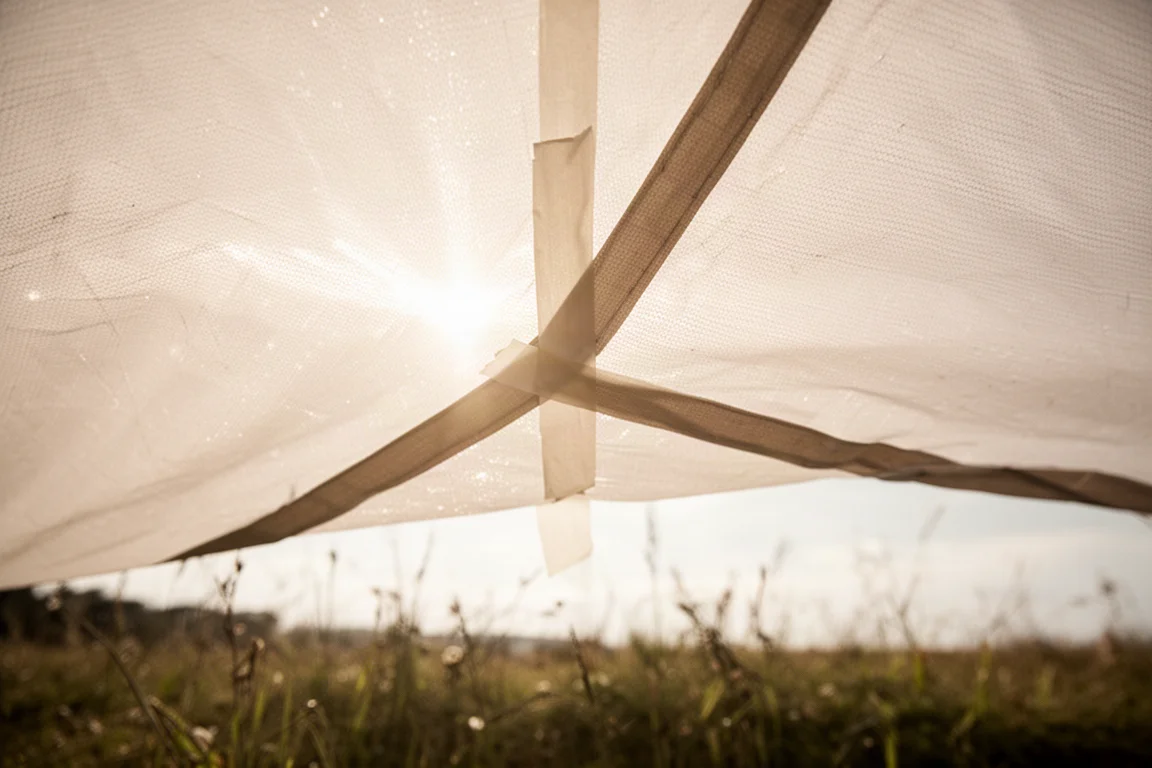
The bigger practical limitation is colour. The fabric is light in tone, and a great deal of light passes through it. Under direct sun, the area underneath is bright enough to feel uncomfortable without sunglasses, and heat passes through along with the light. On a hot day, the shelter warms up noticeably rather than staying cool and shaded.
Things to Consider Before Buying
Several details are worth weighing before committing.
The light fabric is the first. A shelter that lets this much light and heat through works against the reason many people buy an awning in the first place. Darker materials block more light and stay cooler underneath, and that is a meaningful difference on a summer afternoon.
The stakes are the second. They are decent quality but short, and a tarp with this much surface area catches wind. Longer stakes that bite deeper into the ground would suit the shelter far better.
The guy line knots are the third, and they are the most practical concern. Hardware that can slide off a line is a real problem for a shelter that depends on those lines to stay tensioned.
Finally, the material specification conflict is worth noting. When a manufacturer lists two different fabric weights for the same product, it is difficult to know exactly what is being purchased. None of these issues are fatal on their own, but together they describe a product with a good concept that has not been fully finished.
Pricing and Value
Value is the hardest part of this kit to justify. The retail price is close to $300, listed at $286 on the NatureHike site, with sale pricing around $200. The same tarp has been listed at roughly $15 through the NatureHike store on AliExpress.
At $15, the maths is simple: a large tarp with poles at that price is easy to recommend. At $200 or $300, the comparison becomes difficult, because the materials are ordinary Oxford polyester and the poles are neither especially light nor especially strong.
Comparable products make the gap clearer. Tarp-and-pole setups with similar coverage can be found for around $98, $116, and $130. A large awning is available for roughly $161, a vehicle-mounted awning can be had for under $200, and a tent plus tarp combination can be bought for around $200. Those alternatives generally use darker fabrics that block more light and let less heat through while doing the same job, and in some cases doing it better.
Buying Advice
The Gabled Car Tarp makes sense for a specific buyer at a specific price. If the goal is a large, weather-resistant group shelter and the price is close to the low end of what this kit has been listed for, the coverage, taped seams, and complete hardware set make it a reasonable option, provided the buyer is willing to retie the guy lines and swap in longer stakes.
At full retail, the case is much weaker. The same budget buys darker, cooler shelters with comparable or larger coverage, and those alternatives do not require the same setup fixes.
Before buying, decide three things: whether shade and heat blocking matter more than a light, airy feel underneath; whether the site allows long stakes to be driven in properly; and whether the price on offer reflects the materials actually used. Buyers who can answer those questions honestly will know quickly whether this kit belongs in their camping setup.
If the answers point toward a cooler, darker shelter at a lower price, that is a perfectly sensible conclusion. This tarp has potential, but it is not the obvious choice in its category at full price.
Conclusion
The NatureHike Gabled Car Tarp is a large, well-stitched awning kit with taped seams and a genuinely useful footprint for four to six people. It also arrives with setup friction, thin documentation, short stakes, guy line hardware that needs retying, and a fabric that lets a great deal of light and heat through.
For campers who want maximum coverage at the lowest price this kit has been offered at, and who do not mind making a few fixes, it can earn its place. For everyone else, especially at close to $300, comparable shelters with darker fabrics remain the more comfortable and better-value route.
Product link
View more details for NatureHike Gabled Car Tarp
This product is mentioned in the review. Check the specifications, options, and compatibility before buying.
View more details for NatureHike Gabled Car TarpFurther reading
Related Reviews
Camping Shelters
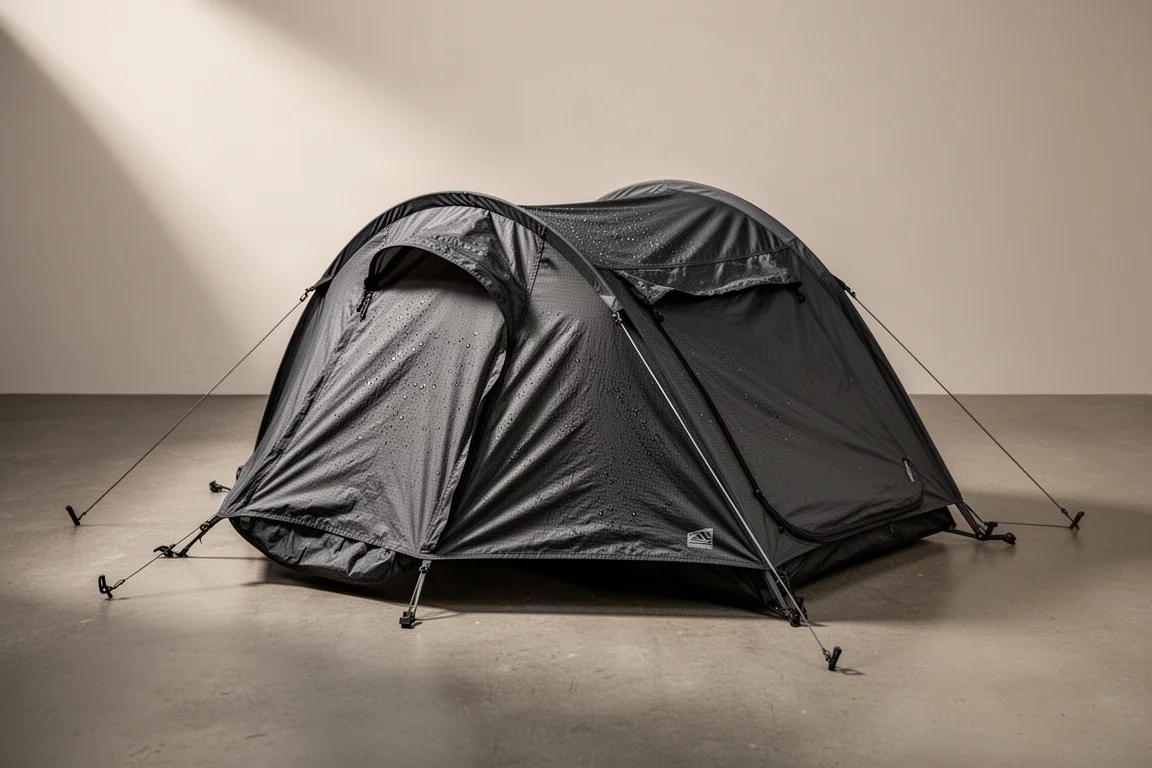
Alps Mountaineering Stealth 1 Bivy Review: A Waterproof Claim That Does Not Hold Up
The Alps Mountaineering Stealth 1 Bivy carries a 2,000 mm hydrostatic head rating and a waterproof claim, but sustained rain exposure and build quality concerns make it difficult to recommend.
Camping Shelters
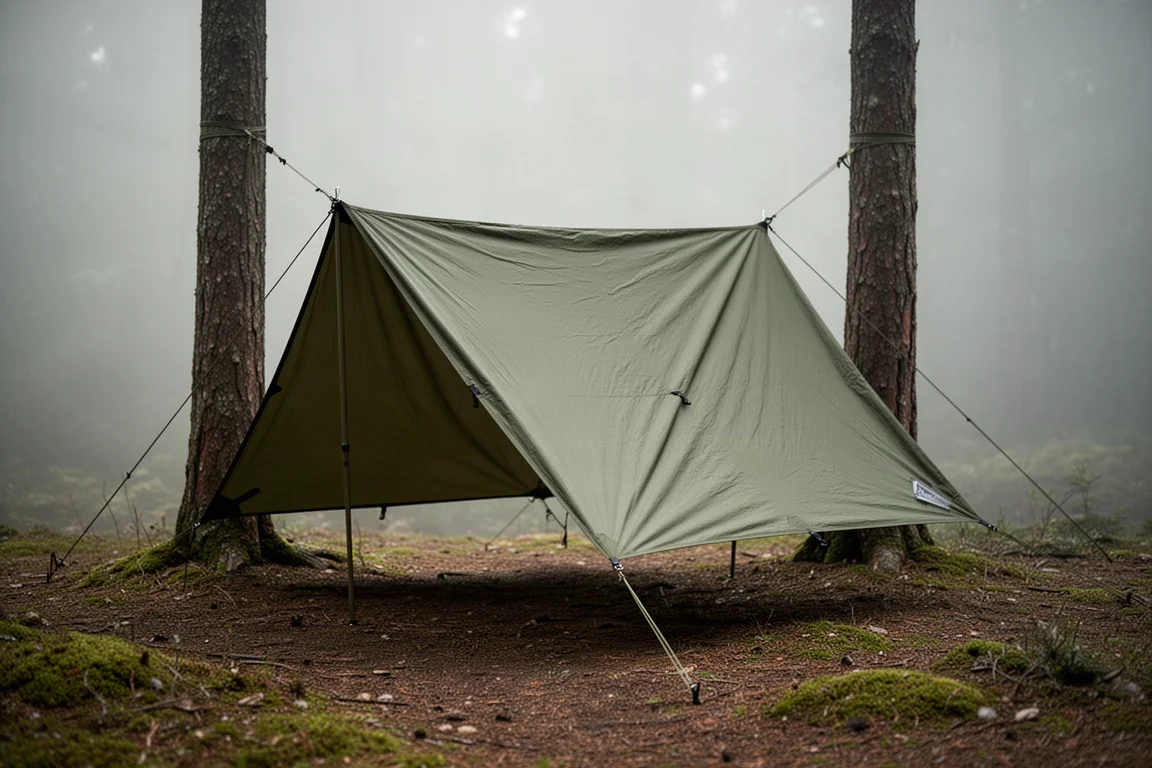
AquaQuest Safari Hybrid 20 ft x 13 ft Tarp Review: Two Years Under a Very Large Roof
A long-term look at the AquaQuest Safari Hybrid 20 x 13 tarp, covering build quality, weather protection, setup realities, and who should buy one.
Camping Shelters
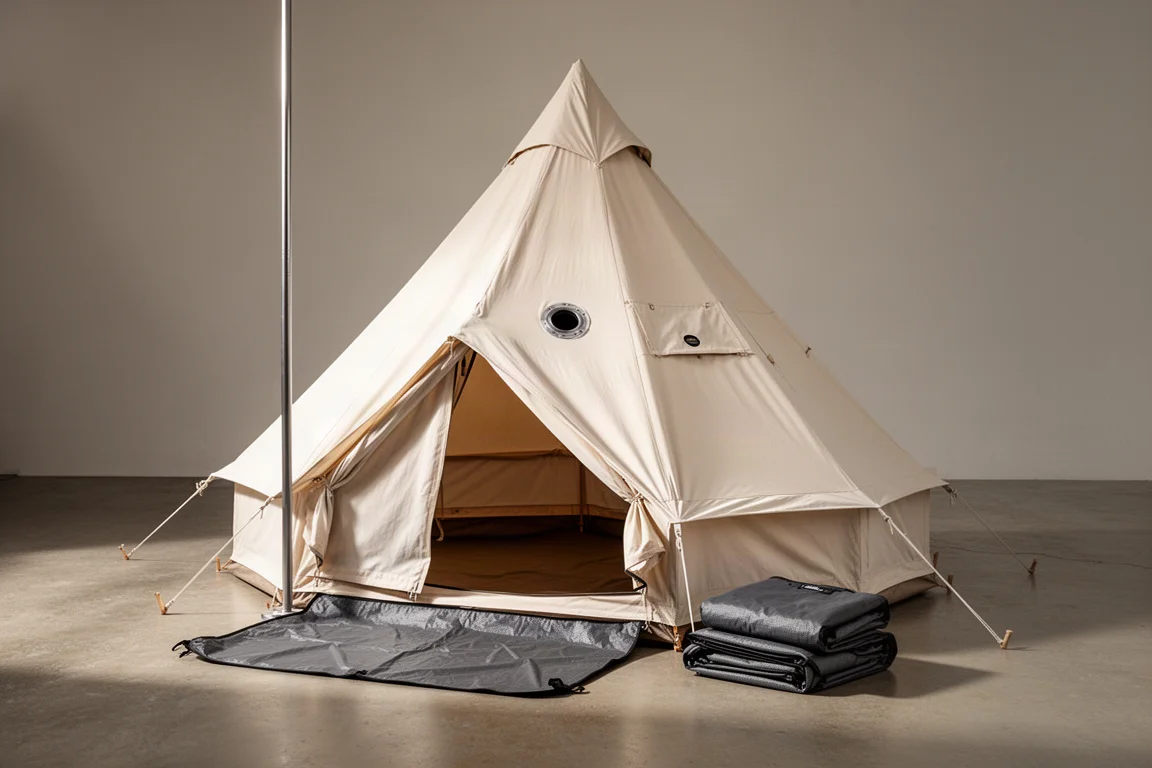
Backcountry Light Mesa 3 Hot Tent and Floor SL Tarp Review
A practical look at the Backcountry Light Mesa 3 four-season hot tent and its optional Floor SL Tarp, covering materials, stove jack design, packed weight, pricing, and the trade-offs to weigh before buying.