Backpacking Tents
Nature Hike Spire Tent Review: A Tiny Trekking Pole Shelter With Clear Limits
A low-cost one-person trekking pole shelter with a simple pitch, a 1.6 lb fly and stakes, and an interior that only suits smaller hikers.
Introduction
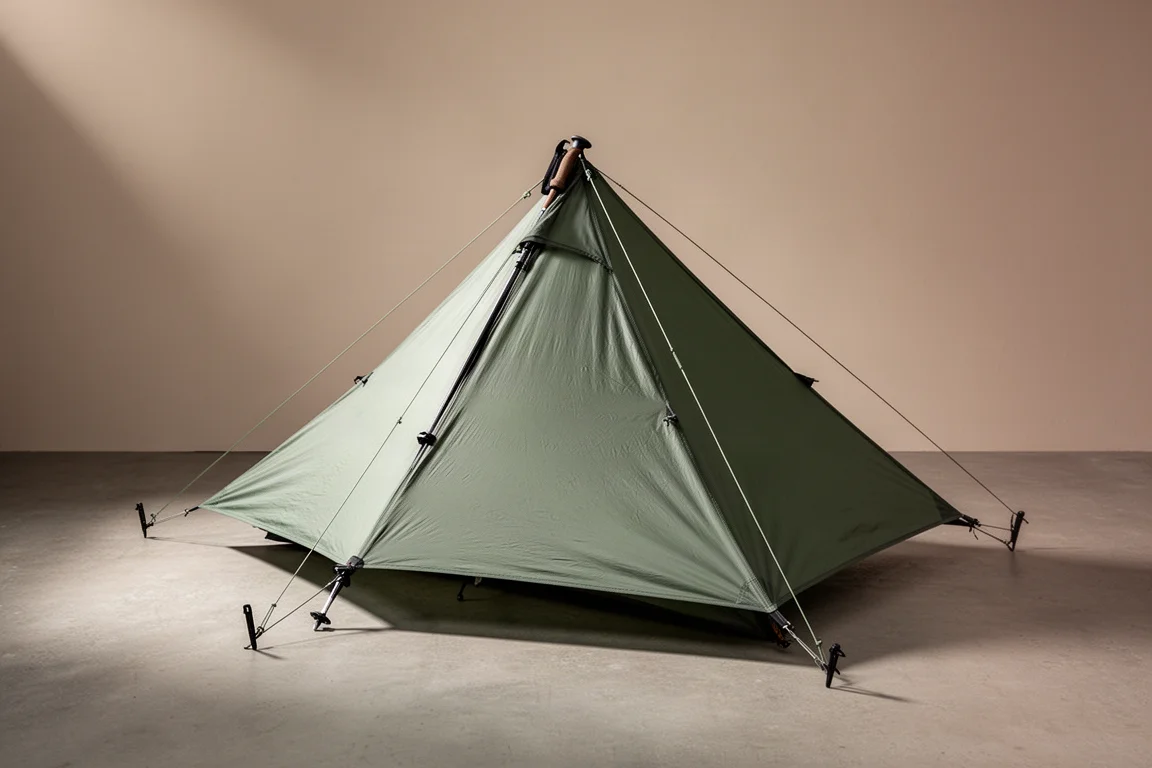
The Nature Hike Spire is a one-person trekking pole shelter that competes on two numbers: weight and price. The fly is cut from 20D silicone-treated nylon, the footprint measures 82.6 in by 82.6 in, and the peak height is 53.1 in. Packed as a fly with its stakes it weighs 1.6 lb, and that figure excludes the trekking pole you have to supply yourself. The complete tent, inner included, retails at $130.
Those numbers make the Spire an easy shelter to consider. The harder question is what the fly can do on its own. Pitched without the inner, in the configuration many lightweight hikers would want for fast trips, the shelter is far less usable than its footprint suggests. The inner is not what makes this tent small. The fly is.
Who This Tent Is For
This is a shelter for a specific kind of camper: a solo backpacker who is compact in stature, already carries trekking poles, and treats a tent as a place to sleep rather than a place to spend an evening. The practical height ceiling sits around 5 ft 3 in. Above that the geometry stops working, and taller users end up modifying the pitch by pulling the walls outward. That is a workaround rather than a design feature, and it should not be counted as part of what the product offers.
Anyone who wants to sit up, change clothes, or wait out a storm inside a shelter should look at a larger design instead.
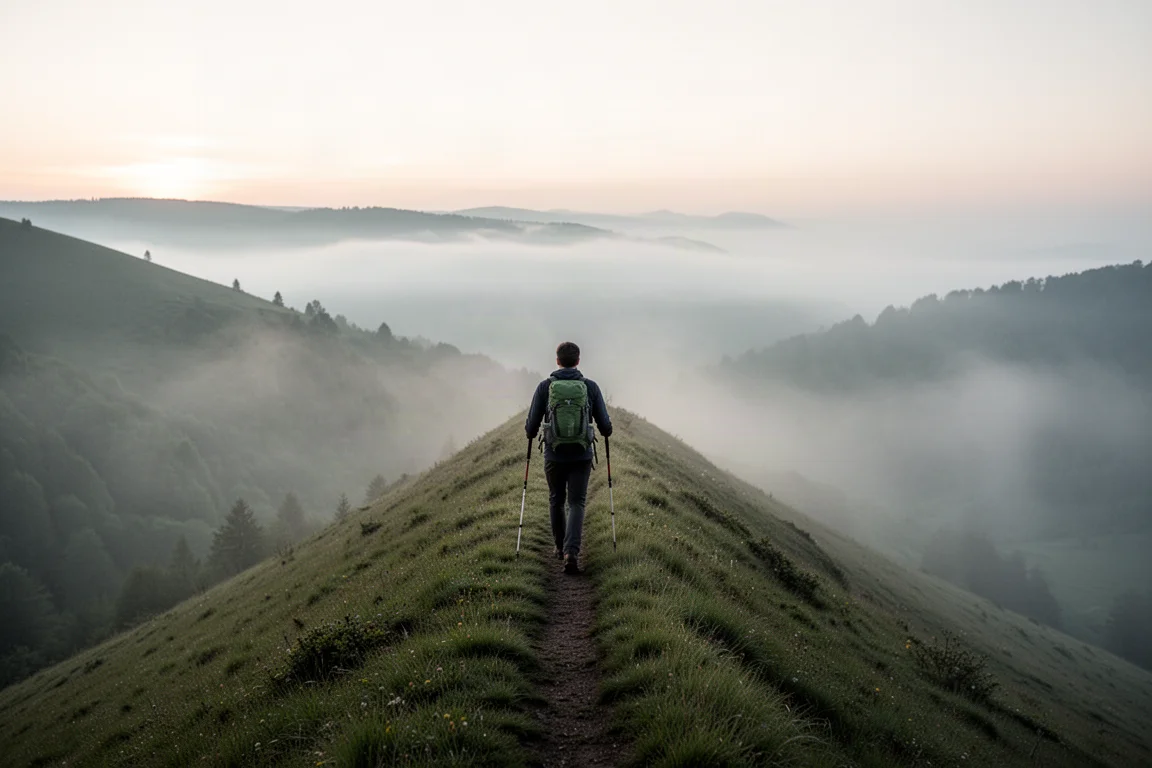
For short overnight trips in mild conditions, where the shelter is only needed for a few hours of sleep, those constraints matter much less. It is the long, wet, confined hours that expose them.
Design, Setup, and Materials
Setup is the strongest part of the package. One trekking pole supports the apex, the fly tensions over it, and the pitch goes up without any complexity. No poles are included with the tent, but a set of stakes is, so the only extra hardware required is the trekking pole you are already carrying.
The materials follow the same low-weight logic. The fly is 20D silicone-treated nylon, and the inner uses a 38T nylon floor with polyester mesh. The Spire is available in green, which is the easiest version to find, and in orange. Two vents are built into the fly to help move air through the shelter.
Interior Space and Comfort
This is where the Spire struggles. The interior is small enough that a sleeper’s feet press against one wall and the head has to be turned to fit against the other. The support pole stands in the middle of the floor, so almost any position inside involves contact with either the pole or the fabric. Moving the pole off-centre creates a little more usable room and is arguably the only workable arrangement, but it does not change the overall scale.
Guying the fly out adds roughly 2 in of extra space, which is a modest gain rather than a fix.
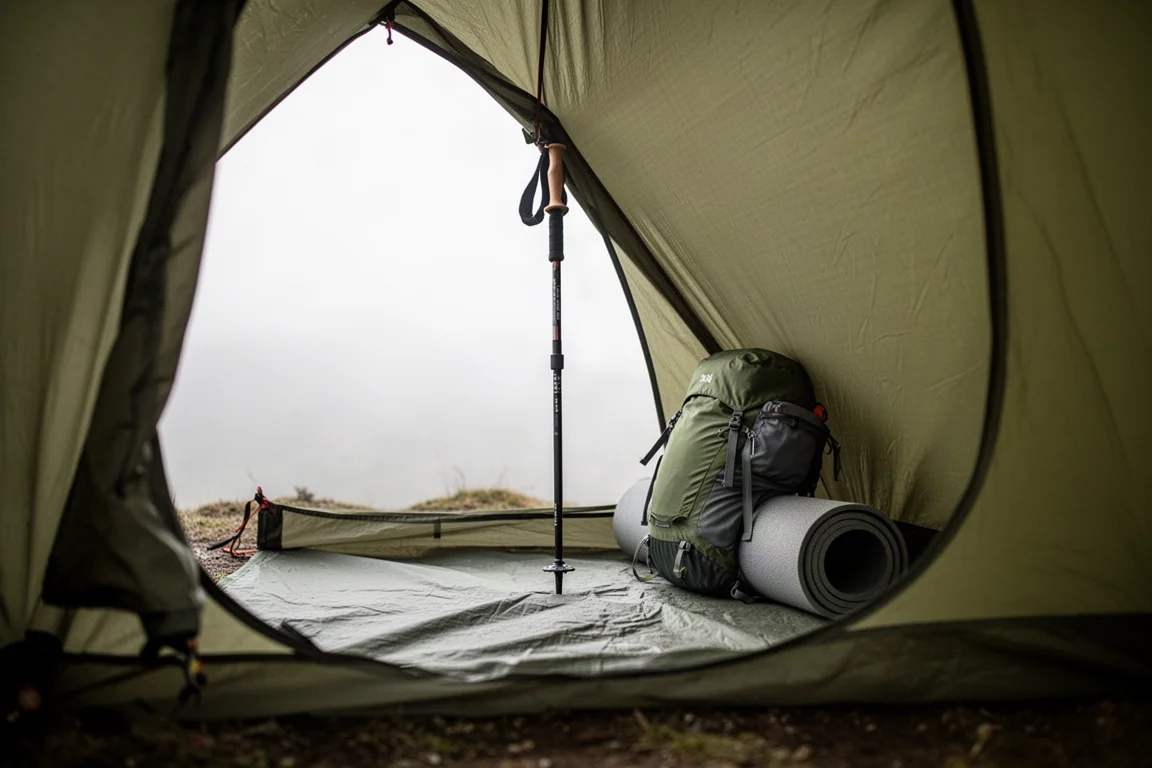
The dimensions tell the story more clearly than any description. An 82.6 in square footprint sounds generous until the sloping walls and the central pole are accounted for. Lying down at an angle is the only way to fit, and even then a sleeping bag ends up close to the fabric, which is exactly where condensation collects.
Main Strengths
The pitch is genuinely simple, and that counts for something on a cold, dark arrival at camp.
Weight is respectable for the money. The fly and stakes come to 1.6 lb, and while the trekking pole adds to that total, the system stays light rather than ultra-light.
Price is the other clear strength. At $130 for the complete tent, the Spire undercuts most shelters in its class by a wide margin. Nature Hike tends to use good materials at this price point, and the Spire follows that pattern, though finishing can be inconsistent and loose threads do turn up.
Stakes are included, and the two vents give the fly some airflow in settled conditions.
Things to Consider Before Buying
Interior volume is the first thing to weigh. If you are taller than about 5 ft 3 in, the geometry does not accommodate you, and the modifications required to make it work are not part of what you are buying.
The fly is silicone-treated nylon, and that material stretches and sags once it gets wet. Rain and internal condensation will pull the walls inward unless every guy line is used to hold them out. Without that tensioning the shelter becomes impractical in wet weather.
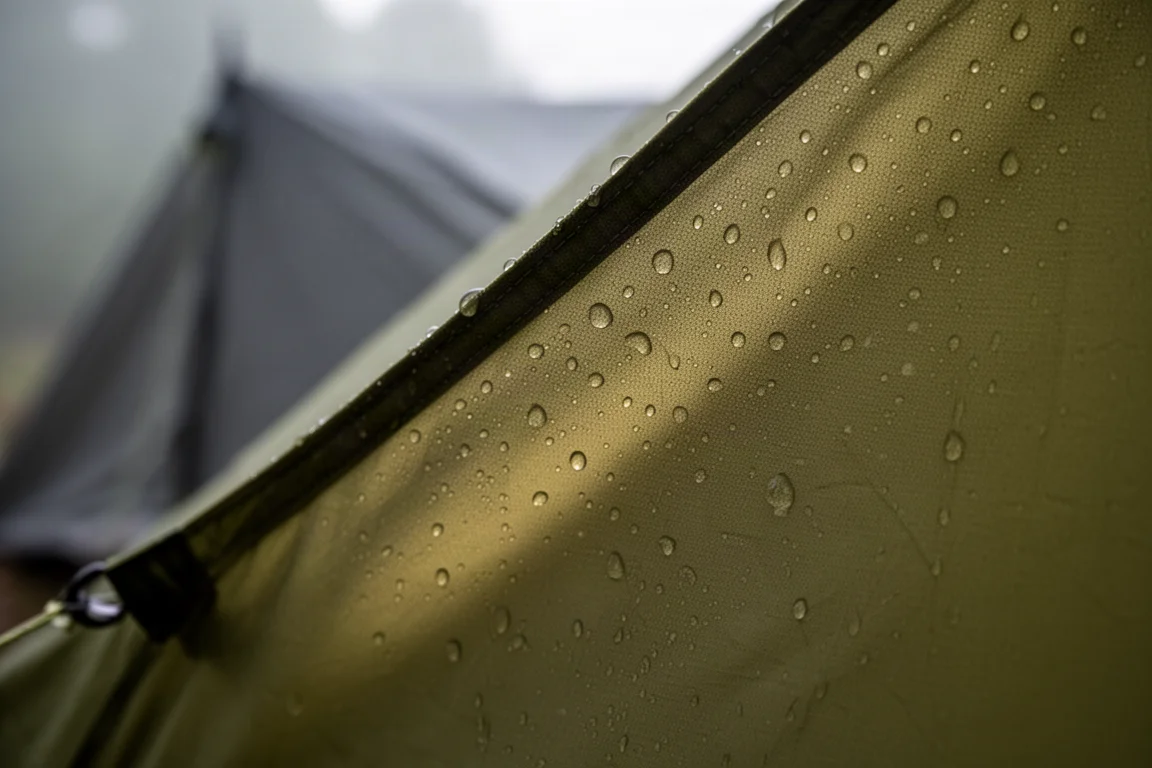
The fly also sits well clear of the ground. That helps airflow in dry conditions, but in exposed, windy, rainy weather there is nothing stopping wind-driven moisture from coming in underneath the edge. Lowering the fly toward the ground would close that gap, but it would also cut off the airflow the raised edge provides, and it is not clear the shelter can be pitched low enough to seal properly.
Ventilation is limited even in the standard pitch. Two vents only do so much, and in warm weather the combination of a low-volume interior and trapped body heat makes condensation likely. Waterproof performance has not been independently confirmed, although Nature Hike shelters generally hold up well in this area.
Weather Protection and Ventilation
Wet-weather behaviour is the part of the design that needs the most caution. Silicone-treated nylon absorbs moisture and loses tension, so a pitch that looks taut in dry conditions will come in toward the sleeper once the fabric is damp. Every guy line therefore becomes mandatory rather than optional.
Airflow is the second constraint. The raised fly edge helps in still, dry weather, and the two vents provide some exchange. In warmer months the small interior and the limited venting mean condensation builds on the inside of the fly and on nearby inner surfaces, which is precisely where a sleeping bag is most likely to touch.
Buying Advice
For a hiker around 5 ft 3 in or shorter, using the Spire for short trips in settled weather, this is a legitimate budget option. It pitches quickly, weighs little for the price, and includes its stakes.
For everyone else, the honest answer is to look at a larger shelter. The interior does not leave enough room to sit, stretch, or keep gear clear of the walls, and those limits do not improve with practice.
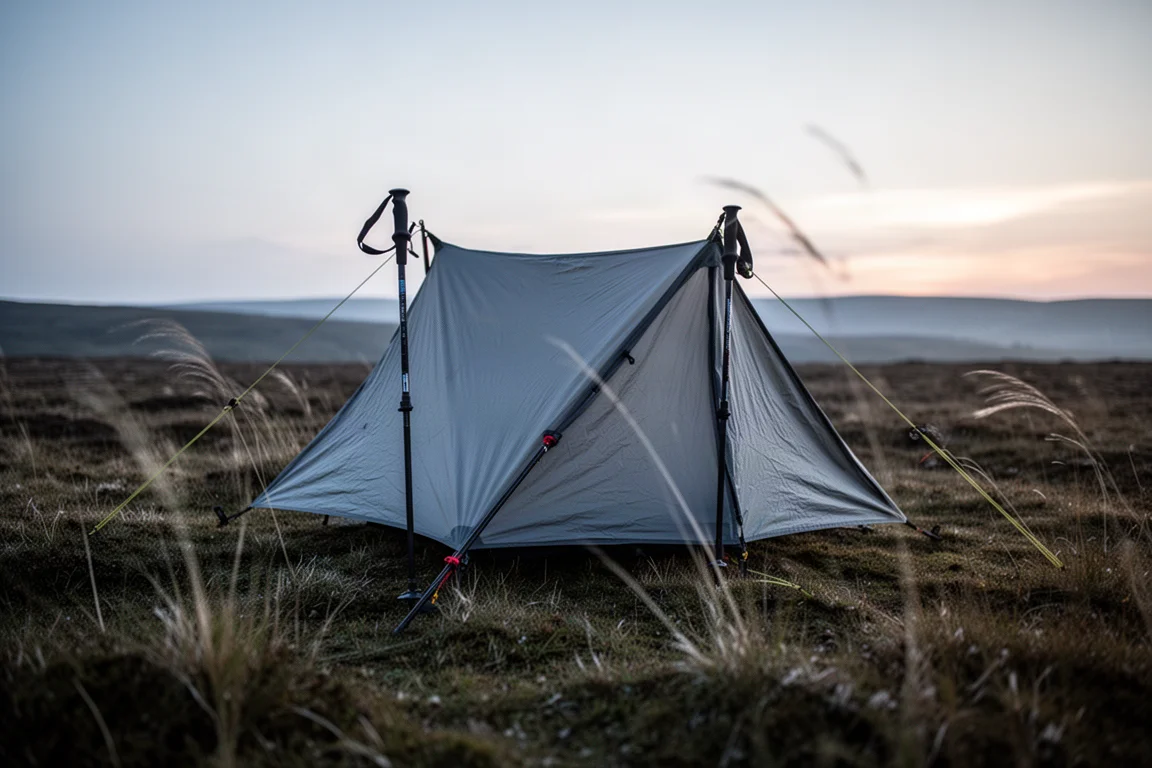
If the fly-only configuration is what appeals, understand the pricing before you commit. The complete tent retails at $130, the fly on its own is listed at about $68, and the orange version at about $40. Buying the fly alone only makes sense if you accept that you are getting a tarp rather than a tent. Adding the inner is what turns it into a tent, and the inner is not the part that limits the space.
Conclusion
The Nature Hike Spire gets the easy parts right. It pitches simply, it is light for its price, it uses sound materials, and at $130 for the full setup it costs a fraction of what comparable shelters often ask. The hard part, interior space, is where it falls down. Stripped of its inner the fly behaves more like a tarp than a tent, and even fully assembled the shelter only fits a narrow range of users. If you are small, travel light, and sleep rather than linger, it can work. If you are not, the numbers will not change to suit you.
Product link
View more details for Nature Hike Spire Tent
This product is mentioned in the review. Check the specifications, options, and compatibility before buying.
View more details for Nature Hike Spire TentFurther reading
Related Reviews
Backpacking Tents
3F UL Lanchan Pro 1 Review: A 1 lb 8 oz Single-Wall Trekking Pole Tent
A practical look at the 3F UL Lanchan Pro 1, a single-wall trekking pole shelter with a 1 lb 8 oz weight, 20D silnylon fabrics, and a roomy 90 x 31 x 49 inch interior.
Backpacking Tents
3F UL Taiji 2-Person Tent: A Convertible Backpacking Shelter Worth a Closer Look
A practical look at the 3F UL Taiji two-person tent, covering its materials, true two-person interior, fly-first pitching, and the seasonal inner swap that lets one shelter cover more of the year.
Backpacking Tents
3FUL Lanshan Twoerson Pro Review: A Light Trekking Pole Shelter That Struggled in Rain
A two-person trekking pole shelter with a 2026 redesign, pitched with sticks and put through a night of steady rain. Here is what worked, what did not, and what to check before buying.