Hi-Fi Accessories
Musical Fidelity X Tube Review: A Tube Buffer With a Clear Job to Do
The Musical Fidelity X Tube is a two-valve buffer built to sit between a source and an amplifier. Here is what it does, how it connects, and the hum issue that has kept it from release in its current form.
Introduction
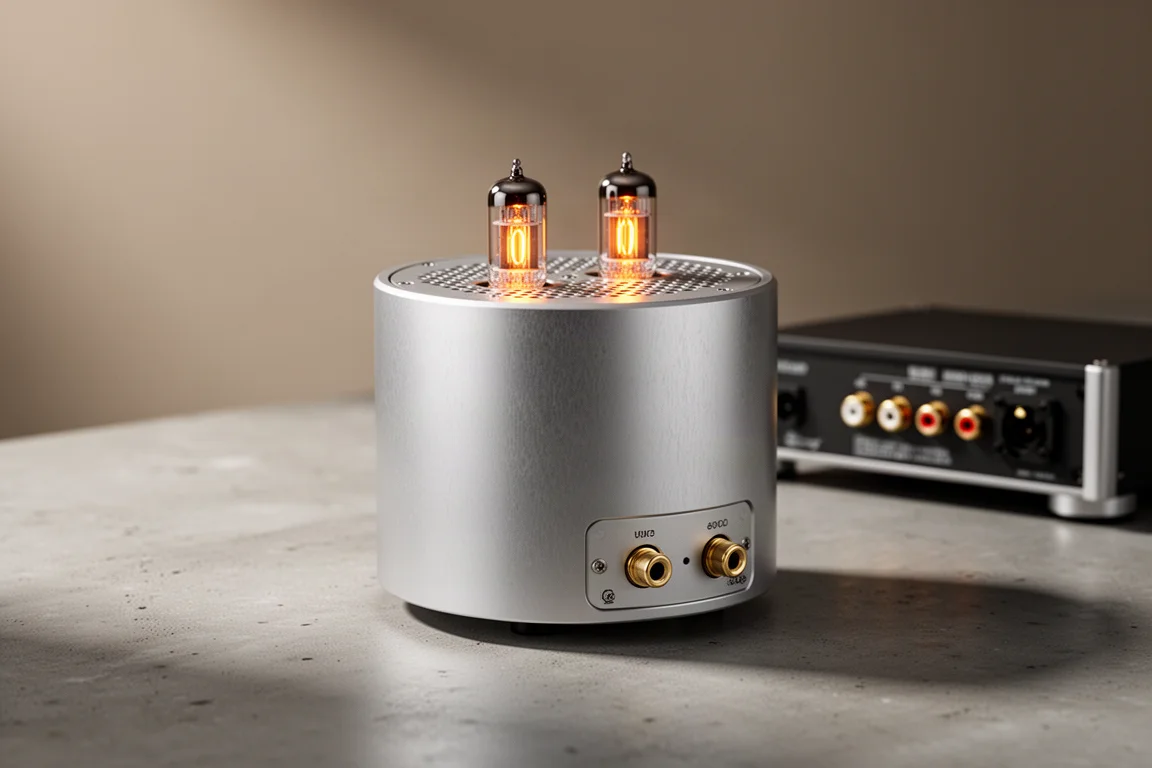
The Musical Fidelity X Tube is a tube buffer, which means it is not a preamplifier, a DAC, or an amplifier. It is a small outboard component designed to sit between two pieces of gear you already own. Physically it takes the form of a cylindrical chassis, and inside is a circuit board carrying a pair of 6922 valves, also known as E88C. Whether you call them tubes or valves, they are the same glass envelopes doing the same job.
The rear panel keeps things simple. There is one input and there are two outputs. The socket marked output routes the signal through the valve circuit: audio arrives at the input, passes through the tubes, and leaves through that output. The second socket is a bypass output, hardwired directly to the input so the signal skips the circuit board completely. That detail matters, because it allows the X Tube to sit in a system as a passive link whenever you want to hear the chain without it.

The X Tube follows an earlier Musical Fidelity model, the X10D, which made a similar promise for an earlier generation of systems.
Who This Product Is For
The X Tube is aimed at listeners who are broadly happy with their system but want to adjust one specific thing about it.
The most obvious candidate is a setup where a streaming DAC doubles as a digital preamplifier and runs straight into a power amplifier. That arrangement can sound fast and immediate, but it can also come across as lean, and it often prompts owners to reintroduce an analogue preamplifier purely to add weight. The X Tube is intended as a smaller, more targeted alternative to that swap: one extra box that adds valve character without replacing the preamplifier stage entirely.
It is also relevant to anyone curious about valve flavour but unwilling to rebuild a system around it. Because the bypass output exists, the X Tube can be inserted, evaluated, and removed from the signal path without any rewiring.
How the X Tube Works
Musical Fidelity describes two possible benefits for the X Tube. The first is improving the impedance relationship between a source device and an integrated amplifier. The second is infusing the sound of a system with a little triode valve character. Musical Fidelity’s own documentation also notes that the X Tube can be used between a preamplifier and a power amplifier, which broadens where it can sit in a chain.
The practical question is whether a valve stage in that position helps or hinders. A buffer is not meant to impose a house sound on everything downstream; it is meant to present a friendlier load and add a degree of harmonic richness along the way.
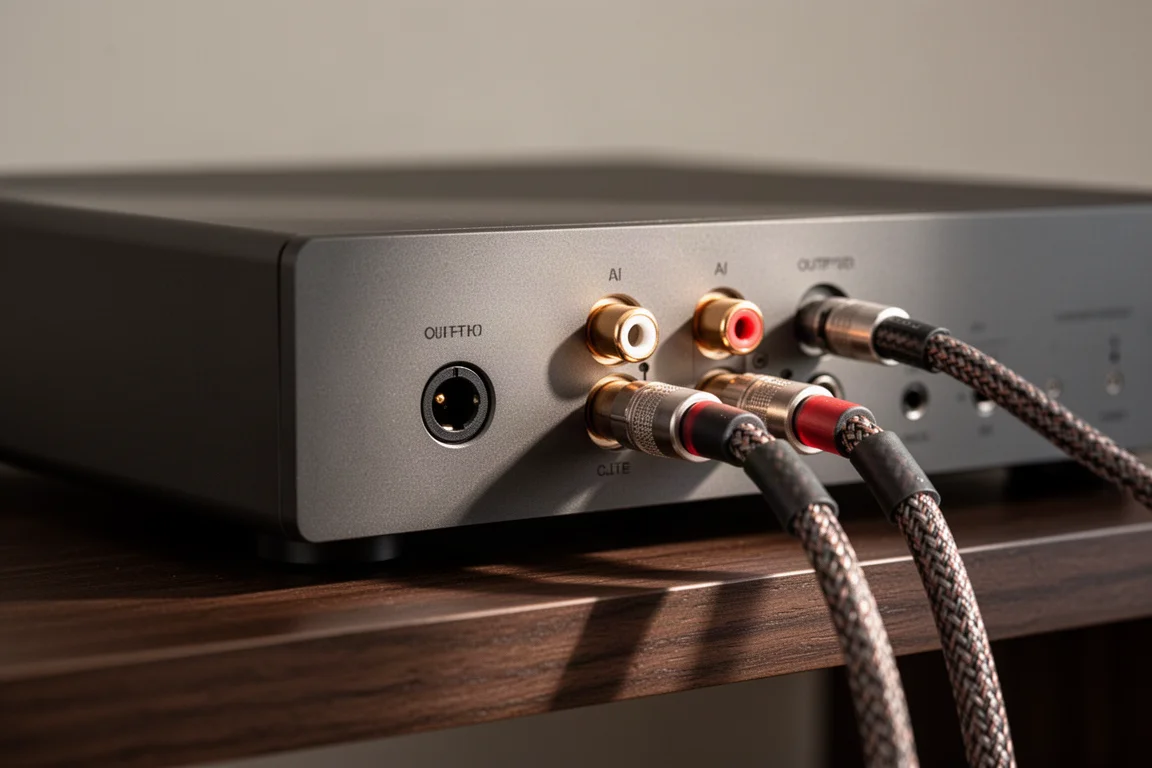
The bypass output is the counterweight to all of this. With the cable moved to the bypass socket, the X Tube contributes nothing at all, which makes an honest comparison between the two signal paths straightforward.
Main Strengths
The X Tube’s strongest quality is the clarity of its brief. It does not try to be a DAC, a streamer, or a preamplifier. It is a two-valve buffer with one input and two outputs, and its purpose is stated plainly: adjust the interface between two components and add a touch of triode character.
The dual-output arrangement is genuinely useful. Having a hardwired bypass next to the valve output means the component can be evaluated in a real system rather than trusted on description alone. For anyone who has ever wondered whether a valve stage would suit their chain, that is a meaningful convenience.
Placement flexibility is the other advantage. Whether it goes between a source and an integrated amplifier or between a preamplifier and a power amplifier, the X Tube occupies the same small footprint and needs only a pair of interconnects.
And when a problem did surface, Musical Fidelity engaged with it directly, confirming the behaviour and stating its position on the product’s release. That kind of transparency is worth noting, even when the news itself is not good.
What Testing Revealed
In a system built around a streaming DAC running as a digital preamplifier into a power amplifier, a low-level hum appeared through both loudspeakers. It was not overwhelming, but it was audible from the listening position. The same system with the DAC running at full output into an integrated amplifier produced a quieter hum, one that could be heard close to the speaker but not from a normal seat.
Moving the output cable to the bypass sockets removed the hum entirely. That pointed to the valve circuit rather than to the surrounding equipment. Swapping interconnects, changing the power amplifier, changing the DAC, changing the integrated amplifier, and moving the power cable from a conditioner to a wall socket all left the hum unchanged.
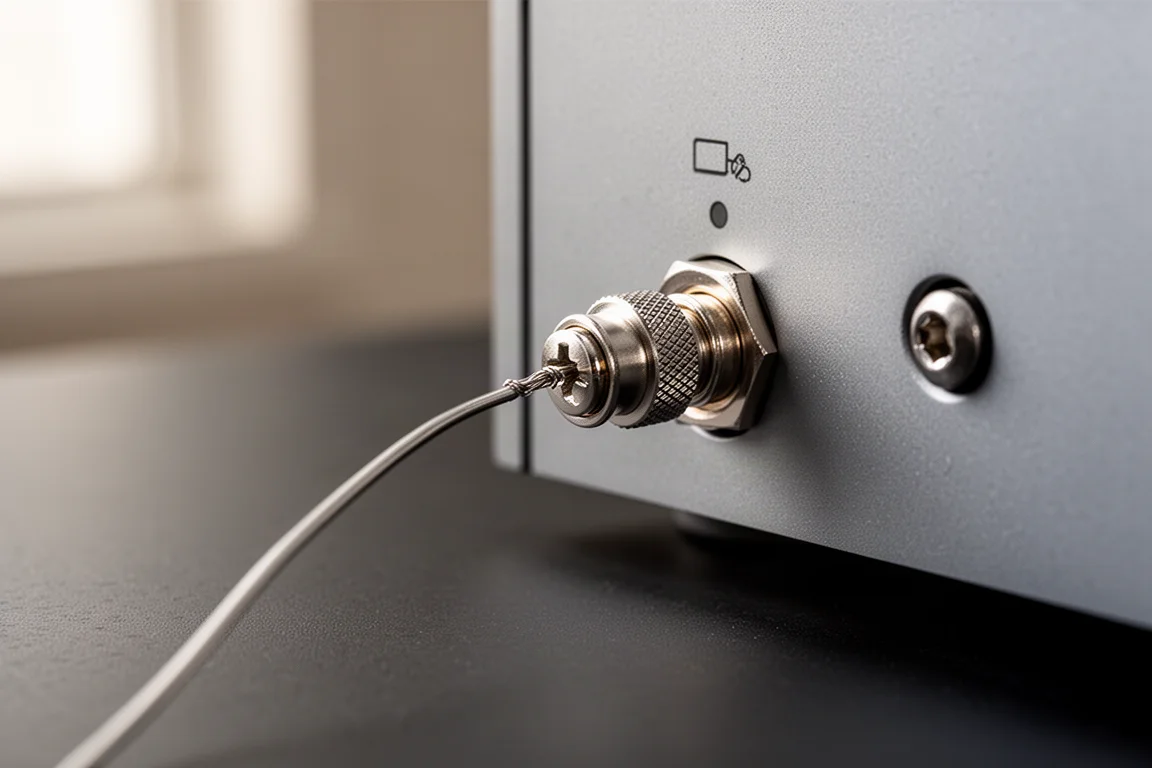
Musical Fidelity subsequently confirmed the behaviour. The company’s explanation is that the streaming DAC in question is a floating design, so its ground is fully open when it drives a power amplifier, which is not the case with an integrated amplifier. Using a ground wire on the source’s grounding terminal greatly reduces the hum. In that grounded configuration the hum is not audible from the listening position, though it remains discernible close to the speaker.
Musical Fidelity also stated that it will not release the product in its current form.
Things to Consider Before Buying
The first thing to establish is availability. The X Tube had not started shipping, and the unit examined here was a certified production sample rather than a pre-production build. Since Musical Fidelity has said the current form will not be released, what eventually reaches customers may differ from what was tested.
Grounding deserves attention. If your source is a floating-ground design feeding a power amplifier, the hum described above is a real possibility, and the remedy involves using a ground wire on the source’s grounding terminal. Systems built around integrated amplifiers were less affected.
It is also worth being clear about what the X Tube cannot do. It will not add resolution, and it is not a substitute for a preamplifier. Buyers should be comfortable with the idea of a component whose job is to adjust character and interface rather than to transform a system.
Finally, factor in an extra pair of interconnects. The X Tube sits in line between two components, so it needs its own cabling rather than plugging in on its own.
Buying Advice
For most readers, the sensible move is to wait. A component that the manufacturer has said will not ship in its current form is not something to plan a system around today. When a final version does arrive, the same criteria will apply: does it sit comfortably in your chain, and does the valve output earn its place?
If you are considering it, the audition is unusually easy to structure. Connect the source to the input, run the output to your amplifier, listen, then move the cable to the bypass socket and listen again. Because the bypass is hardwired to the input, the comparison is direct rather than approximate.
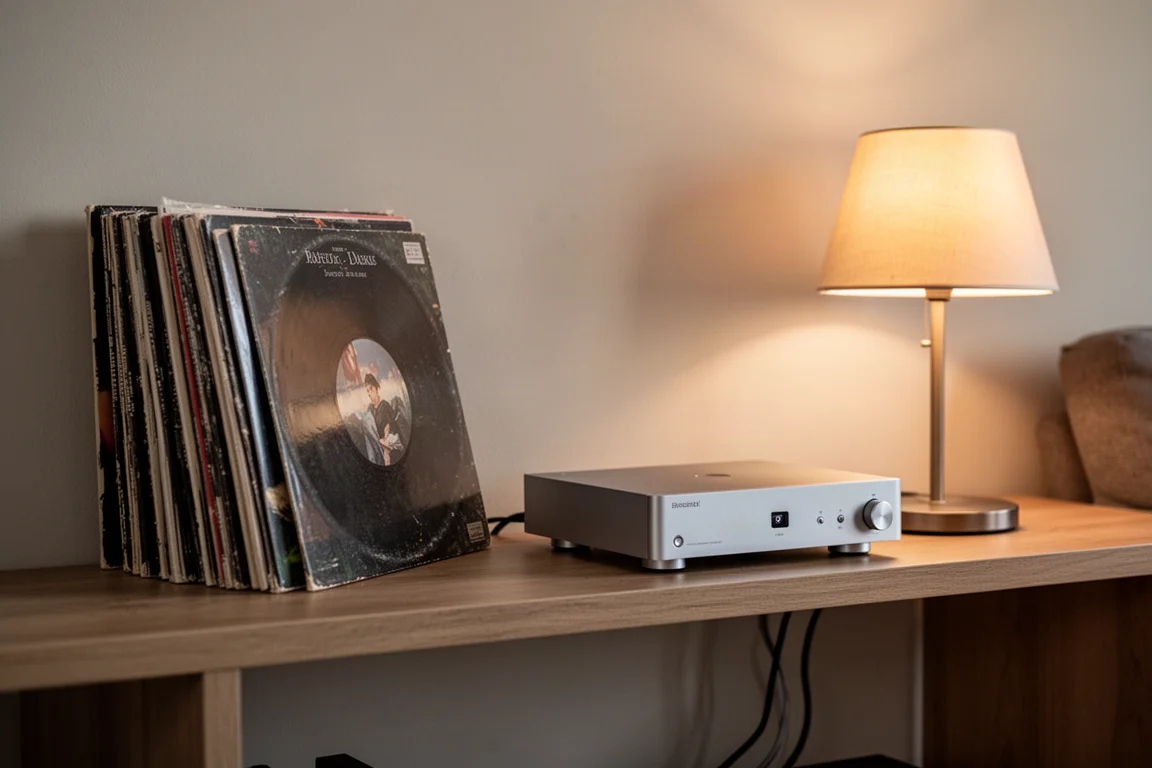
Pay attention to grounding before you commit, particularly if your source is a floating-ground design driving a power amplifier directly. Ask about the grounding terminal and whether a ground wire is needed in your configuration. Buyers running an integrated amplifier have less to think about.
The X Tube makes most sense for listeners who already like their system and want to explore whether a valve stage adds body without giving up speed. It makes much less sense as a first upgrade or as a fix for a system with a more fundamental imbalance.
Conclusion
The Musical Fidelity X Tube is a well-defined idea: a two-valve buffer with a hardwired bypass, built to improve the interface between two components and add a measure of triode character. The concept is easy to understand, and the dual outputs make it easy to evaluate honestly.
The complication is that the version tested produced an audible hum in a floating-ground, DAC-direct configuration, and Musical Fidelity has confirmed the behaviour and stated that the product will not be released in its current form. That is a reason for patience rather than dismissal. Readers with an interest in valve buffers should keep an eye on how the final version takes shape, and check grounding requirements for their own setup before buying.
Product link
View more details for Musical Fidelity X Tube
This product is mentioned in the review. Check the specifications, options, and compatibility before buying.
View more details for Musical Fidelity X TubeFurther reading
Related Reviews
Hi-Fi Accessories
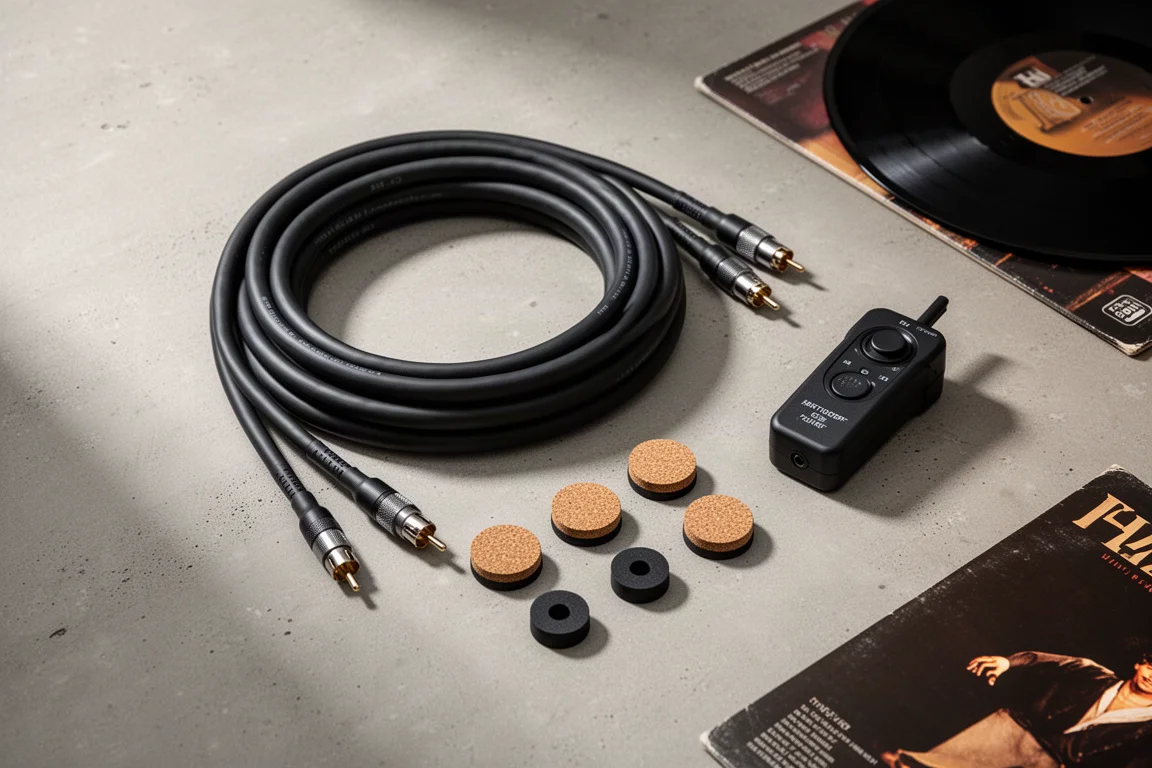
Affordable Hi-Fi Accessories Under $100: A Practical Gift Guide
A practical guide to budget Hi-Fi upgrades, from 12-gauge speaker cable and isolation pads to affordable bookshelf speakers, a warm stereo receiver, and a vinyl anti-static device.
Hi-Fi Accessories
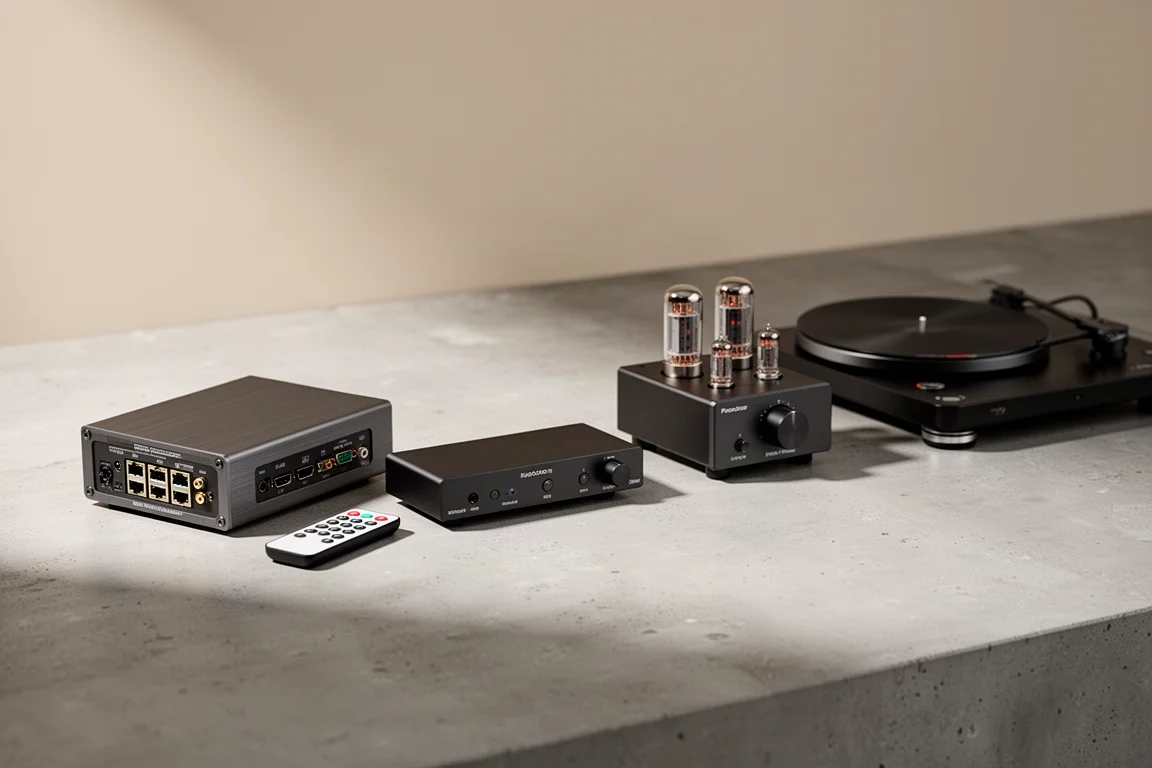
Five Affordable Hi-Fi Upgrades to Modernize a Vintage or Budget System
Five inexpensive add-ons that bring HDMI, extra inputs, phono support, and CD playback to a modest hi-fi setup.

Hi-Fi Accessories
Best Hi-Fi Accessories for Summer: Five Upgrades That Improve What You Hear
A free room-measuring app, a genuinely quiet fan, a serious Bluetooth speaker, and two vinyl essentials that make summer listening better.