Bike Care
Muc-Off Air Blaster Review: A Portable Bike Dryer for Home Mechanics
A compact battery-powered blower built to dry a bike after washing. Here is what it does well, where it falls short of a workshop compressor, and who should consider it.
Introduction
Drying a bike properly after a wash is one of those steps that is easy to skip and expensive to ignore. Water left sitting in a chain, around a cassette, or inside headset bearings is what turns a clean bike into a rusty one. Professional mechanics solve this with a large industrial air compressor, but that is not a realistic purchase for most riders washing a bike at home. The Muc-Off Air Blaster is a compact, battery-powered alternative built for that exact job: a handheld blower that pushes water off the frame, drivetrain, and bearings before the bike is lubed and put away.
What the Muc-Off Air Blaster Actually Is
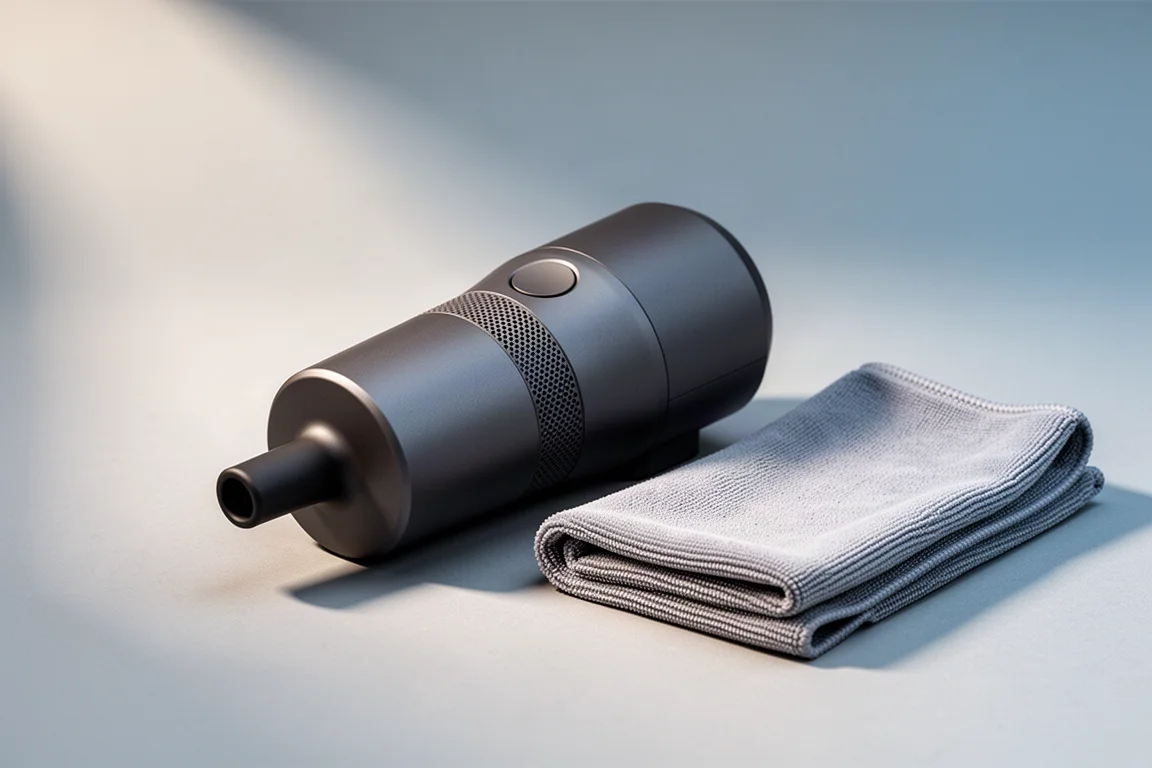
The unit is small, compact, and reasonably light. An 80 W motor drives the fan at up to a claimed 100,000 RPM, and there are four fan speed settings to choose from. The setting you pick has a large effect on runtime: the lowest speed stretches to a claimed 90 minutes, while the highest empties the battery in around 10 minutes. Recharging is handled over USB and takes roughly three hours.
Operation is deliberately simple. A single button on the front starts the fan, air is drawn in at the back, and it is pushed out through a small rubber nozzle that concentrates the flow into a tighter column. In use, the air comes out noticeably warm, warm enough to feel on your hand but not hot enough to burn. It is also loud, though no louder than a typical workshop compressor, and it holds useful working pressure for five minutes or more while you move around the bike.
Who This Product Is For
This is a product for the home mechanic who washes a bike regularly and wants it dry before it goes back into the garage or into the car. Riders in wet, muddy climates have the strongest case, because a bike that is washed often is a bike that is exposed to water often. It also suits anyone travelling to races, where a quick dry-down in a car park stops a wet bike from sitting for hours on the drive home.
Main Strengths: Portability and Everyday Drying
The clearest advantage over a workshop compressor is that this fits in a kit bag and runs on its own battery. There is no mains cable, no hose, and no need to dedicate permanent space in the garage to a large machine. You can carry it to a race, use it in a car park, and pack it away again.
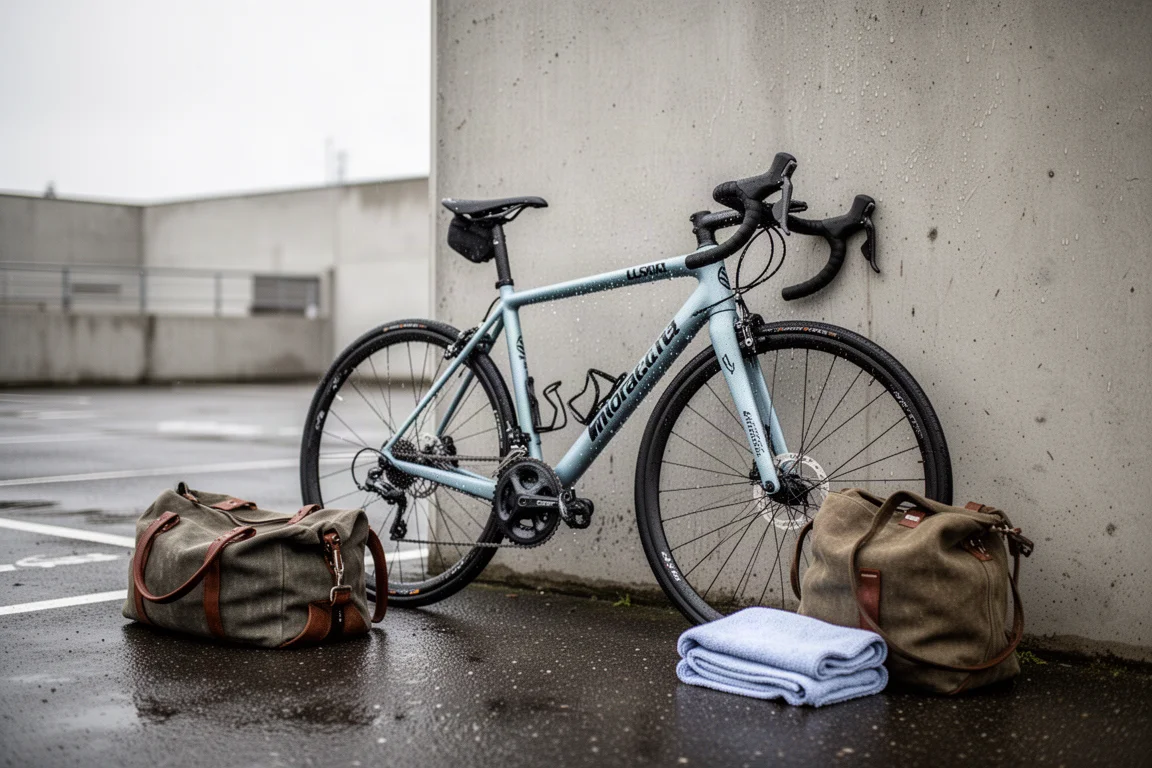
Around the bike, the airflow visibly moves water away from headset bearings, chain links, and cassette sprockets, and the water it displaces ends up on the floor rather than staying inside the components. Working around a whole bike does take a while, and the warm, fast-moving air means you are not standing still for long, but the drying itself is effective.
Where It Falls Short Against a Workshop Compressor
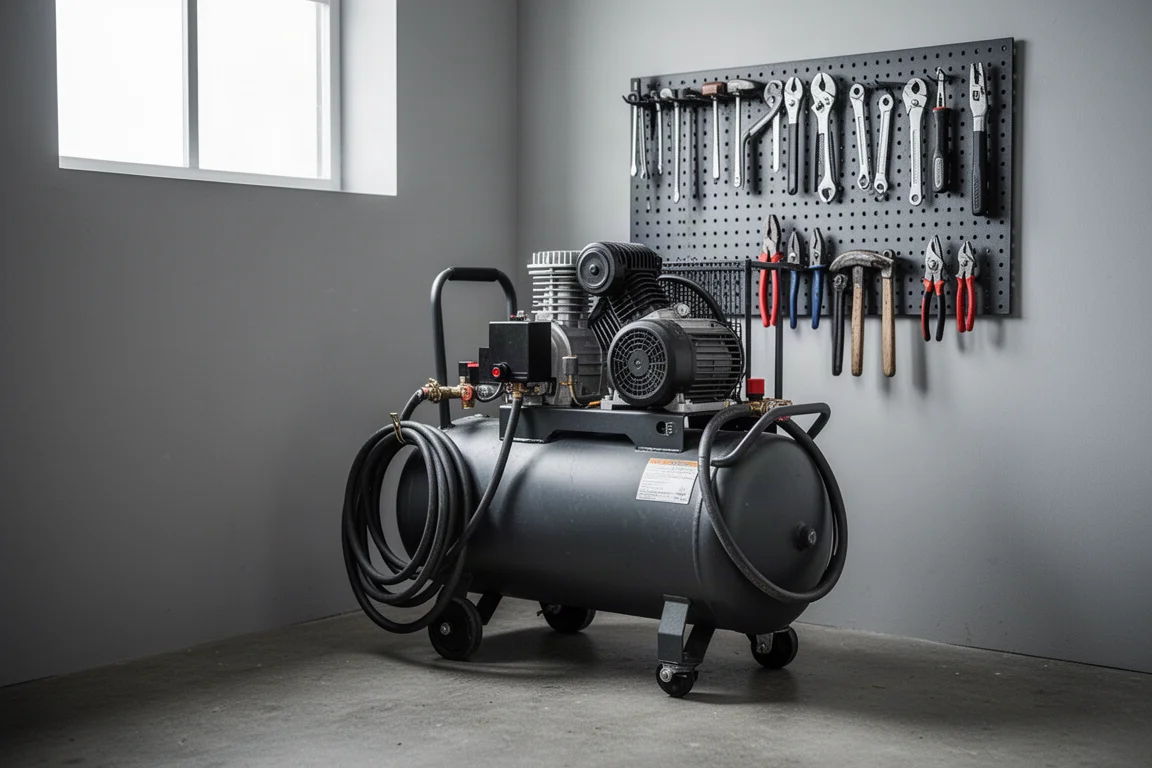
The gap in raw power is significant. The Air Blaster runs an 80 W motor, while the professional compressors found in bike shops and team trucks are typically rated at around 1.5 horsepower, which works out at roughly 1,200 W. That difference shows up as speed: the handheld unit dries a bike, but it takes longer to do it.
There is also a functional difference. A workshop compressor can inflate tyres, which makes it genuinely dual purpose, including for seating tubeless tyres. The Air Blaster dries and nothing else.
Things to Consider Before Buying
Price is the main thing to weigh. At £120 it is a considerable outlay for a drying tool, and similar air blowers sold for IT and office use, the kind meant for dusting out a laptop, cost roughly half as much, and sometimes a quarter as much. How those cheaper units compare in practice is not something this early look can answer.
The other trade-offs are noise and battery management. The fan is loud in use, and the relationship between speed and runtime means the most powerful setting is also the shortest. Anyone expecting the punch of a shop compressor will notice the difference immediately.
How It Compares on Price
Spending £120 on a portable dryer is easier to justify when you compare it with the alternative. A professional compressor costs about the same or a little more, and while it is far more powerful, it is also heavy, mains powered, very noisy, and awkward to store. For a rider without a workshop, the question is less about power per pound and more about whether the machine will actually get used.
Buying Advice
If you already have the space, the mains supply, and the patience for a full-size compressor, that route gives you more power and tyre inflation in one purchase. The Air Blaster makes more sense for riders who wash bikes at home without a compressor, travel to races, or simply want the drying step to be quick and portable rather than a production.
It is worth being clear about what you are buying. This is a convenience tool at a premium price, not a replacement for a workshop compressor, and the value depends entirely on how often you wash a bike and how much you mind water sitting in the drivetrain afterwards.
Conclusion
The Muc-Off Air Blaster does what it claims: it pushes water off a washed bike, it is small enough to carry, and it removes the main barrier that stops most home mechanics from drying a bike properly, which is not owning an air compressor. It is expensive, it cannot inflate a tyre, and it is nowhere near as powerful as the professional equipment it imitates. For riders who wash frequently and want a portable drying step, those compromises may be acceptable. For everyone else, a cheaper generic blower or a full-size compressor deserves a look first.
Product link
View more details for Muc-Off Air Blaster
This product is mentioned in the review. Check the specifications, options, and compatibility before buying.
View more details for Muc-Off Air BlasterFurther reading
Related Reviews
Cycling Accessories
7 Inexpensive Everyday Products That Are Brilliant for Cyclists
Seven cheap household products that solve real problems for cyclists, from portable bike washing and dry shoes to clean bottles and protected paintwork.
Hi-Fi Speakers
Acoustic Energy AE1 40th Anniversary Review: A Modern Take on a British Classic
A compact standmount that revives a 1980s favorite with all-new parts, a warm mid-centric balance, and a price of £1,499 per pair.
Studio Monitors
ADAM Audio A8H Review: A Three-Way Studio Monitor That Also Knows How to Have Fun
A three-way active studio monitor with an 8-inch woofer, a handmade AMT tweeter, and two distinct tunings, the ADAM Audio A8H aims to satisfy both critical work and everyday listening.