Camping Lanterns
MPOWERD Luci Pro Outdoor Review: Packable, Durable and Harsh on the Eyes
A practical look at the MPOWERD Luci Pro Outdoor, covering inflation, packability, measured light output, run times, solar and USB charging, and long term durability.
Introduction
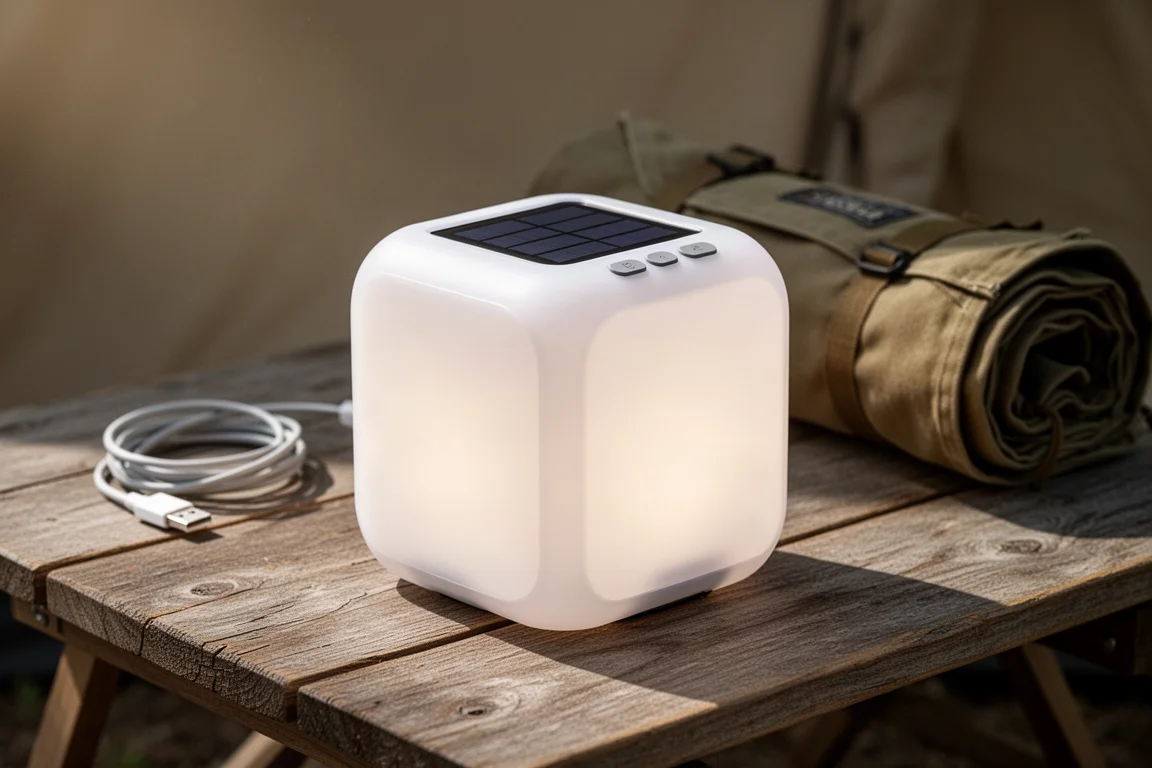
The MPOWERD Luci Pro Outdoor is an inflatable solar lantern that collapses to roughly the size of a small disc and weighs 172 g (6.1 oz). It is built for camping, backpacking and emergency kits, and it pairs a USB-rechargeable battery with a small solar panel set into the top face. It can also act as a power bank for a phone.
This article covers how it performs in practice: inflation and packing, measured light output, run times, charging behaviour and durability after roughly four years of occasional use.
Who this product is for
The Luci Pro Outdoor makes the most sense for people who care about packability first. Because it collapses flat, it takes up very little room in a pack, a glovebox or an emergency kit, and it adds almost nothing to the weight of a load.
It also suits anyone who wants more than one way to keep a light running: USB when power is available, solar when it is not. The IP67 rating and the ability to top up a phone add to the appeal for backcountry trips and preparedness kits.
It is a less obvious choice for anyone whose priority is soft, even, warm light. That is the main trade-off, and it is covered in detail further down.
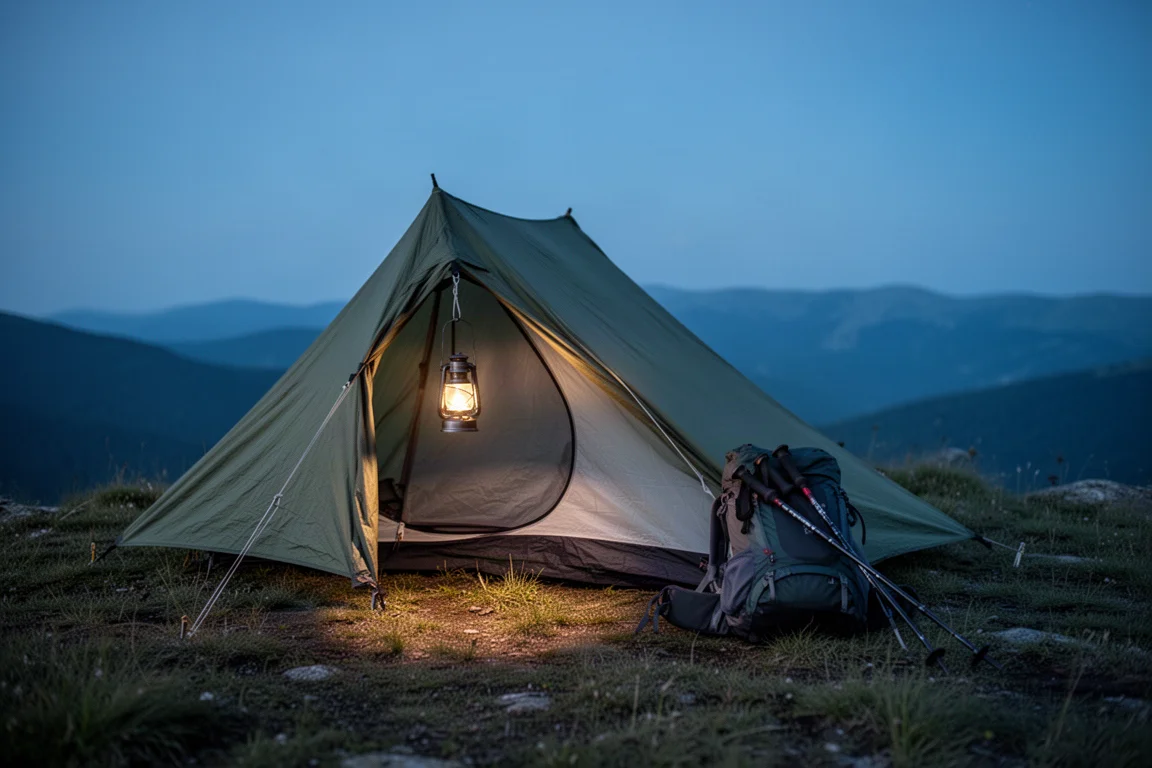
If your trips involve long carries, unpredictable weather and long gaps between charges, those priorities line up well with what this lantern does best.
Main strengths
A few things stand out after extended use: it inflates quickly, it survives rough handling, and its battery holds up well over time.
Inflating and Packing It Down
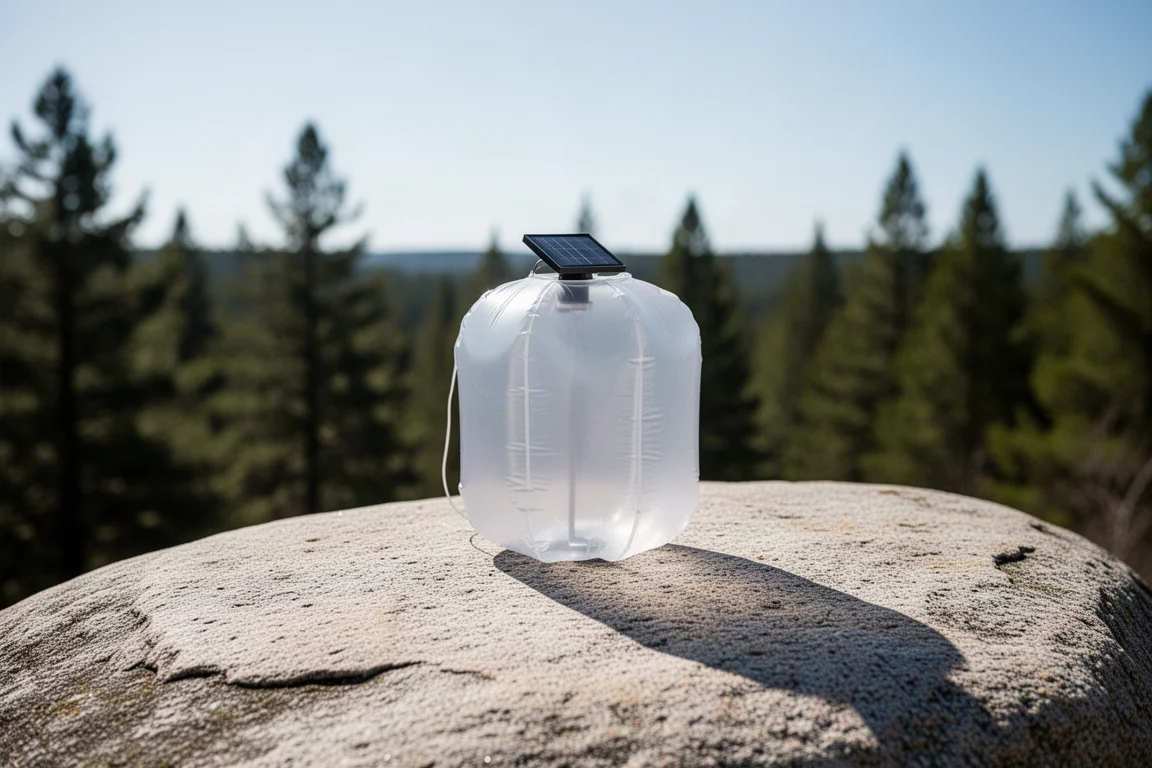
Inflation is simple. A valve at the bottom of the lantern has a cap that pulls off; pinching the valve and pulling it away from the base starts the process. One deep breath into the nozzle is usually enough to fill it, after which the cap goes back on and the valve pushes flush with the surface.
Deflation is just as straightforward: open the cap, pinch the valve, press the lantern down toward its base and close the valve. Fully deflated, the lantern is only about 1.25 to 1.5 inches (roughly 3.2 cm) long. Inflated, it measures about 5.1 by 5.1 inches across the top with a length of about 4.4 inches, or roughly 13 by 13 by 11 cm.
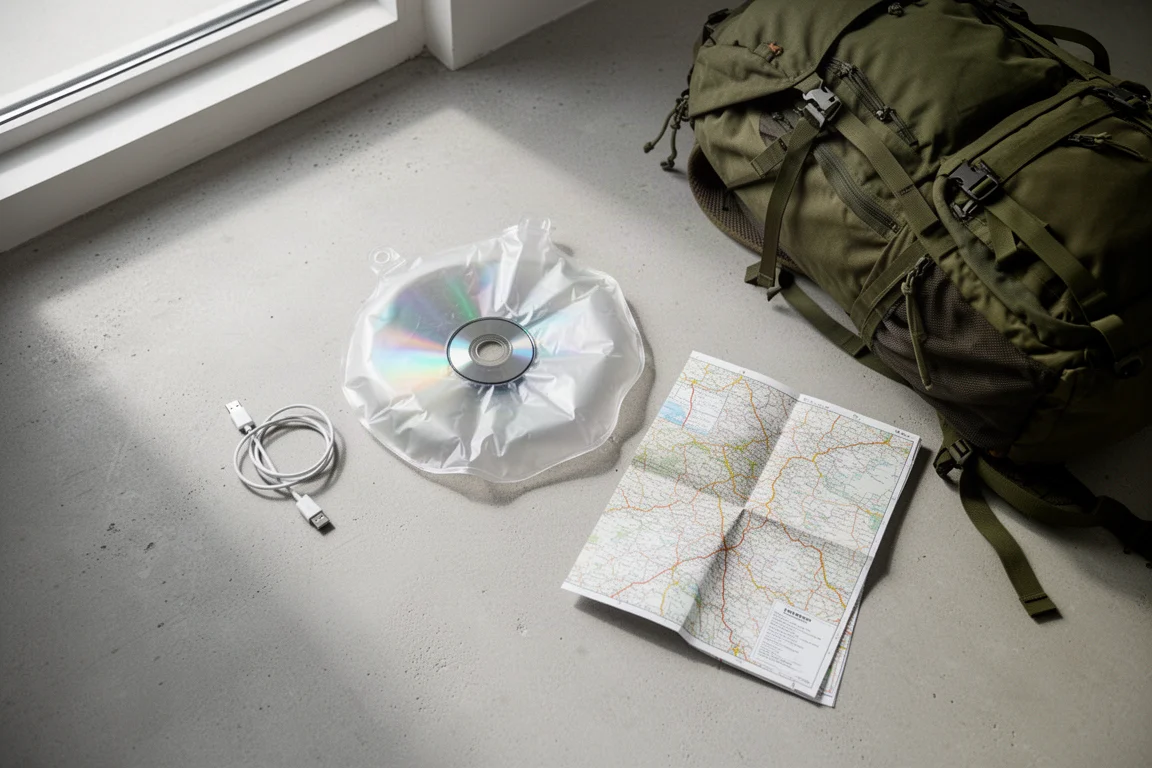
Two webbing straps are built in. The strap across the top, over the solar panel, can be lengthened by releasing one of its two connections, which makes it easier to carry. The strap at the base is fixed, but it provides a second hanging point if you want to suspend the lantern upside down.
Durability and Weather Sealing
The IP67 rating means the lantern is dust tight and can be submerged in up to 1 m of water for about 30 minutes. In practice it came through 30 minutes of heavy rain with no water reaching the USB port, and it kept working after a full 30 minute submersion. It is buoyant, so keeping it under water takes some effort.
It handles drops well too. The air inside cushions the impact, and the lantern survived drops from hand height and down a small slope without scratches or damage. It is rated to take up to 150 lbs of pressure, and it held the weight of a 120 lb person standing on it without popping.
Battery retention is a quiet strength. The cell is said to lose only about 3% of its charge per month, and after roughly four years of occasional use the battery still performs well. Left in storage for two years, it still had charge when it came back out.
Charging and Battery Performance
There are two ways to charge the lantern. USB is the fastest and the most predictable, taking roughly 2 hours 45 minutes to 3 hours from empty. A row of indicator lights blinks while charging and stays solid once the battery is full. The older model has a single USB port; a newer version adds a USB-C port for more charging flexibility.
Solar charging works through the panel on top, but it is much slower. A full day of average sun adds only about 15 to 20% of charge, which translates to roughly 45 minutes to 1 hour of run time at the highest brightness or about 7.5 to 10 hours at the lowest. A full solar charge takes at least five to six days of sun, longer in cloudy or rainy weather, and there have been days when the panel delivered no charge at all.
Run times are a bright spot. The official figures are about 50 hours at low brightness and 5 hours at high, and bench testing matched or slightly exceeded both. The battery indicator shows four levels for four seconds when the button is pressed; the guide lists four lights as 100% and three lights as 60%, which is a large jump. In testing the indicator fluctuated enough that it is best treated as a rough guide.
The same USB port can charge a phone. With a 2,000 mAh battery, the lantern took an iPhone 12 from 17% to 66%, a gain of about 49%, in about 1 hour 20 minutes. The indicator dropped from four lights to three almost immediately, and the lantern was flat by the end of the process.
Four light modes are available: low, medium, high and a flashing emergency setting, cycled through with the power button. There is no mode memory, so reaching a specific setting means stepping through the sequence. Pressing and holding the power button for two seconds switches the lantern off directly from any mode, which avoids passing through the brighter settings and blinding anyone nearby.
Things to consider before buying
Light quality is the biggest compromise. The Luci Pro Outdoor uses a cool white emitter without a frosted globe to diffuse the output, so the light stays concentrated rather than spreading evenly. Rechargeable lanterns that use a frosted globe, such as the BioLite AlpenGlow and the Black Diamond Apollo, spread light around them far more evenly.
Bench measurements show how narrow the spread is. Facing the meter at a distance, the lantern registered 0 on low, 17 on medium and 34 on high. With the LEDs pointed straight at the meter, the readings jumped to 382 on low, about 1,540 on medium and roughly 2,500 on high, well above the roughly 150 lumen figure quoted for maximum brightness. Its usable shine distance measured about 2.2 ft, under 1 m, the shortest of the rechargeable lanterns compared.
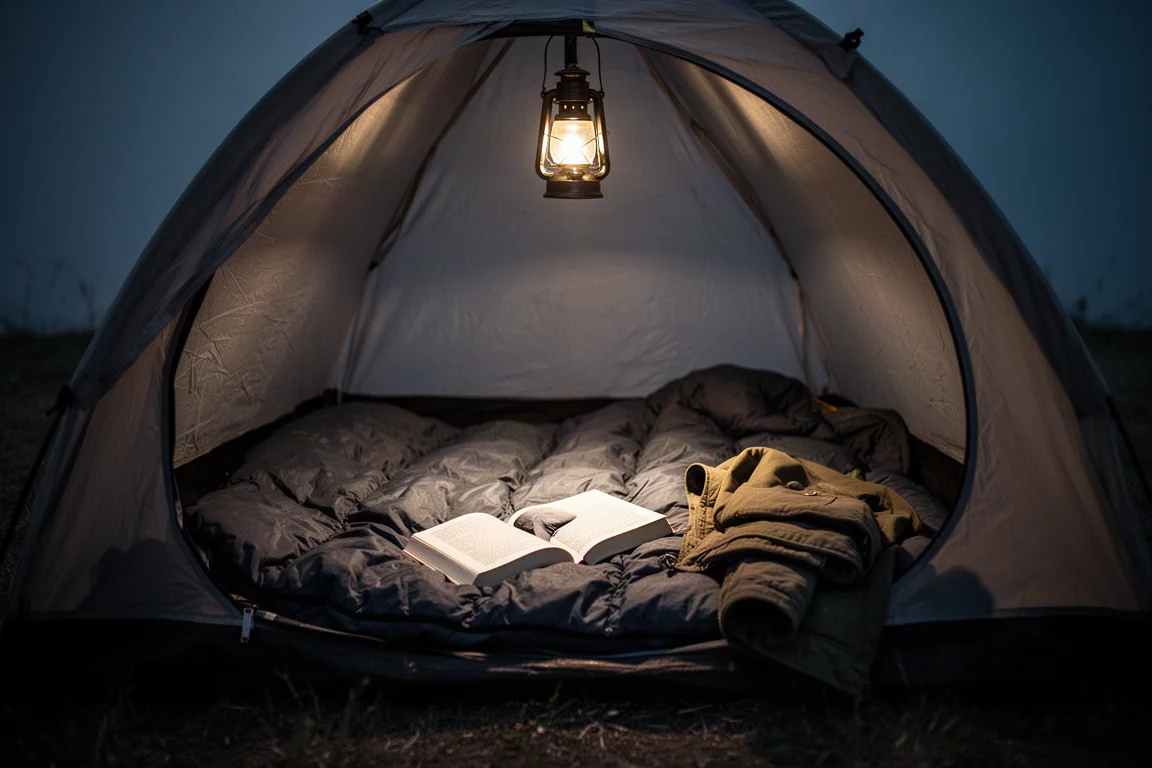
That combination makes the lantern harsh up close. Hung from the top of a six person tent, the LEDs face straight down at whoever is underneath, and reading at the edge of the tent means looking into that direct output. At the lowest setting the light is too dim for reading but still not especially comfortable, because the quality of the light is uneven.
A few smaller points are worth knowing. The two buttons sit flush with the surface, which makes them hard to locate by feel in the dark; finding the power button with eyes closed took about eight seconds. Inflating by mouth leaves moisture droplets inside the shell, and over time the interior can start to look dirty. The warranty runs for one year.
Buying advice
Buy the Luci Pro Outdoor if packability, durability and charging flexibility matter more to you than the quality of the light. It collapses to almost nothing, shrugs off rain, submersion and drops, holds its charge for years, and can be topped up by USB or by sun. For a backpack, a boat, a car kit or an emergency bag, those are the qualities that count.
If you plan to spend evenings reading or sitting under the lantern in a tent, the light output becomes the deciding factor, and this model is not the most comfortable choice. A version with a warm white emitter and a matte finish is available, and it produces noticeably softer light than the clear, cool white model described here.
Whichever version you choose, treat the battery indicator as a guide rather than a gauge, and favour USB charging when you have access to power. Solar is a useful backup, not a primary plan.
Conclusion
The Luci Pro Outdoor is a tough, tiny, genuinely portable lantern with reliable run times and a battery that has held up over years of light use. Its weaknesses are all about the light itself: a cool white output with poor diffusion, a short shine distance and glare when it hangs overhead. Buy it for the hardware, and choose a warm white, matte version if the light quality is what you care about most.
Product link
View more details for MPOWERD Luci Pro Outdoor
This product is mentioned in the review. Check the specifications, options, and compatibility before buying.
View more details for MPOWERD Luci Pro OutdoorFurther reading
Related Reviews
Camping Lanterns
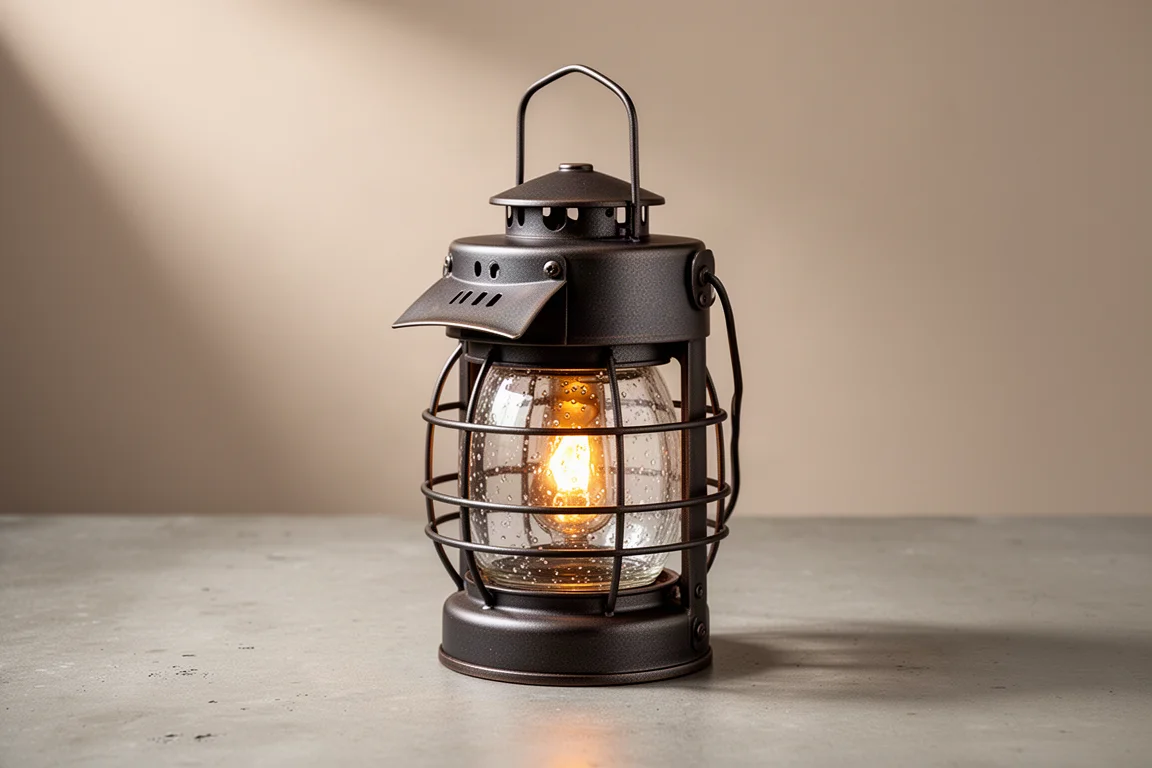
Barebones Railroad Lantern Review: A Vintage-Style Lantern That Beats Its Own Specs
A detailed look at the Barebones Railroad Lantern, covering measured brightness and runtime, charging behavior, weather resistance, and what to know before buying.
Camping Lanterns
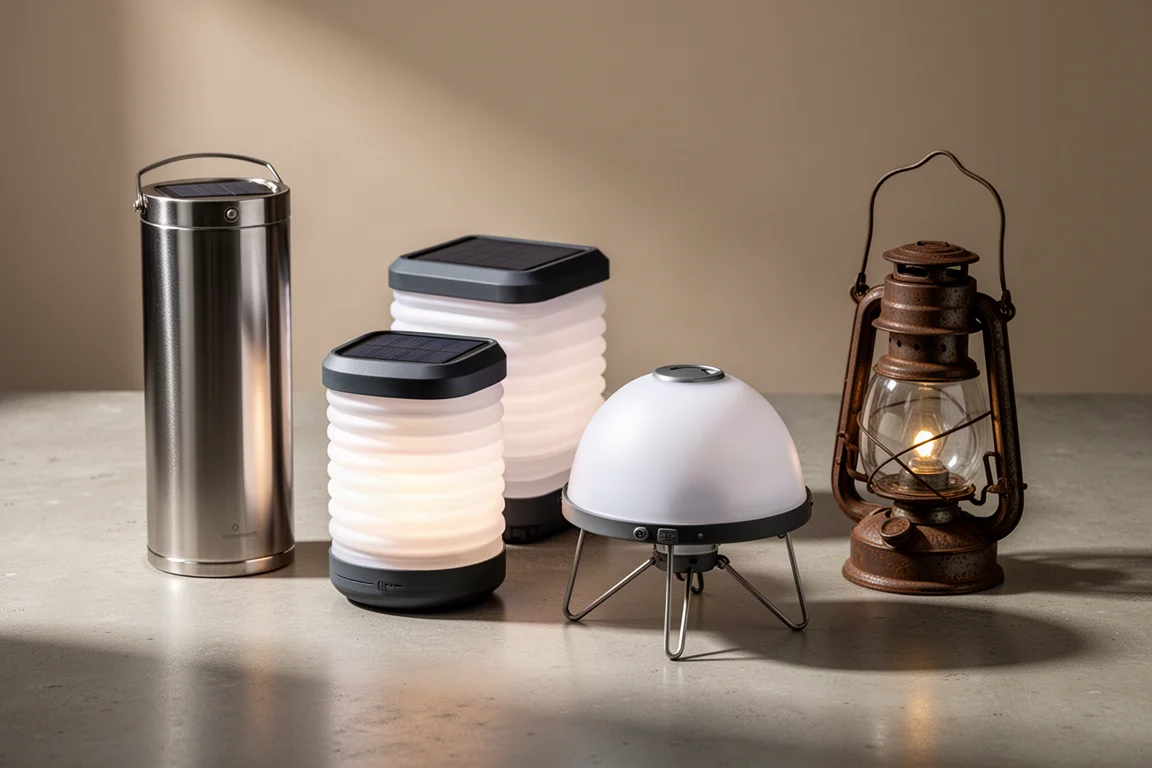
Best Rechargeable LED Camping Lanterns 2026: 12 Lanterns Compared
Twelve rechargeable LED camping lanterns measured for brightness, run time, features, ease of use, durability, and portability, with clear picks for every kind of camper.
Camping Lanterns
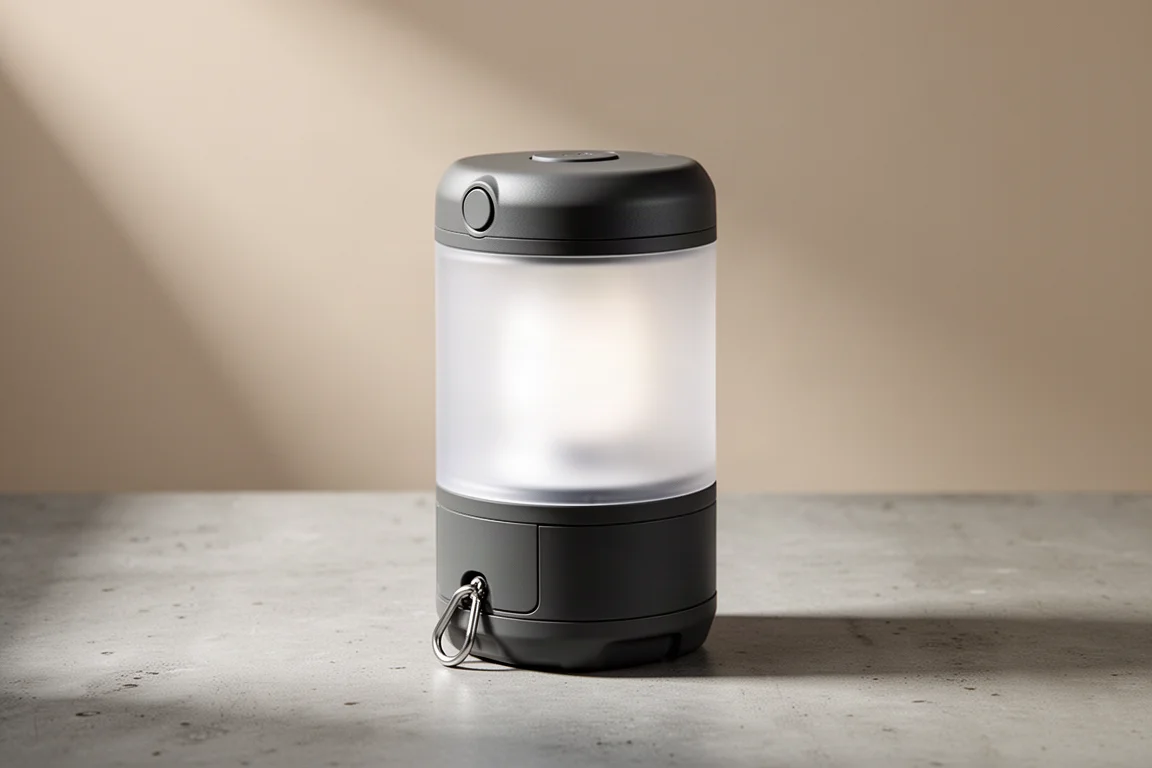
BioLite AlpenGlow 500 Review: A Versatile Rechargeable Camping Lantern
A rechargeable camping lantern with thirteen lighting modes, a 6,400 mAh power bank, and long measured runtimes, plus the warranty and safety trade-offs worth weighing first.