Camping Shelters
Mountainsmith Lyan Peak Bivvy Tent Review: Roomy Stealth Shelter, Held Back by Condensation
A long-term look at the Mountainsmith Lyan Peak bivvy tent, covering its weather protection, interior space, ventilation problems, and value.
Introduction
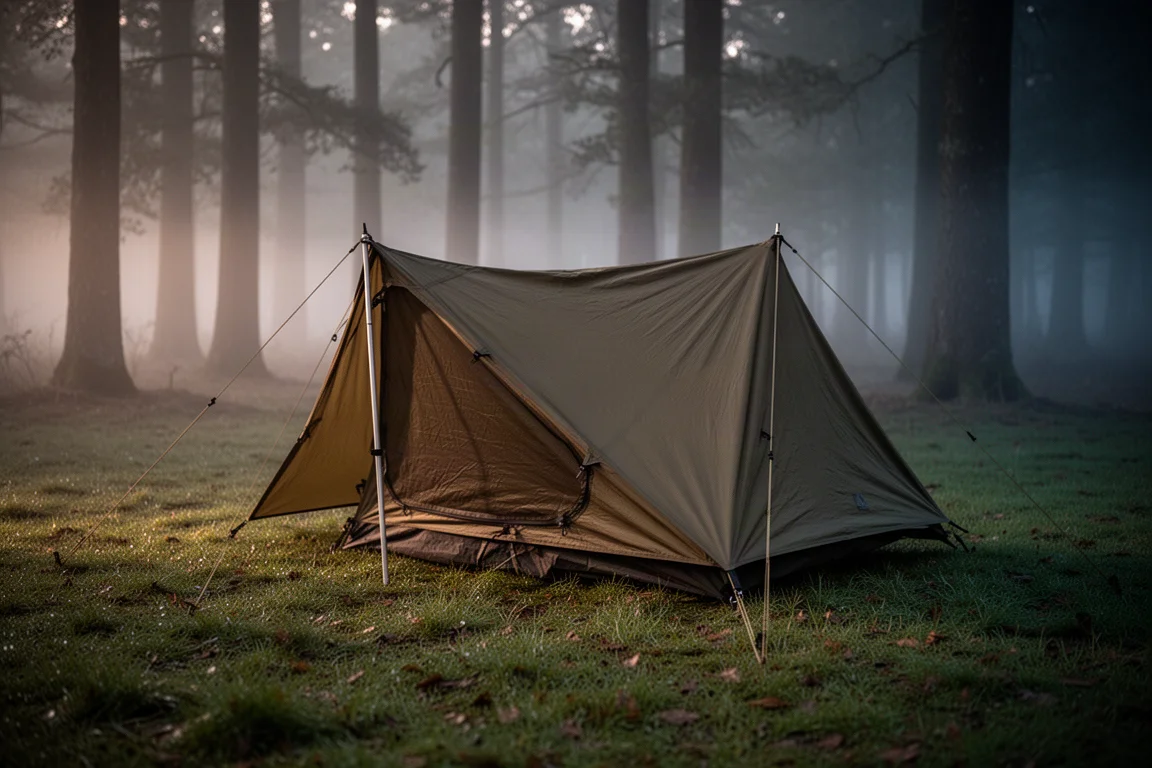
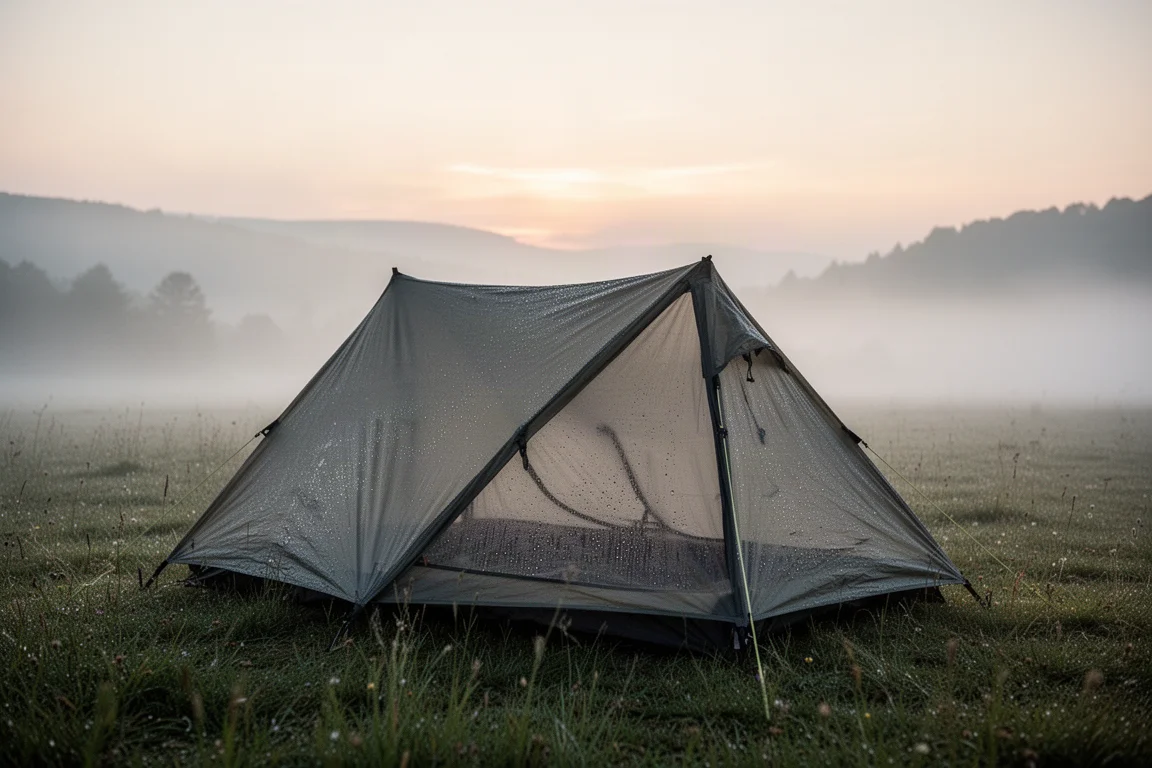
The Mountainsmith Lyan Peak Bivvy Tent is a single-person, three-season shelter built for campers who want a low-profile option for stealth camping without giving up the ability to sit up inside. It is a non-freestanding design, so it has to be staked out before it will stand, and it uses a single door with a bathtub floor. The inner tent mixes mesh panels with fabric panels, a combination that shapes much of how this shelter performs.
Field testing has covered the end of summer, autumn, winter outings when the weather allowed, and spring conditions, which is enough time to judge how the materials, seams, and weather protection hold up well beyond a first trip.
Who This Tent Is For
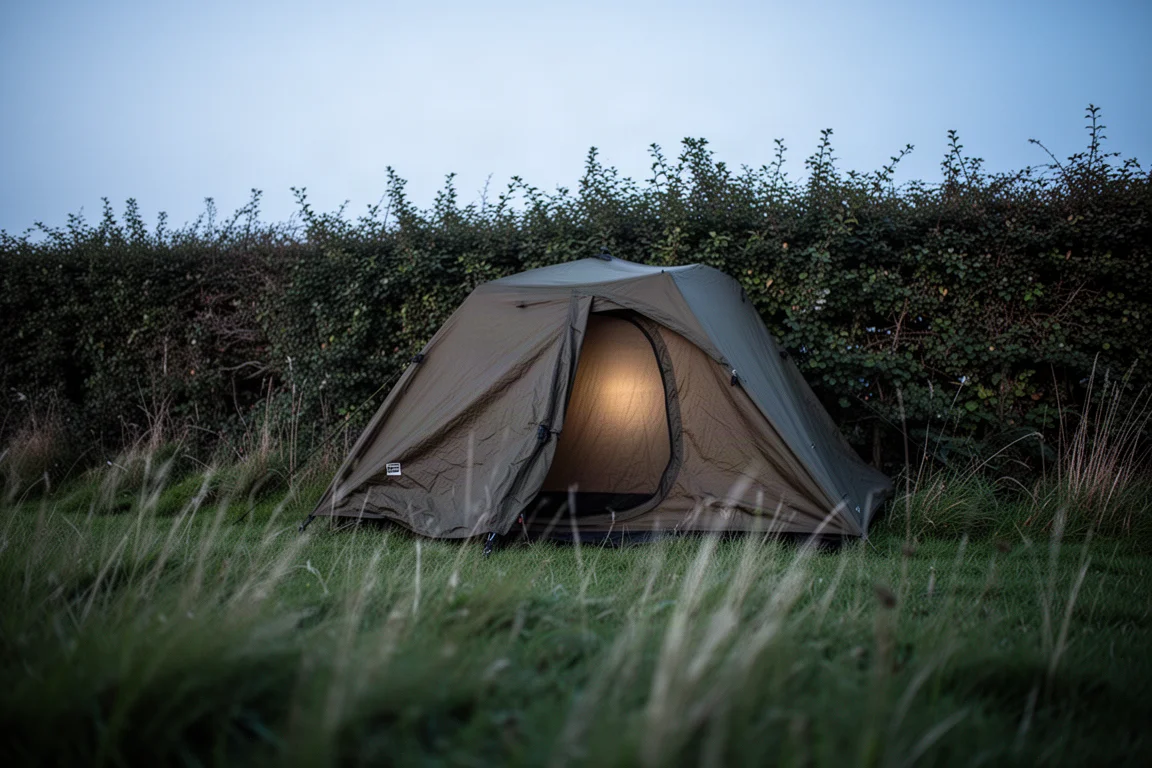
This shelter suits solo campers who want a bivvy-style footprint but not a bivvy-style coffin. Inside there is enough room for one person plus a backpack, sleeping bag and other gear, and the raised front section gives enough headroom to sit up, change clothes, or run a small stove with care and good ventilation. For stealth camping, the brownish green fabric reads as a muted, natural tone rather than a bright technical colour.
It is a poor match for anyone who wants an ultralight shelter or a true four-season tent. The packed weight and size put it closer to a conventional one-person tent than to a minimalist bivy, and the ventilation design makes it a fair-weather shelter in practice.
Design and Setup
Pitching is straightforward: stake the shelter out, raise the two aluminium poles, clip the body on, and buckle the fly into place. The fly buckles directly into the tent body, which keeps the process simple and quick, although those buckles and the thick straps add weight. Stakes are 7075 aluminium.
The geometry is unusual. The foot box looks conventional, but the front of the tent uses sharp lines, small angles and several odd stake-out points, and the shape is unlike most shelters on the market. It does not appear to benefit the user, since the cut-away sections reduce usable interior space.
Main Strengths
Build quality is the strongest argument for this shelter at its price. Seam work and seam tape are clean, and there have been no failures or defects. After repeated trips and storms across multiple seasons, the fabric shows no wear beyond normal dirt.
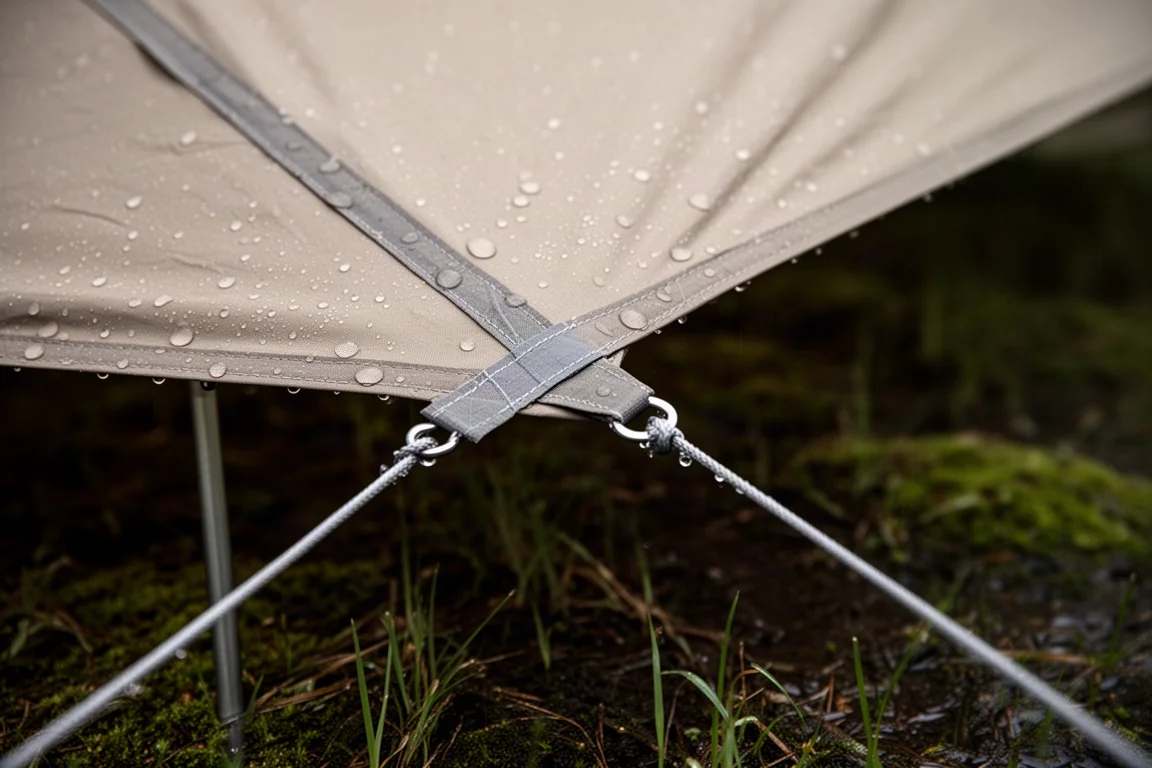
Weather protection is excellent. The fly is 185T polyester with a 2,000 mm hydrostatic head rating, and the floor combines 68D and 190T polyester with a 5,000 mm rating. Ice, heavy rain, thunderstorms and very strong winds have all been handled without leaks, and this is the most confidence-inspiring bivvy-style shelter in that respect among the ones tested. Once fully staked out it is extremely stable, though it does take a lot of stakes to get there.
Interior comfort is the other highlight. The door is large and easy to pass through, the zippers on both the door and the fly run smoothly, and there is enough space to keep all gear inside. The tent carries a lifetime warranty, and a ground sheet is included, although that ground sheet adds noticeable weight.
Ventilation and Condensation
The main weakness is airflow. The fly runs straight down alongside the body to the ground, leaving almost no gap for air to pass underneath. In practice that means condensation forms heavily on the inside, even though the shelter itself stays dry. There is enough interior volume that moisture rarely reaches a sleeper unless it is very windy, but the build-up is significant.
The mix of mesh and fabric panels compounds the problem. Fabric holds heat and restricts airflow, which makes the tent uncomfortably warm in the hotter months and works against the goals of a three-season shelter. A revised version would benefit from removing much of the fabric and adding a way to hold the fly away from the body to create airflow underneath.
Things to Consider Before Buying
Weight is a real consideration. At 4 lb 6.2 oz for a one-person bivvy tent, this is heavier than most direct alternatives. The choice of heavy polyester materials, the buckles, and the thick straps all contribute, and the included stuff sack is large for a shelter of this type. Leaving the ground sheet behind saves weight but removes a useful layer.
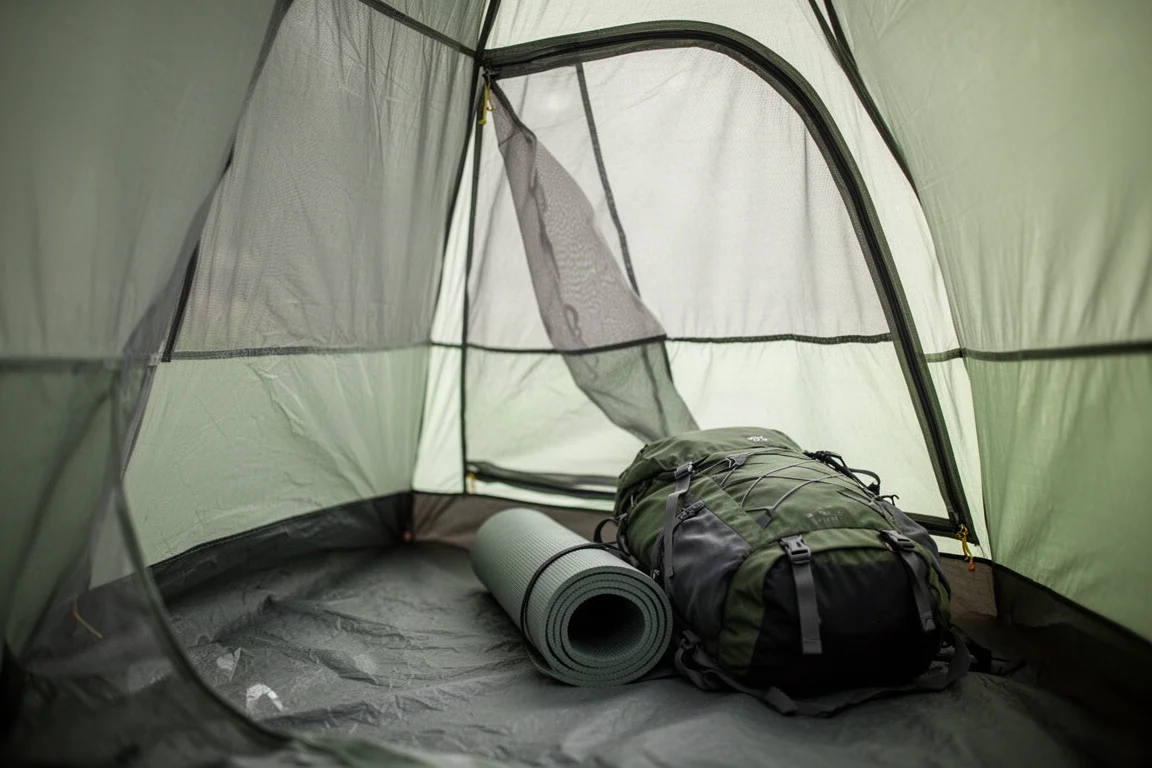
There is also no vestibule. Every piece of gear has to live inside the sleeping area, which is workable only because the interior is unusually generous. Combined with the condensation and the unusual shape, this shelter performs best in settled, dry conditions with the fly rolled back, where cool air can move through the door mesh.
Buying Advice
Pricing has moved around. This shelter was bought at $90, sat at $112 at the time of testing, and is listed at $180 on the manufacturer website. At the lower end of that range it is good value given the seam quality, durability and weather protection. Near full list price, the weight and ventilation compromises are harder to justify.
For campers who camp mostly in fair weather, want a roomy stealth shelter, and value a lifetime warranty, this remains a reasonable buy. Anyone planning regular wet or humid trips, or counting grams, should weigh those two weaknesses carefully before committing.
Conclusion
The Mountainsmith Lyan Peak Bivvy Tent gets the fundamentals of construction and weather protection right, and it offers more interior space than its footprint suggests. Condensation, limited airflow, and a heavy build for a one-person shelter are the trade-offs. Buy it for dry-season stealth camping, and treat wet-weather use as a bonus rather than the main plan.
Product link
View more details for Mountainsmith Lyan Peak Bivvy Tent
This product is mentioned in the review. Check the specifications, options, and compatibility before buying.
View more details for Mountainsmith Lyan Peak Bivvy TentFurther reading
Related Reviews
Camping Shelters
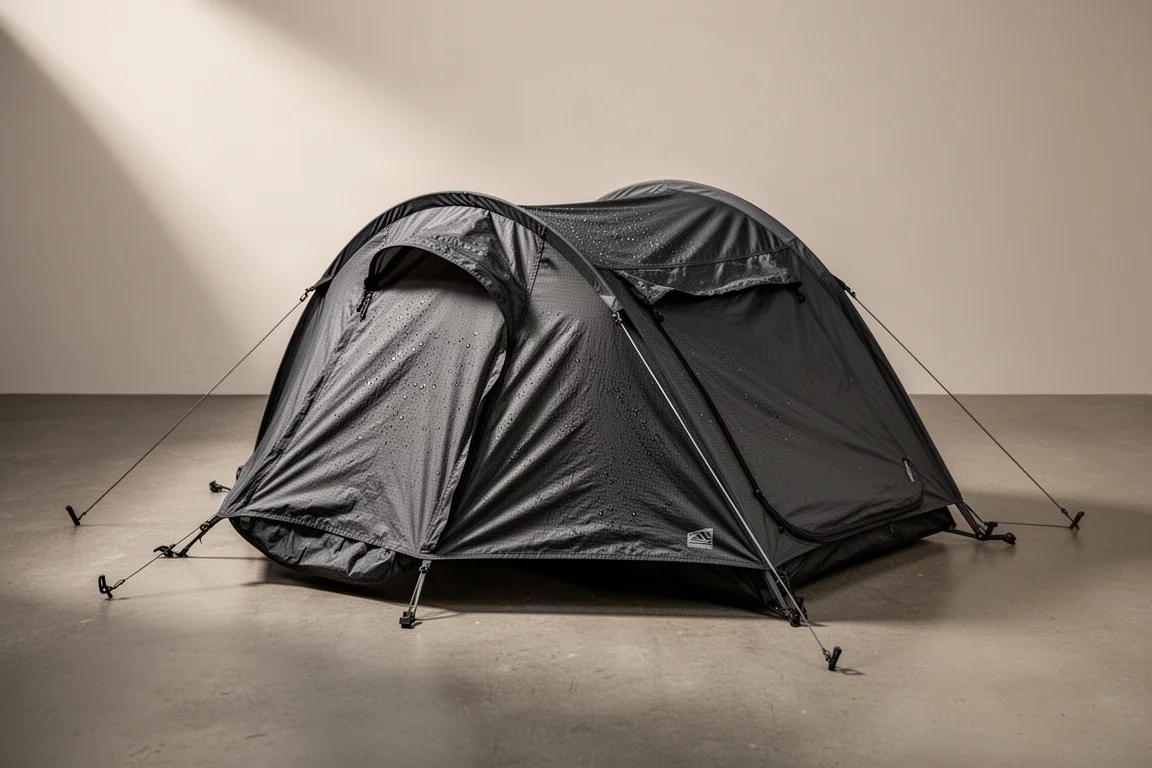
Alps Mountaineering Stealth 1 Bivy Review: A Waterproof Claim That Does Not Hold Up
The Alps Mountaineering Stealth 1 Bivy carries a 2,000 mm hydrostatic head rating and a waterproof claim, but sustained rain exposure and build quality concerns make it difficult to recommend.
Camping Shelters
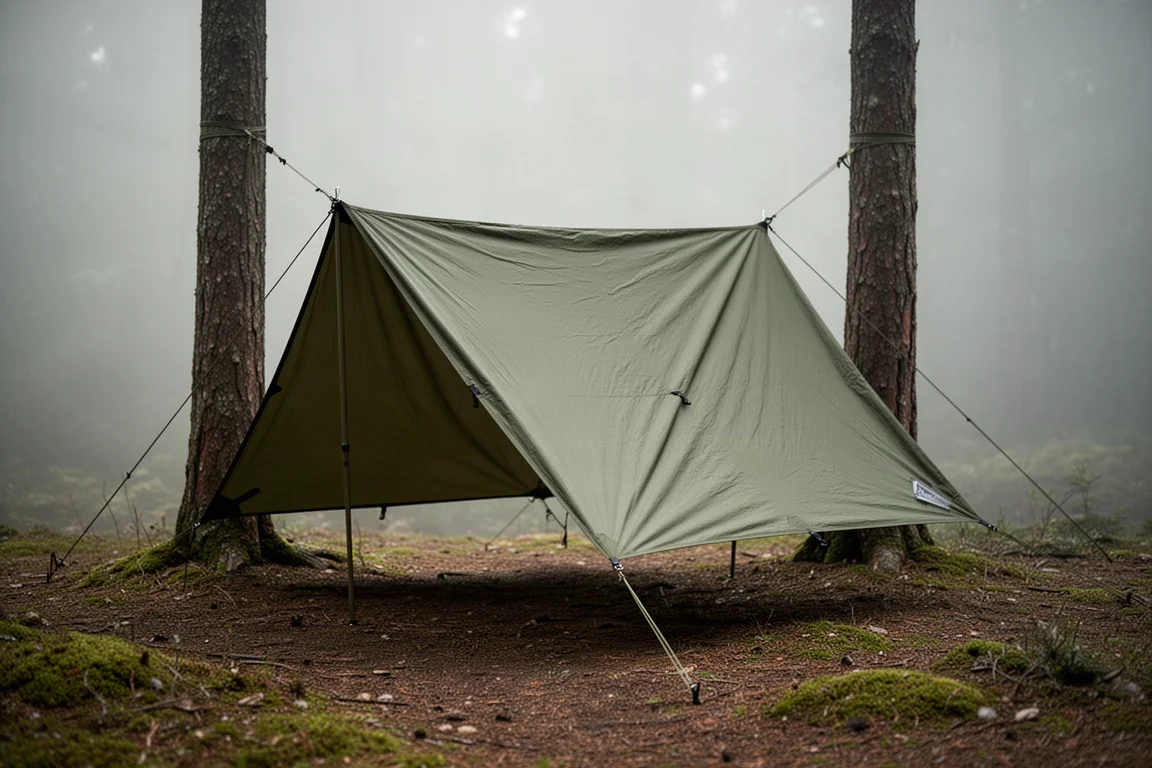
AquaQuest Safari Hybrid 20 ft x 13 ft Tarp Review: Two Years Under a Very Large Roof
A long-term look at the AquaQuest Safari Hybrid 20 x 13 tarp, covering build quality, weather protection, setup realities, and who should buy one.
Camping Shelters
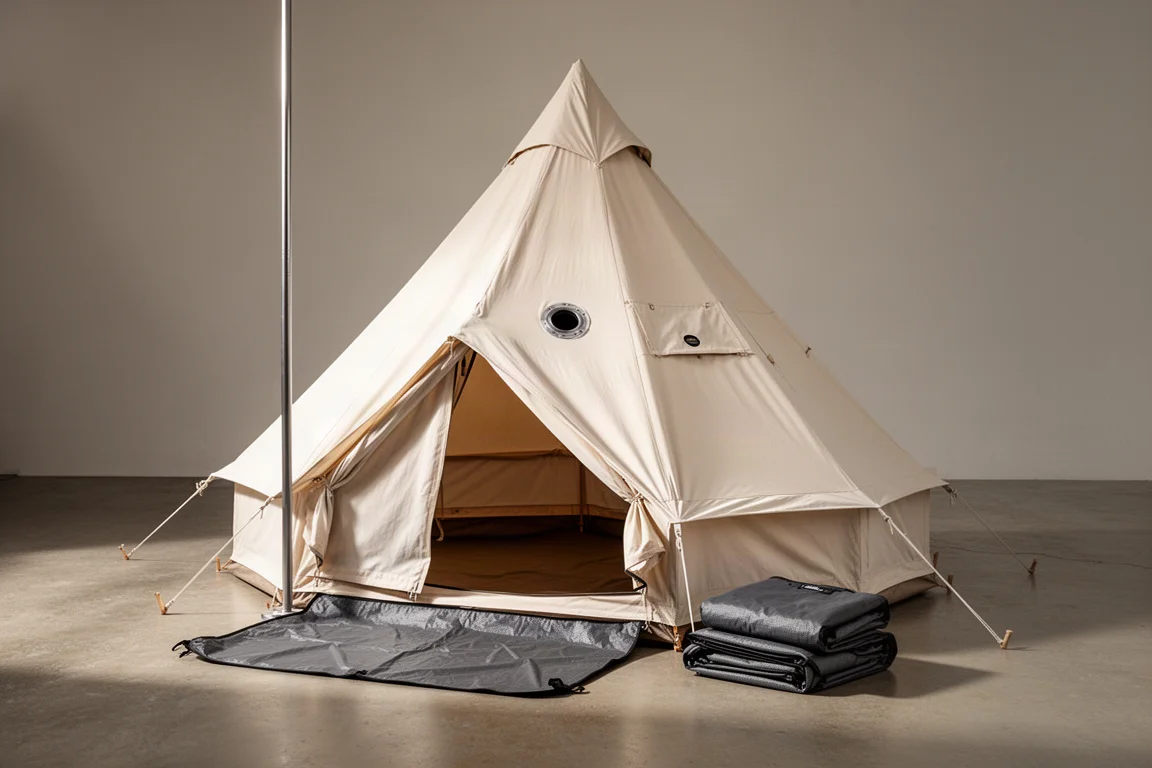
Backcountry Light Mesa 3 Hot Tent and Floor SL Tarp Review
A practical look at the Backcountry Light Mesa 3 four-season hot tent and its optional Floor SL Tarp, covering materials, stove jack design, packed weight, pricing, and the trade-offs to weigh before buying.